There’s a peculiar contract that plays out at the end of almost every major concert. The band takes a bow, walks offstage, the lights stay dim, and thousands of people begin clapping in unison – fully aware the artists haven’t really gone anywhere. Everyone knows what’s coming. Everyone plays along anyway. It’s theater, and it’s been theater for a very long time.
The encore is one of live music’s most durable rituals, surviving centuries of cultural shift, technological upheaval, and no small amount of cynicism. To understand why it still works, it helps to know where it came from.
1. The Baroque Seed: Where It All Began
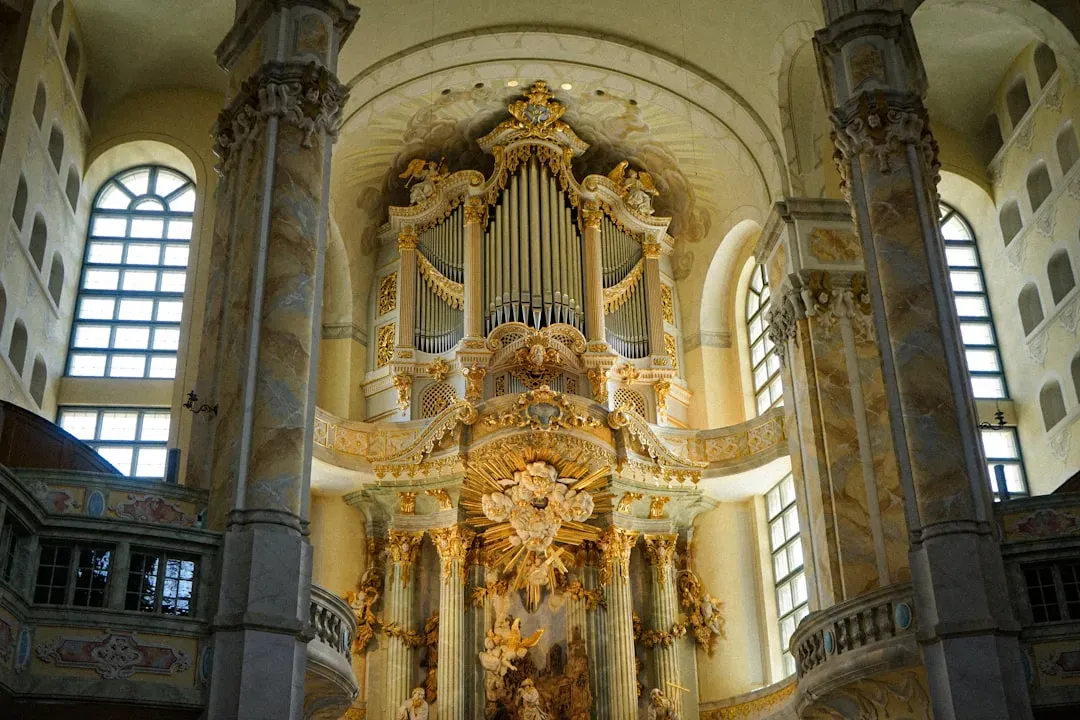
The concert encore dates back to the early 18th century, when audiences used to take in Italian opera concerts in the UK, with some evidence of an encore taking place as early as February 1712. This wasn’t yet a ritual of celebration. The big difference was that this particular early mention of an encore wasn’t one with admiration – it appeared as a satirical comment in The Spectator, a British paper.
Without recorded music, the only way anyone could hear their favorite music was to wait for an opportunity to go somewhere it would be performed. Once the concert was over, it was over – unless the audience decided to hit the 1700s version of the repeat button. The impulse, in other words, was born from scarcity, not ceremony.
2. Mozart’s Marriage of Figaro and the First Famous Encore
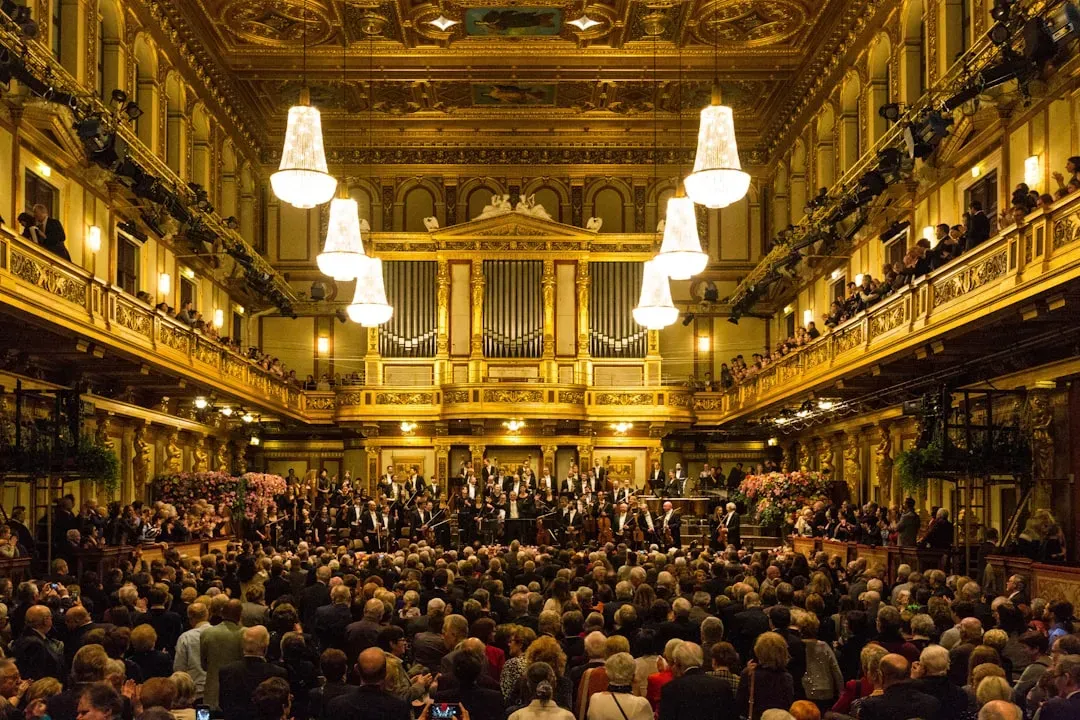
Encores are believed to have originated from Italian operas in the 18th century, and one of the earliest recorded encores was in 1786 at the premiere of Mozart’s Marriage of Figaro. The audience’s enthusiasm that night was reportedly so intense that certain numbers had to be repeated on the spot. It marked a turning point where the encore shifted from a rogue interruption to something closer to a compliment.
Contrary to modern encores, encores were traditionally spontaneous and followed a singular piece or movement – and performers would often perform an encore to multiple pieces within one concert, which could nearly double the length of an evening. What started as a single, heartfelt demand could cascade into something almost exhausting for everyone involved.
3. The Word Itself: A French Phrase the French Don’t Use
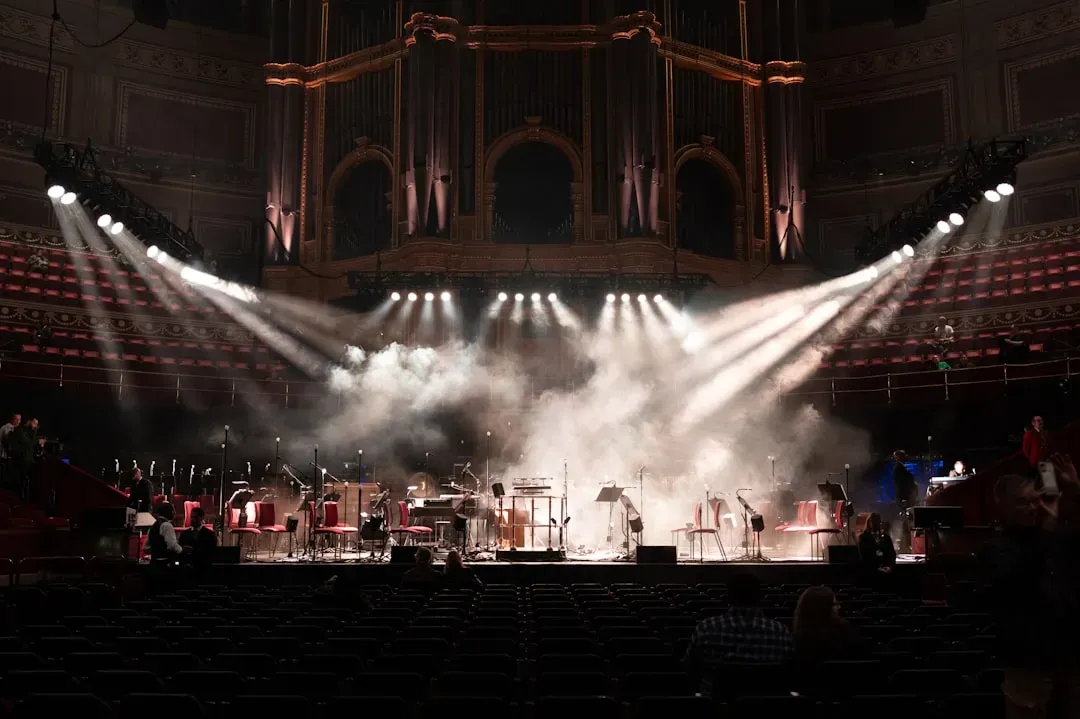
This extra performance became known as an “encore,” which is the French word for “again.” The etymology, though, runs a little deeper than that. The term “encore” originates from the French word meaning “again” or “more,” combining elements from the Latin “in” and “cora,” a derivative of “cor,” meaning the heart. There’s something quietly fitting about that root – an encore, at its best, is genuinely heartfelt.
The word comes from the French encore, which means “again, some more,” but it is not actually used this way in French. French speakers commonly use instead either “une autre” (another), “un rappel” (a return, curtain call), or the Latin “bis” (second time) in the same circumstances – and Italians use “bis” too. The English-speaking world essentially borrowed the word and ran with it in a direction its origin language never quite followed.
4. When Wealthy Patrons Ran the Show
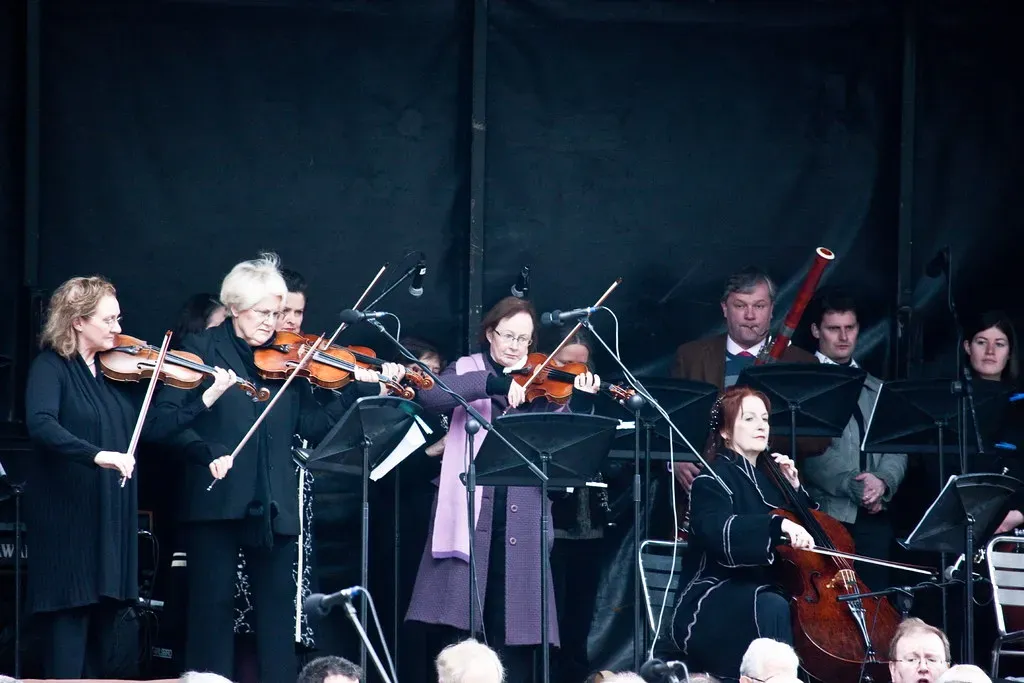
Before Spotify, Apple Music, YouTube, or even CDs, music lovers would attend grand concert halls to listen to the newest music from renowned composers. After a concert ended during the 18th century, wealthy patrons of the audience would request to hear their favorite song of the set again, since they couldn’t listen to it at home. This gave encores a distinctly class-inflected character in their early years – the encore was a privilege of the paying elite.
The crowd yelled “Encore!” – French for “again.” In Italy the cry was “Ancora!” These were demands by the audience, and more importantly, the performer’s wealthy patrons, to hear the most popular songs or portions of, say, an opera, one more time. Power, in those rooms, flowed quite openly from the box seats downward to the stage.
5. The Bans, the Backlash, and Toscanini’s Iron Rule
Eventually, Austria, Italy, and Germany issued outright bans on shouts for encores, something that eventually extended to New World establishments like the Metropolitan Opera in New York. Some actually feared that such unruly behavior would lead to disorder. These fears were not entirely unfounded. In 1887, a member of the audience was so annoyed that Italian conductor Arturo Toscanini refused to replay a tenor aria that a soldier in the audience called him “arrogant,” to which Toscanini replied sharply. Honor insulted, Toscanini was challenged to a duel.
Toscanini famously banned encores at La Scala and the Metropolitan Opera for the better part of the 20th century, saying they brought too much focus to individual singers and broke the flow of the opera. His reasoning was artistic, not prudish. Toscanini deplored encores that stopped the dramatic motion, and would not tolerate egotistical actions of singers onstage that undermined the artistic integrity of the work. The ban held at La Scala for decades – until it was dramatically broken.
6. Virtuosos, Liszt, and the Encore as a Badge of Honor
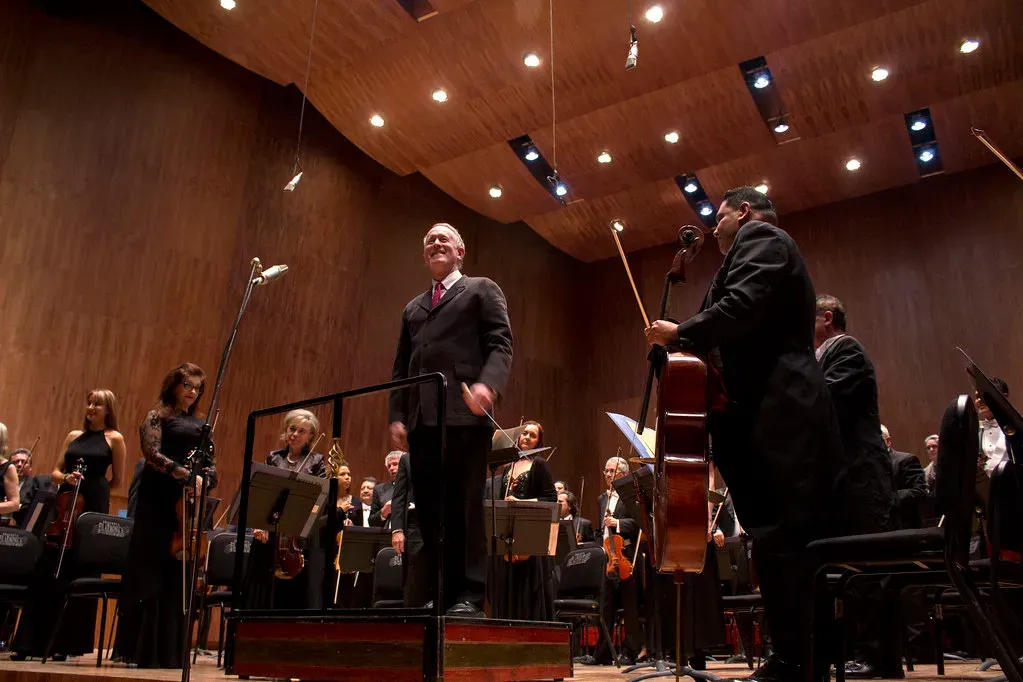
Touring virtuosos like Niccolò Paganini and Franz Liszt were showered with applause, and encores became their calling card. Liszt, in particular, was known for dazzling audiences with technical feats during his encore pieces – sometimes improvising, sometimes selecting sentimental favorites. In this era, the encore wasn’t a contractual obligation; it was a measure of greatness.
Partner offer
The encore became a badge of honor, proof that the artist had truly wowed the crowd. Newspapers of the day reported on the number of encores performed as a measure of the concert’s success, turning these moments into a kind of competition. You could almost track an artist’s reputation through their encore count alone – which tells you something about how seriously audiences took the gesture.
7. Vaudeville and Broadway: The Encore Goes Popular
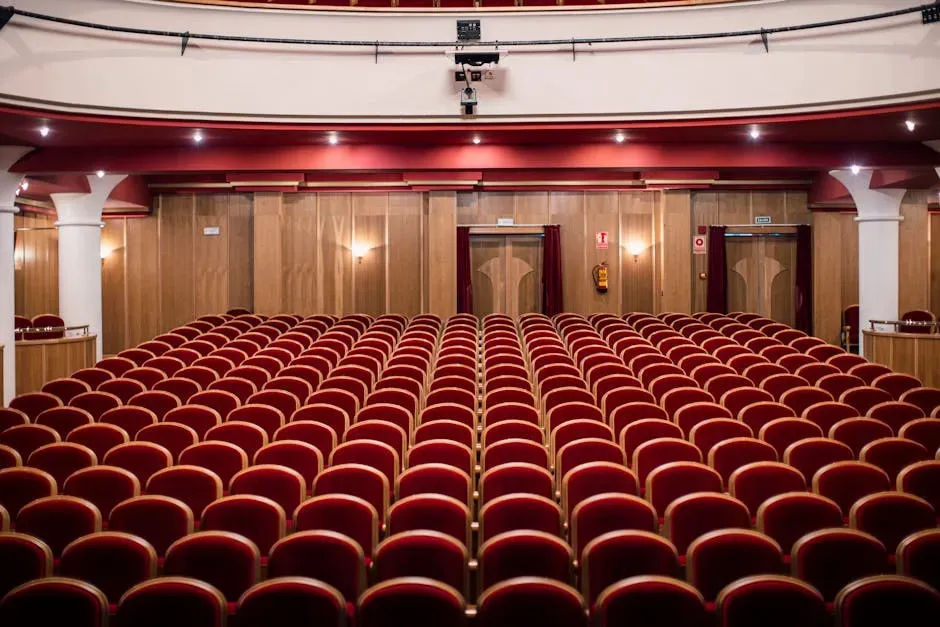
By 1900, the only places where one could enjoy an encore were music halls and vaudeville theaters. If one of the acts sang a hit song of the day, he or she might be spontaneously called upon to sing it again and again until the audience was satiated. Song pluggers – people hired by music publishers to promote freshly written pop songs – loved when this happened because it inevitably meant an increase in sales of sheet music.
The tradition of encores got a big boost from Broadway. Plays and musicals that were well-received often saw the audience call the actors and singers back onstage to take an extra bow, hoping to tease out the high of the performance just a little bit longer. By the late 1940s, such callbacks were not just common but widely expected. The template was set: leave the stage, let the crowd beg, return in triumph.
8. Rock ‘n’ Roll Reinvents the Ritual
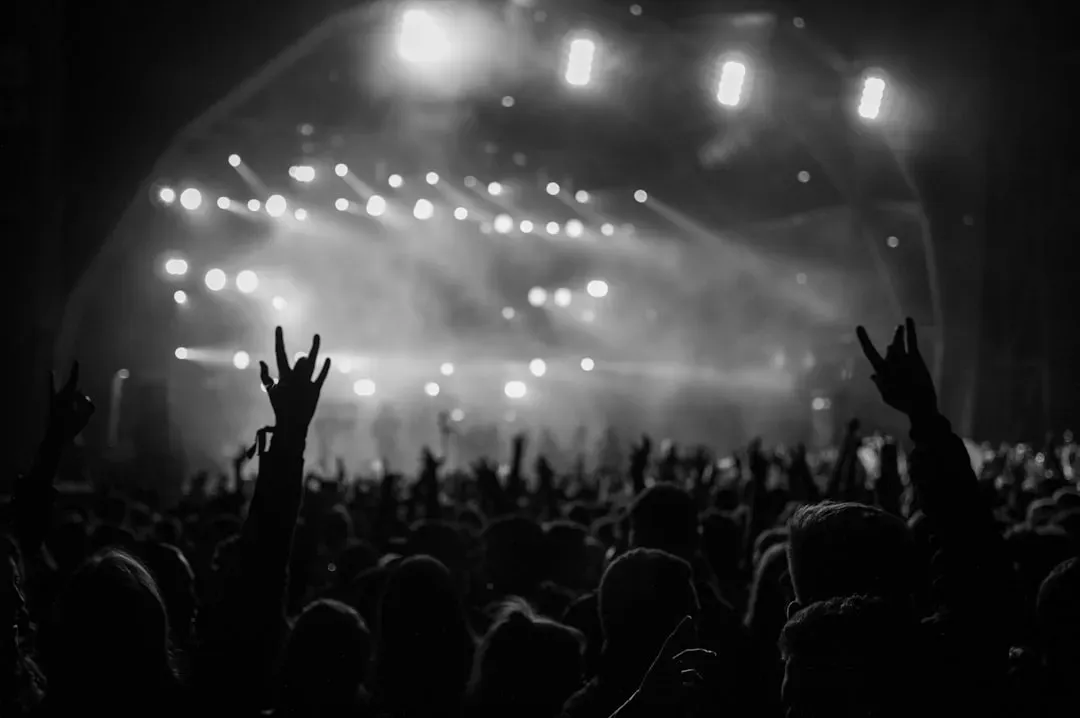
Encores became popular for pop and rock musicians in the 1960s. In most circumstances, it has become standard for rock, metal, and pop artists to give an encore, especially in large settings such as stadiums and arenas. The energy of a rock crowd gave the ritual a new charge entirely – stomping feet and chanted demands hit differently in a sweaty arena than polite applause in an opera house.
Known for promoting disorder and encouraging revolt against aristocratic social views, rock music transformed the tradition of the encore into a staple of the genre. What was once reserved for grand concertos now riled up hardcore rock music fans. Still, not everyone embraced it. In the early days of modern rock music, Elvis Presley never played encores, a practice his manager Col. Tom Parker intended to leave audiences wanting more.
9. Bruce Springsteen and the Marathon Encore
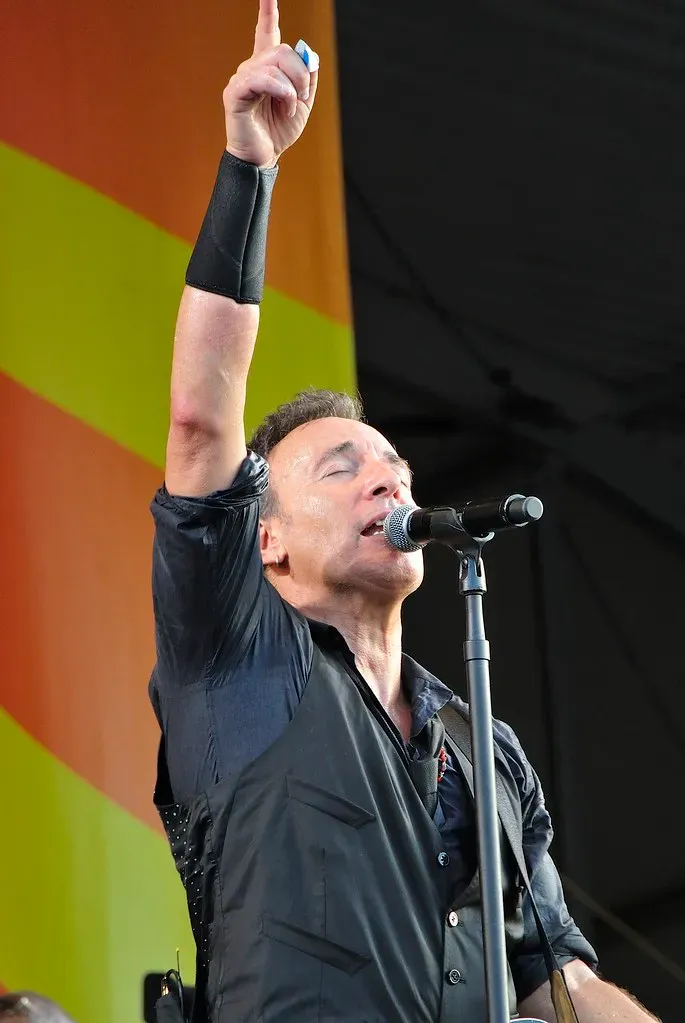
Former Washington Post columnist David Segal put the blame for encores becoming cliché squarely on Bruce Springsteen. In a 2004 column, Segal stated that Springsteen “transformed the rock show into an iron-man event, playing four-hour marathons, staggering back to the stage with the E Street Band time and again.” That iron-man style – Bob Dylan has closed shows with four encores, and The Cure are known to have played up to five – took away from the spontaneity of the encore.
Over time, other acts started delivering multiple encores, leaving fans with plenty of high notes to end their show. It became a sign of success to include them, so more and more acts employed the encore so as not to be viewed as inferior to their peers. What began as a spontaneous eruption of audience love had quietly become a competitive benchmark among touring artists.
10. The Pre-Planned Encore: An Open Secret
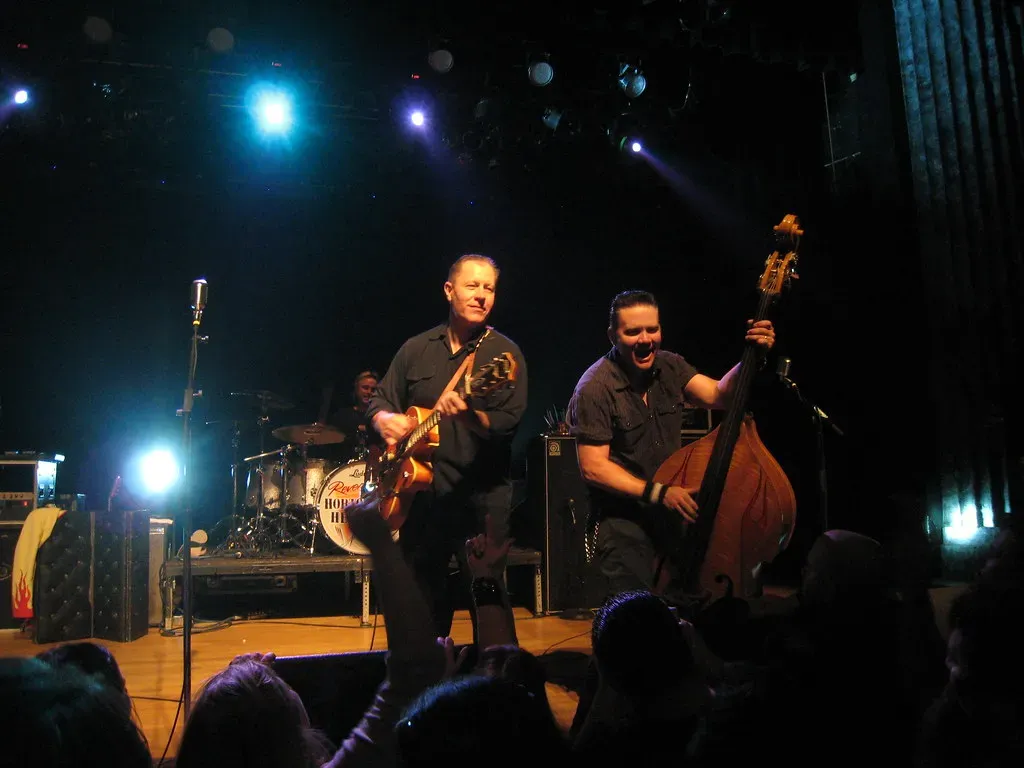
Artists often plan their encores in advance, and they are commonly included on the artist’s setlist. One common practice is to leave one or more of their most popular songs for an encore. The audience, for their part, tends to know this perfectly well. Encores are also pre-planned for logistical reasons, with the precise planning behind encores stemming from the need to be tailored to things like the curfew, contractually required set-list lengths, and the fact that the encore has to be tied in with the lighting and computer visuals.
Many encore performances come with special lighting cues and effects, making it plain that the band’s return was always part of the plan. Both the artist and the audience are complicit in the charade, but few people seem to mind. There’s a strange honesty to that arrangement. Everyone agrees to pretend it’s spontaneous because the feeling it produces is still real.
11. The Pavarotti Record and Opera’s Complicated Relationship With Encores
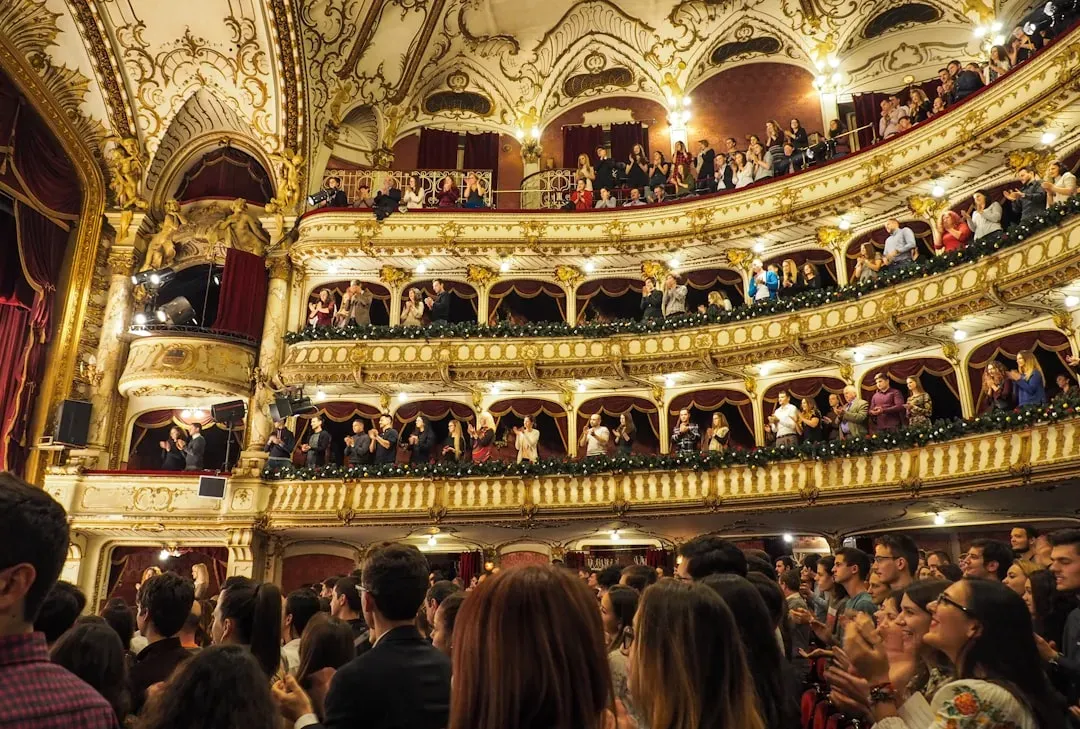
In 2007, Juan Diego Flórez broke Arturo Toscanini’s long-standing ban on encores at La Scala – in force for seventy-four years – after a flawless performance, and he would repeat the gesture in 2008 at New York’s Met. The crowd’s response was seismic. The ban that had shaped operatic culture for three quarters of a century collapsed under the weight of a single aria done impossibly well.
Pavarotti had the most curtain calls ever recorded: 165, after a 1988 performance of L’elisir d’amore at the Deutsche Oper Berlin. The applause lasted one hour and seven minutes, less than his personal record of one hour and thirty minutes. These aren’t just statistics – they’re a record of how deeply an audience can be moved, and how reluctant they are to let the feeling end.
12. The Anti-Encore Movement and What Comes Next
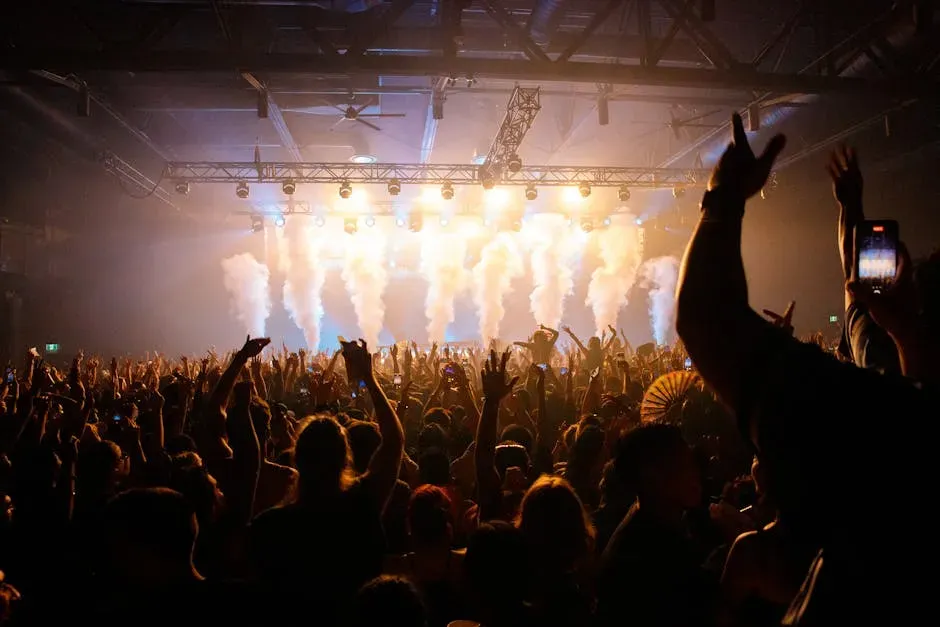
The extra two or three songs often tacked onto the end of a set are an illusion of surplus. They are built into the show, a figment of imaginary spontaneity. A growing number of artists have decided to skip the performance of pretending altogether. There has been a growing movement to opt out of the encore, with artists like Lorde and the Arctic Monkeys not exercising the encore all too often.
Encores create a direct feedback loop between audience and performer, reinforcing the emotional connection and giving the crowd a sense that their enthusiasm influences the show. That loop – that feeling of mutual electricity – is precisely why audiences keep begging for one more song, even when they know the whole ritual is scripted. Audience participation is a crucial element that enhances concert enjoyment. When we actively participate – whether by singing, dancing, or responding to the artist’s cues – we become co-creators of the experience rather than passive observers. This level of engagement leads to a greater sense of connection with the music, the artist, and fellow audience members.
Partner offer
Planning a trip to Vegas?
Compare hotel rates and show tickets on VEGAS.com.