There’s a certain kind of reader who sees a thousand-page book and feels a jolt of excitement rather than dread. Length, for these readers, isn’t a warning label. It’s a promise of a world so fully built that you can move into it for weeks, sometimes months, and never quite want to leave.
The novels below aren’t long for the sake of it. Each one earns its size through scope, ambition, or sheer narrative density. Ranked roughly by word count, these are the doorstoppers that readers keep coming back to, decades or even centuries after they were written.
1. In Search of Lost Time by Marcel Proust

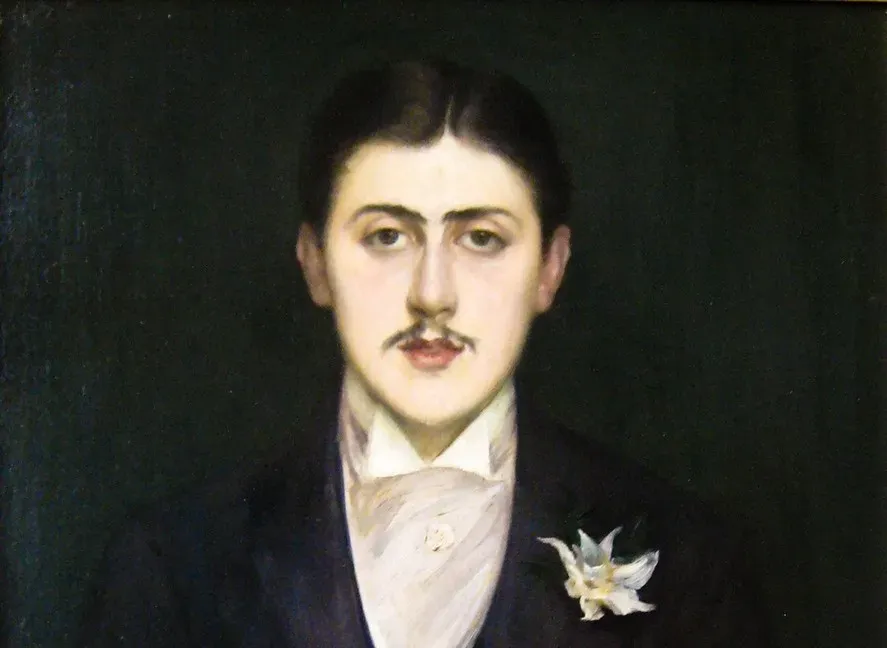
Proust’s hefty tome comes in at 1,267,069 words, the Guinness World Record holder for the longest novel. Written across seven volumes between 1913 and 1927, it follows an unnamed narrator through childhood, love, art, and the slow erosion of memory. It’s less a plot-driven story than an immersive meditation, and that’s exactly why fans defend its length so fiercely.
French author Marcel Proust began writing In Search of Lost Time in 1909, completing the entire volume set in 1922, and the novel recounts the experiences of the unnamed narrator while he is growing up. Readers who stick with it often describe the experience as less about finishing and more about being changed by the sentences themselves. Few books reward patience quite like this one.
2. Clarissa by Samuel Richardson

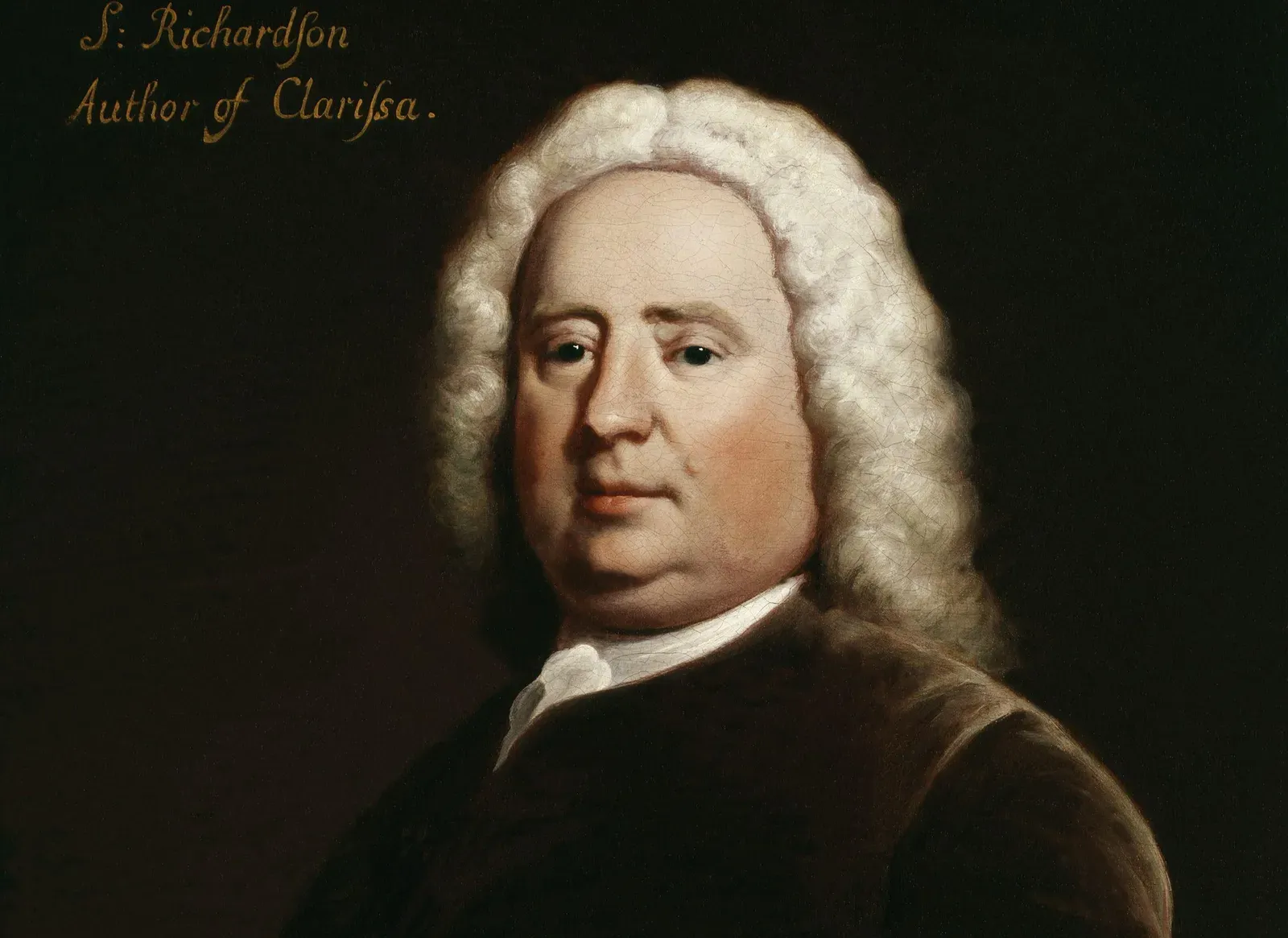
The word count of 969,000 words is true for the first edition of Clarissa, but later editions seem to have climbed to above 1,000,000 words. Published in the mid-1700s, it’s told entirely through letters, which was a radical structural choice at the time. Though Clarissa is well-known for its length, it is also noted for being an example of an epistolary narrative.
The story follows heroine Clarissa Harlowe as she discovers the barely masked motives of her family, who want to force her into a loveless marriage, before running off with a romantic figure named Lovelace who ultimately wants her only on his own terms. It’s a slow burn of a tragedy, but the letter format gives it an intimacy that a straightforward narrative couldn’t match. Readers who push through the opening volumes tend to find themselves fully absorbed by the middle stretch.
3. Poor Fellow My Country by Xavier Herbert

Xavier Herbert’s 1975 Miles Franklin winner Poor Fellow My Country runs to 852,000 words, making it also the longest ever published Australian novel. Set in the Northern Territory in the years before World War Two, it tackles race, land, and colonial history with a scope that few Australian novels have matched since. Its size mirrors its ambition: this is a book trying to hold an entire country’s contradictions in one place.
Herbert spent years researching and writing the book, and that dedication shows in its density of detail. It’s not a casual weekend read, but for anyone interested in Australian history and identity, it remains one of the most thorough fictional treatments available. The sheer volume of characters and subplots gives it a documentary-like feel at times.
4. Women and Men by Joseph McElroy


McElroy’s 1987 novel runs to roughly 850,000 words, weaving together dozens of characters across a sprawling New York apartment building and beyond. It’s considered one of the more challenging entries on any long-novel list, structurally experimental and dense with interlocking narratives. Critics have long argued about whether it’s a masterpiece or simply too much, and that debate is part of its appeal.
Unlike more traditional epics, Women and Men resists easy summary. It jumps between timelines and perspectives in ways that reward close, patient reading rather than skimming. Readers who finish it often describe it as one of the most demanding but satisfying literary marathons in American fiction.
5. Sironia, Texas by Madison Cooper


Cooper’s 1952 novel clocks in at roughly 1,100,000 words by some estimates, chronicling small-town Texas life across generations. It took the author more than a decade to write, and the result is a portrait so detailed it functions almost like a fictional census of an entire community. Despite its size, it won the Harper Prize Novel Award and drew serious critical attention at the time of publication.
The novel has faded from mainstream conversation compared to some of its long-form peers, but it remains a fascinating artifact of mid-century American regional fiction. Its scale allows Cooper to trace how small decisions ripple across an entire town over decades. For readers interested in Texas history or Americana, it’s a surprisingly rewarding, if demanding, discovery.
6. The Tale of Genji by Murasaki Shikibu

Often cited as the world’s first novel, this eleventh-century Japanese classic runs to roughly 750,000 words. Written by a court lady during the Heian period, it follows the romantic and political life of Prince Genji across generations. Its length allows for an extraordinary level of psychological and social detail that few works from any era manage to match.
What makes The Tale of Genji remarkable isn’t just its age but its modernity. The characters feel psychologically real in ways that predate most of what we consider the modern novel by centuries. Reading it today feels less like studying history and more like discovering that emotional complexity in fiction isn’t a recent invention at all.
7. Romance of the Three Kingdoms by Luo Guanzhong


This fourteenth-century Chinese historical novel runs to around 800,000 words and dramatizes the turbulent end of the Han dynasty. It blends historical record with legend, following warlords, strategists, and soldiers across a fractured empire. Its scale mirrors the chaos it depicts, with hundreds of characters and battles spread across decades.
The novel remains a cultural touchstone across East Asia, influencing everything from opera to modern video games. Its length isn’t padding, it’s structural necessity, since compressing that much political maneuvering into a shorter form would flatten the very complexity that makes the story compelling. For readers willing to keep a character list handy, it’s an enormously rewarding read.
8. Les Misérables by Victor Hugo

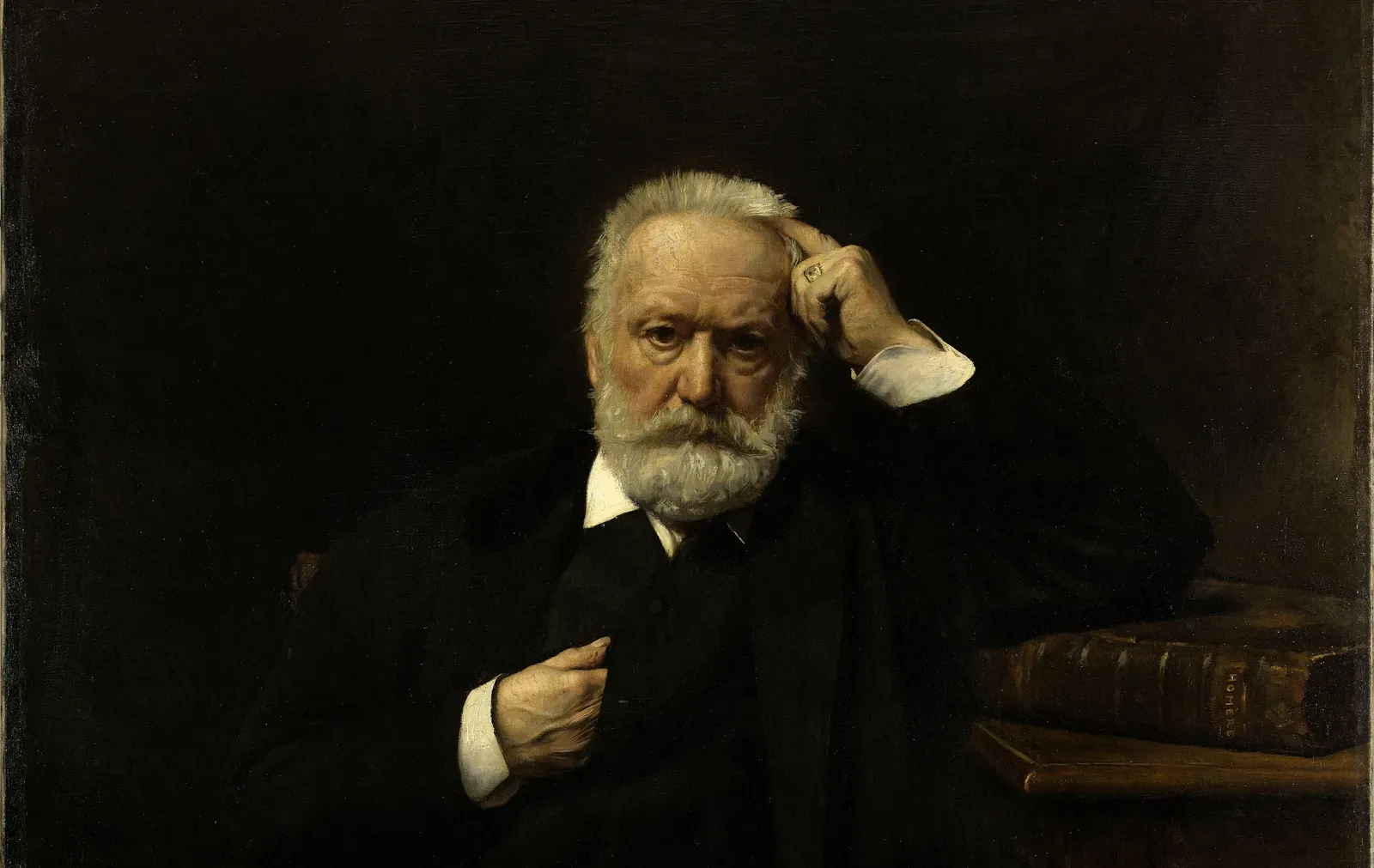
Hugo’s 1862 classic runs to roughly 655,000 words, and it’s probably the most widely read entry on this list thanks to stage and film adaptations. The novel follows ex-convict Jean Valjean across decades of personal redemption set against the backdrop of social upheaval in France. Hugo famously digresses into lengthy discussions of history, architecture, and philosophy, which either frustrates or delights readers depending on temperament.
Those digressions are exactly what gives the novel its texture. Hugo wasn’t just telling a story, he was building an argument about justice, poverty, and redemption, and he needed the space to make it. Modern readers who skip the tangents miss some of what made the book a landmark of nineteenth-century literature in the first place.
9. War and Peace by Leo Tolstoy

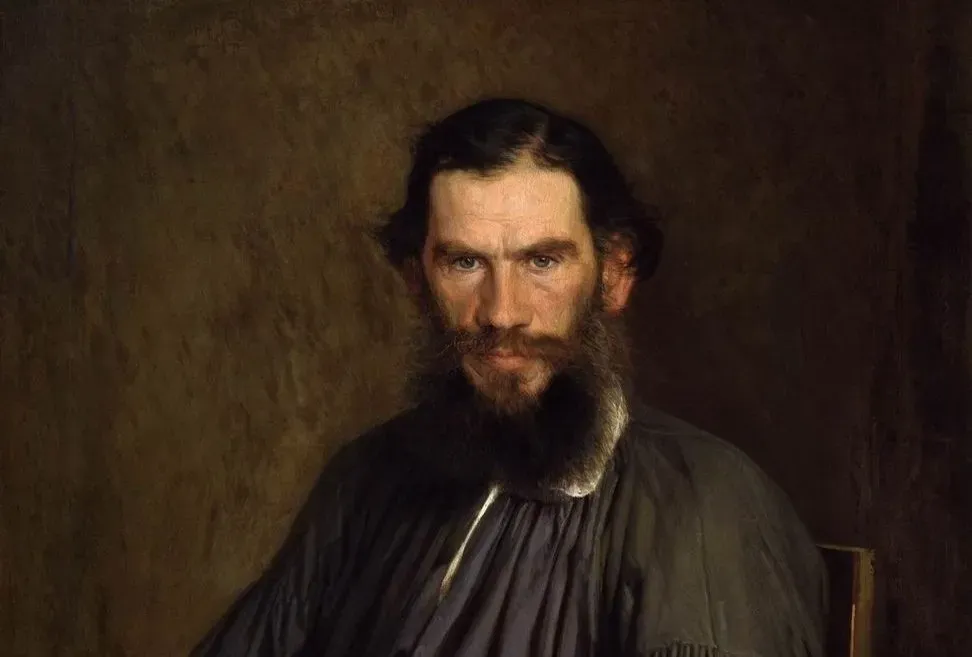
Tolstoy’s 1869 epic comes in at around 561,000 words, tracing five aristocratic Russian families through the Napoleonic Wars. It’s frequently cited as one of the greatest novels ever written, not despite its length but because of it. The scale allows Tolstoy to move fluidly between intimate domestic scenes and sweeping battlefield chaos without either feeling rushed.
What keeps readers going is the human detail woven into the historical sprawl. Characters age, change their minds, fall in and out of love, and Tolstoy gives every shift room to breathe. It’s a book that rewards rereading almost as much as the first read, since the sheer number of threads means something new stands out each time.
10. A Suitable Boy by Vikram Seth


Vikram Seth’s A Suitable Boy, at 593,674 words, was probably the most mentioned and loved long book among readers surveyed on the topic. Published in 1993, it follows four families in newly independent India as a mother searches for a husband for her daughter. Despite its size, it’s often described as one of the more approachable entries on any long-novel list, thanks to Seth’s clear prose and steady pacing.
The novel’s length lets Seth explore religion, politics, and family dynamics in postcolonial India without rushing any single thread. It’s frequently recommended as an entry point for readers intimidated by longer fiction, since the emotional stakes are immediate even as the historical backdrop is vast. Many readers who finish it describe missing the characters afterward, which is perhaps the highest compliment a very long book can receive.
Final Thoughts

Long novels ask something of readers that shorter books don’t: sustained attention over weeks or months rather than days. What separates the books on this list from length for its own sake is that each one uses its size deliberately, whether to build a psychological world, trace a historical sweep, or map an entire society.
None of these are casual weekend reads, and that’s precisely the point. They’re for the stretches of life when you want a single story to last, when a thousand pages feels less like a burden and more like an invitation to stay a while.