We’re living through something truly special right now. While most of us go about our daily routines, scientists, engineers, and space agencies around the world are preparing to push humanity’s presence deeper into the cosmos than ever before.
2026 isn’t just another year on the calendar. It’s shaping up to be a pivotal moment when dreams that sounded like pure science fiction just a decade ago are finally becoming reality. From returning humans to lunar orbit for the first time in over half a century to chasing samples from Mars’ mysterious moons, this year represents a quantum leap in our exploration of space.
Let’s be real, the pace of innovation is absolutely staggering. Commercial companies are now landing on the Moon alongside government space agencies, international collaborations are breaking new ground, and technologies that seemed impossible are being tested in the harsh environment beyond Earth. So let’s dive in and explore the missions that are making 2026 one of the most thrilling years in space exploration history.
Artemis II – Humanity Returns to the Moon
NASA’s Artemis II is scheduled to launch no earlier than February 6, 2026, sending four astronauts around the Moon and back on a 10-day mission. This is monumental for a simple reason: it will mark the first time humans venture to the vicinity of the moon since Apollo 17 in 1972. The crew consists of commander Reid Wiseman, pilot Victor Glover, and mission specialist Christina Koch from NASA, along with mission specialist Jeremy Hansen from the Canadian Space Agency.
Here’s the thing that makes this mission historically significant beyond just returning to lunar space. Glover will become the first person of color, Koch the first woman, and Hansen the first non-American to travel to the Moon. The mission isn’t about landing this time, though. The crew of four will travel beyond the far side of the moon, which could set a new record for the farthest distance humans have ever traveled from Earth, currently held by Apollo 13.
The four-mile trek to Launch Complex 39B at NASA’s Kennedy Space Center began on January 17, and is expected to take up to 12 hours. Following rollout, teams will conduct a wet dress rehearsal that includes loading over seven hundred thousand gallons of propellant into the rocket. It’s hard to say for sure, but if everything proceeds smoothly, we might witness one of the most historic launches of our generation within weeks.
Firefly Blue Ghost Mission 2 – Far Side Exploration

This international mission, set to launch no earlier than late 2026, utilizes a dual spacecraft configuration with Firefly’s Blue Ghost lunar lander stacked on Elytra Dark orbital vehicle. What makes this mission particularly fascinating is its destination. The Blue Ghost lander will touch down on the Moon’s far side, delivering payloads that include LuSEE-Night, a radio telescope that is a joint effort by NASA, the U.S. Department of Energy, and University of California, Berkeley’s Space Sciences Laboratory.
The mission showcases truly international cooperation. With technology, spacecraft, and instruments representing five different countries, including the US, UK, UAE, Australia, and Canada, this international mission will help improve lunar communications, enhance lunar surface mobility, demonstrate technologies for a lunar power network, and provide insights into the geological properties and minerals on the Moon.
The Mohammed Bin Rashid Space Centre successfully conducted a new series of tests on Rashid Rover 2 in the USA, in collaboration with Firefly Aerospace as part of the Emirates Lunar Mission’s ongoing preparations for launch to the far side of the Moon onboard Firefly’s Blue Ghost Mission 2 in 2026. The scale of this endeavor is impressive, honestly. Firefly’s next delivery debuts a dual-spacecraft configuration with the company’s Elytra Dark orbital vehicle stacked below the Blue Ghost lunar lander, standing 22 feet high, more than three times as tall as the Mission 1 lander.
Chang’e-7 – China’s South Pole Water Hunt
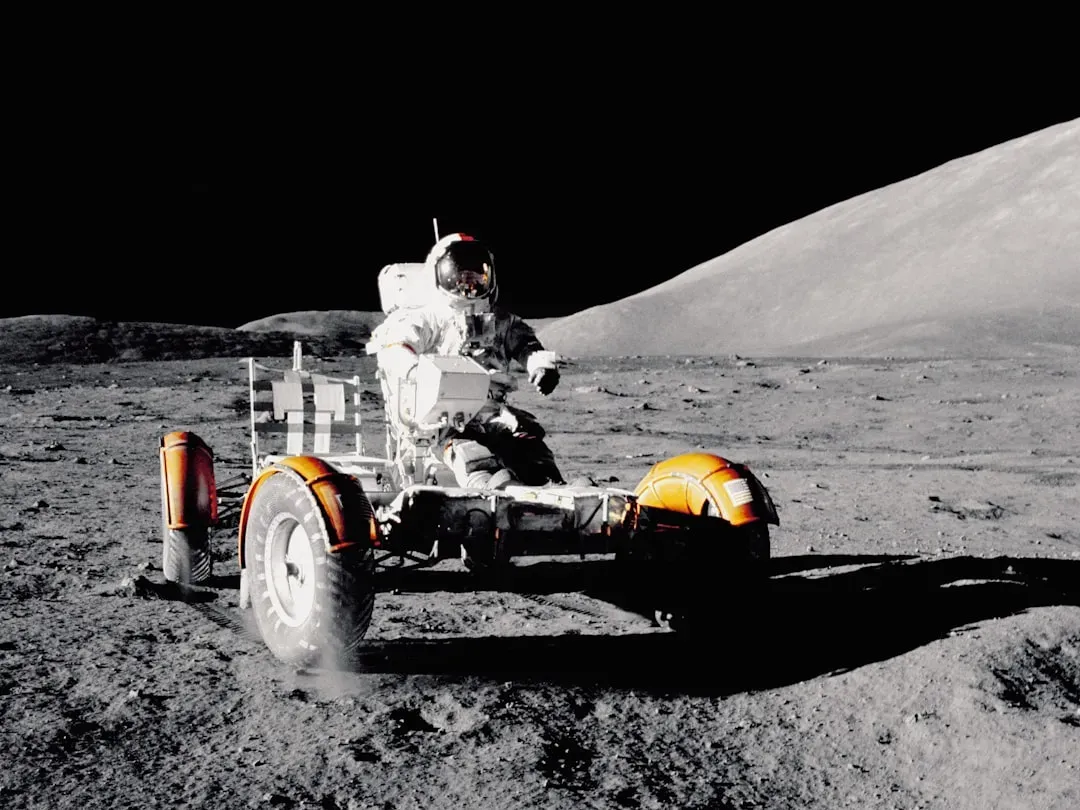
Chang’e 7 is a planned robotic Chinese lunar exploration mission expected to be launched in August, 2026 to target the lunar south pole. This isn’t just another lunar landing. The mission will include an orbiter, a lander, a mini-hopping probe, and a rover, creating a comprehensive exploration system unlike anything attempted before at the lunar poles.
The scientific goals are ambitious and critical for future lunar exploration. According to China’s Lunar Exploration Program’s Chief Designer, Wu Weiren, instruments will find traces of ice at the south pole, investigate the environment and weather there, and survey its landforms, and will also be tasked with detecting the natural resources beneath the south pole’s surface.
What really sets this mission apart is the innovative hopper technology. The hopper, a first-of-its-kind lunar explorer, will jump from sunlit areas to shadowed craters to conduct detailed analyses. The Chang’e-7 probe will face extreme challenges, including temperatures below minus 100 degrees Celsius and complex terrain, making the engineering achievements required absolutely remarkable.
MMX – Japan’s Martian Moon Sample Return
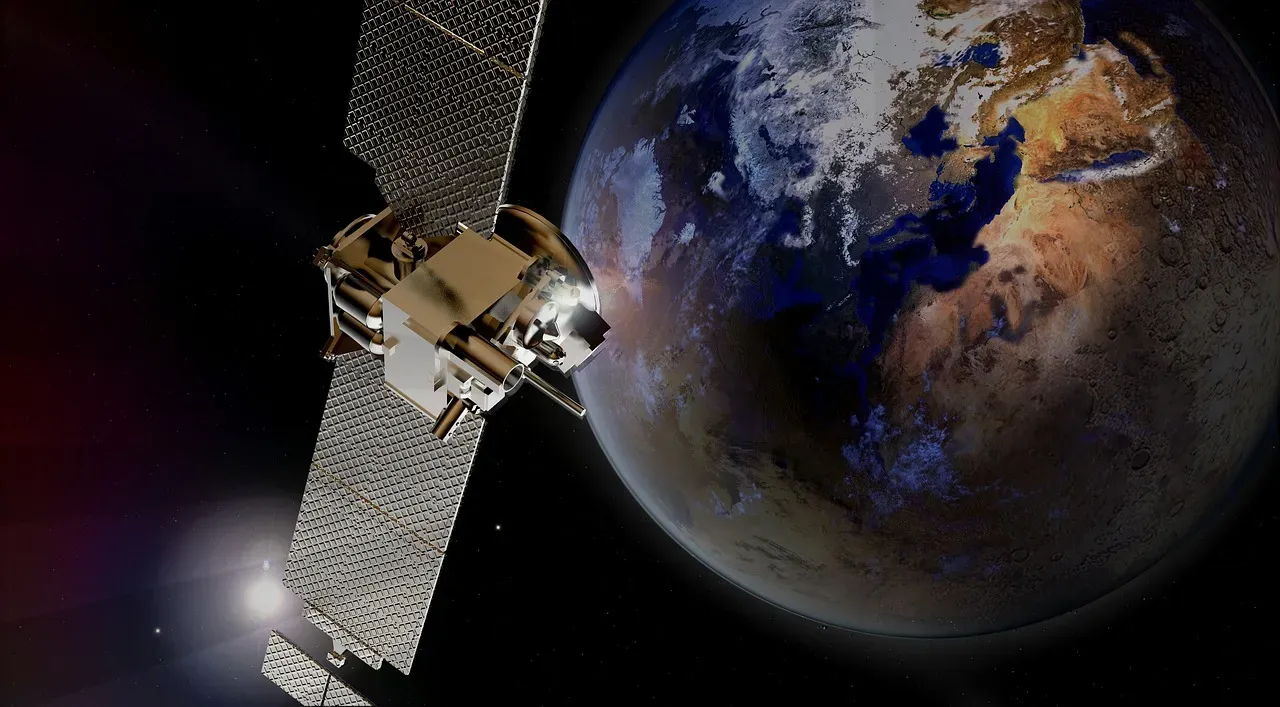
Martian Moons eXploration is a robotic space probe set for launch in 2026 to bring back the first samples from Mars’ largest moon Phobos. I think this mission represents one of the most technically challenging endeavors in planetary science. The current schedule has a launch date in Japan Fiscal Year 2026, followed by Martian orbit insertion in JFY 2027 and the spacecraft will return to Earth in JFY 2031.
The scientific questions driving this mission are profound. While it’s possible Phobos and Deimos are asteroids captured by Mars’ gravity, their circular orbits suggest they formed from debris knocked into space from Mars itself. Understanding their origin could reveal crucial information about the early solar system and how planets formed.
MMX will launch in 2026 and enter Mars orbit a year later, gradually getting closer to Phobos and entering what mission planners call a quasi-orbit. MMX will be the first mission to land on Phobos, and at least 10 grams of Phobos material will be brought back to Earth in the Sample Return Capsule, which is around 60 cm in diameter and has a heat shield to survive re-entering Earth’s atmosphere. The technological achievement alone is staggering.
Blue Origin’s Blue Moon Pathfinder
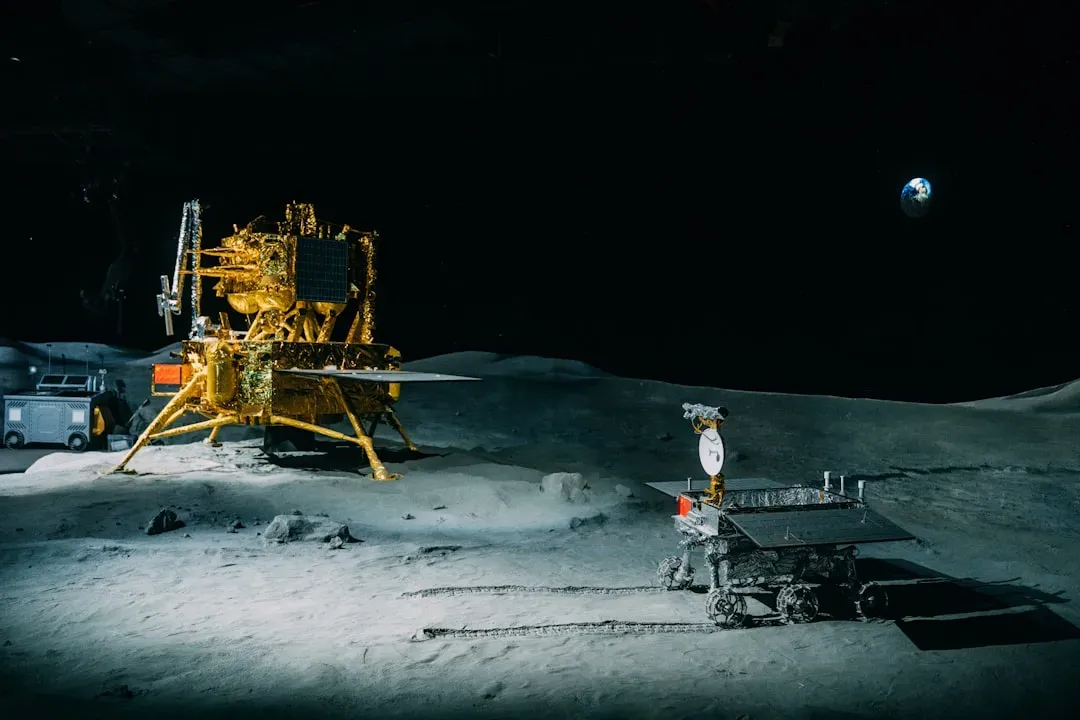
Blue Moon Pathfinder Mission 1 is a planned robotic lunar landing mission to be operated by Blue Origin, set to launch no earlier than early 2026. This represents Jeff Bezos’ company taking a major leap into lunar exploration. As a flight test of a prototype Blue Moon Mark 1 lander, the mission will demonstrate critical systems, including the BE-7 engine, cryogenic fluid power and propulsion systems, avionics, continuous downlink communications, and precision landing with an accuracy within 100 meters.
The timing of this mission carries strategic significance. The uncrewed lander will touch down near the Shackleton crater at the Moon’s south pole, the same region being targeted by multiple international missions. The mission is designed to be a technology demonstration of the Blue Moon Mark 1 cargo lander design, with a capacity of up to 6,600 pounds.
What makes this particularly interesting is the commercial competition angle. Blue Origin is a prime contractor for NASA’s Human Landing System with its Blue Moon lander, which is intended to land astronauts on the moon later this decade, making Mark 1 pathfinder a key rehearsal. If successful, Blue Origin could gain significant advantages in the race to return humans to the lunar surface.
Intuitive Machines’ IM-3 Mission
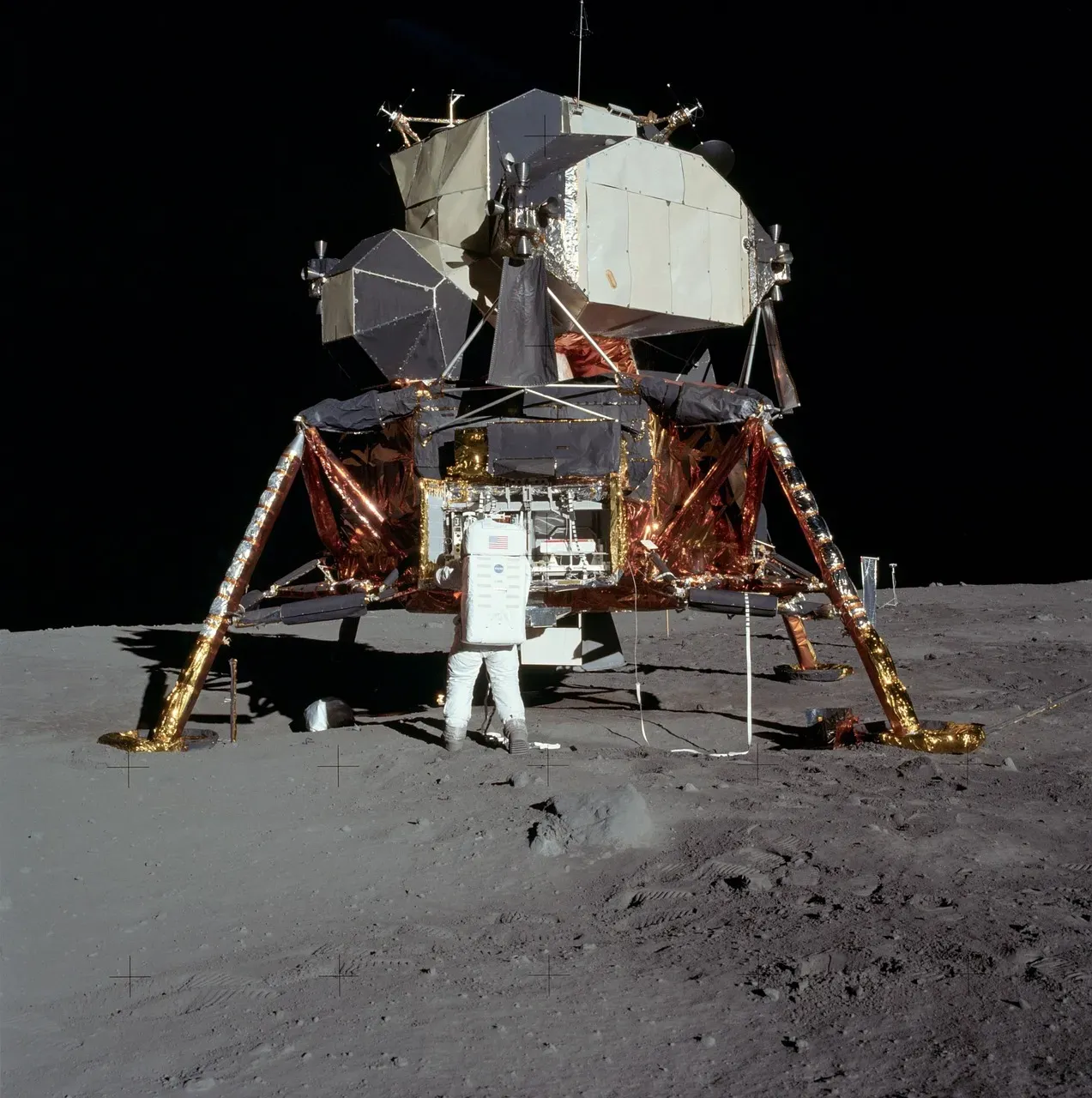
Intuitive Machines is planning its third lunar landing attempt with the IM-3 mission launching in 2026. This Houston-based company has already made history with its previous attempts, even if they encountered challenges upon touchdown. The IM-3 lander aims to deliver NASA payloads to regions of the Moon that remain largely unexplored.
What sets this mission apart is its ambitious target. The spacecraft is designed to reach some of the most difficult landing sites on the lunar surface, areas that could hold valuable scientific data about the Moon’s composition and history. Learning from the experiences of IM-1 and IM-2, the company has refined its landing systems and operational procedures.
The commercial lunar delivery service model that Intuitive Machines pioneered is transforming how we access space. Rather than waiting years for government-funded missions, researchers can now book payload space on commercial landers, accelerating the pace of lunar science. This democratization of space access represents a fundamental shift in how humanity explores beyond Earth.
SpaceX and the Satellite Constellation Expansion
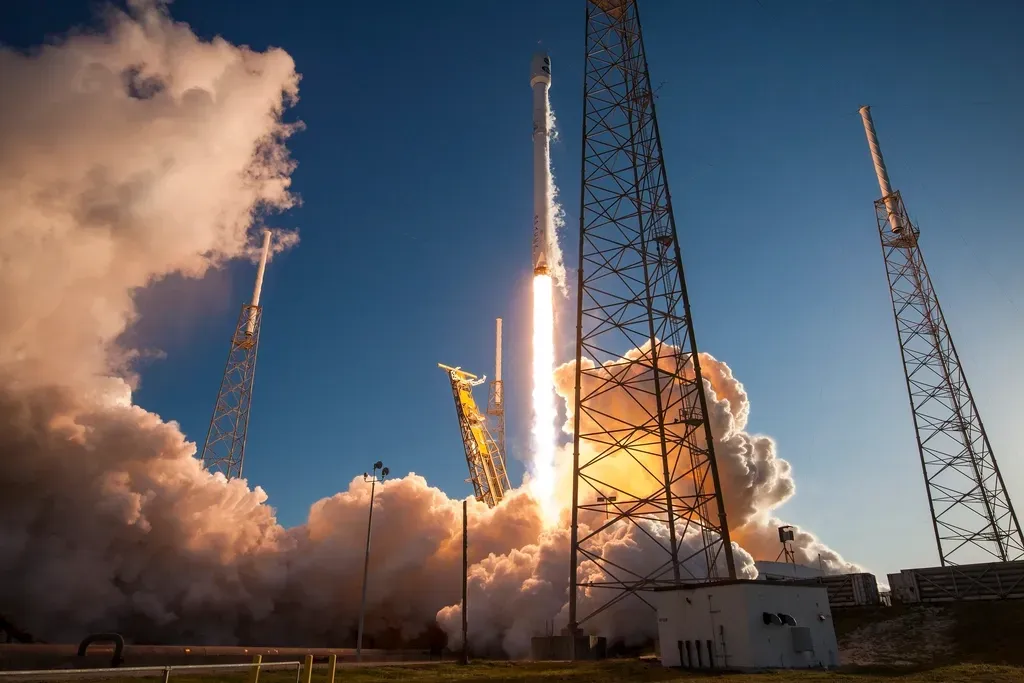
Throughout 2026, SpaceX continues its relentless launch cadence, deploying hundreds of satellites to expand global connectivity networks and support Earth observation missions. The Starlink constellation alone requires continuous launches to maintain and expand coverage, with SpaceX conducting orbital missions at a pace that would have seemed impossible just a few years ago.
The company’s reusable Falcon 9 rockets have transformed the economics of spaceflight. Each booster can now fly dozens of times, dramatically reducing the cost per launch and making space more accessible than ever before. This frequency of launches isn’t just about business, though. It’s creating a data revolution, with Earth observation satellites providing near real-time imagery for climate monitoring, disaster response, and agricultural management.
The ripple effects are profound. As launch costs continue to fall, new types of space missions become economically viable. Scientists can propose satellite missions that would have been prohibitively expensive a decade ago. Commercial ventures are testing technologies in orbit that could enable everything from space-based solar power to asteroid mining. It’s hard to overstate how much this sustained launch activity is reshaping our relationship with space.
ULTRASAT – Surveying Cosmic Explosions
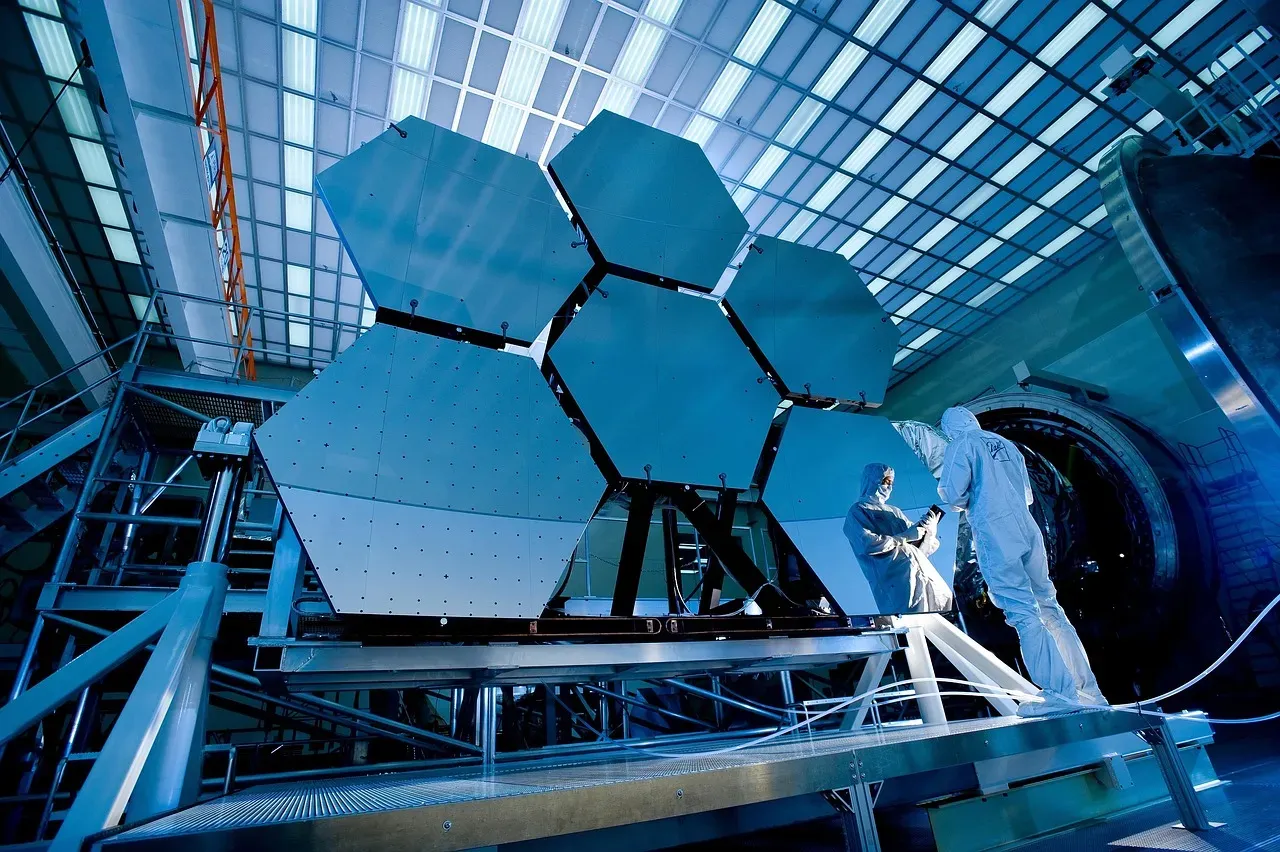
ULTRASAT is set to launch in 2026 as a groundbreaking ultraviolet space telescope designed to revolutionize time-domain astronomy. This Israeli-led mission, developed in collaboration with international partners, will scan the sky with unprecedented speed and sensitivity to catch fleeting cosmic events as they happen.
The telescope will focus on transient phenomena that appear and disappear quickly, things like supernovae explosions, neutron star mergers, and other violent cosmic events. These brief flashes of light carry enormous scientific value, revealing insights into stellar death, the creation of heavy elements, and the extreme physics of compact objects. ULTRASAT’s wide field of view means it can monitor vast swaths of sky simultaneously, dramatically increasing the chances of catching these rare events.
What makes this mission particularly exciting is its synergy with gravitational wave detectors. When these ground-based instruments detect ripples in spacetime from colliding neutron stars or black holes, ULTRASAT can immediately swing into action to capture the ultraviolet afterglow. This multi-messenger astronomy, combining gravitational waves with electromagnetic observations, opens entirely new windows into the most energetic processes in the universe.
Commercial Crew Rotations to the ISS
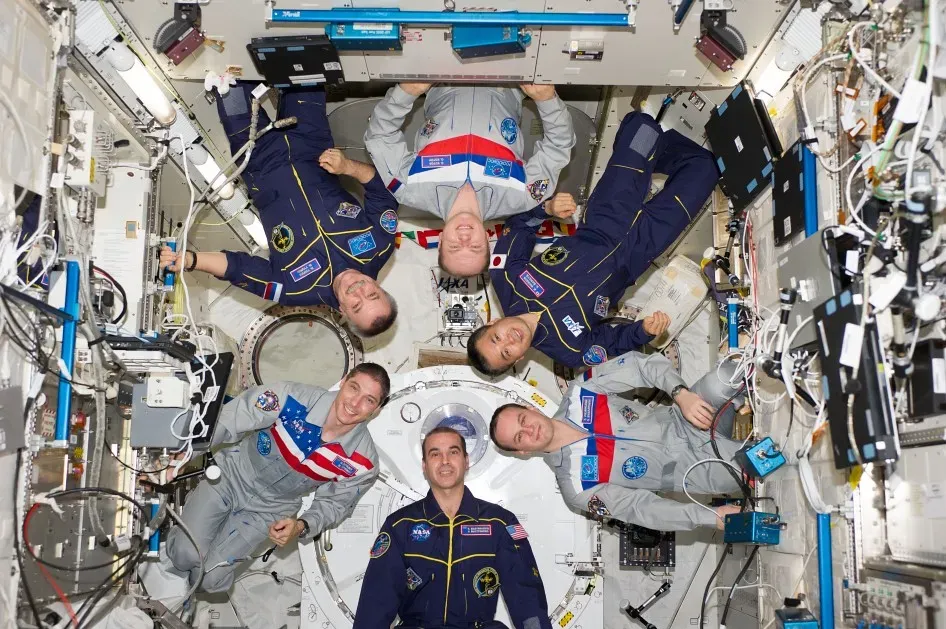
The International Space Station remains a hub of constant activity in 2026, with SpaceX and Boeing conducting regular crew rotation missions. These flights have become almost routine, a testament to how far commercial spaceflight has progressed since the retirement of the Space Shuttle program.
Each crew rotation brings fresh scientists and engineers to the orbiting laboratory, where they conduct experiments impossible to perform on Earth. Microgravity research continues advancing fields from materials science to human physiology, with direct applications for future deep space missions. The station serves as our testbed for technologies that will eventually support journeys to Mars and beyond.
The international cooperation embodied by the ISS becomes even more impressive when you consider the geopolitical tensions here on Earth. Astronauts and cosmonauts from nations that might disagree politically work together seamlessly in orbit, demonstrating that space exploration can transcend terrestrial conflicts. This ongoing presence in low Earth orbit represents humanity’s longest continuous foothold beyond our planet.
Emerging Moon Landers and Technology Demonstrations
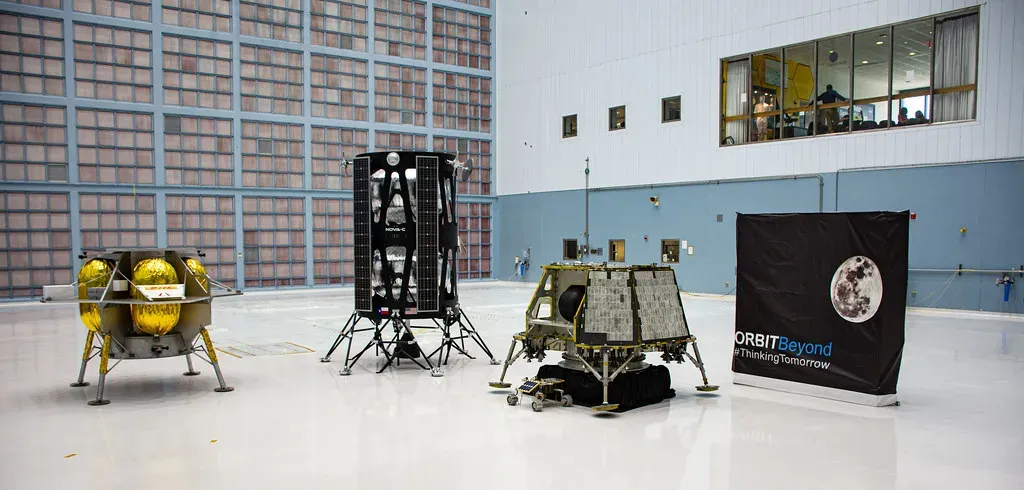
Beyond the headline missions, 2026 will see numerous smaller lunar landers and technology demonstration flights testing systems for future exploration. Companies and space agencies worldwide are developing new landing technologies, propulsion systems, and surface mobility platforms that will enable sustained lunar operations.
These pathfinder missions might not grab major headlines, but they’re absolutely critical for building the infrastructure needed for permanent human presence beyond Earth. Each successful test validates new technologies, from precision landing systems that can touch down within meters of a target to innovative power generation methods that can survive the brutal lunar night.
The diversity of approaches is striking. Some missions test autonomous navigation systems that could enable future rovers to explore without constant human oversight. Others demonstrate in-situ resource utilization, attempting to extract oxygen or water from lunar soil. Still others are validating communication relays, robotic arms, or novel propulsion concepts. Together, these incremental advances are laying the groundwork for a future where working on the Moon is commonplace rather than extraordinary.
The Dawn of a New Space Age
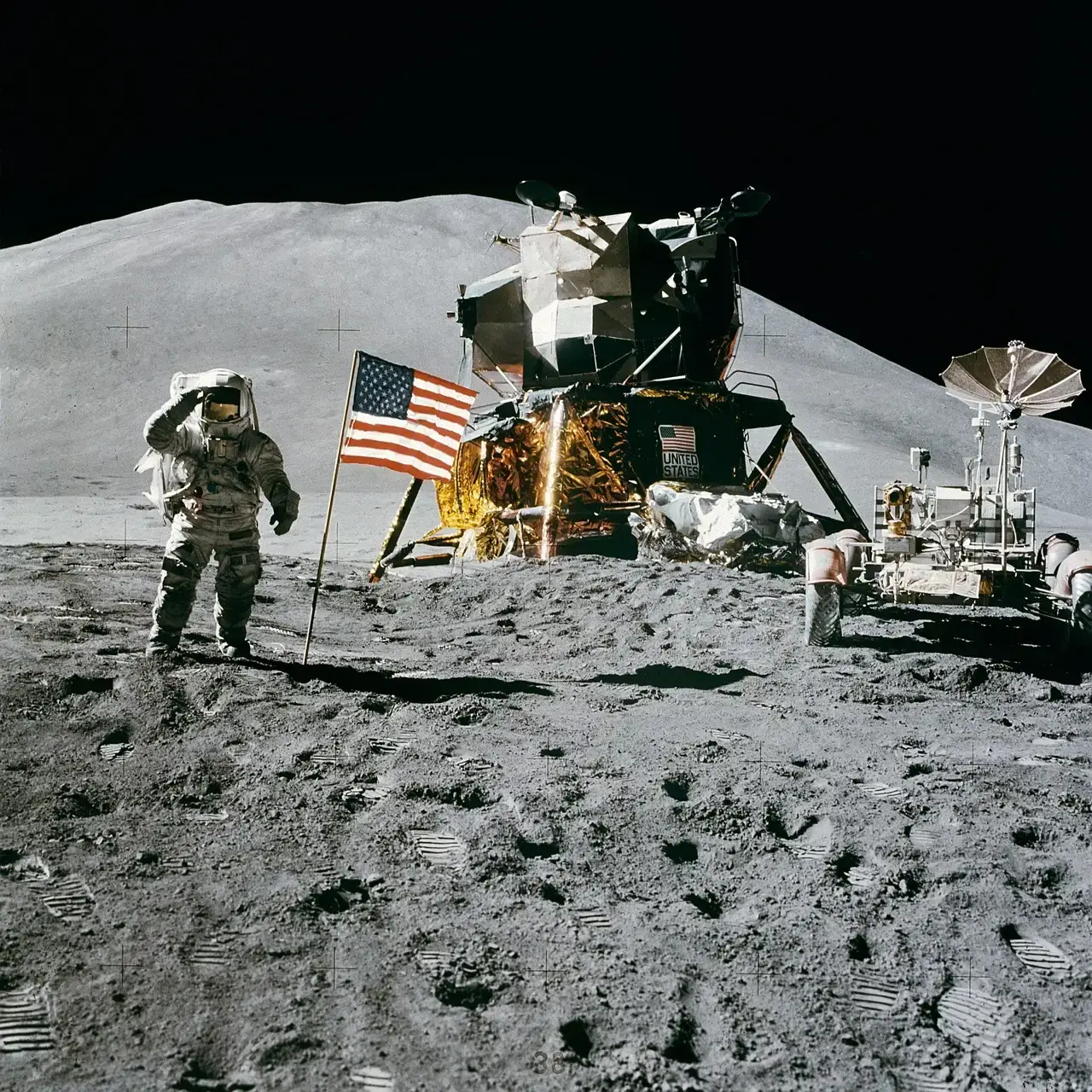
Looking at everything happening in 2026, it becomes clear we’re witnessing the opening chapter of a fundamentally new era in space exploration. The combination of government ambition and commercial innovation is creating a pace of progress that previous generations could only imagine.
What strikes me most isn’t just the individual missions, impressive as they are. It’s the ecosystem they represent. International collaboration, commercial competition, technological innovation, and scientific curiosity are all feeding into each other, creating a self-reinforcing cycle of advancement. Each successful mission enables the next, each technology demonstration opens new possibilities, each international partnership strengthens our collective capabilities.
The Moon is no longer just a destination for brief visits. It’s becoming a place where we work, where we test technologies, where we prepare for even more ambitious journeys. Mars isn’t some distant dream anymore, it’s the logical next step after we’ve established ourselves on our nearest celestial neighbor. The missions of 2026 aren’t endpoints, they’re waypoints on a journey that’s just beginning.
What do you think about this new wave of space exploration? Are you as excited as I am to see where these missions take us?