There’s a quiet drama behind every great first line. The version readers have memorized, debated, and tattooed on their forearms is almost never the version that showed up first. Most of the sentences we consider timeless were the survivors of a long culling process, shaped through doubt, revision, and sometimes outright accident.
What makes this worth thinking about is the alternative universe it implies. Change a single word in any of these openings and the whole emotional register shifts. The lines below didn’t just happen. Someone almost wrote something else entirely.
“It was the best of times, it was the worst of times…” – Charles Dickens, A Tale of Two Cities (1859)

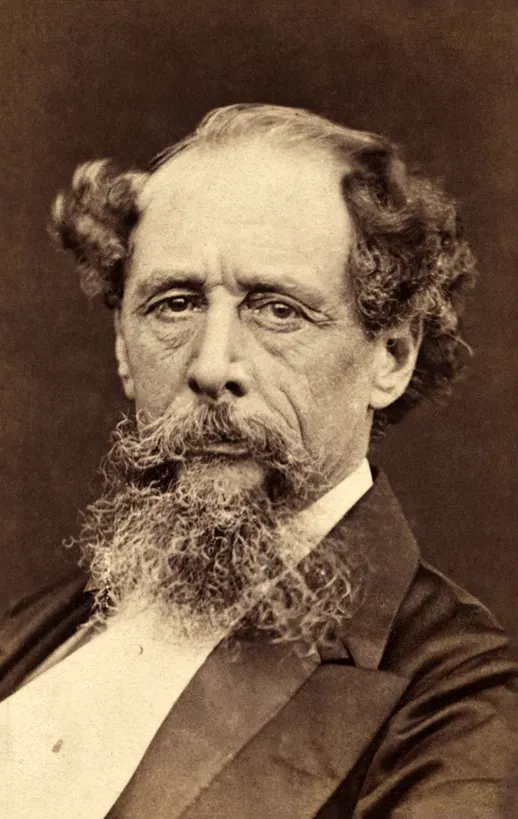
This sprawling, paradox-loaded opener to A Tale of Two Cities is, by most accounts, one of the most famous in the history of English literature, and the novel it introduces has sold well over 200 million copies. It’s also one of the longest first sentences in the history of novels, and it’s full of paradoxes. Dickens uses this structure to highlight the similarities and differences between England and France in the late 1700s, while also revealing the conflicts explored throughout the novel. Juxtaposing themes fuel everything: war and romance, order and disorder, justice and corruption.
Dickens’ opening didn’t just make history, it set a structural pattern. Books like Nineteen Eighty-Four, Catch-22, and Fahrenheit 451 all use “It was…” to set a scene. Earlier drafts of Dickens’ prose were reportedly even wordier, and the paradoxical rhythm almost didn’t survive his own editing process. The line we know today is a compression, not a first instinct.
“Call me Ishmael.” – Herman Melville, Moby-Dick (1851)

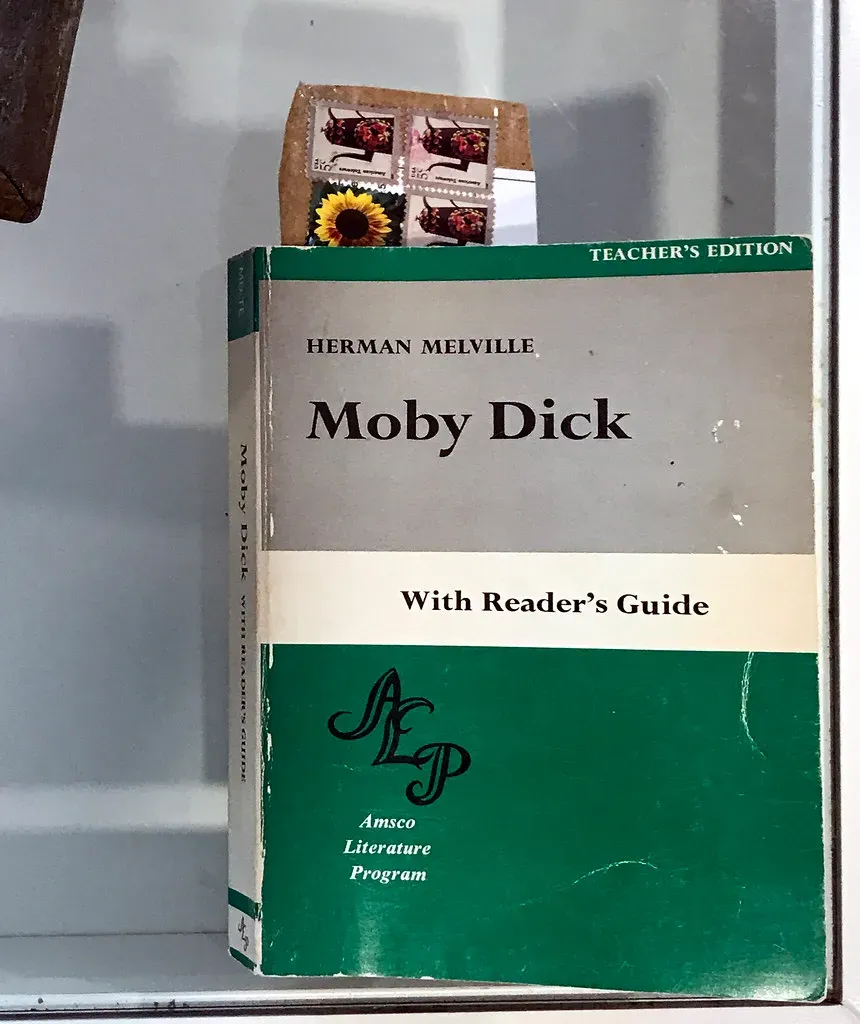
With one of the most famous opening lines in literature, Melville instantly grabs readers’ attention with a simple command. The narrator does not disclose his real name; instead, he tells us to call him something else. This added mystery easily invites readers to delve further into the world of obsession at the heart of Moby-Dick. Three words. No scene-setting, no weather, no history. Just an introduction that somehow contains an entire personality.
What Melville almost gave us was a far more conventional opening with detailed nautical scene-setting drawn from his time as an actual whaler. Early manuscript notes suggest the novel’s opening once threatened to begin mid-voyage. The decision to pull the narrative back to that deceptively casual “Call me Ishmael” reframed the entire book as something closer to confession than adventure story.
“Happy families are all alike; every unhappy family is unhappy in its own way.” – Leo Tolstoy, Anna Karenina (1878)

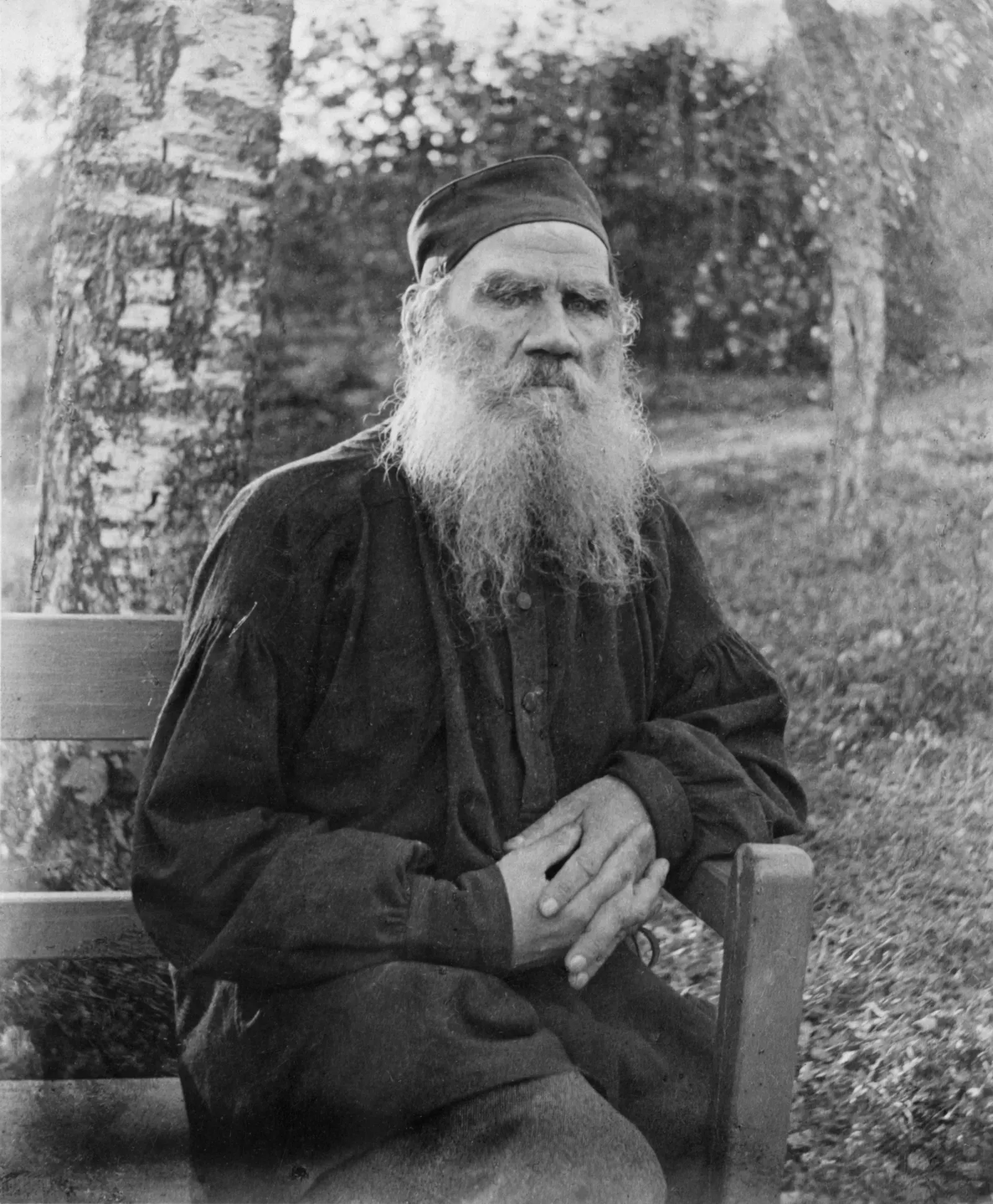
Tolstoy started writing Anna Karenina in early 1873 and finished the first draft in May of that year. Many drafts would follow, as Tolstoy was searching for the perfect opening line, a perfect name for his heroine, and perfectly balanced plot lines. Several of those drafts opened with an entirely different scene at a farm fair, where a future version of the character Levin is exhibiting livestock. The elegant philosophical provocation we know today arrived only after years of searching.
The opening line gave foundation to the famous “Anna Karenina principle” in social sciences, popularized by Jared Diamond in his 1997 book Guns, Germs and Steel. Tolstoy’s diaries show he didn’t revise Anna Karenina merely to polish its prose. As the substantial differences in plot and characterization across his five separate versions reveal, he was searching for his novel’s meaning. The opening line was the last piece to fall into place.
“It is a truth universally acknowledged…” – Jane Austen, Pride and Prejudice (1813)

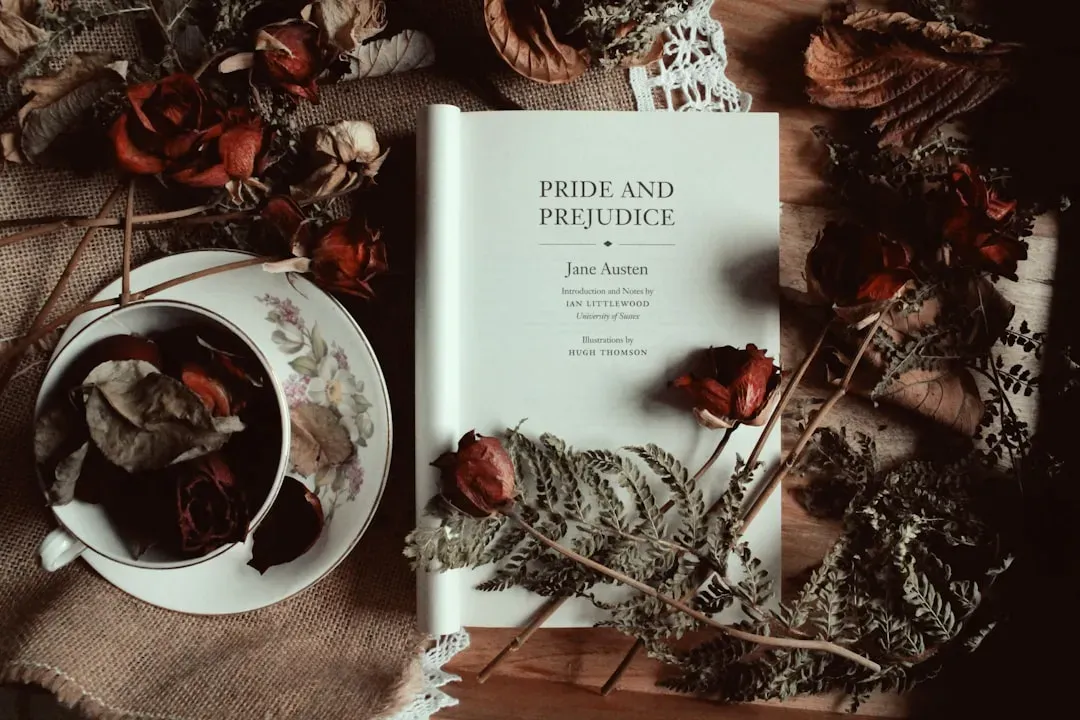
The opening line of Pride and Prejudice is brilliantly facetious. Austen sets the tone for the rest of the novel with it, establishing themes and creating interest. The line not only serves to undercut society’s expectations of men and women, but also foregrounds the development of Elizabeth Bennet, who does not conform to many societal standards. It is, in other words, a joke with a very long punchline.
What most readers don’t know is that Austen originally published Pride and Prejudice under the earlier title First Impressions, and the novel sat in a drawer for more than a decade between its first draft and publication. The opening as we know it was substantially refined during that period. The ironic register, so perfectly calibrated, took time to find.
“To be, or not to be, that is the question.” – William Shakespeare, Hamlet (c. 1600)

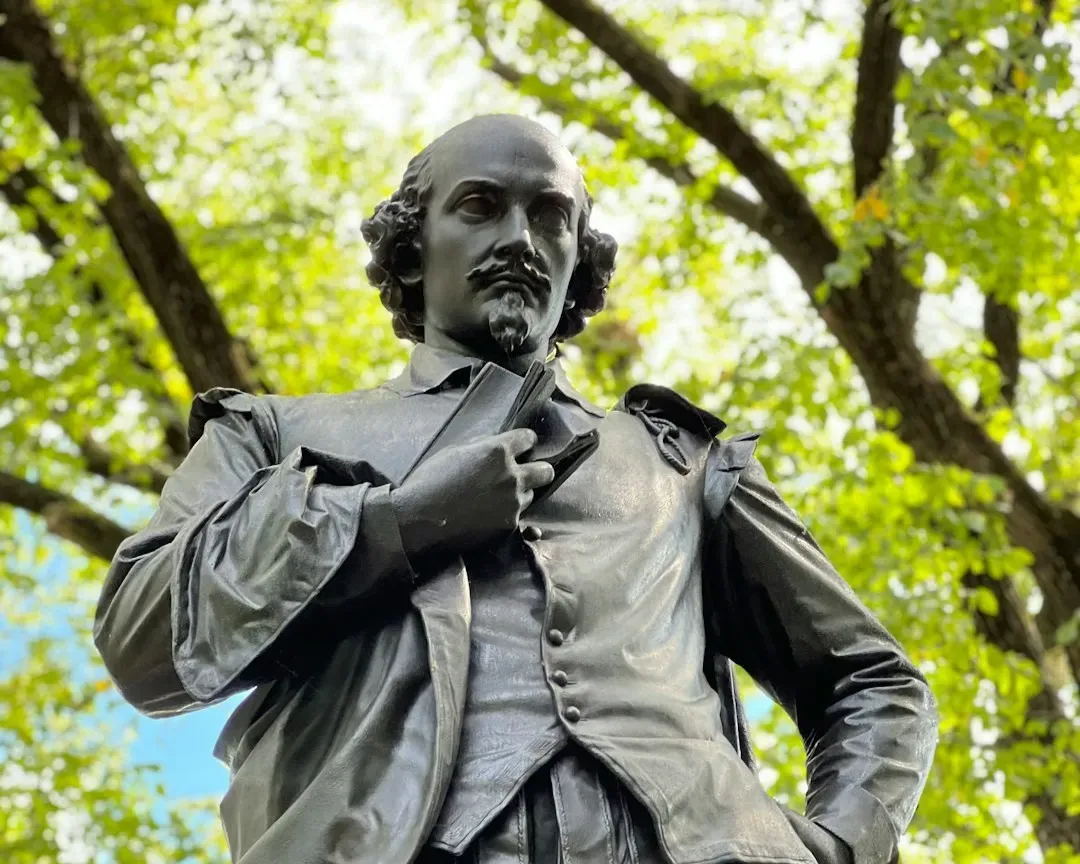
Hamlet’s existential soliloquy begins with six words that changed literature forever. Shakespeare’s earlier drafts were wordier, but he pared it down to this unforgettable phrase. Literary scholars note that the line is often referenced in philosophy and even neuroscience articles about consciousness. According to multiple academic surveys, it remains the most quoted line in English drama.
Partner offer

The First Quarto of Hamlet, published in 1603, contains a noticeably different and longer version of the soliloquy. Scholars believe that text was either an early draft or a reconstructed version from memory, and it lacks the precision of the later authorized text. The six-word question we know is a product of deliberate compression, not a flash of immediate genius.
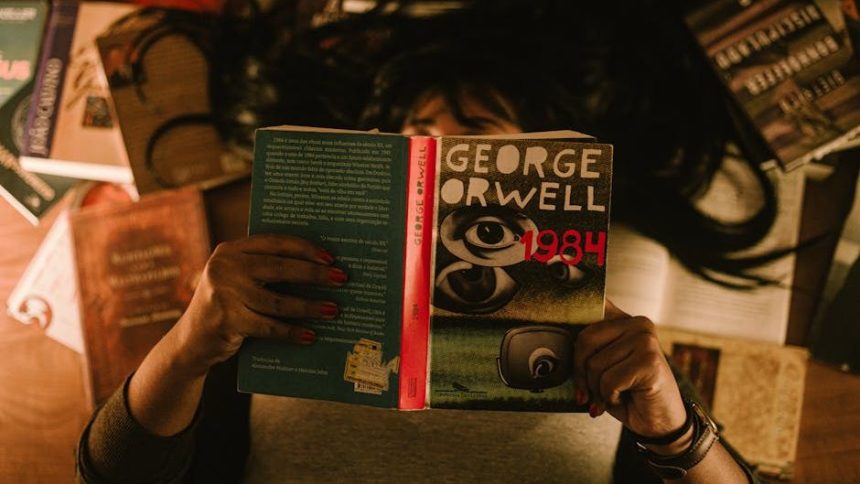
“It was a bright cold day in April, and the clocks were striking thirteen.” – George Orwell, Nineteen Eighty-Four (1949)

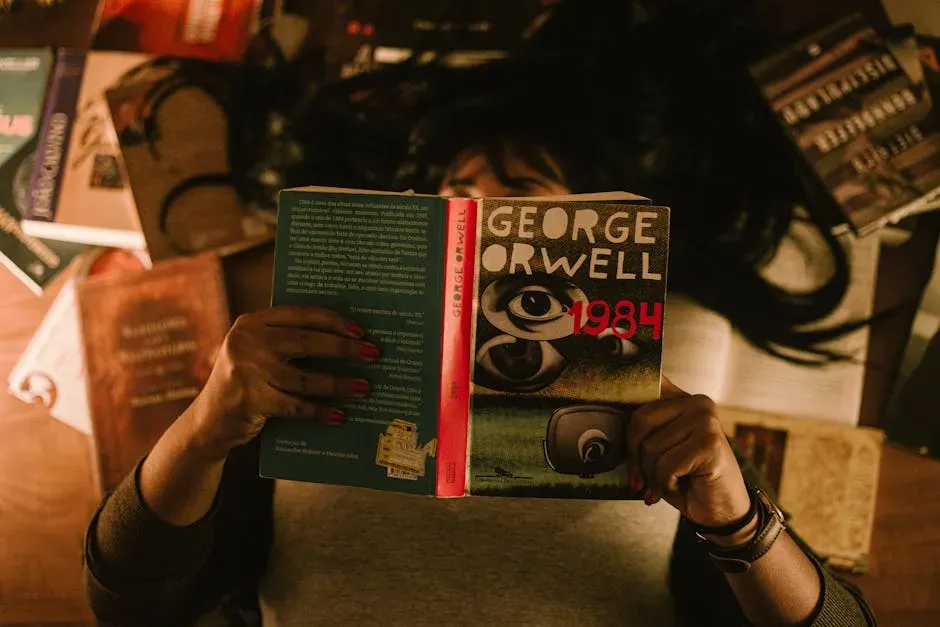
This opening line perfectly sets up the stream of lies and deceits so central to authoritarian regimes, and the book has influenced language and thinking ever since it was first published. The genius of it is how ordinary it almost sounds, right up until “thirteen.” That single word does all the work of signaling that this world is off-kilter without explaining how or why.
Orwell conveyed his fears of totalitarianism after the Second World War in 1984, and the novel reflects the direct impact of that conflict on his thinking. His surviving notebooks show that he originally planned a more overtly political opening, one that named the political systems he was attacking. The decision to withhold context and drop readers directly into Winston’s cold April morning was a late revision, and the right one.
“Mother died today.” – Albert Camus, The Stranger (1942)

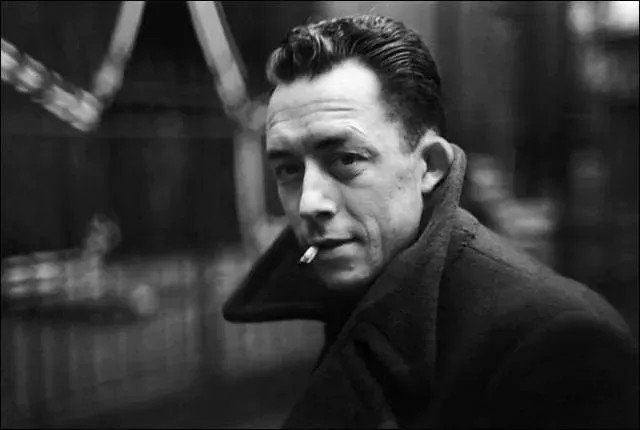
Meursault shocks people when he shows no sadness at his mother’s death, but he has always been something of an outsider and a nonconformist, and eventually a murderer. In just three words, Camus establishes everything: the narrator’s detachment, the novel’s refusal of sentimentality, and the philosophical distance that defines existentialism as a literary mode. It’s one of the most efficient character introductions in all of fiction.
Camus wrote the novel in French as “Aujourd’hui, maman est morte,” which translates more closely to “Today, Maman died.” The shift in English translations to “Mother died today” subtly changes the emotional temperature, and debates about which rendering is more faithful have continued for decades. The “who almost wrote it” here is every translator who ever tried to catch that precise flatness in a second language.
“Someone must have slandered Josef K., for one morning, without having done anything truly wrong, he was arrested.” – Franz Kafka, The Trial (1925)

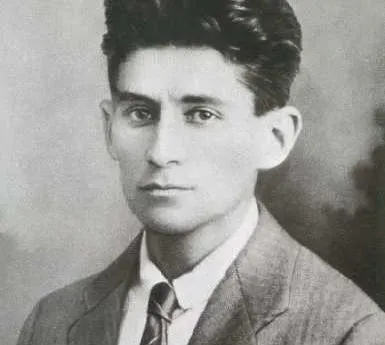
This opening line begins the chain of events that make little sense to both the protagonist, Josef K., and to readers. The use of “someone” and the passive construction of “was arrested” set readers’ imaginations afire with questions, pulling them into the story. The vagueness is deliberate and total. We never learn who slandered him, or what the charge was. That’s the point.
Kafka expressed his personal anxieties through The Trial, with the novel reflecting his fears in the context of the broader modernist movement responding to the First World War. Crucially, Kafka never finished the novel and instructed his friend Max Brod to burn the manuscript. Brod instead published it posthumously in 1925. The opening line we now consider a masterwork of compression very nearly didn’t survive its author’s own doubts.
“In my younger and more vulnerable years my father gave me some advice…” – F. Scott Fitzgerald, The Great Gatsby (1925)


Fitzgerald struggled enormously with the opening of The Great Gatsby. His early drafts began in a more conventional third person before he settled on Nick Carraway’s retrospective first-person voice. The first draft of The Sun Also Rises, another novel of the same era, was so weak that Hemingway revised it substantially based on F. Scott Fitzgerald’s own suggestions, which gives some sense of just how collaborative and iterative the literary output of that generation really was.
The elegiac, slightly regretful tone of Gatsby’s opening nearly didn’t exist. Earlier versions were more direct and less melancholic, lacking the quality of looking back that gives the novel its peculiar ache. Fitzgerald’s editor Maxwell Perkins pushed him toward the reflective register. The line we have is, in a real sense, partly Perkins’ instinct given voice by Fitzgerald’s prose.
“He was an old man who fished alone in a skiff in the Gulf Stream and he had gone eighty-four days now without taking a fish.” – Ernest Hemingway, The Old Man and the Sea (1952)

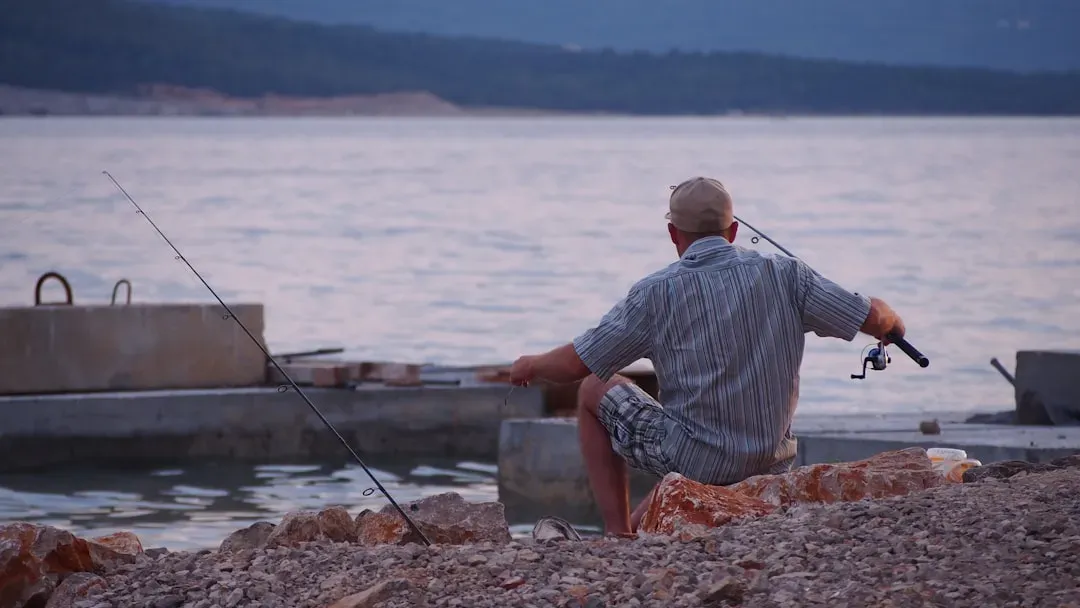
As an example of the English language at its finest, The Old Man and the Sea is a beautiful allegorical tale of an aging fisherman struggling with a giant fish far out in the Gulf Stream. Awarded the Pulitzer Prize for Fiction in 1953, it was also cited as contributing to Hemingway being awarded the Nobel Prize in Literature in 1954. The opening line establishes the essential facts without flourish, which is exactly the point.
Tolstoy spent a year writing fifteen drafts of just the opening thirty-page scene of War and Peace, while Hemingway himself rewrote the first part of A Farewell to Arms “at least fifty times.” For that same novel, depending on how you count them, Hemingway produced up to 47 different endings. Given that relentless revision habit, the calm simplicity of his Old Man opening almost certainly emerged from a much more cluttered early draft. What reads as effortless was, characteristically, anything but.
Partner offer
Planning a trip to Vegas?
Compare hotel rates and show tickets on VEGAS.com.