
Music criticism has always had a complicated relationship with greatness. History is full of moments where the gatekeepers of taste loudly dismissed something that would, in time, become foundational. The gap between a bad review and an immortal legacy can be surprisingly narrow.
What’s fascinating isn’t just that critics got it wrong. It’s how completely the verdict reversed. The bands below were mocked, ignored, or actively despised at various points in their careers. Today, most of them are among the most studied and celebrated acts in rock history.
1. Led Zeppelin


When Led Zeppelin dropped their debut record, Rolling Stone famously panned them by criticizing everything from their authenticity, calling them a lesser version of the Jeff Beck Group, to Jimmy Page’s multiple roles, referring to him as “a very limited producer and a writer of weak, unimaginative songs.” Robert Plant was similarly dismissed in that early review. The hostility wasn’t mild – it was pointed and personal.
Years later, the same magazine placed the debut album at number 29 on its list of the 500 greatest albums of all time, and Q listed it as one of the 21 albums that changed music. Few reversals in critical history are quite that dramatic. Led Zeppelin went from being called derivative noise to defining the entire blueprint of hard rock.
2. Black Sabbath

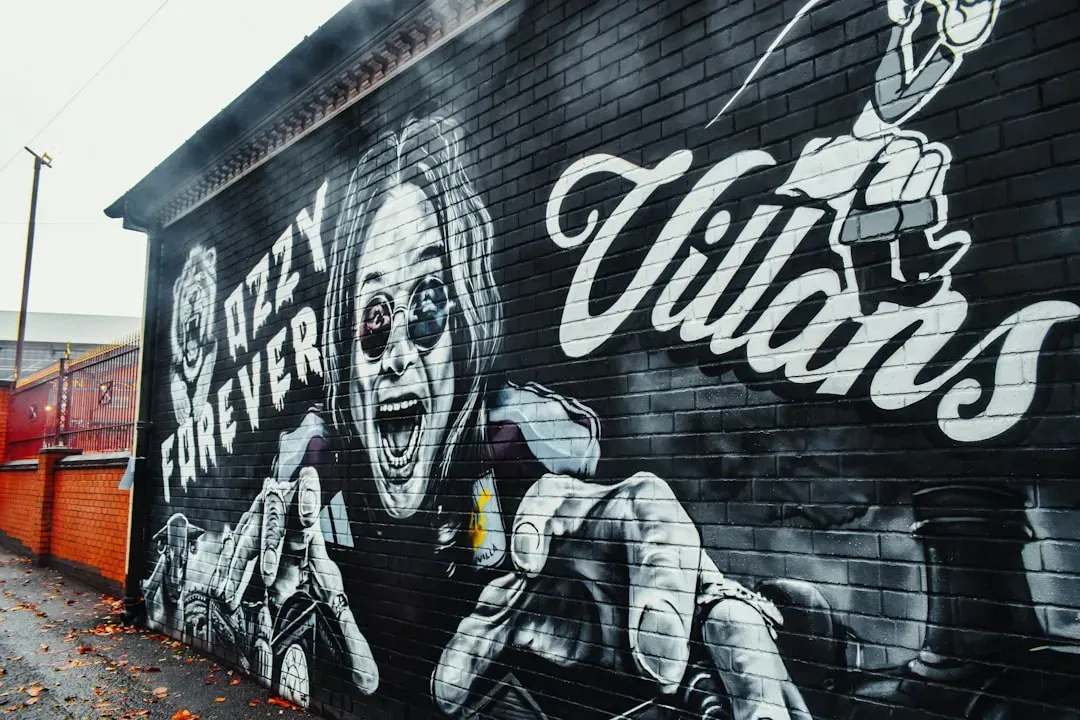
When Ozzy and the boys released their self-titled 1970 debut, critics were puzzled by the band’s shockingly heavy sound and ghoulish lyrics. Legendary rock critic Lester Bangs observed: “just like Cream! But worse.” The prevailing consensus was that their music was ugly, tuneless, and unworthy of serious attention. Radio largely ignored them.
Heavy metal bands often suffer at the hands of critics, and Black Sabbath is no exception. Their 1971 Paranoid album wasn’t quite critically acclaimed, but critics gave their debut 1970 self-titled album no mercy. Today, that debut is widely treated as the birth certificate of heavy metal, and Sabbath would top their debut in mere months with the juggernaut LP Paranoid, their first record going down in rock history as one of heavy metal’s first essential records.
3. The Velvet Underground

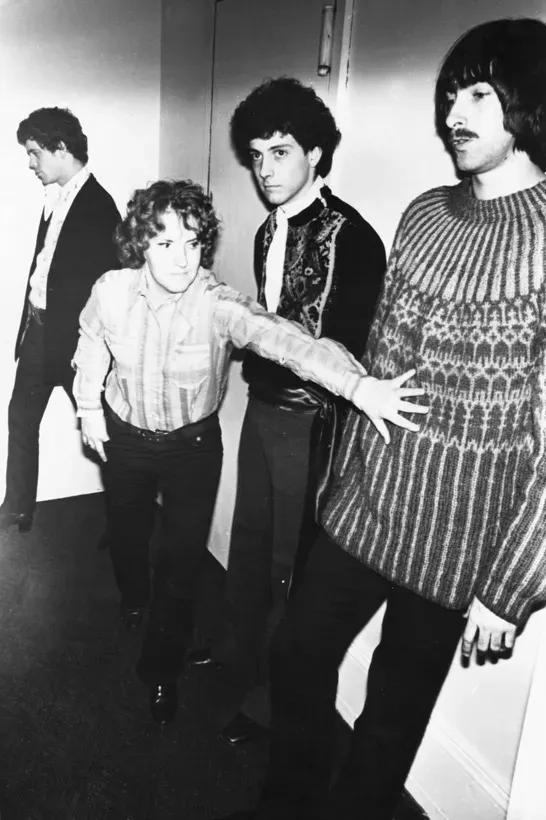
Their debut album, The Velvet Underground & Nico (1967), featuring the German singer and model Nico, was released to critical indifference and poor sales, although it has since been hailed as one of the greatest albums in music history. Their 1967 debut sold poorly and was widely dismissed by critics for its dark focus on drug addiction, sado-masochism, and urban decay. While the rest of the world was celebrating the Summer of Love, Lou Reed and John Cale were exploring the sonic possibilities of drones and dissonance.
The Velvet Underground is regarded as one of the most influential bands in rock history. In 1996 they were inducted into the Rock and Roll Hall of Fame. The now-famous observation credited to Brian Eno – that “only a few thousand people bought that record, but all of them formed a band of their own” – has become rock’s defining statement about delayed cultural impact. Few bands have cast a longer shadow from such a small commercial footprint.
4. The Stooges


According to music historian Denise Sullivan, The Stooges was “disavowed” by most critics. In a contemporary review, Edmund O. Ward of Rolling Stone called it “loud, boring, tasteless, unimaginative and childish.” Initially playing a raw, primitive style of rock and roll, the band sold few records in their original incarnation and gained a reputation for their confrontational performances, which sometimes involved acts of self-mutilation by Iggy Pop.
The Stooges are now widely regarded as a seminal proto-punk act and as instrumental in the development of punk rock, alternative rock, heavy metal, and rock music in general. Iggy Pop was inducted into the Rock and Roll Hall of Fame as a member of the Stooges in 2010, and received a Grammy Lifetime Achievement Award in 2020 for his solo career. The journey from “unimaginative and childish” to Hall of Fame inductee is a long one, and the Stooges made it.
5. AC/DC


Rolling Stone’s early verdict on the Australian band was blunt: “Those concerned with the future of hard rock may take solace in knowing that with the release of the first U.S. album by these Australian gross-out champions, the genre has unquestionably hit its all-time low. Things can only get better. A band whose live act features a lead guitarist leering menacingly while dressed in schoolboy beanie and knickers, AC/DC has nothing to say musically.” The dismissal was total.
Imagine it’s 1976 and you get a new album thrown on your desk featuring songs like “She’s Got Balls” by a bunch of brash Australians. You probably wouldn’t guess they’d become one of the biggest hard-rock acts of all time, still capable of packing stadiums even after losing two iconic lead singers. Their album “Back in Black” is now one of the best-selling albums in recorded history. Critics who called them a low point for rock are rarely quoted in tributes.
Partner offer

6. Queen

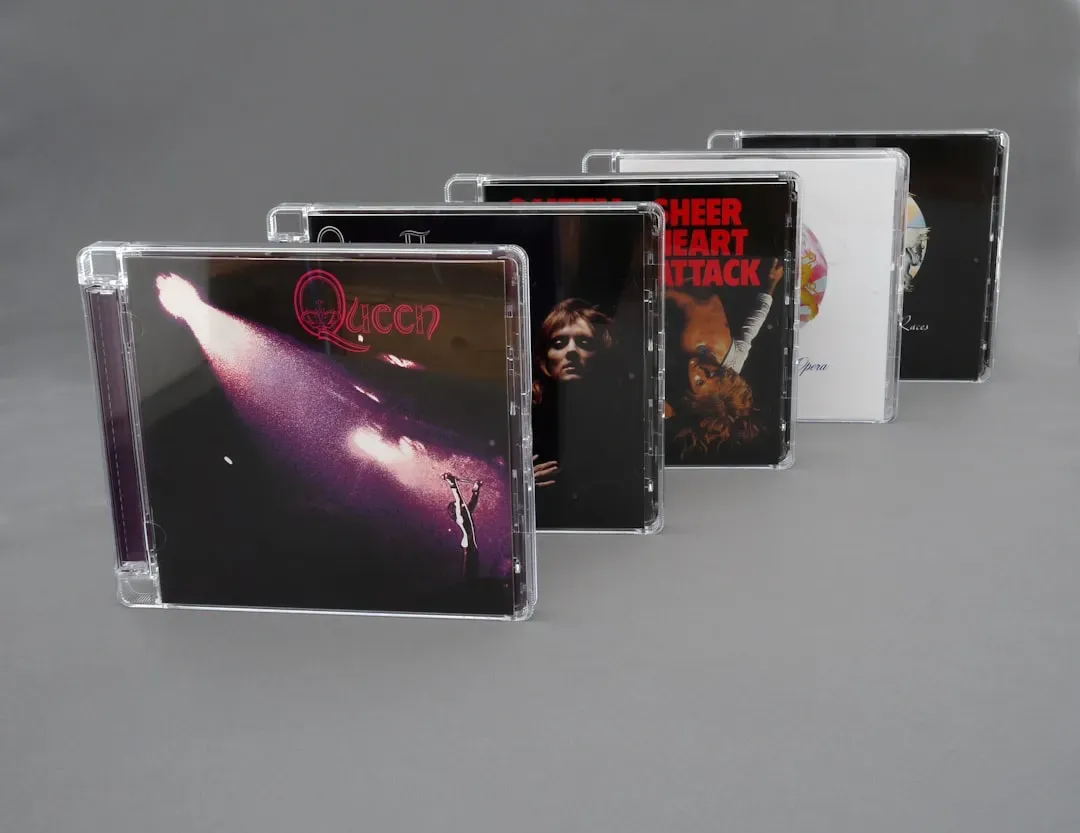
The Chicago Tribune, Rolling Stone, and the Village Voice all panned Queen’s 1978 album “Jazz.” Famous for yielding classic Queen songs like “Bicycle Race,” “Fat Bottomed Girls,” and “Don’t Stop Me Now,” “Jazz” was trashed by Rolling Stone so badly that critic Dave Marsh even went as far as calling Queen “the first truly fascist rock band.” The attacks on Queen’s theatricality and perceived excess were relentless through much of the 1970s and into the 1980s.
Sometimes a reviewer just seems to have a very low opinion of a band, which seems to be the case with Dave Marsh and Queen. Years later, their album Jazz only got a marginally better review in the Album Guide, though this time around they weren’t labeled “fascists.” Time has been kinder. Freddie Mercury is now considered one of the greatest rock vocalists of all time, and “Bohemian Rhapsody” regularly appears near the top of all-time song lists.
7. Weezer

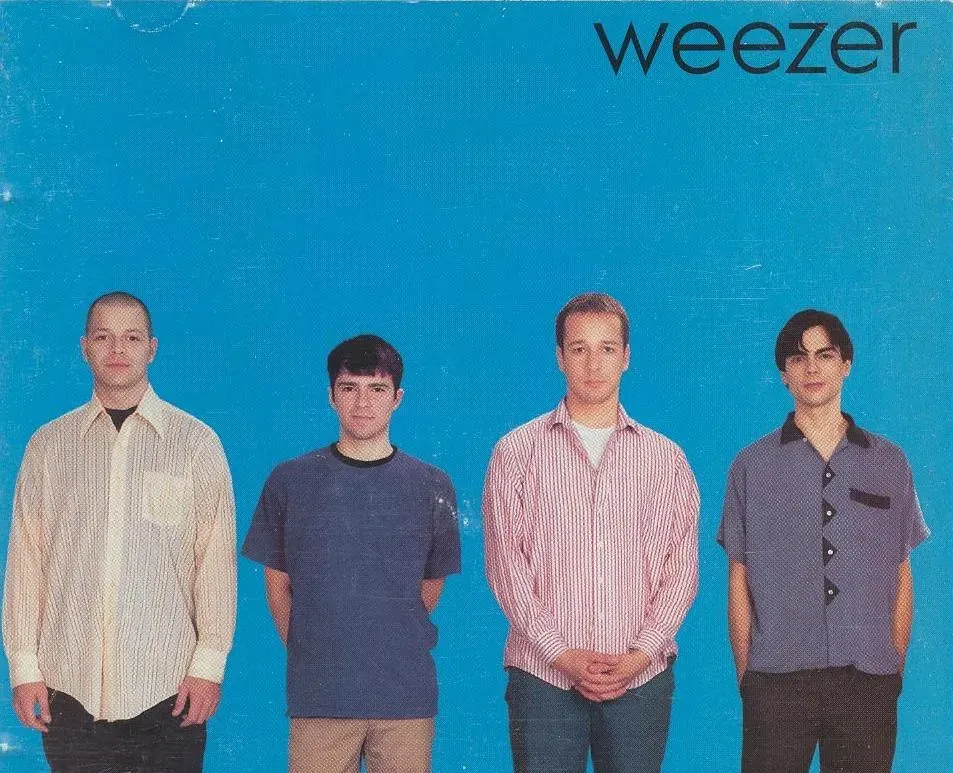
Weezer’s 1996 release “Pinkerton” was vastly different from their popish debut record. Critics and fans alike criticized it for being a bit too raw and personal, and some would say it was a commercial failure for the band. Today, though, it has a strong following. Pinkerton explores vulnerability in a way that modern-day audiences can relate to. At the time of release, it felt like a creative misstep.
The 1996 Rolling Stone Critics Poll labelled Pinkerton one of the worst albums of the year. The reassessment took roughly a decade. Dark, personal and confessional, Pinkerton is now recognized as an amazing album filled with disillusionment and pain. That may account for the fact that the album didn’t meet commercial expectations, but it’s harder to explain the shortsightedness of critics. It’s now considered a landmark in emo and alternative rock.
8. Pearl Jam

NME flat out accused Pearl Jam of “trying to steal money from young alternative kids’ pockets,” while Robert Christgau and Entertainment Weekly called “Ten” a carbon copy of works by other emerging grunge bands. The debut dropped in 1991 into a scene that was simultaneously embracing and cannibalizing anything that sounded like Seattle. Pearl Jam, to some, felt too polished for the moment.
Mojo, Q, and Rolling Stone all gave Pearl Jam’s debut album “Ten” four out of five stars, with the latter two eventually including the record on greatest album lists. Q even ranked it number 42 all time. The band’s staying power proved every critic who dismissed them as derivative wrong. Decades later, they remain one of the defining acts of a generation, and “Ten” is considered a classic of the alternative era.
9. Journey

For all their success – more than 52 million albums sold in the US alone – Journey have always been a band that music critics have loved to hate, and pilloried as the epitome of corporate rock. Perry himself was mockingly nicknamed “The Duck” due to his high-register voice. The critical consensus throughout their peak years was largely dismissive, treating them as the purest example of slick, soulless arena pop-rock.
The cultural rehabilitation came gradually. When David Chase, the producer of hit TV series The Sopranos, chose Journey’s “Don’t Stop Believin'” as the soundtrack to the climactic scene in the final episode, former Journey singer Steve Perry felt deeply conflicted. But in the end Chase got what he wanted, and Perry and Journey got what they had been denied for so many years: genuine iconic status. That single song placement arguably did more for their legacy than any critical reappraisal ever could.
10. U2


When U2 debuted with the 1980 effort “Boy,” The Village Voice characterized the ultra-sincere rockers as “bubble-headed” and “dumb.” Revenge came swift when “Boy” was voted one of the year’s best albums on The Village Voice’s very own Critics Poll. The early U2 was an easy target – earnest to a fault, with Bono’s grand gestures and Edge’s chiming guitar still finding their footing. Critics who wanted irony found none.
When Achtung Baby first hit the shelves back in 1991, it didn’t bring Irish rock band U2 a whole lot of love. In fact, two major music critics at the time dragged the record through the mud. That album is now considered one of the best records of the 1990s and a turning point for the band’s artistic legacy. U2 went from being called “dumb” on their debut to becoming one of the most decorated rock acts in history – a reversal that says as much about the limits of criticism as it does about the band itself.
Taken together, these ten stories point to something worth sitting with: the moment a sound is genuinely new, it often lacks the context needed to be appreciated. Critics work in the present tense, and the present tense can be a narrow frame. What looks like noise, pretension, or derivativeness at first listen sometimes turns out to be the thing that shapes everything that comes next. The historical record has a longer memory than the weekly review.
Partner offer
Planning a trip to Vegas?
Compare hotel rates and show tickets on VEGAS.com.