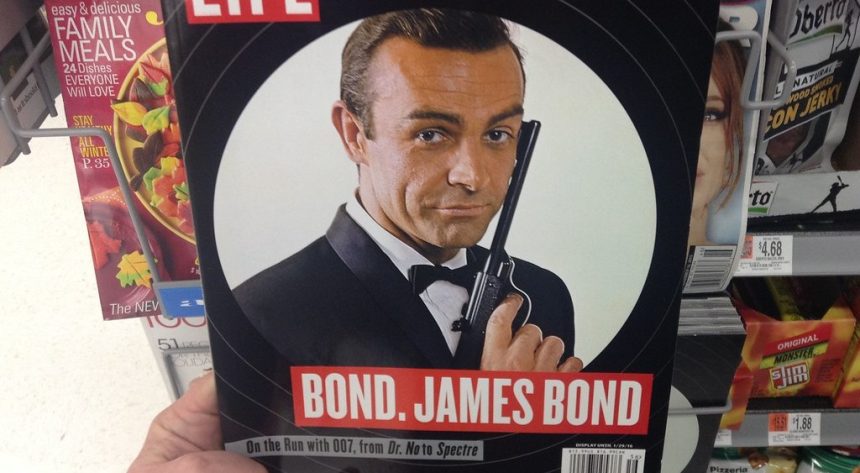
Some characters simply refuse to belong to a single actor. Across decades of cinema, certain roles have been handed down from performer to performer, each one bringing a slightly different flavor to the part while somehow keeping the character recognizable. This churn of casting is part curiosity and part necessity, driven by studio reboots, franchise fatigue, or simply the passage of time. Below is a look at ten roles that have been reimagined again and again, along with a closer look at who tends to get remembered as the definitive version.
James Bond: The Gold Standard of Recasting

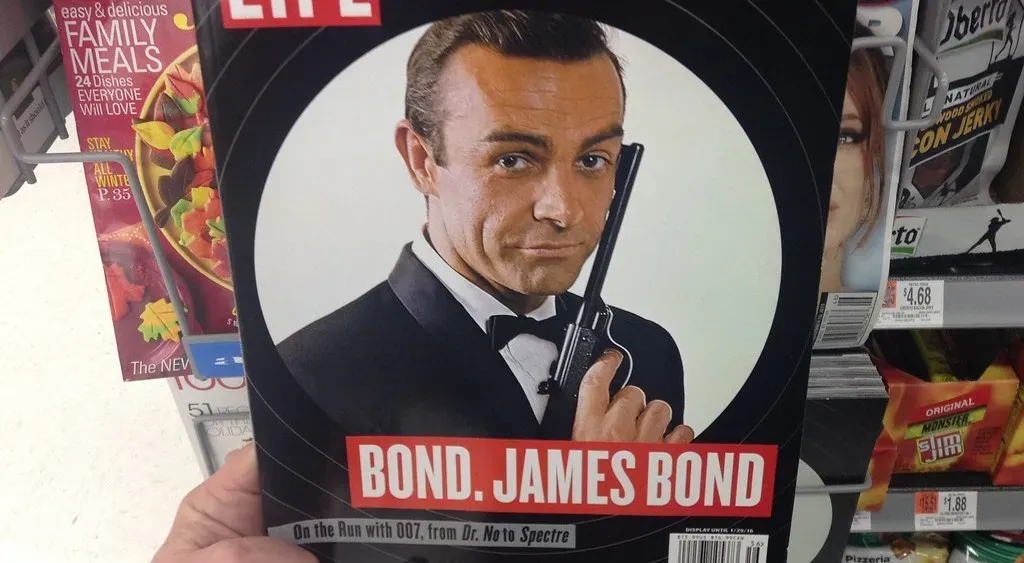
No character has been passed between actors quite as publicly as 007. Sean Connery originated the role in the early 1960s, and since then five other actors, George Lazenby, Roger Moore, Timothy Dalton, Pierce Brosnan, and Daniel Craig, have each stamped their own interpretation on the British spy. Craig’s five-film run ended in 2021 with a death scene that closed the book on his version entirely, which is rare for a franchise built on continuity-free reinvention.
The search for Bond’s next face has become almost as newsworthy as the films themselves. Amy Pascal has said that Bond casting news by the end of 2026 is “a good bet,” while recent reports suggest the selection process is now well advanced. Reports suggest a select group of actors including Jack Lowden, Jacob Elordi, Callum Turner, Paul Mescal, and Harris Dickinson will screen-test for the role. Whoever lands the part will join a lineage where the “best” Bond is usually just a matter of which decade you grew up watching.
Batman: A Rotating Cast of Capes

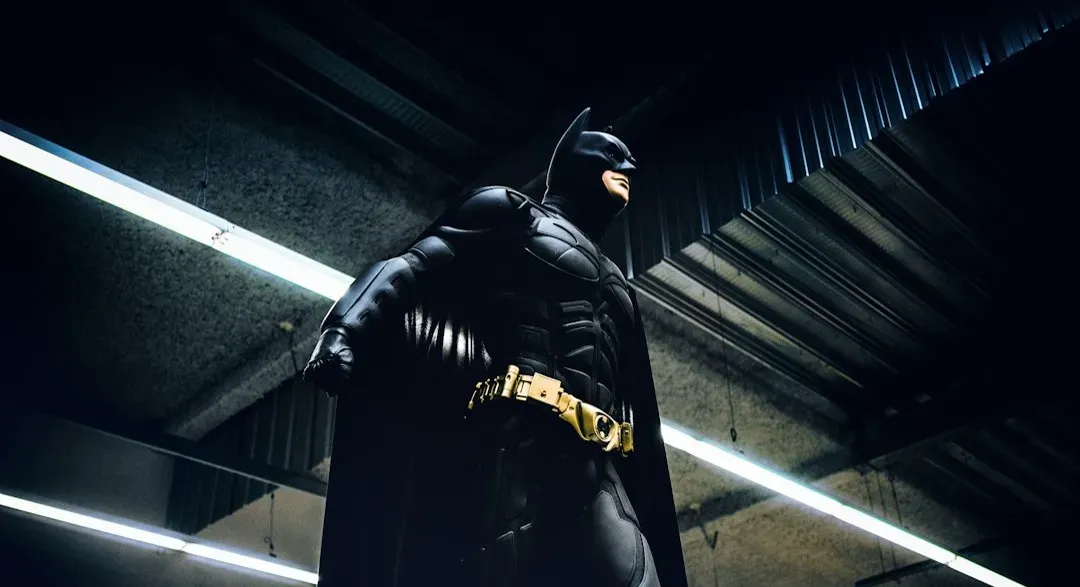
Adam West brought a campy, winking energy to the Caped Crusader in the 1960s, a tone that couldn’t be further from the brooding intensity Christian Bale delivered decades later. In between, Michael Keaton, Val Kilmer, and George Clooney each took turns under the cowl, with wildly different results in terms of critical and audience reception. Ben Affleck later added his own grizzled, weary take before Robert Pattinson brought a younger, more noir-inspired detective version to the role.
Few characters demonstrate how tone can completely reshape a role the way Batman does. Keaton’s version leaned into gothic melancholy under Tim Burton, while Bale’s trilogy with Christopher Nolan aimed for grounded realism, and Pattinson’s take embraced a grimier, almost punk aesthetic. Ask five different fans who played it best and you’ll likely get five different answers depending on which Batman film shaped their childhood.
The Joker: Chaos Reinvented Every Decade

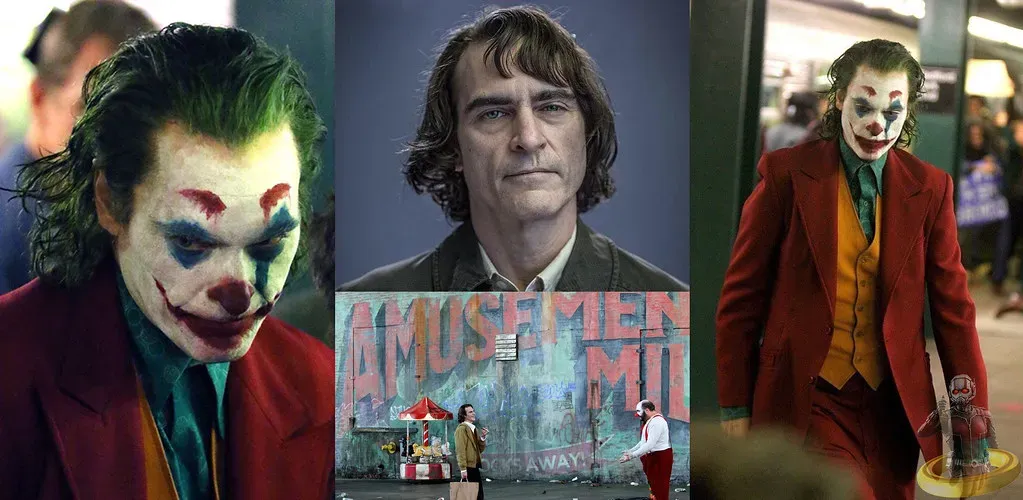
Cesar Romero brought a theatrical, almost vaudevillian menace to the Joker in the 1960s television series, refusing even to shave his mustache for the role. Jack Nicholson turned up the mischief and showmanship in 1989, while Heath Ledger’s 2008 performance became a cultural landmark, earning a posthumous Academy Award for a portrayal widely regarded as one of the most unsettling villains in film history.
Jared Leto’s version drew a much more mixed response, while Joaquin Phoenix took the character in an entirely different direction with a standalone psychological drama that won him an Oscar as well. The character has become something of a proving ground for actors wanting to show range, since each new Joker seems determined to avoid repeating what came before.
Spider-Man: Three Actors, Three Eras

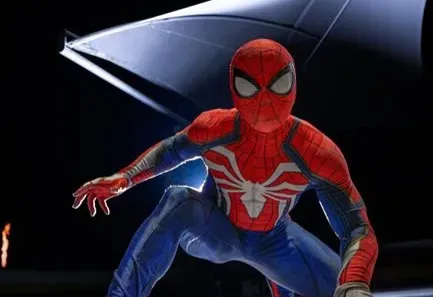
Tobey Maguire introduced audiences to a earnest, slightly awkward Peter Parker in the early 2000s trilogy, establishing much of the tone that would define superhero films for years afterward. Andrew Garfield followed with a quippier, more anxious version in the rebooted films, and Tom Holland has since become the most prolific Spider-Man, appearing across multiple Marvel Cinematic Universe entries.
What makes this recasting story unusual is that all three actors eventually shared the screen together in a crossover film, letting audiences compare their takes side by side rather than relying on memory alone. Holland’s Spider-Man continues to headline new theatrical releases, keeping the character firmly in the spotlight heading into 2026 and beyond.
Willy Wonka: From Wilder to Chalamet


Gene Wilder’s 1971 performance in “Willy Wonka & the Chocolate Factory” remains the version most associated with warmth, mischief, and just a touch of menace. Johnny Depp took a stranger, more gothic approach in Tim Burton’s 2005 remake, drawing heavily on an eccentric, almost childlike persona that split audiences.
Timothée Chalamet, last seen in Dune and Bones and All, took on the cuddly side of Willy Wonka, a role previously played by Gene Wilder and Johnny Depp. The 2023 prequel became a genuine commercial success, with the film’s worldwide box office climbing well past its production budget. Critics were largely kind to the film as well, with an “A-” CinemaScore from audiences and an 83% “fresh” rating on Rotten Tomatoes.
Sherlock Holmes: The Most Portrayed Character in Film

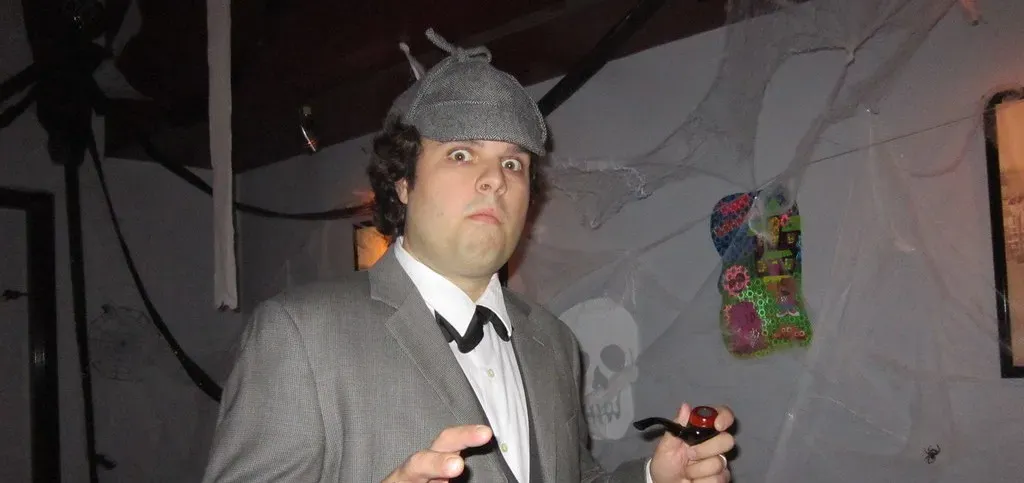
Guinness World Records has long recognized Sherlock Holmes as the most portrayed literary human character in film and television history, with well over seventy actors having taken on the role across more than a century of adaptations. From Basil Rathbone’s classic 1940s interpretation to Robert Downey Jr.’s action-oriented version and Benedict Cumberbatch’s modern-day television incarnation, the detective has proven endlessly adaptable to different genres and time periods.
Part of the character’s appeal for filmmakers is precisely this flexibility. Holmes can be a stoic period piece hero, a witty modern eccentric, or even an animated character, and audiences generally accept the shift as long as the deductive brilliance and eccentric personality remain intact. Few roles offer such creative freedom while still requiring a recognizable through-line.
Dracula: A Century of Bloodsuckers

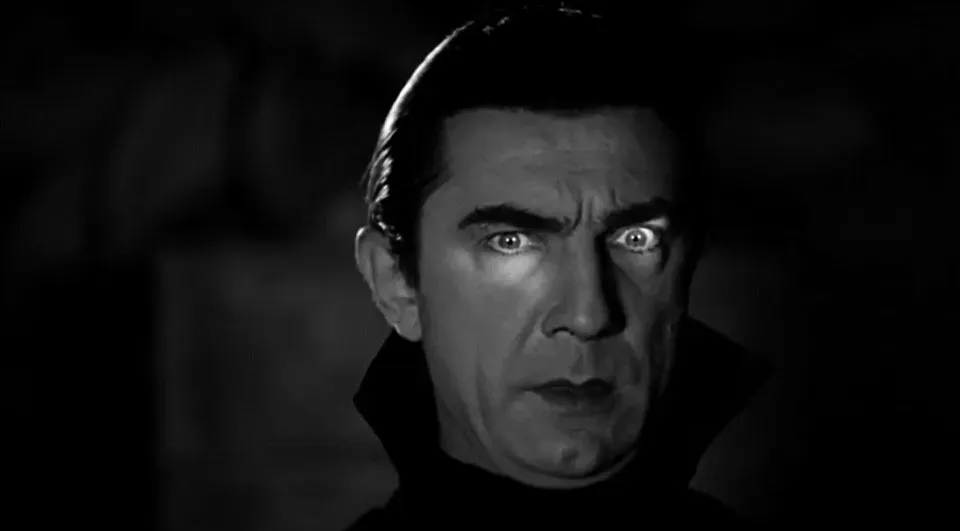
Bela Lugosi’s 1931 performance defined the cinematic vampire for generations, complete with the slow, formal cadence that countless parodies have since borrowed. Christopher Lee brought a more physically imposing, predatory quality to Hammer Films’ horror series throughout the 1950s and 1960s, while Gary Oldman delivered a tragic, romantic version in Francis Ford Coppola’s 1992 adaptation.
Each generation seems to want its own Dracula, shaped by whatever horror sensibilities dominate the era. Lugosi’s version feels theatrical by today’s standards, yet it remains the template most people picture when they hear the character’s name, a testament to how a single early performance can outlast dozens of successors.
The Hulk: A Character Defined by Transformation

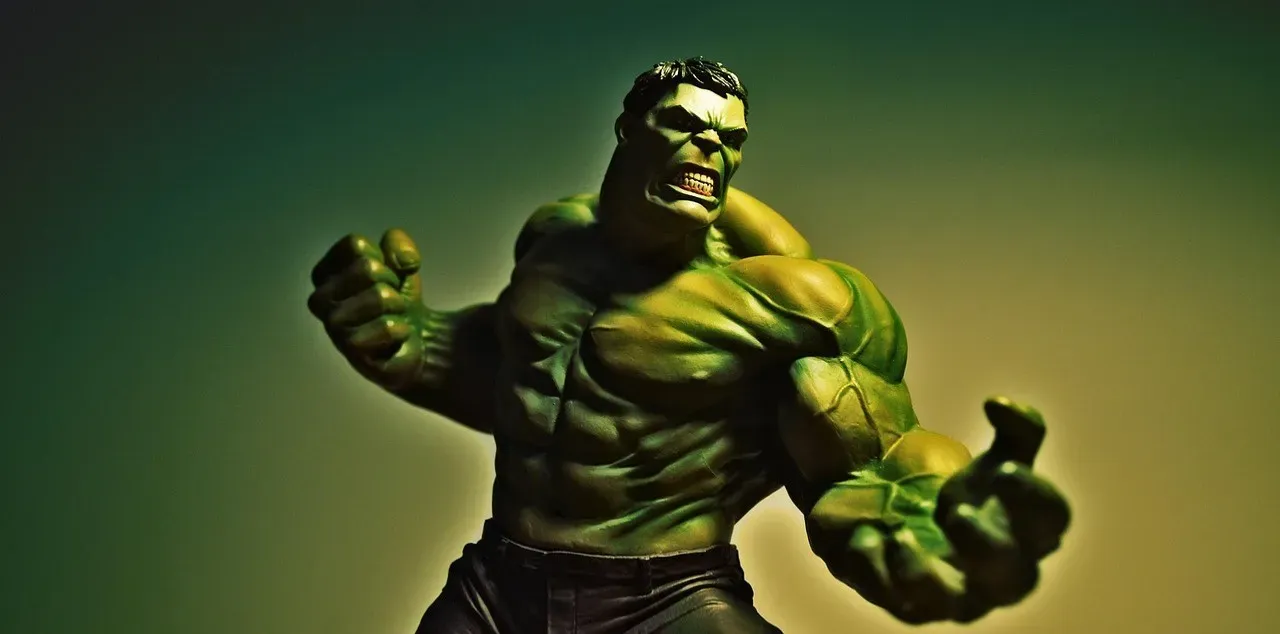
Eric Bana played Bruce Banner in 2003’s “Hulk,” a film that struggled to find its footing tonally and commercially. Edward Norton took over for 2008’s “The Incredible Hulk,” delivering a grittier take that still didn’t quite click with audiences the way Marvel hoped.
Mark Ruffalo has since become the version most associated with the character, appearing across numerous Marvel Cinematic Universe films where the role evolved from a purely destructive force into a more nuanced, even comedic presence. The character’s repeated recastings early on reflect how difficult it was for Marvel to find the right tonal balance before the shared universe format clicked into place.
Catwoman: Feline Menace Across Generations

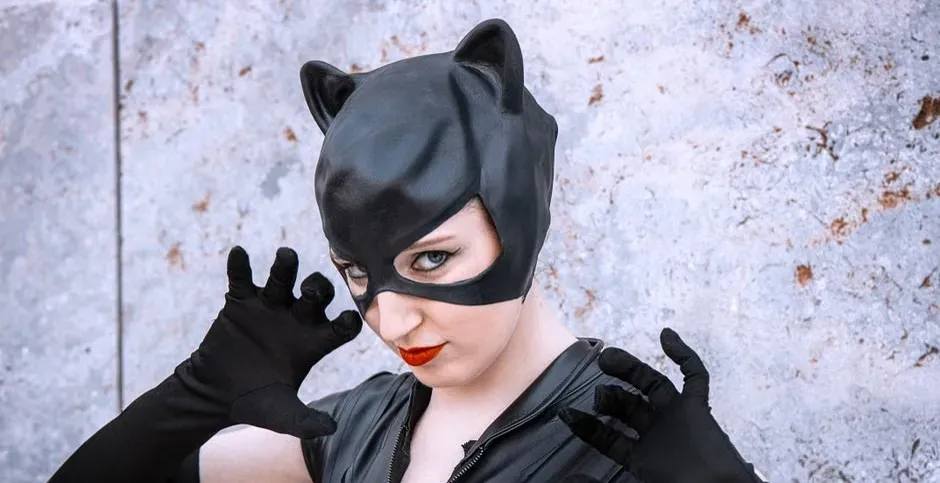
Julie Newmar brought a sly, playful energy to the character in the 1960s Batman television series, setting a template that Eartha Kitt and Lee Meriwether also embodied during the show’s run. Michelle Pfeiffer’s 1992 performance in “Batman Returns” is often cited as a fan favorite, blending vulnerability with genuine danger in a way that felt fresh for the era.
Halle Berry’s standalone 2004 film failed to resonate with critics or audiences, while Anne Hathaway’s more grounded, morally ambiguous take in “The Dark Knight Rises” won over skeptics who doubted she could pull off the role. Zoë Kravitz later added her own version in 2022’s “The Batman,” proving the character still has room for reinvention nearly sixty years after her debut.
King Kong: Scaling Up With Every Remake

The giant ape at the center of “King Kong” isn’t played by a human actor in the traditional sense, but the character has still been reimagined repeatedly through practical effects, stop-motion animation, and increasingly sophisticated computer-generated imagery. The original 1933 film relied on pioneering stop-motion techniques that were groundbreaking for their time, while the 1976 remake used a mix of suits and animatronics.
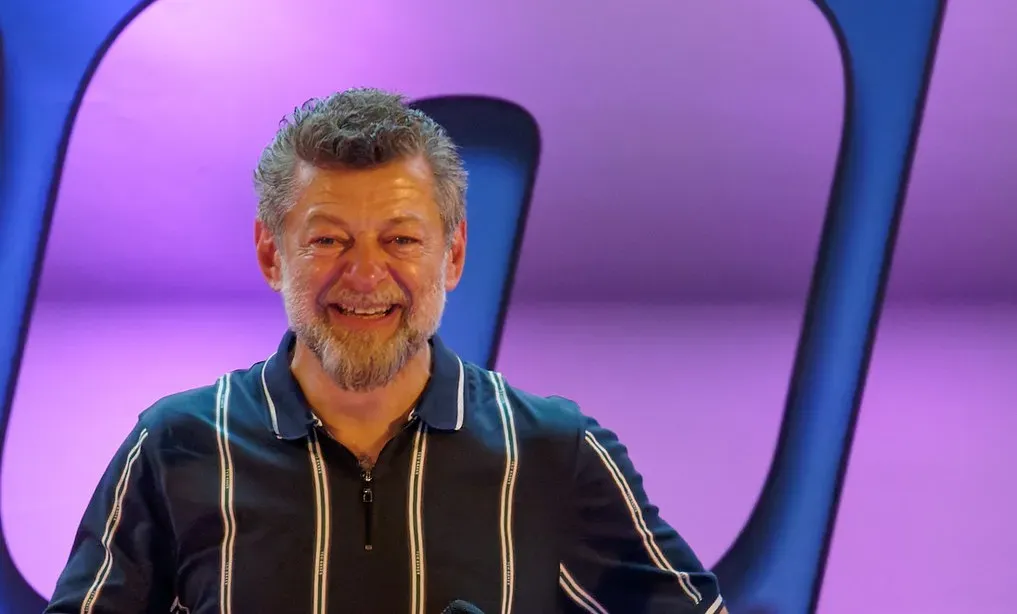
Peter Jackson’s 2005 version leaned heavily on motion-capture technology, with performer Andy Serkis providing movement reference much as he later did for characters like Gollum. More recent entries in the “MonsterVerse” have continued refining Kong’s design and personality, turning him from a purely destructive force into something closer to a sympathetic protagonist across multiple films.
Doctor Who: Recasting Built Into the Premise

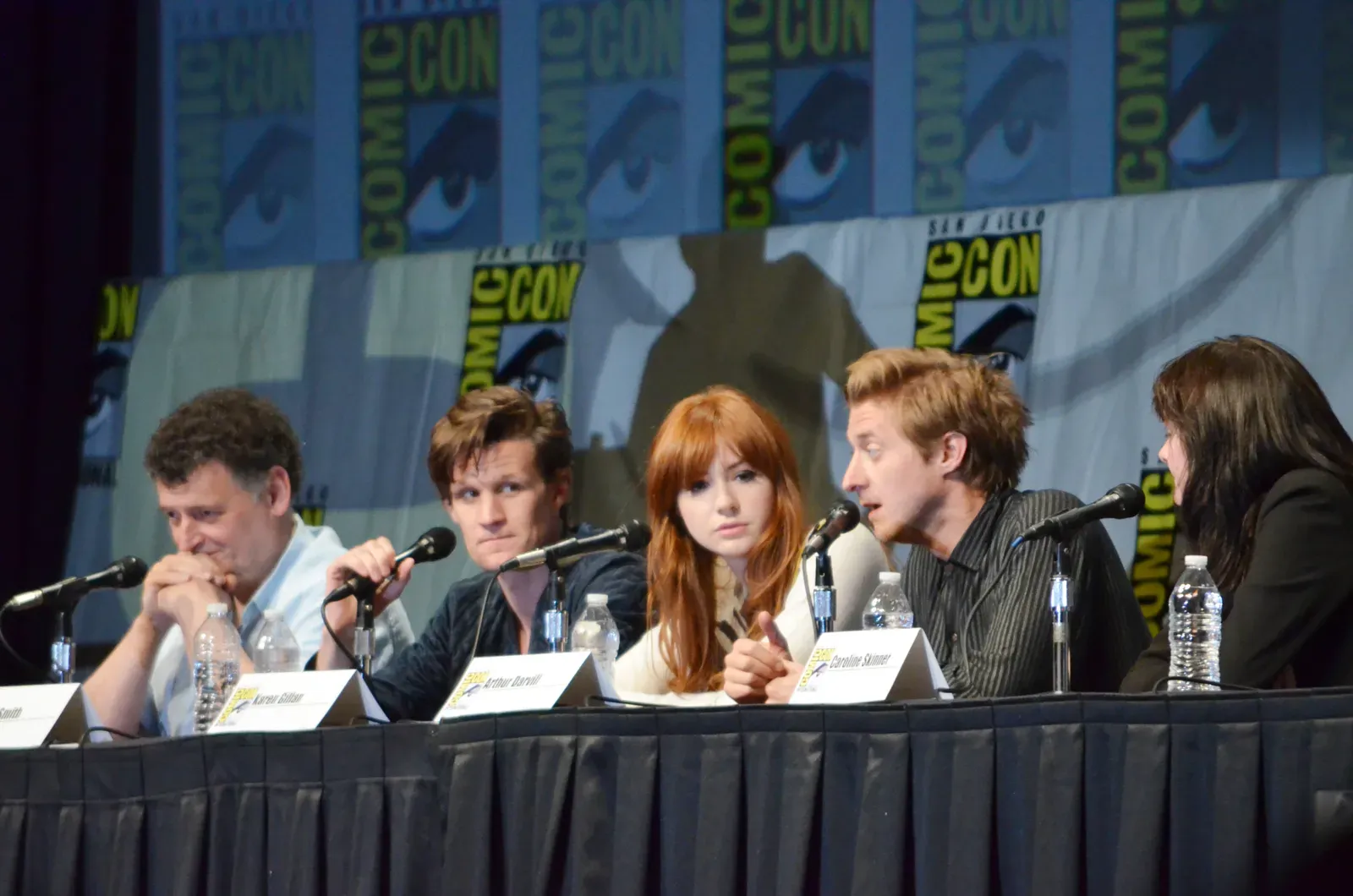
Few franchises have made recasting as central to their identity as “Doctor Who.” The show’s central conceit, that the Time Lord protagonist periodically “regenerates” into a new body, has allowed more than a dozen actors to take on the role since the series began in 1963 without ever requiring a reboot or explanation beyond the show’s own internal logic.
This built-in mechanism means fans don’t just tolerate recasting, they anticipate it as part of the show’s rhythm. Actors from Tom Baker to David Tennant to Jodie Whittaker have each left a distinct mark, and the ongoing willingness to hand the role to new performers has arguably kept the series relevant across more than six decades, a rare feat for any long-running franchise.
Why We Keep Recasting the Same Characters

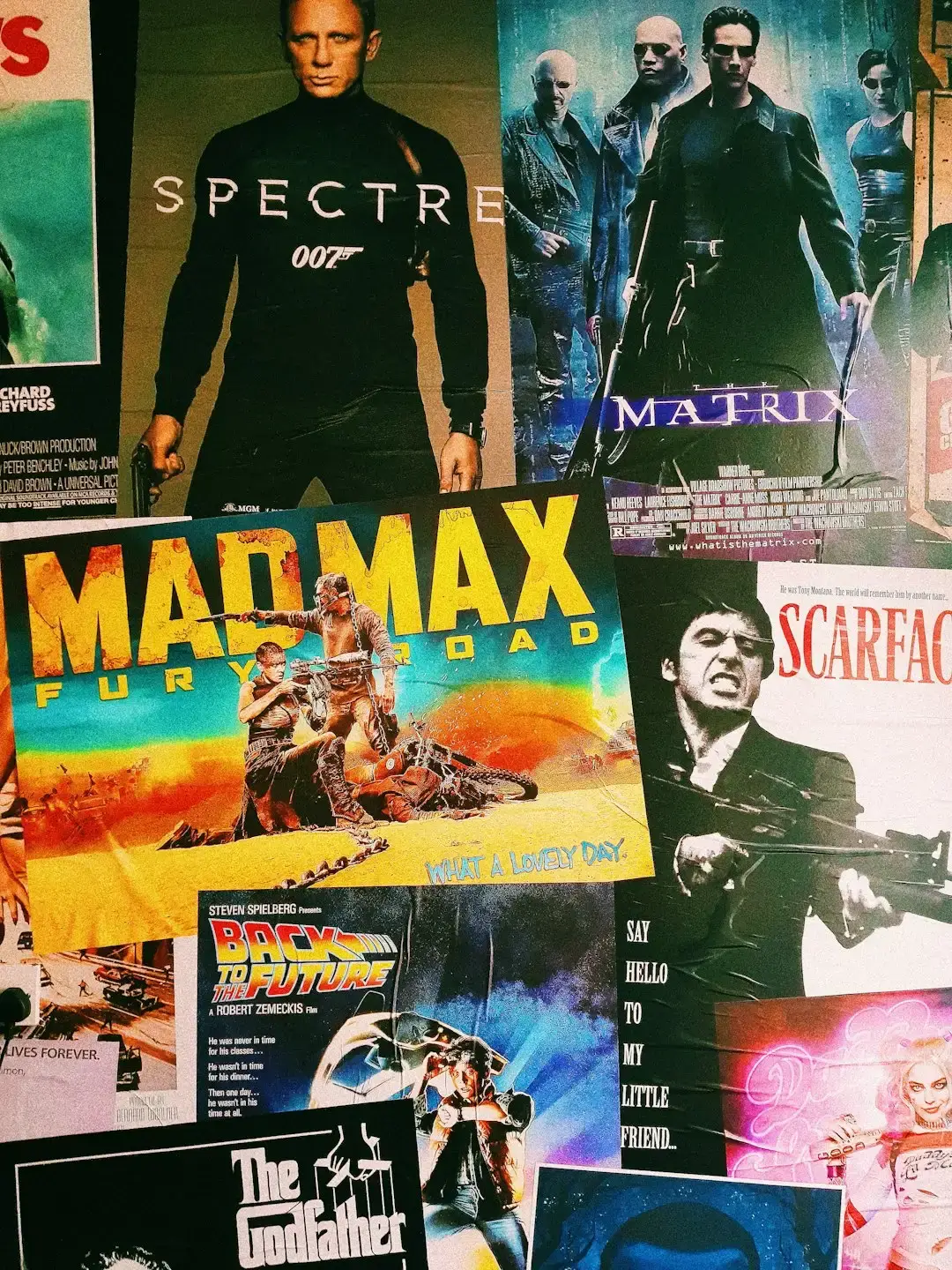
Looking across all ten of these examples, a pattern emerges. Recasting isn’t just a practical necessity when an actor ages out of a role or leaves a franchise, it’s often a deliberate creative choice that lets filmmakers reflect changing cultural tastes. What audiences wanted from a superhero, a spy, or a monster in the 1960s looks nothing like what they expect today, and recasting is one of the few tools available to update a character without abandoning it entirely.
There’s rarely a single “correct” answer to who played any of these roles best, since so much depends on nostalgia, timing, and personal taste. What’s clear is that audiences have shown remarkable willingness to accept new faces in familiar roles, provided the essence of the character survives the transition. As franchises like James Bond prepare to reveal their next iteration, that willingness will be tested once again, proving that some characters are simply built to outlast any single performer.