There’s a particular kind of Hollywood success that comes with a hidden cost. An actor delivers a performance so fully realized, so deeply felt by audiences, that the industry quietly stops imagining them as anyone else. The role that made them a star becomes the role that defines every conversation, every audition, every casting decision that follows.
In film, television, and theatre, typecasting is the process by which a particular actor becomes strongly identified with a specific character or type of role, and there have been instances where that association makes it genuinely difficult for them to find work playing other characters. These six actors know that dynamic better than most.
Mark Hamill – Luke Skywalker, Star Wars (1977)

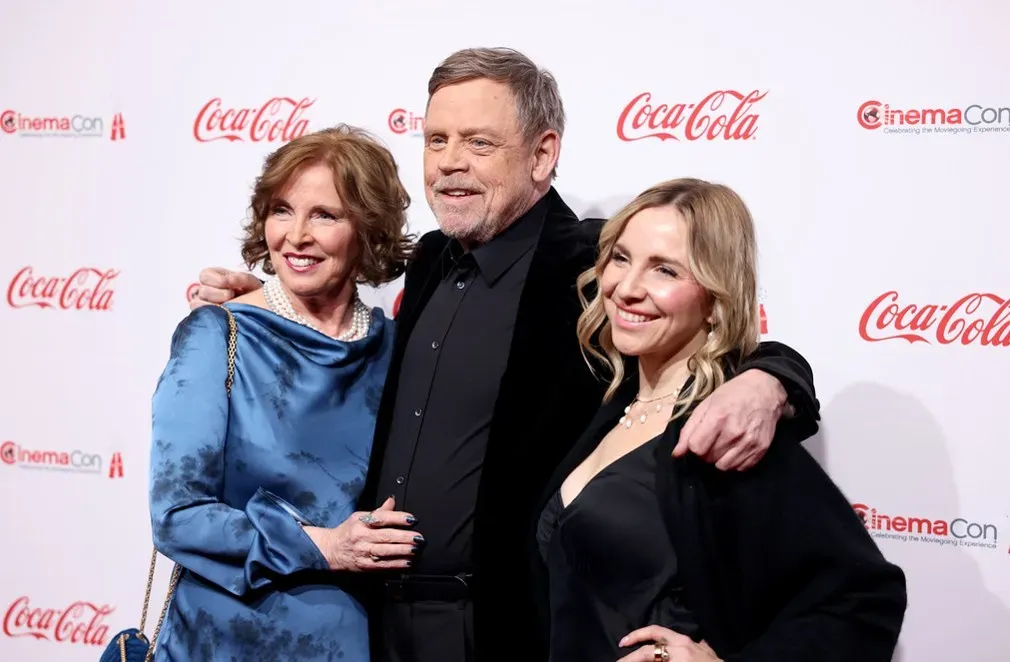
After the success of Star Wars, Hamill found that audiences identified him very closely with Luke Skywalker, and he attempted to avoid being typecast by appearing in Corvette Summer and the World War II film The Big Red One. Neither film moved the needle. The galaxy had already claimed him.
Hamill could not always avoid being pigeonholed – the lead role in the Academy Award-winning 1984 film Amadeus went to Tom Hulce because director Miloš Forman felt that Hamill’s fame as Luke Skywalker would prevent him from being a believable Mozart, even though Hamill had played the part on stage. In an ironic counterpoint to his problem of being typecast as an upright hero in live-action roles, he found that his successful career as an animation voice actor eventually typecast him as a player of flamboyant villains like the Joker on Batman: The Animated Series. He found a lane, just not the one he originally sought.
Jennifer Aniston – Rachel Green, Friends (1994–2004)

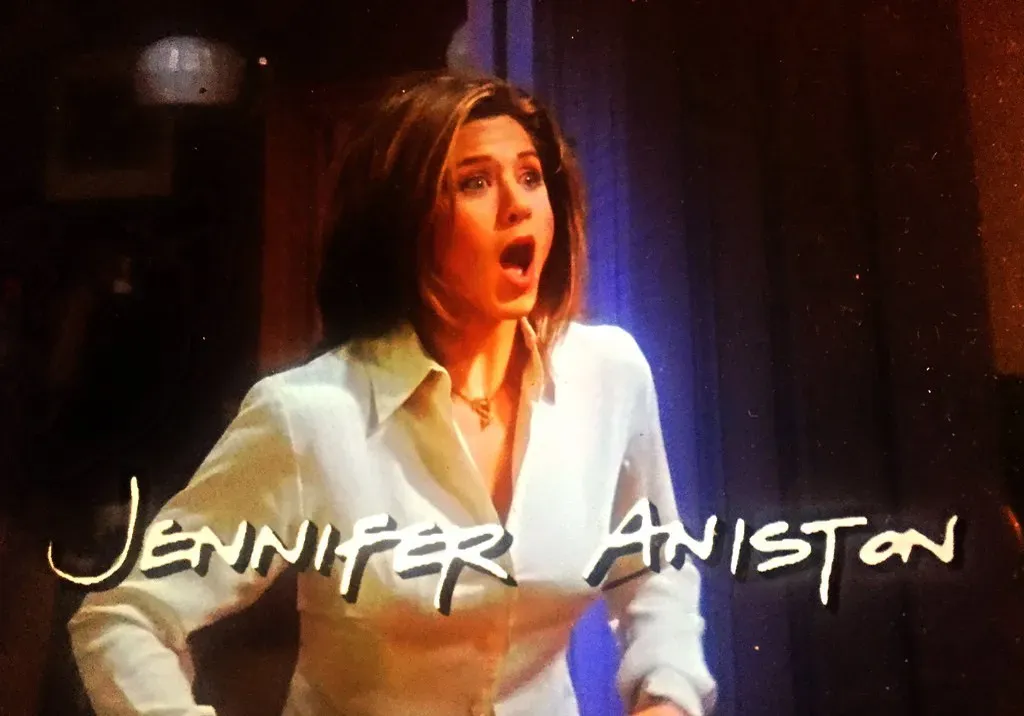
Aniston rose to international fame for her role as Rachel Green on the television sitcom Friends from 1994 to 2004, for which she received the Primetime Emmy Award for Outstanding Lead Actress in a Comedy Series. While agreeing that Aniston’s film career has been successful, several critics have argued that she was often typecast in Rachel-like roles, particularly in romantic comedies. The haircut alone became a cultural phenomenon that followed her everywhere.
During a Hollywood Roundtable session, Aniston recalled how the success of the show and the popularity of her character Rachel Green led to such professional stagnation that she badly wanted the show to end. The 2014 film Cake completely shattered Aniston’s typecasting, and she earned SAG and Golden Globe nominations – proof that the range had always been there, waiting for directors willing to look past the coffee shop.
Arnold Schwarzenegger – The Terminator and the Action Hero Mold


Schwarzenegger’s action-hero typecasting surged with Conan the Barbarian and The Terminator, then expanded through crowd-pleasers like Commando, Predator, and Total Recall. The combination of physicality and one-liners became a reliable box-office formula, and even when venturing into comedy with Twins and Kindergarten Cop, the films leaned on the same larger-than-life persona. Studios could never quite let go of the archetype that made them money.
Partner offer

That clear brand identity powered multiple franchises and sustained international stardom. Still, the cost was real. Attempts at dramatic range were consistently filtered through the same lens of imposing physicality, and audiences came to expect a certain kind of Schwarzenegger experience every time. His name became a genre unto itself, which is both the reward and the trap.
The Original Star Trek Cast – A Whole Crew Trapped Together

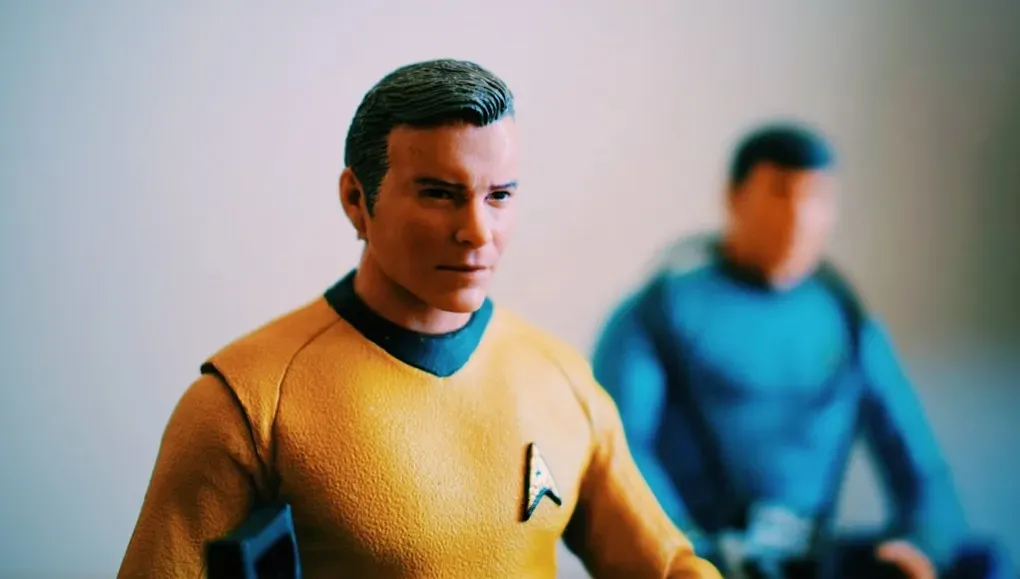
As early as March 1970, Nichelle Nichols complained of Star Trek having “defined her so narrowly as an actress,” and James Doohan said that by 1971 producers were calling him “Scotty” when turning him down for roles, with even those he had worked with before Star Trek telling his agent, “I don’t want a Scotsman.” An entire ensemble caught in the same gravity well.
Residuals from the series ended in 1971, and Koenig, Doohan, and DeForest Kelley discussed the paradox of starring in what Kelley described as the most popular series in the world because of reruns, while not getting paid for it. Cast members’ income came mostly from personal appearances at conventions, with Kelley earning up to the equivalent of around $247,000 annually in today’s money by 1978. Being identified so closely with one role left the series’ cast with mixed emotions – Shatner called it “awesome and irksome.”
Dwayne Johnson – The Indestructible Action Hero

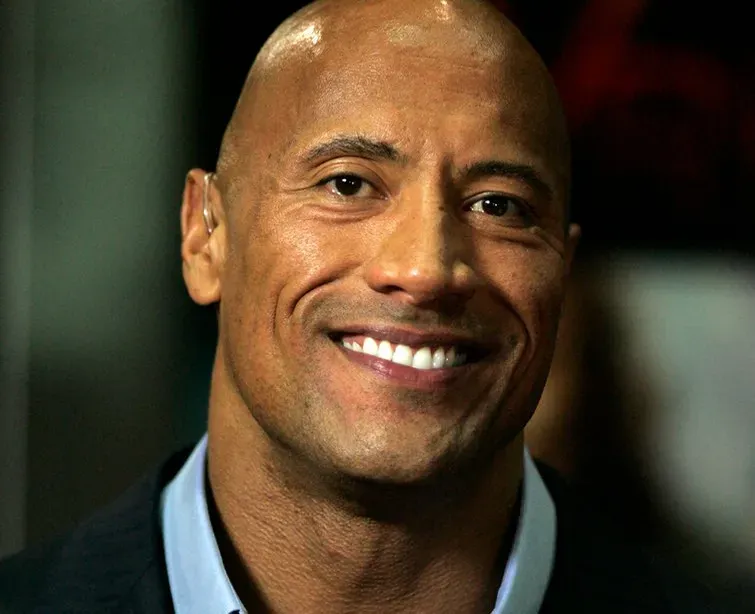
Dwayne Johnson is mostly known for playing muscular, invincible, and larger-than-life heroes in movies, especially in jungle-themed adventure films like Journey 2: The Mysterious Island, Jumanji: Welcome to the Jungle, and Jungle Cruise. For years, every project seemed to be a variation on the same unstoppable formula. The charm was undeniable. So was the repetition.
He was then cast against type in Benny Safdie’s film The Smashing Machine (2025), where he played the role of Mark Kerr, a character more vulnerable than any of his previous roles. It was a genuinely surprising pivot – one that audiences and critics noticed precisely because it broke so sharply from the mold. Whether it signals a lasting shift or a single detour remains to be seen.
Morgan Freeman – The Eternal Wise Man

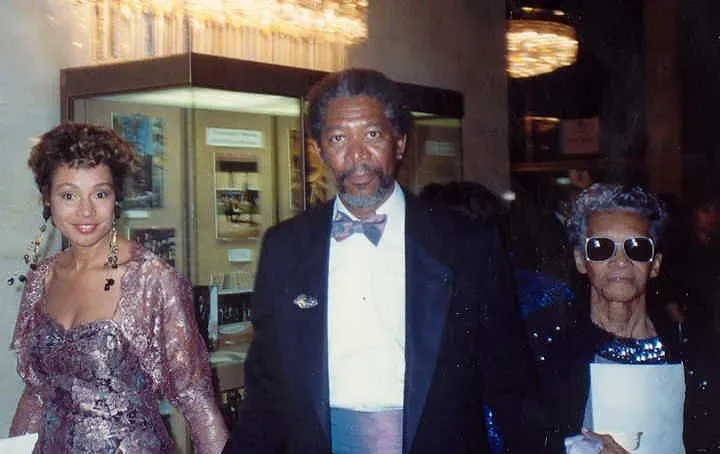
Morgan Freeman is one of the most beloved actors in Hollywood, but he has been typecast as the go-to figure in any movie that needs an older sage for the hero to lean on. His most famous entry into this pigeonholed role was in The Shawshank Redemption, when he played Red, the wise best friend. Since then, whenever a main character needs a voice of reason or wisdom, producers jump to cast Freeman.
Known for his authoritative, wise, and often calming presence, Freeman has repeatedly been cast in roles requiring a dignified figure, and his distinctive voice and demeanor have made him ideal for roles ranging from God to the president. Freeman himself acknowledged the pattern, noting that directors and writers tend to think of him as “Mr. Good” and expressing a desire to play a truly compelling villain – someone audiences could really have empathy with and understand. The irony is that Freeman is brilliant at what he’s been boxed into, which is precisely why the box never broke.
Partner offer
Planning a trip to Vegas?
Compare hotel rates and show tickets on VEGAS.com.