History often paints with a broad brush, dividing people into villains and heroes without much nuance. Yet the real story is far more complicated than black-and-white judgments. Some figures we’ve learned to despise were actually far more complex than their reputations suggest. History often has a tendency to create a black-and-white image of villains and heroes, with the victors writing the narrative. Their true motivations, context, and even accomplishments have been buried under centuries of misunderstanding.
Let’s be real, once a reputation sticks, it becomes nearly impossible to shake. These historical personalities have been misrepresented, vilified, or simply misunderstood by later generations who never bothered to look deeper. What if everything you thought you knew about them was wrong?
Genghis Khan: The Conqueror Who Built Bridges

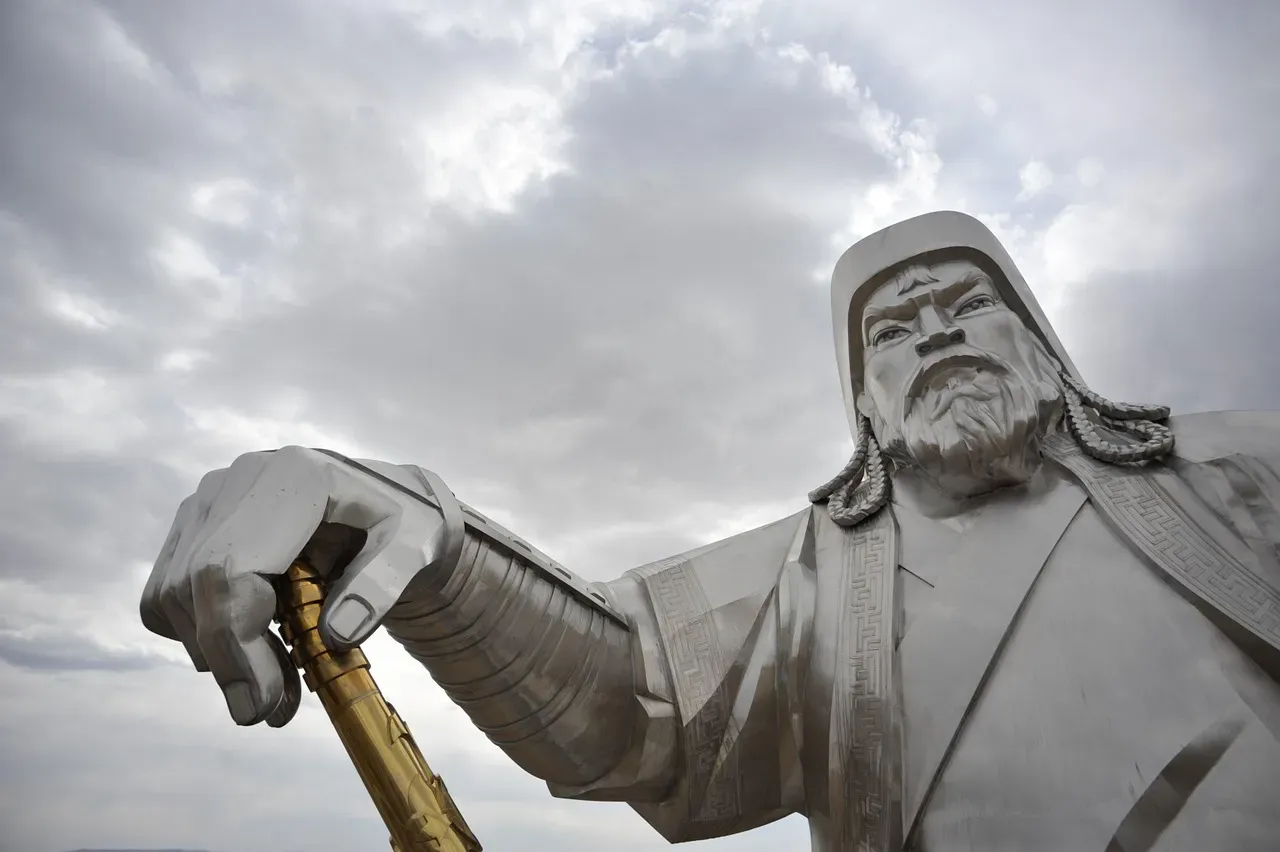
When you hear the name Genghis Khan, your mind probably jumps to images of destruction and bloodshed. Sure, he was a fierce conqueror whose armies killed millions, yet recent Western scholarship has begun to reassess its previous view of him as a barbarian warlord. His unification of the Mongol tribes and foundation of the largest contiguous state in world history permanently altered the worldview of civilizations, and though his armies killed millions, his conquests also facilitated unprecedented commercial and cultural exchange over a vast geographical area.
Here’s the thing people often miss. The Mongols’ philosophy of egalitarianism and religious tolerance facilitated free exchange of ideas, created free trade routes, advocated for modern rule of law and created the idea of diplomatic immunity. They spread throughout Eurasia technologies like paper, gunpowder, paper money, or the compass. Modern scholarship, particularly Jack Weatherford’s work, has revealed a leader who promoted meritocracy over bloodlines and championed religious freedom in an age of religious wars.
Niccolò Machiavelli: The Misunderstood Philosopher

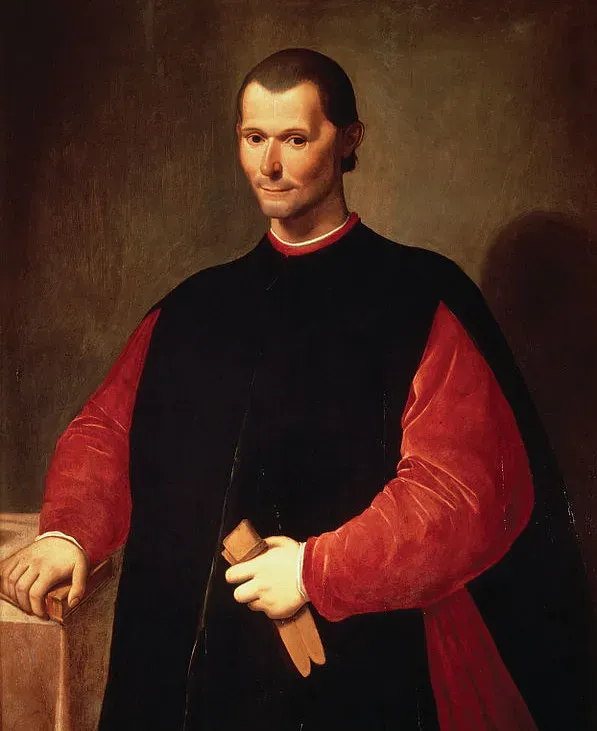
The description ‘Machiavellian’ is used today for anyone who is seen slyly to manipulate a given situation to their own advantage by means of shrewd political insight. The man behind the name, however, was nothing like this stereotype suggests. Machiavelli wasn’t a Machiavellian; there is no evidence that he ever attained any of his positions by deceit rather than competency, and no evidence that he engaged in criminal or amoral deeds for political power, but rather was a loyal official of the Florentine Republic.
Machiavelli is preceded by his reputation, with reactionaries turning him into an anti-Christ of political thought, yet this stereotype overlooks critical details of his life and the political context of his day. Thinkers as varied as Nietzsche, Strauss, Rousseau, Gramsci, Hegel, and Montesquieu each saw something different in his work, with some believing he was defending tyranny, others thought he was protecting liberty. Honestly, the man was trying to offer practical advice in a brutal age, not write a manual for evil dictators. His reputation has been shaped more by misinterpretation than his actual intentions.
Partner offer

Marie Antoinette: The Queen Who Never Said It

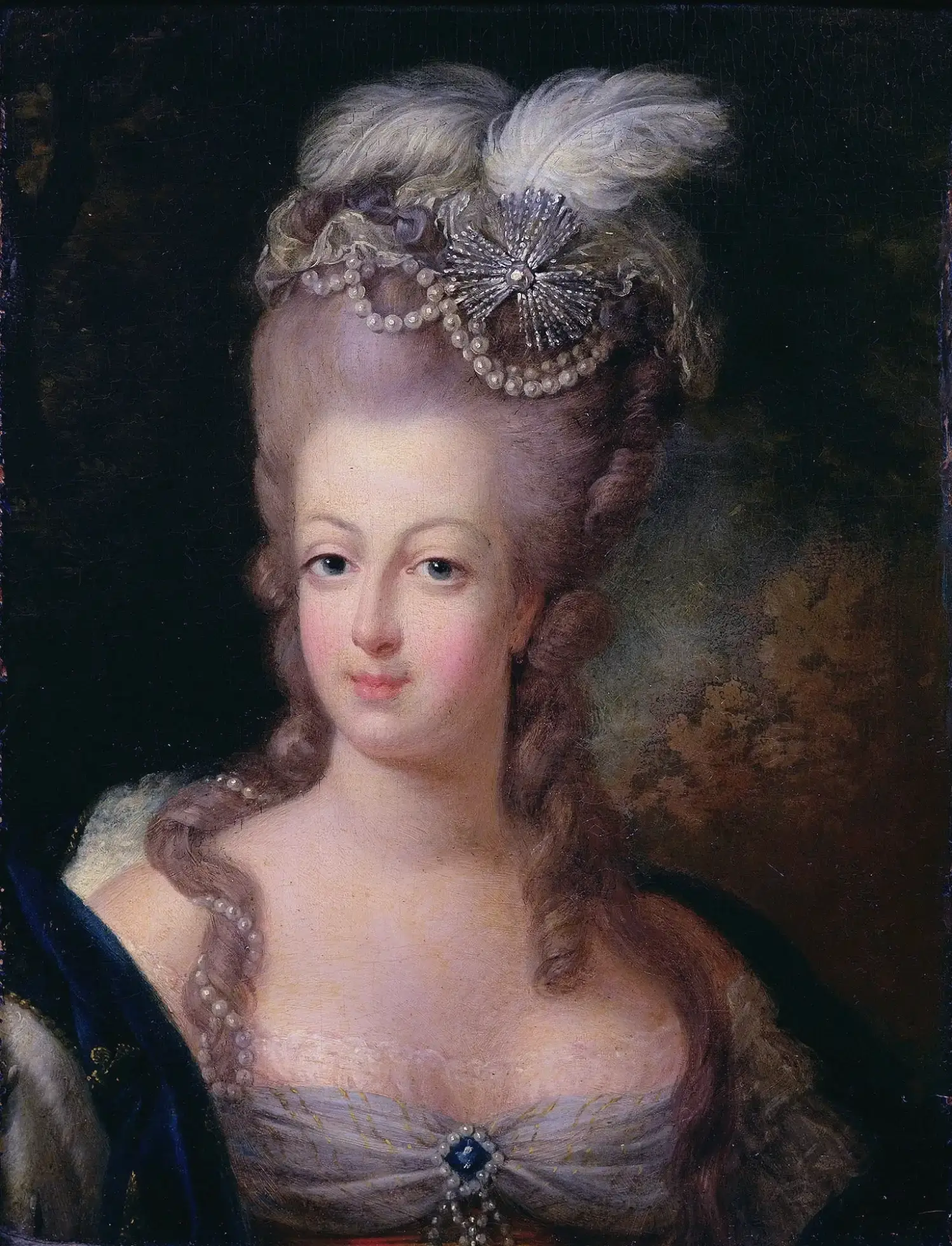
Everyone knows the story. Marie Antoinette, upon hearing her starving subjects had no bread, supposedly sneered “Let them eat cake.” Except there is absolutely no historical evidence that Marie-Antoinette ever said this or anything like it. The phrase can actually be traced back to Jean-Jacques Rousseau’s Confessions in 1765, when Antoinette was nine years old and had never been to France, and was not attributed to her until decades after her death.
Lady Antonia Fraser, author of a biography of the French queen, believes the quote would have been highly uncharacteristic of Marie-Antoinette, an intelligent woman who donated generously to charitable causes and displayed sensitivity towards the poor population of France. It was fake news from the start, a piece of political propaganda that might well have ended up costing her her life. The queen became a convenient scapegoat for France’s economic problems, her foreign birth and lavish lifestyle making her an easy target for revolutionary propaganda. She was far more nuanced than history painted her to be.
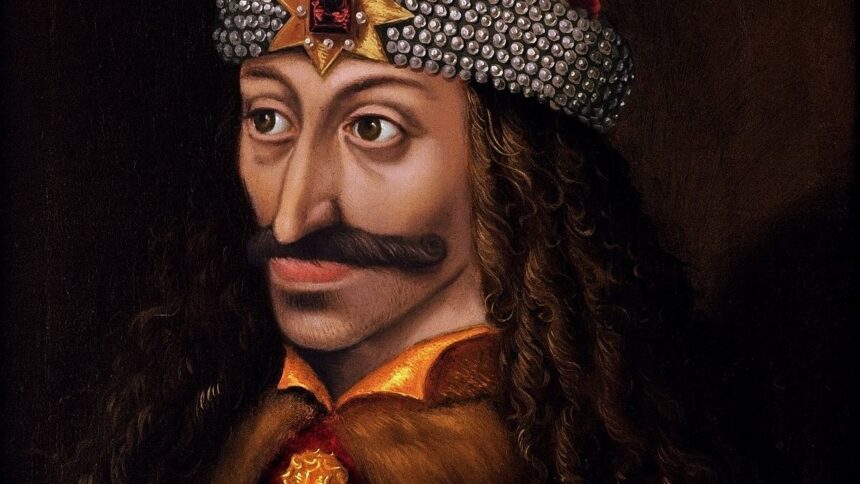
Vlad the Impaler: Romania’s Defender

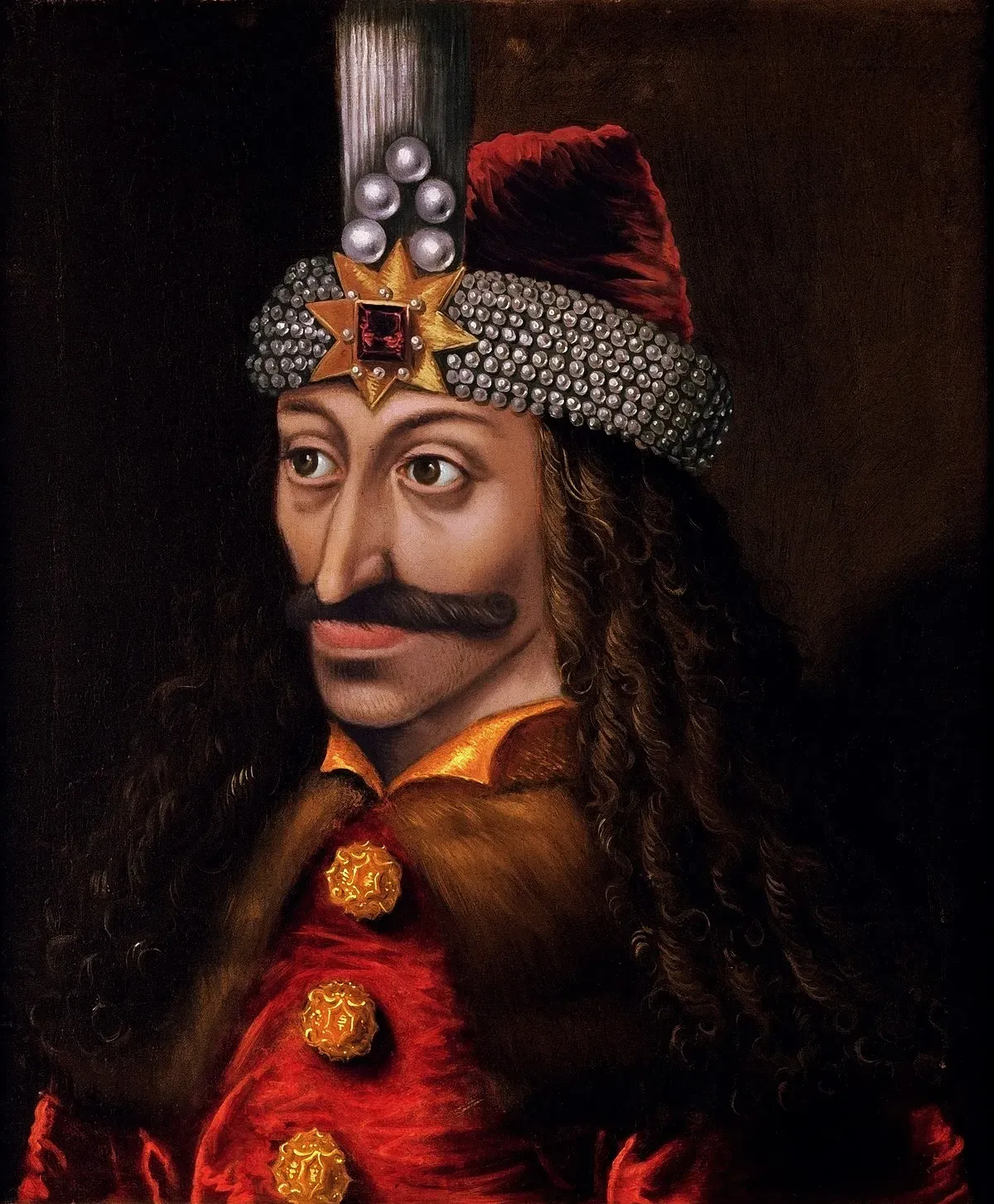
Vlad III, known as Vlad the Impaler, sounds like a nightmare come to life. He earned his fearsome nickname for impaling more than 20,000 people and was even said to dine among his impaled enemies and dip his bread in their blood. Yet he is regarded as a hero in Romania due to his opposition to the Ottoman Empire and is considered an important ruler in Wallachian history. After his death, Vlad was lauded as a folk hero in the region for his resistance to Ottoman encroachment.
Context matters tremendously here. The real Dracula story is a collision of frontier politics and existential wars against the Ottoman Empire, with Wallachia squeezed between Christian Hungary and the expanding Ottomans, a balancing act that often ended in invasion when loyalty was questioned. Recent research from 2023 has even provided new insights into Vlad’s life. Research based on analysis of samples from letters written by Vlad shows he may have had haemolacria, which causes tears to be partially composed of blood, along with a respiratory tract infection. His brutal methods were products of his time and desperate circumstances, not signs of a monster.
The Power of Historical Narratives

Separating historic good guys from bad guys is no easy task, as neither history nor humanity is black and white, and while some figures are easier to classify than others, the story is often complicated. The figures we’ve explored reveal how easily reputation can eclipse reality. Genghis Khan’s empire brought innovations that shaped modernity. Machiavelli’s writings were practical observations, not villainous blueprints. Marie Antoinette was a victim of propaganda. Vlad defended his homeland against overwhelming odds.
History isn’t always written by the victors, as the saying goes. Sometimes it’s written by propagandists, by those with agendas, or simply by people who didn’t have the full picture. These misunderstood figures remind us that judging historical personalities requires looking beyond surface narratives and considering the complexity of their times. The line between hero and villain often depends entirely on perspective and who’s telling the story. What other historical villains might actually deserve a second look?
Partner offer
Planning a trip to Vegas?
Compare hotel rates and show tickets on VEGAS.com.