Hollywood loves a good origin story, but some of the most beloved films in movie history had origin stories that read more like obituaries. They opened, they flopped, and studios quietly moved on. Yet years later, these same movies ended up on greatest-of-all-time lists, spawned fan conventions, and even inspired their own fandoms. Here’s a look at eight films that couldn’t buy an audience on release, yet somehow became the movies people can’t stop quoting decades later.
Blade Runner (1982)
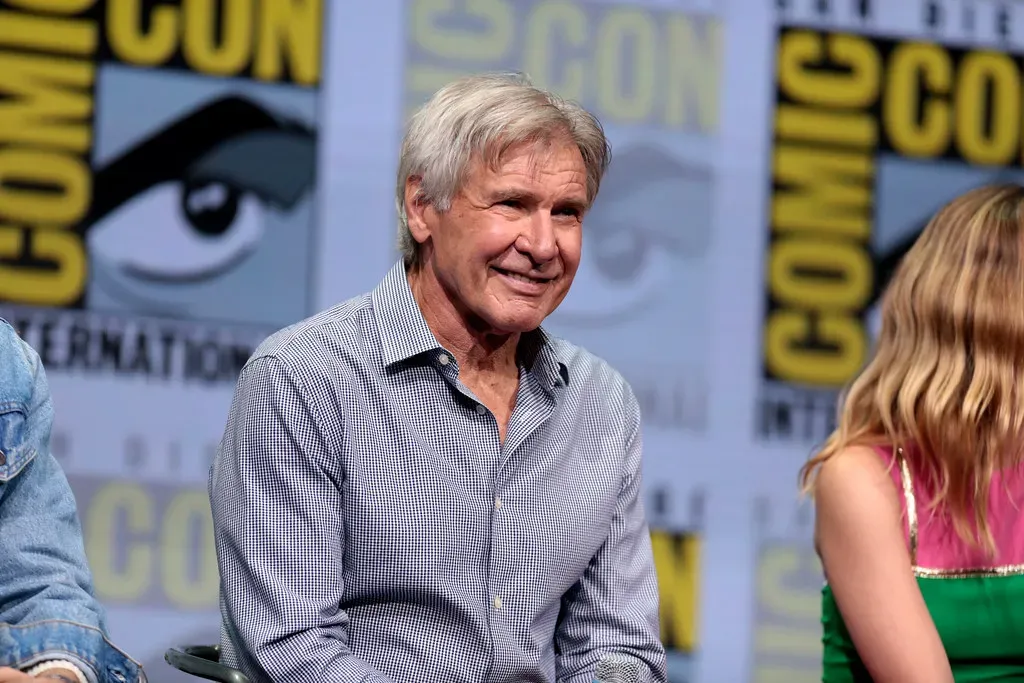
Ridley Scott’s neo-noir sci-fi film arrived with real pedigree, coming off the director’s success with Alien and starring Harrison Ford fresh from Star Wars. None of that mattered much at the box office. Despite its cult classic status today, the 1982 movie actually tanked at the box office, grossing just $20.6 million against an estimated $15 million production budget. Timing hurt it badly, since it opened just weeks after E.T. and Poltergeist.
Critics were divided on its slow pacing and ambiguity, and released just after E.T., audiences weren’t looking for a rain-soaked, morally murky future. Studio meddling and the tacked-on voiceover didn’t help. The home video boom changed everything, and the home video market, along with the 1992 Director’s Cut, reframed it as a visionary work of neo-noir sci-fi. Today it’s hard to find a sci-fi filmmaker who wasn’t influenced by its rain-slicked streets and flickering neon.
The Thing (1982)
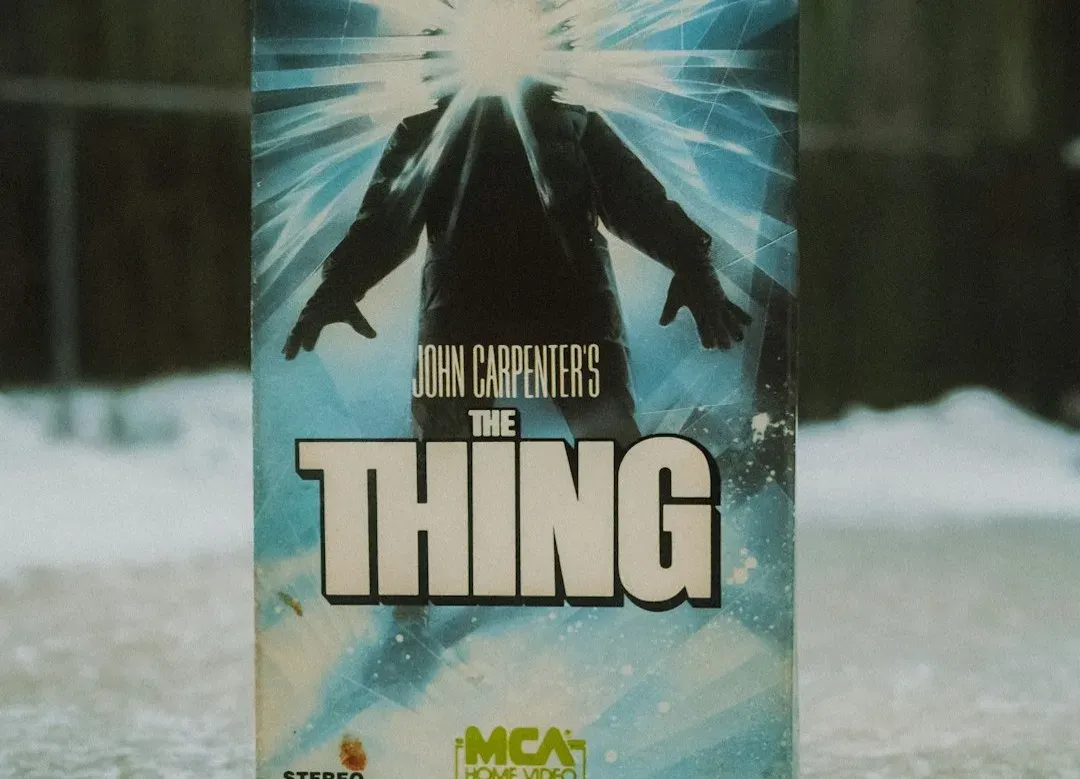
John Carpenter’s paranoid, effects-heavy horror film had brutal luck with its release date. Written by Bill Lancaster and directed by John Carpenter, the film had a $15 million budget against roughly $20 million worldwide gross, and released two weeks after E.T., its bleak tone and extreme gore alienated audiences. Critics at the time were unkind, calling it grim and gratuitous rather than groundbreaking.
What changed was the effects work aging remarkably well and horror fans slowly rediscovering the film on cable and VHS. It’s no longer a secret that John Carpenter’s The Thing was a financial disappointment, and the sci-fi horror classic has shed its image as a notorious flop, anchored by Rob Bottin’s stomach-churning effects, The Thing is a claustrophobic thrill ride with a double dose of paranoia. Now it’s regularly cited as one of the finest horror films ever made, practical effects and all.
The Shawshank Redemption (1994)
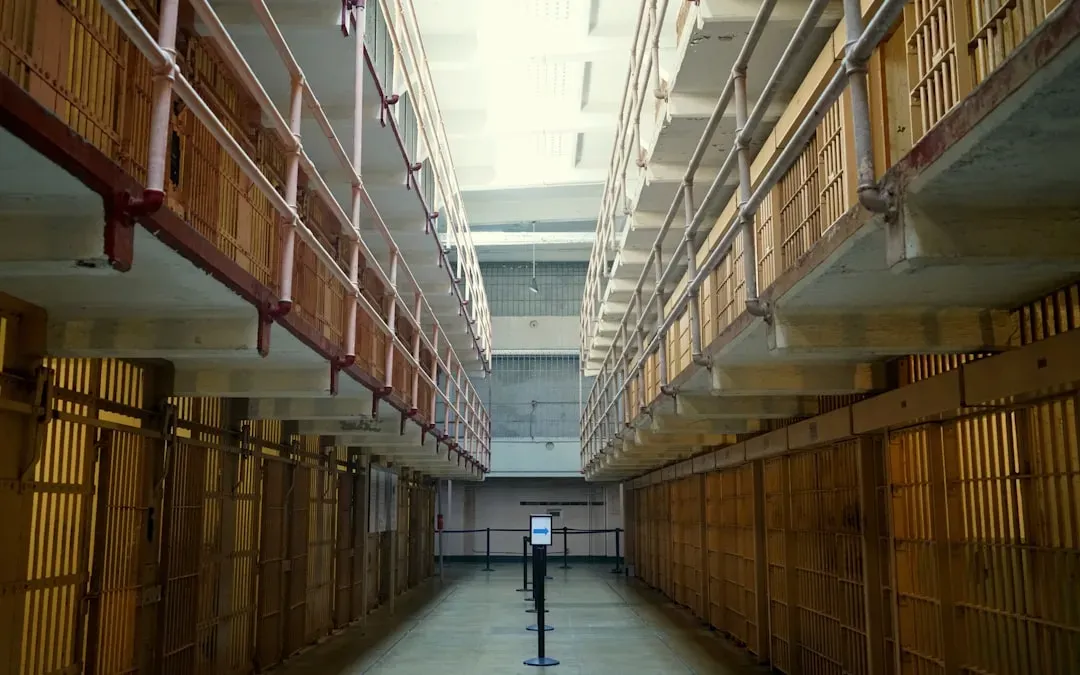
It’s almost hard to believe now, given that this film sits atop IMDb’s user-voted rankings, but Frank Darabont’s prison drama barely made a dent in theaters. Audiences did not turn out for the film, and its initial box office run earned the film only $16 million against a $25 million budget. Competition didn’t help either, since it opened in a year packed with instant classics.
The movie entered an unusually competitive market in a year that witnessed two other classics of similar stature, Pulp Fiction and Forrest Gump, and Frank Darabont’s movie was released in the middle of the widely successful run of the Tom Hanks movie. Seven Oscar nominations and heavy cable rotation eventually turned things around. After Shawshank Redemption’s numerous Academy Award nominations, positive reviews, and word of mouth, it became one of the top rented films of 1995, and by 1997 TNT had broadcasting rights for the movie, making it a staple of its cable reruns.
Fight Club (1999)

David Fincher’s dark satire on masculinity and consumer culture confused critics and audiences alike when it opened. David Fincher’s gritty thriller Fight Club was by no means the biggest flop, but the film was still a massive box-office disappointment, earning just $100.8 million worldwide against a $63 million production budget. That modest margin shrinks further once marketing costs are factored in.
Part of the problem, according to the film’s own star, was how the studio chose to sell it. Star Edward Norton claimed that distributor 20th Century Fox was partly to blame for the underwhelming performance, claiming executives failed to market the film’s more humorous elements. DVD sales quietly rewrote the film’s financial story, and its quotable dialogue turned it into one of the most referenced movies of its era.
Partner offer
Donnie Darko (2001)

Richard Kelly’s genre-blending teen drama about time travel, mental illness, and a man in a rabbit suit was never going to be an easy sell, and its timing made things worse. The film’s plot involving a plane crash affected its box office performance after 9/11, and it grossed just $517,375 in its initial run. That’s a rounding error compared to most studio releases, let alone a film with recognizable actors like Jake Gyllenhaal and Patrick Swayze.
DVD culture saved it, along with a director’s cut that gave fans a reason to revisit the story years later. The film gained a cult following, and after reissues, it went on to gross $7.5 million worldwide, and earned more than $10 million in US home video sales. It later landed on Empire magazine’s list of the greatest independent films ever made, a long way from its opening weekend.
The Big Lebowski (1998)
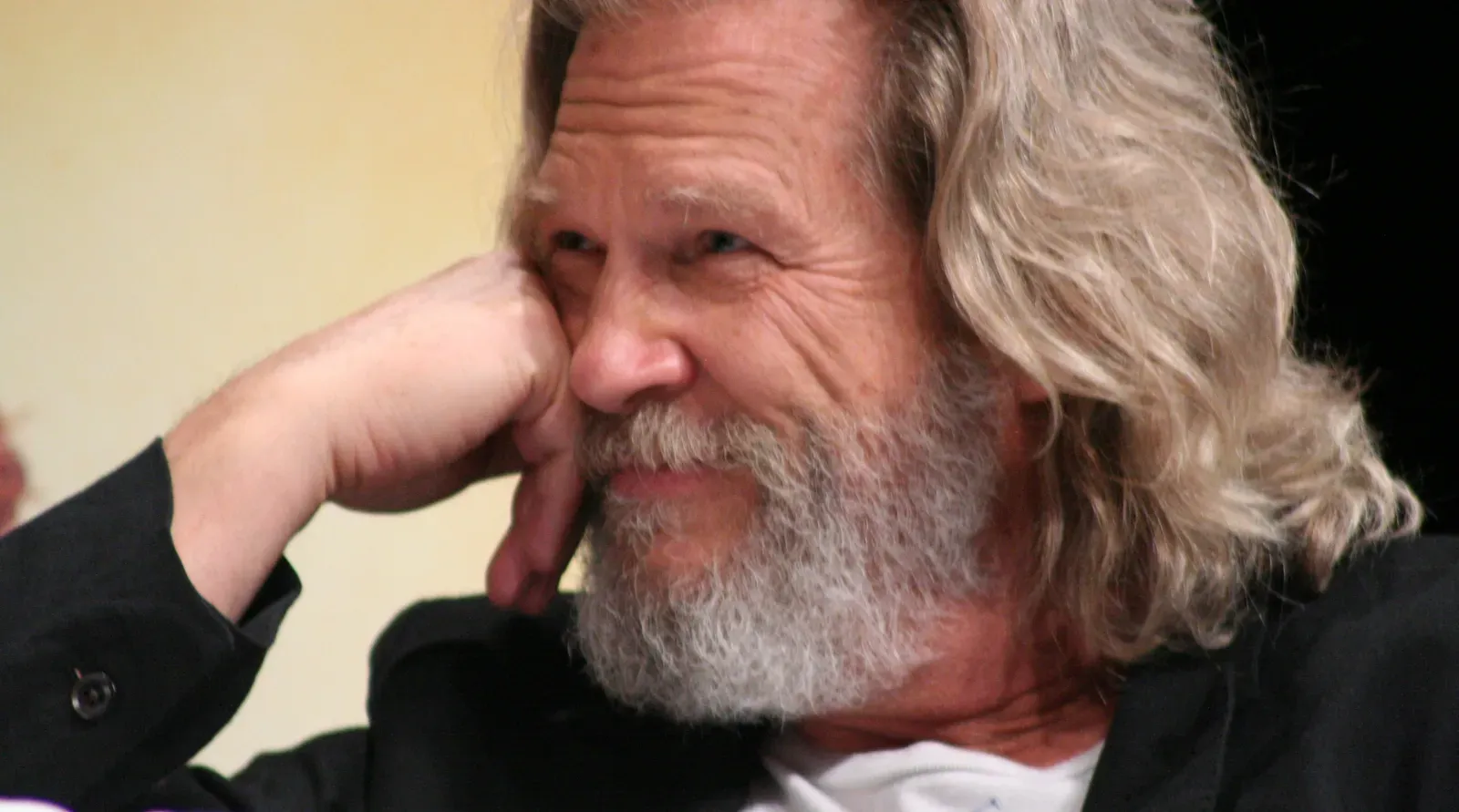
The Coen brothers followed up Fargo with a shaggy, bowling-obsessed noir spoof that critics found charming but confusing, and audiences mostly shrugged. When The Big Lebowski was initially released, it only grossed $18 million on a $15 million budget and less than $50 million worldwide. Not a disaster exactly, but nowhere near what a Coen brothers film with Jeff Bridges and John Goodman should have pulled in.
What happened next is one of the stranger afterlives in movie history. The film’s absurd characters, witty dialogue, and Coen Brothers’ unique storytelling gave it new life in the home video market, turning it into a cultural phenomenon, and today it enjoys a huge cult following, with annual festivals and even a religion inspired by The Dude’s philosophy called Dudeism. Few flops have ever inspired an actual belief system.
Scott Pilgrim vs. the World (2010)

Edgar Wright’s video-game-inflected comic book adaptation had buzz, a stacked cast, and visual style to spare, yet none of it translated into ticket sales. Despite its status as a modern cult classic, Scott Pilgrim vs. the World flopped at the box office when it first hit screens, grossing just $47.6 million against a $60 million production budget. Star Michael Cera later pointed to timing as part of the problem.
According to the film’s star, Michael Cera, the underperformance was partly due to stiff box-office competition from Sylvester Stallone’s action-packed The Expendables and the romantic drama Eat Pray Love. Director Edgar Wright has since made peace with the numbers, noting that most of his favorite films that are considered classics today were not considered hits in their time, pointing to hundreds of classic movies, whether it’s Citizen Kane or Blade Runner or The Big Lebowski. A 2023 animated Netflix spinoff, Scott Pilgrim Takes Off, only proved how much the fanbase had grown.
Office Space (1999)

Mike Judge’s deadpan take on cubicle drudgery barely registered when it hit theaters, overshadowed by bigger releases that same year and marketed in a way that didn’t quite capture its dry humor. Office Space only made $800,000 more than it cost to produce. For a studio comedy with a recognizable cast, that’s about as quiet a theatrical run as it gets.
Cable television did what theaters couldn’t, running the film so often through the early 2000s that lines about stapler theft and printer rage became part of everyday office vocabulary. It’s since become the go-to reference point for anyone venting about corporate life, well before “quiet quitting” had a name. Few films have aged into relevance quite the way this one has, given how much workplace culture it managed to skewer years ahead of its time.
What ties these eight films together isn’t genre or budget size, since they range from cheap independent productions to studio bets in the tens of millions. It’s timing, marketing missteps, and sometimes just audiences not being ready for what they were being shown. Home video, cable reruns, and eventually streaming gave each of them a second chance that the theatrical box office never did, proving that a movie’s opening weekend numbers rarely tell the whole story.Partner offer
Planning a trip to Vegas?
Compare hotel rates and show tickets on VEGAS.com.