
There’s a certain kind of knowledge that only comes from living through a Southwest summer. It’s not the kind of thing tourists understand until they’re standing on asphalt that’s softening beneath their shoes at noon in Phoenix, or watching a thermometer creep past 115 degrees while their GPS signal flickers out somewhere between nowhere and absolutely nowhere useful.
Locals know something the rest of the country hasn’t figured out yet. When summer hits out here, it doesn’t mess around. It arrives fast, it stays long, and it doesn’t care if you’re prepared or not. The question isn’t whether extreme heat will find you on the road. It’s whether you’ll be ready when it does. Let’s dive in.
Why June Is Your Last Warning, Not Your First
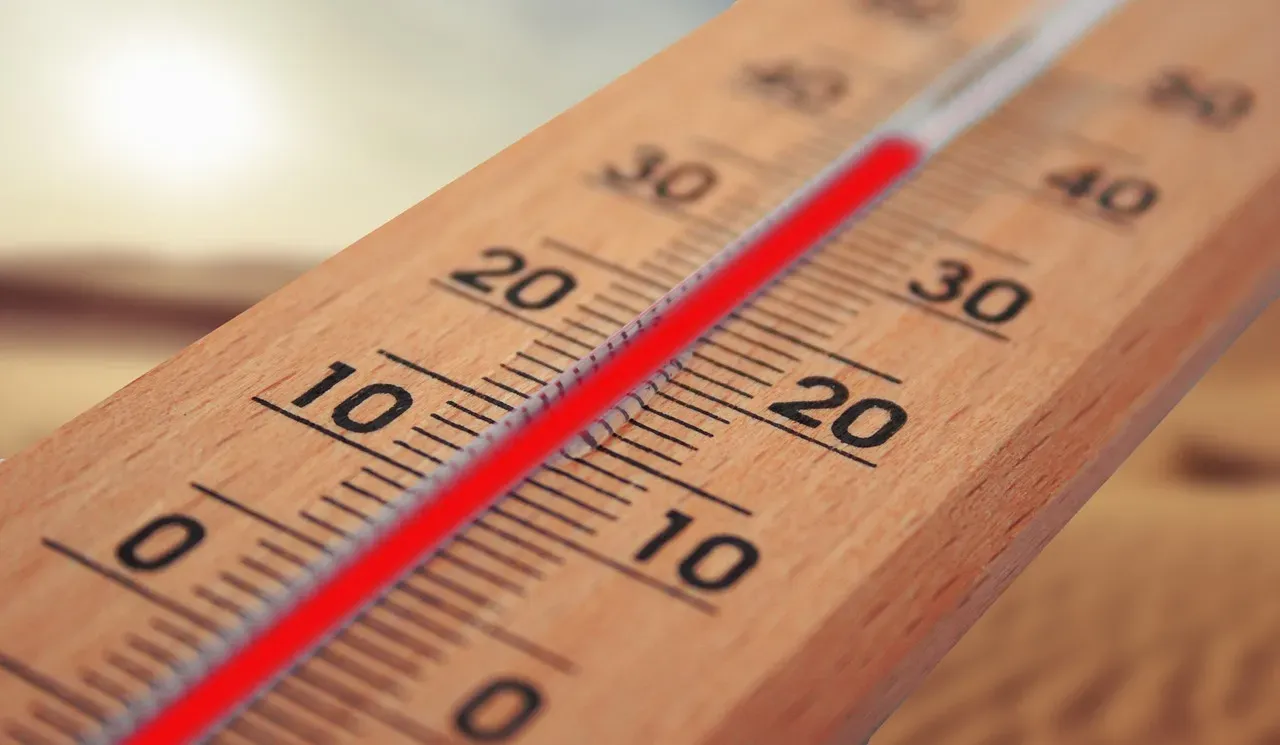
Health officials are warning that extreme heat is the deadliest weather-related hazard in the United States. That’s not a minor distinction. It means heat kills more people than most other natural disasters you’d think to prepare for. Extreme heat kills more people than hurricanes, floods, and tornadoes combined in an average year in the U.S.
The CDC shows that the number of heat-related deaths increased from 1,156 in 2020 to 2,415 in 2023, before slightly declining to 2,394 the following year. That’s not a plateau. That’s a trend. The rate of heat-related deaths in the U.S. rose 117% in the last seven years, research finds.
The average number of heat waves that major U.S. cities experience each year has doubled since the 1980s, according to the federal government’s Fifth National Climate Assessment. If you wait until it’s already 110 degrees outside to think about a survival kit, you’re already behind. June is the preparation window, not the starting pistol.
The Greenhouse on Wheels: What Your Car Becomes After 20 Minutes
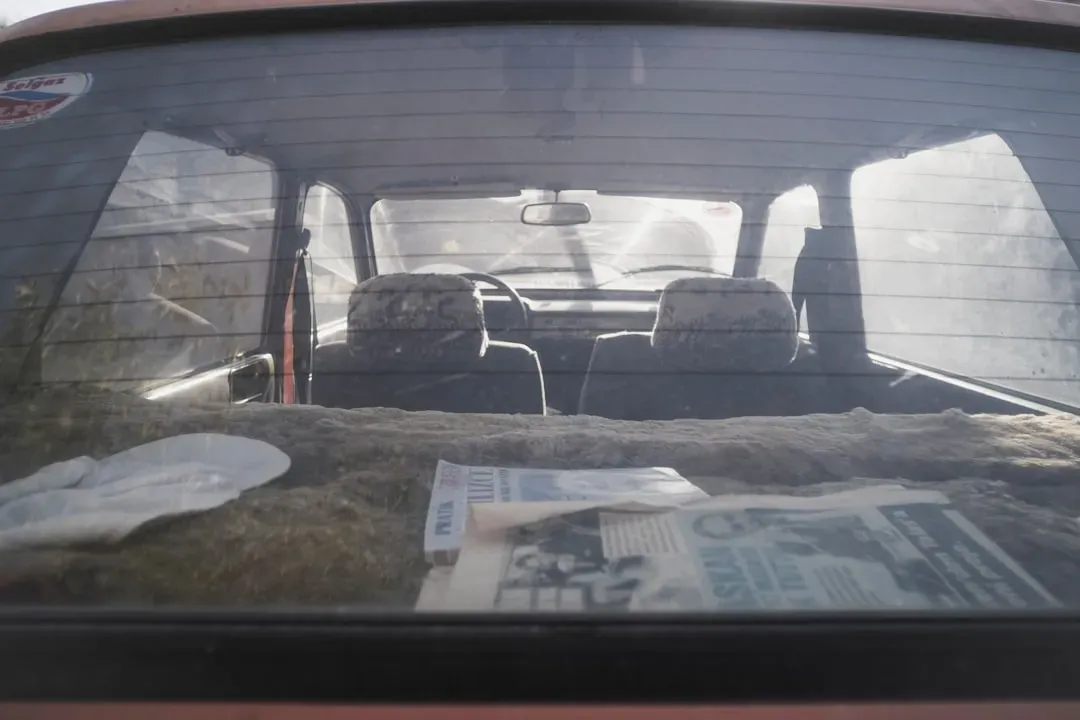
Here’s the thing most people don’t fully grasp until it’s too late. Your car isn’t just a vehicle in summer. It becomes something far more dangerous when it’s sitting still. A car without cold air conditioning is hotter than the air around it because it really is a greenhouse on wheels. The top half of a car’s passenger compartment is mostly glass. Glass allows sunlight to pass through freely, and once inside the car, much of the light is absorbed by the seats and dashboard, turning it into heat. Heat does not easily pass back through glass, so it’s trapped inside the car.
On a sunny day, the temperature inside a parked car can increase by an average of 40 degrees Fahrenheit within the first hour, regardless of the starting ambient temperature. A substantial portion of this temperature rise, approximately 80 percent, occurs within the initial 30 minutes of sun exposure. So if it’s already 100 degrees outside, you’re looking at a vehicle interior approaching 140 degrees before your errand even ends.
If you’re passing through Phoenix on a sunny, 110-degree day, the car interior could heat to nearly 160 degrees. Think about that for a second. That’s not an exaggeration. That’s physics. A body temperature of 104 degrees is enough to cause heat stroke; 107 degrees is usually fatal.
Water: The Non-Negotiable First Item in the Trunk
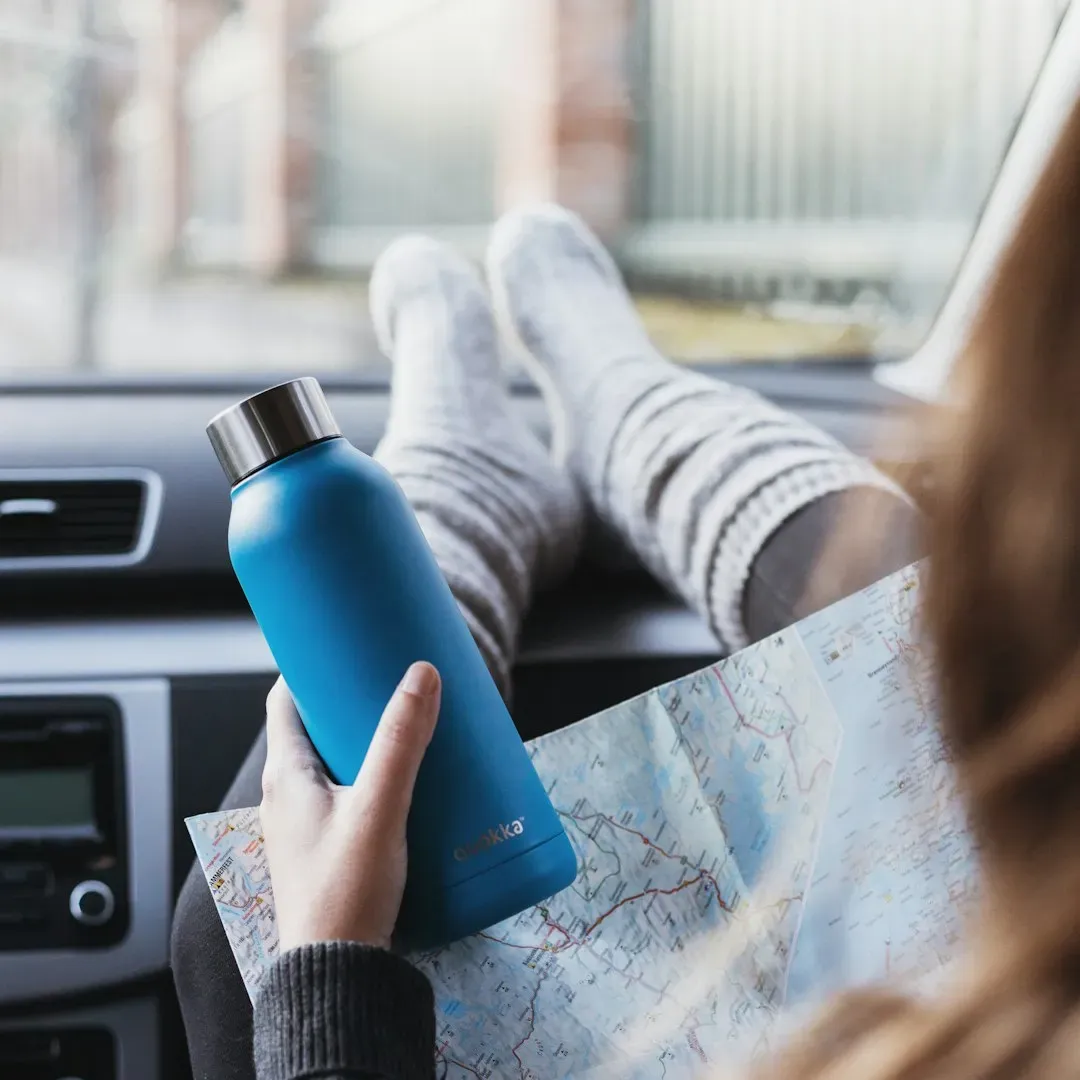
I know it sounds obvious, but you’d be surprised how many people drive around in July without a single bottle of water in their car. Honestly, it’s one of the most preventable mistakes out there. Hydration is key when it comes to summer safety, so be sure to keep water in your vehicle at all times.
Canned water or emergency pouches that withstand extreme temperatures are critical in case you’re stuck during a heat flash. Regular plastic water bottles left in a hot trunk can warp, leach chemicals into the water, and degrade quickly. Purpose-made emergency water pouches are heat-stable and designed to stay drinkable even after sitting in a trunk through a brutal summer week.
Always store enough for at least 72 hours. Keep in mind the season: if you’re in an area that gets very hot in the summer, keep these items by the door in a lunchbox to grab when you leave. The CDC is equally direct about this: drink plenty of fluids even if you don’t feel thirsty. Thirst is already a sign of dehydration. Don’t wait for it.
Knowing Heat Stroke Before It Knows You

Heat stroke is the most serious heat-related illness. It occurs when the body can no longer control its temperature: the body’s temperature rises rapidly, the sweating mechanism fails, and the body is unable to cool down. When heat stroke occurs, the body temperature can rise to 106°F or higher within 10 to 15 minutes. Heat stroke can cause permanent disability or death if the person does not receive emergency treatment.
Heat exhaustion can happen when the body loses too much water or salt, usually because of heavy sweating or dehydration. It can begin suddenly or happen over time, usually after working, exercising, or playing in the heat. Warning signs to recognize include muscle cramping, heavy sweating, weakness, and dizziness.
Heat exhaustion, which can lead to heat stroke if not treated, can cause critical illness, brain injury, and even death. Your trunk kit should include a small first aid card with these symptoms listed clearly. In extreme heat, confusion sets in faster than you expect, and having written reminders can genuinely save someone’s life.
Reflective Emergency Blankets: Not Just for Winter
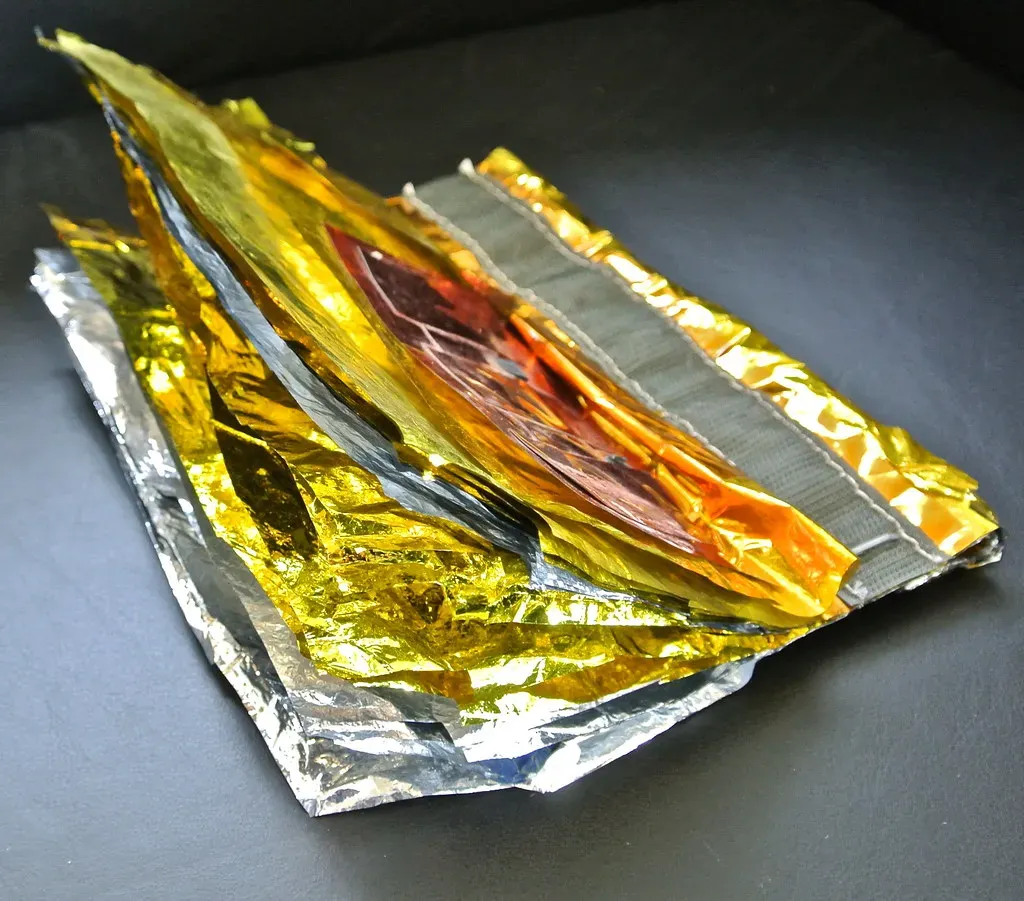
Most people think of emergency blankets as a cold-weather item. That’s a mistake. In the desert, these shiny silver sheets are just as essential in July as they are in January. You may not need a blanket to stay warm, but you can use a reflective emergency blanket for shade. If you don’t have a reflective blanket, a regular blanket will work to shade you from the blistering sun.
Reflective sunshades can reduce the overall cabin temperature by up to 15 degrees Fahrenheit and may lower the dashboard’s surface temperature by as much as 40 degrees Fahrenheit. The same principle applies when you’re outside the car seeking shade. Draping a reflective blanket creates a reflective barrier between you and direct solar radiation.
Think of a reflective emergency blanket like a personal force field against the sun. They fold to the size of a deck of cards, weigh almost nothing, and cost just a few dollars. Yet their value in a 115-degree breakdown scenario is enormous. There’s simply no reason not to keep three or four in your trunk.
The First Aid Kit That’s Actually Designed for Heat
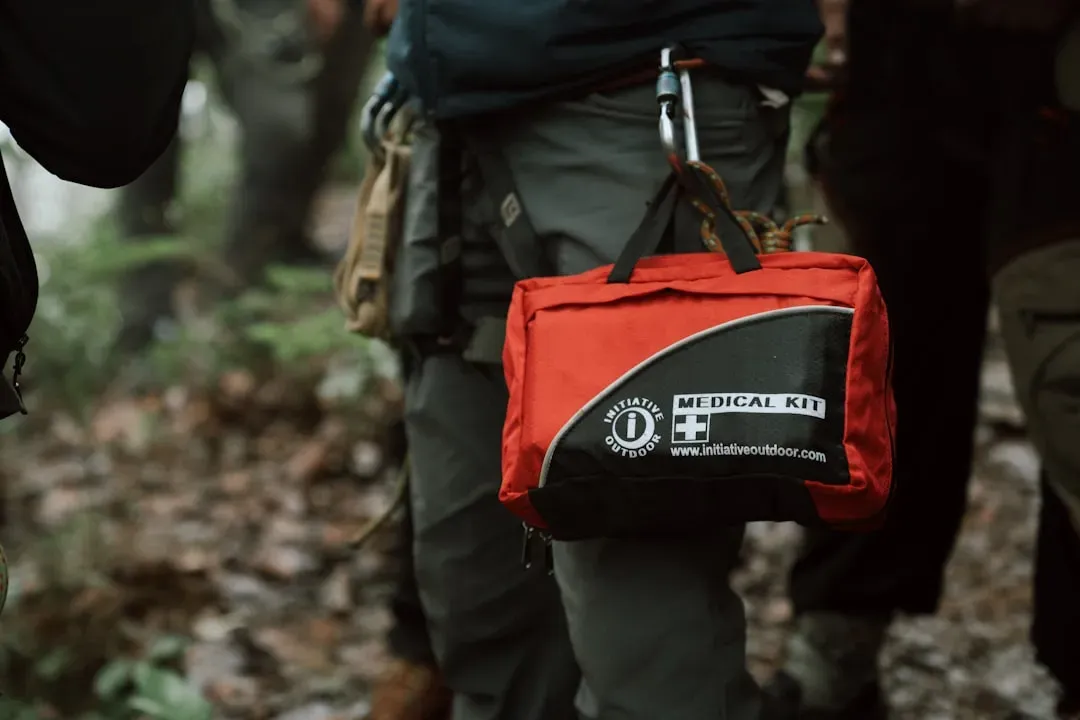
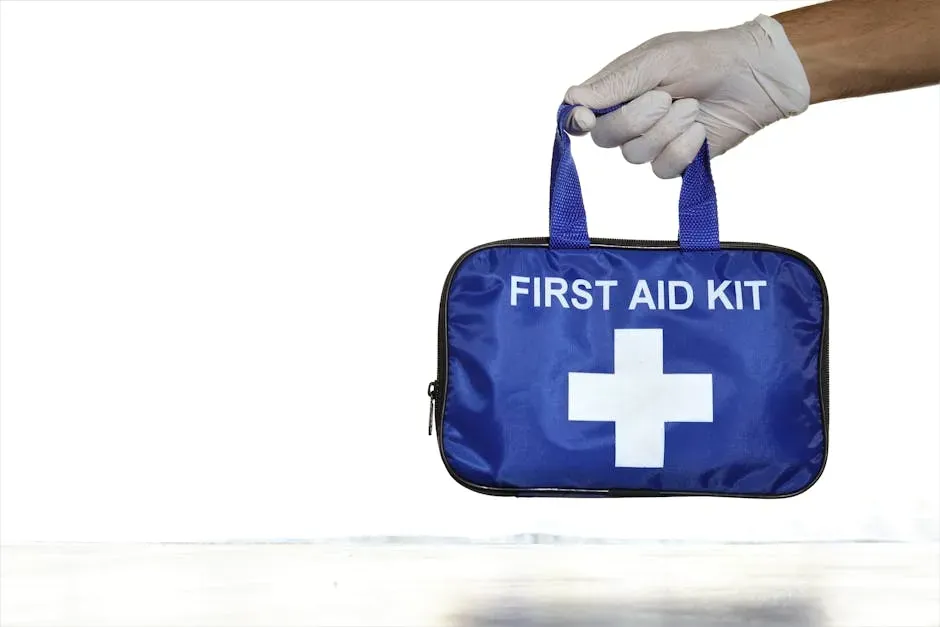
Heat-related illnesses include heat stroke, heat exhaustion, rhabdomyolysis, heat syncope, heat cramps, and heat rash. A standard first aid kit from a big-box store is a fine start, but locals who’ve been through serious Southwest summers customize their kits specifically for heat-related emergencies. That means including electrolyte packets, cooling towels, and even a small instant-cold pack.
Drink water and have a snack or a drink that replaces carbohydrates and electrolytes, such as sports drinks, every 15 to 20 minutes when symptoms of heat illness begin to appear. Salt and electrolyte balance matters enormously when the body is sweating heavily. Having electrolyte powder packets in your kit costs almost nothing and covers a critical gap.
Consider items appropriate for your region, such as hydration boosters like Pedialyte or Liquid IV, in very hot and dry areas. Basic medical supplies like bandages and antiseptic wipes matter too, since hot pavement burns are a very real hazard that locals know firsthand. A comprehensive, heat-adapted kit covers the full spectrum of what June through September can throw at you.
A Charged Battery Pack: Your Lifeline When Cell Service Wavers
AAA reports millions of car breakdowns each year, many of which are unexpected and happen in remote areas. In the Southwest, remote can mean truly, frighteningly isolated. A breakdown 40 miles from the nearest town in 115-degree heat is not a roadside inconvenience. It’s a medical emergency waiting to happen.
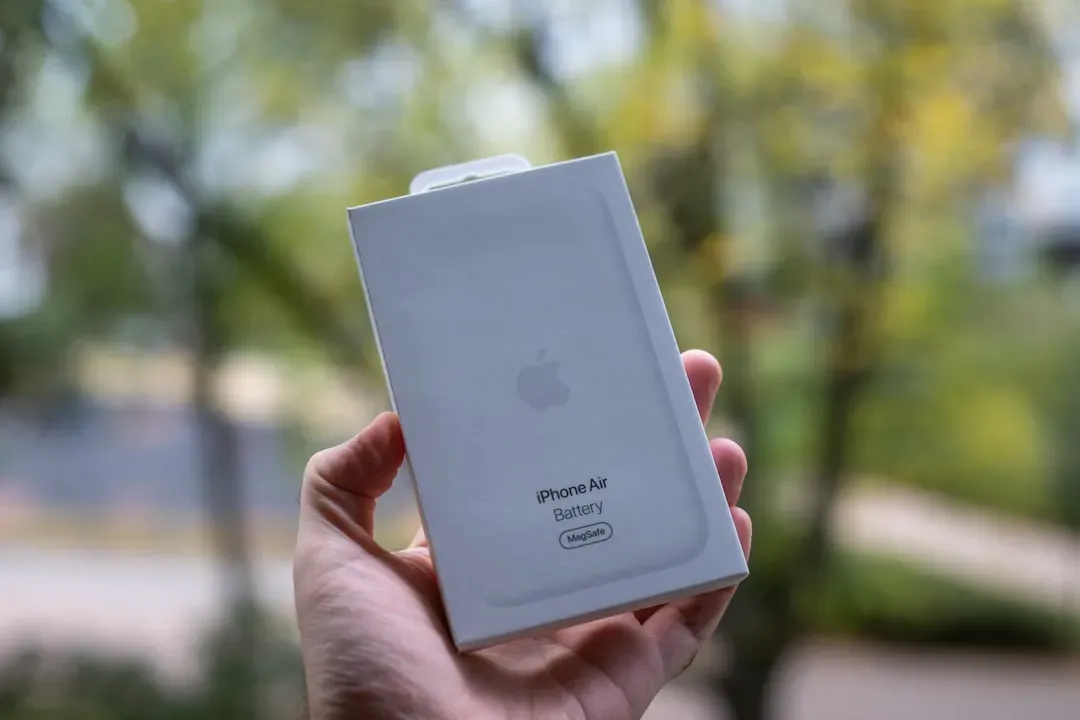
A portable battery pack that can charge your phone multiple times is one of the most critical non-obvious items in the modern trunk kit. Extreme weather conditions are only becoming more common and force drivers to shelter in place. Sheltering in a broken-down car with a dead phone and no way to call for help is a situation you never want to be in.
Pair the battery pack with a car escape tool that includes a seatbelt cutter and window breaker. If the electrical system fails and a door lock gets jammed, this tool becomes priceless. Keep the battery pack in a small insulated bag to protect it from the trunk’s extreme heat, since repeated exposure to extreme temperatures can reduce a lithium-ion battery’s ability to hold a charge.
The Sunshade as a Survival Tool, Not a Comfort Item

Locals treat the windshield sunshade as seriously as a seatbelt. It’s not optional. It’s not about comfort. Mitigating the extreme heat buildup relies on blocking or reflecting the incoming solar radiation before it can generate longwave heat. The most effective strategy is to park in the shade. Utilizing a reflective windshield sunshade is another highly effective method, as it reflects the shortwave energy before it can pass through the glass.
Keep a large, high-quality sunshade in the trunk at all times, not just when you plan to need it. The times you forget to deploy it are exactly the times you’ll return to a car that’s been baking for two hours. For longer parking periods, using multiple shades for side and rear windows can further reduce the total thermal gain.
Covering dark interior surfaces, such as the steering wheel and leather seats, with a light-colored towel or blanket can prevent these materials from reaching scalding surface temperatures. A steering wheel that’s been sitting in direct sun at 115 degrees can cause burns on contact. Locals know this. They keep a light-colored towel draped over the wheel every single time they park.
Medications and the Heat: An Often-Overlooked Risk
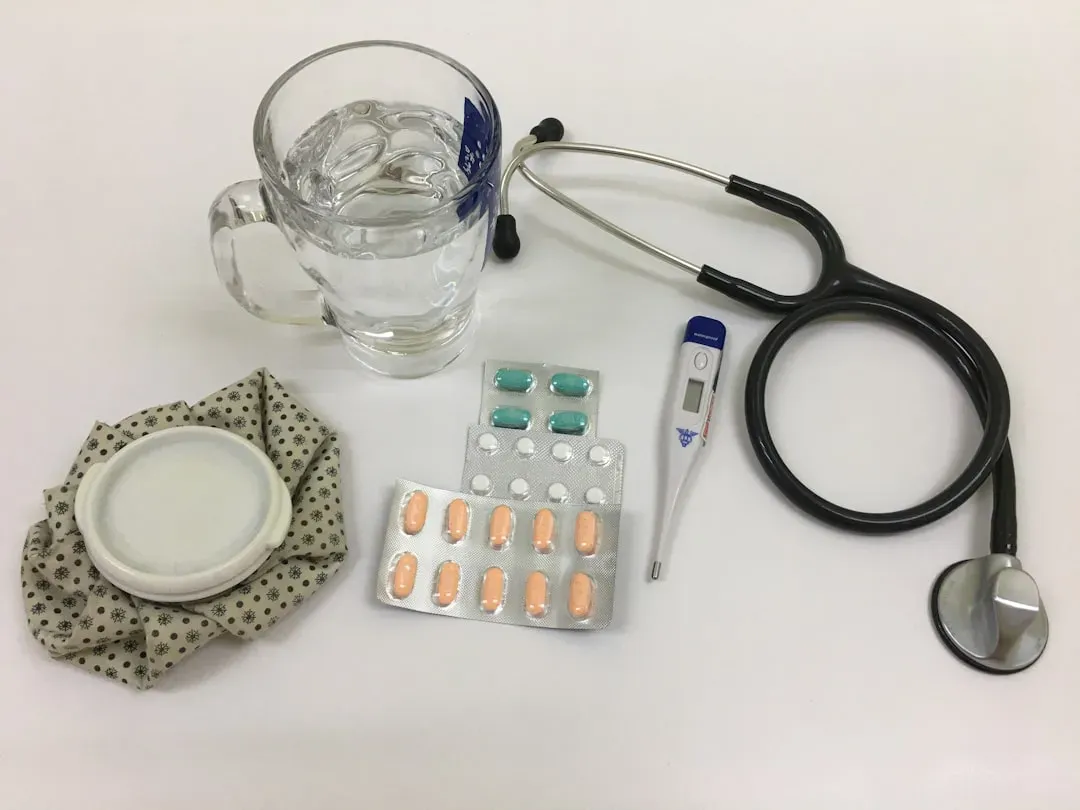
This section doesn’t get nearly enough attention. Some medications increase the risk of heat-related illness. These include diuretic medicines, antihistamine medicines including many allergy medicines, and many antipsychotic medicines used to treat a variety of psychiatric and neurologic illnesses. If you or a passenger are on any of these, extra vigilance and extra hydration are essential on any hot day.
Many medicines can make you dehydrated or overheated on hot days. Also, some medicines need to be kept out of hot places. A trunk that reaches 140 degrees can render life-saving medications ineffective or even dangerous. Have a plan for what to do with refrigerated medications and electronic medical devices. Store your medicines properly – some may need to be kept out of hot places.
The practical solution is a small, insulated medication pouch in the front cabin rather than the trunk, combined with an ice pack that you refresh regularly. It’s a small logistical shift with potentially enormous consequences. Talk to your pharmacist specifically about heat storage requirements for every medication you take regularly.
Tools, Signals, and What Happens When You’re Really Stranded
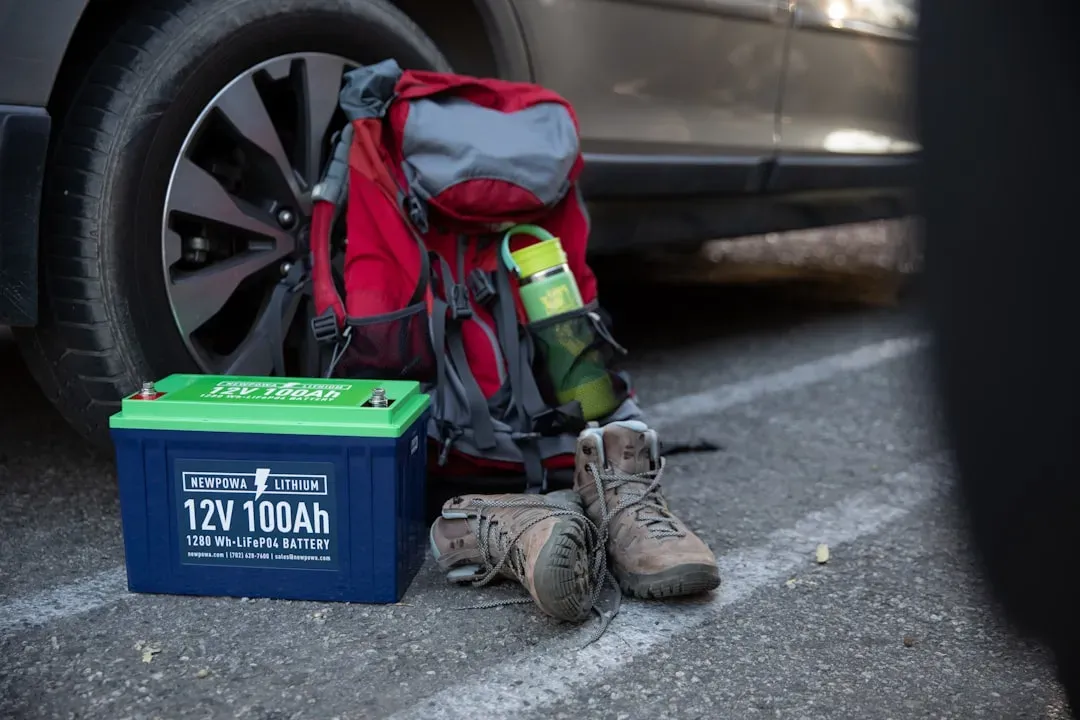
You should always carry a small toolkit in your car that includes an adjustable wrench, duct tape, a couple of screwdrivers, a utility knife, and pliers. It’s not about being a mechanic. It’s about buying yourself enough time to fix a hose clamp or rig a temporary repair until help arrives. A multi-tool is handy for various repairs and adjustments and takes up almost no space.
Visibility equipment is also essential so you can make yourself visible to emergency responders. At night or in extreme weather, it can be especially hard to see, so you’ll want something bright or reflective to alert others that there is an incapacitated vehicle and people along the roadside. Flares or LED road triangles should be standard in any Southwest trunk kit by June, without exception.
Check expiration dates on food, water, and batteries every six to twelve months. Ideally, your emergency items will have a longer shelf life, but checking often ensures your kit hasn’t been compromised by vermin or poor weather conditions. Locals who’ve built their kits the right way treat this seasonal check like a ritual, usually right as May begins, before the real heat arrives. Getting stranded in triple-digit heat with expired supplies is a scenario that’s entirely preventable, and entirely on you if it happens.
Conclusion: The Kit That Stays in the Trunk, Not on the Shopping List
Nearly three-quarters of heat deaths one recent summer were in five southern states that were supposed to be used to the heat and planned for it. Except this time they couldn’t handle it, and it killed 874 people in Arizona, 450 in Texas, 226 in Nevada, 84 in Florida, and 83 in Louisiana. These were not unprepared outsiders. These were locals. People who’d lived with heat their whole lives.
Increasing trends in heat-related mortality are observed in every climate region throughout the U.S. In the Southwest and Southeast, heat-related mortality is increasing at a higher rate than heat severity, suggesting potential for modification by community and individual level social vulnerability. The science is clear. The danger is real. The preparation is personal.
A 115-degree survival kit isn’t about paranoia. It’s about respect. Respect for what the heat can do, and respect for the responsibility you carry every time you get behind the wheel in summer. The trunk kit that sits quietly beneath your spare tire is the most boring, most unglamorous item you’ll ever be grateful to have. The locals who’ve needed theirs will tell you that. The ones who haven’t yet are the ones still putting it off until next week.
What’s already in your trunk right now – and what’s missing from it?