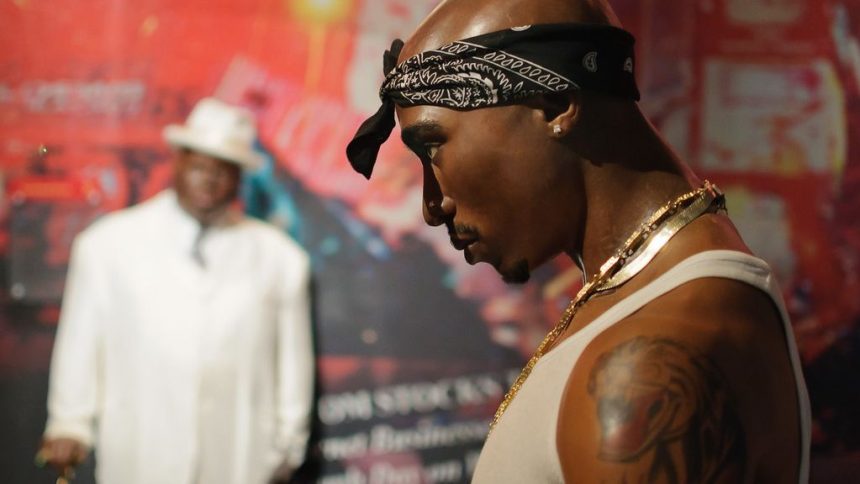
Music has the power to move us, to challenge us, and to unite us in ways few other art forms can. Throughout history, certain artists have done more than just create memorable songs – they’ve fundamentally altered how we think about music itself. From pioneering new sounds to breaking down cultural barriers, these visionaries left marks so deep that the industry still feels their influence today.
Las Vegas, a city that’s hosted countless legendary performers, knows better than anywhere what true star power looks like. The stages along the Strip have welcomed some of the most transformative artists in history, each bringing their unique magic to audiences from around the world. But who really changed everything? Let’s explore the icons who didn’t just ride the wave – they created it.
Elvis Presley: The King Who Broke All the Rules

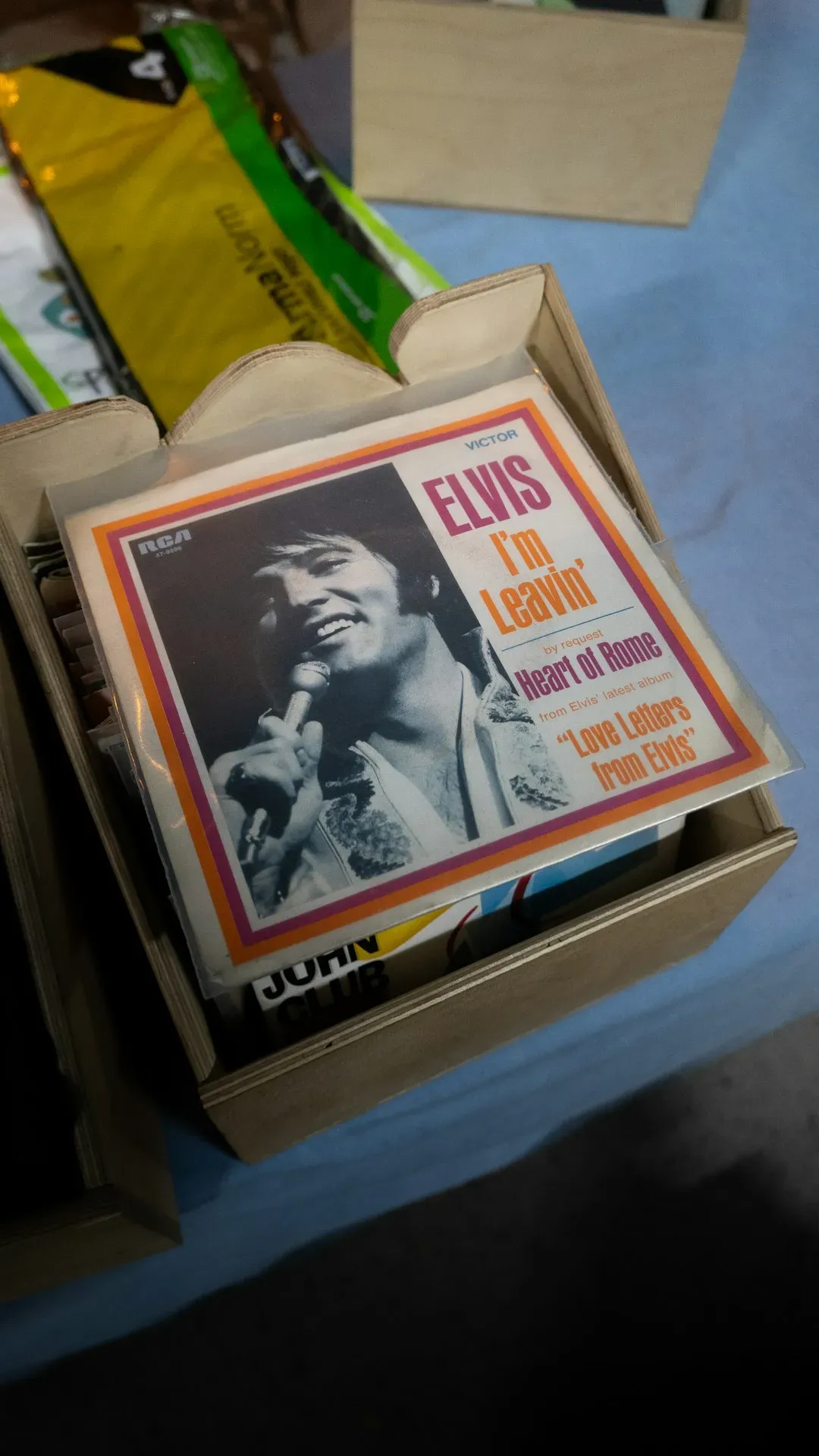
Elvis didn’t invent rock and roll, but he made it impossible to ignore. When he burst onto the scene in the mid-1950s, his hip-swiveling performances and fusion of country, blues, and gospel scandalized parents and electrified teenagers. Television appearances had families gathering around their sets, some in shock, others in pure joy.
His residency at the International Hotel in Las Vegas during the late 1960s and 1970s redefined what a concert could be. Elvis brought theatricality, showmanship, and raw energy to Vegas in ways the city had never seen. He proved that an artist could reinvent themselves, stay relevant, and create a whole new performance model that countless others would follow.
Beyond his stage presence, Elvis broke down racial barriers in music at a time when America was deeply divided. He brought Black musical traditions to white audiences, opening doors for integration in an industry that desperately needed it. Love him or critique him, you can’t deny the seismic shift he caused.
The Beatles: Four Guys Who Rewrote the Playbook

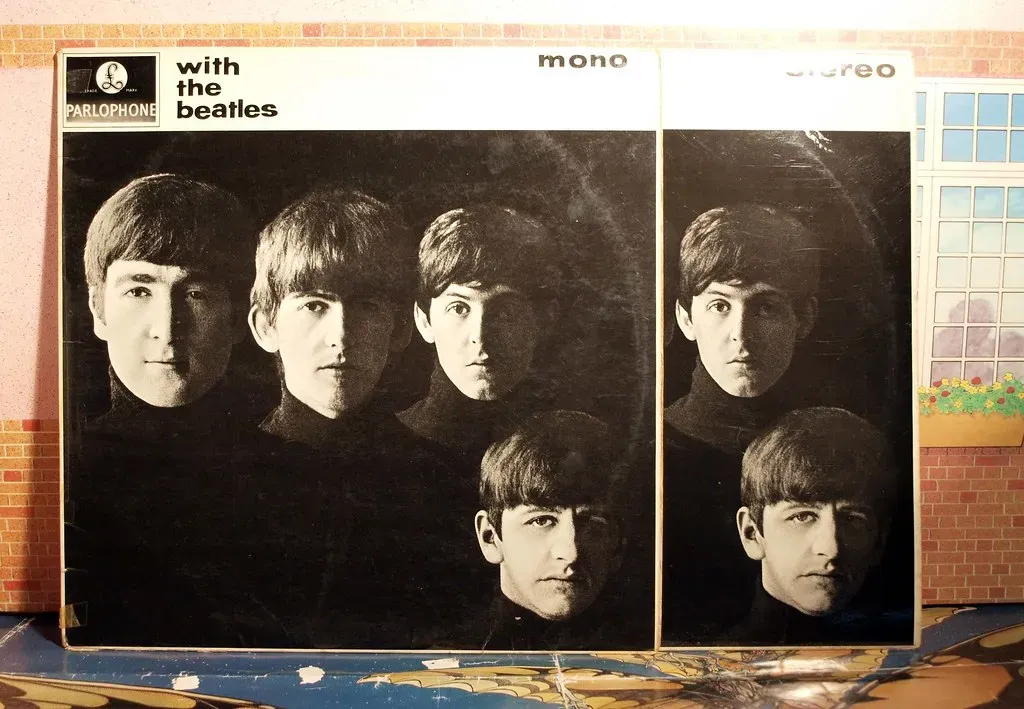
The Beatles didn’t just make catchy songs. They transformed the studio into an instrument itself. Albums like “Sgt. Pepper’s Lonely Hearts Club Band” and “Revolver” showed that records could be cohesive artistic statements rather than just collections of singles.
Their experimentation with everything from Indian instruments to backward tape loops expanded what popular music could sound like. They made it acceptable, even cool, for rock bands to be intellectually curious and artistically ambitious. Before them, most groups didn’t write their own material. After them, it became the standard.
The cultural phenomenon of Beatlemania changed how artists interacted with fans and media. Suddenly, musicians were more than entertainers – they were cultural commentators, fashion icons, and voices of their generation. That template still exists today, whether we’re talking about stadium tours or social media presence.
Bob Dylan: The Voice That Made Lyrics Matter

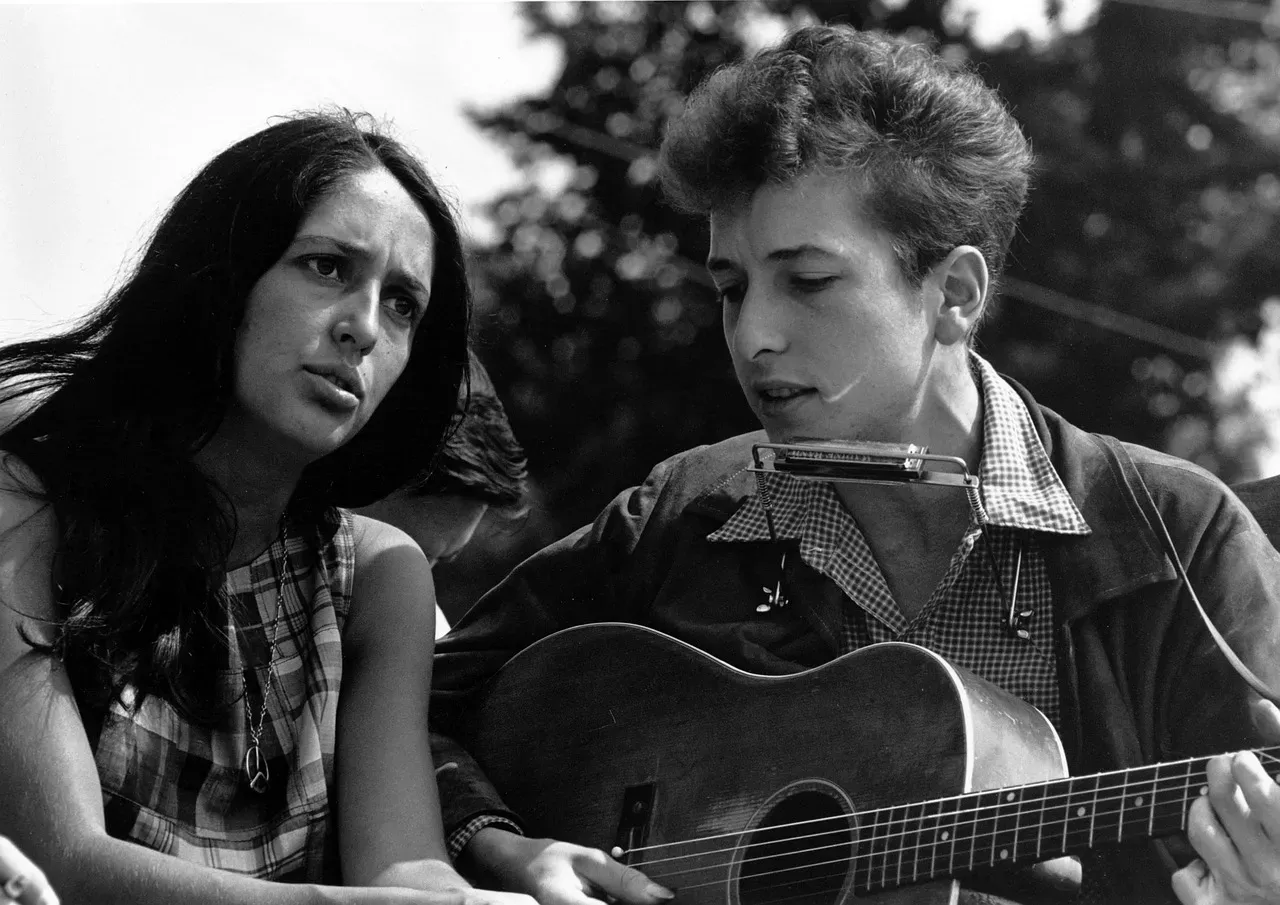
Bob Dylan took folk music out of coffee houses and thrust it into the mainstream consciousness. His lyrics were poetry – complex, metaphorical, and often politically charged. Songs like “Blowin’ in the Wind” and “The Times They Are a-Changin'” became anthems for social movements.
When he went electric at the Newport Folk Festival in 1965, purists booed him. He did it anyway. That moment symbolized something bigger than just adding guitars – it was about artistic freedom and refusing to be boxed in by anyone’s expectations.
Dylan showed that songwriters could be respected as serious artists. He elevated the craft of lyricism and proved that popular music could tackle weighty subjects without losing its power. His influence stretches across genres, from folk to rock to hip-hop, where storytelling remains paramount.
Aretha Franklin: Respect and Revolution

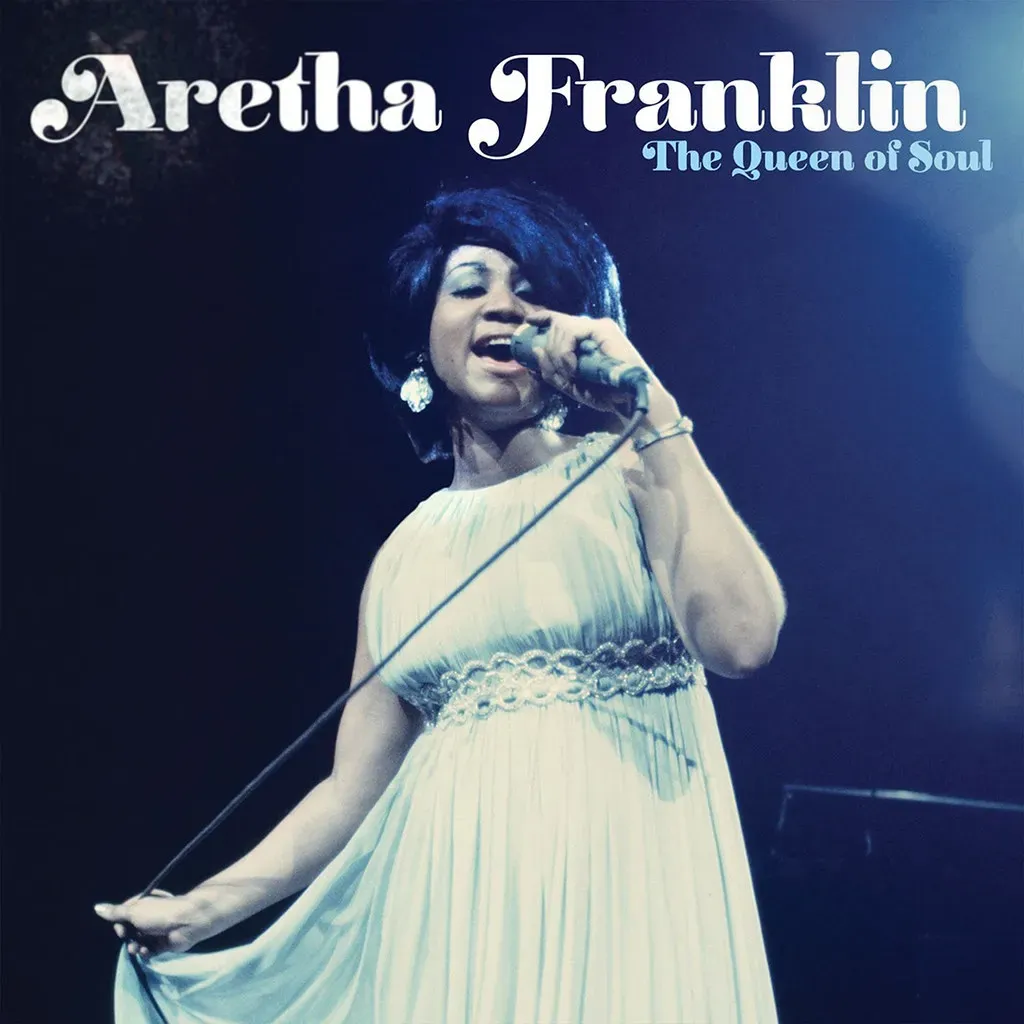
Aretha Franklin’s voice was an instrument of both beauty and power. When she sang “Respect” in 1967, she transformed Otis Redding’s song into a feminist and civil rights anthem. Her delivery demanded attention, and the world listened.
As the Queen of Soul, Aretha brought gospel traditions into pop and R&B with unmatched intensity. She could make you feel every emotion – joy, pain, longing, triumph – all within a single vocal run. Her technical skill was extraordinary, but it was the emotion behind it that truly moved people.
She paved the way for countless female artists to own their power and artistry. Before Aretha, few women in music commanded the same level of respect and authority. After her, it became clear that female voices weren’t just part of the conversation – they were leading it.
Michael Jackson: The King of Pop and Innovation

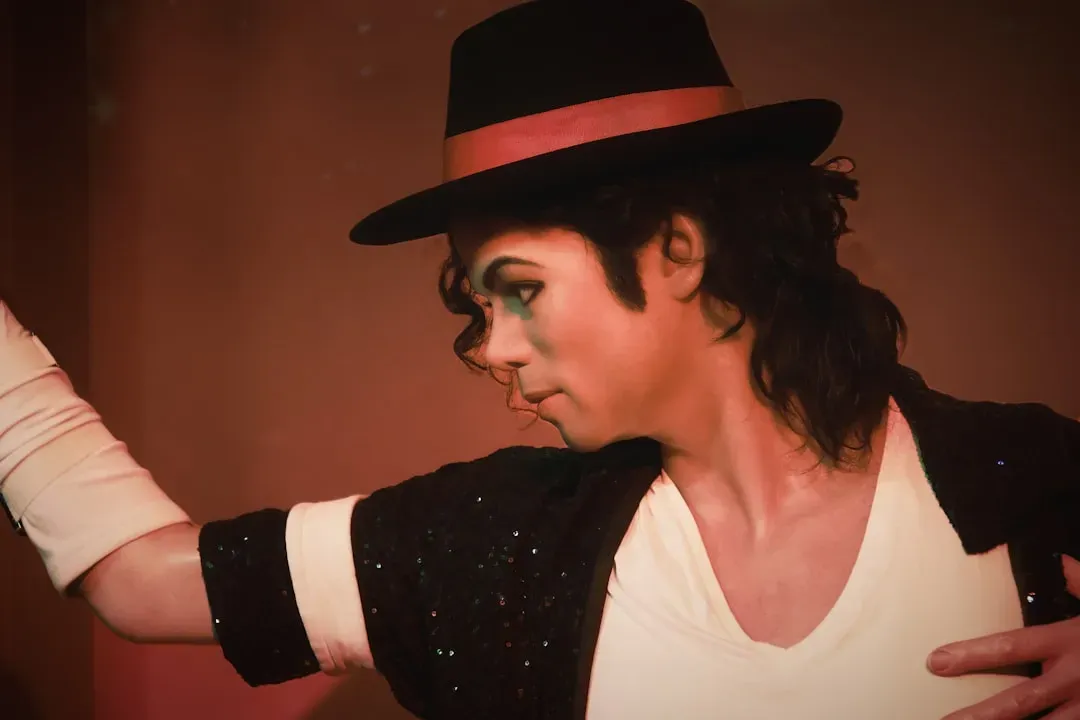
Michael Jackson didn’t just perform music – he created experiences. His music videos were mini-movies that set new standards for production value and storytelling. “Thriller” wasn’t just a song, it was a cultural event that changed MTV and the entire music video landscape forever.
His dance moves, from the moonwalk to the robot, became part of global culture. Every pop star since has borrowed from his playbook of precision choreography and stage spectacle. Jackson understood that in the modern era, music needed to be visual as much as sonic.
He broke down racial barriers on MTV and radio at a time when the music industry was still heavily segregated. His album “Thriller” became the best-selling album of all time, proving that Black artists could achieve unprecedented commercial success. His influence on pop, R&B, and dance music remains undeniable decades later.
Madonna: The Chameleon Who Controlled Her Narrative

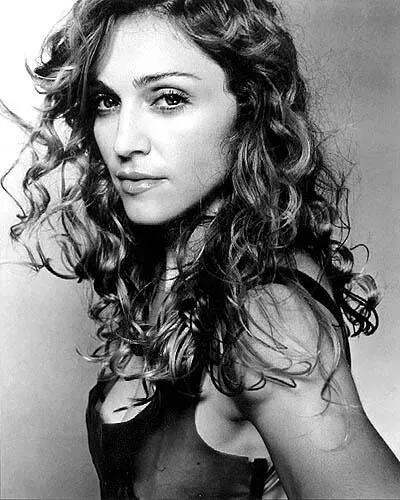
Madonna took control in an industry that usually controlled women. From her earliest hits, she made it clear that she would define her image, her sexuality, and her artistic direction. Album after album, she reinvented herself, proving that longevity came from evolution, not stagnation.
She pushed boundaries with provocative imagery and lyrics that challenged social norms around religion, sexuality, and gender. Songs like “Like a Prayer” sparked controversy, but that was often the point – she made people think and talk. She understood that art could be both entertainment and commentary.
Her business acumen set a template for artists as entrepreneurs. Madonna negotiated unprecedented deals, maintained creative control, and built an empire. She showed female artists that they could be both the product and the CEO, a lesson that resonates strongly in today’s music industry.
David Bowie: The Alien Who Made Being Different Cool

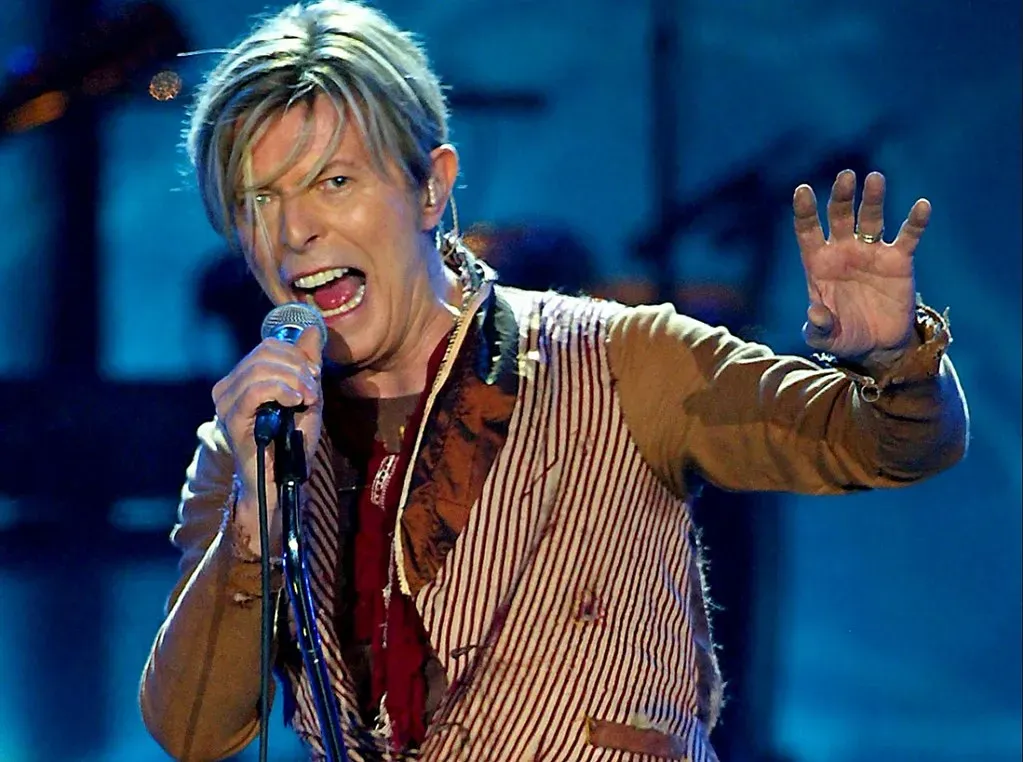
David Bowie made a career out of transformation. From Ziggy Stardust to the Thin White Duke, he adopted personas that challenged conventional ideas about gender, identity, and performance. He made it okay – celebrated, even – to be weird, different, and unapologetically yourself.
Partner offer

His musical experimentation knew no bounds. He moved from glam rock to soul to electronic music with ease, collaborating with artists across genres and always staying ahead of trends. Albums like “Low” and “Heroes” pioneered sounds that influenced everyone from post-punk bands to modern electronic artists.
Bowie’s impact on fashion and visual presentation was equally profound. He showed that musicians could be multimedia artists, blending music, fashion, and theater into cohesive artistic statements. His legacy lives on in every artist who dares to be different.
Prince: The Purple Genius Who Did It All

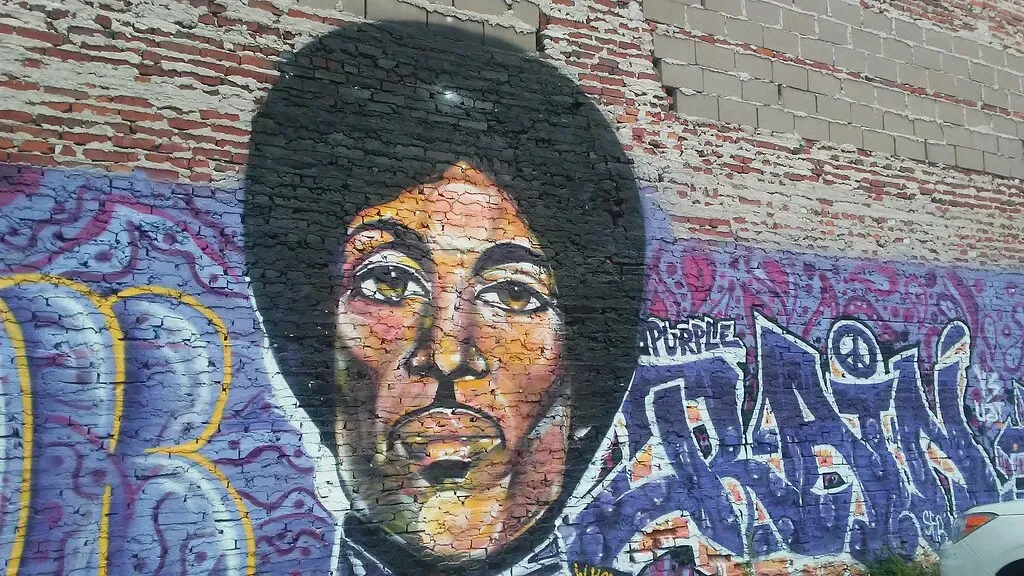
Prince was a musical virtuoso who played multiple instruments, produced his own records, and wrote songs for countless other artists. His command of funk, rock, R&B, and pop was complete, and his live performances were legendary marathons of energy and skill.
He fought fiercely for artists’ rights, famously battling his record label for ownership of his master recordings. He changed his name to an unpronounceable symbol to escape contractual constraints, making a bold statement about artistic freedom that influenced how musicians negotiate their deals today.
His music was sensual, spiritual, and genre-defying. Songs like “Purple Rain” and “When Doves Cry” showcased his ability to blend emotional depth with musical innovation. Prince proved that artists could maintain complete creative control and still achieve massive commercial success.
Tupac Shakur: The Poet Who Gave Hip-Hop a Conscience

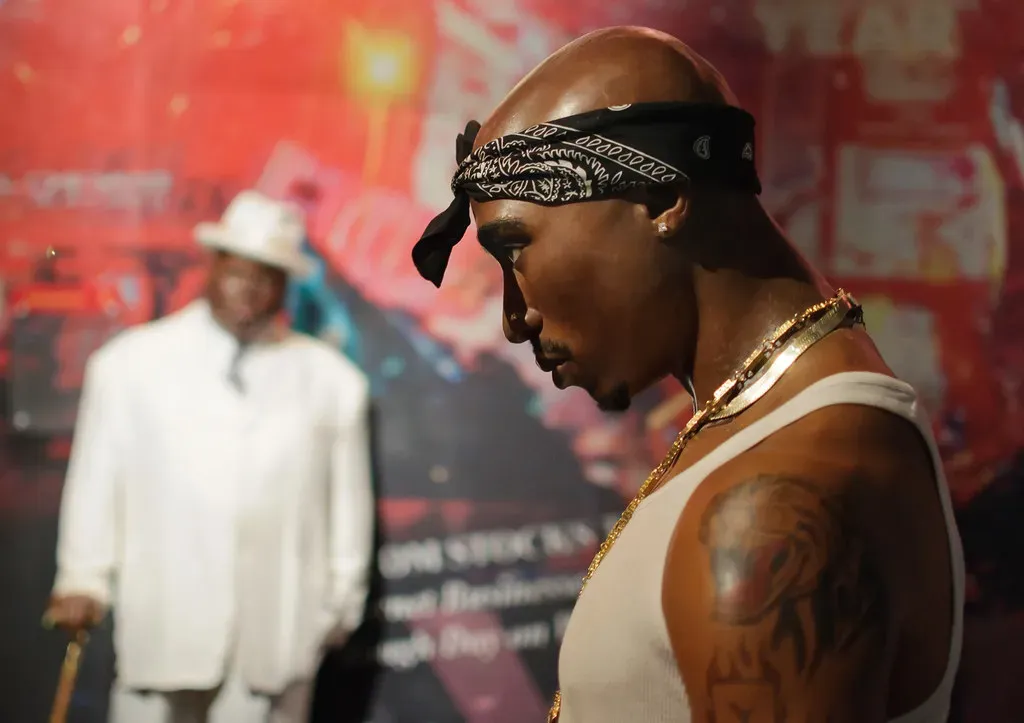
Tupac brought raw emotion and social commentary to hip-hop in ways few had before. His lyrics addressed poverty, police brutality, and systemic racism with a vulnerability and anger that resonated deeply. He wasn’t just rapping – he was documenting the struggles of an entire community.
Albums like “Me Against the World” and “All Eyez on Me” balanced introspection with aggression, showing the complexity of the Black experience in America. His ability to be both tender and tough, reflective and defiant, set him apart from his peers.
Though his life was cut tragically short, Tupac’s influence on hip-hop culture and beyond is immeasurable. He showed that rappers could be poets, activists, and actors. His legacy continues to inspire artists who use their platform to address social issues and speak truth to power.
Nirvana: The Grunge Revolution That Killed Hair Metal


When Nirvana released “Nevermind” in 1991, they didn’t just launch a successful album – they ended an era. Suddenly, the polished hair metal that dominated the 1980s felt dated and irrelevant. Grunge’s raw, unfiltered sound reflected the disillusionment of a generation.
Kurt Cobain’s songwriting mixed catchy melodies with abrasive guitars and lyrics full of angst and alienation. “Smells Like Teen Spirit” became an anthem for disaffected youth worldwide. The song’s success proved that authenticity could outsell production polish.
Nirvana made it acceptable for rock to be messy, emotional, and vulnerable again. They opened doors for alternative rock to dominate mainstream radio throughout the 1990s. Their influence is still felt in every band that prioritizes raw emotion over technical perfection.
Beyoncé: The Modern Icon Who Redefined Excellence

Beyoncé took the blueprint left by earlier icons and elevated it to new heights. Her attention to detail in every aspect of her artistry – vocals, choreography, visuals, messaging – set a standard that few can match. Albums like “Lemonade” weren’t just music releases, they were multimedia experiences with accompanying films and cultural commentary.
She’s used her platform to address issues of race, feminism, and social justice while maintaining massive commercial appeal. Her surprise album drops changed how artists release music, proving that traditional marketing wasn’t always necessary when you’ve built a loyal enough following.
Her business moves have been equally impressive, from owning her master recordings to launching successful ventures in fashion and entertainment. She’s shown that modern artists can control their entire narrative and empire. Beyoncé represents the evolution of what it means to be a complete artist in the 21st century.
Jay-Z: From Brooklyn to Boardrooms

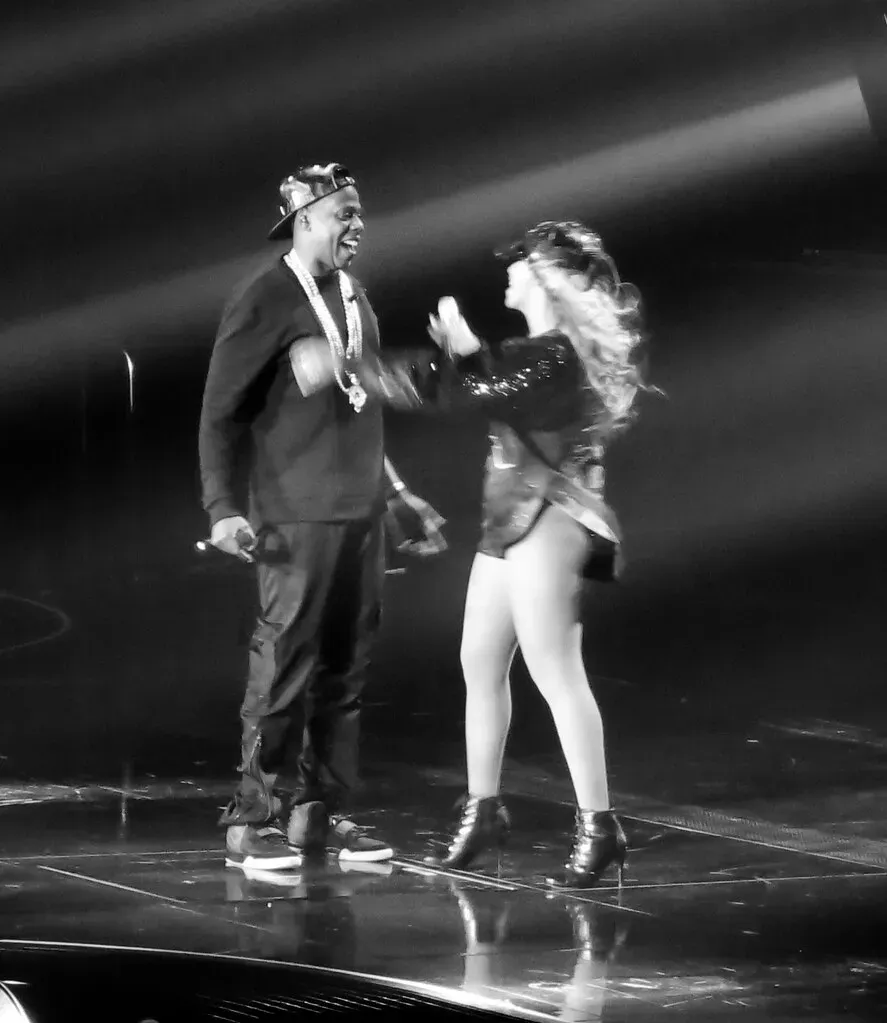
Jay-Z transformed hip-hop from street music into a billion-dollar industry. His career arc – from drug dealer to rapper to business mogul – is the ultimate success story. He proved that rappers could be just as savvy in the boardroom as they were in the recording booth.
His business ventures span from clothing lines to streaming services to sports management. He co-founded Roc-A-Fella Records, launched Tidal, and became hip-hop’s first billionaire. He showed an entire generation that the music was just the beginning – ownership was where real wealth and power lay.
Musically, his longevity is remarkable. Decades into his career, he’s still releasing critically acclaimed albums and collaborating with younger artists. Jay-Z bridged the gap between old school and new school hip-hop while maintaining relevance and respect. His influence extends far beyond music into how we think about entrepreneurship and cultural impact.
Conclusion


These twelve artists didn’t just make great music – they fundamentally changed what music could be and what musicians could do. They broke down barriers, challenged conventions, and opened doors for everyone who came after them. From Elvis shaking his hips on television to Beyoncé dropping surprise albums, each one understood that innovation requires courage.
The stages of Las Vegas have been graced by several of these legends, reminding us that great artistry transcends any single venue or moment. These icons created lasting legacies that continue to inspire and influence musicians today. Their impact isn’t measured just in record sales or awards, but in how they changed culture itself.
Looking at this list, you might wonder who’s missing or disagree with some inclusions. That’s the beauty of music – it’s personal, and everyone has their own heroes. But these twelve undeniably shaped the industry in ways that still echo through every song on the radio, every music video, and every artist brave enough to try something new. What do you think – did your favorite icon make the list?
Partner offer
Planning a trip to Vegas?
Compare hotel rates and show tickets on VEGAS.com.