Every once in a while, a single instrument arrives and rewrites the rules. Not just for music, but for culture itself. Think about it. A strip of brass and a few keys gave birth to jazz. A solid block of wood with strings redefined rebellion. A machine you plug into a wall created entirely new emotional universes. The story of how genres are born is really, at its core, the story of instruments finding their moment.
This is a gallery of the twelve instruments that didn’t just play the music. They changed what music could even be. Buckle up.
1. The Saxophone: The Soul of Jazz
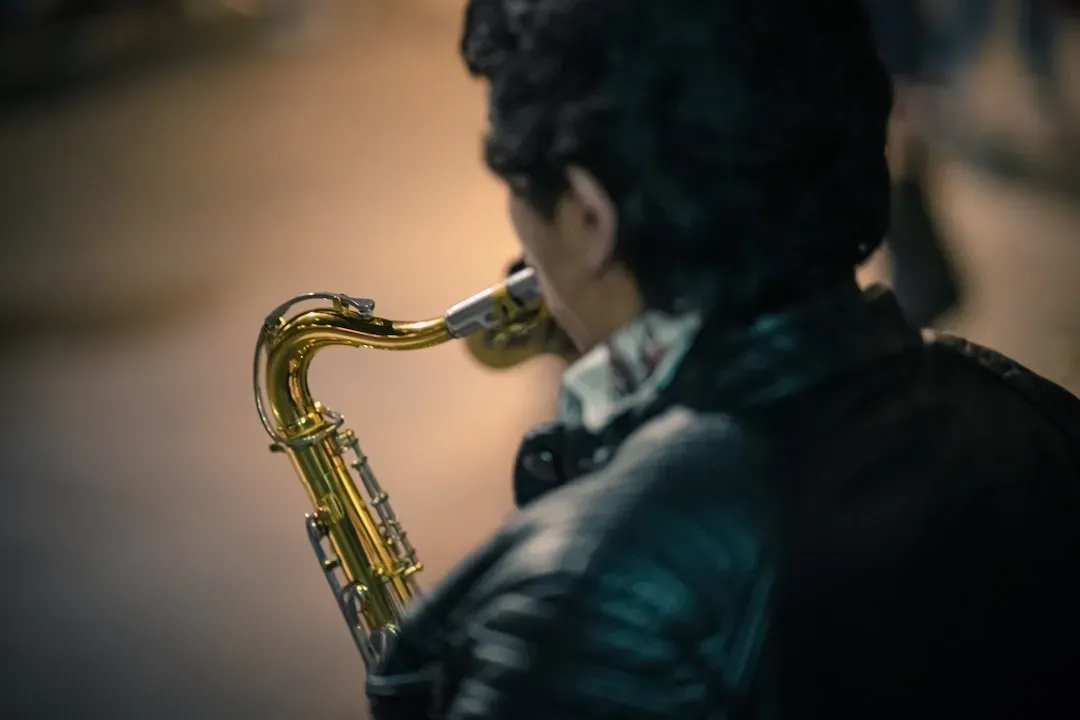
Here’s a fact that might genuinely surprise you. The saxophone was never intended for jazz use. Jazz wasn’t even a “thing” when Adolph Sax patented the first saxophone in 1846. That’s the beautiful irony at the heart of this instrument’s story. The instrument was invented in the early 1840s by the Belgian instrument maker Adolphe Sax.
The idea of a saxophone was brought to reality during his experiments with the bass clarinet, and his attempts to create an instrument that would combine a flute and clarinet’s ability to play fast passages while keeping the horn-like projection of brass instruments. It took decades before jazz musicians realized what a gift they had been handed. The rise of the saxophone’s popularity happened in the 1920s and 1930s, and it coincided with the popularity of big bands and the swing era.
John Coltrane elevated the saxophone to spiritual and emotional heights, transforming the instrument into a medium for personal and cosmic exploration. Known for his innovations in modal jazz, his solos and compositions explored complex harmonic structures and deep emotional intensity. Every big band of the 1940s had four to five saxophones, the hard boppers of the 1950s almost always featured a saxophone, and when the lines between jazz and “horn bands” in the 1970s began to blur, the saxophone was still on stage.
In recent decades, jazz saxophonists have embraced elements of fusion, avant-garde, and electronic music, further expanding the boundaries of the instrument’s role in jazz. This has allowed the saxophone to remain a versatile and vital voice in contemporary music, blending traditional techniques with cutting-edge innovations.
2. The Electric Guitar: The Sound of Revolution
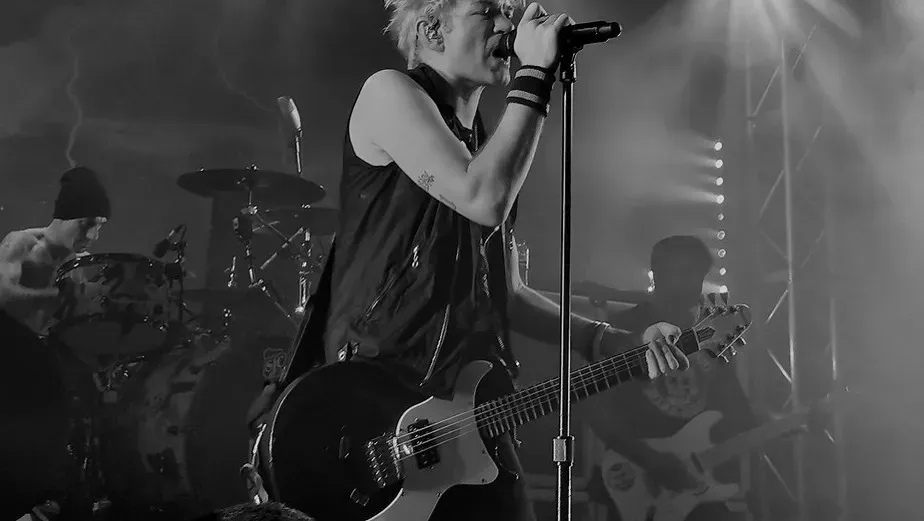
Invented in 1932, the electric guitar was adopted by jazz guitar players who wanted to play single-note guitar solos in large big band ensembles. Nobody, not even the inventors, foresaw what was coming next. The inventors who developed the solid-body electric guitar, Leo Fender and Les Paul, could hardly have imagined the chain of events that the instrument would spark. While Fender designed the guitar for country musicians, Paul was a talented guitarist and a fan of jazz.
During the 1950s and 1960s, the electric guitar became the most important instrument in popular music. It has evolved into an instrument that is capable of a multitude of sounds and styles in genres ranging from pop and rock to folk to country music, blues and jazz. While piano sales hovered around 200,000 units per year during that time, guitar sales increased 400%, surging from 300,000 units in 1958 to 1.5 million in 1965.
No other guitarist broke the mold as Jimi Hendrix did. Hendrix was from Seattle, Washington, and started playing blues as a young man in various groups around the country. Jimi redefined the nature of the electric guitar as an instrument and, in the process, changed the shape of rock and roll. It served as a major component in the development of electric blues, rock and roll, rock music, heavy metal music, and many other genres.
3. The Drum Kit: The Backbone of Everything
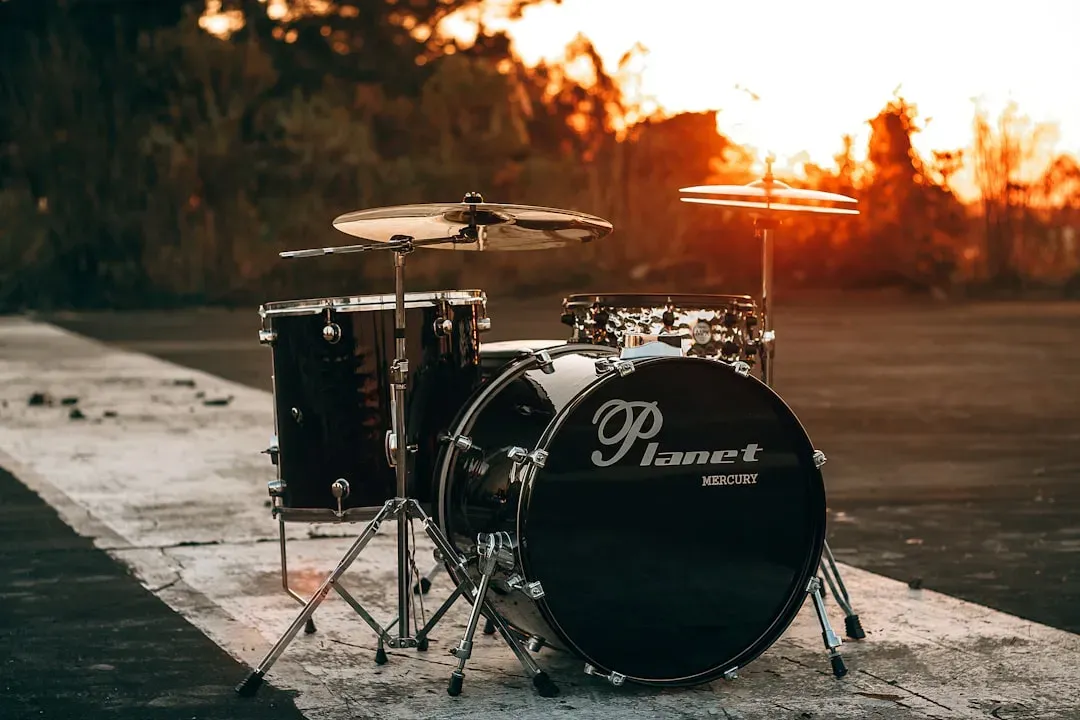
Let’s be real. Without the drum kit, modern music as we know it simply does not exist. In 1909, William F. Ludwig’s invention of the bass drum pedal was a game-changer. It allowed a single drummer to play multiple drums simultaneously, revolutionising percussion performance. This breakthrough paved the way for the development of the modern drum kit, which quickly became popular across various music genres, including jazz, rock, and pop.
The modern drum kit contains tom-tom drums from China and elsewhere in Asia, cymbals from the Middle East and Asia, bass and snare drums from Europe, and assorted percussive instruments from Africa and the Caribbean. It is, in a very literal sense, a globalized instrument. Jazz drummers like Gene Krupa and Buddy Rich revolutionised the role of the drum kit, introducing intricate rhythms, syncopation, and improvisation. The rise of swing music in the 1930s and 1940s further pushed the boundaries of drumming.
Drummers like Ringo Starr of The Beatles and Charlie Watts of The Rolling Stones became icons, creating straightforward yet powerful beats that defined the sound of rock music. Clyde Stubblefield, known as the “Funky Drummer,” led to the creation of the most sampled drum break in history. This break, characterized by its compelling groove and intricate snare work, continues to be a foundational element in hip-hop and sampled music.
4. The Synthesizer: Building Sounds from Scratch
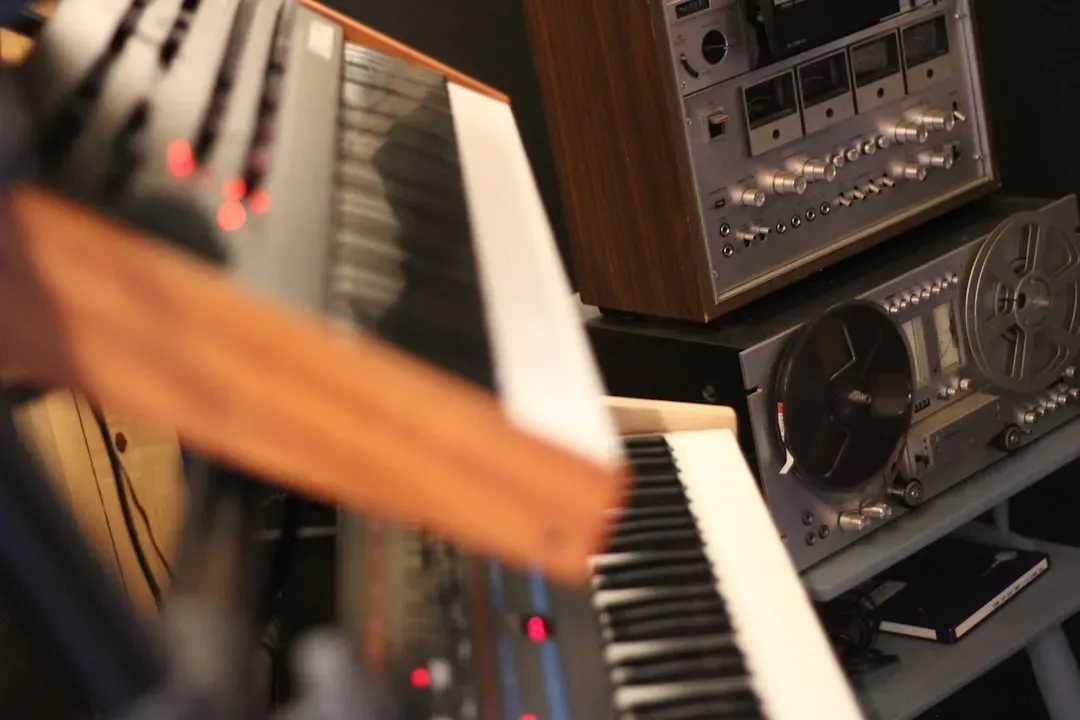
I think the synthesizer might be the most philosophically radical instrument ever invented. Every other instrument on this list makes sound by manipulating something physical. The synthesizer essentially invents sound from nothing. The authors of Analog Days define “the early years of the synthesizer” as between 1964 and the mid-1970s, beginning with the debut of the Moog synthesizer, designed by the American engineer Robert Moog.
Switched-On Bach (1968), a bestselling album of Bach compositions arranged for synthesizer by Wendy Carlos, took synthesizers to the mainstream. They were adopted by electronic acts and pop and rock groups in the 1960s and 1970s and were widely used in 1980s music. In the late 1970s and the early 1980s, the Minimoog was widely used in the emerging disco genre by artists including Abba and Giorgio Moroder.
Sampling, introduced with the Fairlight synthesizer in 1979, has influenced all genres of music and had a major influence on the development of electronic and hip hop music. Today, the synthesizer is used in nearly every genre and is considered one of the most important instruments in the music industry. The synth didn’t just add a new sound. It created entirely new genres from scratch.
5. The Trumpet: The Voice That Built Jazz
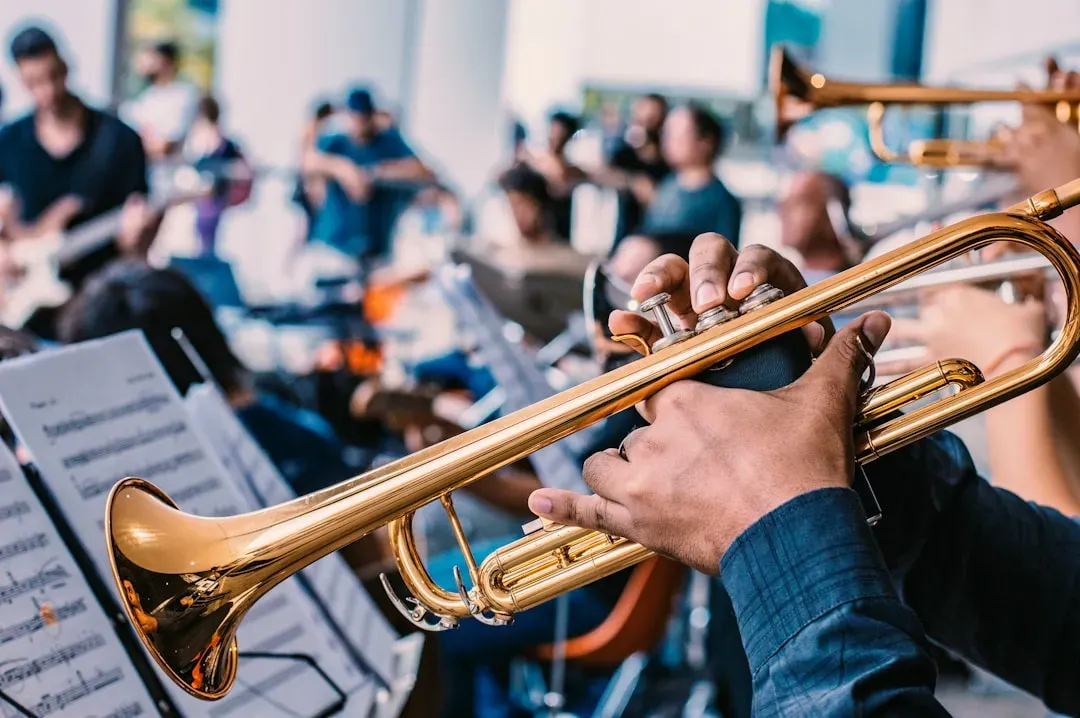
Long before the saxophone stole the spotlight, there was the trumpet. The twentieth century was barely under way when the grandson of a slave picked up a trumpet and transformed American culture. Before that moment, the trumpet had been a regimental staple in marching bands, a ceremonial accessory for royalty, and an occasional diva at the symphony.
Legendary composers such as Bach, Handel, Mozart, and Vivaldi started using the trumpet in their works. Then jazz arrived and everything changed. A cultural history of the trumpet traces its origins in ancient Egypt to its role in royal courts and on battlefields, and ultimately to its stunning appropriation by great jazz artists such as Louis Armstrong, Dizzy Gillespie, Miles Davis, and Wynton Marsalis.
The influence of Lester Young with the Count Basie Orchestra in the late 1930s and the popularity of Hawkins’ 1939 recording of “Body and Soul” marked the saxophone as an influence on jazz equal to the trumpet, which had been the defining instrument of jazz since its beginnings in New Orleans. The trumpet had an entire era of music entirely to itself. That is a legacy few instruments can claim.
6. The Piano: The Mother of All Instruments
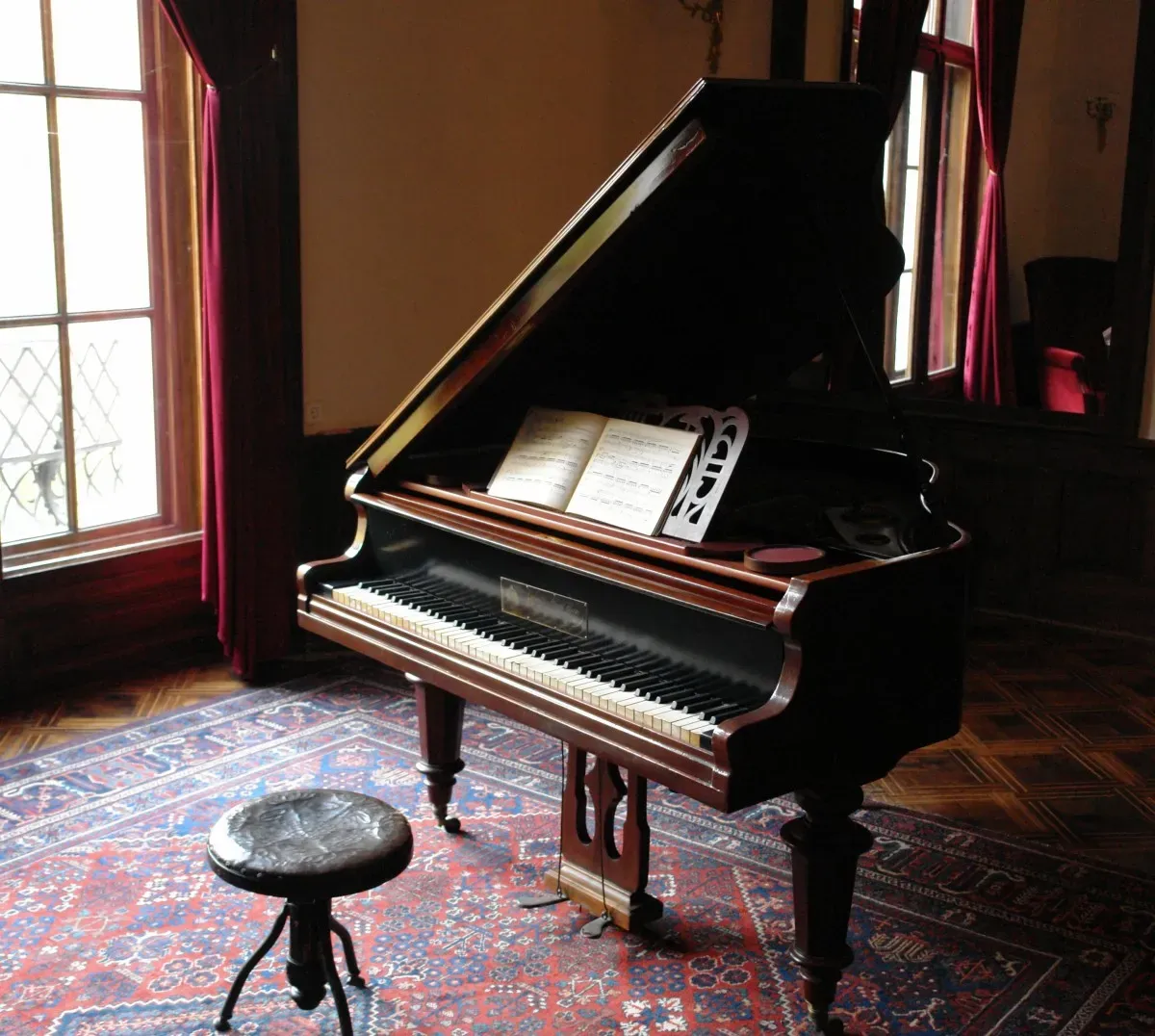
There’s a reason the piano is often called “the mother of all instruments.” Invented by Bartolomeo Cristofori around 1700, the piano’s hammer mechanism allowed for dynamic gradation, from soft to loud, that the harpsichord couldn’t achieve. It became the dominant instrument of the 19th century, central to salon culture, virtuoso performance, and the Romantic ideal of individual expression.
The piano’s influence on popular music is enormous. Keyboard instruments revolutionized music by allowing a single performer to produce harmony, melody, and bass simultaneously, a capability that fundamentally shaped Western compositional thinking. Think of boogie-woogie, ragtime, blues. All of them were built on pianists pushing the instrument to extremes. Jerry Lee Lewis was in a cadre of piano players that helped usher in the Rock and Roll era, including Fats Domino, Little Richard, and Ray Charles. These four musicians were all inducted into the first class of the Rock and Roll Hall of Fame.
The synthesizer is considered by the authors of Analog Days as “the only innovation that can stand alongside the electric guitar as a great new instrument of the age of electricity. Both led to new forms of music, and both had massive popular appeal.” Honest comparison noted. Still, the piano created the very language that both those instruments later borrowed from.
7. The Violin: From Bach to Bluegrass
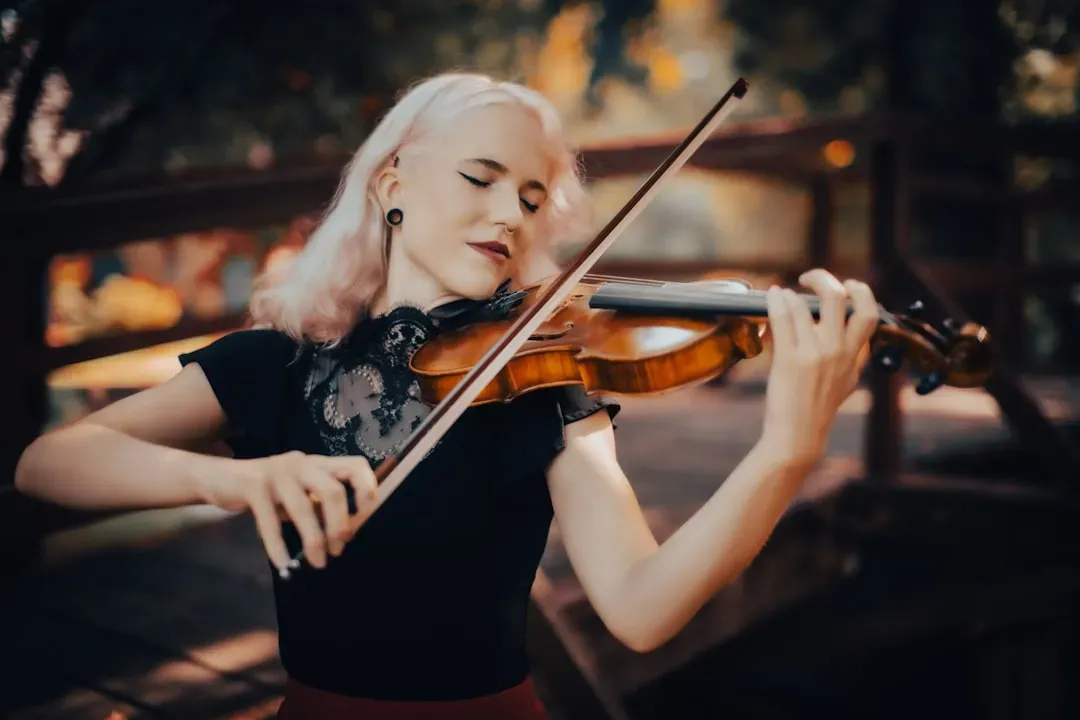
The violin is one of those instruments that has outlasted every single trend, every fad, and every cultural shift since the 16th century. Around 1550, the world witnessed the development of the modern violin. This new instrument had a distinct shape, size, and sound that were balanced to give the right mix of volume, tonality, and playability for modern artists. It was practically perfect from the start.
What I find fascinating is how the violin refused to stay in one box. It moved from baroque concert halls to Appalachian front porches to Indian classical raga to bluegrass festival stages. Bowed instruments such as the violin, viola, baryton, and various lutes dominated popular music in the Baroque era, and the violin’s emotional range proved so vast that no genre could fully contain it. The violin, with its rich tradition in classical music, is now used in genres like folk, jazz, and pop.
Think of the fiddle as the violin’s working-class cousin. It is literally the same instrument, played in a completely different spirit. That kind of flexibility is rare. The violin proved that the same tool can produce both a Beethoven concerto and a foot-stomping reel, depending entirely on who’s holding the bow.
8. The Bass Guitar: The Unsung Foundation
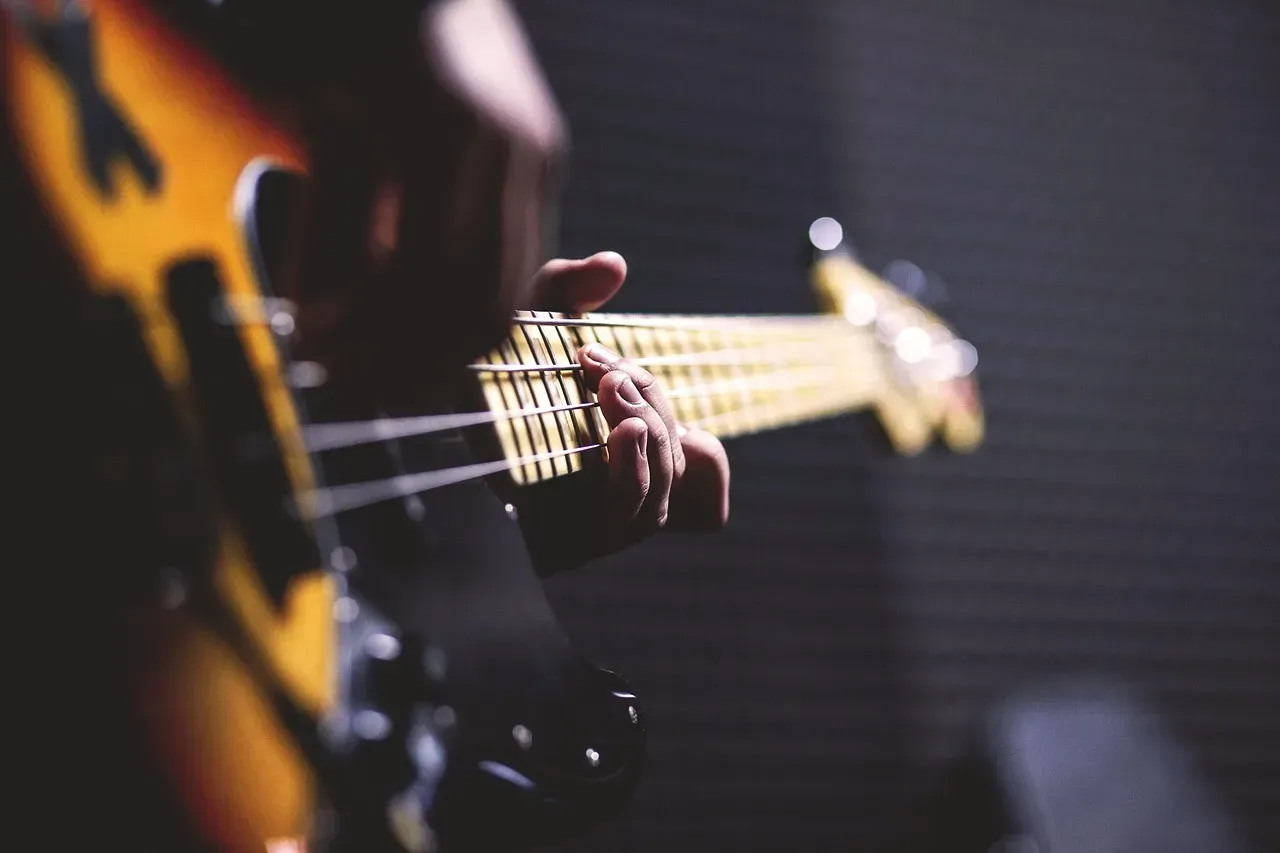
Nobody applauds the bass player. But pull the bass guitar out of any classic rock, funk, or R&B recording and listen to what’s left. It’s remarkable how quickly things fall apart. As a crucial part of the rhythm section in many music genres, the bass guitar delivers deep, low-frequency notes that provide a solid foundation for the overall musical composition.
Although their contributions have often gone unsung, electric bassists helped shape the sound of a wide range of genres, including jazz, rhythm and blues, rock, country, soul, funk, and more. Their innovations are preserved in performances from artists as diverse as Elvis Presley, the Beatles, James Brown, Bob Dylan, Aretha Franklin, Jefferson Airplane, and Sly and the Family Stone.
James Jamerson’s bass lines on Motown records are studied in music schools to this day. John Paul Jones of Led Zeppelin brought a melodic intelligence to the low end that turned the bass from timekeeper into storyteller. Early electric bassists fundamentally altered the trajectory of popular music, even if the history books rarely give them the credit they deserve. That’s a crime, honestly.
9. The Turntable: When Technology Became an Instrument
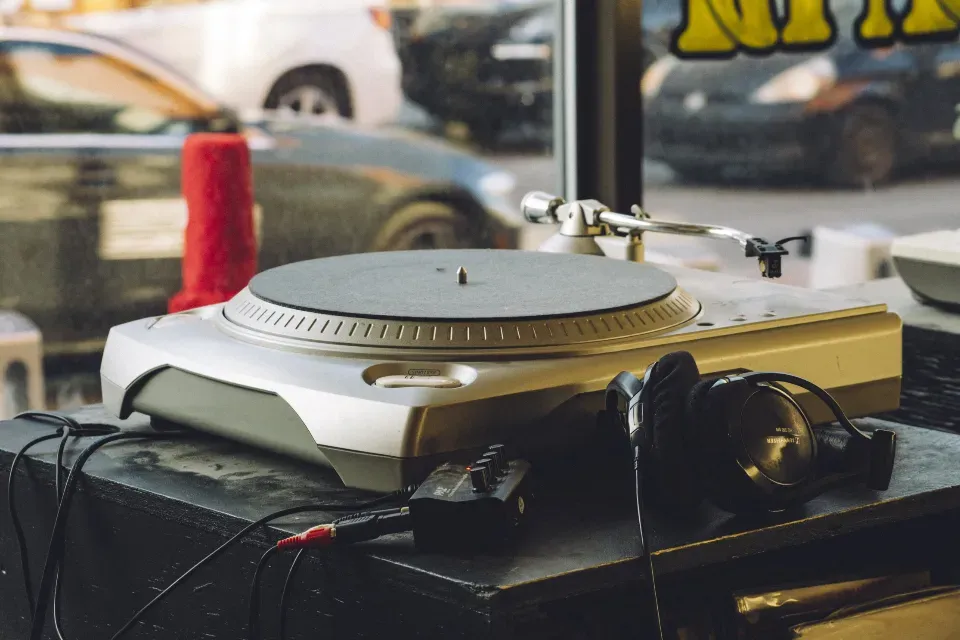
Here’s the thing most people still don’t fully appreciate: the turntable was never designed to be played. It was designed to play other things. Some of the most transformative electronic instruments include synthesizers, drum machines, digital pianos, samplers, and turntables. Electronic instruments open up the possibility of generating sounds which do not have any natural origin. From deep sub bass to robotic voices to futuristic effects, this category has changed how music is made today.
The genius of hip-hop DJs in the South Bronx during the 1970s was realizing that a record spinning backwards, or looped at a breakbeat, was not a mistake. It was music. Sampling, introduced with the Fairlight synthesizer in 1979, has influenced genres such as electronic and hip hop music. The turntable, in the hands of pioneers like Grandmaster Flash, became the foundation for rap, hip-hop, and eventually house and techno.
Drum machines, like the classic Roland TR-808, have shaped the beats of countless hip-hop and dance tracks, while samplers allow producers to chop up and manipulate recorded sounds, giving them the ability to create entirely new compositions from existing material. The turntable was the gateway drug to all of it. It democratized music creation in a way that no instrument before it had managed.
10. The Electric Bass and the Roland TR-808: The Heartbeat of Electronic Genres
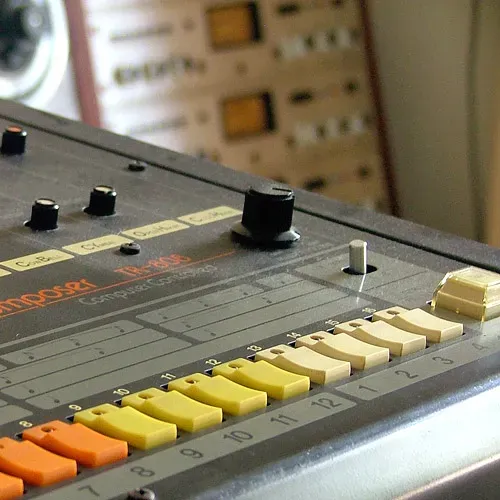
It’s hard to say for sure where hip-hop ends and electronic dance music begins, but both of them live and die on one specific sound: the 808 kick drum. The sequencer-based Roland TB-303 (1981), in conjunction with the Roland TR-808 and TR-909 drum machines, became a foundation of electronic dance music. The 808’s bass drum was an accident, a machine that was considered a commercial failure when it launched, yet it went on to define house music, techno, trap, and practically every genre that followed.
The 1990s saw a renewed interest in rock and roll, especially the new genres of alternative rock and grunge, but synthesizers continued to be important. Samplers became an important part of the conversation, enabling hip-hop producers to sample music in their beats. Meanwhile, house music was taking off, and new genres were emerging left and right, such as drum and bass, acid bass, and hardstyle.
In genres like EDM, hip hop, synthwave, and pop, modern musical instruments in the electronic category often dominate over acoustic alternatives. The Roland 808 is not merely a drum machine. It’s a cultural artifact as important as any guitar or horn. You can still hear its signature bass thud today on virtually every chart-topping hip-hop track.
11. The Trumpet’s Cousin: The Trombone and the Birth of Big Band Sound
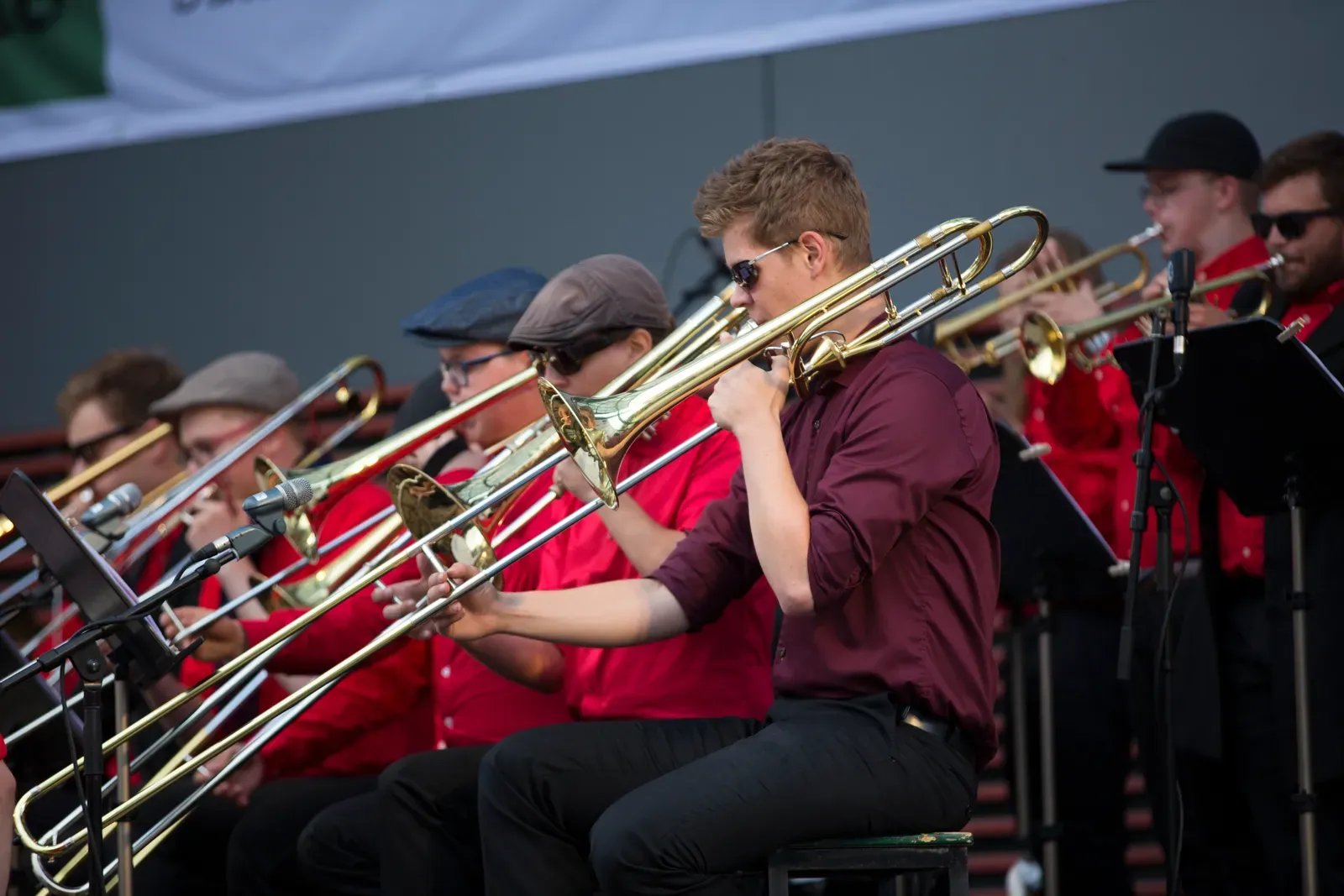
The trombone is the instrument most likely to get overlooked in a list like this, which is exactly why it deserves its own spotlight. Without the trombone, there is no big band. Without big band, jazz as we know it has a completely different shape. Jazz arrangements of simple tunes became more complex over time, especially with the advent of the “big band,” where many musicians relied upon arrangements to add colors, textures, and ornaments to the given melody.
The trombone’s slide mechanism allows for a glissando that no other brass instrument can replicate. That expressive smear between notes became synonymous with jazz’s humor, swagger, and swagger. Simple marching beats would become more and more syncopated, due to the increasing influence and popularity of African and Caribbean rhythms. The music that developed in the American South, particularly New Orleans, was an amalgamation of both European and African cultures, traditional marching melodies, and blues-influenced harmonies combined with rhythms from the East.
The trombone carried all of that complexity inside its sliding mechanism. It was the perfect expressive vehicle for a genre built on both written arrangement and spontaneous improvisation. When Dorsey brothers swing bands and Duke Ellington’s orchestra reached their peak, the trombone section was at the absolute center of that sound.
12. The Moog Synthesizer: The Machine That Made the Future Sound Like the Future
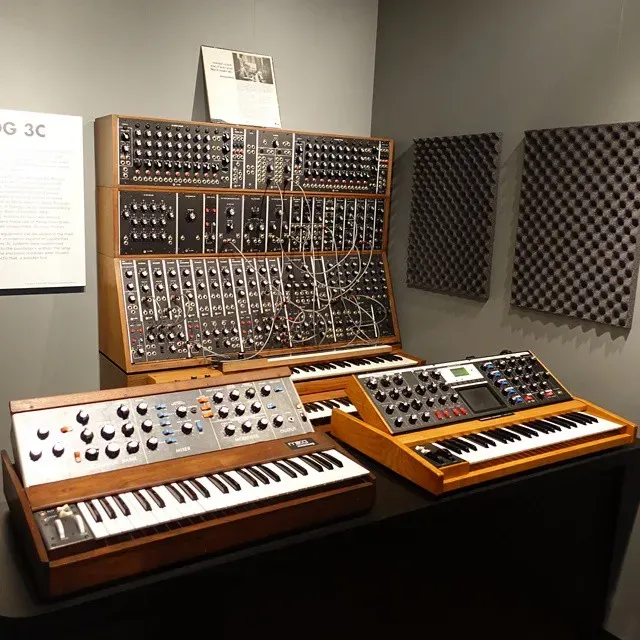
If you had to pick one instrument that most radically altered what humans thought sound itself could be, many serious music historians would point here. Moog developed the synthesizer in response to demand for more practical and affordable electronic music equipment. Moog’s principal innovation was voltage control, which uses voltage to control pitch. He also developed fundamental synthesizer concepts such as modularity and envelope generators.
The 1970s and 80s bore witness to synthesizers becoming a defining element in the work of artists like Giorgio Moroder, Vangelis, and Jean-Michel Jarre. Giorgio Moroder, dubbed the “Father of Disco,” harnessed the pulsating and atmospheric qualities of synthesizers to forge an energetic and danceable sound. Pioneers like Keith Emerson of Emerson, Lake and Palmer and Rick Wakeman of Yes adopted the Moog synthesizer, exploiting its capacity to generate previously unheard sounds and textures. The landmark album “Brain Salad Surgery” (1973) by Emerson, Lake and Palmer notably utilized the Moog to create intricate and electrifying soundscapes, forever altering perceptions of what could be achieved within rock.
Groups like Tangerine Dream and Kraftwerk built their signature sounds around the Moog. By the mid-1970s, the Moog was ubiquitous in rock, funk, jazz, electronic, and experimental music. According to the Guardian, Moog’s inventions “changed the complexion of the pop and classical music worlds.” Moog’s name became so associated with electronic music that it was sometimes used as a generic term for any synthesizer. That is legacy of the highest order.
Conclusion: Instruments Don’t Just Play Music. They Create It.
Twelve instruments. Hundreds of genres. Thousands of artists. Millions of lives changed. The pattern here is clear: every great musical revolution started with a physical object, an invention, sometimes even an accident, that gave musicians a new way to say something that words alone never could. The saxophone was built for classical music and ended up defining jazz. The electric guitar was designed for jazz and ended up defining rock. The 808 was a commercial failure that ended up defining hip-hop.
None of these instruments were inevitable. Each one required someone brave enough to pick it up and ask, “What if I play it like this?” That collision between tool and human imagination is where genres are born. Every instrument in this gallery is proof that music’s history is never just about music. It’s about the restless curiosity of people who refused to accept the sounds already available to them.
What other instruments do you think should be on this list? Tell us in the comments.