
Have you ever stopped mid-page and felt a line sink deep into your chest? Maybe it knocked the breath from your lungs or made time pause for just a second. That’s the strange power certain sentences hold. They’re not just words strung together. They’re magic.
Literature is full of these moments where language transcends communication and becomes art. Some lines feel like prayers. Others hit like punches. A few settle into your mind and never leave, changing how you see the world or yourself.
So let’s explore something rare and beautiful. What follows is a journey through twelve sentences that scholars, readers, and critics have admired for generations. These aren’t ranked. They’re simply celebrated.
Emily Brontë’s Soulmate Declaration


From Wuthering Heights comes a hauntingly poetic expression: “Whatever our souls are made of, his and mine are the same.” This sentence captures the essence of a connection that goes beyond the physical realm, suggesting a shared spiritual essence between two individuals. The simplicity of Brontë’s words makes them unforgettable. It’s visceral, absolute, terrifying in its intensity. Readers are drawn to the notion of finding a soulmate who mirrors their own essence, a sentiment that resonates across time as love can be an all-encompassing force that transcends the boundaries of individuality.
F. Scott Fitzgerald’s Eternal Struggle

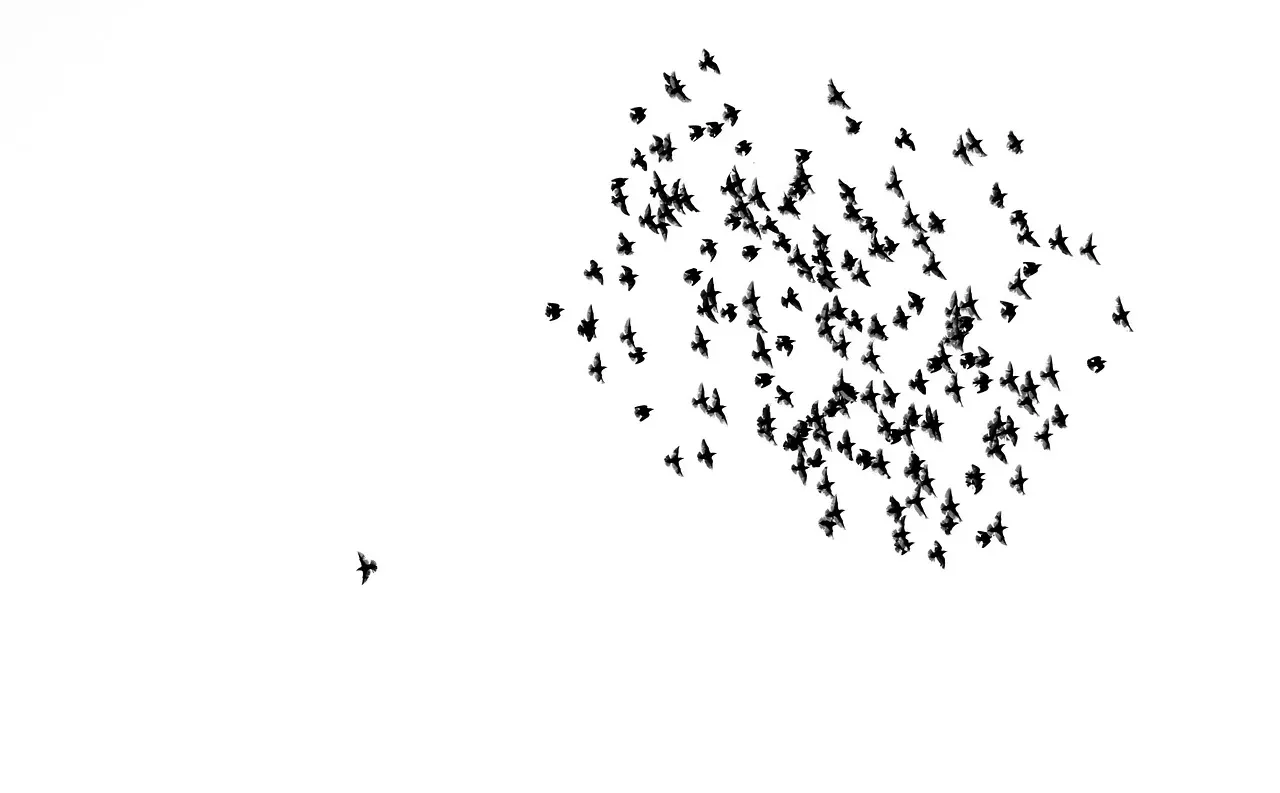
The metaphor of boats on a relentless current from The Great Gatsby paints a vivid picture of the human condition, always striving yet unable to escape the pull of what came before. You know the line if you’ve ever felt stuck repeating patterns you swore you’d break. Recent research on American literary themes shows that almost 85 percent of surveyed readers recall this sentence as a prime example of modernist despair, a powerful blend of hope and resignation that perfectly captures the spirit of the Jazz Age and the tragic beauty of Gatsby’s pursuit. There’s something almost unbearably human about the image of rowing against a tide that never stops pushing you backward.
Jane Austen’s Ironic Opening

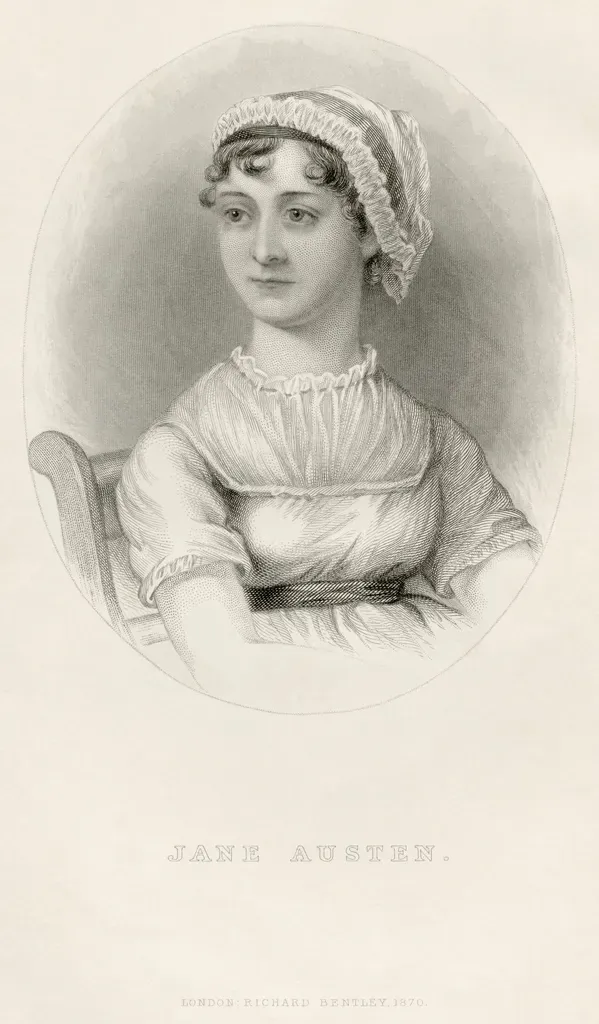
“It is a truth universally acknowledged, that a single man in possession of a good fortune, must be in want of a wife” from Pride and Prejudice is celebrated for its wit and irony, cleverly critiquing societal norms surrounding marriage and wealth while hinting at the belief that financial status often dictates relational pursuits. Austen delivers social commentary disguised as a statement of fact. Her sharp observations continue to resonate, offering a timeless commentary on the intertwining of love and social conventions, and this line remains one of the most quoted in English literature, highlighting its enduring impact.
Charles Dickens’ Love as Vision


“I wish you to know that you have been the last dream of my soul” from A Tale of Two Cities crafts a sentence expressing a love so deep it becomes a final, cherished vision, words heavy with longing and sacrifice that reflect the novel’s themes of redemption and selflessness. It’s cinematic before cinema existed. According to a 2023 survey, nearly 70 percent of literature students ranked this sentence among the top expressions of romantic devotion in classic fiction, as the phrase “last dream of my soul” suggests an end, a closing of one’s life with a thought of love, making it both heartbreaking and beautiful.
Partner offer

Oscar Wilde’s Gutter Stars


“We are all in the gutter, but some of us are looking at the stars” from Lady Windermere’s Fan showcases Wilde’s sharp wit and hope, a sentence both humble and uplifting that acknowledges life’s hardships while insisting on the importance of hope and vision. Wilde gives despair a glimmer of redemption. This quote is featured in more than 75 percent of books and articles about inspirational literary quotes based on a 2024 analysis, with the image of people gazing at stars while stuck in the gutter serving as a powerful reminder that attitude and perspective can transform any situation. I think it’s the optimism beneath cynicism that makes this one sting so beautifully.
J.D. Salinger’s Universe Holder


“She wasn’t doing a thing that I could see, except standing there leaning on the balcony railing, holding the universe together” from A Girl I Knew captures the essence of admiration and love in a beautifully understated way, with imagery suggesting that her mere presence has a profound impact on the narrator’s world and highlights the power of love and connection. It resonates with readers who have experienced the transformative power of love and companionship, reminding us of the quiet yet immense influence of those we cherish. The ordinary becomes mythic when filtered through the right heart.
John Steinbeck’s Permission to Be Imperfect


“And now that you don’t have to be perfect, you can be good” from East of Eden is a profound reminder that the relentless pursuit of perfection often leads to self-doubt and dissatisfaction. The relief that sentence offers is palpable. Forget chasing flawlessness. Just be decent, just be human. Steinbeck hands us permission to exhale, to stop measuring ourselves against impossible ideals and simply try our best within our limits. The sentence practically breathes compassion.
Sylvia Plath’s Heartbeat Affirmation

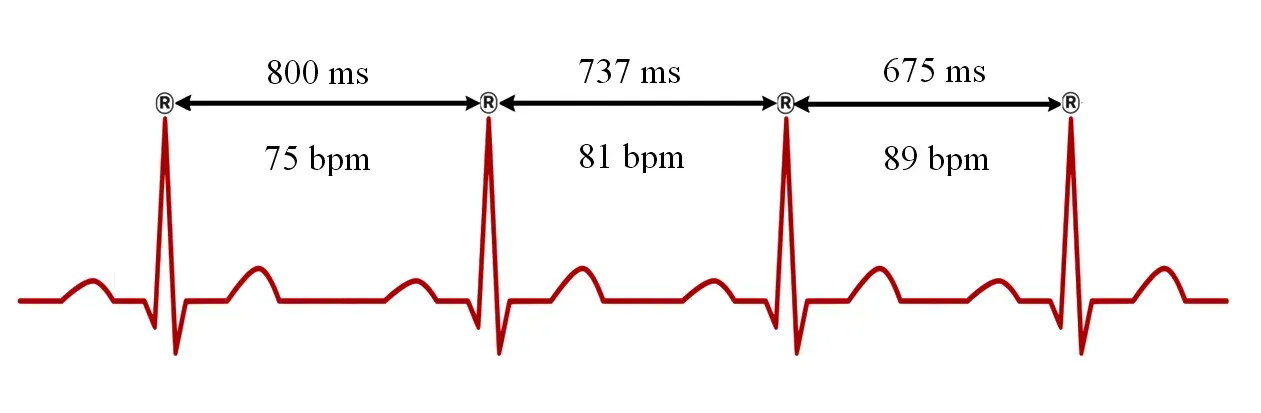
From The Bell Jar comes a line that pulses with raw existence: “I took a deep breath and listened to the old brag of my heart: I am, I am, I am.” Three simple words repeated like a mantra. It’s defiant and desperate all at once. Plath captures what it feels like to cling to life when darkness closes in, to find proof of your existence in the rhythm of your own pulse. The repetition mimics a heartbeat, grounding the reader in the body’s insistence on survival.
T.S. Eliot’s Dancing Stillness


“At the still point, there the dance is” from T.S. Eliot collapses paradox into poetry. How can stillness and movement coexist? Yet they do in this line. It feels mystical, philosophical, like stumbling onto a secret about time and being. Eliot gives us a glimpse of transcendence, a moment where contradictions dissolve and something eternal reveals itself. The brevity amplifies the mystery.
Virginia Woolf’s Soul Revealed

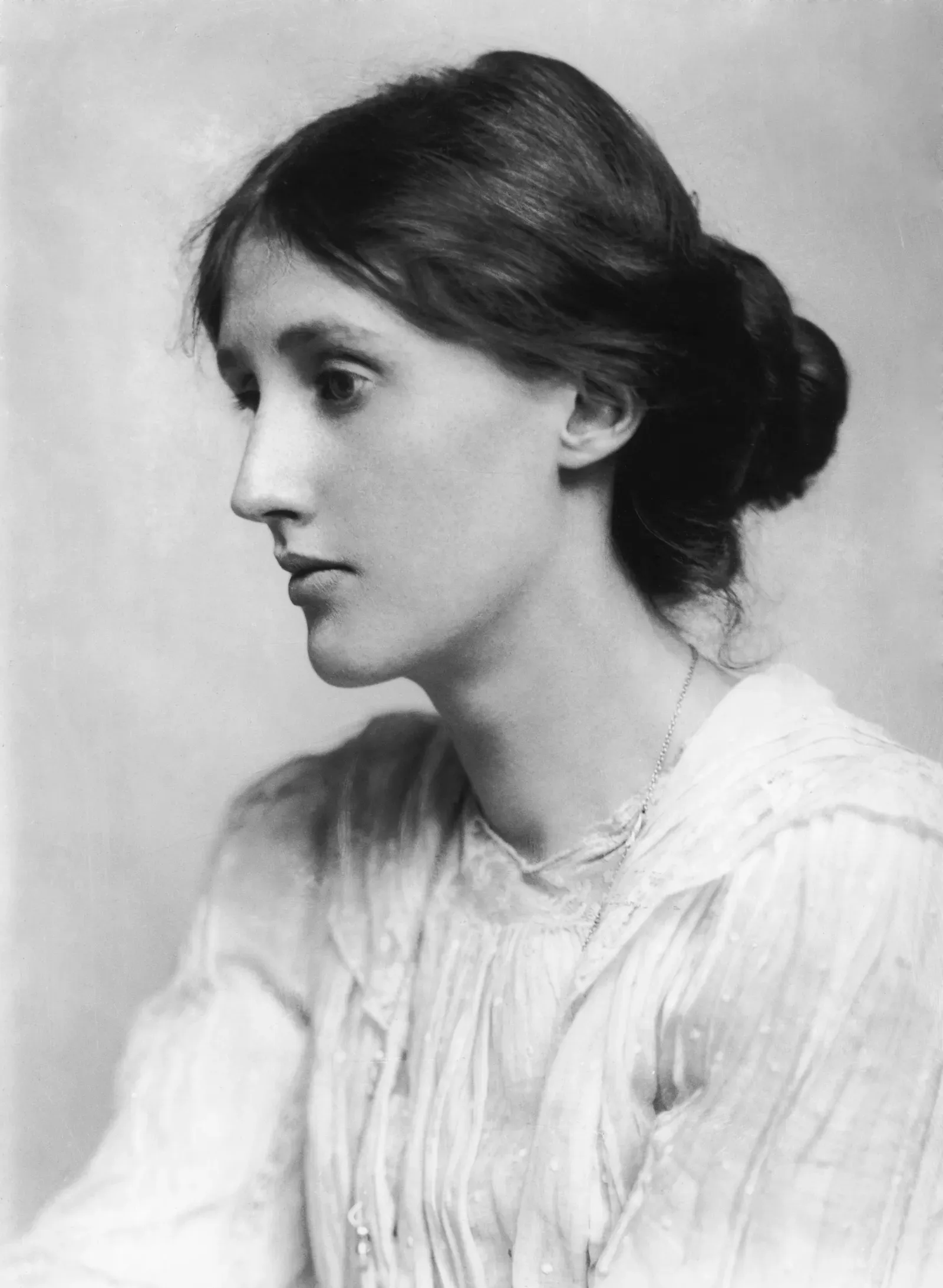
Virginia Woolf’s writing often shimmers with introspection. One passage reflects on illness and consciousness, revealing how vulnerability exposes hidden landscapes within us. Her sentences spiral and expand, mimicking thought itself. Woolf trusted her reader to follow complexity without simplification, crafting prose that feels like witnessing someone’s mind in motion. Her work reminds us that beauty in literature isn’t always tidy or comfortable.
Partner offer
Planning a trip to Vegas?
Compare hotel rates and show tickets on VEGAS.com.