There’s a particular kind of book that doesn’t just occupy shelf space but actually restructures the intellectual landscape around it. These aren’t simply popular or well-reviewed works. They are the ones that forced entire disciplines to rebuild from scratch, that gave scholars a new vocabulary, or that demolished assumptions so thoroughly that the field could never quite reassemble itself the same way again.
The thirteen works collected here span natural science, philosophy, economics, sociology, and political theory. What they share is a stubborn refusal to stay within their original borders. Each escaped its first context and colonized a dozen others, making itself indispensable far beyond where it started.
1. On the Origin of Species by Charles Darwin (1859)


Darwin’s Origin of Species stands as perhaps the most revolutionary scientific work ever published. Released in 1859, it introduced the theory of evolution through natural selection, fundamentally changing how humans understand their place in the natural world. The implications weren’t confined to biology alone. Geology, anthropology, psychology, and even theology had to reckon with what Darwin had put on the table.
Darwin’s meticulous research and compelling arguments challenged religious doctrine and established the foundation for modern biology. More than a century and a half after it appeared, nearly half of adults in the United States still don’t fully accept that evolution happens, which says something striking about just how deeply the book cut against existing belief systems when it first arrived.
2. Philosophiae Naturalis Principia Mathematica by Isaac Newton (1687)


Written while Cambridge was closed because of the plague, Newton’s Principia Mathematica details the principles of gravity, mechanics, calculus, and light and color. This book set the stage for modern studies of both math and physics. For over two centuries, it was essentially the operating system of Western science, a framework so robust that it required Einstein to crack it open.
These works are some of the most influential books because they began or at least represent the beginning of entire movements and schools of thought in the fields of science, math, and geography. Newton’s Principia essentially handed scientists a method, not just a set of findings. It told them how to think about the physical world, and that methodological gift proved to be every bit as consequential as the specific laws he derived.
3. The Wealth of Nations by Adam Smith (1776)


This influential economic work presents a groundbreaking theory that argues for free market economies. The author posits that individuals acting in their own self-interest within a system of natural liberty will result in societal benefit, a concept often referred to as the “invisible hand” theory. The book also critiques mercantilism and explores concepts such as the division of labor, productivity, and free markets.
It is widely considered one of the foundational texts in the field of economics. Smith didn’t just describe commerce as it existed in the 18th century. He constructed a conceptual architecture that would shape trade policy, academic curricula, and political rhetoric for centuries to come. Debates today about taxation, regulation, and the role of markets still flow directly from the arguments Smith first laid out in this volume.
4. The Republic by Plato (circa 375 BC)

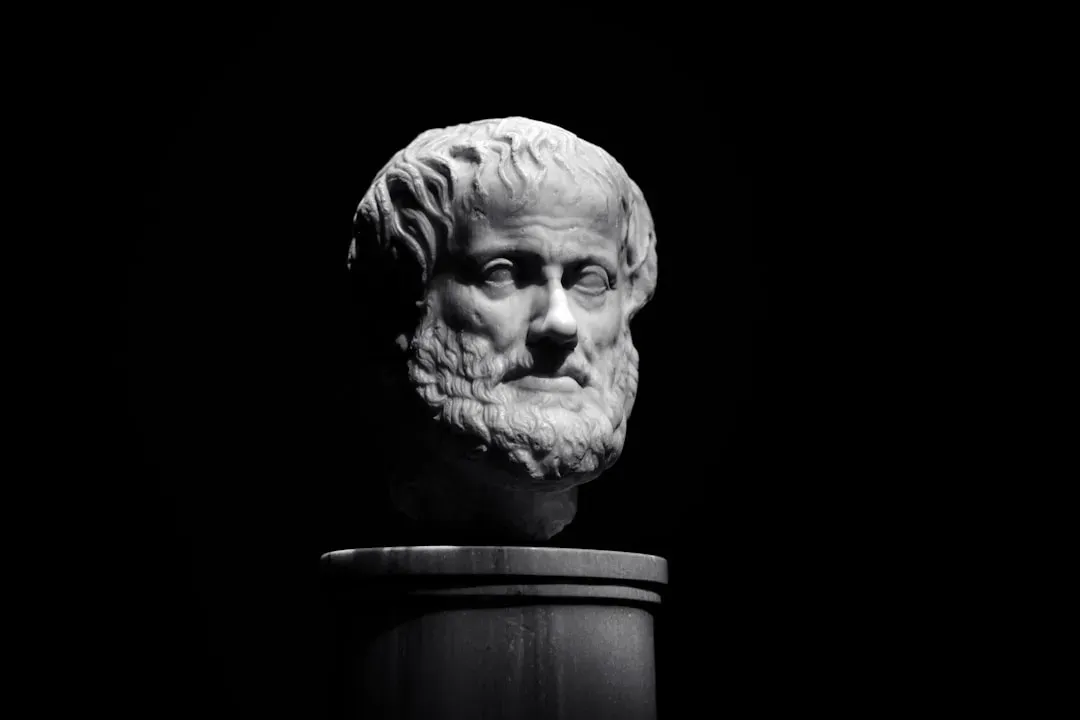
Plato’s philosophical masterpiece laid the foundations for Western political thought and philosophy. Through Socratic dialogues, it explores justice, governance, and the ideal society, concepts that continue to influence political systems today. Philosophy as a formal discipline can, in many ways, be traced back to this single text. Students still read it not as history but as a living argument.
The Republic introduced concepts of philosopher-kings, the theory of Forms, and systematic political philosophy that influenced countless thinkers, from Aristotle to modern democratic theorists. It is not only an important piece of work from one of the most influential philosophers, but it is also very readable. Plato did not write philosophy like a dry textbook, he wrote it like a living conversation. That conversational quality is probably one reason it has survived for nearly 2,400 years.
5. The Communist Manifesto by Karl Marx and Friedrich Engels (1848)

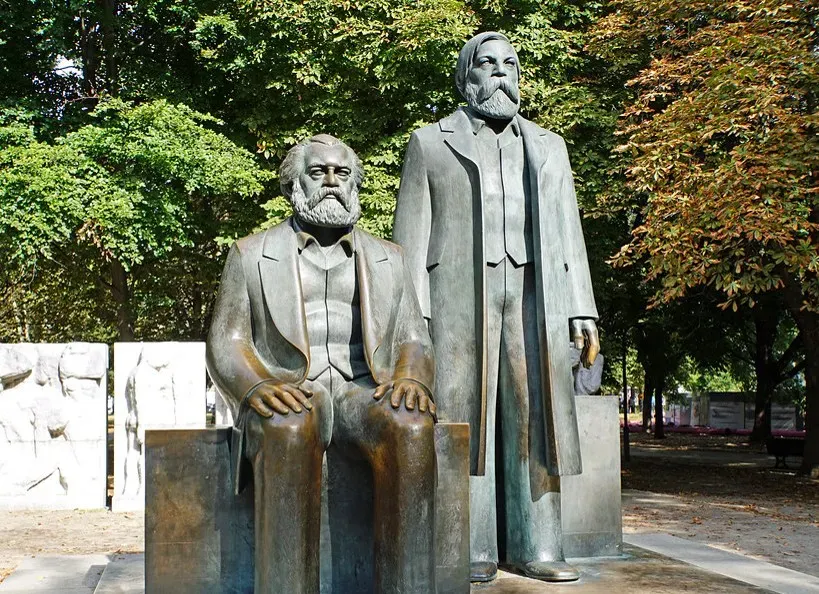
The Communist Manifesto transformed political thought and sparked social movements that continue to influence global politics today. Published in 1848, this slim pamphlet articulated class struggle theory and provided a framework for understanding economic inequality. Few texts have ever traveled so quickly from pamphlet to policy, from philosophy seminar to revolutionary barricade.
Its critique of capitalism and vision for worker solidarity inspired revolutionary movements across the globe and shaped 20th-century politics. The Manifesto influenced the Russian Revolution, the rise of communist states, labor movements worldwide, and continues to inform discussions about economic inequality and social justice. Whether embraced or opposed, it forced every serious political thinker who followed to articulate a position relative to it.
6. The Interpretation of Dreams by Sigmund Freud (1899)

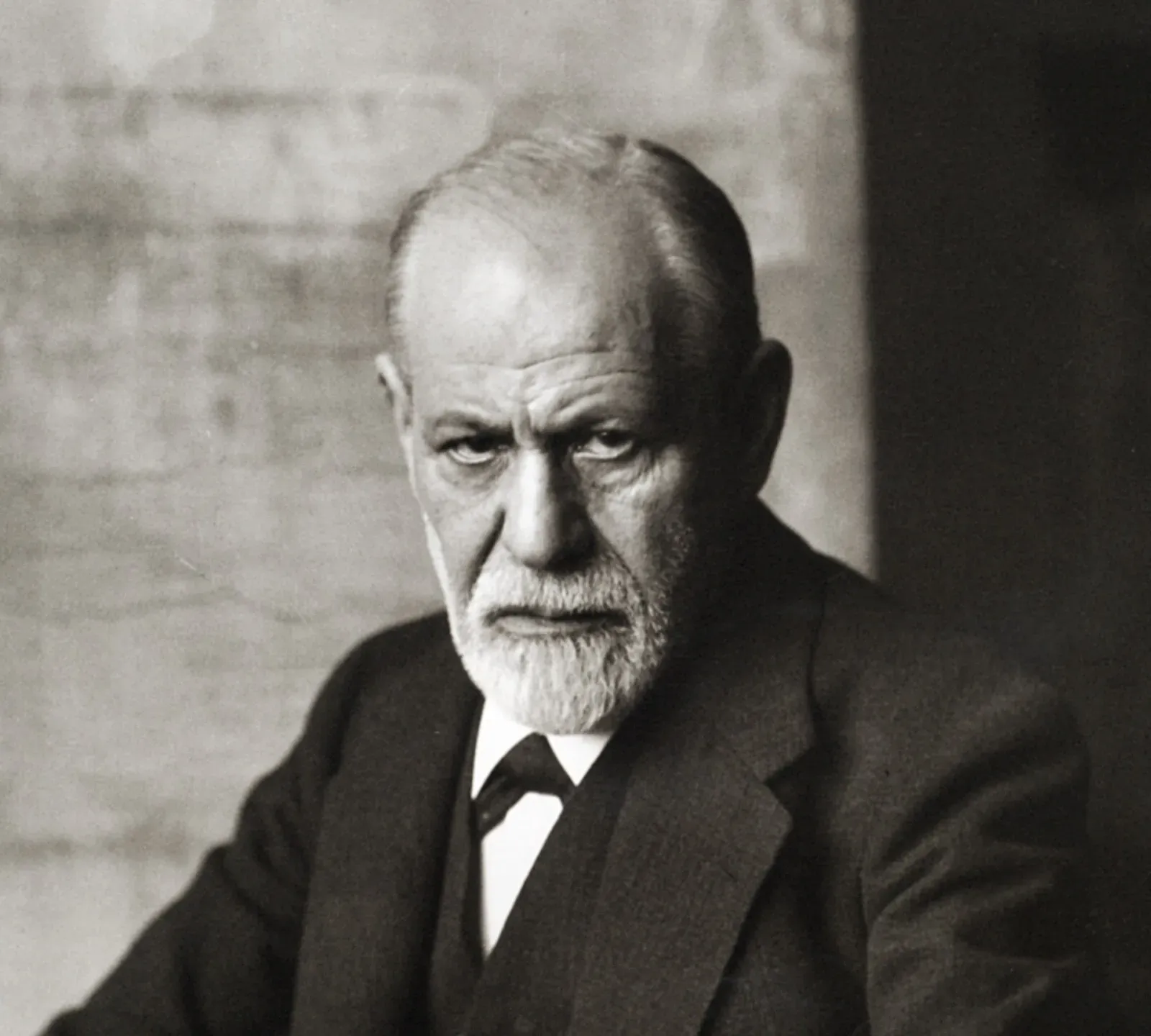
This groundbreaking work explores the theory that dreams are a reflection of the unconscious mind and a means of understanding our deepest desires, anxieties, and fantasies. The book delves into the symbolism of dreams and their connection to repressed thoughts and experiences, proposing that they are a form of wish fulfillment. The author also introduces the concept of “dream work,” which transforms these unconscious thoughts into the content of dreams.
Before Freud, psychology barely existed as a coherent field of academic inquiry. After this book, the unconscious became a central concept not only in clinical psychology but in literary criticism, art history, anthropology, and cultural theory. The Interpretation of Dreams stands on par with Darwin’s On the Origin of Species and Marx’s Das Capital as one of the pivotal texts that altered the shape of Western and Eastern academia.
7. Silent Spring by Rachel Carson (1962)


Silent Spring is an environmental science book by Rachel Carson. Published on September 27, 1962, it documented the environmental harm caused by the indiscriminate use of DDT. Carson accused the chemical industry of spreading disinformation, and public officials of accepting the industry’s marketing claims unquestioningly. The book didn’t just report on a problem. It named a kind of environmental negligence that had no language before Carson gave it one.
Historians are nearly unanimous in the belief that the modern environmental movement, which emphasizes pollution and other damage to the quality of life on earth, began with Silent Spring. The book swayed public opinion and led to a reversal in US pesticide policy, a nationwide ban on DDT for agricultural uses, and an environmental movement that led to the creation of the US Environmental Protection Agency. That is a remarkable policy legacy for a single book by a marine biologist.
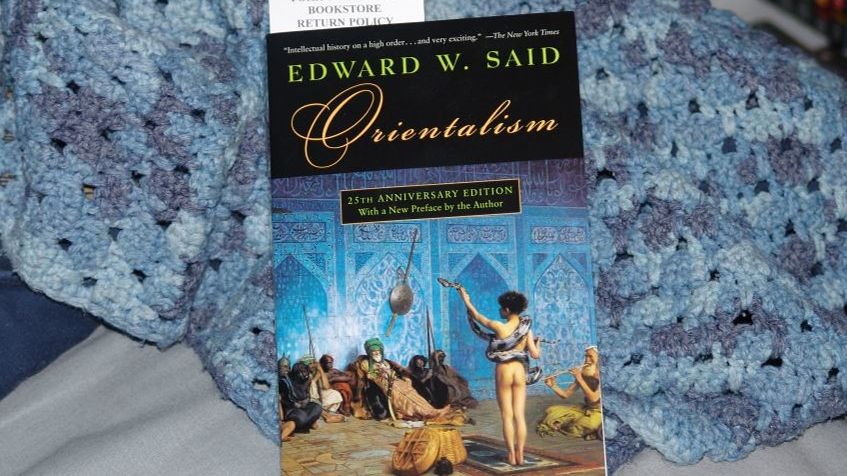
8. Orientalism by Edward Said (1978)

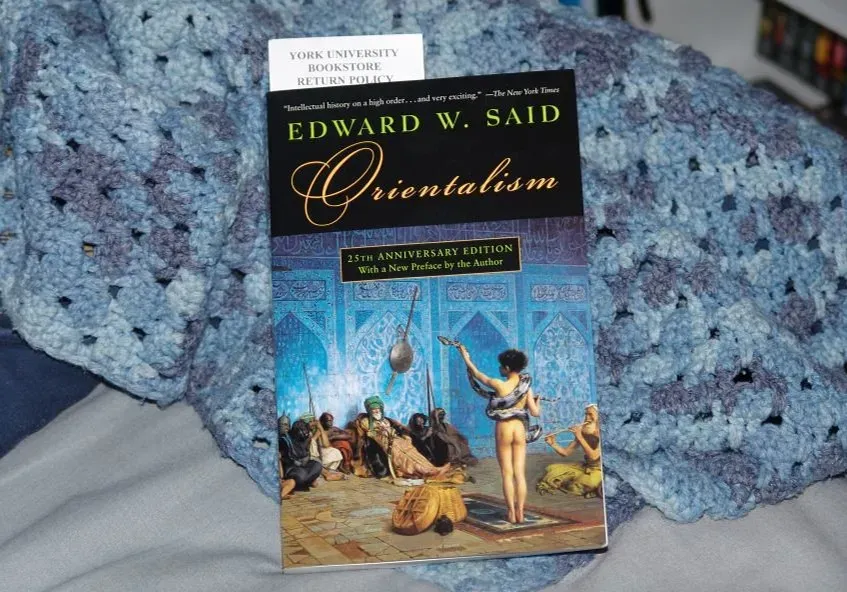
As a work of cultural criticism, Orientalism is a foundational document in the field of postcolonialism, providing a framework and method of analysis to answer the how and the why of the cultural representations of “Orientals,” “The Orient,” and “The Eastern world,” as presented in the mass-media of the Western world. Postcolonial theory studies the power and continued dominance of Western ways of intellectual enquiry, as well as the production of knowledge in the academic, intellectual, and cultural spheres of decolonised countries.
In its status as a founding text of postcolonial studies, its imprint can be discerned across the moral sciences, in race studies, history, cultural theory, and even political economy. Said’s model of textual analysis transformed the academic discourse of researchers in literary theory, literary criticism, and Middle Eastern studies. Disciplines that had never previously examined their own assumptions about the “East” were suddenly compelled to do so.
9. The Second Sex by Simone de Beauvoir (1949)


Simone de Beauvoir’s The Second Sex revolutionized feminist thought and women’s rights movements worldwide. Published in 1949, this comprehensive analysis of women’s oppression provided intellectual foundation for the feminist movement that gained momentum in the United States during the 1960s and 1970s. The book’s examination of gender roles and social construction of femininity remains relevant to ongoing discussions about gender equality and women’s empowerment.
This influential work explores the treatment and perception of women throughout history, arguing that women have been repressed and defined only in relation to men. The author presents a detailed analysis of women’s roles in society, family, work, and in the creation of their own identities. She discusses the concept of “the other” and how this has been used to suppress women, while also examining the biological, psychological, and societal impacts of this oppression. Gender studies as a discipline would look fundamentally different, if it existed at all, without this foundational text.
10. Elements by Euclid (circa 300 BC)


Elements by Euclid remains one of the most influential books in human history because its logical methodology established standards for mathematical proof still used today. Universities continue to teach Euclidean geometry as fundamental coursework, and the book’s influence extends to computer science algorithms and architectural design. This ancient text demonstrates how truly great books transcend their original context to remain perpetually relevant.
For over two millennia, Elements served as the primary mathematics textbook in Western education. More than its geometry, it bequeathed a mode of logical reasoning, starting from axioms and building through proof, that would become the template for rigorous thought across every discipline. Logic, formal philosophy, and theoretical computer science all owe a structural debt to how Euclid chose to organize his work.
11. The Structure of Scientific Revolutions by Thomas Kuhn (1962)


When Thomas Kuhn published this book in 1962, science was generally understood as a process of steady, cumulative progress. Kuhn argued instead that science moves in fits and starts, through periods of stable “normal science” punctuated by sudden upheavals he called paradigm shifts. The very word “paradigm” in its modern intellectual sense comes almost entirely from this book, which is telling in itself.
The most transformative books have formed the basis of the world’s religions, advanced scientific knowledge, altered our understanding of ourselves, and created and reformed social and political traditions. Kuhn’s book did something more specific: it turned the practice of science itself into an object of historical and sociological study. It gave historians, sociologists, and philosophers of science a common vocabulary and launched an entire interdisciplinary field, science and technology studies, that continues to grow today.
12. The Making of the English Working Class by E.P. Thompson (1963)


This book is considered by many to be one of the last century’s outstanding contributions to historiography. It details the social, economic, and intellectual developments over the course of the eighteenth and nineteenth centuries, which ultimately led to the formation of a self-conscious working class in England. Thompson did not simply describe a class. He argued that class is something people actively make through their experiences and struggles, not a static category imposed from above.
One measure of the significance of the book is that it paved the way for innumerable similar studies; another is that academic studies of the book itself have grown into a cottage industry. Social history as a discipline was profoundly shaped by Thompson’s approach. He demonstrated that history could be written from below, recovering the lives and voices of ordinary people, and that methodological shift was enormously generative for historians working in the decades that followed.
13. A Vindication of the Rights of Woman by Mary Wollstonecraft (1792)


At a time when revolutionaries were demanding equal rights for all men, Wollstonecraft demanded those rights be extended to women. The book laid out the tenets of what today we call “equality” or “liberal” feminist theory. Written in just a few months while the French Revolution was still unfolding, it arrived in the middle of a political moment uniquely charged with questions about rights and citizenship, and it pressed those questions further than almost anyone was prepared to go.
Wollstonecraft’s central argument was deceptively simple: women appeared irrational and inferior not because of any innate deficiency but because they were denied education and treated as ornaments rather than rational beings. That argument seeded feminist philosophy for nearly two centuries. It informed later thinkers from John Stuart Mill to Betty Friedan, and its core insistence that women deserve the same intellectual respect as men remains a live point of reference in contemporary gender theory and educational policy.
What makes each of these thirteen books so durable is not just what they claimed but how they changed the questions that came after them. Fields don’t usually get shaped by single texts, yet every one of these works managed to do exactly that. They gave researchers new problems to solve, new methods to argue over, and new assumptions to interrogate. The conversation they each started is still, in one form or another, ongoing.