Working at a movie theater looks easy from the outside. You sell popcorn, scan tickets, and watch films for free, right? The reality is considerably messier. Theater staff handle hundreds of people in a single shift, many of whom treat the auditorium like their personal living room and the staff like furniture.
The frustrations are surprisingly consistent whether you talk to someone working at a multiplex in Manhattan or a family-owned cinema in rural New Hampshire. Certain habits come up again and again. Here are the fourteen that employees say drive them up the wall fastest.
1. Using Your Phone During the Film

Employees are genuinely baffled that this is still a conversation in 2026. Staff regularly patrol auditoriums throughout showings specifically to check for phone use, and warnings are issued repeatedly before anyone gets escorted out. The problem is that most people assume a quick glance at their screen is invisible to everyone around them. It isn’t. That lit rectangle cuts through a dark theater like a flashlight.
According to YouGov survey data, taking phone calls during a movie is the single behavior that the highest share of Americans consider unacceptable, with the vast majority finding it completely out of line. Employees know this too, which is why being ignored when they enforce the rule is especially demoralizing. The phone can genuinely wait ninety minutes.
2. Arriving Late and Demanding Help Finding a Seat
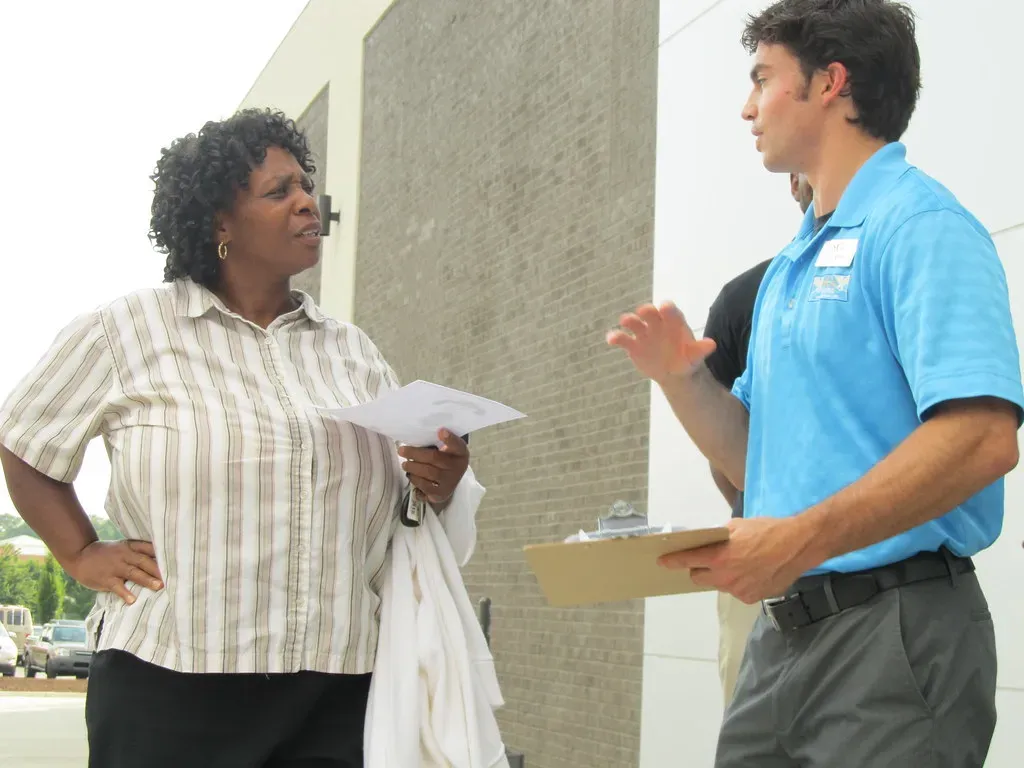
Walking in ten minutes after the film has started and then standing in the aisle while your eyes adjust is one thing. Grabbing the nearest staff member and demanding to be escorted to your reserved seat, disrupting a dozen other viewers in the process, is another thing entirely. Employees at busy multiplexes say this pattern repeats on nearly every evening screening.
Staff have also noted that customers who buy tickets online or at the box office rarely bother reading their stub, which contains most of the information they need including the screen number, seat row, and showtime. A little preparation before leaving home would eliminate the need to interrupt anyone at all, including the people who showed up on time.
3. Leaving Trash Absolutely Everywhere
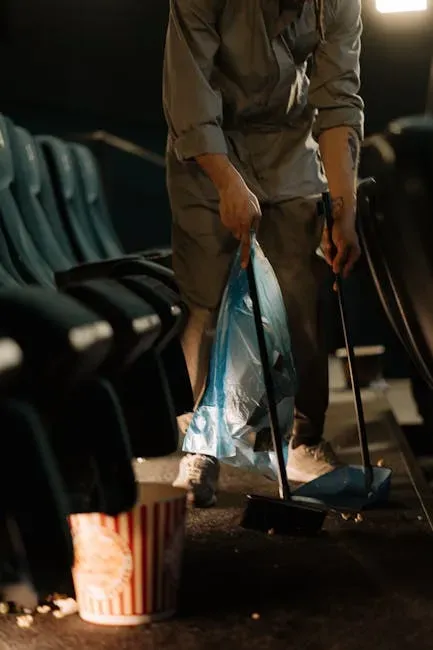
This is the one grievance that comes up in virtually every conversation with cinema staff. People leave the auditorium in a genuinely shocking state, and anyone who’s been in a screen once the lights come back up understands what that looks like. Cups wedged between seats, popcorn deliberately tipped onto the floor, candy wrappers slid under chairs as if they’ll vanish by morning.
Some customers, if they’re not finished with their popcorn, will simply dump it on the floor rather than carry it to a bin on the way out. There are trash cans at every exit. The walk to reach one takes about ten seconds. Staff aren’t asking for perfection, just basic consideration from the people whose mess they’ll be cleaning until midnight.
4. Being Vague at the Concession Stand
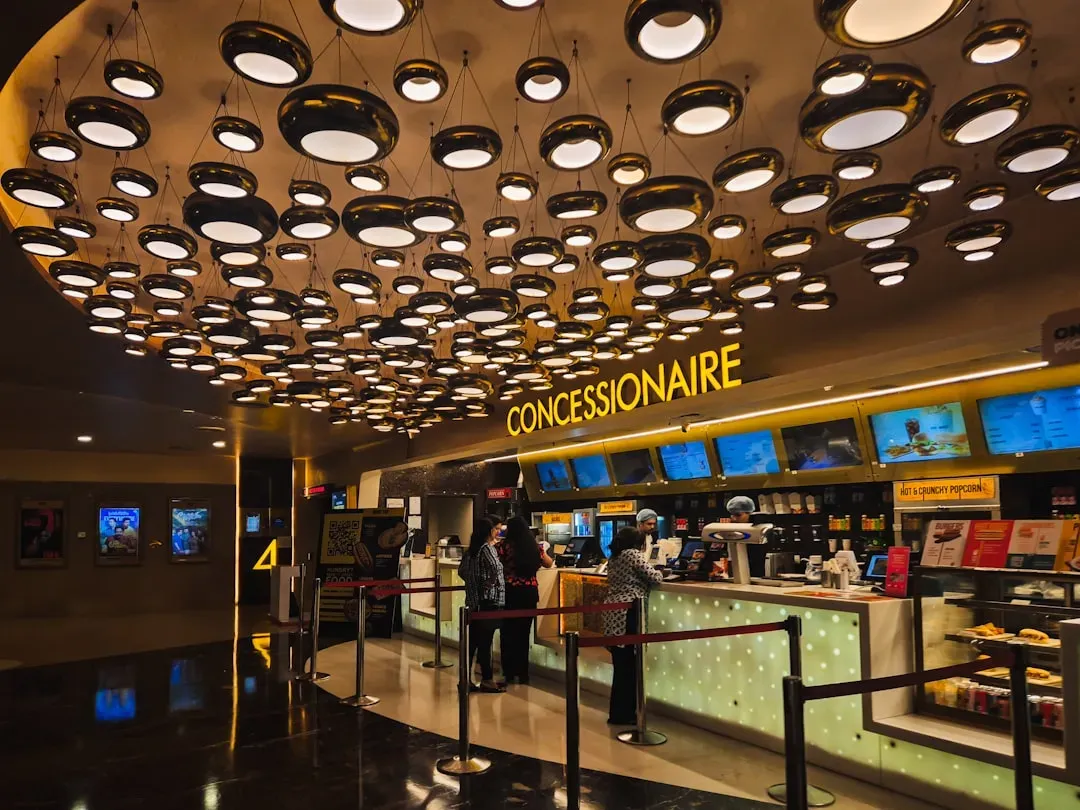
Employees at the concession counter deal constantly with customers who simply say they want “a soda and some popcorn,” which leaves staff with nowhere to go. What size soda? What kind? What size popcorn? Do you want butter? It’s tedious, especially when a long line is building behind you. Taking thirty seconds to glance at the menu board before reaching the counter makes the entire interaction smoother for everyone involved.
Theater staff genuinely wish customers would figure out their concession order before it’s their turn in line. This isn’t an unreasonable ask. The menu hasn’t changed dramatically in years. Large, medium, small, butter or no butter. Decide before you get there.
5. Complaining About Prices to the Staff

Employees have no control over what things cost. Movie theaters typically earn only a small percentage of revenue from ticket sales, somewhere between five and ten percent, because the bulk goes back to the studios. Concession markups exist because that’s how the building stays open. Explaining this at every shift to an angry customer holding a large combo is not what anyone signed up for.
The frustration isn’t that customers find prices steep. Most people do. The frustration is that the complaint gets directed at the teenager behind the register who earns minimum wage and has zero input into pricing decisions. Directing genuine grievances to management or corporate feedback channels is more productive for everyone.
6. Sneaking In Outside Food and Leaving the Evidence Behind

Theaters ask customers not to bring in outside food or drink largely because concessions account for a significant portion of their total revenue, with estimates hovering around forty percent. Most staff will quietly overlook a bag of candy from the drugstore next door. What they can’t easily overlook is what gets left behind when the house lights go up.
Theater managers regularly find Starbucks cups and branded fast-food packaging during cleanup. One projectionist recalled finding cupcakes and a bottle of whiskey under the seats after a screening. Staff are reminded every single shift about the outside food problem when they find contraband stuffed in cup holders and strewn across the floor. Sneaking something in is one thing. Leaving the full evidence spread across four seats is another.
7. Talking Through the Movie
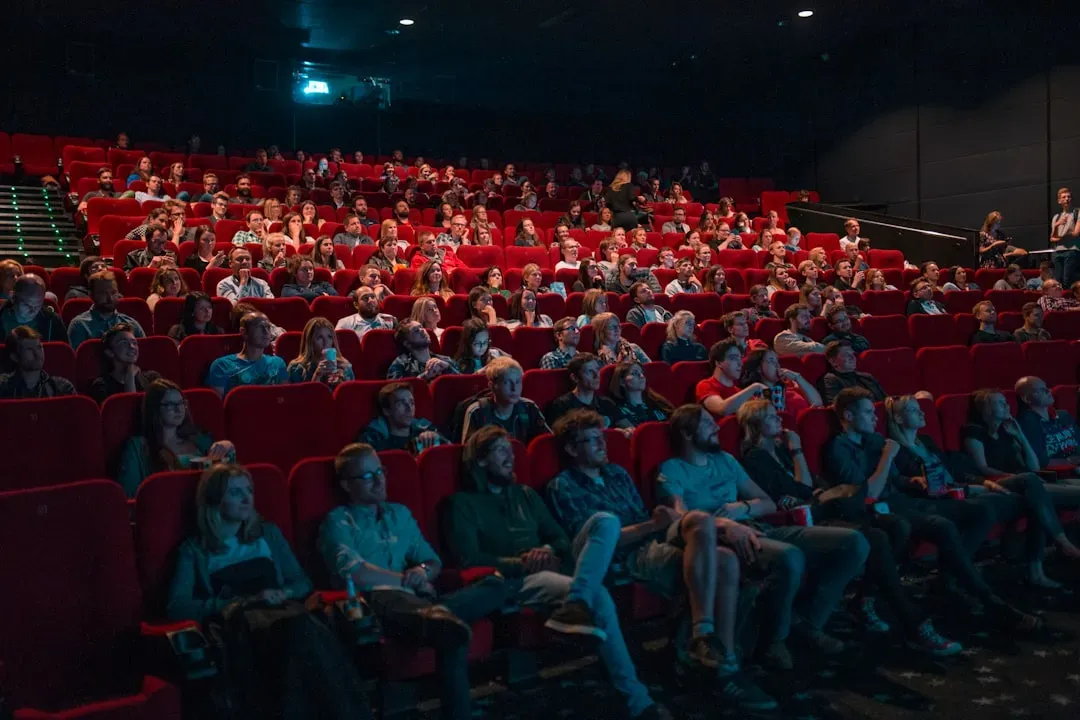
Continuous talking during a film is considered unacceptable by the vast majority of Americans, making it one of the most universally disliked behaviors in a shared cinema space. Staff hear about it from other customers immediately, which means they have to leave their post, walk into the auditorium, find the right row in the dark, and intervene while trying not to disturb everyone else in the process.
Talking, phone use, and loud disturbances from audience members can ruin the film for everyone nearby, and in some cases cinema management may fail to intervene quickly enough. That delay isn’t always indifference. Staff are often managing multiple screens simultaneously and genuinely can’t be everywhere at once. When they do show up, being shouted at for doing so makes an already uncomfortable job much worse.
8. Getting Movie Titles Completely Wrong
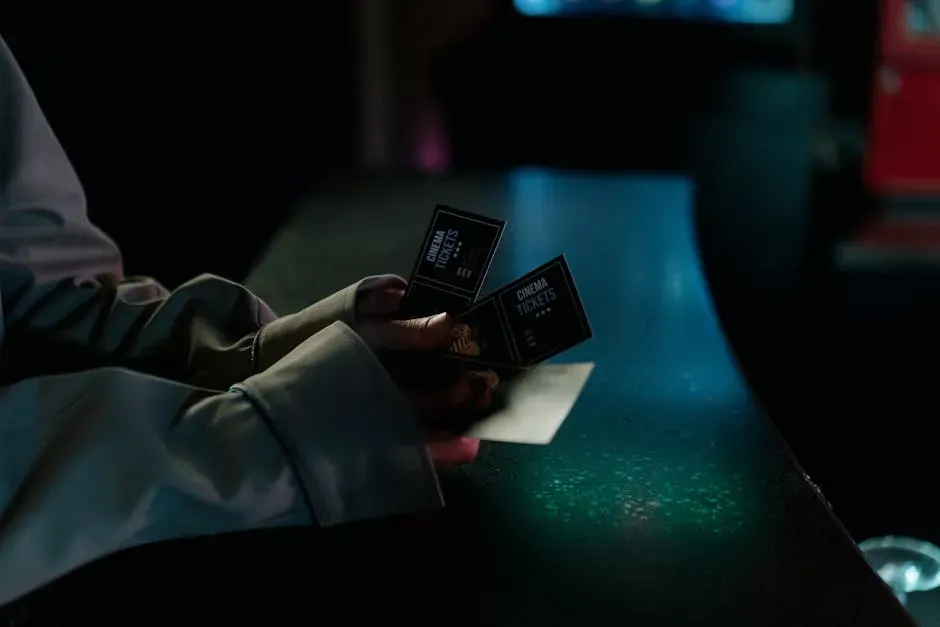
When customers add random words to a title or mangle it entirely, it creates real confusion at the ticket window. Staff at one theater described customers asking for “brains and beauty” and “bloody beautiful” when they meant a film currently showing under a completely different name. Misheard titles happen, and nobody holds that against anyone. The issue is when customers insist they have the name right while the employee tries to politely figure out what’s actually playing.
A quick check on your phone before heading to the box office solves this entirely. Knowing the correct title, the approximate runtime, and whether it’s a matinee or evening screening takes less than a minute and makes the transaction faster for everyone in the queue behind you.
9. Ignoring “Please Wait” Signs

Ignoring “please wait” signs is one of the most frequently mentioned pet peeves among theater staff. These signs exist for real reasons: an auditorium is being cleaned after a previous showing, a technical issue is being handled, or the previous film’s credits are still rolling. Walking straight past them communicates clearly that a customer considers their time more valuable than anyone else’s.
Ushers who have to redirect people already halfway down an aisle waste time that could be spent getting the screen ready faster. The irony is that respecting the sign almost always means a shorter wait than ignoring it does. Staff aren’t placing signs for decoration.
10. Letting Kids Run Wild

Unattended children weaving between rows, crawling under seats, and shouting across the auditorium is a pattern that generates more staff complaints than many adults realize. Seeing people bring babies or very young children to movies clearly not intended for their age group is a source of genuine upset for a large share of moviegoers and staff alike. The employees are the ones who have to walk in and address it while trying not to start an argument with a parent who is convinced their child is being perfectly quiet.
Staff across different theater types mention this habit in similar terms. It’s less about children being present and more about supervision. A busy Saturday afternoon screening can turn chaotic quickly when several groups of young children are left to roam freely while parents focus on their own screens.
11. Putting Feet on the Seats in Front
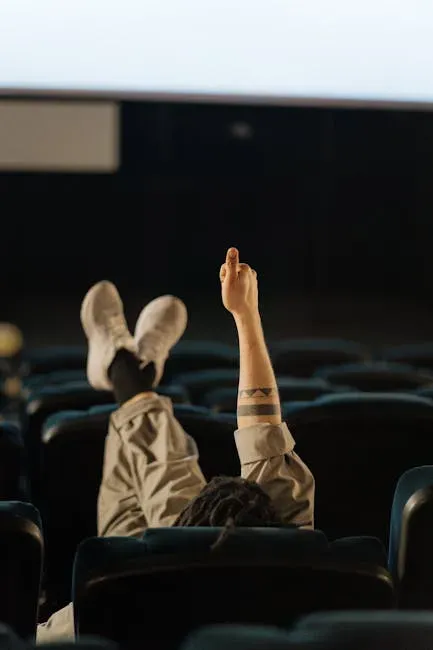
Putting feet up on the seats in front is considered unacceptable by nearly four out of every five Americans surveyed, making it one of the clearest shared standards of cinema behavior. It leaves scuff marks on the upholstery, creates a genuinely uncomfortable experience for whoever sits in that seat at the next screening, and often annoys the person currently sitting in it.
Staff who spot it during mid-movie checks have to decide whether intervening will cause more disruption than the behavior itself. Either way, they’re dealing with a consequence of something that didn’t need to happen. Premium theaters with recliner seats have made this slightly better, but standard auditoriums still see it constantly.
12. Arguing About Age Discounts Without Mentioning Them First
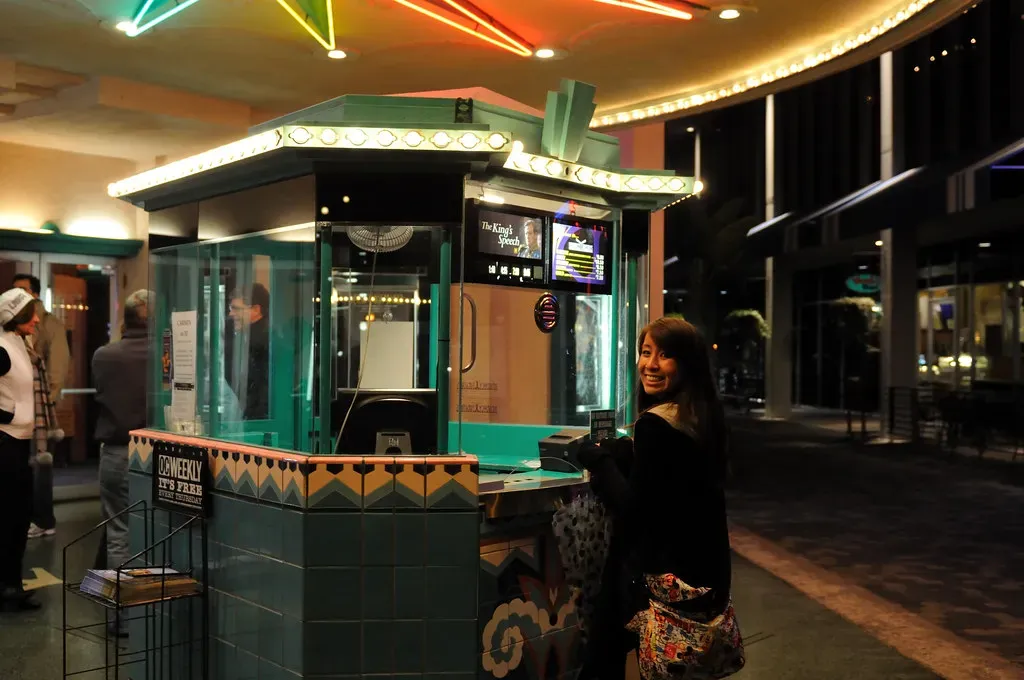
Handling discount pricing for children or seniors is one of the most genuinely awkward situations at the ticket window. Staff don’t want to assume someone’s age and cause offense, yet they also don’t want to charge full price to someone who qualifies for a discount and will be furious about it later. The difference in price might only be a matter of cents, but the interaction can turn tense very quickly.
The simple fix is to mention the discount when you first approach the counter, not after you’ve seen the total. Theater staff aren’t there to guess what category a customer falls into. Asking upfront takes two seconds and avoids an awkward back-and-forth that holds up the entire queue.
13. Kicking or Banging the Seat in Front
Rhythmic kicking, tapping, or pushing against the back of a seat is one of those behaviors that the person doing it often doesn’t notice at all, while the person in front is acutely aware of every single impact. Staff get flagged about it regularly and face the unenviable task of telling someone to stop doing something they may genuinely be doing unconsciously.
The situation is compounded when the offender is a child and the employee has to navigate a conversation with the parent. Even when theater chains ask attendees to behave appropriately, very few theaters are staffed well enough to monitor and enforce standards in multiple auditoriums simultaneously. Seat-kicking complaints can linger unaddressed for long stretches simply because there isn’t enough staff to respond to every report quickly.
14. Being Rude When Asked to Comply
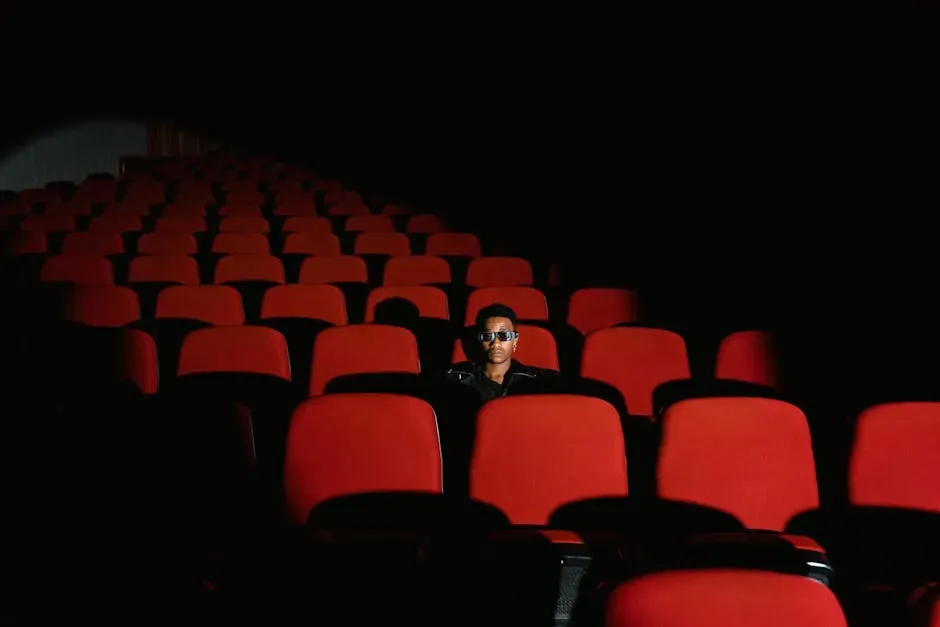
Incidents of staff being verbally abused or even physically confronted while doing their job are more common than most moviegoers would assume. It’s especially difficult when it happens during an attempt to address a disruption inside a screening. An usher asking someone to put their phone away or lower their voice is following policy. Responding with aggression makes a low-paying, high-contact job significantly harder.
Some chains have taken to recruiting well-known names to deliver their pre-show conduct reminders, on the theory that audiences might respond better to a recognizable face than to a staff member they’ve never met. The fact that this approach is even necessary says something. Most staff genuinely enjoy their work and the people they serve. The overwhelming majority of moviegoers are no trouble at all. A little basic courtesy toward the people managing the experience goes a long way.
Most of these habits have one thing in common: they’re easy to avoid. A theater is a shared space, and the staff running it don’t set the prices, choose the films, or control the sound system. They’re just trying to make sure everyone gets to enjoy the same two hours without incident. Treating them accordingly costs nothing.