Most cover songs aim to honor the source material. The artist learns the chords, finds their own vocal take, maybe adjusts the tempo, and delivers something that feels fresh while keeping the spirit intact. Then there’s a smaller, stranger category of covers that do something far more radical – they take a song and turn its meaning completely inside out, sometimes without changing a single lyric.
The results are often more revealing than the originals. They expose how much of a song’s meaning lives not in the words, but in the voice, the arrangement, and the life experience behind them. These eight covers are the most striking examples of exactly that.
1. “Hurt” – Johnny Cash (Originally by Nine Inch Nails)
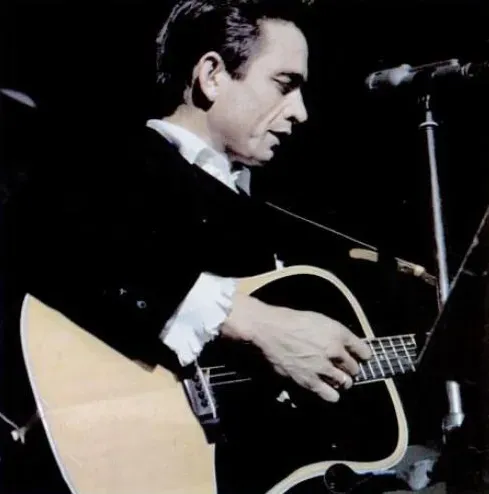
Nine Inch Nails, led by Trent Reznor, originally released “Hurt” in 1994 on their album “The Downward Spiral.” The song delved into themes of addiction, self-destruction, and regret – a raw, industrial howl from a young man in crisis. Cash’s 2002 rendition strips away the industrial aggression of the original, replacing it with a raw, acoustic vulnerability.
While the original was about youth addiction, Johnny Cash’s version is widely interpreted as a reflection on his own mortality, the futility of fame, and his regrets in life. Reznor praised Cash’s interpretation for its “sincerity and meaning,” going so far as to say “that song isn’t mine anymore.” Cash also changed a lyrical line, replacing “Crown of Shit” with “Crown of Thorns,” giving the song a more religious slant. The meaning didn’t just shift – it aged by decades in a single listen.
2. “Respect” – Aretha Franklin (Originally by Otis Redding)
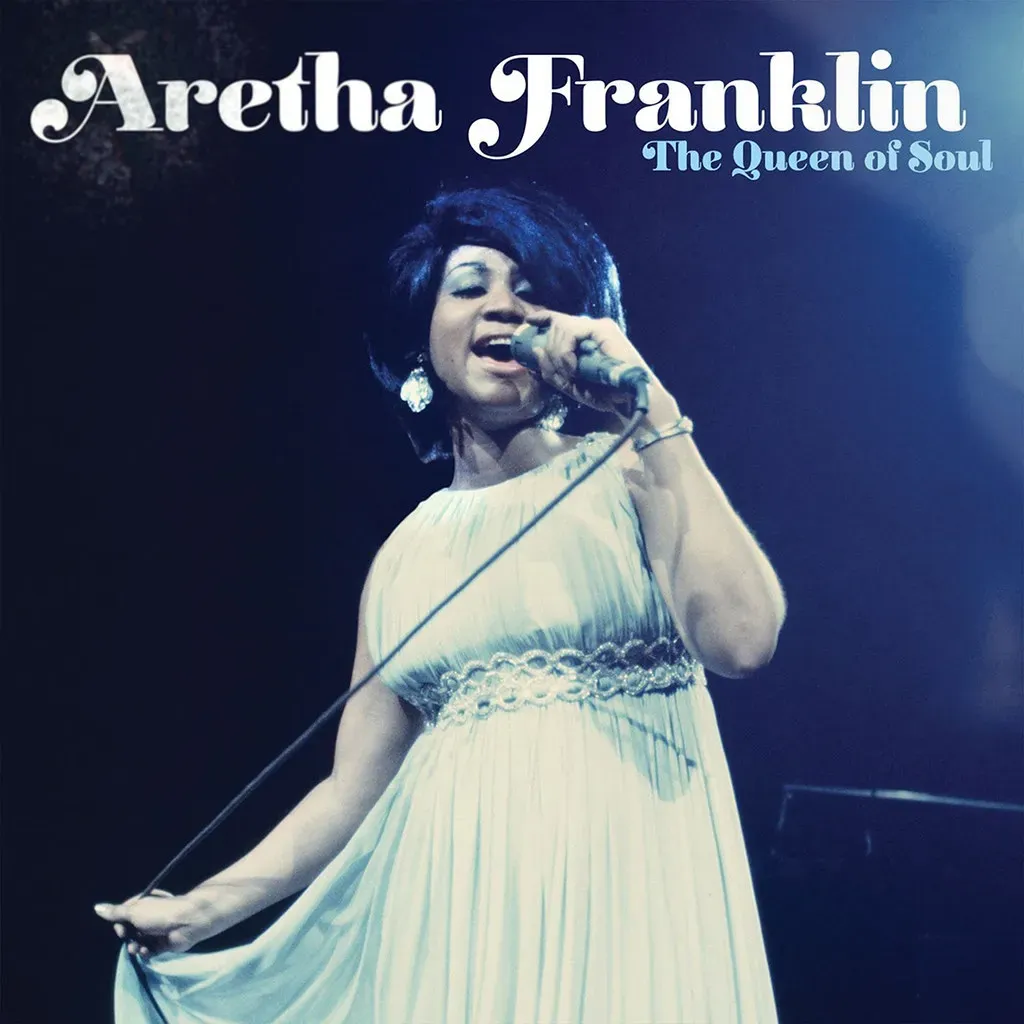
Aretha Franklin’s “Respect” was originally recorded by Otis Redding as a plea from a man to a woman. Franklin reversed the power dynamic and turned it into an assertion. Redding’s version is a man asking, almost begging, for acknowledgment from his partner. Franklin’s version is a woman demanding it from a world that would rather keep her quiet.
The key difference isn’t only about how Franklin switches up the genders, but also how her lyrical changes reflect fidelity while her lover is away, as opposed to Redding’s resignation to potentially being taken advantage of while he’s not at home. That inversion wasn’t just reinterpretation – it was recontextualization that resonated with a generation. The song became the anthem Redding’s version never could have been.
3. “All Along the Watchtower” – Jimi Hendrix (Originally by Bob Dylan)
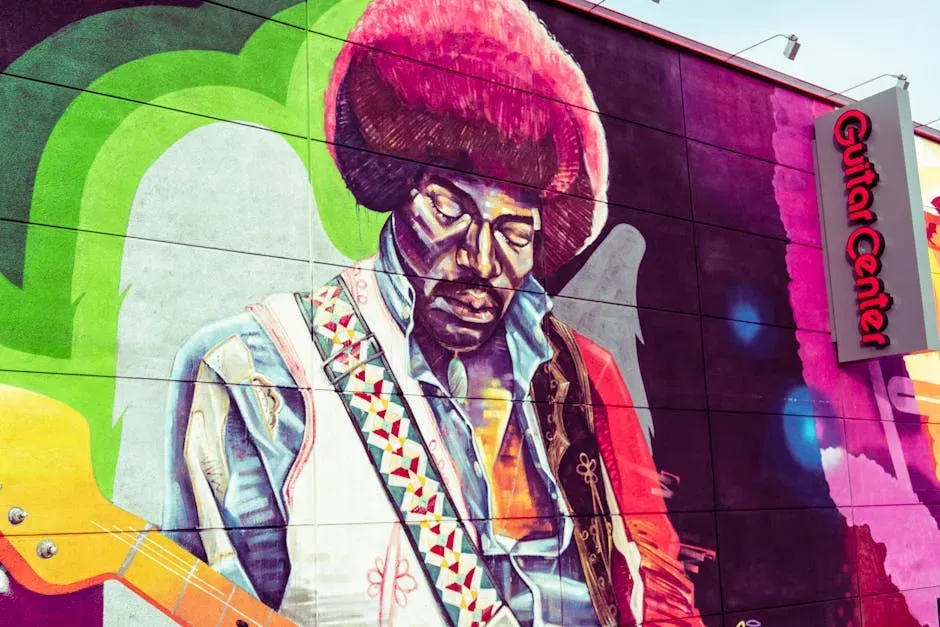
Dylan wrote and recorded “All Along the Watchtower” in 1967, releasing it on his album John Wesley Harding. Within months, Hendrix had transformed it into something so different in texture, energy, and emotional weight that the song’s entire identity shifted. What began as a sparse, acoustic folk track became one of the defining electric guitar performances of the twentieth century.
Hendrix’s version is so dominant in the public imagination that many listeners, particularly younger ones, discover the Dylan original as the cover, not the other way around. That’s a strange and fascinating inversion. Dylan himself acknowledged taking license with the song from Hendrix’s version and said that whenever he sings it, he always feels like it’s a tribute to him in some kind of way. Dylan’s quiet folk parable became Hendrix’s urgent, apocalyptic wall of sound.
4. “My Way” – Sid Vicious (Originally by Frank Sinatra)
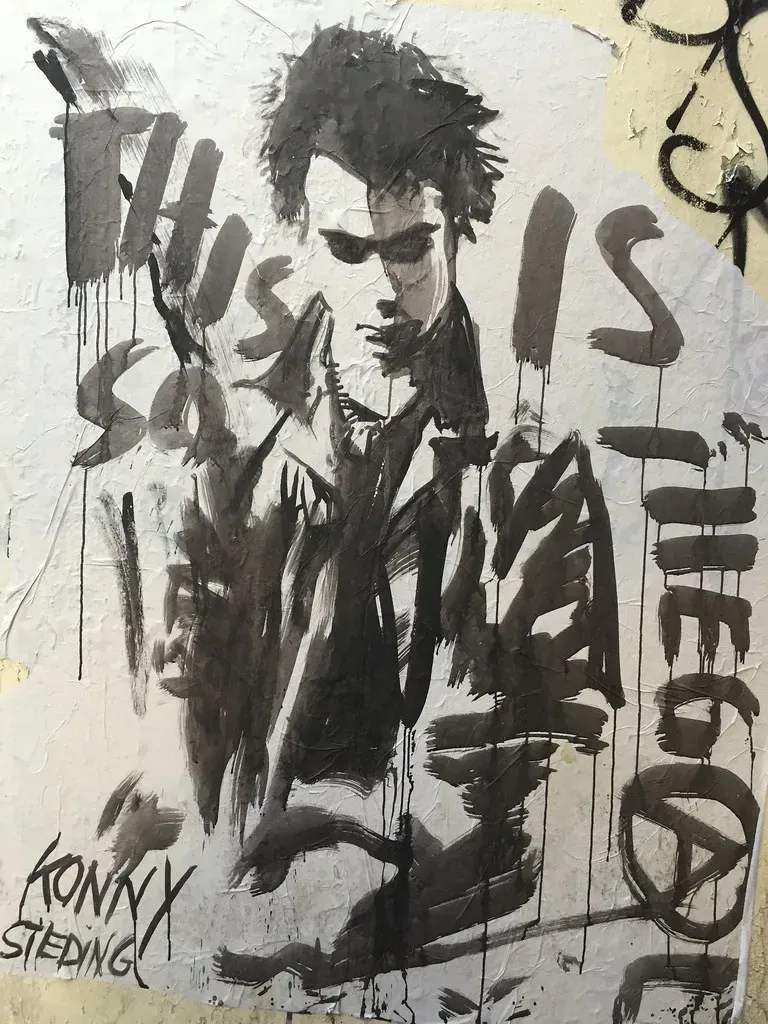
After Frank Sinatra debuted “My Way” as a glitzy ballad of individualism, Sid Vicious of the Sex Pistols did it very much his own way for a solo single. The fast-paced punk rock rearrangement is enhanced by vulgar lyric changes and deliberately belligerent vocals. Sinatra’s version is triumphant and self-congratulatory – a man looking back at his choices with pride. Vicious turns it into something that sounds like a dare.
The “Sid Sings” album was released after Vicious’ death in 1979, which perhaps explains why his “My Way” briefly did some numbers on the pop charts. Today, Sid Vicious’ “My Way” is seen as something of a coda for the man’s life and career – an example of a troubled life burning out before it can ever really begin. What Sinatra sang as a victory lap, Vicious turned into something closer to a self-destructive exit.
Partner offer
5. “Hound Dog” – Elvis Presley (Originally by Big Mama Thornton)
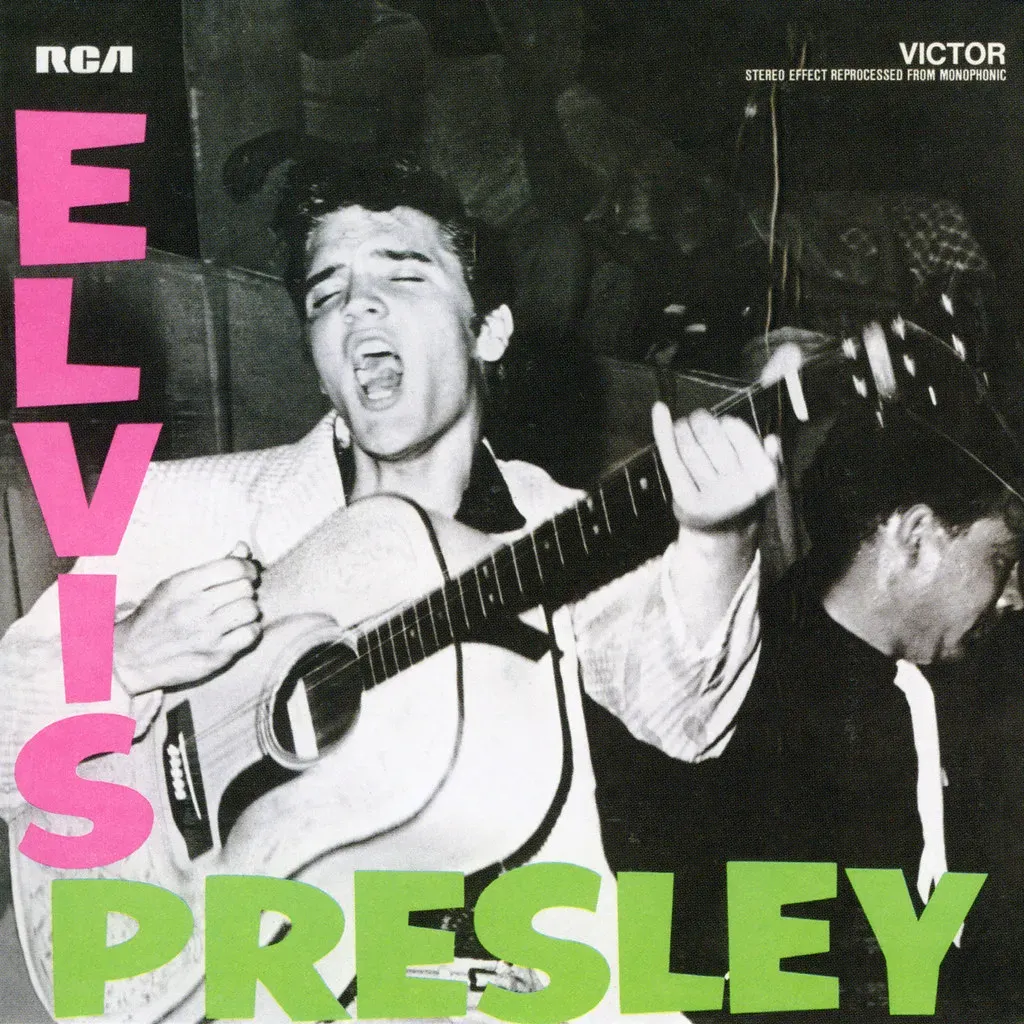
Big Mama Thornton debuted “Hound Dog” as a raunchy blues tune about a good-for-nothing man with sleazy intentions. The tawdry lyrics weren’t exactly suited to radio at the time, but Teen Records dug the vibe and commissioned the Las Vegas comedy act Freddie Bell and the Bellboys to clean up the lyrics for a rock and roll piece. By the end, they were scolding an actual dog.
Elvis’s version split the difference by alluding to a braggart. That take may have been too honest about teen culture for parents’ comfort, but it was still considerably cleaner than Thornton’s original. Thornton’s song was a defiant, explicit put-down of a manipulative man. By the time Elvis was done with it, it had been scrubbed into a novelty bounce. The gender dynamic, the blues edge, and the original fury were all gone.
6. “Gloria” – Patti Smith (Originally by Them, featuring Van Morrison)

Patti Smith’s cover of Van Morrison’s “Gloria” contains just barely enough elements of the original to qualify as a cover, as she nearly triples its length, and conflates the song with the hymn of the same name and her personal disillusionment with organized religion, to the point that the song’s refrain becomes “Jesus died for somebody’s sins, but not mine.” Van Morrison’s original is a straightforward rock song about desire and infatuation – a teenage boy watching a girl walk up the stairs.
Smith kept the chord structure and the name, then rebuilt everything else from scratch. Her version opens with a spoken-word declaration of spiritual autonomy that reframes the entire song as a philosophical statement rather than a lustful rock boast. Either way, the meaning and the tone of the song are completely different in the cover version. Rarely has a single performance transformed an ode to physical attraction into a rejection of institutional faith.
7. “Billie Jean” – Chris Cornell (Originally by Michael Jackson)
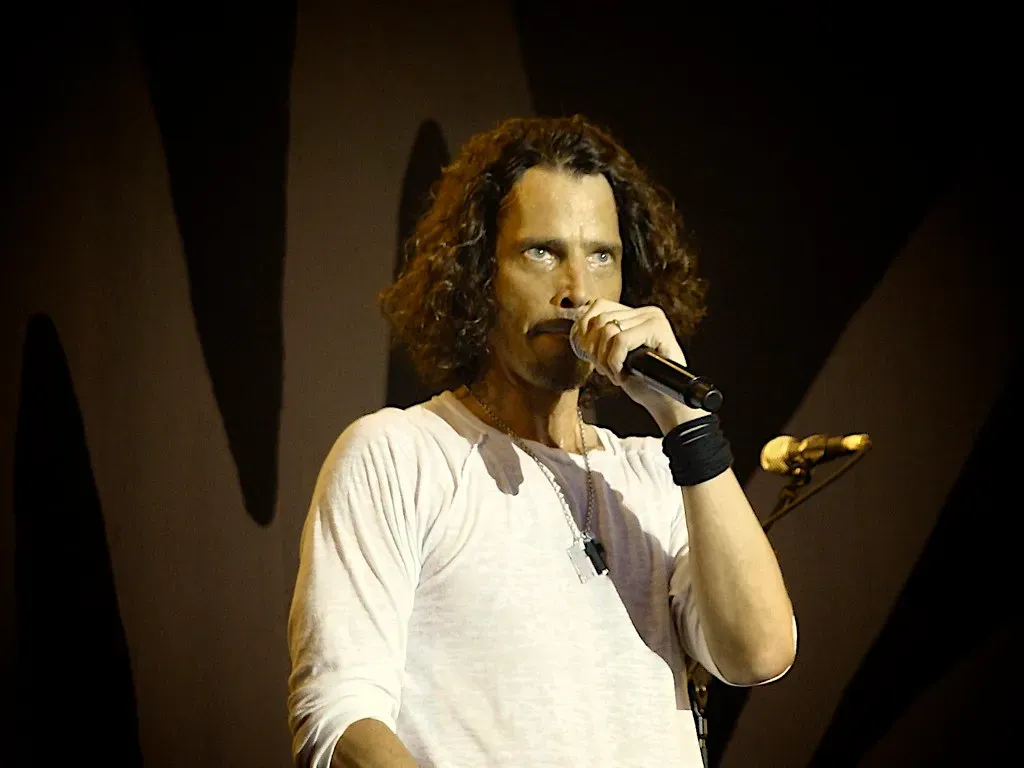
The idea of an iconic grunge singer covering a Michael Jackson dance-pop classic sounds a bit novel. But Chris Cornell’s “Billie Jean” enriches the drama in trying to convince the public that a scandalous allegation is false. The haunting rock epic sounds more like a man trying to convince himself. Cornell replaces Jackson’s distress with an evolving desperation, as if he’s gradually coming to terms with the possibility that the kid is in fact his son.
There doesn’t need to be a change of words to shift “Billie Jean’s” pressure from pop star scrutiny to a consequential hard rock lifestyle. A simple change of vocal phrasing can completely reframe a character study. Jackson’s original sounds defensive but composed – a man asserting his innocence with slick confidence. Cornell’s acoustic reworking strips that confidence bare. What was once a pop denial becomes something that sounds haunted, fractured, and almost confessional.
8. “Girls Just Want to Have Fun” – Greg Laswell (Originally by Cyndi Lauper)

Cyndi Lauper’s 1983 version is an anthem of carefree female liberation – bright, playful, and deliberately over the top. When singer-songwriter Greg Laswell recorded a stripped-back version, he kept every word and removed almost all the joy. The same lyrics about wanting freedom and fun, delivered by a male voice over a melancholy piano, suddenly sound like grief. If the original was a happy song, it may be redone sarcastically or sadly. If the song was about freedom, it could be changed to feel like longing. Either way, the meaning or the tone of the song is completely different in the cover version.
Laswell recorded his version as a tribute to his mother after she experienced a health crisis, which adds a layer of emotional context that makes the reinterpretation land even harder. The very phrase “girls just want to have fun” transforms from a rally cry into something that sounds like a eulogy for someone’s better days. It’s a reminder that songs don’t belong to their melodies – they belong to whoever is singing them and why.
What all eight of these covers share is something quietly radical: none of them needed to change much on the page. No new verse, no dramatic rewrite required. The shift in meaning came from who was singing, how they sang it, and what weight they brought to the room. That’s what makes them worth returning to – the same words, a completely different truth.
Partner offer
Planning a trip to Vegas?
Compare hotel rates and show tickets on VEGAS.com.