Most people think of a hit record as a guitar, a bass, some drums, maybe a keyboard. That picture is tidy, familiar, and very often wrong. Across the history of recorded music, some of the most recognizable songs owe their signature sound to instruments so strange or unexpected that even the engineers in the room weren’t quite sure what they were hearing.
Some of these choices were deliberate strokes of genius. Others were pure impulse or accident. Either way, they stuck. Here are fourteen instruments that had absolutely no business being on a hit record – and yet somehow made those records unforgettable.
1. The Stylophone – David Bowie, “Space Oddity” (1969)
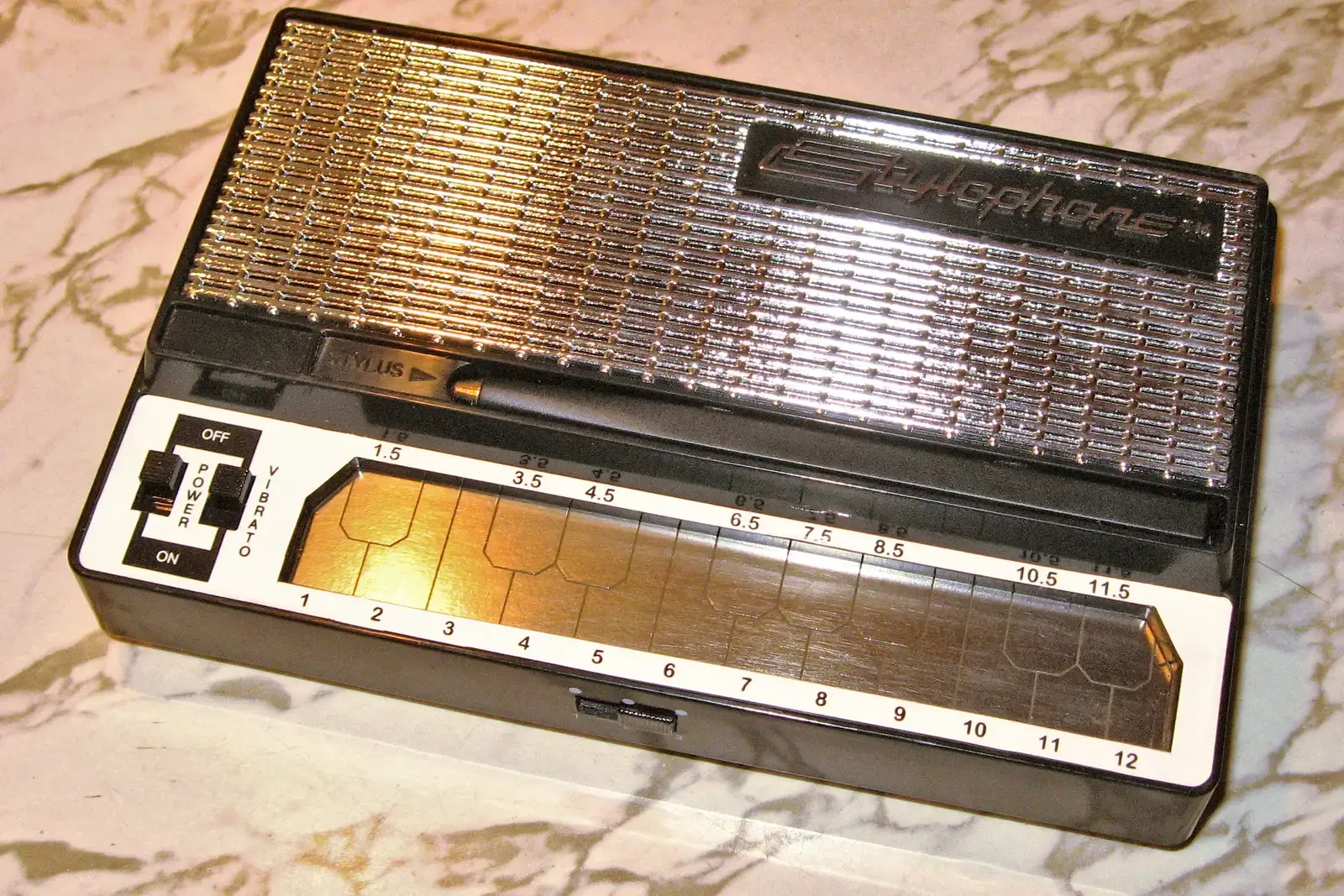
Invented in 1967, the Stylophone is a tiny keyboard that you play with a stylus. It was primarily sold as a children’s toy. Nobody would have predicted it ending up at the center of one of rock’s most iconic moments. The most famous early adopter was David Bowie, who featured the instrument on his breakthrough hit “Space Oddity” in 1969.
Bowie later said he added the Stylophone at Marc Bolan’s suggestion: “He said, you like this kind of stuff, do something with it. And I put it on ‘Space Oddity’, so it served me well.” “Space Oddity” helped establish the Stylophone in the popular consciousness, fusing its sound with associations of science fiction and space exploration, lonely melancholia, and kitschy naivete.
2. The Mellotron – The Beatles, “Strawberry Fields Forever” (1967)
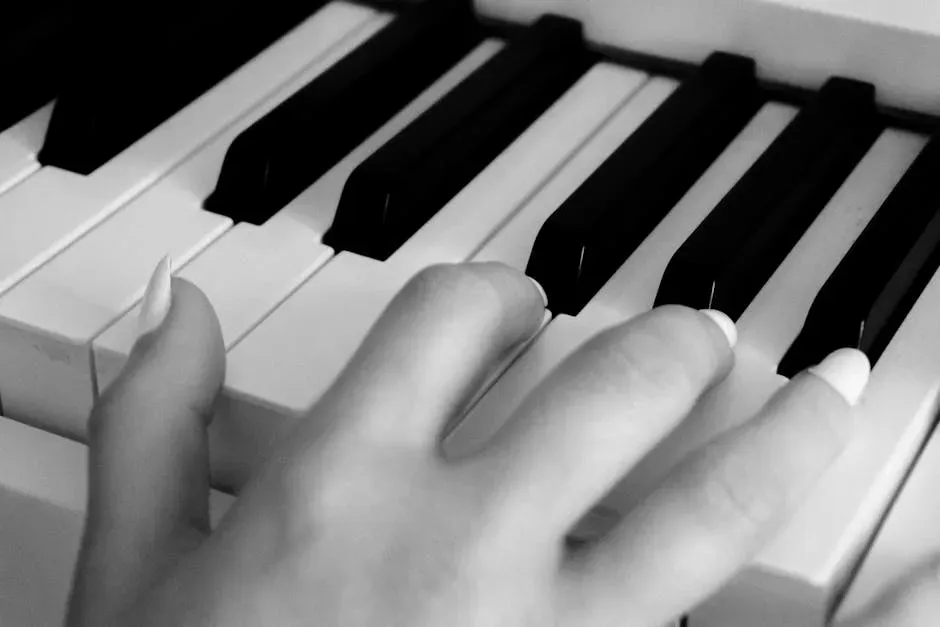
The Mellotron, an electronic keyboard of recorded samples, heralded the digital age, and its use in “Strawberry Fields Forever” changed pop music history. In essence, the Mellotron was a primitive sampler, born as a blatant rip-off of the Chamberlin, an instrument introduced in the late 1940s in California by its inventor Harry Chamberlin.
As the rest of the world turned to burgeoning digital technology in all other facets of life, the clunky, temperamental Mellotron soon became dated. It popped up every now and then on singles, but the last Mellotrons rolled off the factory floor in 1986. Still, that dreamy flute sound opening “Strawberry Fields” remains one of the most distinctive six seconds in pop history.
3. The Theremin – The Beach Boys, “Good Vibrations” (1966)
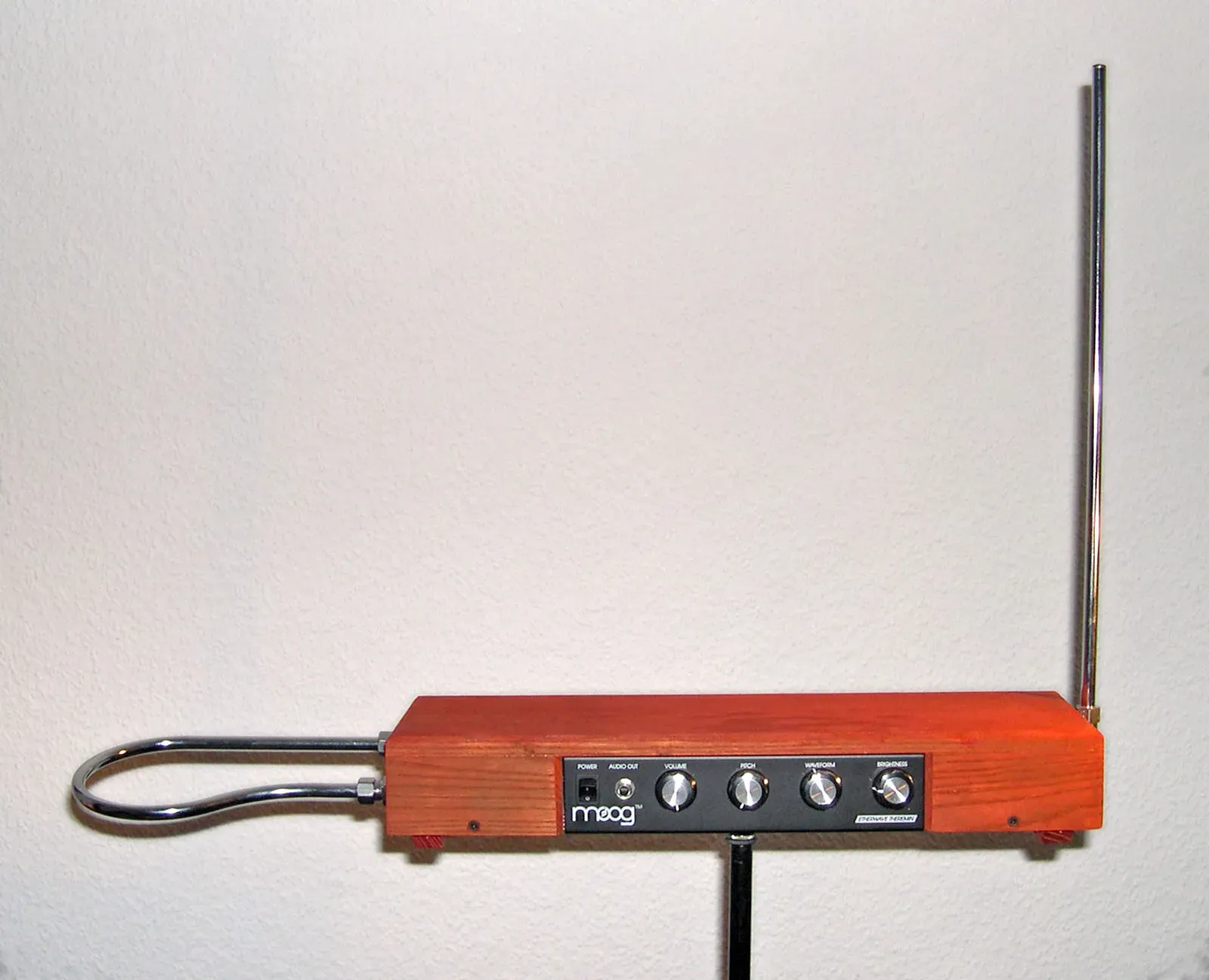
The theremin is an electronic instrument that can be controlled without even touching the actual device. It allows the user to play around with audio signals generated by the instrument, and it produces sci-fi-esque sounds that can be surprisingly easy to integrate into various genres of music. Brian Wilson wanted something otherworldly for his 1966 masterpiece, and he found it in the electro-theremin. This eerie-sounding device creates music without any physical contact, controlled by hand movements near metal antennas. The wavering, ghostly tones you hear in the song came from this strange contraption.
The Beach Boys’ “Good Vibrations” used an Electro-theremin, or a tannerin, developed by trombonist Paul Tanner and inventor Bob Whisell in the 1950s. The result was something that sounded like it came from another planet – which was precisely the point.
4. The Kazoo – Jimi Hendrix, “Crosstown Traffic” (1968)
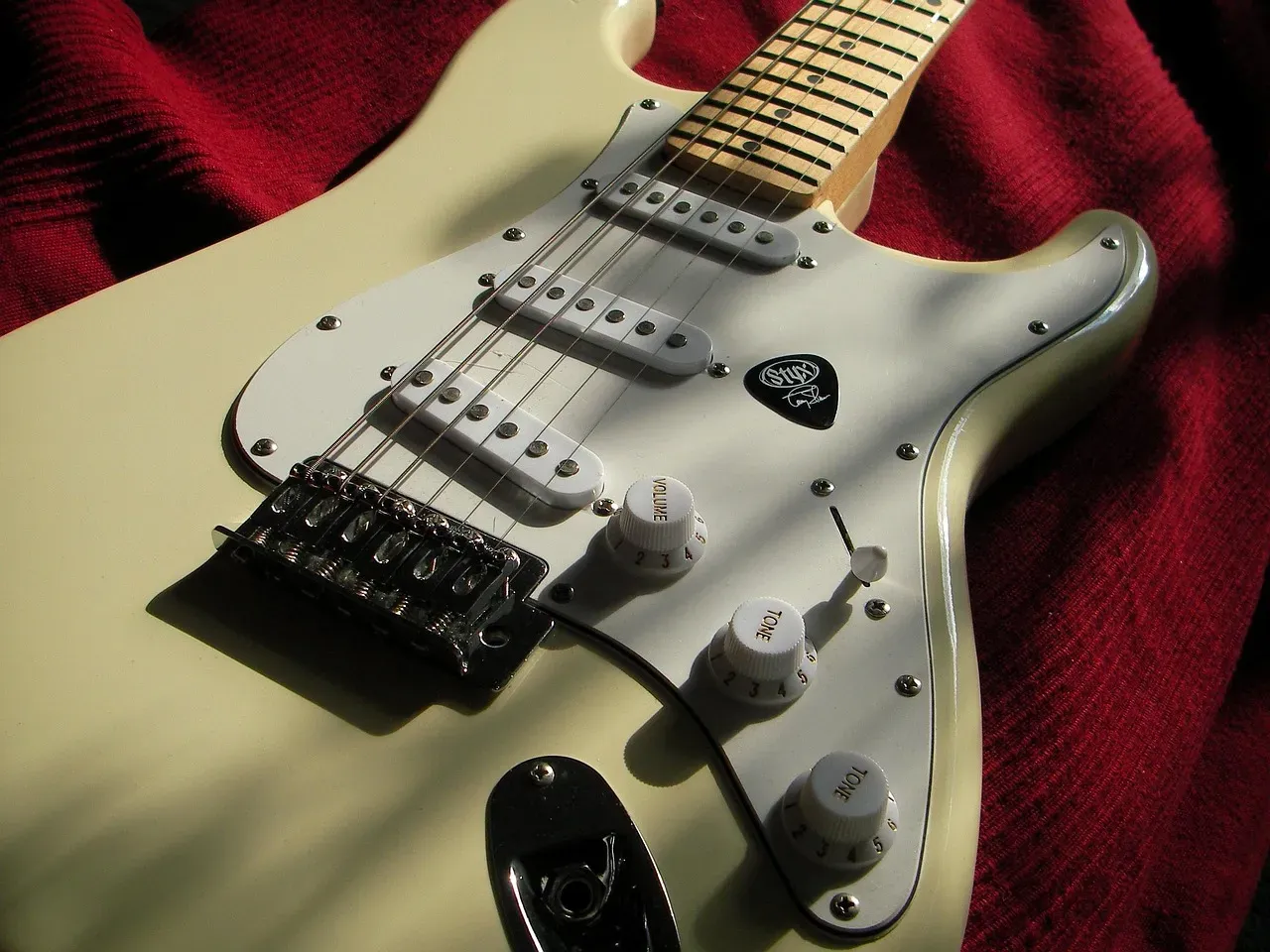
Recording engineers were reportedly shocked when Hendrix pulled out a kazoo during the session. He hummed into the simple membrane instrument to create those distinctive buzzing sounds heard throughout the song. This choice shows that even the most skilled musicians sometimes find the perfect solution in the simplest, most unexpected places rather than complicated equipment.
Instead of doubling his guitar with another guitar playing the same thing, Hendrix brought a kazoo into the studio to double the part, making for a zany-sounding guitar break whenever it came on. Even though any song featuring a kazoo would be considered annoying from its first few seconds, it sits impressively well in the final mix, providing the role generally reserved for a harmoniser or a healthy dose of reverb.
5. The Xylophone – Violent Femmes, “Gone Daddy Gone” (1983)
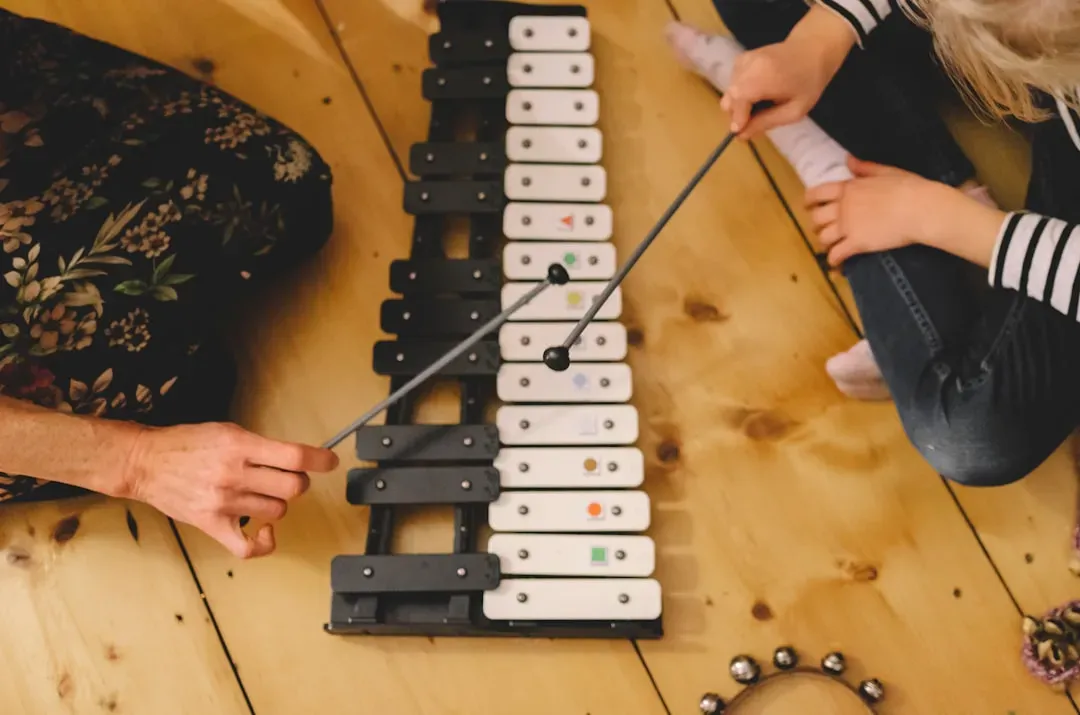
“Gone Daddy Gone,” written by Violent Femmes lead singer and guitarist Gordon Gano from their first album, has become one of their most popular songs. Bassist and multi-instrumentalist Brian Ritchie played the xylophone on this song, which features two xylophone solos. Two xylophone solos – not buried in the mix, either.
The instrument doesn’t hover shyly behind the guitars. It leads entire sections of the track with an almost confrontational confidence. Musical duo Gnarls Barkley later covered the song, which speaks to the enduring appeal of what is, at its core, a tune built around an instrument most people last encountered in a kindergarten classroom.
6. The Ocarina – The Troggs, “Wild Thing” (1966)
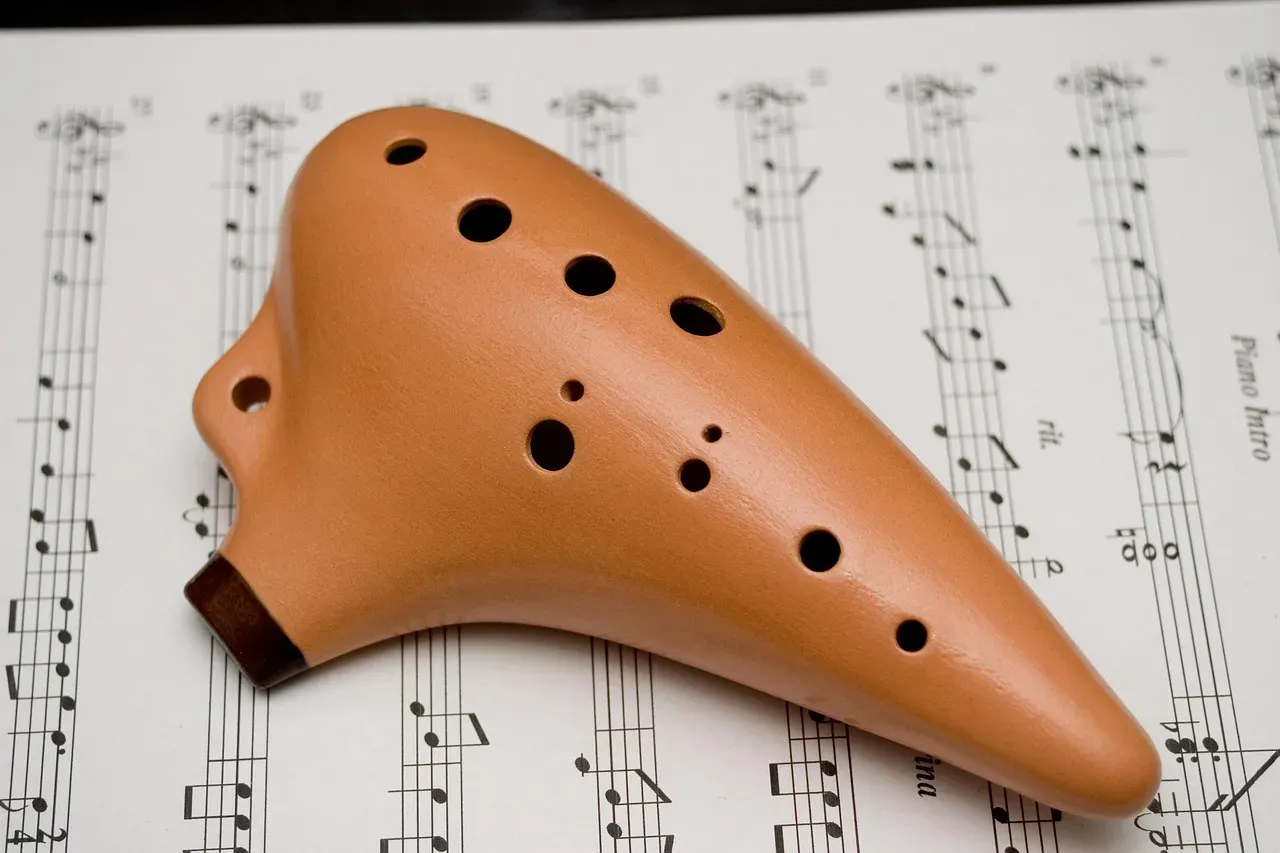
The Troggs heard the ocarina – an eastern instrument dating back 12,000 years – on a demo of the song. They got one in for musical director Colin Fletcher to play for their cover of the song. Along with the band’s raw, simple sound, dubbed “caveman rock,” the distinctive noises helped the band receive widespread attention and reach number one on the Billboard Hot 100 in July 1966.
The ocarina is a small egg-shaped wind instrument that you blow into with finger holes. It pops up in The Troggs’ version of “Wild Thing,” where the whistle effect kicks in nicely in the middle during the pauses in the song. It’s a sound that somehow makes a gritty rock song feel simultaneously ancient and completely fresh.
7. The Sitar – The Beatles, “Norwegian Wood (This Bird Has Flown)” (1965)
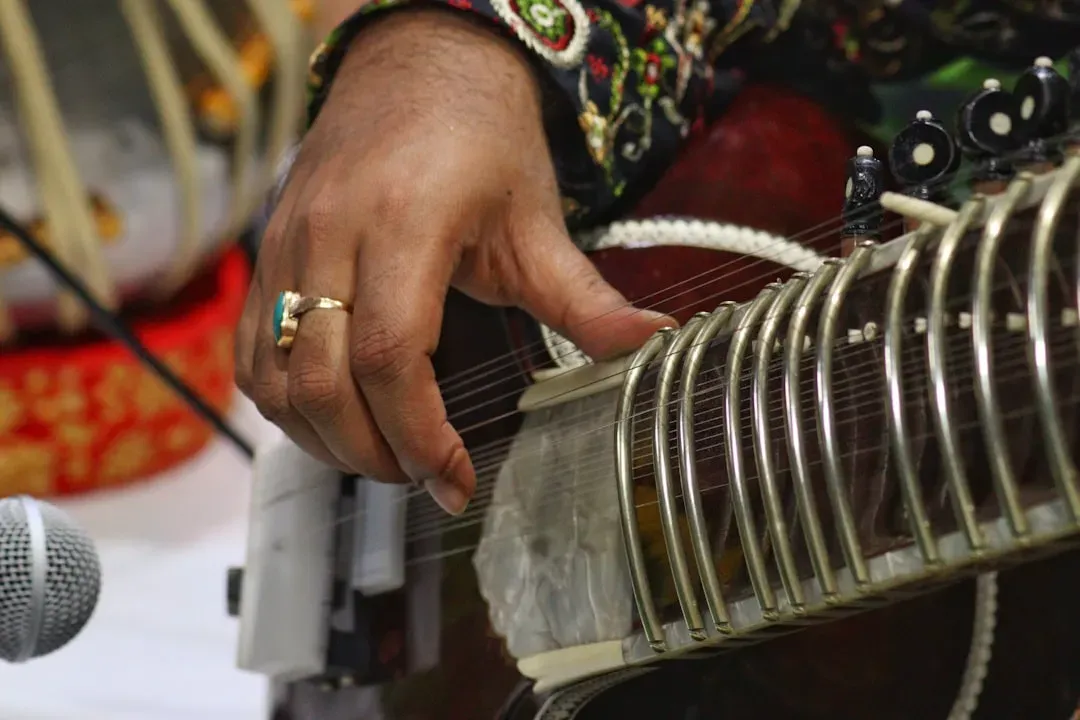
One of the first popular songs to use the sitar was “Norwegian Wood” by the Beatles. It was the time when the Fab Four experimented with unusual instruments and often went in search of the meaning of life. George Harrison had purchased a sitar shortly before the recordings.
Partner offer
The Fab Four track “Norwegian Wood (This Bird Has Flown)” introduced western ears to the plucked instrument that looks a lot like a banjo with a long neck but produces vibrating and extended sounds. Harrison’s decision to incorporate Indian classical music into a pop song about a suspicious overnight stay at a woman’s flat opened a door that pop music had never walked through before.
8. Bagpipes – AC/DC, “It’s a Long Way to the Top (If You Wanna Rock ‘n’ Roll)” (1975)
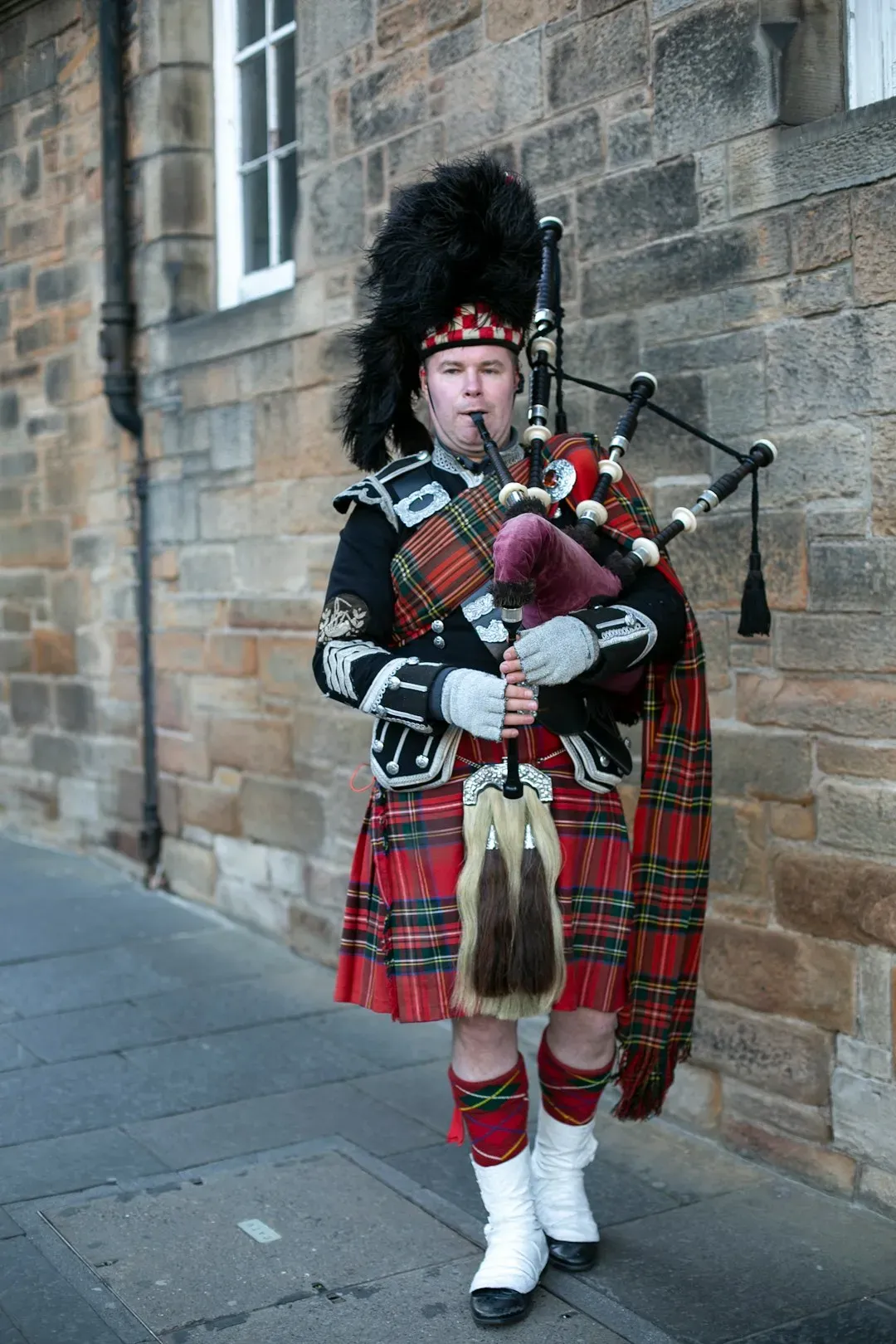
In the mid-’70s AC/DC recorded “It’s a Long Way to the Top (If You Wanna Rock ‘n’ Roll).” Like most AC/DC songs it was about partying, except that this one features lead singer Bon Scott on the bagpipes. Bon Scott had played in a pipe band when he was younger as a drummer, but always thought he could play the instrument himself. AC/DC’s then-producer George Young gave him the chance to prove it on this song, and his call-and-response solo with Angus Young’s guitar make “Long Way to the Top” one of the most iconic songs in Australian rock history.
The Scottish version of the instrument was used most famously on AC/DC’s “It’s a Long Way to the Top (If You Want to Rock ‘n’ Roll).” The call and response between the bagpipes and the guitar are tremendous and make perfect sense after hearing it. That is not a sentence most people would predict writing about a hard rock band.
9. The Clavioline – Del Shannon, “Runaway” (1961)
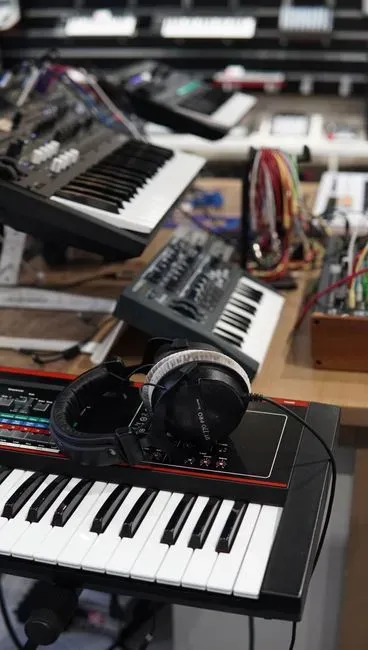
Del Shannon’s 1961 hit “Runaway” features the clavioline’s soaring, high-pitched solo – a sound that helped define the song’s unforgettable hook. The instrument works by generating electrical tones that can be shaped and modulated, creating everything from eerie warbles to piercing leads.
The clavioline was a favorite of 1950s and 1960s pop and rock musicians looking for futuristic or unusual textures. Its compact size made it easy to incorporate into live shows, and its expressive range set it apart from traditional keyboards. Though newer synths have taken its place, the clavioline’s legacy lives on in every song that wants a taste of electronic nostalgia.
10. The Slide Whistle – Bob Dylan, “Subterranean Homesick Blues” (1965)
You’ve barely had time to process Paul Griffin’s electric piano before you’re hit with the wacky, plunging slide whistle on the title track from Dylan’s landmark 1965 album. Coming so near the start, it could be the intro to a kids’ cartoon, and the jovial mindset the whistle gets you into contrasts with Dylan’s cynical lyrics that denounce American culture and the seedy characters populating it.
The juxtaposition is almost too neat: a children’s novelty instrument introducing one of the most cutting pieces of social commentary rock had yet produced. It’s either deeply ironic or completely accidental. Knowing Dylan, it might be both.
11. The Musical Saw – Lynsey de Paul, “Sugar Me” (1972)
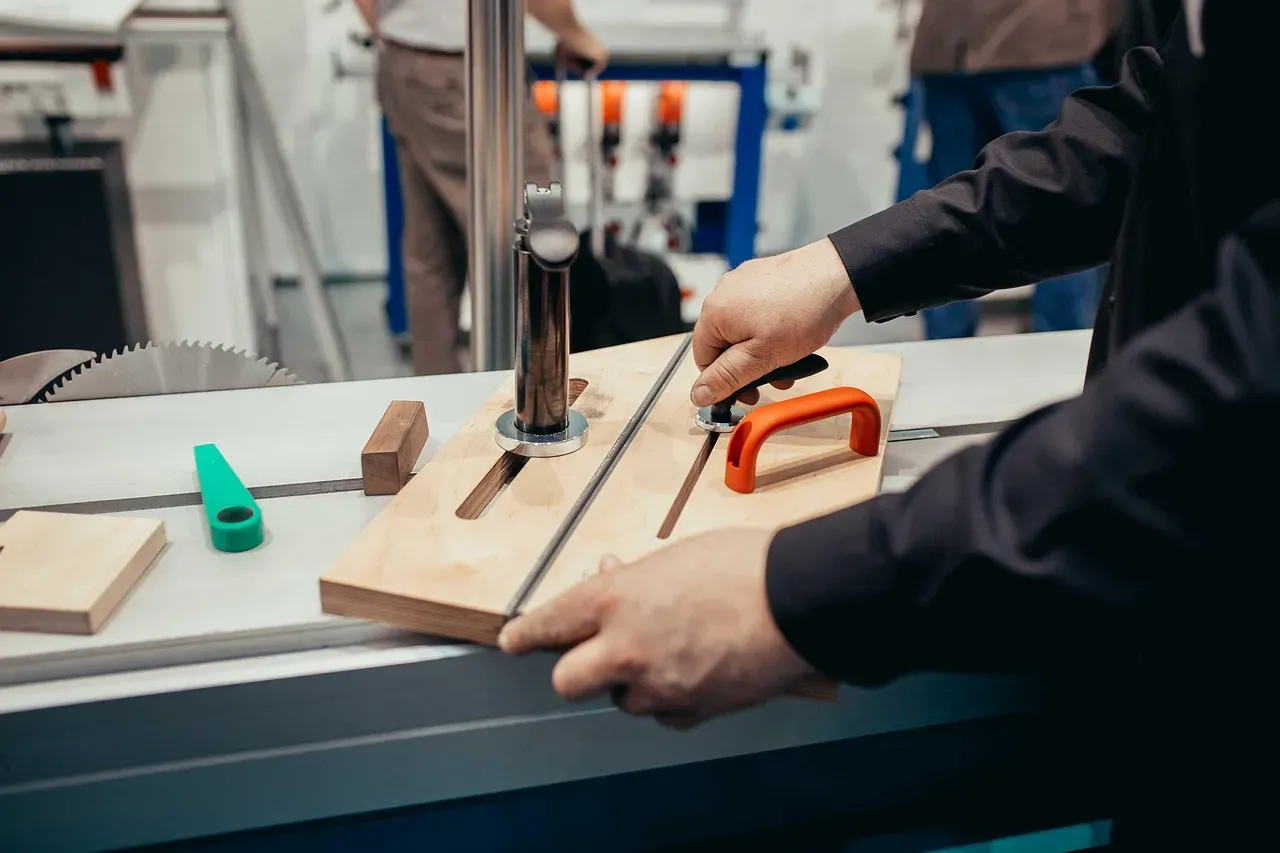
Few instruments are as visually bizarre or sonically arresting as the musical saw. Played with a violin bow, it looks like something out of a magician’s workshop and sounds like a theremin’s ghostly cousin. Lynsey de Paul used it to haunting effect in her 1972 hit “Sugar Me,” giving the song an ethereal shimmer that set it apart from anything else on the radio.
The musical saw is exactly what the name suggests – a handsaw played like a stringed instrument by bending the blade and drawing a bow across it. Getting a clean, tuneful note out of one requires considerable patience and a high tolerance for strange looks from your bandmates.
12. The Jug – Mungo Jerry, “In the Summertime” (1970)
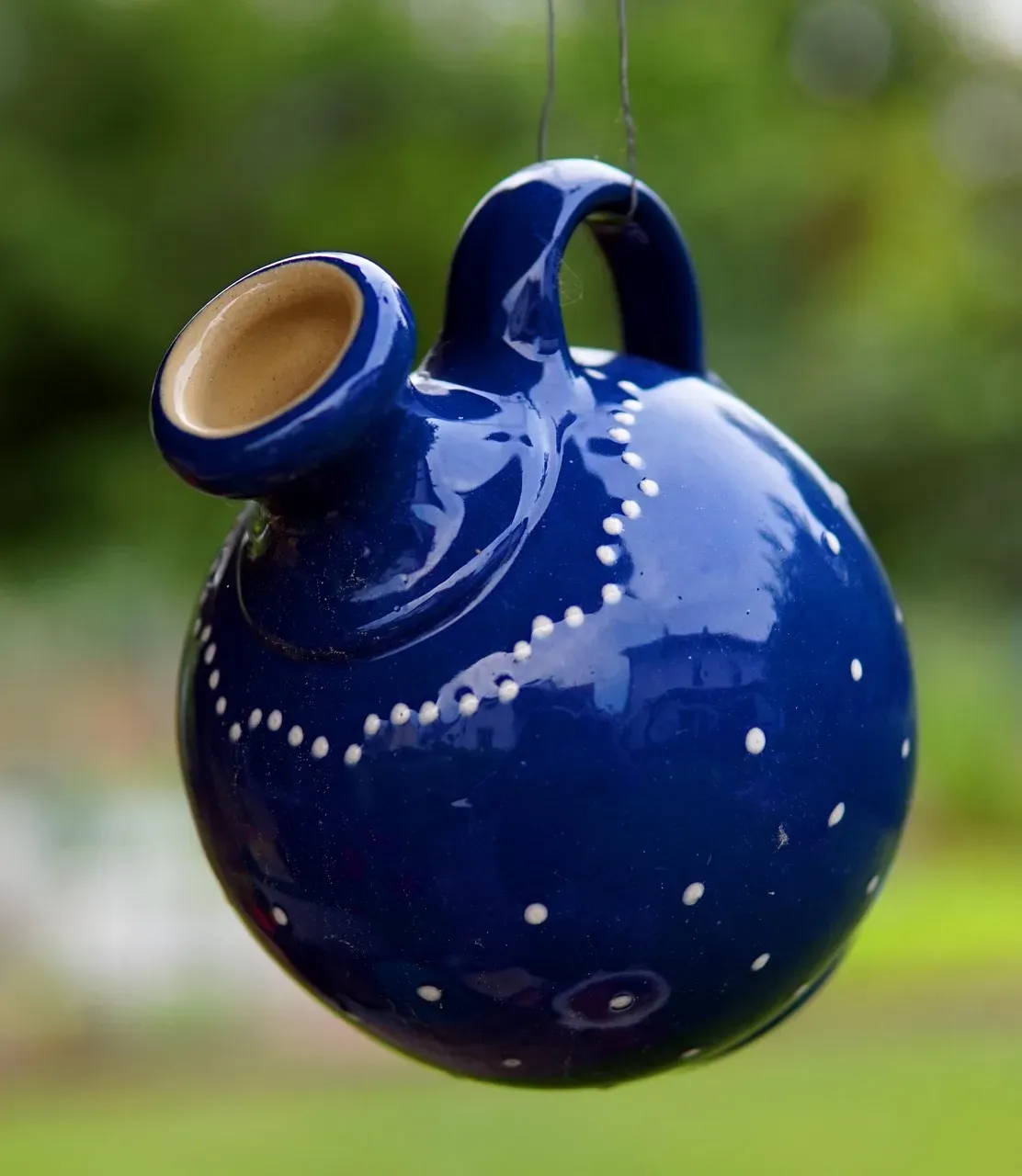
The 1970 skiffle-meets-pop tune “In the Summertime” by Mungo Jerry actually features a pretty interesting instrument in the mix. If you listen closely, you can hear a jug being used in the percussion section. In fact, the whole of the song doesn’t feature traditional percussion at all. No drums are used – Paul King plays the jug, and Ray Dorset plays the cabasa and contributes stomps throughout the song.
A jug. As in a ceramic vessel you might find in a farmhouse kitchen. Blown across the opening rather than struck, it produces a low, resonant hum that somehow holds the whole groove together. The song became a massive hit across multiple countries, proving that rhythm doesn’t require a drum kit.
13. The Chainsaw – Jackyl, “The Lumberjack” (1992)
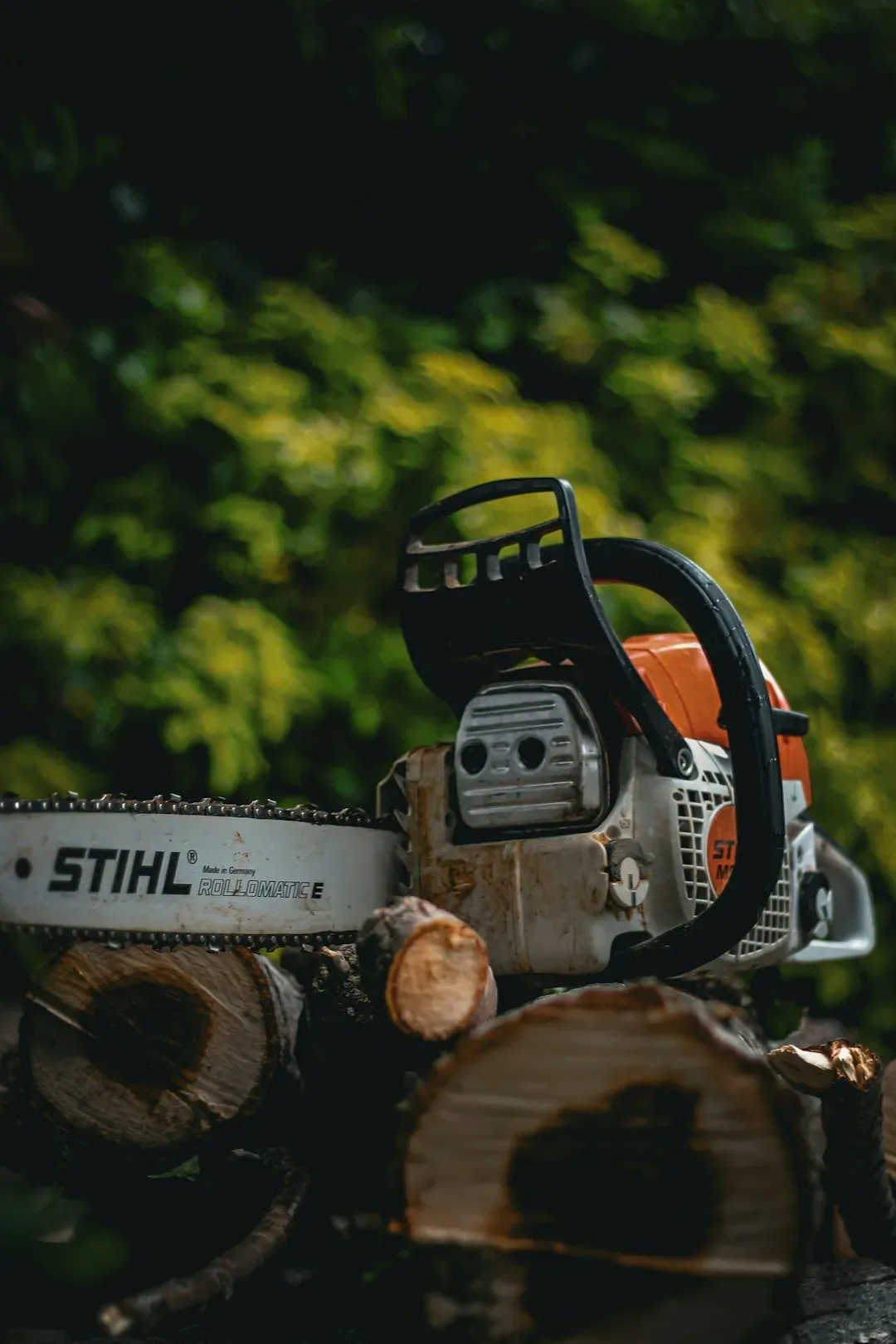
That’s not a metaphor for something else. They really used a tree-cutting chainsaw as an instrument in this song. Jesse James Dupree managed to get a B and E flat out of the machine, and it made it to the song’s famed 30-second solo. The choice makes sense given the song is about lumberjacks, and the rhythm of the solo kind of makes it sound like a saxophone.
A chainsaw solo. Thirty seconds. On a released record. Whatever your feelings about the music itself, you cannot argue with the sheer commitment of the decision. Very few artists have ever done something so genuinely dangerous in the name of thematic consistency.
14. The Hurdy-Gurdy – Led Zeppelin, “Gallows Pole” (1970)
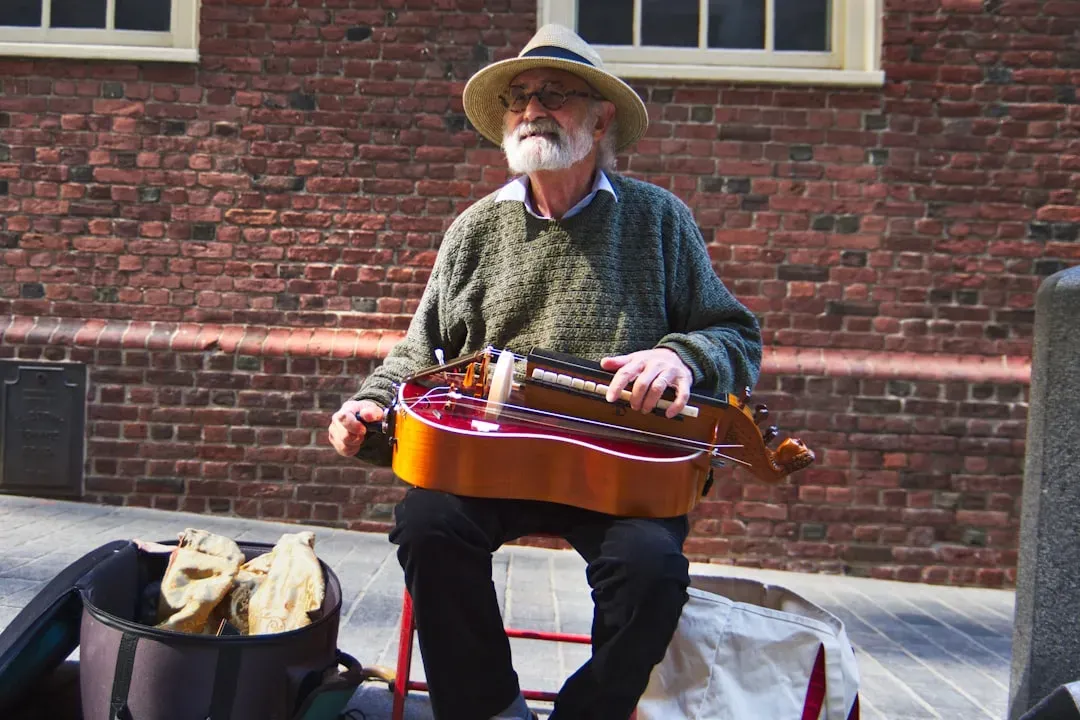
Led Zeppelin put the traditional ballad “Gallows Pole” on their third album, and when Page and Plant revived the song for their No Quarter album and tour, the former played the hurdy-gurdy, an early English cranked instrument that produced a bagpipe-like tone. The hurdy-gurdy works by turning a wheel against the strings, producing both melody and a constant drone. The sound is part bagpipe, part violin, and all mysterious. Its hypnotic rhythms and buzzing overtones make it a staple in folk and world music, but it’s also cropped up in modern rock and experimental recordings.
Playing the hurdy-gurdy takes real skill, as the musician must coordinate both hands and sometimes feet. Its presence on hit records is a testament to the power of ancient sounds in new contexts. In the hands of Jimmy Page, a medieval instrument built to accompany wandering troubadours somehow found its place on one of rock’s most formidable albums.
Partner offer
Planning a trip to Vegas?
Compare hotel rates and show tickets on VEGAS.com.