Fame is a strange and fragile thing. One day you’re beloved, and a few news cycles later the same audience that rooted for you has quietly moved on. It’s not always dramatic. Sometimes it’s a slow drip of disappointment – a tone-deaf interview here, a lawsuit there, a pattern of behavior that finally becomes impossible to ignore. What’s changed in recent years is the speed. Social media collapses the distance between a celebrity’s private choices and public perception almost instantly. Fans who once felt connected to a star now feel entitled to hold them accountable in real time. These seven actors have all found themselves on the wrong side of that shift.
Blake Lively: A Lawsuit That Changed Everything
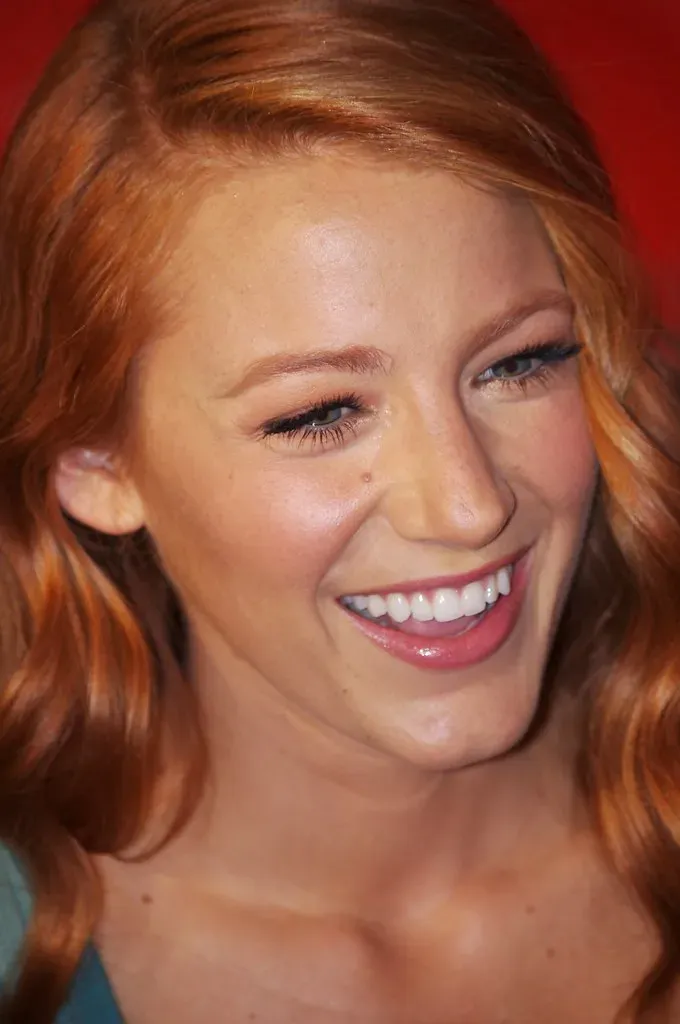
For years, Blake Lively seemed to float above controversy on a cloud of glossy hair and well-timed wit. That changed decisively when the fallout from the production of It Ends With Us went public. In December 2024, Lively filed a lawsuit against director Justin Baldoni, accusing him of orchestrating a media smear campaign against her in retaliation for her complaints about sexual harassment on set. Baldoni then countersued Lively and her husband, Ryan Reynolds, for $400 million on claims of civil extortion, defamation, and invasion of privacy.
The legal battle dragged on through 2025, and public opinion was never firmly on Lively’s side. According to analysts at QR Code Generator, Lively’s fan base on social media plummeted by over 1.2 million, with her drama with Baldoni widely blamed. During the film’s press tour, many fans had already criticized Lively’s lighthearted tone in interviews when discussing the story’s themes of domestic violence and emotional abuse. The combination of a perceived PR miscalculation and an ongoing legal spectacle proved too much for a significant portion of her audience.
Rachel Zegler: When a Dream Role Becomes a Nightmare

Rachel Zegler was handed one of Disney’s most iconic roles and, through a series of missteps, turned it into one of the studio’s costliest productions in recent memory. Zegler repeatedly sparked headlines after publicly criticizing the 1937 animated classic the remake was based on, calling the original story “dated” and taking aim at the Prince Charming character. More controversy followed when she made what many felt were derogatory remarks about the animated classic, and her decision to write “free Palestine” alongside a post with the remake’s trailer also caused a stir, followed by a highly publicized social media post directed at Donald Trump after the elections.
Theater chains typically retain about half of ticket sales, meaning Disney’s actual return from the film’s theatrical run landed around $102.9 million – stacked against a $271.6 million net production cost, representing a theatrical loss of roughly $168 to $170 million. A Rasmussen Reports national survey found that 12 percent of American adults believed Zegler deserved all the blame for the failure of Snow White, while 18 percent said she deserved most of the blame, and 30 percent felt she deserved some of the blame. Whatever the distribution of responsibility, Zegler became the public face of the disaster.
Alec Baldwin: A Tragedy With a Long Shadow
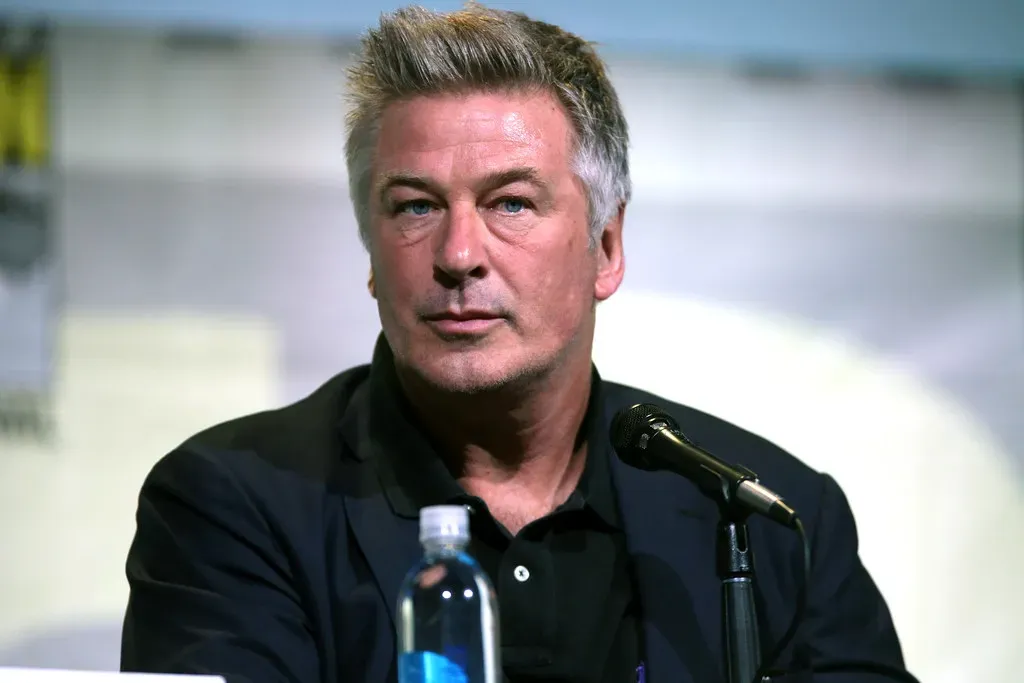
Alec Baldwin is an acclaimed actor known for his work on 30 Rock and his long history in dramatic film, but his public persona has been marred by frequent social media outbursts, high-profile legal troubles following a tragic onset incident, and a confrontational history with paparazzi and other public figures that critics cite as a pattern. The 2021 fatal shooting of cinematographer Halyna Hutchins on the set of Rust cast a shadow that no amount of publicity management could lift. In 2025, Baldwin topped several public dislike lists after the incident, and his history of ranting, alleged slurs, and a public feud with his daughter further cemented his status.
The couple sparked a firestorm after Hilaria snapped at Alec for interrupting her in a viral red-carpet interview, and the pair were also called out over their reality series, described as a “fly on the wall” look at their family in the lead-up to Alec’s Rust trial, which was widely lambasted for being in extremely poor taste. Their social media presence also did little to help their reputation, with many calling their posts out of touch. Once one of the most respected character actors in Hollywood, Baldwin now occupies a complicated and diminished space in public life.
Ellen DeGeneres: “Be Kind” Didn’t Survive the Fine Print
Ellen DeGeneres was once known as the queen of daytime television with a reputation for kindness and generosity. Public perception shifted dramatically after reports surfaced detailing a toxic work environment and allegations of poor behavior toward staff members, with social media discussions quickly turning against her, and former guests and employees sharing negative personal experiences. Despite her attempts to address the issues on air, her brand struggled to recover before her lengthy talk show ended.
The controversy, which began in 2020 with claims of racism, bullying, and harassment, resurfaced after the release of a 2024 Netflix special. DeGeneres addressed the backlash by describing the accusations as “devastating,” but former employees criticized her response, accusing her of downplaying their experiences and reframing herself as a victim of media scrutiny – a view much of the public shared. Allegations of mistreating employees led to a ratings drop and her show’s cancellation in 2022, and in 2025, the public still views her as insincere, with the workplace scandal overshadowing her comedic legacy.
Ezra Miller: Erratic Behavior That Couldn’t Be Overlooked
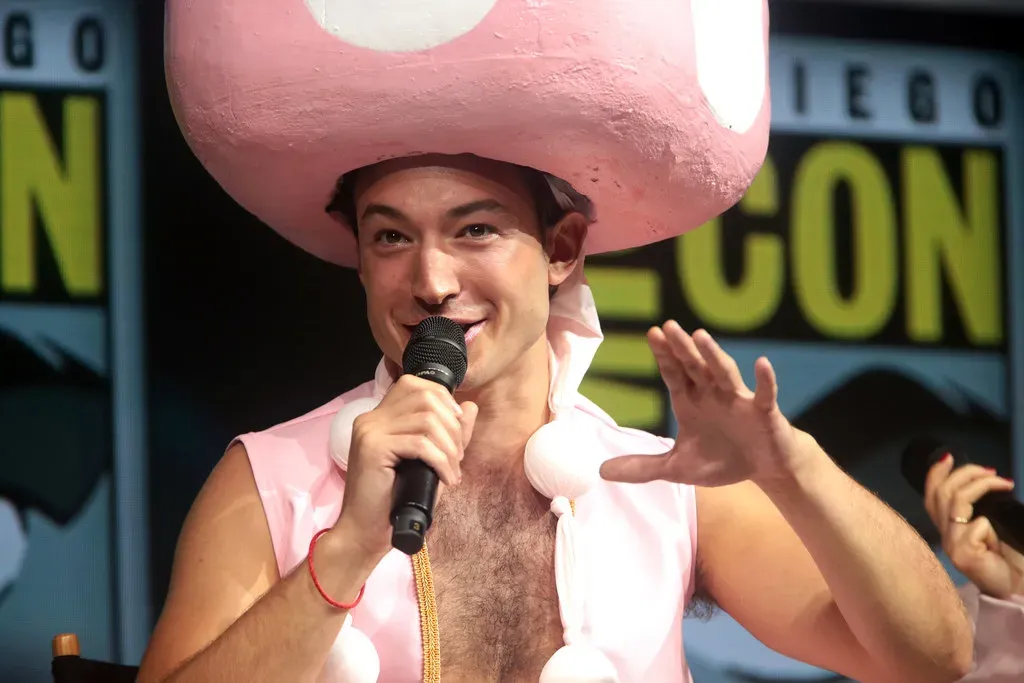
Ezra Miller gained critical acclaim for roles in films like The Perks of Being a Wallflower and Justice League, but their public standing plummeted following a series of legal issues and reports of erratic behavior across different countries, with social media users following the developments closely as footage of various altercations went viral and sparked widespread concern. The incidents created a crisis not just for Miller personally, but for Warner Bros., which had a major Flash film sitting in post-production that featured them prominently.
These incidents overshadowed Miller’s work in The Flash and led to significant discussions about accountability in the film industry. The film itself landed with a thud at the box office, and Miller’s future in major studio productions remains deeply uncertain. Audiences can forgive a lot, but sustained, globe-spanning controversy involving confrontations and allegations of endangerment tends to wear out goodwill in ways that a single scandal might not. Miller’s case became a study in how quickly accumulated trust can collapse.
Ashton Kutcher: When Support Becomes a Liability
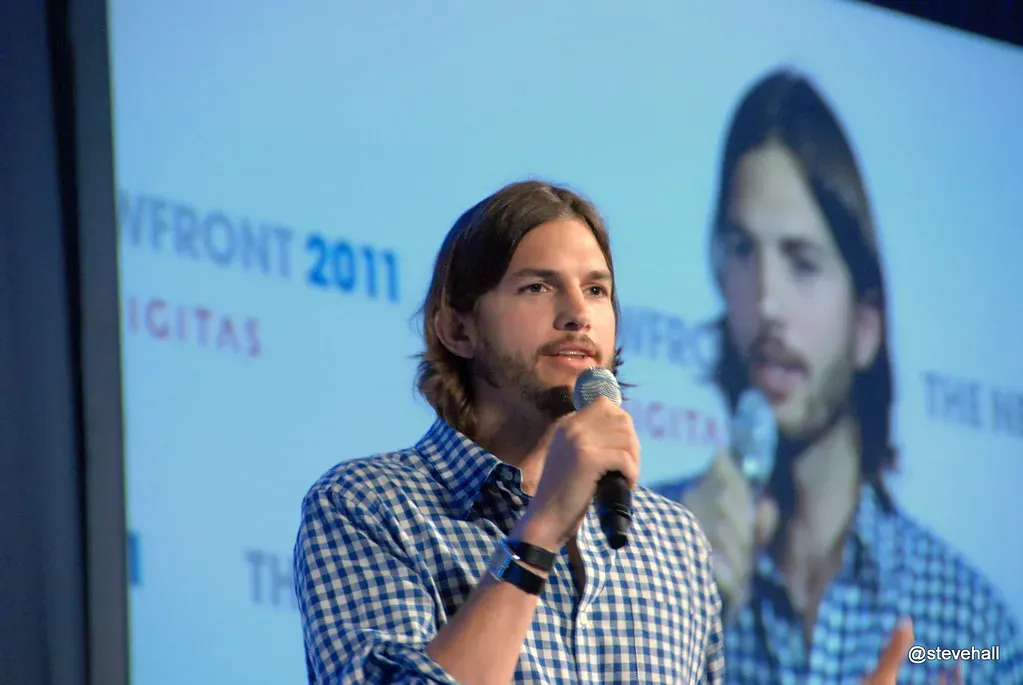
Ashton Kutcher was celebrated for his comedic roles and his extensive work as a venture capitalist and philanthropist. He faced a wave of social media criticism after it was revealed he wrote a letter of support for a former cast member during a criminal trial. The public backlash was swift and led to him stepping down from leadership roles in his charitable organizations. The letter, written on behalf of That ’70s Show co-star Danny Masterson who was convicted of rape, struck millions of fans as a fundamental failure of moral judgment.
Partner offer
Kutcher’s reputation as a lovable goofball faced significant challenges in 2024, and while his prior involvement in writing the character reference for Masterson remained controversial, it was his connection to Sean “Diddy” Combs that drew further new scrutiny. This moment forced a reevaluation of his public persona and sparked conversations about loyalty versus accountability. For an actor who had built a second act around tech philanthropy and a wholesome image, the collapse of that image carried a particular sting.
Karla Sofía Gascón: History and Controversy at the Same Moment

Karla Sofía Gascón made history as the first openly transgender person nominated in an acting category at the Oscars, but her achievement was almost immediately overshadowed by controversy. Old social media posts resurfaced during the awards season, containing comments that many found deeply offensive – including remarks about race, religion, and public figures. The timing could not have been worse. A milestone nomination turned into a very public reckoning.
The situation illustrated something that public figures often learn the hard way: the internet has a long memory, and major moments of visibility tend to trigger exactly the kind of scrutiny that digs up the past. From controversial image changes to legal battles, social media meltdowns to offensive remarks, these kinds of events can manage to turn public opinion against a celebrity in remarkably swift fashion. Gascón’s case was especially painful because it complicated a genuinely significant cultural moment, leaving many fans unsure how to feel about something that had deserved to be purely celebratory.
Brie Larson: The Slow Erosion of Marvel Goodwill
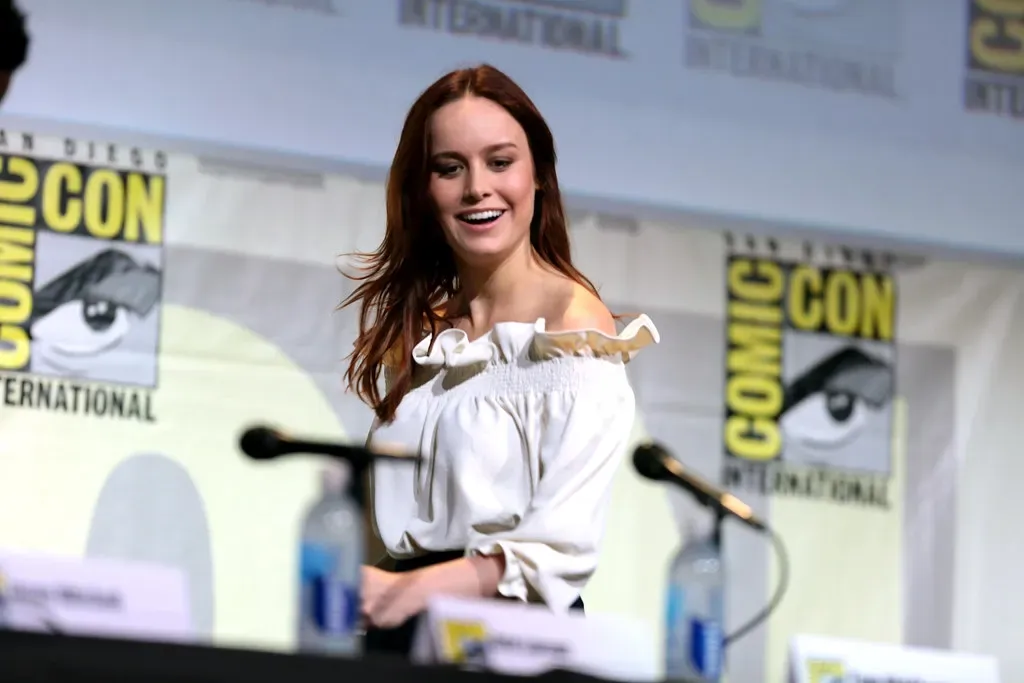
Disney’s Snow White was projected to lose over $100 million, drawing comparisons to Brie Larson’s The Marvels, which reportedly cost Disney more than $200 million in losses. Both films starred controversial actresses whose off-screen comments sparked backlash from fans, and coupled with weak scripts and poor reception, the results were damaging for Disney. Larson’s path from critically praised actress to polarizing superhero was swift and hard to fully reverse.
Larson changed her approach and now refuses to address Captain Marvel backlash and feminist topics directly, and has questioned whether fans even want her back in the MCU. She moved toward stage work, starring in the London play Elektra, and was not named among the large cast for Avengers: Doomsday. Whether that represents a genuine pivot or simply the natural consequence of diminished studio confidence, it marks a clear step back from the cultural center she once occupied. Her story is less about a single scandal and more about a sustained disconnect between performer and audience that neither side seemed able to bridge.
Why This Keeps Happening

The through-line connecting all seven of these cases isn’t simply bad behavior. It’s a mismatch between the public image an actor projects and the reality that eventually surfaces. Whether it’s due to high-profile scandals, controversial public statements, or perceived arrogance, certain actions spark significant backlash and debate, shaping negative perceptions that linger long after the headlines fade. Audiences are more attuned than ever to authenticity, and they tend to punish what feels like performance or deflection.
A growing rebellion against the traditional PR machine has emerged, with celebrities rejecting carefully managed representation, posting unfiltered thoughts, and embracing their messiness – and in some cases, it actually works. The ones who struggle most are those who cling to a curated image while reality tells a different story. Fans don’t necessarily expect perfection. What they resist is the sense of being managed, misled, or taken for granted.
What Losing Fans Actually Costs
The practical consequences of a fractured fanbase are real and measurable. Box office returns suffer. Brand partnerships dissolve. Studios grow cautious. Some celebrities remain fixtures in the headlines, with controversies that overshadow their achievements and cement their spot among the most disliked figures, with high-profile cases ranging from legal battles to public feuds and damaging revelations quickly turning once-admired personalities around.
More quietly, something else is lost: the goodwill that makes a career resilient over time. An actor with a strong fanbase can survive a flop, a strange interview, or even a minor scandal. Without it, each new controversy lands harder and recovers slower. Unnamed sources have hinted that some of these actors are quietly worried their legal and public battles will cause long-term professional repercussions, with one source close to Lively disclosing that “she’s fearing no one will want to work with her after this.” That fear, whether or not it proves well-founded, tells you everything about what’s really at stake when fans walk away.
Public support is one of the few things in Hollywood that can’t simply be bought or manufactured back. It has to be rebuilt, slowly, with something that looks a lot like sincerity.
Partner offer
Planning a trip to Vegas?
Compare hotel rates and show tickets on VEGAS.com.