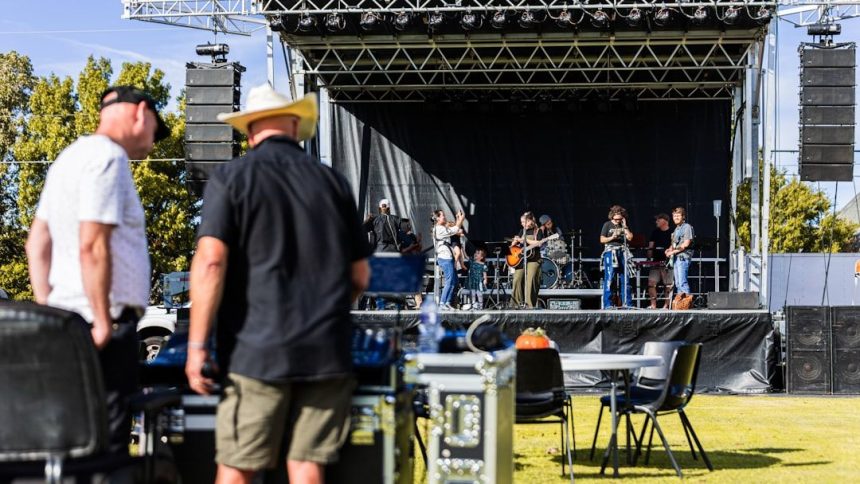
Last year, I saw a ticket stub from the 2010 Electric Daisy Carnival. The price? Less than a third of what you’d pay today for a similar festival pass in Las Vegas. It made me wonder: what changed? Sure, inflation plays a role, but that doesn’t explain why festival tickets have outpaced almost every other entertainment expense. The truth is, the real money isn’t just going to the performers you see on stage. There’s a whole invisible infrastructure behind those headliners that most festivalgoers never think about.
Vegas has become ground zero for this trend. With massive events like Life is Beautiful, EDC Vegas, and When We Were Young drawing hundreds of thousands of attendees, the city’s festival scene offers a perfect window into why your favorite music experience costs more every year. Let’s dive in.
1. Artist Guarantee Fees (And They’re Not What You Think)


When a festival books a headliner, they’re not just paying for a performance. They’re paying a guarantee fee that can reach several million dollars for top-tier acts. This number has skyrocketed in recent years as artists have lost traditional revenue streams from album sales. A single headliner at a major Vegas festival can command anywhere from two million to over five million dollars, depending on their current relevance and draw.
Here’s the thing most people don’t realize: that guarantee isn’t the final number. It’s the baseline. Many contracts include performance bonuses tied to ticket sales, meaning the more successful the festival, the more expensive the headliner becomes. It’s a system that punishes success and ensures prices can only go one direction.
The competition between festivals has created a bidding war atmosphere. When three major events are happening in Vegas within weeks of each other, promoters have to outbid each other for exclusive headliners. That competitive pressure gets passed directly to your wallet.
2. Exclusivity Clauses and Radius Restrictions

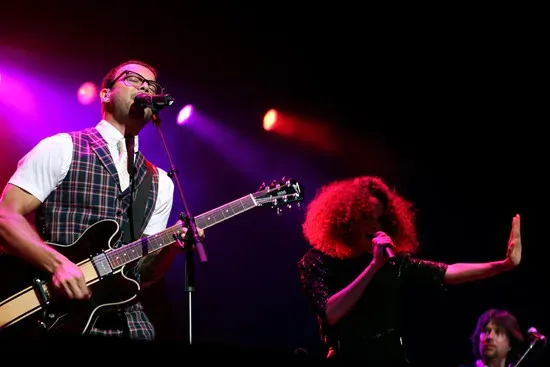
Most headliner contracts include what’s called a radius clause. This prevents the artist from performing within a certain geographic area for a specific period before and after the festival. In Las Vegas, where residencies and one-off shows are constant, these clauses can be incredibly restrictive. Festivals might have to compensate artists for the income they’re losing by not being able to perform at other Vegas venues.
Some contracts extend these restrictions for months. An artist might be prohibited from playing anywhere in Nevada for ninety days before or after the festival. That’s a lot of lost revenue for performers who normally cycle through Vegas clubs and casinos regularly. Guess who covers that opportunity cost? Festival attendees.
The exclusivity extends beyond just not performing. Some contracts prevent artists from even appearing at promotional events or doing meet-and-greets in competing venues. Every restriction adds dollars to the overall cost.
3. Production and Technical Riders

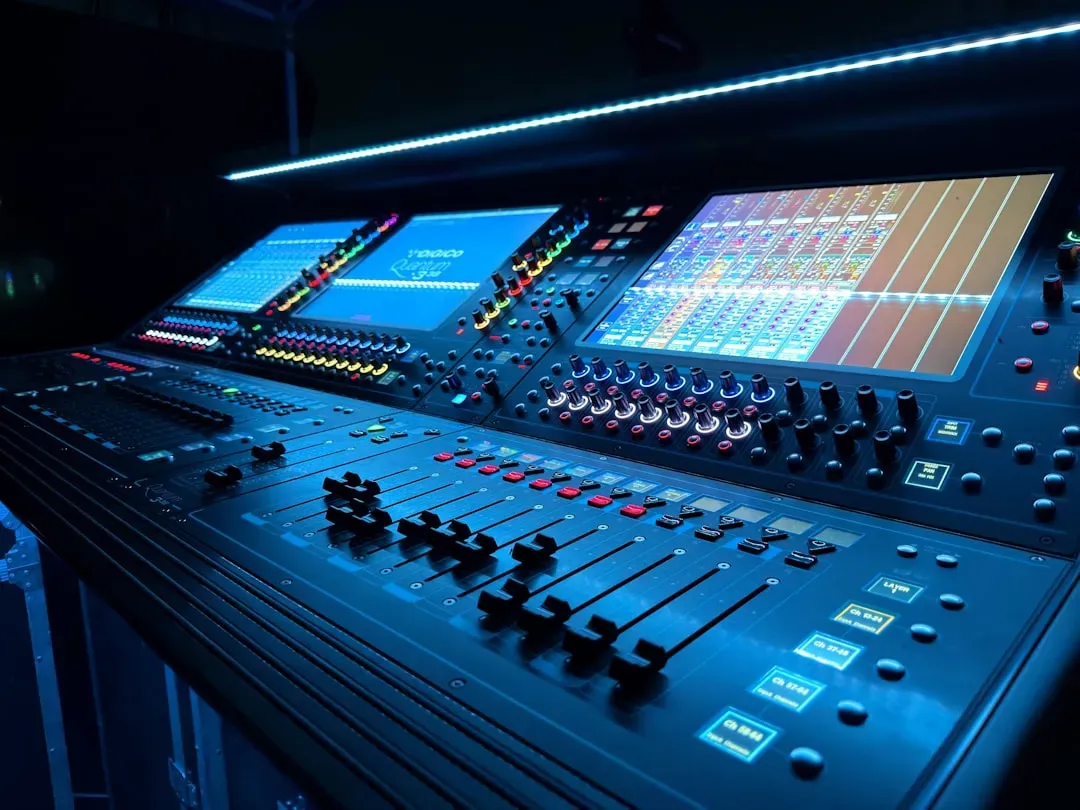
Here’s where things get wild. A technical rider is basically a performer’s wish list for their stage setup, and some of them read like fantasy novels. I’ve heard stories of riders demanding specific imported lighting rigs, custom-built stage extensions, and sound systems that require their own dedicated power grids. One electronic artist reportedly required a specialized LED floor that cost more than half a million dollars to install for a single performance.
Vegas festivals face unique challenges because the desert environment wreaks havoc on equipment. The extreme heat and occasional dust storms mean everything needs extra protection and backup systems. Double the equipment, double the cost. When a headliner’s rider specifies European sound systems, those have to be shipped across an ocean and trucked into the Nevada desert.
Temperature control for artist areas adds another layer. Some performers require their backstage zones to be kept at precise temperatures, which in the Vegas heat means industrial cooling systems running at full capacity. The electricity bill alone for cooling one VIP artist trailer during a three-day festival can exceed what an average household uses in a year.
4. Travel and Accommodation Expenses

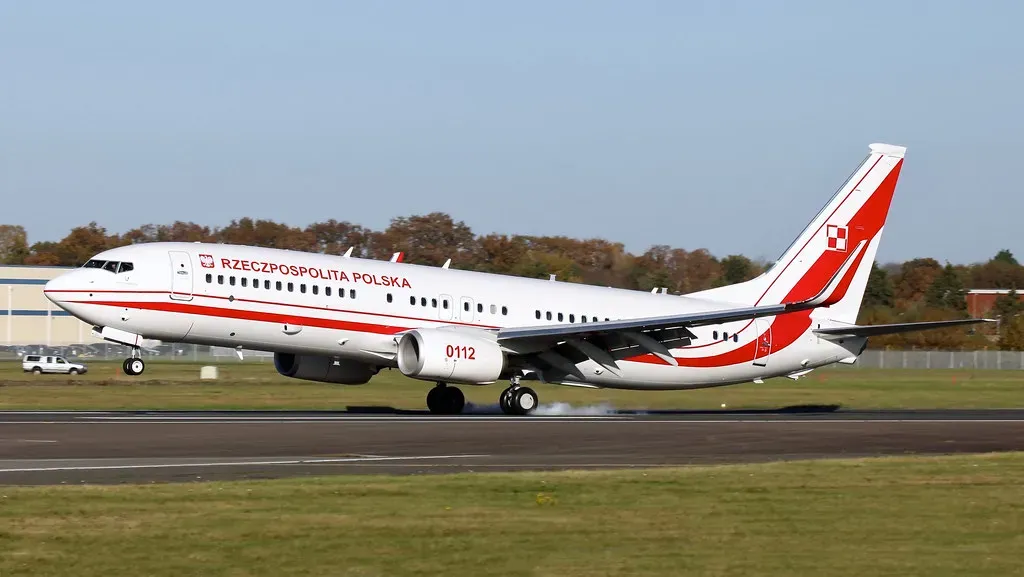
Headliners don’t fly coach, and they don’t stay at Motel 6. Major acts typically require private jet transportation, luxury hotel suites for their entire entourage, and ground transportation in high-end vehicles. For international headliners, this can mean chartering planes large enough to transport not just people but specialized equipment and personal staff.
The accommodation costs extend beyond just hotel rooms. Many headliners request entire floors of hotels for security and privacy reasons. I know it sounds excessive, but festivals usually comply because losing a headliner over accommodation disputes would be catastrophic. These floor buyouts in Vegas Strip properties during peak season represent a massive expense.
Then there’s the entourage factor. A single headliner might travel with twenty to thirty people, including managers, sound engineers, personal security, stylists, and family members. Each person needs accommodation, meals, and transportation. Multiply that by several headliners and you’re looking at hotel bills that could fund a small concert series on their own.
5. Insurance and Liability Coverage


Festival insurance has become staggeringly expensive, partly because of high-profile cancellations and disasters in recent years. Insuring a headliner involves multiple policies covering everything from cancellation due to illness to equipment failure. For a major Vegas festival with multiple headliners, insurance costs can easily reach into the millions.
Weather insurance is particularly tricky in the desert. While Vegas seems predictably sunny, the occasional monsoon or extreme heat event can force cancellations or delays. Each hour of delay with headliners on standby costs money, and insurance premiums have risen as climate patterns become less predictable.
Liability coverage for artists themselves is another hidden cost. If a performer gets injured during their set, the festival’s insurance needs to cover potential lawsuits and medical expenses. High-energy performances with elaborate staging increase risk, which increases premiums. It’s a cost that doesn’t add anything to the festival experience but adds plenty to ticket prices.
6. Marketing and Promotional Commitments

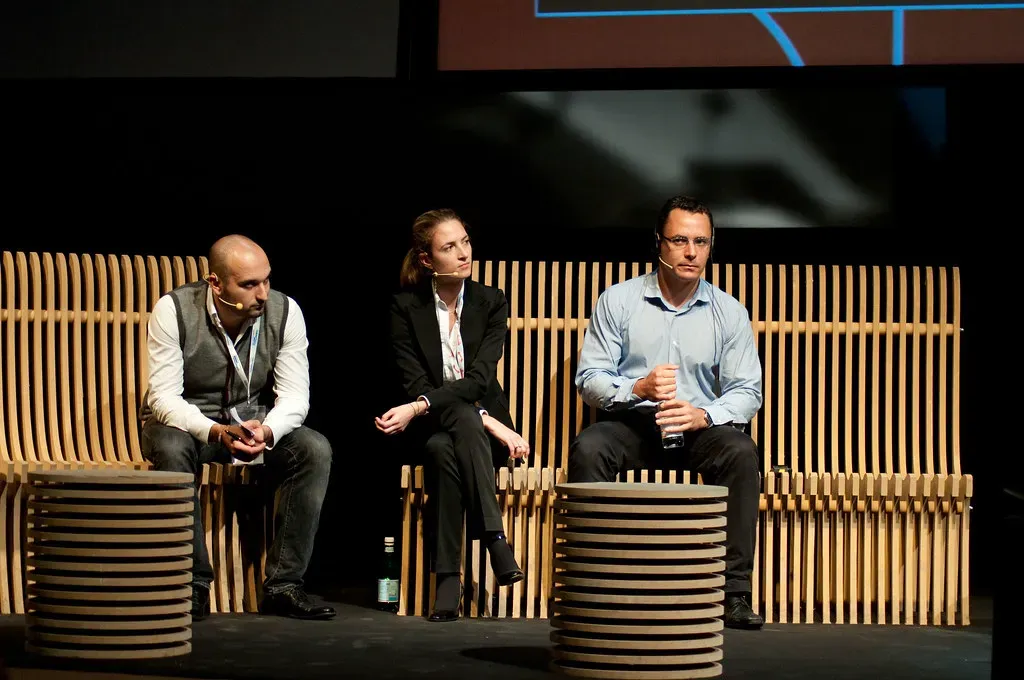
Landing a major headliner is only valuable if people know about it. Festivals commit to extensive marketing campaigns featuring their top acts, and these commitments are often written into performer contracts. Artists might require minimum spending on advertising that features their name and image prominently. This can mean costly billboard campaigns across Las Vegas, social media advertising blitzes, and traditional media buys.
Some headliners demand approval rights over all promotional materials, which means additional rounds of design work and potential delays. The back-and-forth with artist management over how they’re portrayed in festival marketing adds both time and expense to campaigns that need to launch months in advance.
The promotional cycle for major Vegas festivals now extends nearly year-round. Maintaining buzz between events requires constant content creation, influencer partnerships, and teaser campaigns. When headliners are the main draw, they become the focus of all this activity, and their contracts often specify how and where they’ll be featured.
7. Security Details and Personal Protection

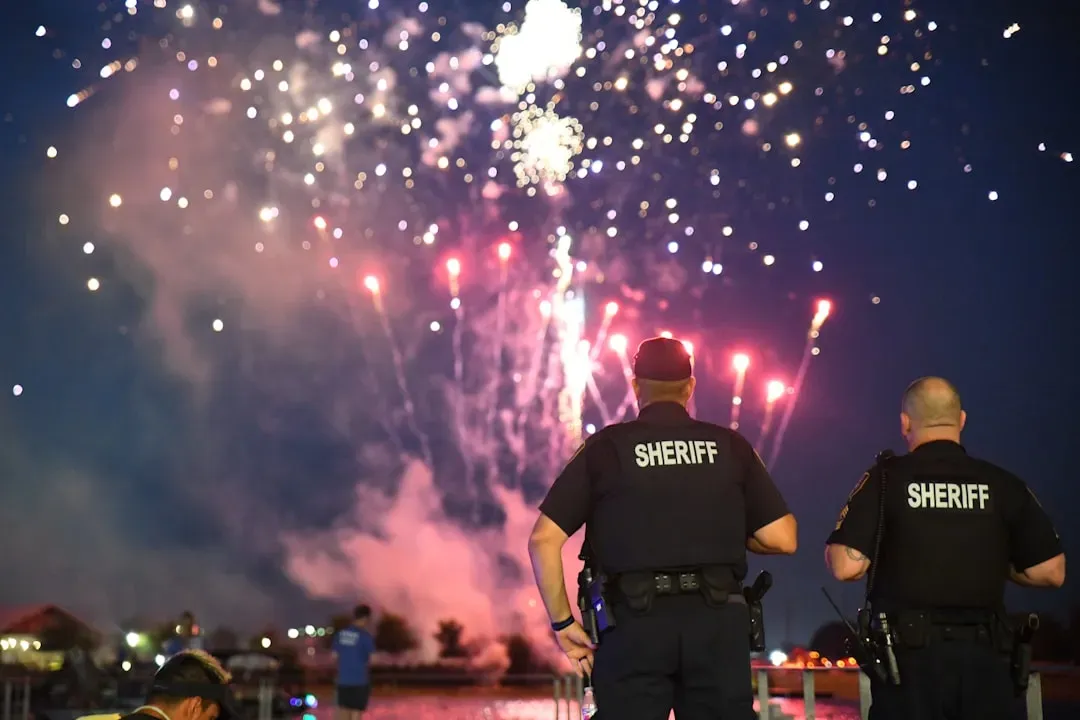
Major headliners don’t use festival security. They bring their own teams, and festival organizers foot the bill. These private security details can include former military personnel, off-duty law enforcement, and specialized protection experts. For controversial or extremely popular artists, security costs can reach six figures for a single weekend.
The security extends beyond just bodyguards. Festivals must provide secure transportation routes, cleared pathways through crowds, and sometimes even decoy vehicles to manage fan attention. In Las Vegas, where celebrity sightings are common, the challenge of moving high-profile performers safely becomes particularly complex and expensive.
Backstage security zones require their own infrastructure. Fencing, checkpoints, dedicated staff, and surveillance systems all add up. When multiple headliners each require separate secure areas with controlled access, you’re essentially building a festival within a festival, and someone has to pay for all those layers.
8. Last-Minute Changes and Cancellation Penalties
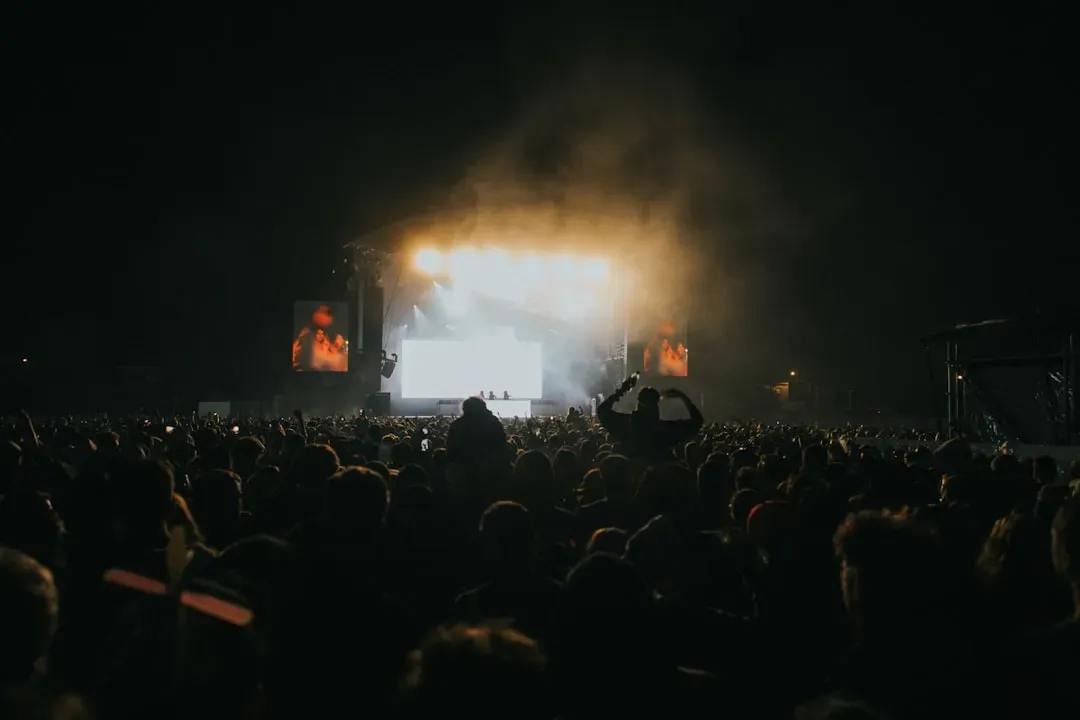
What happens when a headliner cancels? The festival still owes them money, often a substantial portion of their guarantee fee. Cancellation clauses typically protect artists financially even when they can’t perform, assuming the cancellation meets certain criteria like illness or family emergency. Finding replacement headliners on short notice costs even more because you’re negotiating from a desperate position.
Even minor changes get expensive. If a headliner decides two weeks before the festival that they want to adjust their set length or stage setup, accommodating those changes can require reworking the entire schedule and production plan. Other artists’ time slots might shift, affecting their contracts and potentially triggering additional fees.
Vegas festivals face particular vulnerability to artist cancellations because performers often have other commitments in the city. A residency show the night before, a casino appearance, or a private event can create conflicts that force schedule adjustments. Each change ripples through the budget.
9. Percentage of Merchandise Sales

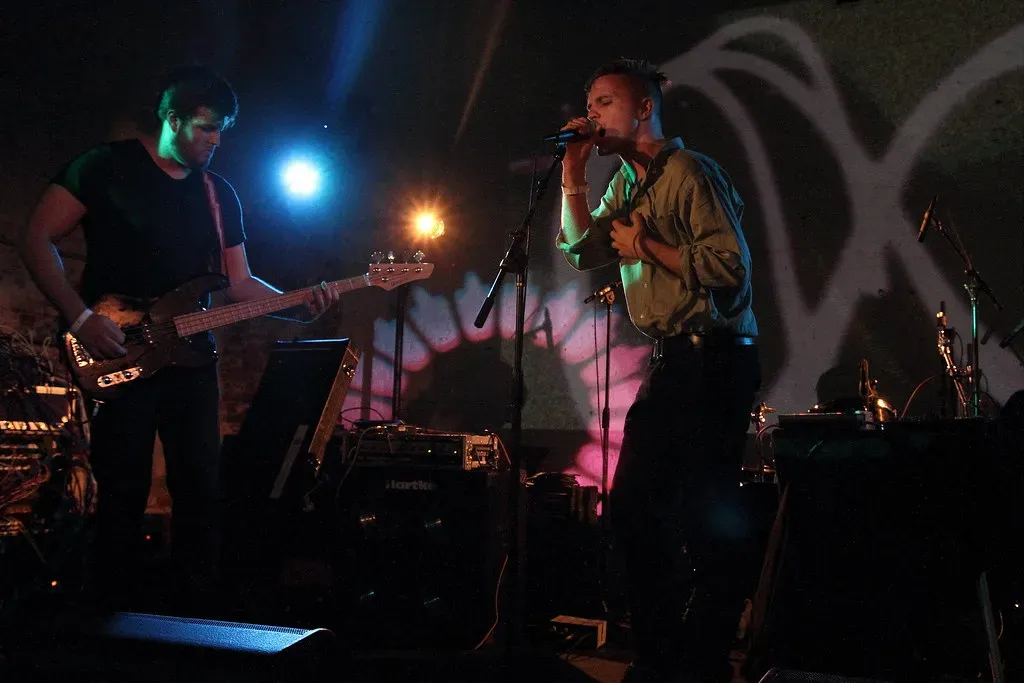
This one surprised me when I first learned about it. Many headliner contracts include provisions for merchandise revenue sharing. The festival sets up official merch booths, but a portion of sales from items featuring the headliner’s name or image goes back to that artist. It seems backward because the festival is doing the selling, but that’s how the leverage works.
Some artists maintain exclusive control over their merchandise and simply rent booth space from festivals at premium rates. Either way, the festival sees reduced revenue from an income stream that used to help offset costs. When your ticket price is calculated, it factors in this reduced merchandising income.
The administrative costs of managing merchandise rights for multiple headliners add another layer. Tracking sales, calculating percentages, managing inventory for different artists – it all requires staff and systems that wouldn’t be necessary if festivals controlled their own merchandise completely.
10. Hospitality and Catering Requirements

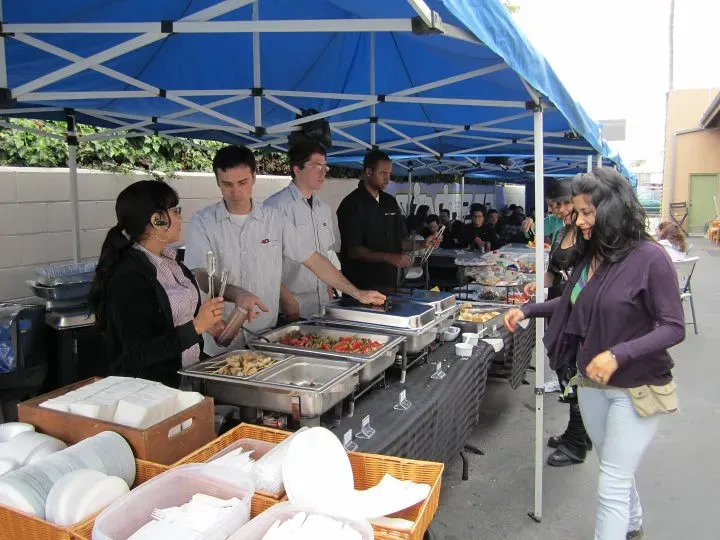
Artist hospitality riders can be legendarily specific and expensive. While the stories about bowls of M&Ms with certain colors removed are famous, the real costs come from catering requirements that specify organic, locally-sourced, or specialty diet foods that need to be available around the clock. In the Vegas desert, maintaining fresh food supplies that meet exacting standards requires constant refrigerated deliveries.
Many headliners require separate catering areas with full kitchen facilities, dining setups, and staff dedicated solely to their needs. These aren’t shared buffet lines but essentially private restaurants operating for the duration of the festival. The staffing alone for these VIP catering operations represents a significant expense.
Beverage requirements often include premium alcohols, specific brands of water, and sometimes even custom drink creations. I’ve heard of festivals having to source particular types of tea from specialty importers because a headliner’s contract specified it. These might seem like minor details, but they add up across multiple artists over multiple days.
11. Union Labor and Crew Requirements
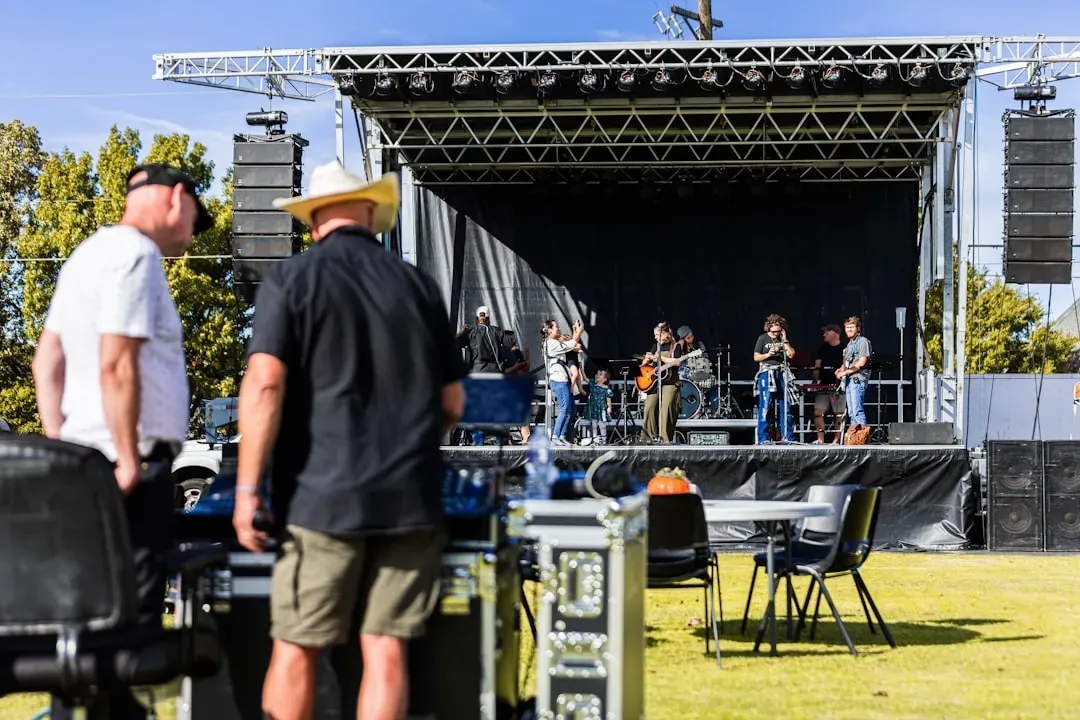
Las Vegas is a strong union town, particularly for entertainment workers. When headliners bring their own crews, those workers often need to be union members or the festival must hire union labor to work alongside them. This creates situations where you’re paying for duplicate crew positions because the artist’s team won’t work without their own people, but union rules require festival staff as well.
Load-in and load-out times for headliner equipment can extend for hours, and union labor costs escalate significantly for overnight or extended shifts. A headliner with complex staging might require crews working sixteen-hour days to set up and strike their setup, with overtime rates that can triple base pay.
The specialization required for modern concert production means bringing in highly skilled technicians who command premium rates. A single lighting programmer for a major headliner might cost several thousand dollars per day, and complex shows require multiple specialists. These aren’t optional expenses, they’re necessities for executing the performance people expect.
12. Legal and Contract Negotiation Costs


Negotiating headliner contracts involves teams of entertainment lawyers billing hundreds of dollars per hour. These negotiations can stretch over months, with multiple rounds of revisions and countless hours of legal review. For a major Vegas festival booking fifteen to twenty headliners, legal fees can easily reach half a million dollars before the first ticket goes on sale.
Contract disputes during or after festivals add even more legal expense. If a headliner claims the festival didn’t meet rider requirements or if there’s disagreement about payment terms, lawyers get involved again. Even when festivals win these disputes, the legal fees represent costs that get built into future ticket prices.
The complexity of modern entertainment law means festivals often need specialists in intellectual property, employment law, and international contracts if they’re booking artists from multiple countries. Each specialist adds to the legal budget, and headliners’ management teams know this, sometimes using legal complexity as leverage in negotiations.
13. Timing and Schedule Coordination Fees


Headliners typically demand specific time slots, often the coveted closing spots when crowds are largest and energy is highest. This creates scheduling puzzles that sometimes require paying other artists premium fees to accept less desirable slots. If two headliners both want to close out Saturday night, someone’s getting paid extra to move, and it won’t be the bigger name.
The coordination extends beyond just time slots to include soundcheck schedules, media availability, and rest periods between activities. Managing these intricate schedules requires dedicated staff whose sole job is juggling headliner demands. One festival coordinator told me they employ someone whose entire role during festival week is just managing headliner timing logistics.
When schedules conflict with other Vegas events – residencies, sporting events, conventions – the coordination becomes even more challenging. Sometimes festivals pay premium rates to secure headliners despite scheduling conflicts, compensating them for the juggling act required to meet all their commitments.
14. Technology and Streaming Rights

In the age of social media and live streaming, controlling how headliner performances are broadcast or shared has become a major expense. Many artists restrict filming and streaming, but if a festival wants to use performance footage for promotion or live streaming, they need to negotiate separate rights at additional cost. These digital rights can rival the performance fee itself for certain artists.
The technology required to comply with streaming restrictions adds expense too. Some headliners allow streaming but require that certain songs be blocked due to licensing issues, which means sophisticated content management systems. Others permit only specific camera angles or limited footage, requiring additional production crew to manage what gets captured.
Social media restrictions can be particularly costly. Festivals now operate extensive social media teams to provide real-time content, but headliner contracts might limit what can be posted and when. Creating compelling content within these restrictions requires more creative resources and sometimes means paying for rights to use even brief clips of performances.
15. Percentage Points on Ticket Sales


The most direct hidden cost might be the one that hits closest to home. Increasingly, major headliners negotiate for percentage points on ticket revenue rather than or in addition to flat guarantee fees. This means the more tickets the festival sells, the more the headliner earns. It sounds fair until you realize it creates a direct link between ticket prices and artist compensation that only moves in one direction.
These percentage deals fundamentally change the math of festival economics. Promoters can’t just raise prices a bit to cover rising costs, they have to raise them enough to cover both the rising costs and the increased percentage going to artists. It’s a compounding effect that accelerates price growth beyond what inflation alone would explain.
For the biggest headliners at major Vegas festivals, these percentage arrangements can mean they ultimately earn far more than their guaranteed fee. When a festival sells out and ticket prices are high, a headliner with points on sales might double their take. That’s great for the artist, but it means festival-goers are essentially rewarding successful events by paying even more for future tickets.
Conclusion

The festival experience has transformed dramatically over the past fifteen years, and Vegas has been at the center of this evolution. What started as relatively straightforward music events has become complex entertainment productions where headliners drive not just the artistic vision but the entire financial model. Every hidden cost we’ve explored represents a real line item in festival budgets, and those line items add up to the sticker shock you experience when tickets go on sale.
Understanding these costs doesn’t make tickets more affordable, but it does explain why the price increases aren’t just greed or arbitrary inflation. The infrastructure supporting modern headliners has grown exponentially, and each layer of that infrastructure carries a price tag that eventually lands on festival-goers. As long as demand remains strong and artists maintain leverage in negotiations, these trends will likely continue.
What’s your take on festival pricing? Do these hidden costs justify the ticket prices, or do you think festivals could cut corners without sacrificing the experience? Let us know in the comments.