


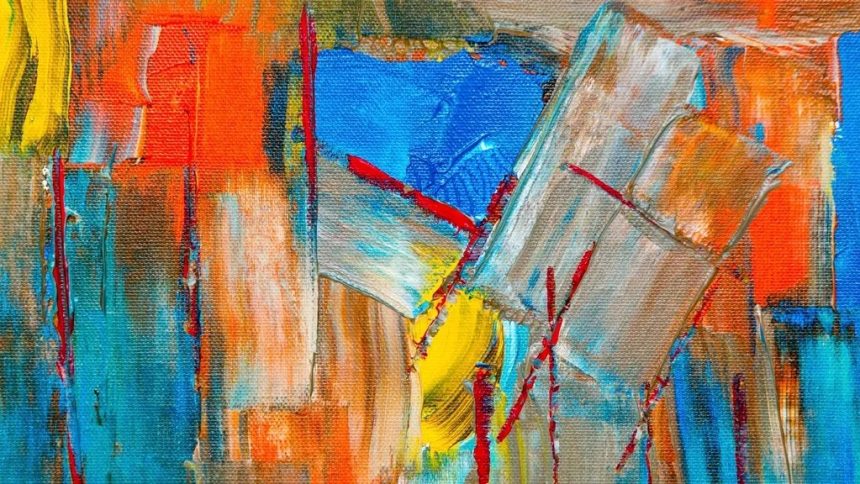
Walk into any contemporary gallery in Las Vegas, and you’ll likely encounter a canvas splashed with colors that seem to defy logic. No recognizable shapes. No obvious subject. Just pure, raw visual energy. And here’s the thing: you might feel something profound without understanding why. That’s not an accident. Abstract art has a peculiar way of bypassing our rational mind and speaking directly to our emotional core. It’s almost like the artwork knows something about us that we haven’t admitted to ourselves yet.
This isn’t some mystical mumbo jumbo. Science and psychology are beginning to unravel why these seemingly chaotic compositions can move us to tears, fill us with joy, or leave us contemplating existence in a casino town known more for slots than Rothko.
Your Brain Doesn’t Need a Story

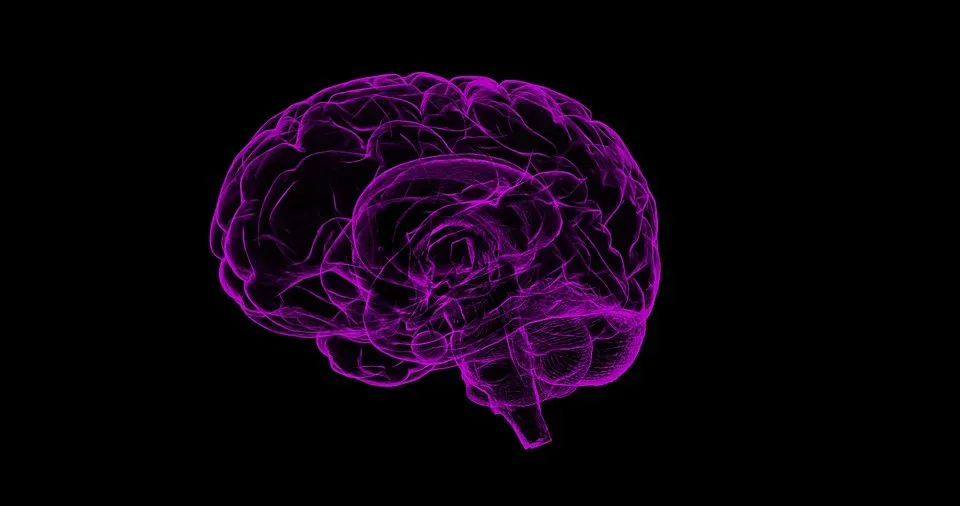
Our brains are wired to find patterns and meaning in everything we see. But abstract art flips that script. Instead of presenting a clear narrative, it forces your mind to fill in the blanks. When you look at a Jackson Pollock drip painting, your brain doesn’t shut down because it can’t identify a tree or a face. It actually lights up differently.
Neuroscientists have discovered that viewing abstract art activates the same neural pathways associated with emotional processing and personal memory. Your mind starts making connections based on how the colors interact, how the shapes flow, and how the composition makes you feel in that exact moment. It’s deeply personal.
That’s why two people can stand in front of the same abstract piece and have completely opposite reactions. One person sees chaos and anxiety. Another sees freedom and possibility. Both are right because the art is essentially holding up a mirror to their internal emotional state.
Color as Emotional Language

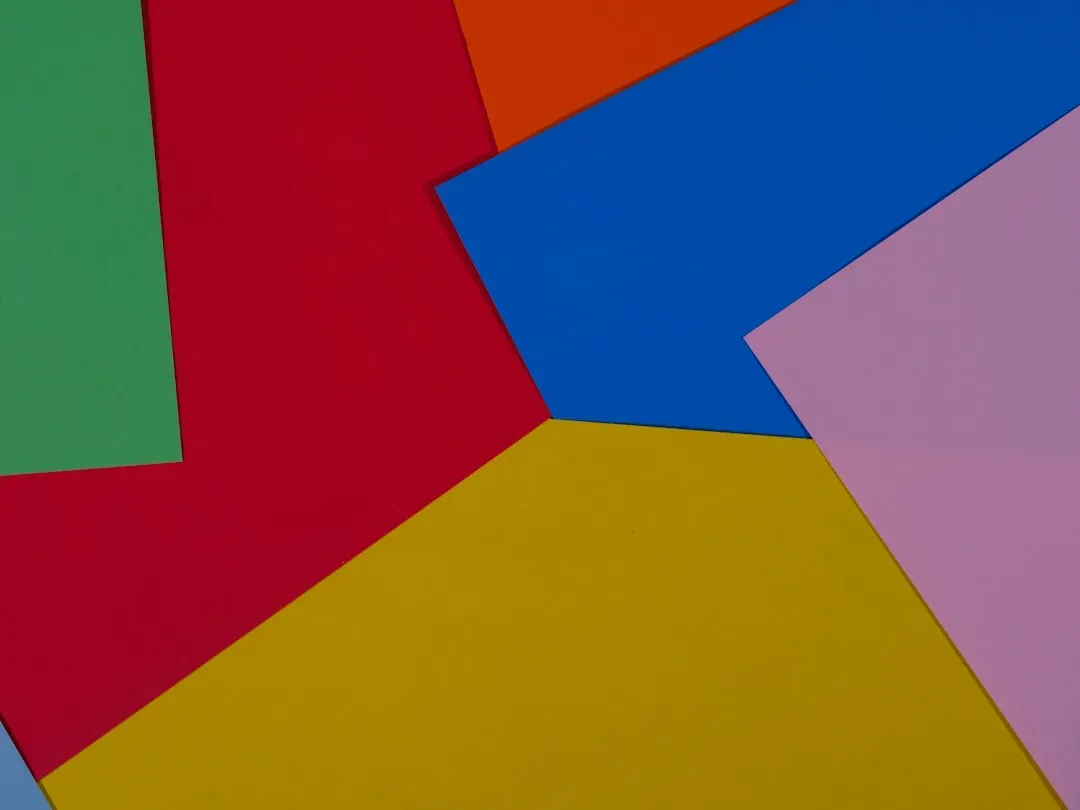
Abstract artists aren’t just randomly throwing paint around. They’re fluent in a language most of us only subconsciously understand: color psychology. Deep blues can evoke calmness or melancholy. Vibrant reds might stir passion or aggression. Soft pastels often bring comfort.
Mark Rothko, one of the masters of color field painting, once said his work was about basic human emotions. He wasn’t painting pretty rectangles. He was painting tragedy, ecstasy, and doom. People have reportedly wept in front of his paintings, overwhelmed by feelings they couldn’t articulate.
The interesting part is that these emotional responses to color are both universal and culturally specific. While some reactions seem hardwired into human biology, our personal experiences and cultural backgrounds shape how we interpret these visual cues. That yellow might remind you of sunshine or of caution tape, depending on your life story.
The Vegas Connection You Didn’t Expect

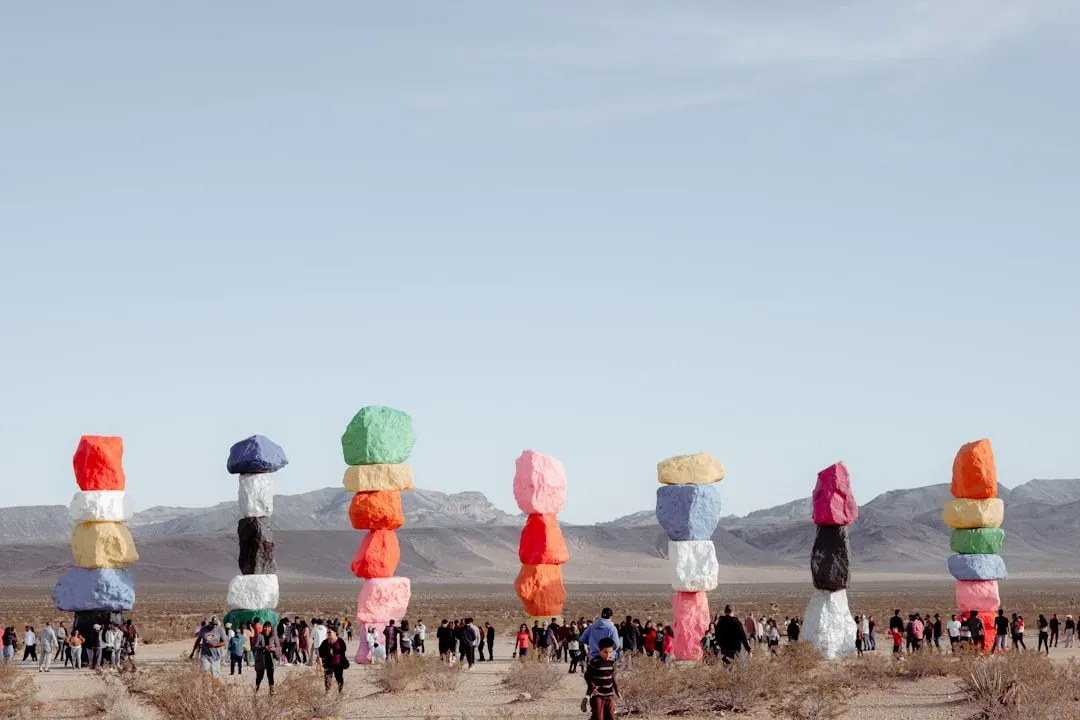
Las Vegas might seem like an odd place to discuss abstract art, but the city has become an unexpected hub for contemporary art collectors and galleries. The Bellagio Gallery of Fine Art has hosted major abstract expressionist exhibitions. The Arts District downtown is packed with galleries showcasing works that challenge traditional representation.
There’s something fitting about abstract art thriving in Vegas. Both deal in transformation and perception. Just as a skilled abstract artist can make you see emotion in a splash of paint, Vegas itself transforms reality through light, architecture, and spectacle.
Local collectors have been snapping up abstract pieces at record rates over the past few years. The city’s nouveau riche seem drawn to art that makes them feel something genuine in an environment often criticized for being artificial. Perhaps that’s the ultimate irony.
When Your Body Reacts Before Your Mind

Here’s something that sounds crazy but is actually documented: your body often responds to abstract art before your conscious mind registers anything. Researchers measuring physiological responses found that heart rate, skin conductivity, and even breathing patterns change within seconds of viewing certain abstract compositions.
This happens because abstract art taps into primal visual processing. Before your brain can think “I like this” or “This is stupid,” your nervous system is already reacting to the visual stimuli. The sharp angles might trigger a subtle stress response. The flowing curves could relax your muscles slightly.
It’s the same mechanism that makes you flinch at a loud noise before you identify what made it. Your emotional brain is faster than your thinking brain, and abstract artists have figured out how to speak directly to that faster system.
The Shapes That Speak Without Words

Beyond color, the actual forms in abstract art carry emotional weight. Jagged, angular shapes tend to evoke tension or aggression. Think of how uncomfortable a room full of sharp corners would feel. Rounded, organic shapes generally promote feelings of safety and comfort.
Abstract artists manipulate these geometric emotions deliberately. Wassily Kandinsky spent years developing theories about how different shapes corresponded to specific feelings and even musical notes. He treated painting like composing a visual symphony.
The scale matters too. Enormous abstract canvases can make you feel small and overwhelmed or expansive and liberated, depending on their composition. Tiny, intricate abstract works might draw you in, creating intimacy. The physical relationship between your body and the artwork becomes part of the emotional experience.
Why Confusion Can Feel Good
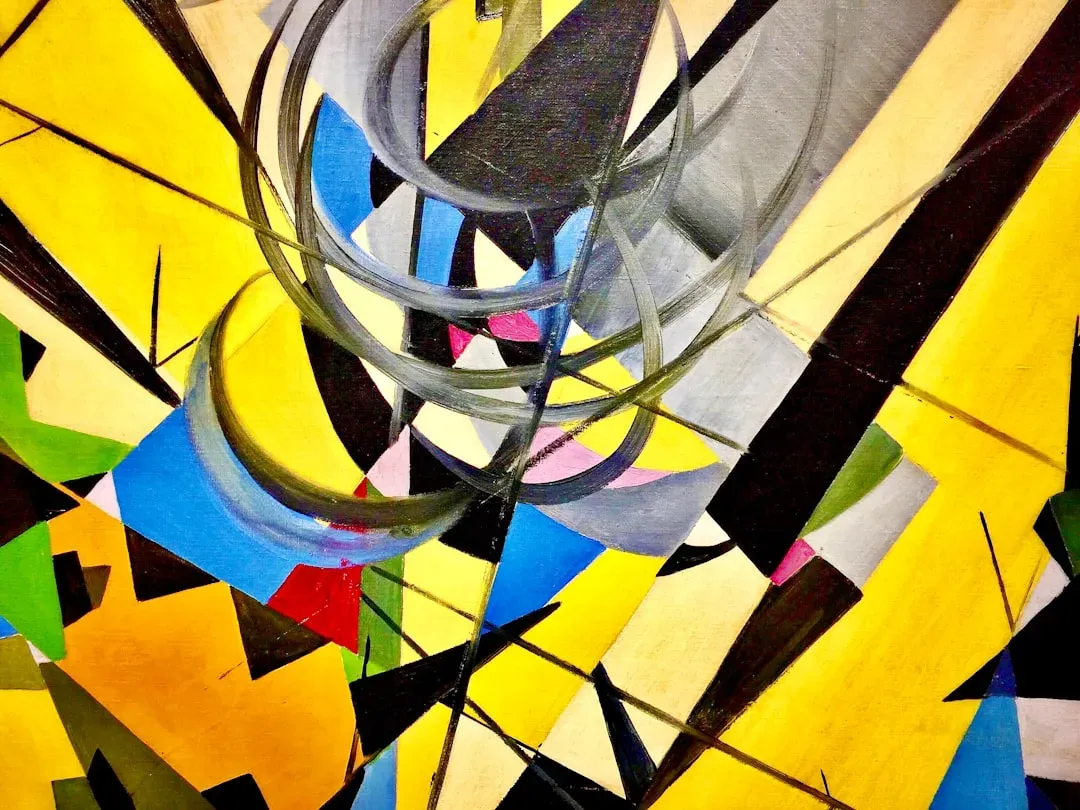
Not understanding abstract art is actually part of its power. When we look at a realistic painting of a landscape, our brain quickly categorizes it and moves on. But abstract work keeps your mind engaged because it never quite resolves.
This state of productive confusion triggers curiosity and sustained attention. Your brain keeps working to make sense of what it’s seeing, and that active engagement creates a stronger emotional imprint. You remember the feeling long after you’ve forgotten the details.
Some people find this frustrating. They want art to have a clear message or purpose. But others find liberation in the ambiguity. In a world that constantly demands we have opinions and answers, abstract art gives permission to simply feel without needing to explain why.
The Mirror Effect

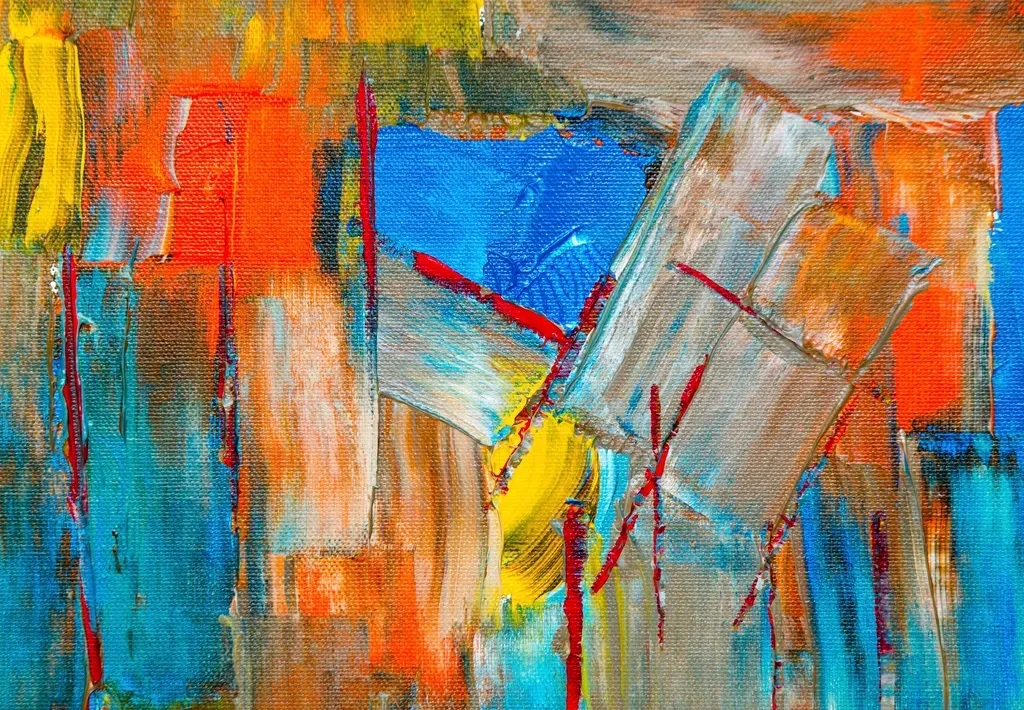
Perhaps the most powerful secret of abstract art is that it functions as an emotional Rorschach test. What you see in those swirls of color and gesture reveals more about your inner landscape than the artist’s intention.
Feeling peaceful? You might notice the harmonious color relationships and balanced composition. Going through a rough patch? Suddenly those same elements look chaotic and unsettling. The art hasn’t changed. You have.
This is why people often say they need to be in the right mood to appreciate abstract work. They’re half right. The truth is that abstract art meets you wherever you are emotionally and amplifies it back to you. That can be confronting or cathartic, depending on what you’re carrying around inside.
The Physical Act of Creation
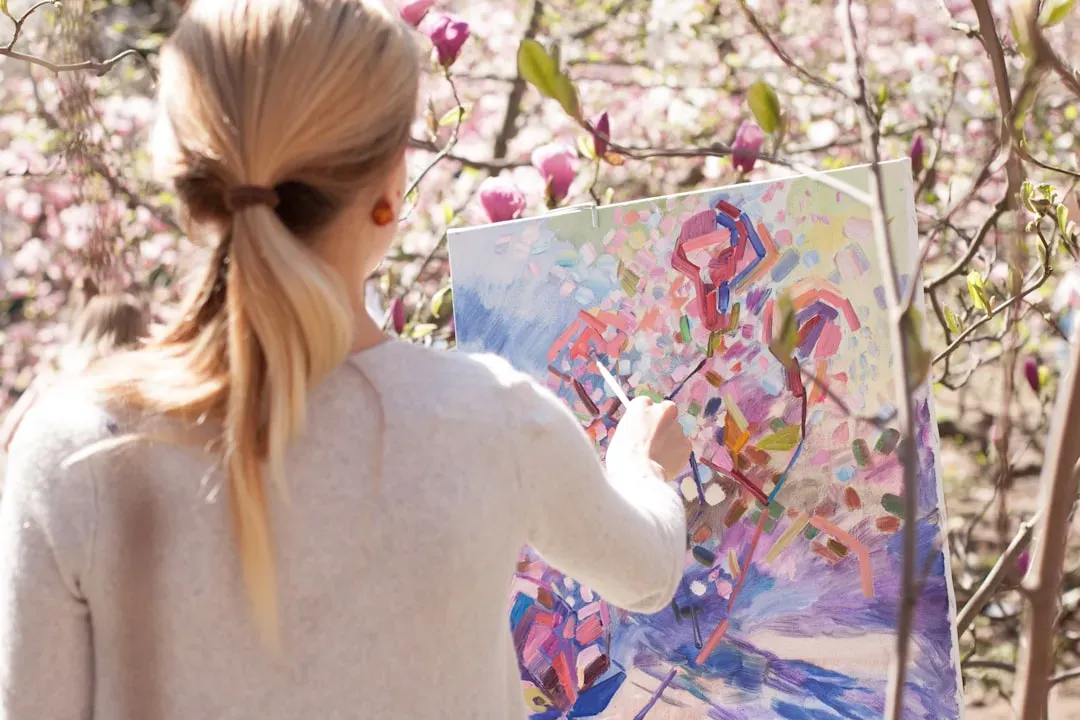
There’s another layer to consider: the physical energy of the artist’s gestures frozen on canvas. When you look at an abstract expressionist painting, you’re seeing the record of human movement and emotion. Every brushstroke, every drip, every scrape carries the energy of the moment it was made.
Some researchers believe we unconsciously pick up on this kinetic energy. Our mirror neurons, the same ones that make us yawn when someone else yawns, might fire in response to the implied motion in the artwork. We’re not just seeing the painting. We’re almost feeling the act of its creation.
This explains why abstract art photographs so poorly compared to seeing it in person. The scale, texture, and physical presence of the original carries information that a digital reproduction simply can’t transmit. You need to be there, in the same physical space, to get the full emotional impact.
The Conclusion

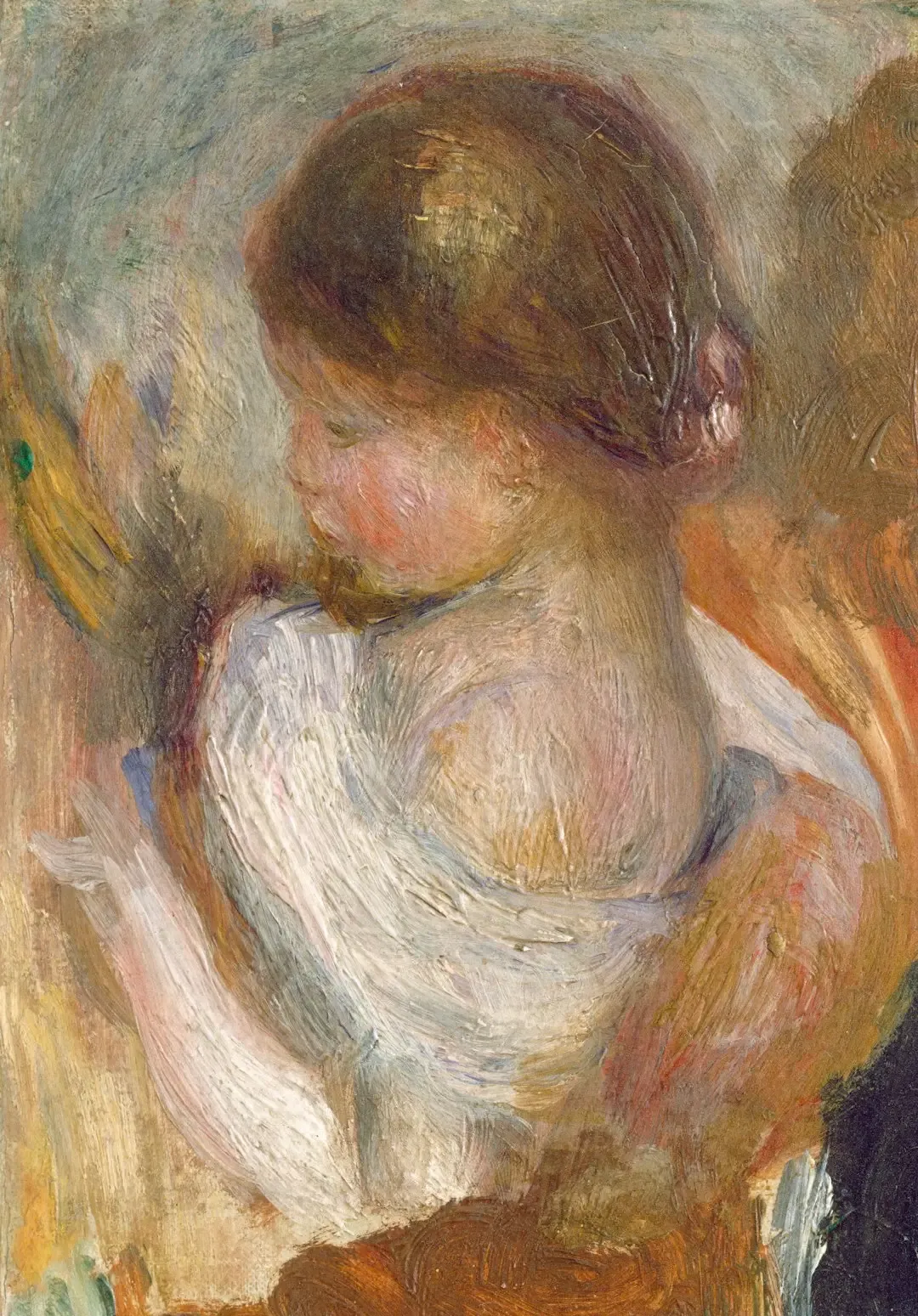
Abstract art doesn’t ask your permission to make you feel something. It bypasses your defenses, ignores your skepticism, and goes straight for your emotional center. Whether you encounter it in a prestigious museum or a downtown Vegas gallery, the effect is the same: colors, shapes, and gestures conspiring to reveal something about your inner world.
isn’t really a secret at all. It’s just that we’ve been trained to think of art as something to understand rather than something to feel. Once you let go of needing an explanation and simply allow yourself to experience the work, that connection becomes obvious.
Next time you’re faced with a canvas of seemingly random colors and shapes, don’t ask what it means. Ask what it makes you feel. The answer might surprise you. What emotions do you think abstract art reveals about you?


