History has never been a one-sided story, even if it was written that way for centuries. Women have shaped empires, sparked revolutions, rewritten the rules of science, and changed the moral fabric of entire nations. Sometimes quietly, sometimes violently, and sometimes simply by refusing to move from a seat on a bus.
What makes a woman truly influential? Power? Courage? Radical ideas that took decades to be taken seriously? Honestly, it’s probably all three. This gallery-style countdown takes a close look at 15 women whose impact reaches far beyond their own lifetimes. Some names you’ll instantly recognize. Others might genuinely surprise you. Let’s dive in.
1. Marie Curie – The Woman Who Rewrote Science

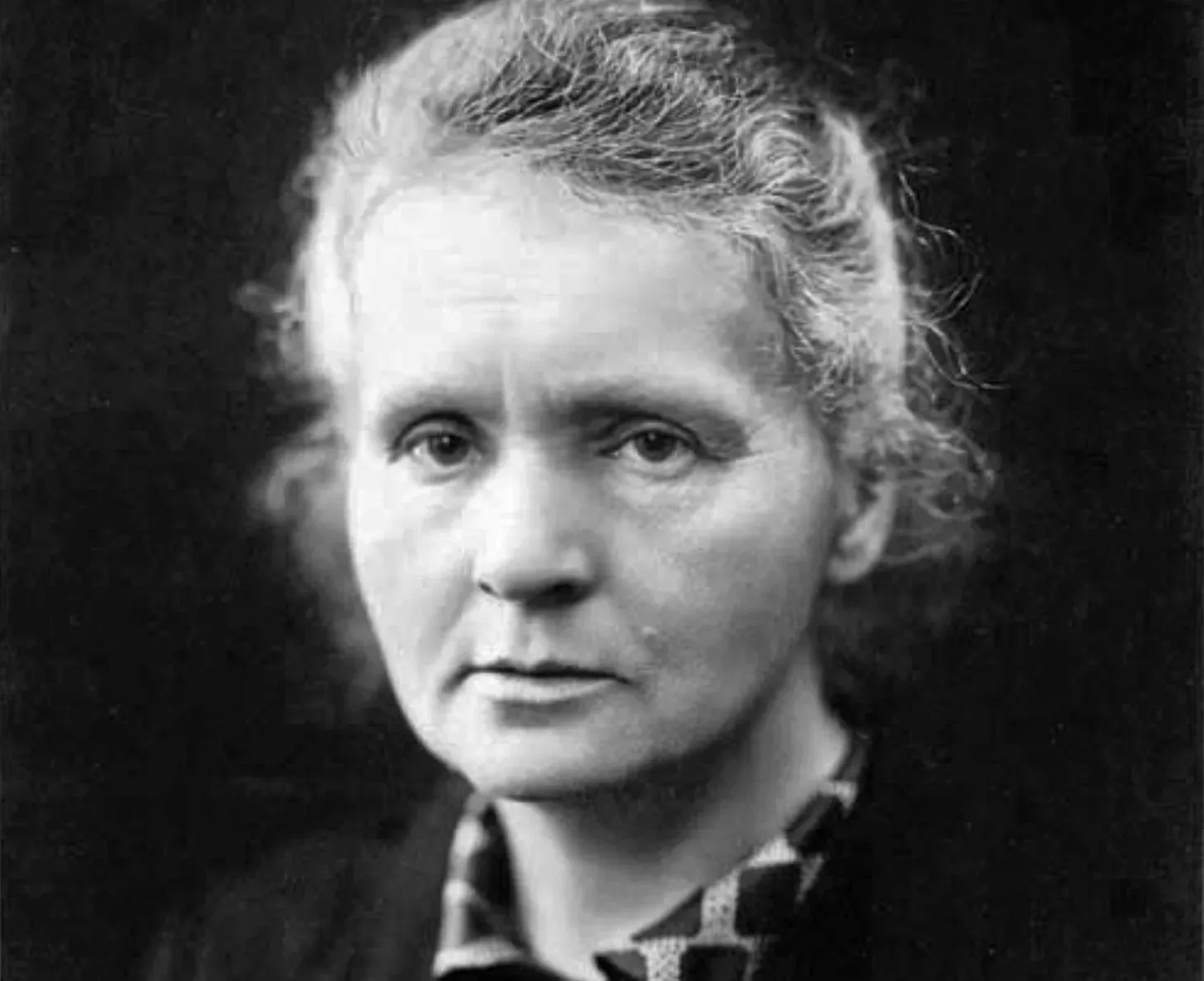
There are scientists, and then there’s Marie Curie. She is, without question, one of the most extraordinary human beings who ever lived. She was the first woman to win a Nobel Prize and the only woman to win the award in two different fields. That alone would be enough to secure a legacy. But she didn’t stop there.
She was the first woman to receive a doctor of science degree in France, the first woman to lecture at the Sorbonne, and the first person to win two Nobel Prizes. The sheer number of “firsts” attached to her name is staggering. Her groundbreaking work in the field of radioactivity laid the foundation for modern radiological practices and cancer treatments.
During World War I, she recognized the potential of X-rays to aid in battlefield medical care and developed mobile radiography units that provided immediate diagnostic capabilities to surgeons at the front lines. Since 2024, Curie has been depicted on French 50 euro cent coins to commemorate her importance in French history. Even now, in 2026, her face is being added to new banknotes and monuments. A legacy that refuses to fade.
2. Cleopatra – The Last Pharaoh Who Played the Long Game

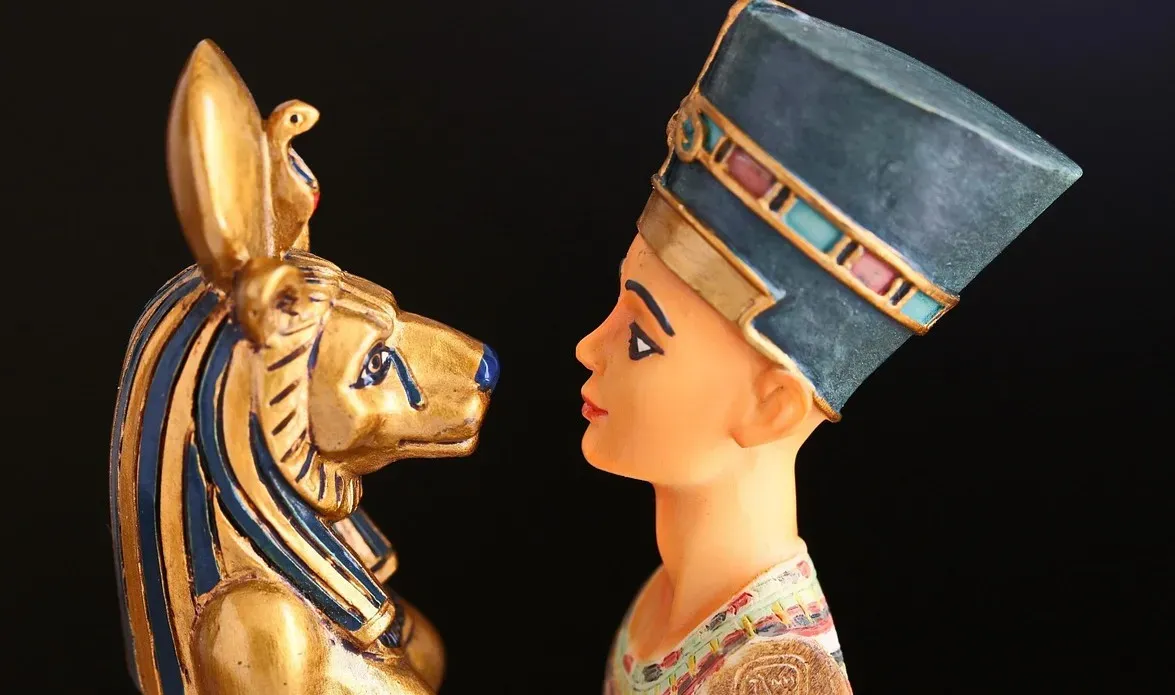
Cleopatra is one of those figures the world loves to reduce to a romantic story. The reality is far more impressive. Cleopatra (69-30 BC) was the last Pharaoh of Ptolemaic Egypt, known for her superior intelligence and improving her country’s standing and economy. She was, first and foremost, a political genius.
She was reportedly fluent in around nine languages, which set her apart from virtually every Egyptian ruler before her. From Cleopatra’s political genius to Kamala Harris’s historic election, women in politics and leadership have reshaped nations and shifted the course of history. Cleopatra remains the defining starting point in that long line of politically powerful women.
Let’s be real: ruling an ancient civilization while fending off Roman imperialism requires a level of strategic brilliance that most world leaders today couldn’t dream of. She navigated one of history’s most dangerous political landscapes with an intellect that still commands respect thousands of years later.
3. Harriet Tubman – Conductor of Freedom

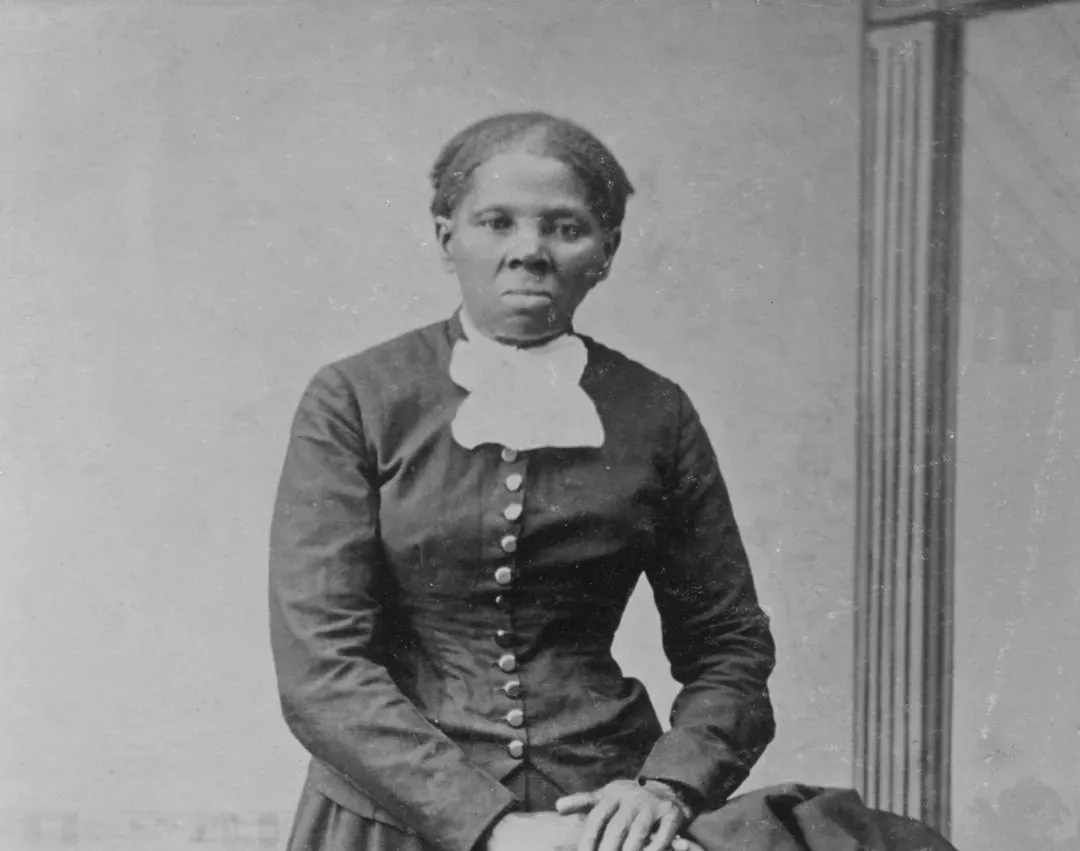
As the fearless conductor of the Underground Railroad, a Civil War spy, and the leader of one of the most successful liberation missions in U.S. history, she was an unstoppable force against oppression. Born into slavery, Harriet Tubman’s life is almost impossible to fully comprehend. The danger she faced daily was not metaphorical. It was absolute.
She risked her life by returning to the South 19 times to lead over 300 enslaved people to freedom through the Underground Railroad. What made Tubman extraordinary wasn’t just her courage but her tactical brilliance. She developed elaborate systems of safe houses, coded messages, and escape routes.
During the Civil War and Reconstruction, Tubman assisted Union Army Colonel James Montgomery in battling Confederate troops, and she nursed sick and wounded soldiers as well as taught self-sufficiency to newly-freed Black Americans. She was never just one thing. She was a liberator, a spy, a nurse, and a community builder. Harriet Tubman is the face of the new $20 bill in the US, a recognition long overdue.
4. Rosa Parks – One Seat That Changed a Nation

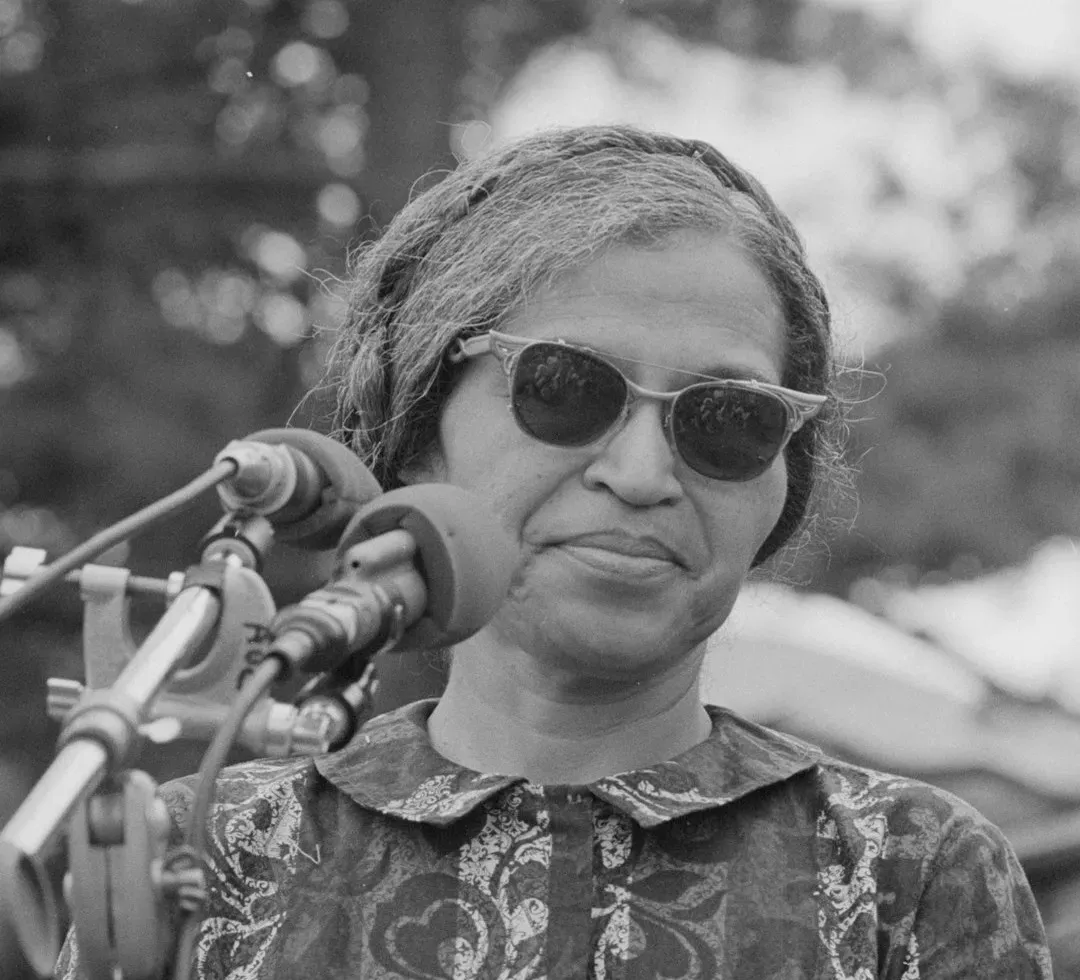
Sometimes history pivots on a single act. Rosa Parks’ refusal to move to the back of a segregated bus in Montgomery, Alabama, wasn’t just about a seat – it was a statement that sparked a revolution. In a country governed by the Jim Crow laws, what she did on December 1, 1955 took extraordinary courage.
The Montgomery Bus Boycott was one of the most powerful collective actions in civil rights history, leading to the dismantling of segregation laws and paving the way for the Civil Rights Act of 1964. The ripple effects of that one moment permanently altered the course of American law and culture.
The Jim Crow Laws enforced racial segregation for Black Americans, extending to the use of public facilities like transport, restaurants, swimming pools and restrooms. Rosa Parks didn’t just refuse to accept those laws. She made the world watch and decide what kind of country it wanted to be. Her quiet courage remains one of the most electrifying acts of defiance in recorded history.
5. Marie Curie’s Predecessor in Courage: Emmeline Pankhurst – Fighter for the Vote

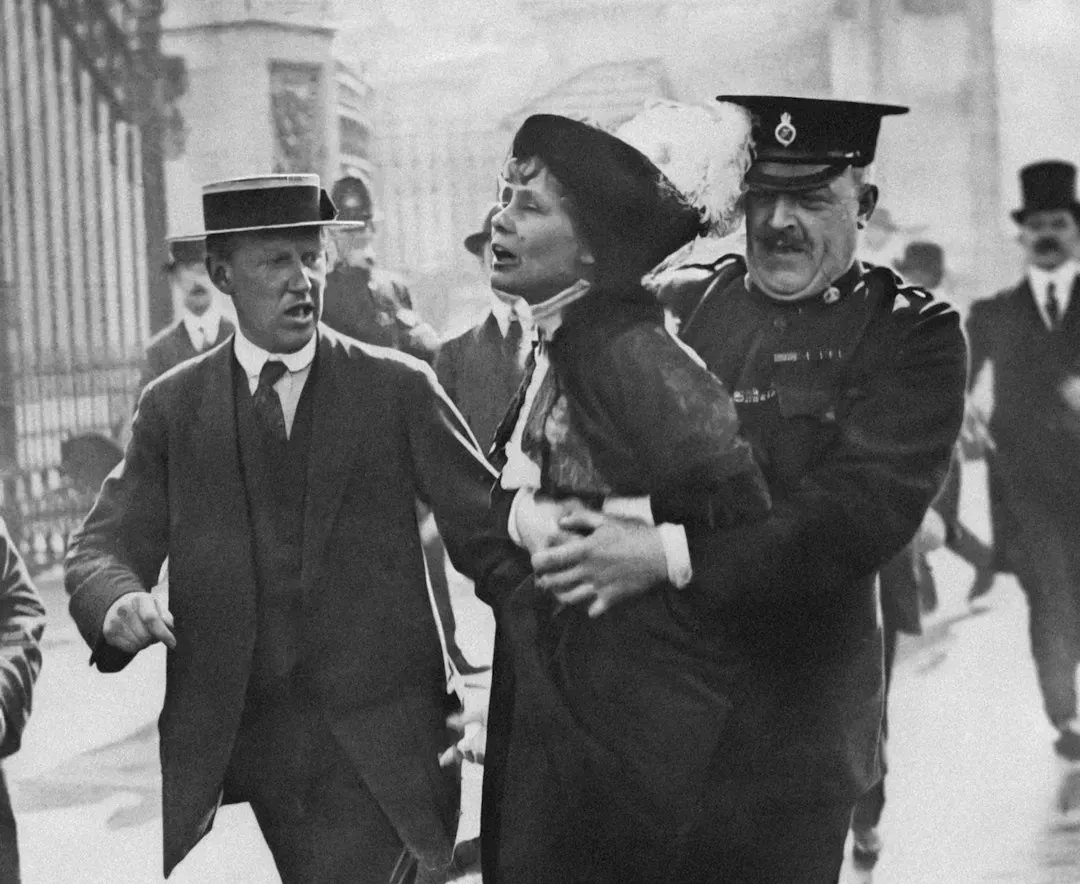
Emmeline Pankhurst was a British political activist who organised the British suffragette movement and helped women to win the right to vote in Great Britain and Ireland in 1918. Her path to that victory was neither polite nor peaceful. She believed the stakes were too high for politeness.
Pankhurst was a founder of the Women’s Social and Political Union, a British organization that thrust the disenfranchisement of women into public consciousness. Her organization focused on “deeds, not words,” and used public demonstrations and acts of militancy to tip public opinion in favour of equal suffrage. Members smashed windows, staged hunger strikes, and endured force-feeding in prison.
In 1999, Time named her as one of the 100 Most Important People of the 20th Century, stating that she “shook society into a new pattern from which there could be no going back.” Pankhurst’s work with the Women’s Social and Political Union ultimately facilitated the success of the Representation of the People Act in 1928, which granted British women the same voting rights as men. She died just weeks before its passage, never officially seeing the final victory. That’s devastating. That’s also dedication.
6. Queen Elizabeth I – The Virgin Queen Who Built an Empire

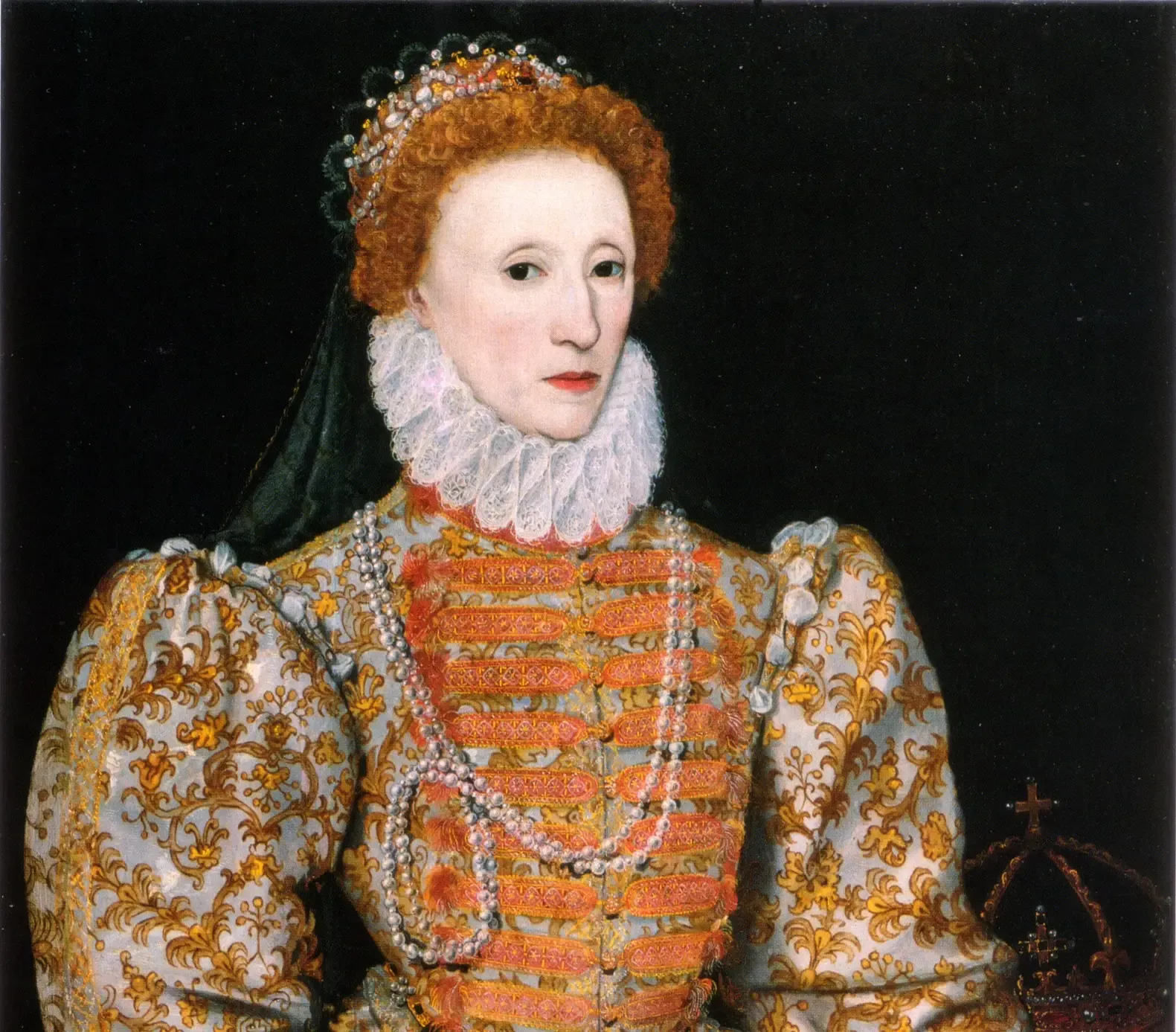
Imagine inheriting a fractured kingdom, being told no man would take you seriously, and then ruling for 45 years as one of the most celebrated monarchs in British history. Queen Elizabeth I ruled England for 45 years during the Elizabethan Era, a period marked by English Renaissance culture and the defeat of the Spanish Armada in 1588.
Her leadership helped secure England’s status as a major world power, and she never married or had children, an unusual status for a Queen in the 16th century. That choice itself was a radical act of political self-determination in an era when women were expected to be wives above all else. She chose the throne over a husband, and history has never forgotten it.
The Elizabethan Era she presided over produced some of the greatest cultural achievements in English history, including the works of Shakespeare. Think of her era as a kind of Renaissance incubator that she funded, protected, and shaped with her presence. I think it’s genuinely hard to overstate how different England might have looked under a weaker ruler during that turbulent period.
7. Florence Nightingale – The Woman Who Invented Modern Nursing

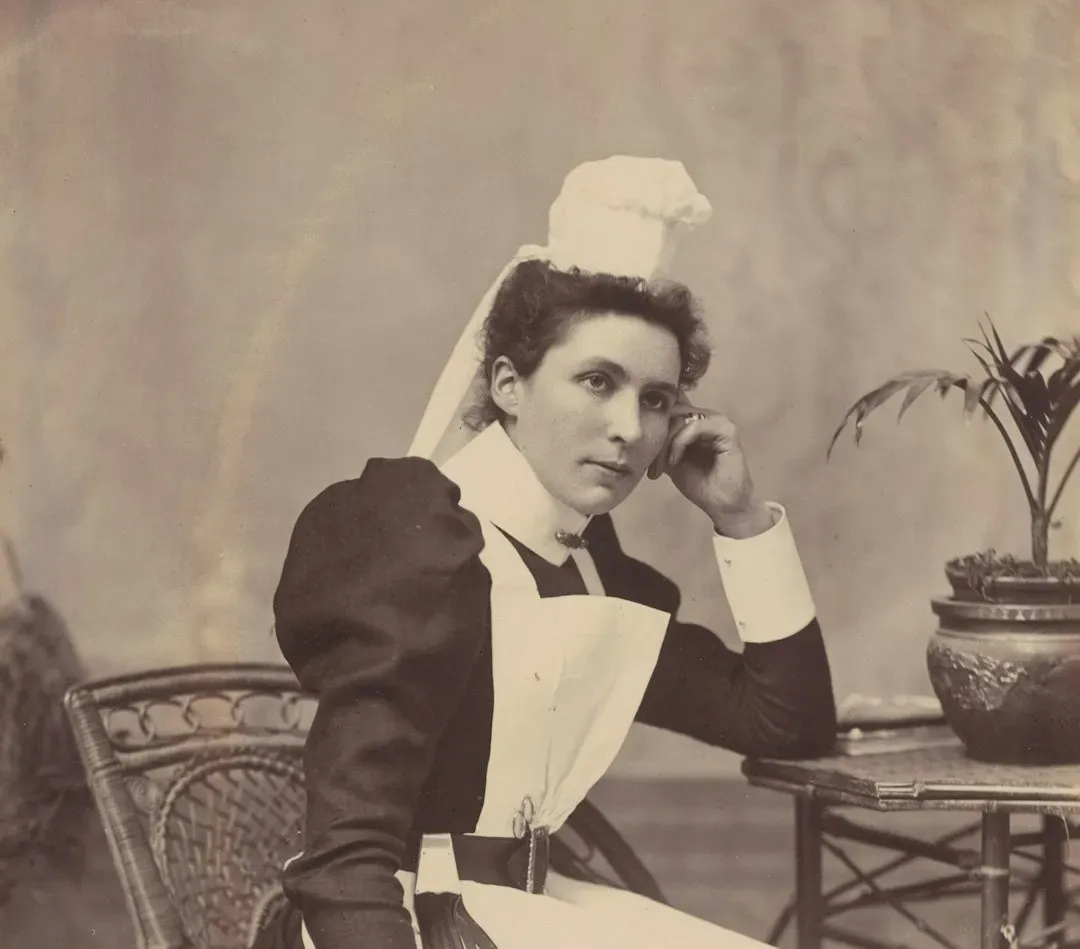
Florence Nightingale, known as the “Lady with the Lamp,” took care of wounded soldiers and started modern nursing. She arrived in military hospitals during the Crimean War and found conditions so horrifying that soldiers were more likely to die from infection than from their wounds. She changed that. Systematically and with data.
She taught nurses about cleanliness and hygiene and travelled with them to the Crimean War, where she was shocked at the conditions of the hospital and set to work making sure her key principles of cleanliness and hygiene were upheld. Soldiers who were getting worse before she arrived began getting better. This was not soft care. It was evidence-based reform, decades before the concept had a name.
What’s often overlooked is that Nightingale was also a pioneering statistician. She created detailed visual charts to communicate mortality data to politicians who wouldn’t read reports. She essentially invented data visualization in public health. She opened the first nursing school in London, and today the entire professional structure of nursing traces its lineage back to her. That’s a legacy worth knowing in full.
8. Ada Lovelace – The World’s First Computer Programmer

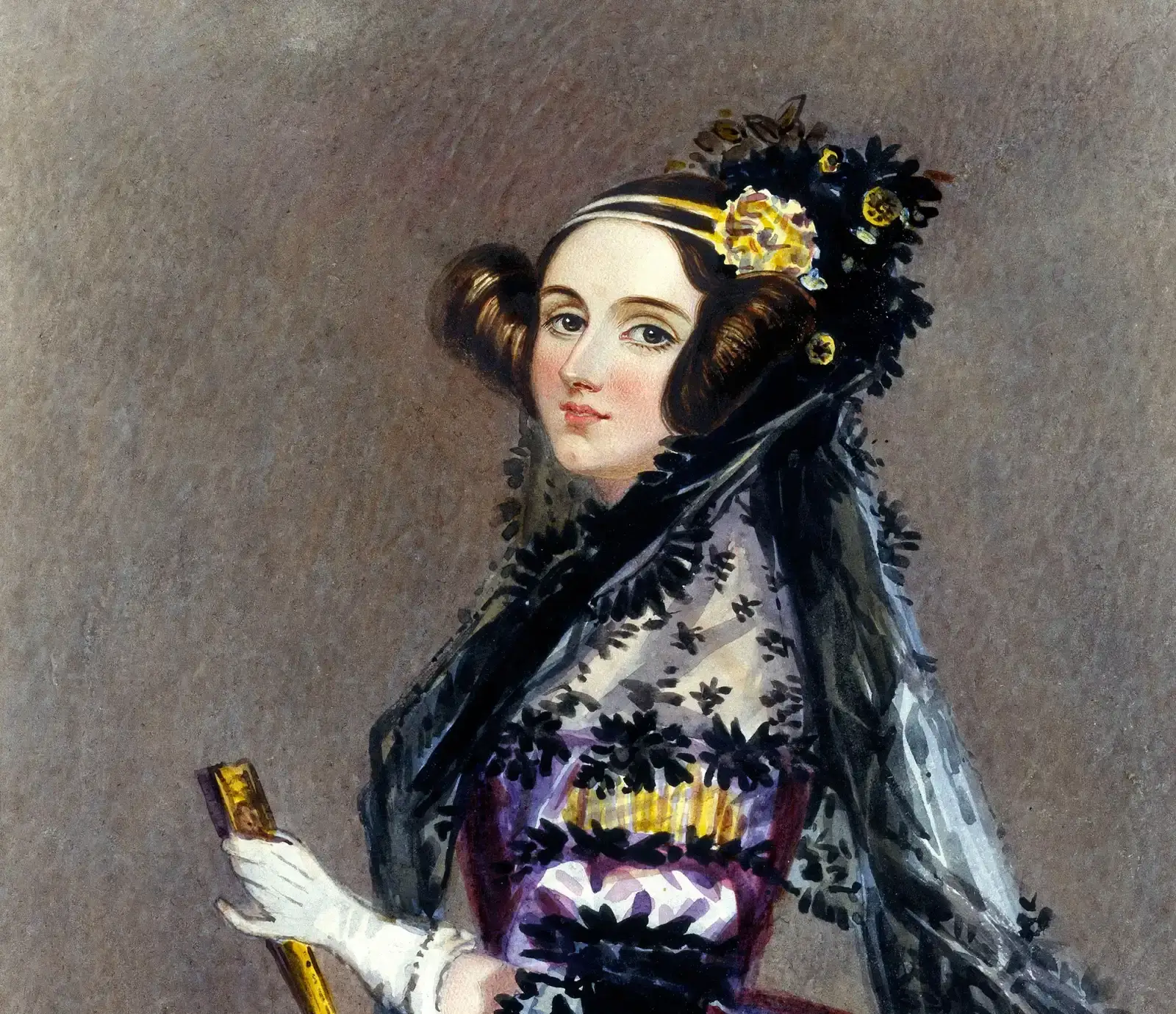
Here’s the thing about Ada Lovelace: she wrote computer programs before computers existed. Ada Lovelace was a British mathematician and writer, best known for her work on Charles Babbage’s early mechanical computer, the Analytical Engine. She is often regarded as the first computer programmer because she recognised that the machine could be programmed to perform a series of operations beyond simple calculations. Her groundbreaking work laid the foundation for modern computing, and her visionary insights into algorithms were ahead of her time.
Ada Lovelace was writing computer programs way back in the 1840s, more than 100 years before the first computer was even built. She is considered the world’s first computer programmer. Think about that timeline for a moment. While the world was still figuring out steam power, this woman was designing algorithms for a hypothetical machine.
The entire digital world we live in today, from smartphones to artificial intelligence, rests on a conceptual foundation that traces back in part to her notes. Without Lovelace, the path to modern computing might have looked very different. It’s hard to say for sure exactly how, but the intellectual leap she made was extraordinary by any measure.
9. Queen Victoria – The Monarch Who Defined an Era

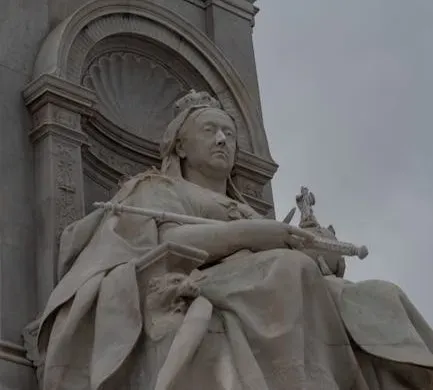
Queen Victoria was the Queen of the United Kingdom, ruling over a vast British Empire that stretched across six continents for 63 years. Her rule was so definitive that the period has come to be known as the “Victorian Era.” Naming an entire century after a ruler is not something that happens by accident. It happens when that ruler’s personality, values, and decisions permeate every corner of society.
Under her rule, slavery was abolished throughout all British colonies and voting rights were granted to most British men. She also oversaw sweeping industrialization, expansion of the railway system, and major social reforms. The empire she presided over covered roughly a quarter of the world’s land surface at its peak.
She was also a woman who experienced profound personal grief, particularly after the death of her husband Prince Albert, and yet continued to govern for decades more. Victoria was not just a figurehead. She was actively engaged in the political affairs of Europe and corresponded directly with heads of state across the continent. The reach of her influence was literally global.
10. Maya Angelou – Voice of a Generation

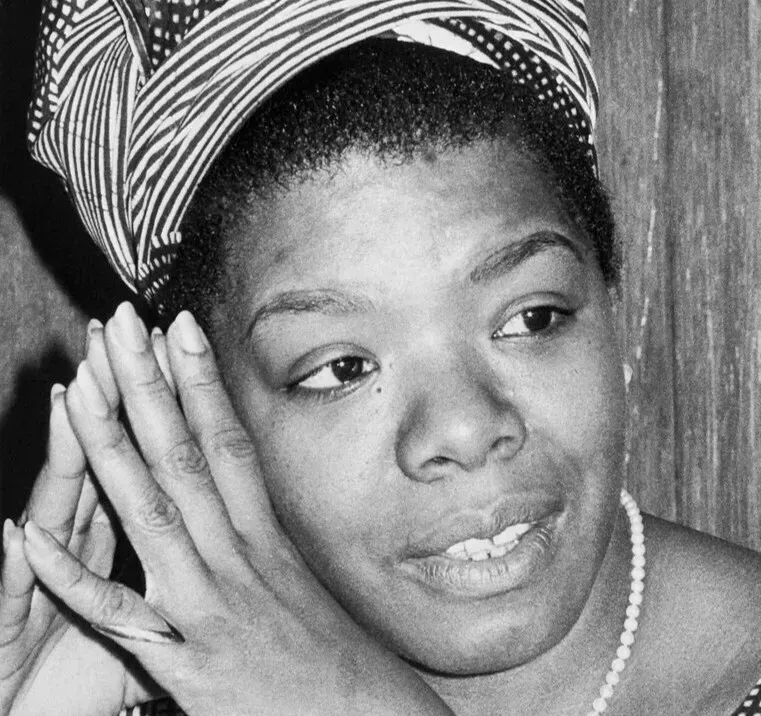
Maya Angelou was an American poet, singer, and civil rights activist best known for her autobiographies, especially I Know Why the Caged Bird Sings. Her powerful words on resilience, racial equality, and womanhood made her one of the most influential voices of the 20th century, earning her multiple awards and honours.
Her love of books started as a child, when she struggled with selective mutism for five years. Beyond writing, she was also an actor, singer, screenwriter, and civil rights activist. She lived multiple lives within one, and she wrote them all down with a clarity and emotional force that changed the way America spoke about race, womanhood, and survival.
Angelou recited her poem “On the Pulse of Morning” at President Bill Clinton’s inauguration in 1993, bringing her words to a national stage that most poets never reach. Her voice carried the weight of history, and she wielded it with precision. For millions of readers worldwide, she remains one of the most deeply personal and transformative writers who ever lived.
11. Amelia Earhart – She Flew Where No Woman Had Gone Before

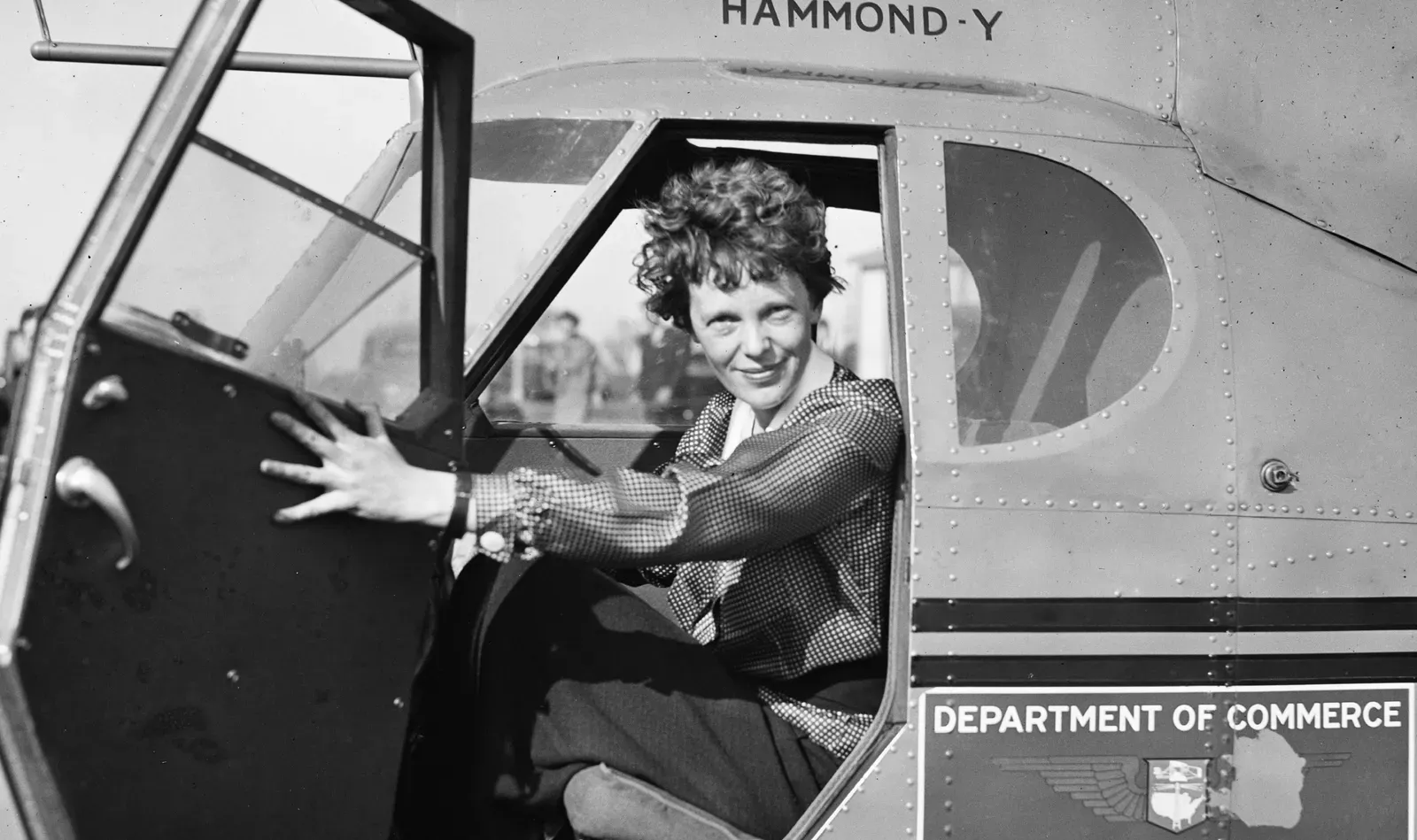
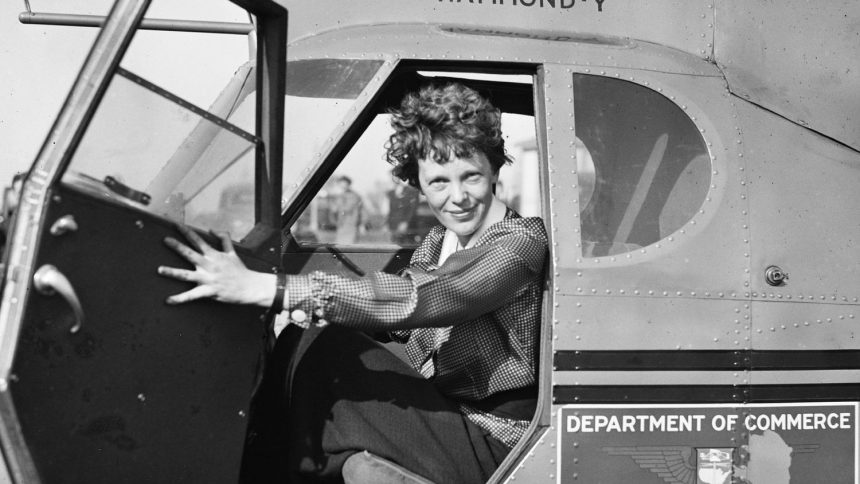
Amelia Earhart was the first woman to fly solo across the Atlantic Ocean in 1932. Her flight took nearly 15 hours, and she had to fight ice on her wings and fuel leaks along the way. In an era when women were barely considered capable of driving cars independently, she crossed an ocean alone in a plane. The symbolic force of that was immeasurable.
Earhart’s visibility as a public figure made her a cultural phenomenon as much as an aviation pioneer. She wrote books, gave lectures, and advocated for women pursuing careers in fields that excluded them. She became a living argument against the idea that women had natural limits.
Her mysterious disappearance over the Pacific Ocean in 1937 during an attempted circumnavigation added an enduring layer of myth to an already extraordinary story. Whatever happened to her, her legacy in aviation and in the broader story of women’s capability was already cemented. We have women to thank for many of the biggest and best contributions to society, and trailblazers like Earhart worked tirelessly to make the world a better place, whether on the front lines of protests or inspiring fellow women to speak their own minds.
12. Cleopatra’s Ancient Rival: Empress Theodora – The Power Behind the Byzantine Throne

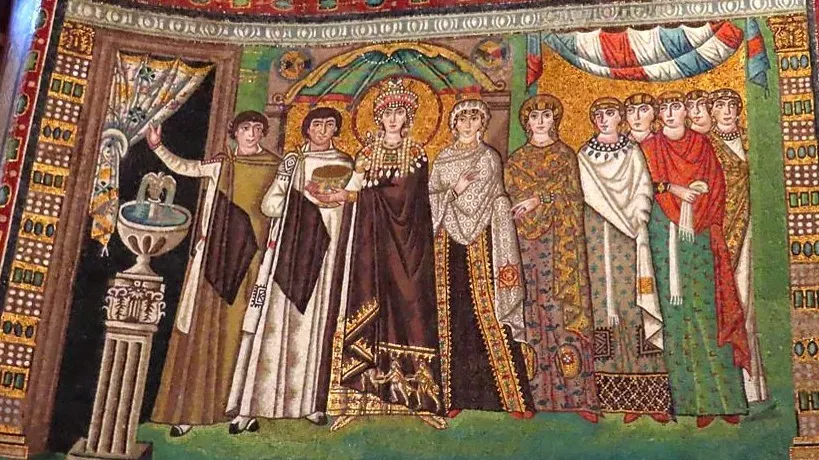
Theodora (500-548) was a highly influential Empress of the Byzantine Empire and a saint of the Eastern Orthodox Church. Married to Emperor Justinian I, she was his most trusted advisor and used him to achieve her purposes. She controlled foreign affairs and legislation, violently put down riots, and, notably, fought for the rights of women, passing anti-trafficking laws and improving divorce proceedings.
Born into poverty, with a background as a performer, Theodora rose to the absolute pinnacle of the Byzantine world through sheer intelligence and political instinct. The story of her ascent reads like something a novelist would be criticized for making too unrealistic. Yet here it is in the historical record.
She is one of the most significant examples of what’s called “soft power” in ancient politics, except there was nothing soft about it. She shaped laws, built churches, and protected vulnerable women with legislation that was remarkably progressive for the 6th century. She’s proof that influence doesn’t always need a crown of its own.
13. Helen Keller – Proof That Nothing Can Stop a Determined Mind

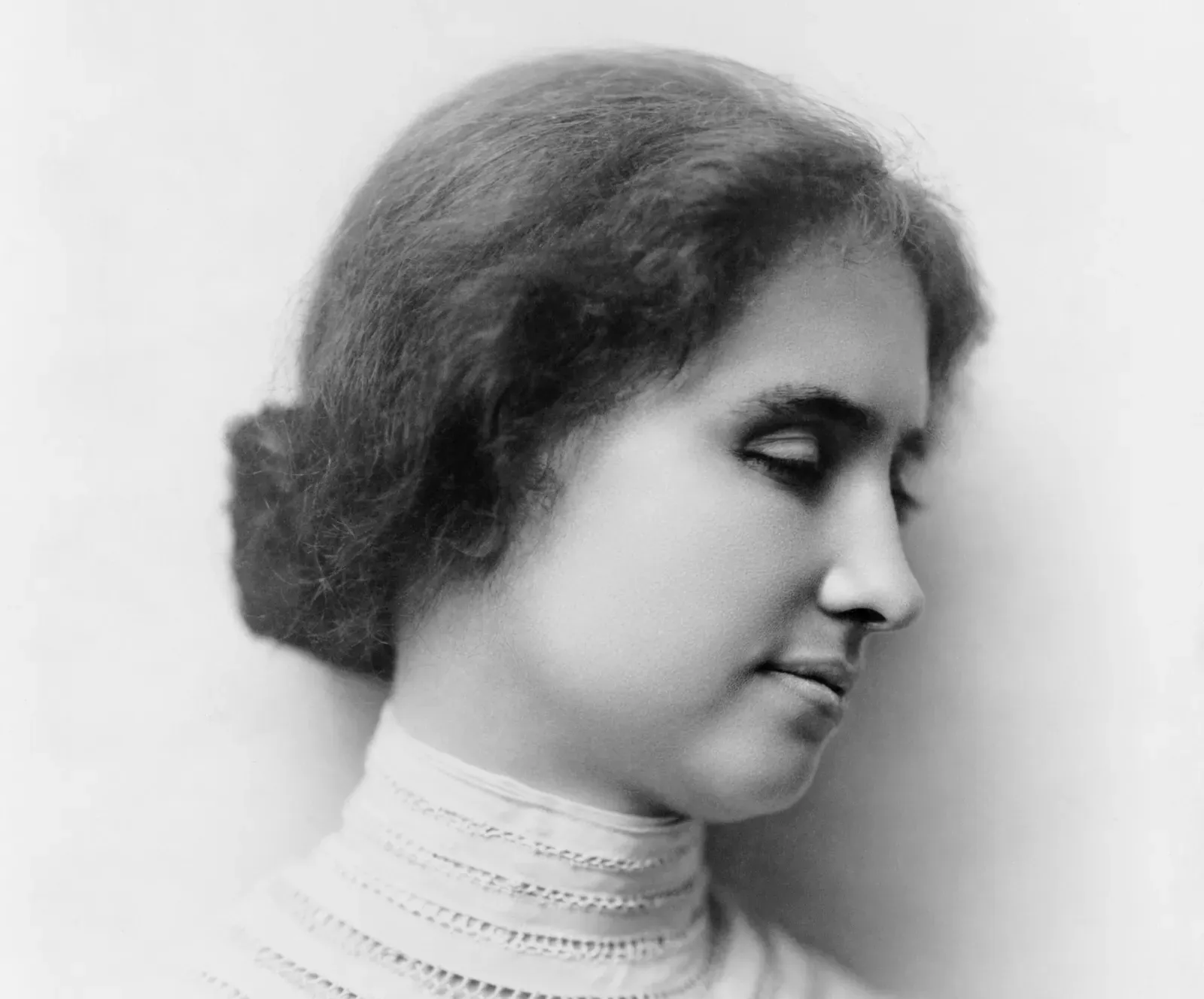
Helen Keller, who became deaf and blind at a young age due to an illness, overcame these disabilities with the help of her teacher, Anne Sullivan. Keller became an influential author, activist, and lecturer, advocating for people with disabilities and women’s rights, and she was the first deafblind person to earn a college degree.
She went on to write twelve books and dozens of essays, corresponded with world leaders, and delivered speeches to massive audiences. The story of her early life, particularly the moment she first understood language through the sensation of water on her hand, is one of the most profound individual transformations in recorded human history.
Keller was also a committed socialist and political activist, a dimension of her life that is often scrubbed from the more sanitized versions of her story. She spoke out against militarism, poverty, and racial inequality. Her intellectual reach and political courage went far beyond her own personal challenges, and she never stopped pushing boundaries until she died in 1968 at the age of 87.
14. Malala Yousafzai – The Youngest Nobel Laureate and Her Ongoing Fight

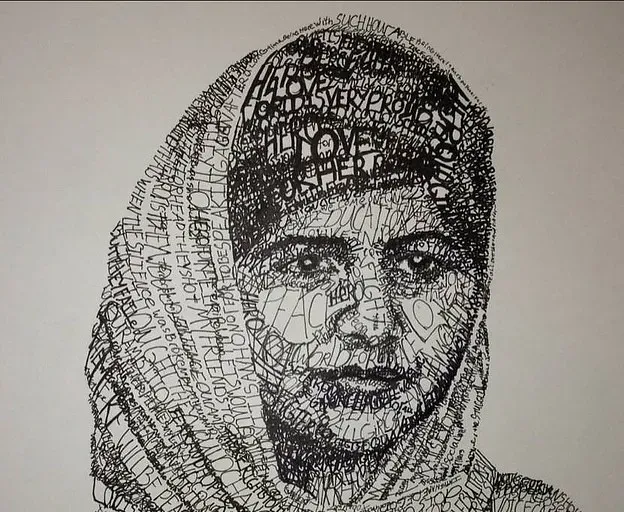
Malala Yousafzai became the youngest Nobel Prize winner ever at just 17 years old. She fights for girls’ right to go to school all around the world. Her story began in Pakistan’s Swat Valley, where the Taliban banned girls from attending school. Malala spoke out publicly. Then, in 2012, she was shot in the head on her school bus.
She survived. She went back to school. She gave a speech at the United Nations. She won the Nobel Peace Prize at an age when most people are still figuring out what subject to study in university. The audacity required to stand in the face of that kind of violence and continue speaking is almost incomprehensible.
As of 2026, the Malala Fund continues to advocate for 12 years of free, quality education for every girl globally. It operates in regions including Afghanistan, Brazil, Ethiopia, India, Nigeria, and Pakistan. Her influence is not a historical artifact. It’s ongoing, active, and measurable in the number of girls currently sitting in classrooms because of the movement she helped build.
15. Queen Elizabeth II – The Longest-Reigning British Monarch

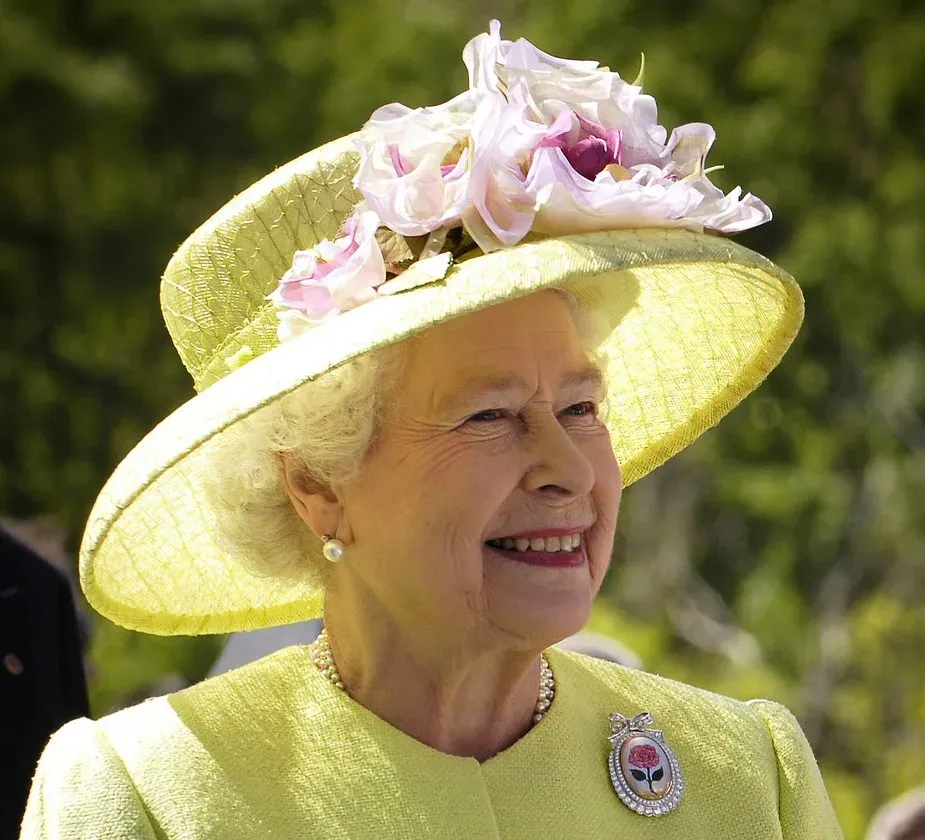
Queen Elizabeth II served as head of the royal family for 70 years, making her the longest-reigning monarch in British history. She ascended to the throne in 1952 at just 25 years old, inheriting not only a crown but a rapidly changing empire, a battered post-war Britain, and a world in political transformation.
Over seven decades, she presided over the dissolution of the British Empire, the decolonization of dozens of nations, the emergence of the Commonwealth, and the entire arc of the modern world from the Cold War to the digital age. She met every sitting U.S. president from Truman onward, except Lyndon B. Johnson. That’s a span of history that defies easy summarization.
Her passing in September 2022 was mourned across the globe in a way that few rulers have experienced in the modern era. Whether one views monarchy as an institution positively or not, the sheer scale of her presence in 20th and 21st century world affairs is undeniable. She was a constant in a world that seemed allergic to constants, and her personal sense of duty shaped how millions of people understood the idea of public service.
Conclusion: The Women Who Changed Everything

What unites all 15 of these women is not fame, not royal blood, and certainly not an easy path. Over the years, these trailblazers worked tirelessly in their own ways to make the world a better place and shape the course of history. They brought their innovative beliefs and talents to life with dedication, passion, and plenty of hard work. Some rewrote science. Some rewrote law. Some simply refused to be invisible.
Looking at this list in 2026, it’s striking how many of these women acted alone, without institutional support, often against direct opposition from governments, churches, and entire social systems designed to silence them. They did it anyway. The world is measurably different because they existed.
Whose name do you think is missing from this list? History is full of women whose stories haven’t been told yet. What would your top 15 look like?