Some concerts are just concerts. You show up, you hear a few songs, you go home. Then there are those rare, electric moments in music history where an entire lineup feels like it was assembled by the universe itself, where you’d look back decades later and realize you witnessed something truly unrepeatable. We’re talking about the festivals that didn’t just entertain, they changed the very definition of what live music could be.
From fields full of half a million muddy strangers to stadium screens broadcasting to nearly two billion households, the festivals on this list didn’t just draw a crowd. They shifted culture. Each one left a permanent mark, not only on the artists who played but on entire generations of music fans who were – or desperately wished they were – there. Let’s dive in.
1. Woodstock 1969 – The Lineup That Defined a Generation

https://web.archive.org/web/20180920173114/https://ricmanning.blogspot.com/2009/08/remembering-woodstock.html
https://archive.ph/jeKD7
https://web.archive.org/web/20200212121812/http://ricmanning.blogspot.com/2019/08/heres-my-blockbuster-video-that-only.html
https://archive.ph/u53fo
https://web.archive.org/web/20190811080854/https://www.tribstar.com/features/valley_life/peace-music-rain-mud/article_b5daf3df-b4d7-5182-ba9f-e2f3635b4791.html
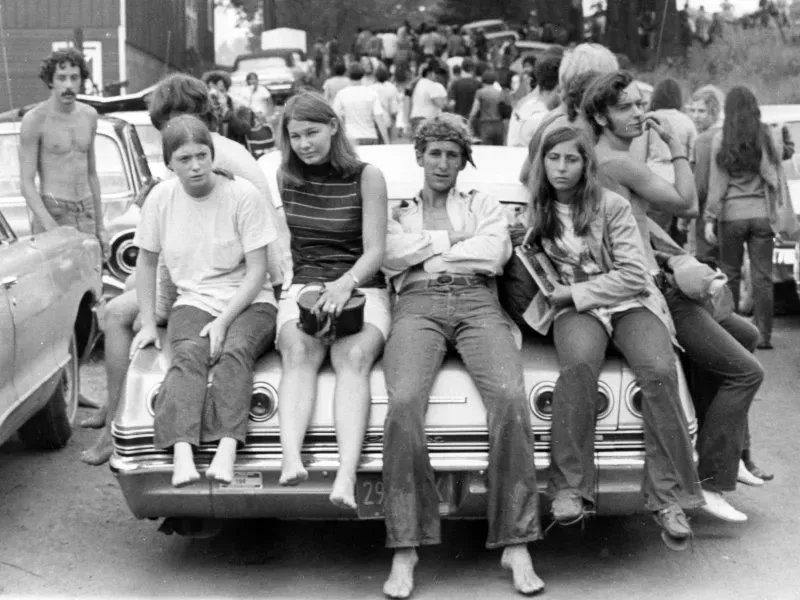
Ric Manning narrates the story of eight friends from Indiana University who went to the Woodstock music festival in 1969 youtube
https://www.legacy.com/us/obituaries/louisville/name/jeannene-manning-obituary?id=8086656, CC BY 3.0)
There is probably no festival lineup in history that carries more emotional weight than Woodstock. The Woodstock Music and Art Fair was held on a 600-acre dairy farm in the rural town of Bethel, New York, from August 15 to 18, 1969, with 32 acts performing during the sometimes rainy weekend in front of nearly half a million concertgoers. Think about that for a second. Half a million people on a farm.
The festival was organized by four inexperienced promoters who nonetheless signed a who’s who of current rock acts, including Jimi Hendrix, Sly and the Family Stone, The Who, the Grateful Dead, Janis Joplin, the Jefferson Airplane, Ravi Shankar, and Country Joe and the Fish. Honestly, just reading that list is overwhelming.
Originally expected to draw a crowd of just 50,000, nearly half a million people ended up making their way to the Woodstock Music Festival, which became one of the most iconic events in music history. When Crosby, Stills, Nash and Young performed at Woodstock, it was only their second gig together, and member Stephen Stills admitted to being “scared sh–s.” That detail never gets old.
Woodstock is widely regarded as one of the greatest moments in popular music history and was listed on Rolling Stone’s “50 Moments That Changed the History of Rock and Roll.” As one historian noted, “it was definitely the launchpad for a number of acts,” especially if they were featured in the Woodstock documentary that Warner Brothers released several months after the festival.
2. Monterey Pop Festival 1967 – Where Rock First Exploded

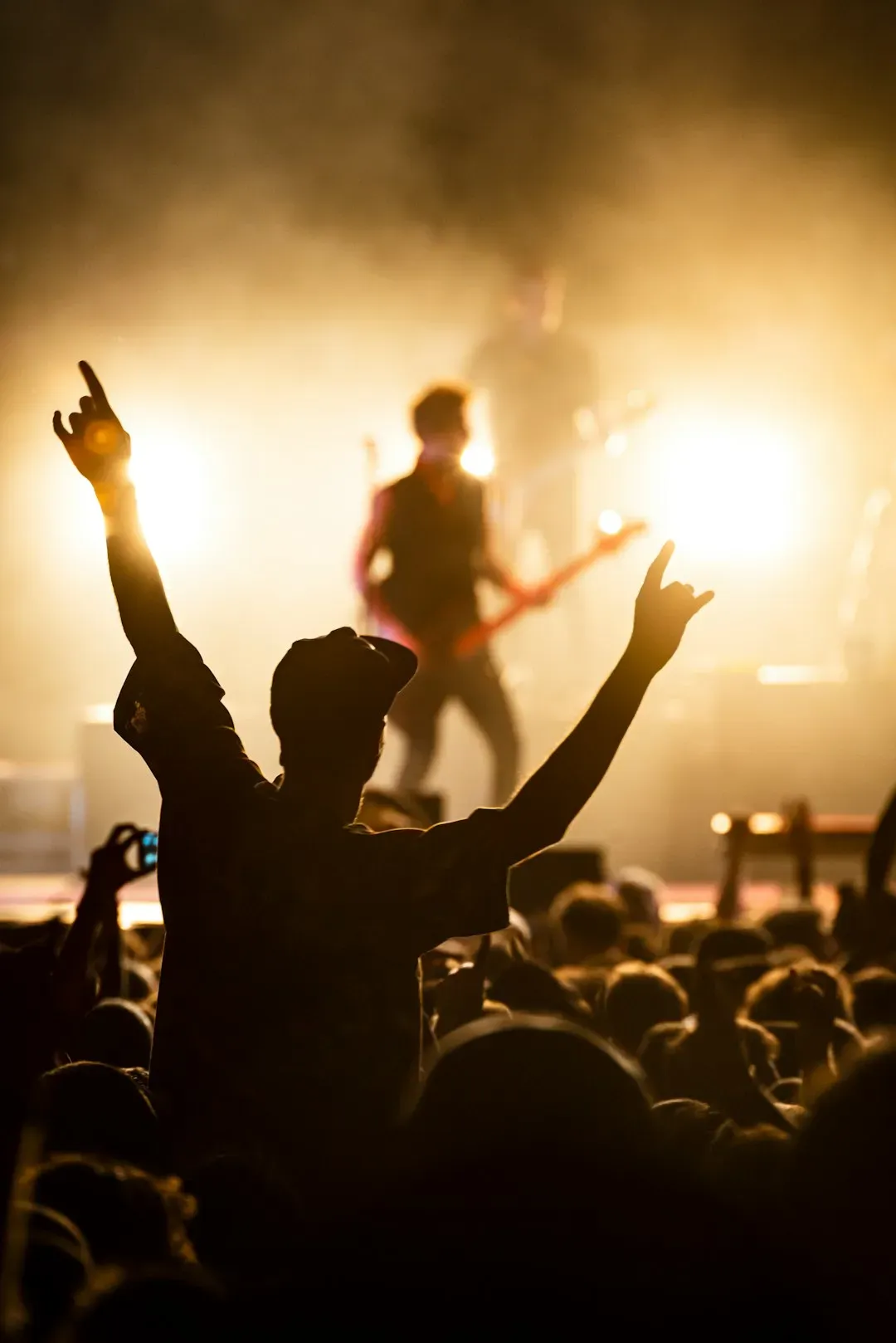
The Monterey International Pop Festival was a watershed moment for the “Summer of Love” that flowered in California in 1967, organized by producer Lou Adler and British journalist Derek Taylor. Monterey Pop was eagerly anticipated for the first major concert appearances on U.S. soil for The Who and the Jimi Hendrix Experience. Before Woodstock, before Coachella, there was Monterey. And it was unlike anything anyone had ever seen.
The festival lineup included the first major US appearances from The Who, Jimi Hendrix, and Ravi Shankar, along with the first major performances of Janis Joplin. The festival was also notable for introducing Otis Redding to a prominently white audience. One of the defining moments of the concert was when Jimi Hendrix set his guitar on fire during his performance of “Wild Thing.”
Big Brother and the Holding Company’s explosive performance was widely credited with turning Janis Joplin into a major star, and Monterey was considered one of Otis Redding’s greatest performances, less than six months before his untimely death. The festival also spawned the acclaimed 1968 concert film “Monterey Pop,” directed by D.A. Pennebaker. It’s the kind of lineup that reads like a mythology textbook.
3. Live Aid 1985 – The Day Music Tried to Save the World

Let’s be real: no other festival on this planet has ever carried the combined weight of that much talent and that much moral purpose simultaneously. Live Aid was a benefit concert held simultaneously at Wembley Stadium in London and JFK Stadium in Philadelphia on July 13, 1985. The concert drew an estimated 1.5 billion television viewers and raised millions of dollars for famine relief in Ethiopia.
Over two billion people around the world would turn on their TVs to see the live broadcast of Live Aid, a 16-hour musical event held in London and Philadelphia that brought together some of the greatest musicians from the 1980s. With a lineup featuring more than 75 artists, including Elton John, Madonna, Carlos Santana, David Bowie, U2, and Eric Clapton, many viewers hold one specific moment in their hearts: the moment Freddie Mercury got on stage with Queen for a memorable 20-minute performance.
Queen were outstanding, even though singer Freddie Mercury was suffering from a throat infection and went on stage against doctor’s orders. U2’s performance established them as a pre-eminent live group for the first time. During a 14-minute rendition of “Bad,” Bono jumped off the stage to join the crowd and dance with a girl. A less-argued point is that Queen’s performance at Live Aid stole the show. Freddie Mercury’s commanding stage presence and the band’s impeccable musicianship blew away stadium audiences in London and Philadelphia and the global television audience.
Many artists at Live Aid gained prominence and positive commercial influence. In the UK, for example, Phil Collins’ album and Madonna’s album leapt back into the top ten, Queen’s Greatest Hits rose fifty-five places into the top twenty, and every U2 album available at the time also returned to the chart. The commercial ripple effects were as staggering as the social ones.
4. Newport Jazz Festival 1956 – A Jazz Lineup for the Ages

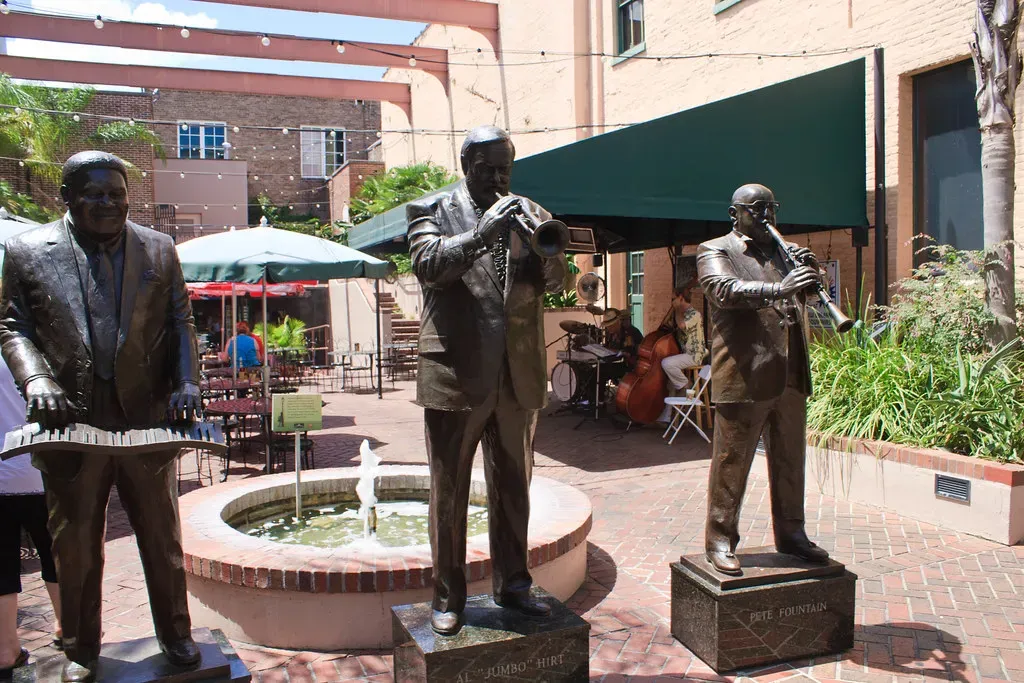
I think this one gets criminally overlooked in conversations about great festival lineups. Most people jump straight to rock history, but what happened in Newport in 1956 was something extraordinary by any measure. The 1956 edition of the Newport Jazz Festival produced one of the most heralded live albums in jazz history: Ellington at Newport, featuring headliners including Duke Ellington, Charles Mingus, Count Basie, Sarah Vaughan, Ella Fitzgerald, Dave Brubeck, and Louis Armstrong.
To have all of those names on a single bill is almost incomprehensible. Think of it this way: it would be like assembling every living legend of any genre in a single weekend. The Newport Folk Festival had begun in Newport, Rhode Island in 1959, and served as the epicenter for the rise of popular folk music in America, with George Wein establishing the festival in response to the 1958 Folk Revival movement. Newport, in short, had a habit of assembling history-changing lineups.
5. Lollapalooza 1991 – Birth of the Alternative Nation

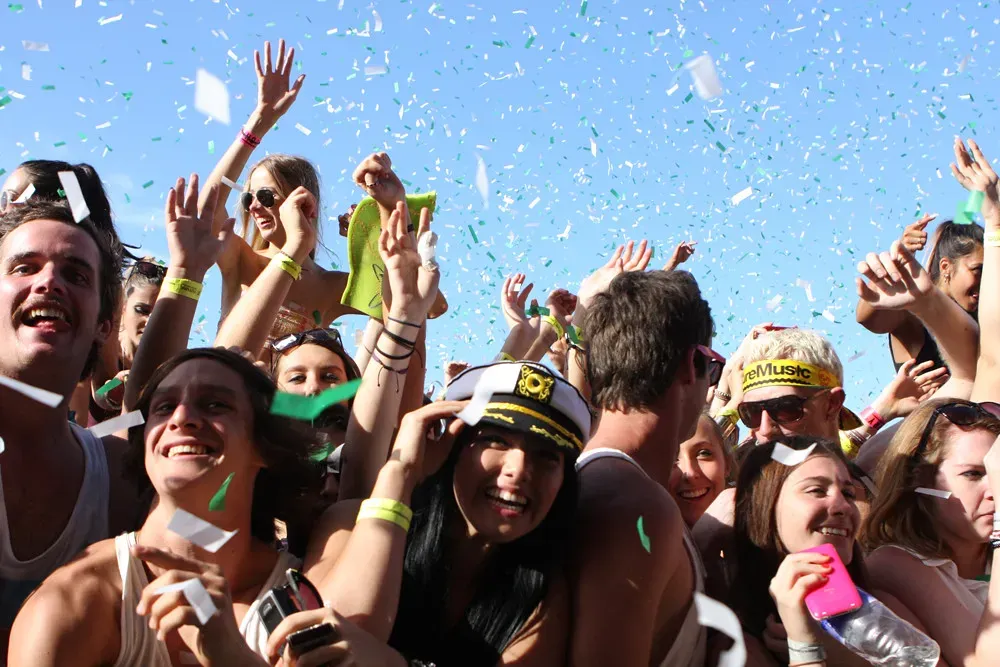
Something happened in the summer of 1991 that permanently rewired how Americans thought about alternative music and touring festivals. Lollapalooza was first conceived by Jane’s Addiction frontman Perry Farrell as a touring alternative music festival. The first Lollapalooza took place in 1991 and featured a lineup which included Jane’s Addiction, Nine Inch Nails, Rage Against the Machine, Siouxsie and the Banshees, and Violent Femmes. The festival was credited with helping to promote the popularity of alternative music, and it was at the festival where Farrell coined the expression “Alternative Nation.”
Originating as a farewell tour for Jane’s Addiction in 1991, Lollapalooza transformed into one of the most iconic music festivals in the United States. Founded by Perry Farrell, the festival initially toured North America before finding its permanent home in Chicago’s Grant Park. The sheer audacity of that original concept was remarkable.
Here’s the thing: putting Nine Inch Nails and Rage Against the Machine on the same bill as Violent Femmes in 1991 was genuinely radical. Lollapalooza has been making headlines since 1991, not just for the major names of the music industry that perform on these stages every year, but for the massive amounts of people who flock there. Complete with 8 stages and over 170 bands, it’s no surprise that Lolla draws attendees back year after year.
6. Coachella 2012 – The Lineup That Resurrected the Dead

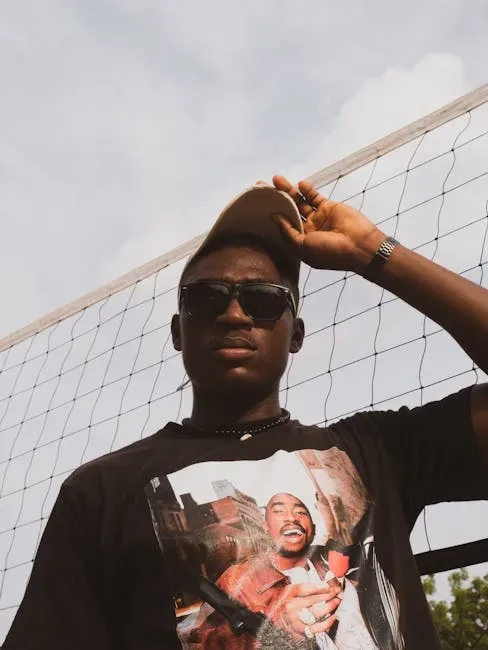
Coachella 2012 was already stacked. The Black Keys, Radiohead, and Dr. Dre and Snoop Dogg as headliners would have been enough. During the Dr. Dre and Snoop Dogg set, the living rappers were upstaged by a deceased one when a projection of the late Tupac Shakur appeared, rapping “Hail Mary” and “2 of Amerikaz Most Wanted” while seemingly interacting with the audience. The crowd cheered wildly. Widely misdescribed as a “hologram,” this was in fact a 2D flat projection, created using an illusion known as “Pepper’s Ghost.”
The Tupac projection was several months in the planning and took nearly four months to create in a studio. Oscar-winning Digital Domain created the virtual Tupac. The company won’t reveal the illusion’s exact price tag, but says it was in the $100,000 to $400,000 range, and perhaps more. For one song. Extraordinary.
The projection sparked debate over the ethics of using modern technology to “resurrect” dead icons. As Billboard noted, Tupac’s appearance “effectively set off the modern holographic gold rush,” with digital likenesses of Michael Jackson and Whitney Houston deployed in various contexts in subsequent years. The hashtag #tupachologram was among the top ten tweeted topics for three weeks, with more than 15 million YouTube views within the first 48 hours. That is the definition of a lineup moment that sets the bar.
7. Glastonbury 2011 – U2, Coldplay, and Queen Bey’s Crown

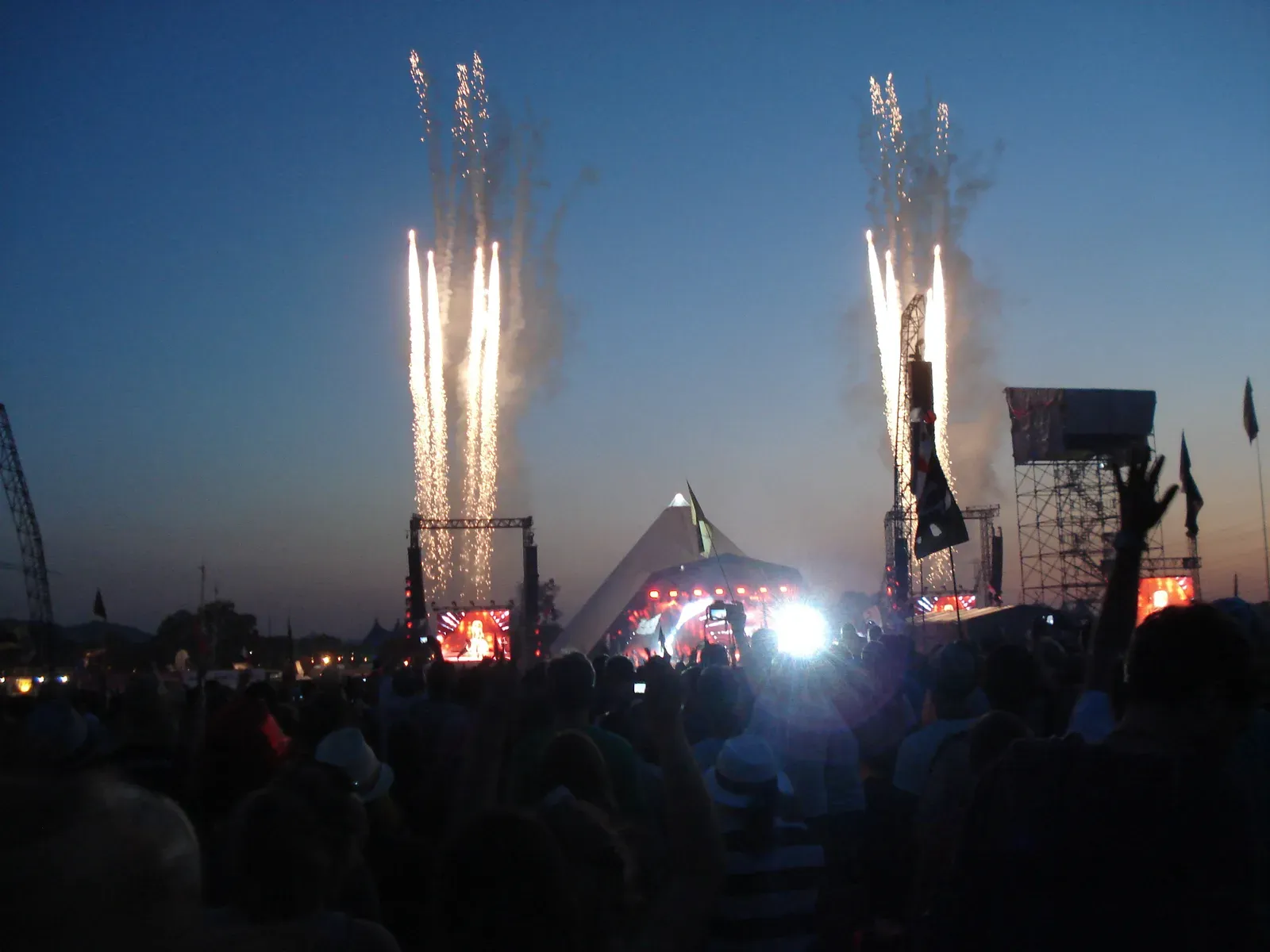
Headline acts on the Pyramid Stage were U2, Coldplay, and Beyoncé, performing on the Friday, Saturday, and Sunday respectively, with Beyoncé as Glastonbury’s premier finale for 2011. On paper, that’s already one of the best three-night headliner runs in festival history. In reality, it became much more than that.
Beyoncé was the first solo Black woman to headline the Pyramid Stage, and also became the first solo female artist to headline the festival since Sinéad O’Connor in 1990. While her festival headline announcement was initially met with skepticism from rock and indie music purists who considered the placement “a little too pop” for the festival, Beyoncé’s performance was immediately met with critical acclaim, heralded by The Daily Telegraph as a “sassy triumph” and “career-defining” by Billboard.
Headliner Beyoncé’s performance, which acted as the finale act to the festival, generated over 2.6 million views individually, breaking the record for most television views for a single performance according to the BBC. The BBC stage that year also showcased new talent including Ed Sheeran, Jake Bugg, and George Ezra. It’s almost unfair how much talent was concentrated in one weekend.
8. Coachella 2018 – Beychella Changes Everything

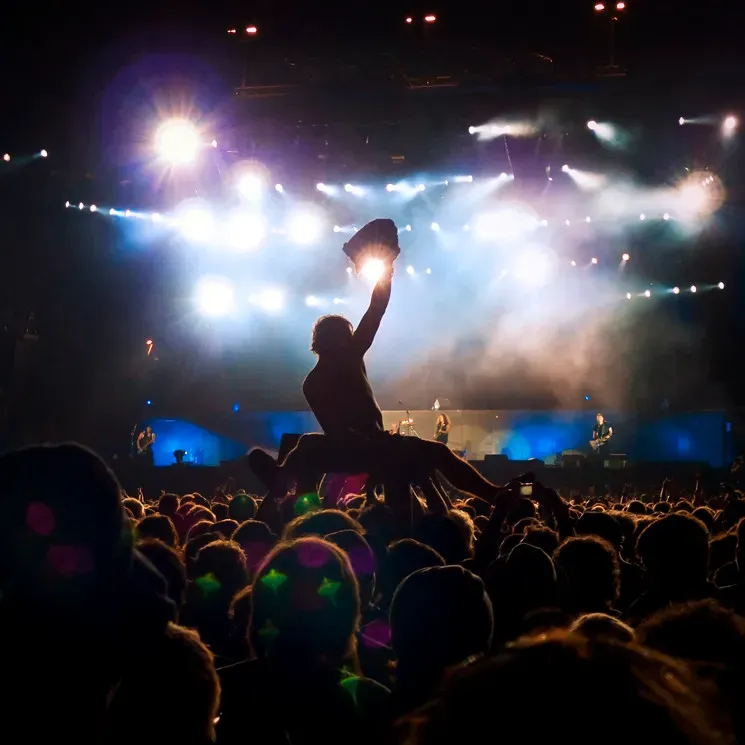
If Glastonbury 2011 was Beyoncé’s coronation in Europe, Coachella 2018 was the moment she rewrote the rulebook entirely. Beyoncé made history as the first Black woman to ever headline Coachella in 2018, and the performance itself and the rigorous weeks leading up to it were documented in the Netflix special “Homecoming” (2019), showcasing the new mother of twins as she spent countless hours preparing for the performance.
Originally slated for 2017, then postponed a year due to the singer’s pregnancy, Beyoncé’s two Coachella performances offered audiences a full immersion in Black expression and Black cultural history. Each set came with a full marching band, a reunion of Destiny’s Child, a Jay-Z cameo, homages to the Black Power movement and Black feminism, multiple costume changes, and a setlist showcasing era-defining anthems.
In 2017, Coachella grossed a record $114.6 million, marking it as the first recurring festival to earn over $100 million. That context matters. Coachella was already the most commercially powerful festival on earth, and Beyoncé arrived and still managed to make it feel like it had never seen anything like her before. She hadn’t just headlined. She had renamed the festival.
9. Rock in Rio 1985 – The Lineup That Launched a Global Brand

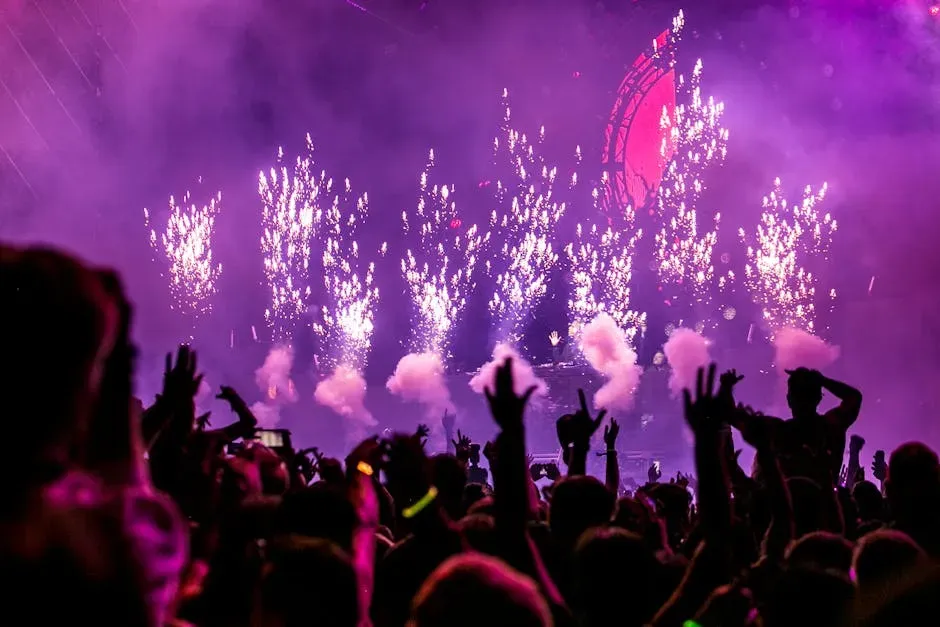
While the rest of the world was watching Live Aid, something equally massive was already brewing in South America. Rock in Rio first took place in 1985 in Rio de Janeiro, Brazil, and quickly became one of the world’s largest music festivals. With an attendance of over 1.5 million people, it was a groundbreaking event that set new standards for music festivals. The festival featured performances by global superstars such as Queen, AC/DC, and Rod Stewart.
Rock in Rio has since become a global brand, with editions held in Lisbon, Madrid, and Las Vegas. Its massive scale and diverse lineup continue to draw music lovers from around the world, making it a significant event in the music festival landscape. It’s hard to say for sure exactly how many people attended each day, but the overall scale was staggering.
First held in Rio de Janeiro in 1985, Rock in Rio has since become a global phenomenon, with events held in Lisbon, Madrid, and Las Vegas. The festival has featured some of the biggest names in music, including Queen, Iron Maiden, Metallica, and Rihanna. The 2019 edition in Brazil drew about 700,000 people over seven days. From a single historic lineup to a decades-spanning institution, Rock in Rio’s journey is genuinely remarkable.
10. Austin City Limits 2011 – Ten Years and a Stacked Decade’s Celebration

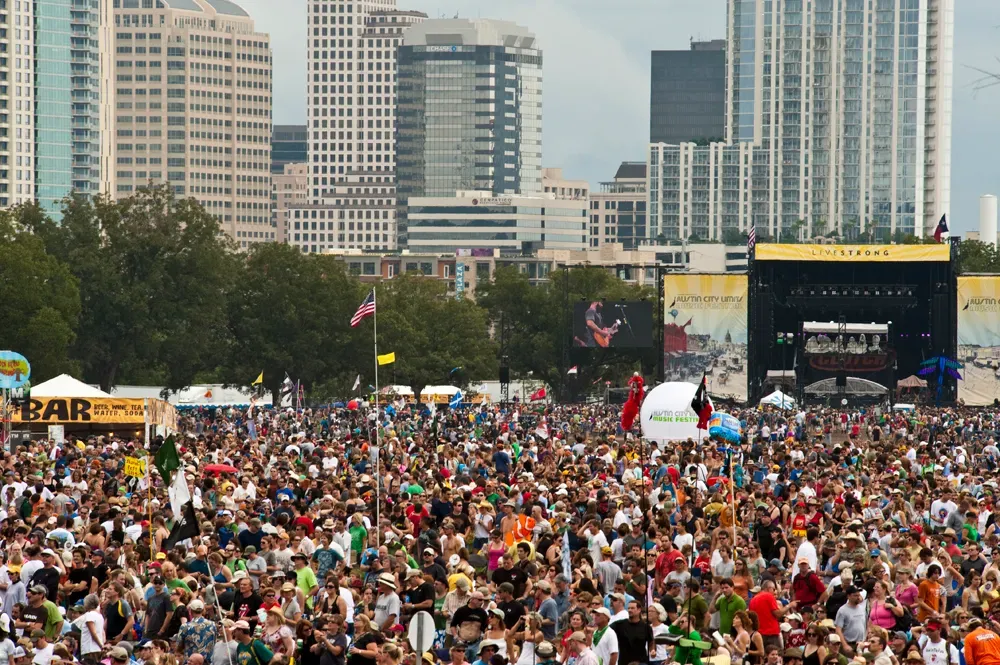
Use of this photo requires attribution to, Steve Hopson, www.stevehopson.com., CC BY 3.0)
PBS began airing the live music series Austin City Limits in 1974, helping burnish the Texas town’s reputation as “the live music capital of the world.” It didn’t become a full-scale annual festival until 2002. But when the tenth anniversary rolled around in 2011, ACL delivered one of the most impressive lineups in modern festival history.
The festival’s 10th year was its most impressively star-studded to date, with an intergenerational lineup including Stevie Wonder, Coldplay, Kanye West, Arcade Fire, Nas, Alison Krauss, and My Morning Jacket. That lineup spans jazz-soul royalty, indie darlings, hip-hop giants, and country crossovers. There is genuinely something for every single person in that bill.
For its 10th anniversary, the 2011 Austin City Limits Festival featured headlining artists Stevie Wonder, Arcade Fire, Kanye West, and Coldplay. The festival was held at Zilker Park in Austin. In 2015, Coachella won Pollstar’s Major Music Festival of the Year award for the 10th time in 11 years – proof that once a festival gets the lineup formula right, the reputation sticks hard. ACL’s 2011 edition, though, remains one of the rare moments where a festival felt genuinely, undeniably timeless.
A Final Thought: What Makes a Lineup Historic?

Looking at all ten of these festivals, a pattern emerges. The greatest lineups weren’t just about stacking famous names. They happened at exactly the right cultural moment, when the music meant something beyond entertainment. Woodstock carried a generation’s grief and hope. Live Aid fused commerce with conscience. Coachella 2012 challenged where technology and art could go.
Great festival lineups are guided by a simple but profound principle: what did seeing this lineup at that moment in history mean to those in attendance? That question, honestly, answers everything.
The bar these lineups set is almost impossible to clear. Yet every summer, somewhere in a field or a desert, a new festival tries. And every so often, one of them actually manages it. What festival lineup do you think belongs on this list? Tell us in the comments.