


History textbooks love clean narratives. Heroes win, villains lose, and progress marches forward. Except real history is messier than that.
What gets left out matters just as much as what makes it into the classroom. Some of the most consequential moments in American history were either glossed over or intentionally hidden for decades. These weren’t just footnotes or side stories. They were turning points that shaped the country you live in today, from who holds wealth and power to how laws get enforced, and whose voices actually get heard.
So let’s dig into fifteen moments that rarely get the full story in school. Some might surprise you, while others might make you rethink what you thought you knew.
1. The Tulsa Race Massacre – The Destruction You Never Heard About

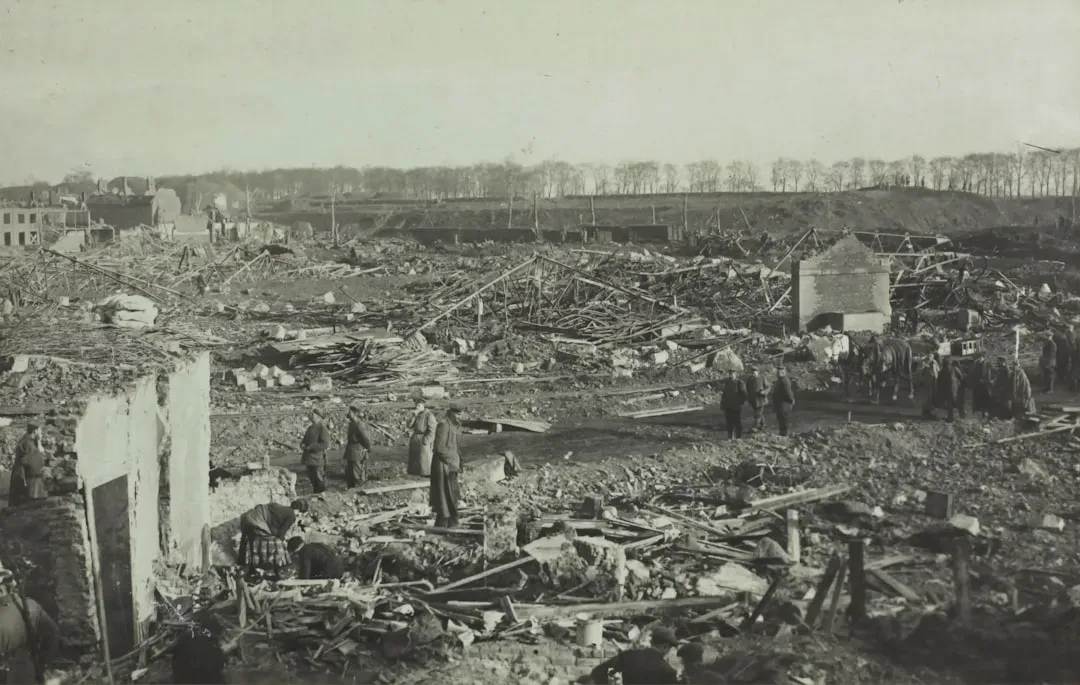
The 1921 attack on Tulsa’s Greenwood District was one of the most significant events in the city’s history, destroying a thriving business district known as “Black Wall Street.” Over eighteen hours on May 31 and June 1, 1921, more than one thousand homes and businesses were destroyed, with credible estimates of deaths ranging from fifty to three hundred. About 10,000 black people were left homeless, and property damage amounted to more than $1.5 million in real estate and $750,000 in personal property. What schools rarely mention is that designating it a riot prevented insurance companies from having to pay benefits to the people of Greenwood whose homes and businesses were destroyed. In the end, no one was convicted of charges for the deaths, injuries or property damage. Despite its severity and destructiveness, the Tulsa race massacre was barely mentioned in history books until the late 1990s, when a state commission was formed to document the incident.
2. The Indian Removal Act – Forced Migration Disguised as Policy

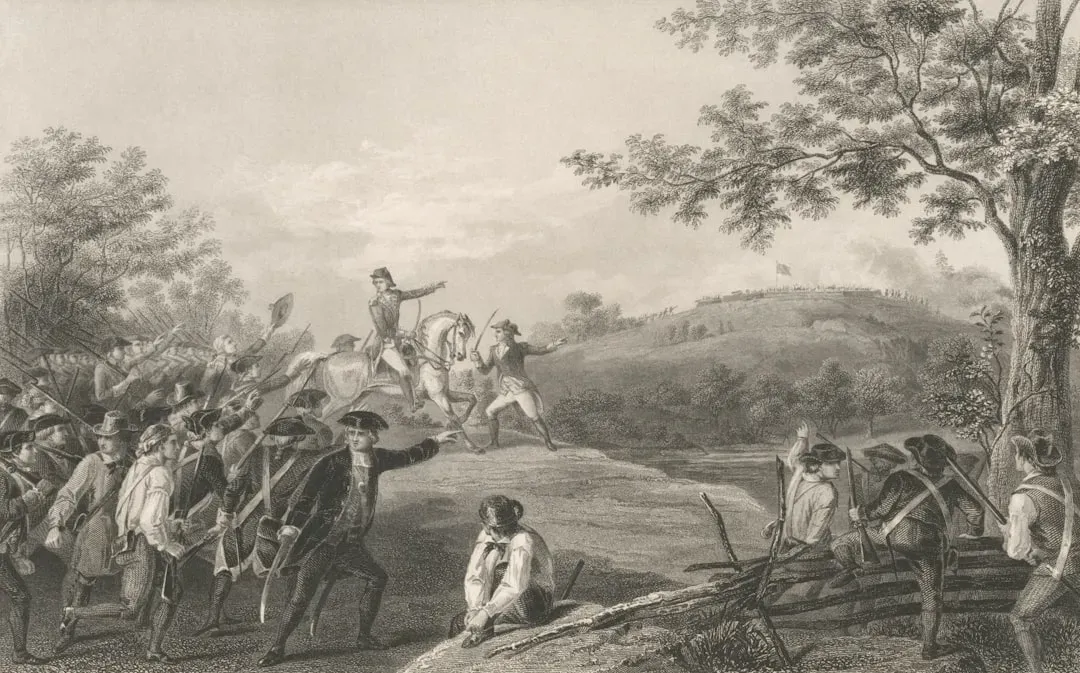
The Indian Removal Act was signed into law by President Andrew Jackson on May 28, 1830, authorizing the president to grant lands west of the Mississippi in exchange for Indian lands within existing state borders. The forced displacement affected approximately 60,000 Native Americans of the “Five Civilized Tribes,” including Cherokee, Muscogee, Seminole, Chickasaw, and Choctaw nations, who were forcibly removed from their ancestral homelands in the Southeastern United States to newly designated Indian Territory west of the Mississippi River. Approximately 4,000 Cherokees died on this forced march, which became known as the “Trail of Tears.” The removal wasn’t just about land; it was systematic ethnic cleansing with legal cover. About 88,000 people indigenous to the eastern United States were forcibly moved west of the Mississippi River in the 1830s and 1840s, with between 12,000 and 17,000 perishing while being rounded up, detained, and on the journeys west.
3. Plessy v. Ferguson – Sixty Years of Legal Segregation

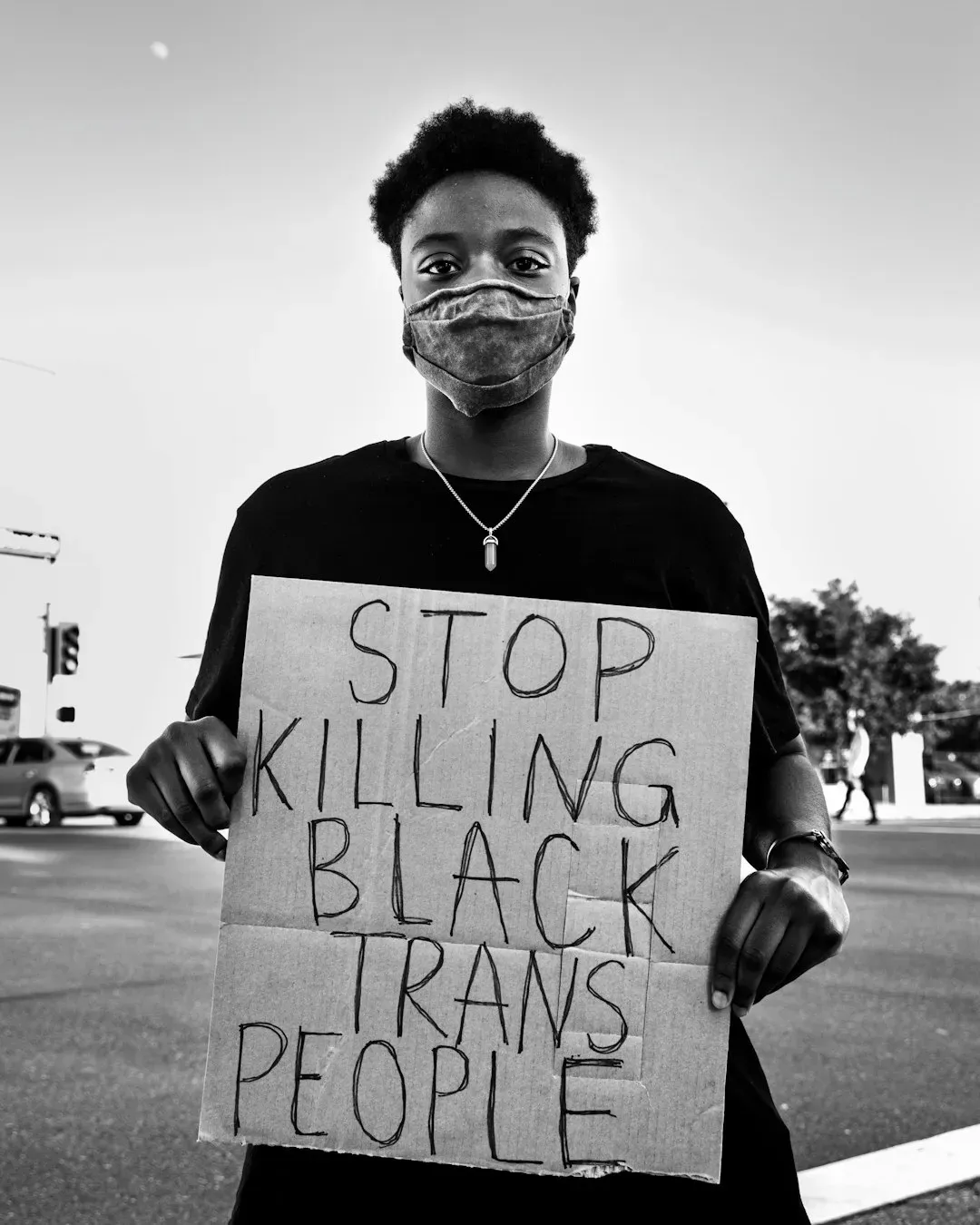
The Supreme Court’s 1896 decision in Plessy v. Ferguson didn’t just allow segregation; it gave it constitutional blessing. The “separate but equal” doctrine legally upheld racial segregation for nearly sixty years until Brown v. Board of Education overturned it in 1954, according to the Supreme Court Historical Society. Schools often teach this as ancient history, but people alive today grew up under Jim Crow laws that Plessy enabled. The decision wasn’t some unfortunate misunderstanding. It was a deliberate reassertion of white supremacy dressed in legal language, and its effects rippled through every aspect of American life, from education and housing to healthcare and employment.
4. Japanese American Internment – Citizens Behind Barbed Wire

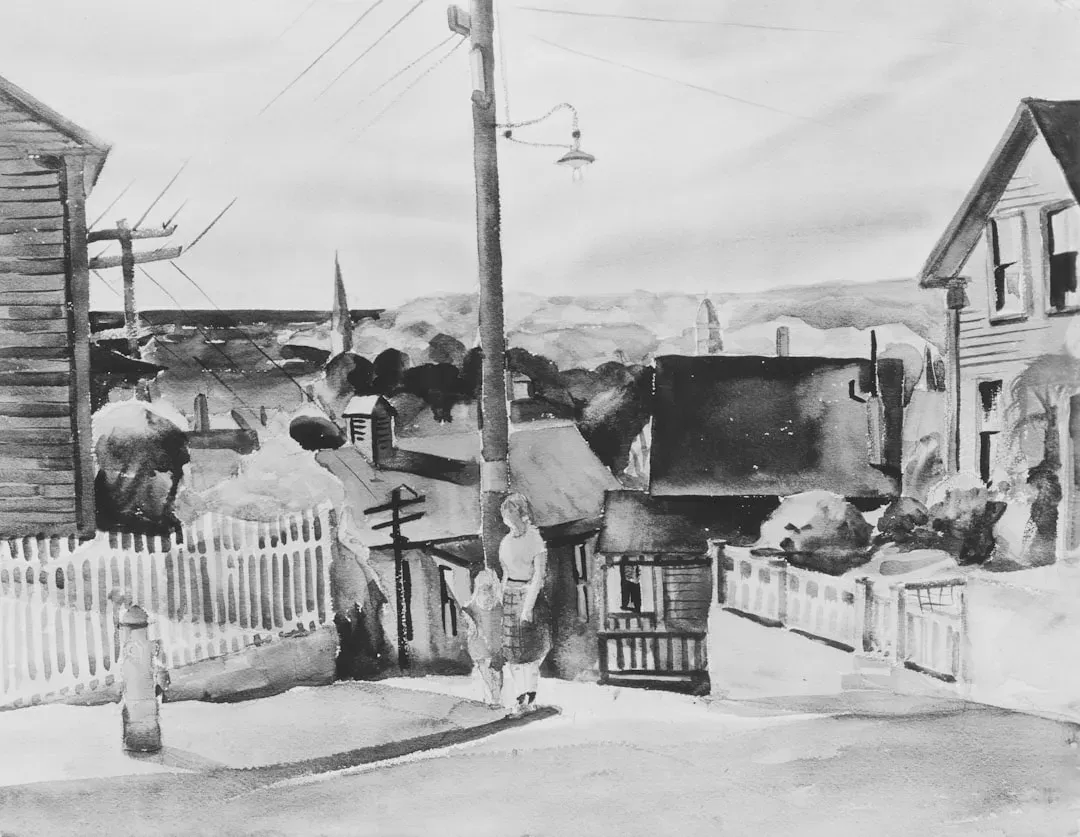
During World War II, the United States forcibly relocated and incarcerated about 120,000 people of Japanese descent in ten concentration camps operated by the War Relocation Authority, with about two-thirds being U.S. citizens. There were no charges of disloyalty against any of these citizens, nor was there any vehicle by which they could appeal their loss of property and personal liberty. Camp residents lost some $400 million in property during their incarceration, and Congress provided $38 million in reparations in 1948 and, forty years later, paid an additional $20,000 to each surviving individual who had been detained in the camps. What’s rarely discussed is that this happened without evidence, driven purely by racial fear. People were imprisoned solely because of their ancestry, and the government later admitted it was wrong.
5. The New Deal – Expanding Federal Power Forever

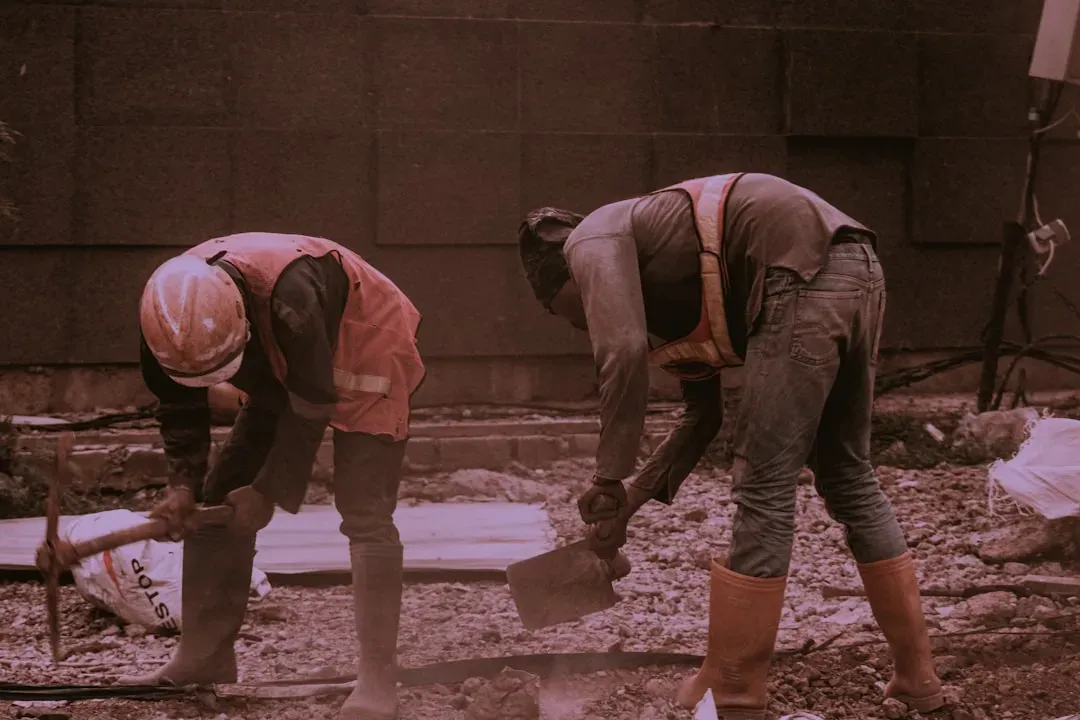
The New Deal reshaped federal power permanently between 1933 and 1939, increasing federal employment programs and social welfare systems. Government spending rose from about 8% of GDP in 1930 to over 20% by 1936, based on U.S. Bureau of Economic Analysis historical data. That’s not just an economic shift; it fundamentally altered the relationship between citizens and government. Schools frame it as救助 during the Depression, which it was, yet they rarely discuss how it excluded many Black Americans through discriminatory implementation. Programs like Social Security initially excluded agricultural and domestic workers, which disproportionately affected African Americans. The New Deal built the modern welfare state, but it also baked racial inequities into its structure from the beginning.
6. The GI Bill – College for Some, Not All


Within seven years following the GI Bill’s passage in 1944, approximately eight million veterans received educational benefits, with approximately 2,300,000 attending colleges and universities, 3,500,000 receiving school training, and 3,400,000 receiving on-the-job training. By 1947, 49 percent of students enrolled in American colleges and universities were veterans thanks to the sweeping 1944 legislation. The program transformed access to higher education and helped millions move into the middle class. However, Black vets were often unable to get bank loans for mortgages in Black neighborhoods, and they faced prejudice and discrimination that overwhelming excluded them from buying homes in “white” suburban neighborhoods. Because the G.I. Bill was administered locally, states in both the South and the North discriminated against African Americans in their pursuit of higher education and in housing, and in the South, African American veterans were not allowed to enter state universities because of segregation. So while the GI Bill is celebrated as democratizing opportunity, it actually widened the racial wealth gap.
7. The War on Drugs – Mass Incarceration by Design

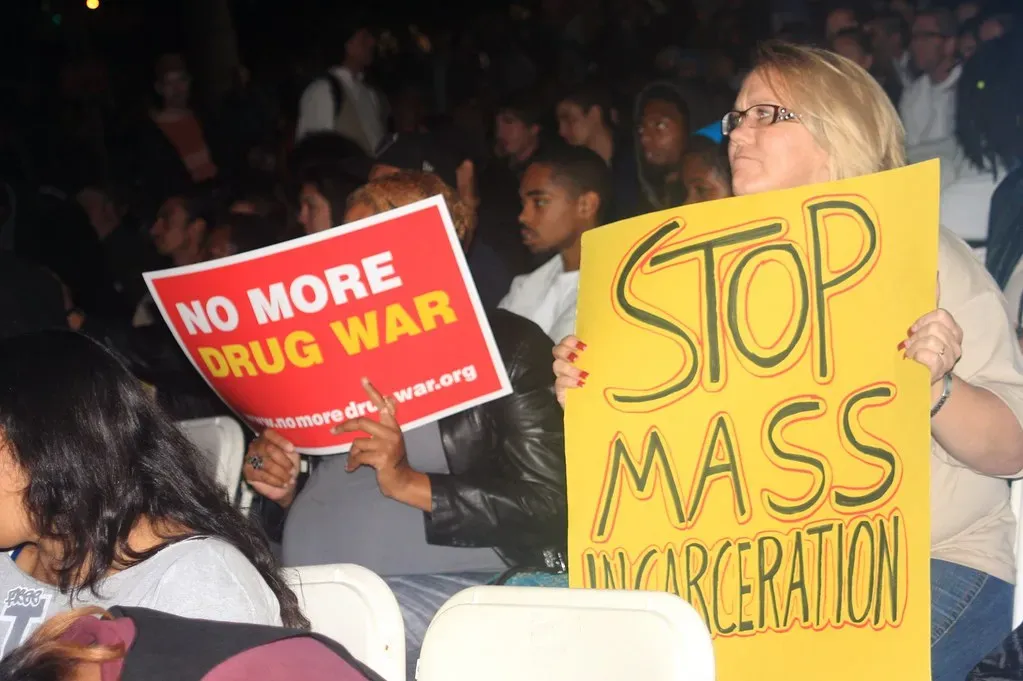
Following the passage of stiffer penalties for crack cocaine and other drugs, the Black incarceration rate in America exploded from about 600 per 100,000 people in 1970 to 1,808 in 2000. The War on Drugs, formally escalated in the 1970s, contributed to a more than 500% increase in the U.S. prison population between 1970 and 2020, with disproportionate racial impacts documented by the Sentencing Project and Bureau of Justice Statistics. Nixon’s domestic policy advisor John Ehrlichman revealed in a 1994 interview that the “War on Drugs” had begun as a racially motivated crusade to criminalize Blacks and the anti-war left, stating “by getting the public to associate the hippies with marijuana and blacks with heroin and then criminalizing them both heavily, we could disrupt those communities.” Blacks, despite being only 13% of regular drug users in 1998, made up 35% of drug arrests, 55% of convictions, and 74% of people sent to prison for drug possession crimes, with African-Americans sent to state prisons for drug offenses 13 times more often than white men.
Partner offer

8. The Civil Rights Act – Progress With Limits

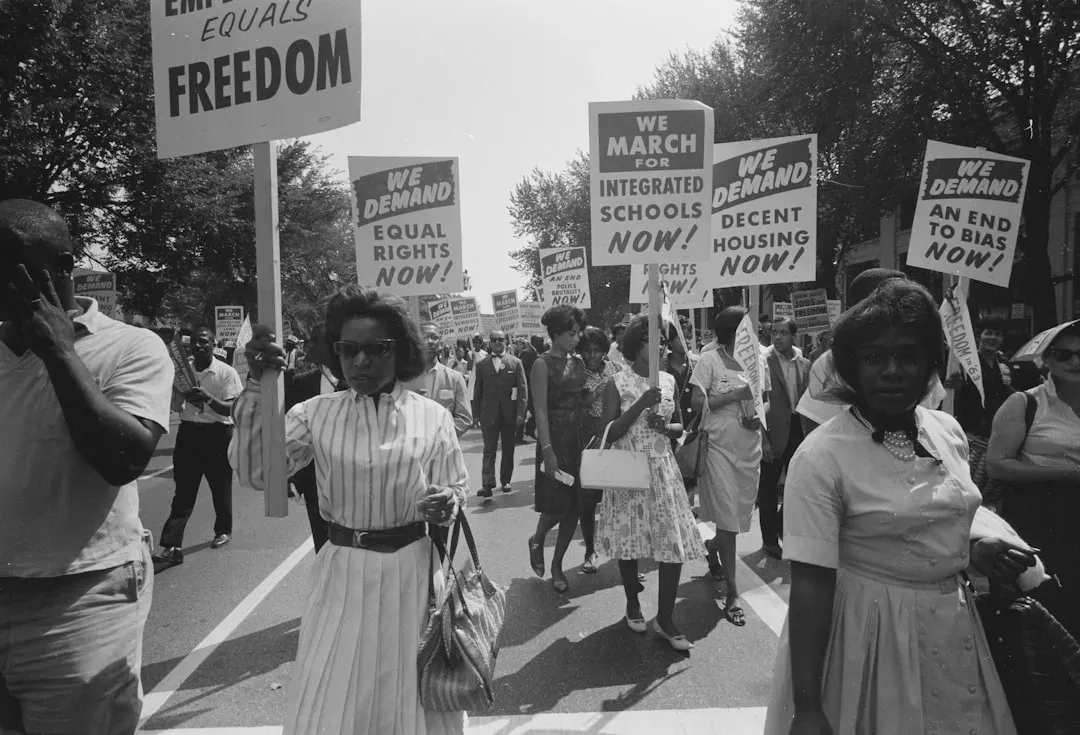
The 1964 Civil Rights Act was a monumental achievement, legally ending segregation and employment discrimination. Schools celebrate it as the finish line, but it was more like the starting gun. The Act didn’t end economic inequality; by 2023, the median wealth of White households remained about six times higher than Black households, according to Federal Reserve Survey of Consumer Finances data. Housing discrimination continued through redlining and exclusionary zoning. Wealth gaps persisted because centuries of stolen labor, denied homeownership, and educational exclusion don’t disappear with a single law. The Act opened doors, but systemic barriers remained firmly in place, just in less obvious forms.
9. The Cold War Coups – Overthrowing Democracies in Secret

The U.S. role in Cold War-era coups, including Iran in 1953 and Guatemala in 1954, has been confirmed through declassified CIA and State Department documents released and analyzed by the National Security Archive. These weren’t defensive actions; they were deliberate overthrows of democratically elected governments that threatened American corporate interests. In Iran, the U.S. and Britain toppled Prime Minister Mohammad Mossadegh after he nationalized oil. In Guatemala, the CIA orchestrated a coup against President Jacobo Árbenz, whose land reforms threatened United Fruit Company profits. Textbooks barely mention these operations, yet they set patterns of intervention that shaped global politics for decades and fueled anti-American sentiment worldwide.
10. The Patriot Act – Surveillance in the Name of Security

The Patriot Act passed in 2001 expanded federal surveillance powers dramatically. Multiple 2023–2024 reports from the ACLU and Congressional oversight committees confirm ongoing debates over privacy, warrantless data collection, and civil liberties. Schools might mention it briefly as a response to terrorism, but they rarely unpack what it actually allows. The government gained sweeping authority to monitor phone calls, emails, and financial records without warrants. Library records and internet searches became fair game. Citizens could be surveilled without probable cause. It normalized a level of government intrusion that would have been unthinkable before, and most provisions remain active today. Security came at the cost of privacy, and we’re still living with that trade-off.
11. Redlining – Engineering Segregation Through Housing Policy

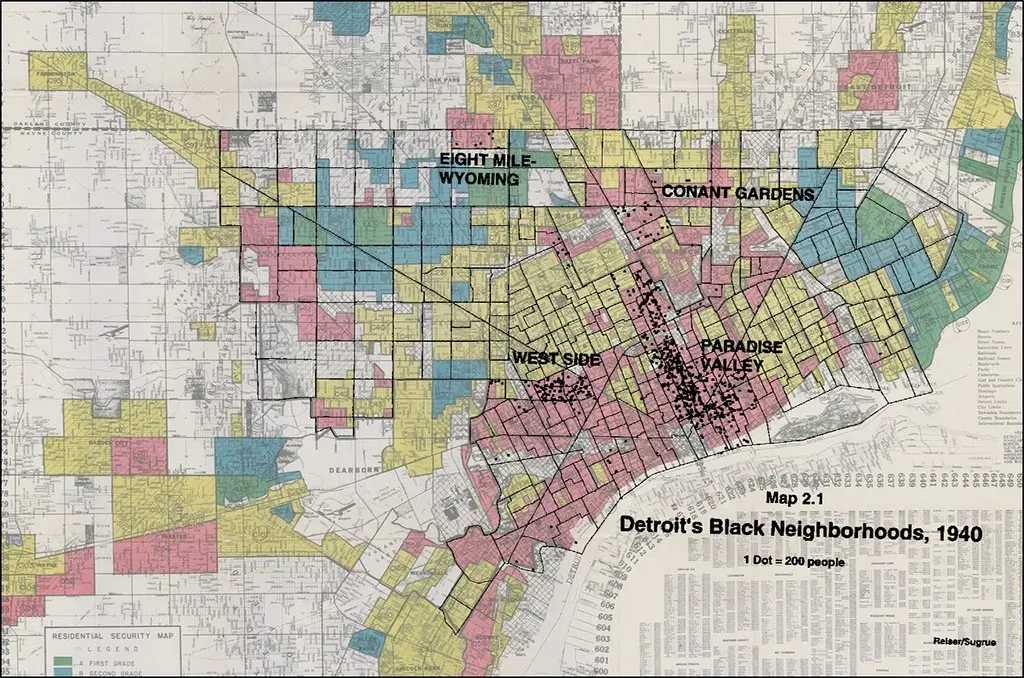
Starting in the 1930s, the federal government’s Home Owners’ Loan Corporation created color-coded maps that graded neighborhoods by perceived risk. Black neighborhoods were marked in red and deemed too risky for mortgage lending. This wasn’t accidental bias; it was official government policy that denied Black families homeownership for generations. Banks refused loans in redlined areas, property values stagnated, and wealth couldn’t accumulate. White families bought homes that appreciated in value and passed that wealth down. Black families were systematically excluded from the primary mechanism of wealth building in America. Today’s racial wealth gap is a direct result of these policies, yet few textbooks connect the dots.
12. The Bracero Program – Importing Labor, Denying Rights

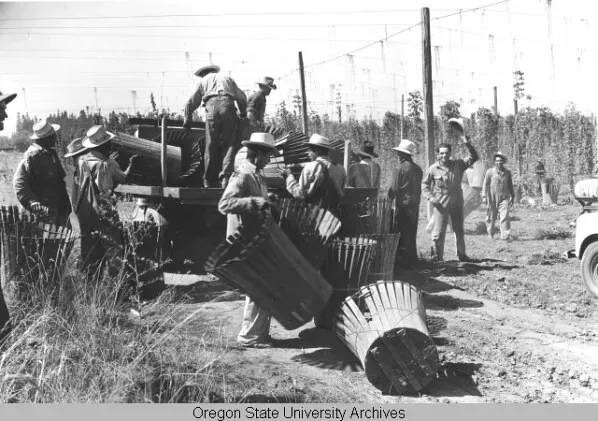
From 1942 to 1964, the Bracero Program brought millions of Mexican laborers to work in U.S. agriculture and railroads. Workers were promised fair wages and decent conditions, but the reality was exploitation. They faced wage theft, dangerous conditions, and discrimination, with little legal recourse. The program created a pattern of treating migrant workers as disposable labor rather than people with rights. It also laid the groundwork for ongoing debates about immigration and labor. Schools mention it briefly, if at all, but understanding this history is essential for understanding current immigration politics and why undocumented workers remain vulnerable to abuse.
13. The Eugenics Movement – Science Weaponized Against the Vulnerable

In the early twentieth century, eugenics was mainstream science in America. More than 60,000 people were forcibly sterilized under state laws designed to prevent “undesirables” from reproducing. Targets included people with disabilities, the poor, racial minorities, and those deemed mentally unfit. The movement had support from universities, philanthropists, and government officials. Nazi Germany later looked to American eugenics laws as a model. By the time the horrors of the Holocaust discredited eugenics, the damage was done. Some sterilization programs continued into the 1970s, yet this dark chapter is often skipped entirely in classrooms.
14. The 1994 Crime Bill – Bipartisan Path to Mass Incarceration

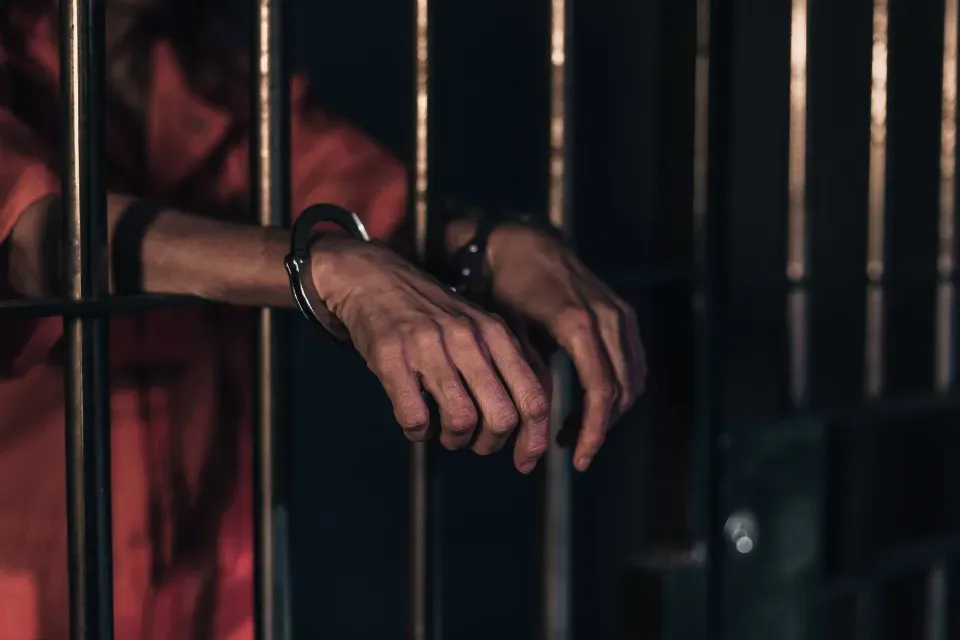
The Violent Crime Control and Law Enforcement Act of 1994 passed with bipartisan support and was signed by President Bill Clinton. It funded 100,000 new police officers, expanded the death penalty, and incentivized states to adopt “truth in sentencing” laws that kept people locked up longer. It eliminated Pell grants for prisoners, removing educational pathways that reduce recidivism. The bill accelerated mass incarceration, particularly affecting Black and Latino communities. Politicians from both parties championed being “tough on crime” without examining who paid the price. Decades later, even some of the bill’s architects acknowledge the harm it caused, but the consequences still echo through overcrowded prisons and broken families.
15. Wealth Inequality Today – The Outcome of Historical Choices

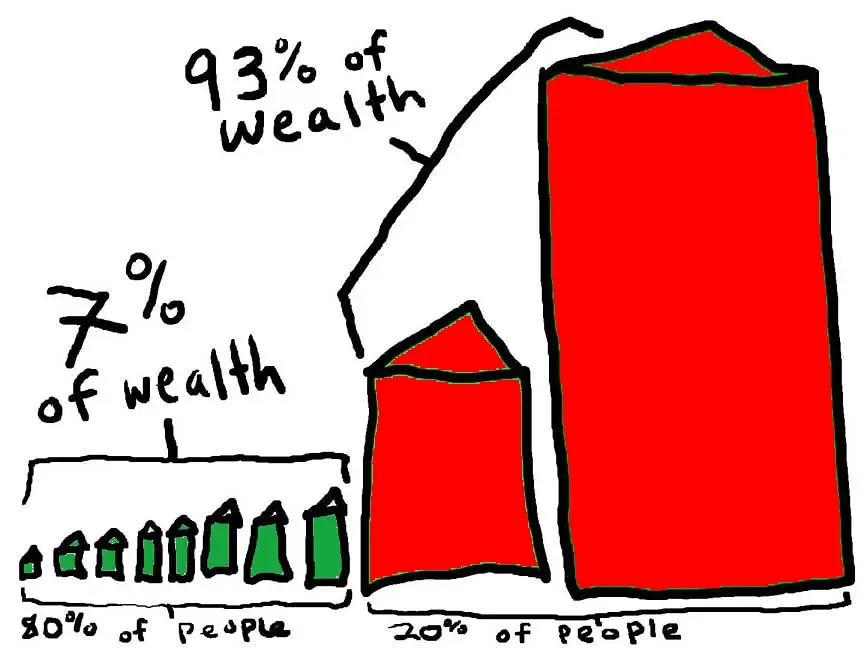
Current wealth inequality isn’t random; it’s the compounded result of every policy, law, and practice discussed here. When Black families were excluded from homeownership through redlining, denied GI Bill benefits, and incarcerated at disproportionate rates, wealth couldn’t accumulate. Meanwhile, white families benefited from subsidized mortgages, access to higher education, and neighborhoods that appreciated in value. That’s not ancient history playing out in the present; it’s ongoing cause and effect. The median wealth gap between white and Black households in 2023 reflects centuries of systemic exclusion, not individual failures. Schools rarely make these connections explicit, leaving students to believe inequality is somehow natural rather than engineered.
History isn’t just what happened; it’s what we choose to remember and teach. These fifteen moments reveal patterns of power, exclusion, and resistance that textbooks often sanitize or ignore. Understanding them changes how you see the present, from debates over reparations to arguments about policing and immigration.
So, did your history class cover these? And if not, what else might be missing from the story you were told?
Partner offer
Planning a trip to Vegas?
Compare hotel rates and show tickets on VEGAS.com.


