Let’s be real, arguments about the greatest albums of this century are basically never-ending. Music fans can get pretty heated, honestly. Each genre claims superiority, every decade has its defenders, and everyone’s convinced their pick should be at the top.
The thing is, when you actually look at the critical consensus from the past few years, something interesting emerges. These aren’t just albums that sold well or dominated radio. They’re records that fundamentally shifted culture, challenged listeners, and still sound startlingly fresh years after release.
Kendrick Lamar: To Pimp a Butterfly Reshapes Hip-Hop

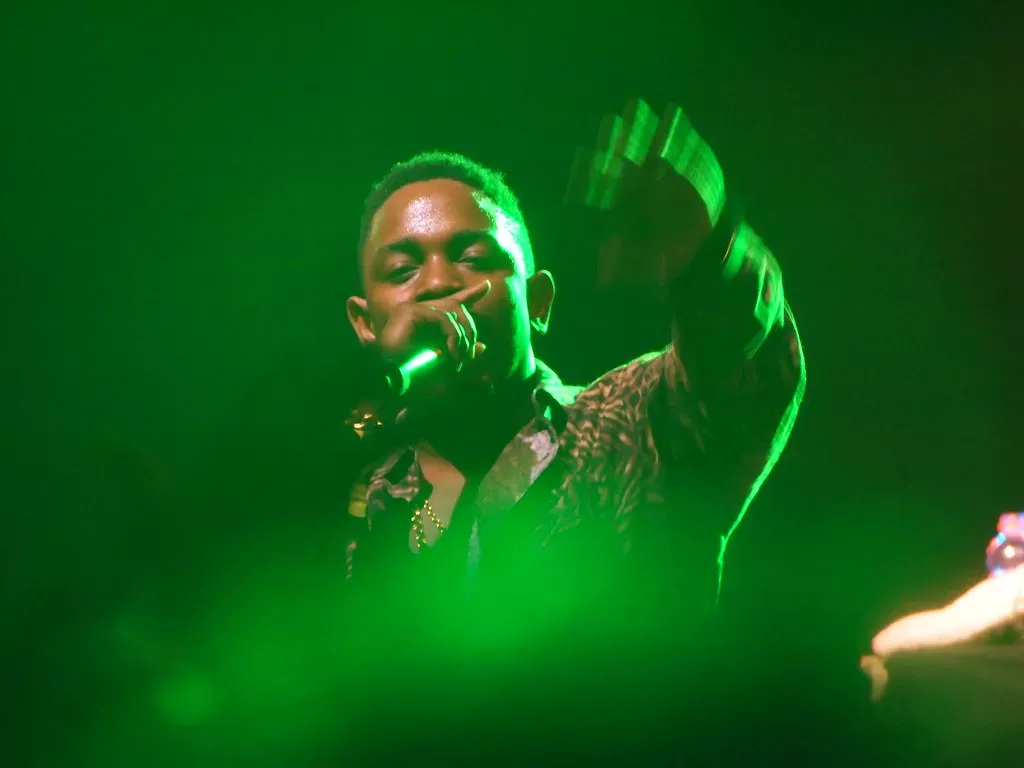
Here’s something wild to consider. To Pimp a Butterfly surpassed Radiohead’s OK Computer to become the highest-rated album of all time on Rate Your Music in 2023, nabbing a 4.34 out of 5 rating after more than 58,000 ratings. At Metacritic, the album received an average score of 96 based on 44 reviews, which is basically unheard of.
Released in 2015, this wasn’t just another rap album. The record incorporates jazz, funk, and soul while featuring political commentary and personal themes concerning African-American culture, racial inequality, depression, and institutional discrimination. A 2014 trip to South Africa changed Kendrick Lamar, and as he toured the country visiting historic sites such as Nelson Mandela’s jail cell on Robben Island, his worldview broadened.
What makes this album remarkable isn’t just its ambition. Lamar received seven nominations at the 2016 Grammy Awards, including Album of the Year, and earned a total of 11 Grammy nominations, which was the most nominations for any rapper in a single night. The commercial performance was no joke either, with the album selling over a million copies in the US by 2017.
Beyoncé: Lemonade Creates a Cultural Phenomenon
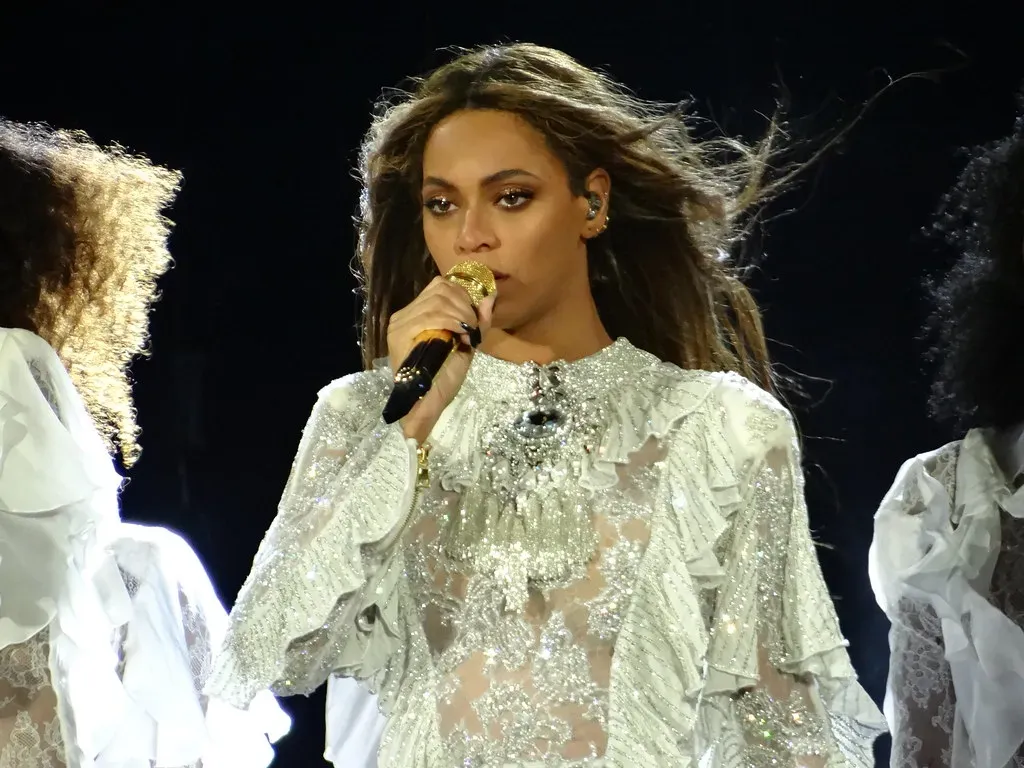
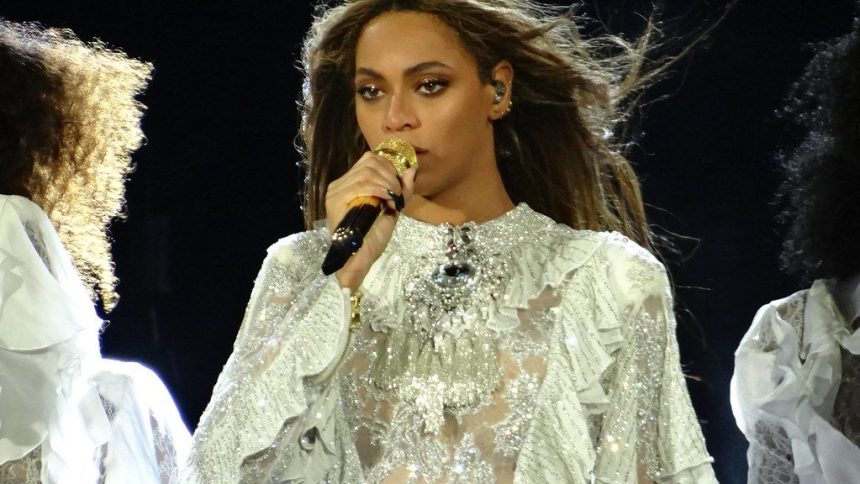
Lemonade was named the greatest album of the 2010s decade by publications such as the Associated Press, and topped Rolling Stone’s Greatest Albums of the 21st Century list. That’s not hyperbole or fan worship speaking. The album genuinely dominated conversation in ways few releases ever manage.
It debuted at number one on the Billboard 200, selling 653,000 album-equivalent units in its first week, making Beyoncé the first female artist to ever chart 12 or more songs at the same time. Lemonade sold 2.5 million units globally in 2016, making it the world’s best-selling album that year.
The impact stretched beyond music charts though. Lemonade earned the distinction of permanently redefining the lemon emoji, which had no meaning before the album’s release. Universities built entire courses around analyzing it. Seriously, that’s the level of cultural penetration we’re talking about here.
Taylor Swift: folklore Surprises During Lockdown

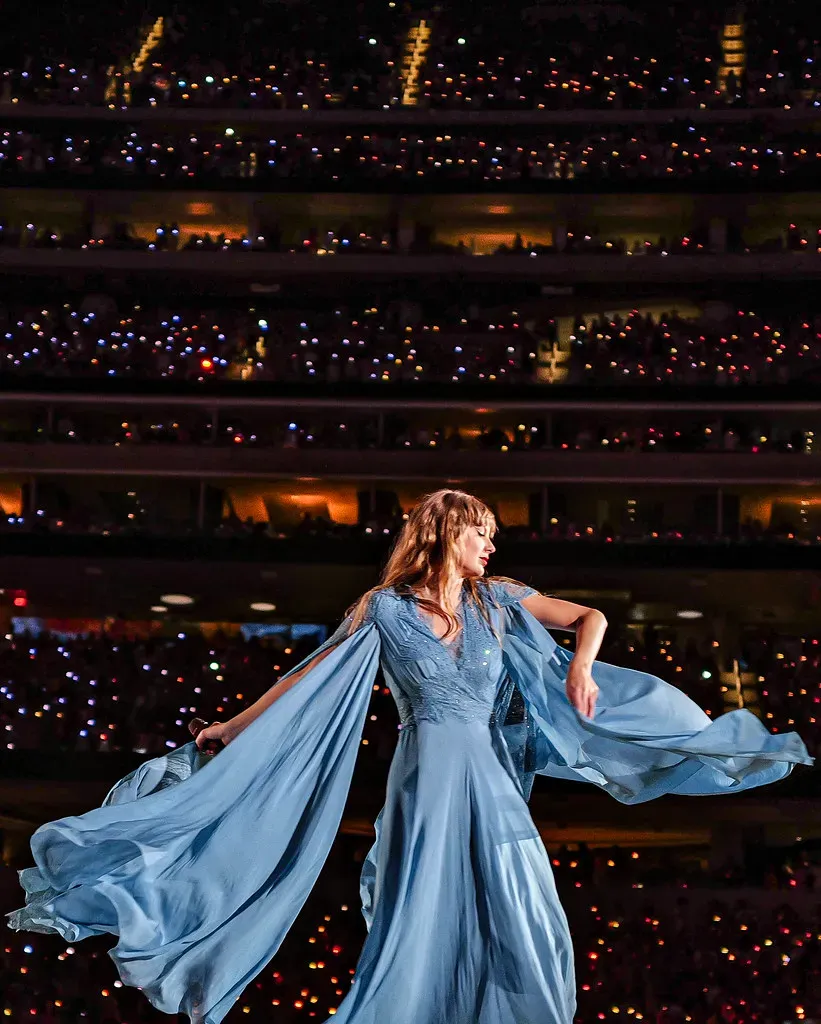
When Swift released folklore in July 2020 with almost zero promotion, she caught everyone off guard. Rolling Stone’s 2025 list placed Taylor Swift’s Folklore at number five among the greatest albums of the 21st century. This indie-folk pivot came from an artist known primarily for pop anthems and country storytelling.
Swift existed in the radio-dominated world of mainstream country in the mid-2000s, but by the 2020s had moved to idiosyncratic statements like folklore, a woodsy-folk pandemic classic. The album showed genuine artistic growth rather than calculated reinvention. Critics noticed the difference immediately.
It sold over a million copies in its first week and became the year’s best-selling album. More importantly, it proved Swift could operate outside the commercial pop machinery that made her famous and still dominate culturally.
Partner offer

OutKast: Stankonia Defines Southern Hip-Hop

OutKast’s Stankonia appeared at number four on Rolling Stone’s greatest albums of the 21st century list. Released in 2000, this double-disc exploration of funk, electronic music, and Southern rap essentially announced the South’s takeover of hip-hop.
On their fourth studio album, Big Boi and André 3000 proved the South still had something to say, with the album debuting at number two on the Billboard 200 and remaining on the chart for 46 weeks. Stankonia blends funk, gospel, and soulful sounds and beats that define the signature Dirty South sound still being used today.
The album contained massive hits like “Ms. Jackson” and “So Fresh, So Clean” but never sacrificed weirdness for accessibility. That balance between experimental production and undeniable hooks created a template Southern artists still follow.
Kanye West: My Beautiful Dark Twisted Fantasy Peaks

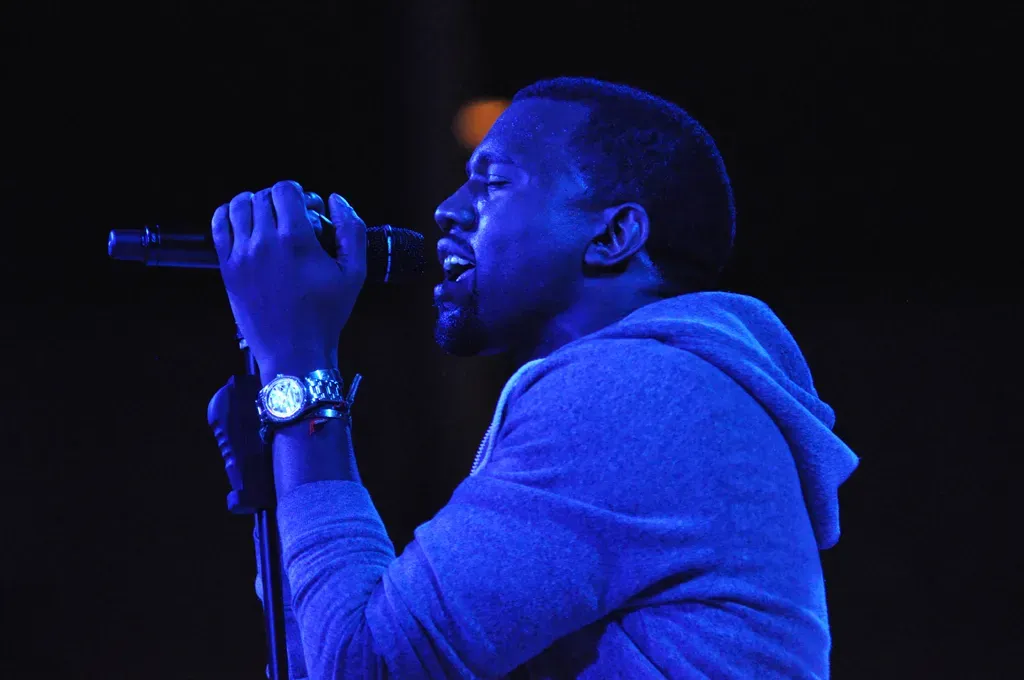
My Beautiful Dark Twisted Fantasy appeared on Rate Your Music’s best albums of the 2010s, earning a 4.08 rating out of 5 from over 90,000 ratings. Released in 2010 after West’s controversial public incidents, this album represented both redemption and artistic peak.
The maximalist production featured orchestral arrangements, Auto-Tune experimentation, and guest verses from basically every major name in hip-hop. West’s willingness to expose his own flaws while crafting genuinely beautiful music created something critics couldn’t ignore. Several publications called it the decade’s best rap album.
It debuted at number one and went platinum multiple times. More than sales figures though, the album influenced how artists approached ambitious concept records. It proved commercial rap could be artistically daring without alienating mainstream audiences.
The Strokes: Is This It Revives Rock

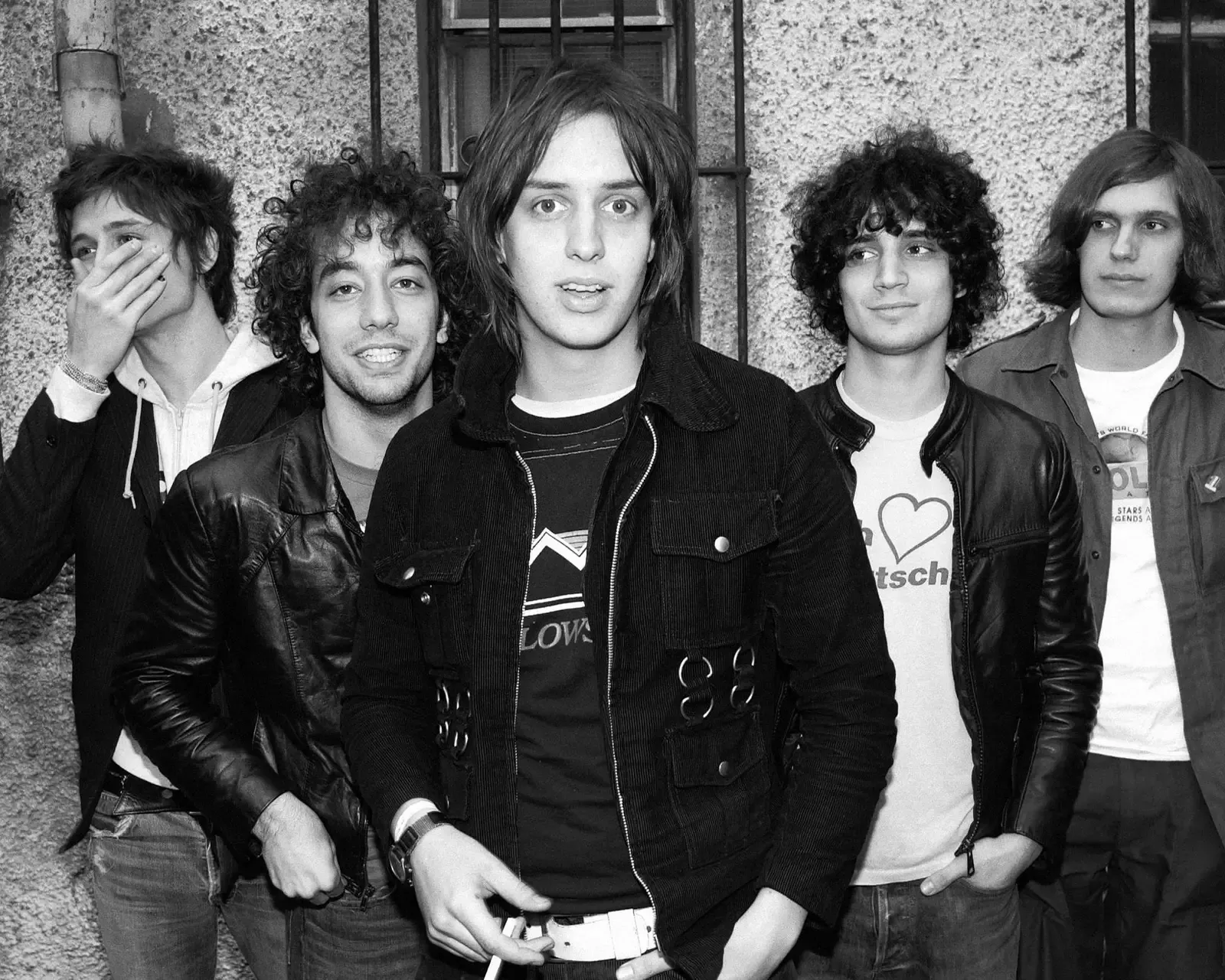
In 2001, five young men cast rock into stark relief with a half-hour album of 11 swaggering, scruffy pop songs that captured everything great about underground 1970s rock, and while it didn’t topple nü-metal in sales, it saved rock ‘n’ roll from the bloat of the Fred Durst era.
The Strokes’ debut arrived when rock seemed creatively bankrupt. Guitar music had become either overwrought or aggressively stupid. Is This It offered a third path: effortlessly cool, economically arranged, and packed with hooks that stuck without trying too hard.
The album ranked fourth on aggregate charts of the 2000s best albums. Its influence rippled through the decade as countless bands attempted to capture that same casual brilliance. Few succeeded, which is probably why the original still sounds so vital.
When people talk about rock albums that defined the 21st century, honestly, this one belongs near the top. It reminded everyone that guitar music could be smart and catchy simultaneously, a lesson many had apparently forgotten by the turn of the millennium.
What’s your take on these selections? Did we miss something crucial, or do these albums genuinely represent the century’s creative peaks?
Partner offer
Planning a trip to Vegas?
Compare hotel rates and show tickets on VEGAS.com.