


Movie quotes are woven into the fabric of how we speak, joke, and bond with each other. They travel from cinema screens to living rooms to casual conversations, and somewhere along the way, they quietly transform into something slightly different from what was actually said. It’s a bit like a game of telephone that stretches across generations, and the results are both surprising and hilarious.
What makes this phenomenon so fascinating is that even devoted fans who have watched these films dozens of times will confidently deliver the wrong version. The misquote feels so right that the actual dialogue ends up sounding wrong. So brace yourself, because some of these are going to genuinely shake your confidence. Let’s dive in.
1. “Luke, I Am Your Father” – Star Wars: The Empire Strikes Back (1980)
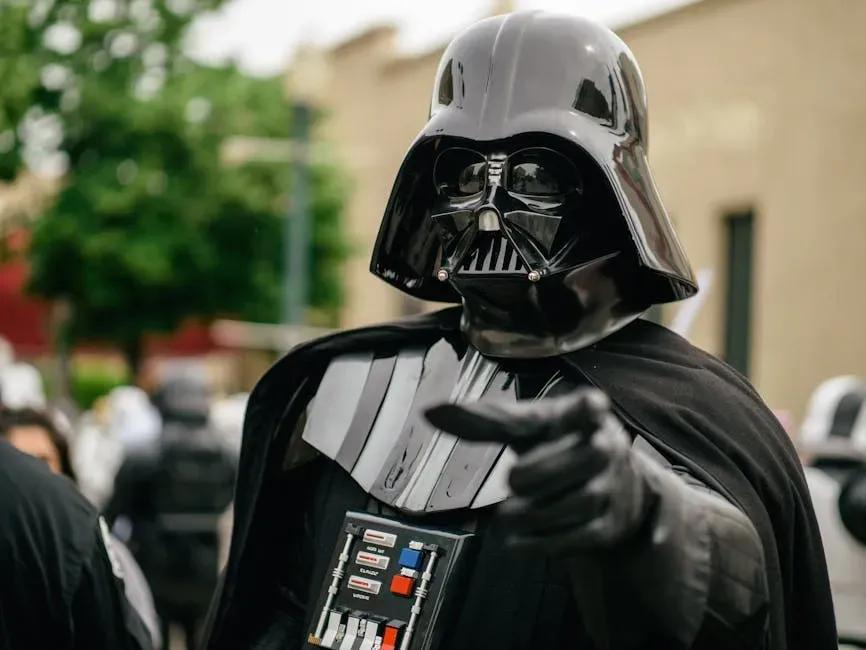
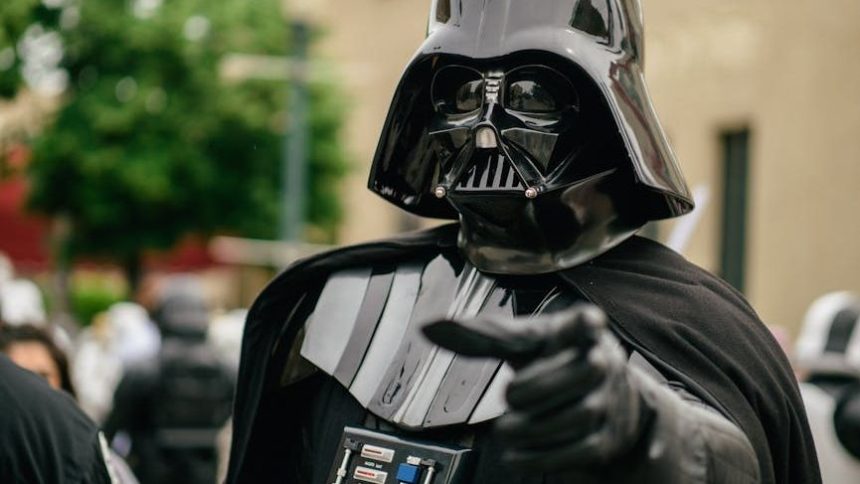
This is perhaps the most disorienting example of the Mandela Effect in cinema, because many people swear by the misquote. Darth Vader doesn’t actually say “Luke, I am your father.” The original line is simply “No, I am your father.” The word “No” is crucial here, it’s a direct contradiction of Luke’s prior accusation, which gives the line its dramatic weight.
Vader never says “Luke” before the revelation. He says “No, I am your father” in response to Luke claiming Vader killed his father. The line is so seismic that people take it out of context and rehash it as something more definitive and stand-alone. What really blows people’s minds? Even James Earl Jones himself, the voice behind the famous line, has reportedly remembered it the wrong way. If the man who said it gets it wrong, there is no hope for the rest of us.
2. “Play It Again, Sam” – Casablanca (1942)
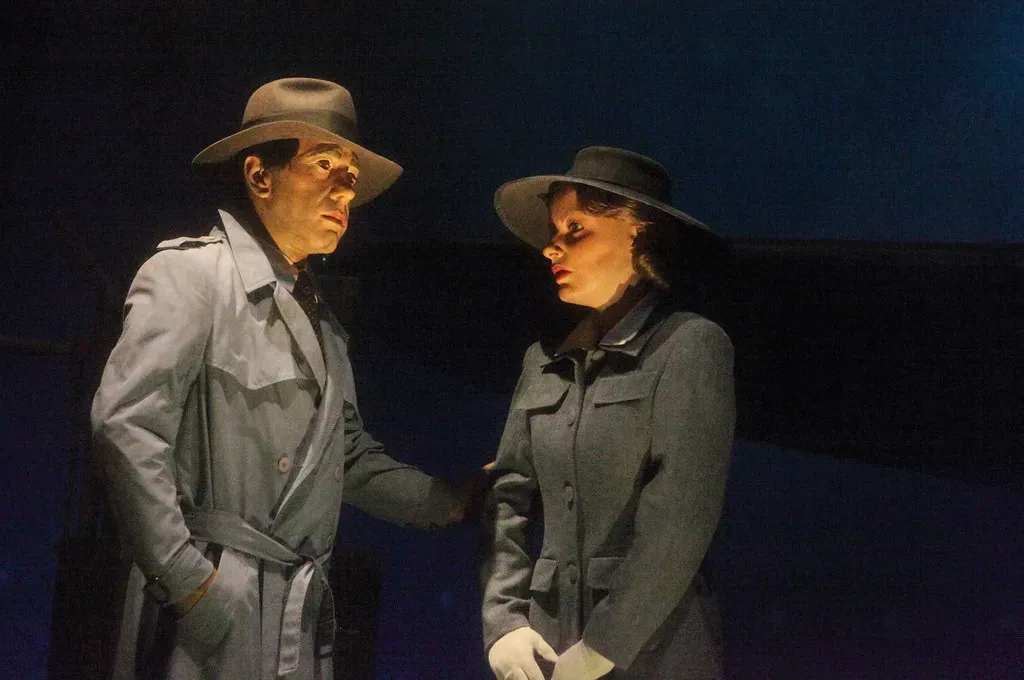
The most famous line in Casablanca is one that was never actually said. Despite being quoted for decades, the iconic “Play it again, Sam” was never uttered by Humphrey Bogart or anyone else in the film. This might be the single greatest misquote in all of cinema history.
The actual line belongs to Ilsa Lund (Ingrid Bergman), who says “Play it, Sam. Play ‘As Time Goes By.'” Later, Rick Blaine (Humphrey Bogart) says “You played it for her, you can play it for me! If she can stand it, I can! Play it!” The exact phrase “Play it again, Sam” is never uttered by any character in the film, though it has become so indelibly linked to it that it even inspired the title of a Woody Allen movie. That is a misquote so powerful it launched an entire film career spinoff.
3. “Toto, We’re Not in Kansas Anymore” – The Wizard of Oz (1939)

While the actual line Dorothy says is “Toto, I’ve a feeling we’re not in Kansas anymore,” most people that quote this line don’t actually nail it verbatim. Oftentimes, this quote is misrepresented by fans saying “I don’t think we’re in Kansas anymore” or “Toto, we’re not in Kansas anymore.” There are several ways viewers quote this scene, but few remember the “I’ve a feeling…” part of the line.
Honestly, it’s a tiny distinction, but it changes the whole emotional tone. Even if you watch the 1939 classic every single year, you probably still remember it incorrectly. What Dorothy actually says is all about her feelings, not about what she thinks. The word “feeling” gives Dorothy’s moment of disorientation a much more vulnerable, dreamy quality than the more matter-of-fact versions people typically recall.
4. “Hello, Clarice” – The Silence of the Lambs (1991)
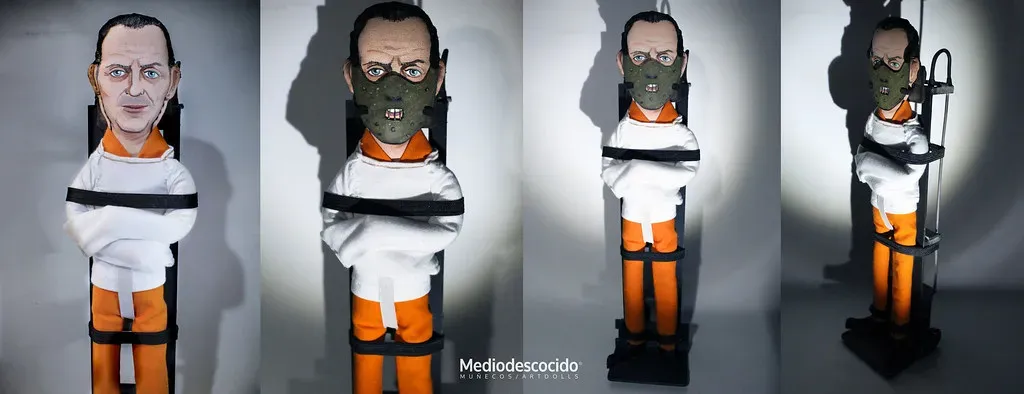
When viewers try to mimic Hannibal Lecter, they often say “Hello, Clarice.” However, Hannibal Lecter never actually says this line in The Silence of the Lambs. During their first meeting, he simply says “Good morning,” and in a later meeting says “Good evening, Clarice.”
The idea that he says “Hello, Clarice” has been so widely quoted that this line is now a key example used when discussing the Mandela Effect, because people are so convinced they have heard him say it. There is a Jim Carrey character from the 1996 movie The Cable Guy who parodies Lecter with this exact line. The quote also eventually makes its way into the 2001 sequel Hannibal, when Lecter calls Starling, which makes sense as to why many believe it is from the first film.
5. “You’re Going to Need a Bigger Boat” – Jaws (1975)

If you are a fan of Jaws, you have probably found a reason to use the movie’s most classic line in casual conversation as “We’re gonna need a bigger boat.” But you have probably been misquoting it your entire life. What Martin Brody (Roy Scheider) actually tells Quint is “You’re gonna need a bigger boat,” and it is far from the only movie quote people collectively misremember.
He even repeats the line a minute later, saying “You’re gonna need a bigger boat, right?” But when it comes to quoting this line, nearly everyone is sure the correct version is “we’re.” It makes a real difference, too. Police Chief Brody says this line to Quint, making it a personal observation rather than a collective statement, because he wants to go home. The shift from “you’re” to “we’re” accidentally turns a private moment of panic into something communal.
6. “Mirror, Mirror on the Wall” – Snow White and the Seven Dwarfs (1937)
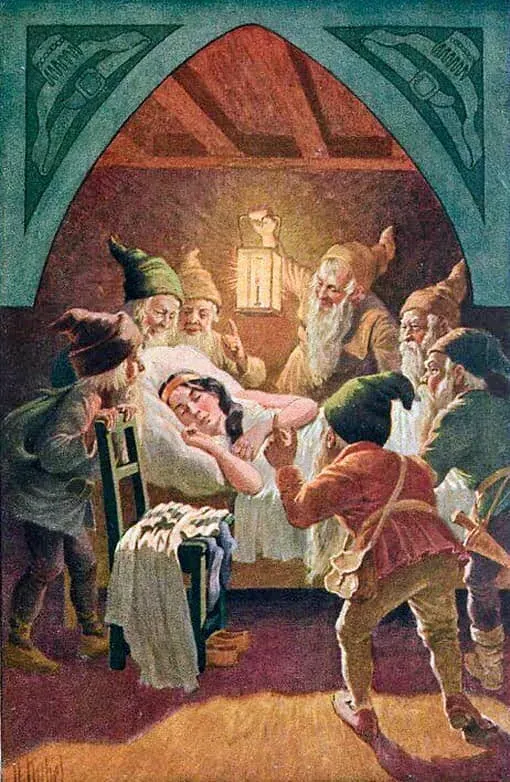
The misquote here is “Mirror, mirror, on the wall, who is the fairest of them all?” The actual line is “Magic mirror, on the wall, who is the fairest one of all?” The Evil Queen actually addresses her enchanted object as “Magic mirror,” not by repeating “mirror.” The rhythm of the misquote has made it incredibly popular.
This misquotation is often confused with the version from the original Brothers Grimm fairy tale, which does read “Mirror, mirror,” rather than “Magic mirror.” So people may be blending the book and the film in their memories without even realizing it. In truth, the Evil Queen actually says “Magic mirror…” which, if anything, makes much more sense, because she is literally talking to a magic mirror on the wall. And yet, almost nobody gets it right.
7. “If You Build It, They Will Come” – Field of Dreams (1989)

The false memory version is “If you build it, they will come,” but the real quote from Field of Dreams is simply “If you build it, he will come.” That single word switch, from “he” to “they,” strips away the entire personal, intimate nature of the film’s message.
Our memory of this line may have been skewed for a couple of reasons. First, writer Terence Mann (James Earl Jones) tells Kinsella that “people will most definitely come” to the ballpark, which might have infected people’s memories with the concept of “they.” Second, the 1994 film Wayne’s World 2 muddied the waters with a parody line: “If you book them, they will come.” The movie has one of cinema’s best-remembered lines, except it is usually wrongly remembered.
8. “Fasten Your Seat Belts, It’s Going to Be a Bumpy Ride” – All About Eve (1950)
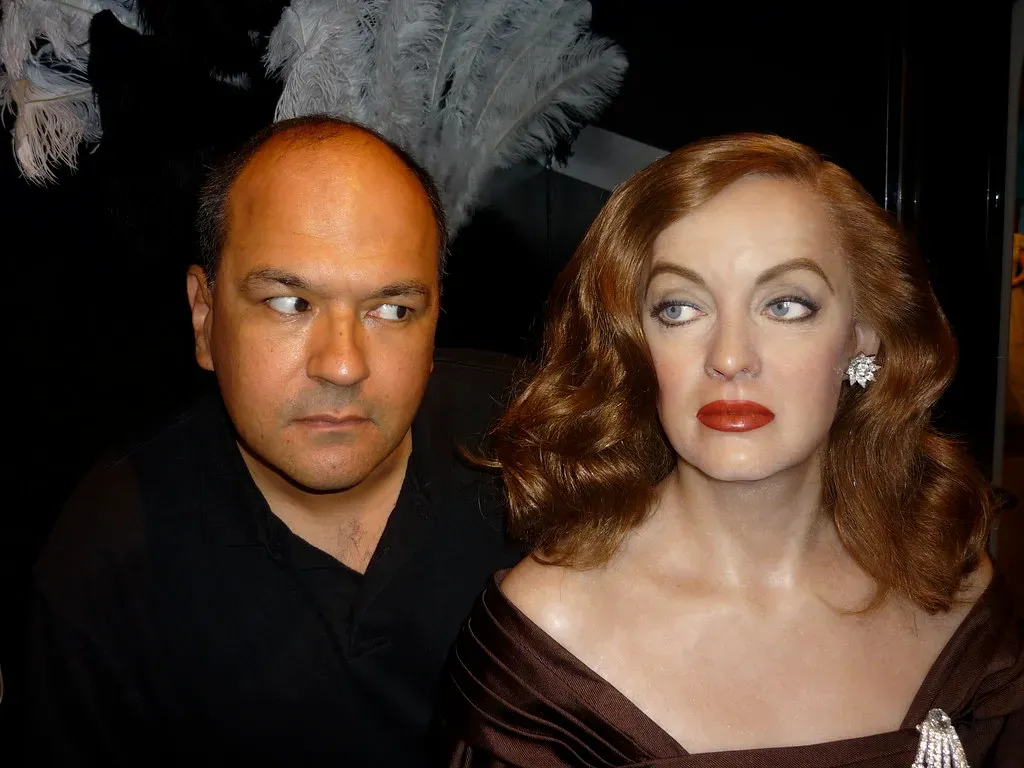
Bette Davis’ most famous quote from All About Eve is “Fasten your seatbelts, it’s going to be a bumpy night.” The widespread misquote swaps “night” for “ride.” It is bumpy “night,” people. Nobody is boarding a rollercoaster.
Margo Channing (Bette Davis) is anticipating a turbulent evening at a party, not specifically a ride anywhere. Replacing “night” with “ride” actually makes it sound more generic, like a theme park warning rather than a pointed, sharp-tongued observation from a Broadway diva. It is one of those cases where the misquote genuinely dulls the wit of the original line, which is a shame because the original is razor sharp.
9. “Mama Always Said, Life Is Like a Box of Chocolates” – Forrest Gump (1994)
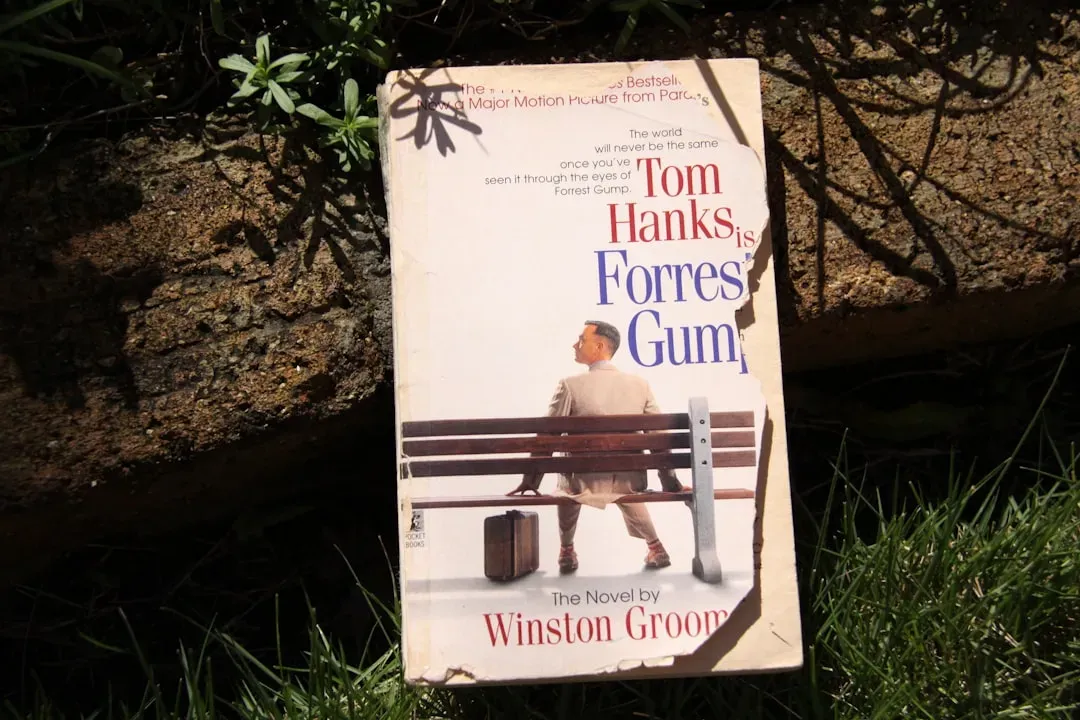
Forrest Gump doesn’t say “Mama always used to say, ‘Life is like a box of chocolates: you never know what you’re gonna get.'” He actually says “Mama always used to say life was like a box of chocolates.” He is more paraphrasing his beloved mother than directly quoting her.
This is one of the most iconic quotes from Forrest Gump, and many people are familiar with the “life is like a box of chocolates” analogy even if they haven’t seen the film. The subtle difference is that the real line uses the past tense “was like,” not “is like.” It is a small but meaningful grammatical shift that reflects how Forrest looks back on his mother’s wisdom rather than presenting it as a universal, present-tense truth. Most people flatten that nuance completely.
10. “Greed Is Good” – Wall Street (1987)

Gordon Gekko (Michael Douglas) delivers what is probably the most notorious line about ethically challenged investors in Oliver Stone’s 1987 cinematic tour de force Wall Street. But the actual quote is nowhere near as punchy as the version everybody repeats.
The famous “Greed is good” is actually a shortened mantra of Gekko’s real quote: “The point is, ladies and gentlemen, that greed, for lack of a better word, is good. Greed is right, greed works.” Gordon Gekko’s infamous declaration is part of a much longer sentence, though the punchier misquote has become a mantra symbolizing 1980s excess. The full quote is actually more nuanced, with Gekko himself acknowledging that “greed” is an imperfect word choice. By stripping it down to three words, pop culture turned philosophical excess into a bumper sticker.
11. “Do You Feel Lucky, Punk?” – Dirty Harry (1971)
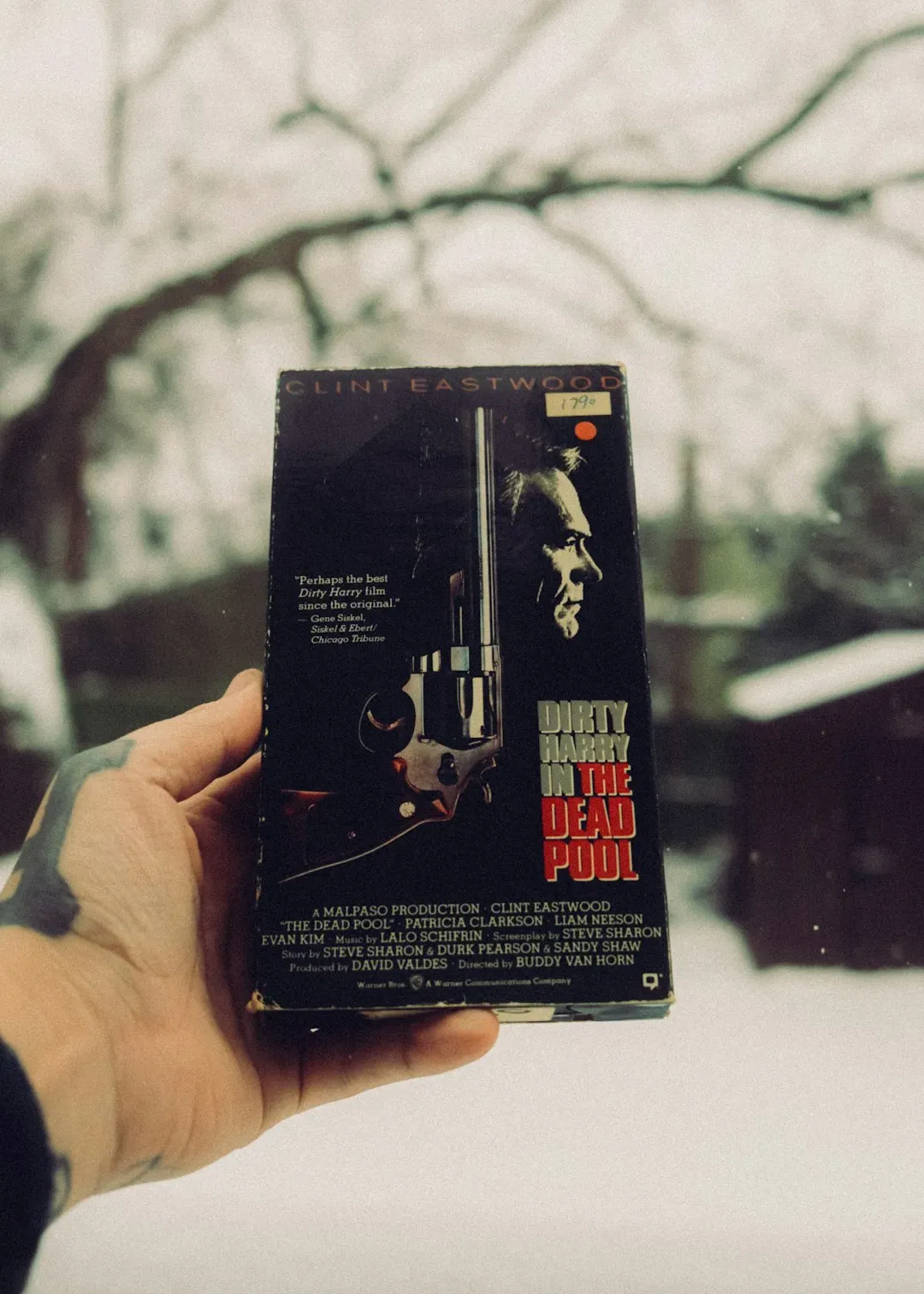
The actual quote from Dirty Harry is “You’ve got to ask yourself one question: ‘Do I feel lucky?’ Well, do ya, punk?” Most people misremember it as simply “Do you feel lucky, punk?” The condensed version loses the entire setup that makes the real moment so menacing.
Clint Eastwood’s iconic line as Harry Callahan is often shortened, losing some of its original setup. The full scene is a slow, calculated monologue designed to psychologically dismantle a suspect, asking whether he can remember how many shots were fired. Reducing it to four words drains all of that tension. Let’s be real, the truncated version sounds tough, but the actual line is terrifying in a completely different league.
12. “What We Have Here Is a Failure to Communicate” – Cool Hand Luke (1967)

One of the most famous lines from Cool Hand Luke is the Captain’s quote “What we’ve got here is… failure to communicate.” Though this line has been quoted countless times throughout the years, many misquote it by saying “What we have here is a failure to communicate.”
Here is the thing, “got” and “have” sound almost identical in casual speech, which is probably why this one slips through so effortlessly. The life of an iconic movie quote tends to play out much like the film industry’s version of broken telephone. A slight adjustment here, a word dropped there, until eventually a misquote vaguely resembling Frankenstein’s monster takes unshakeable hold over the collective cultural consciousness. This line is a textbook example of that process in action.
13. “Fly, You Fools!” – The Lord of the Rings: The Fellowship of the Ring (2001)
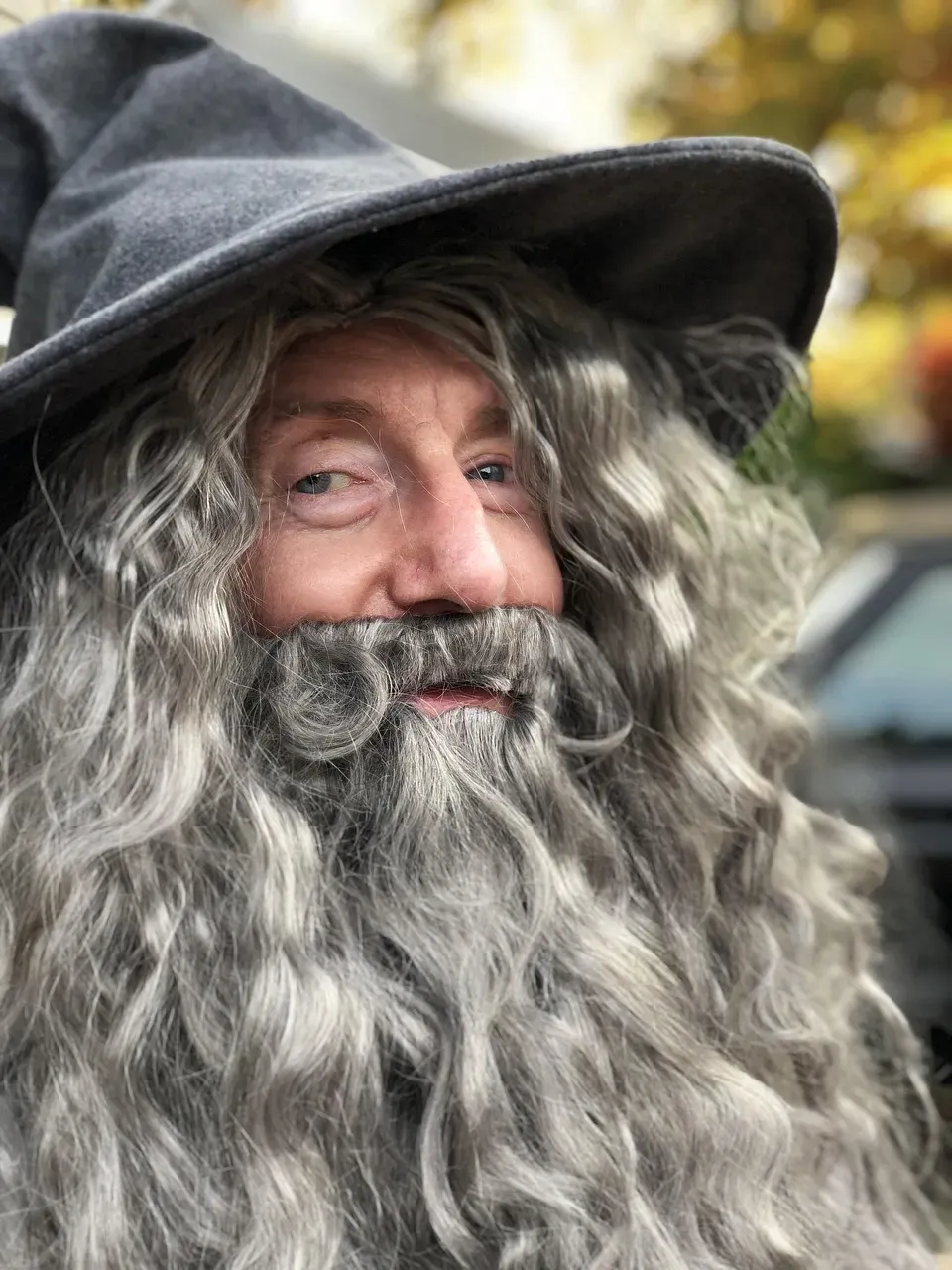
Gandalf has another great line in The Fellowship of the Ring that is often misquoted. Though he tells his allies “Fly, you fools,” many viewers misquote this line by saying “Run, you fools.” This widespread misquoting has caused heated debates among die-hard fans.
The reverence that the fanbase has for the three Lord of the Rings movies makes the Mandela Effect somewhat rare for them, considering there are over eleven hours of memorable cinema. However, while many still correctly remember Gandalf telling the Fellowship “Fly, you fools,” he is commonly misremembered as having said “Run, you fools.” “Run” simply feels more logical. Nobody thinks to fly in a crisis, so the brain quietly swaps “fly” for what seems more physically intuitive. The irony is that Tolkien’s “fly” means flee or escape, not literally take flight.
14. “I Want to Play a Game” – Saw (2004)
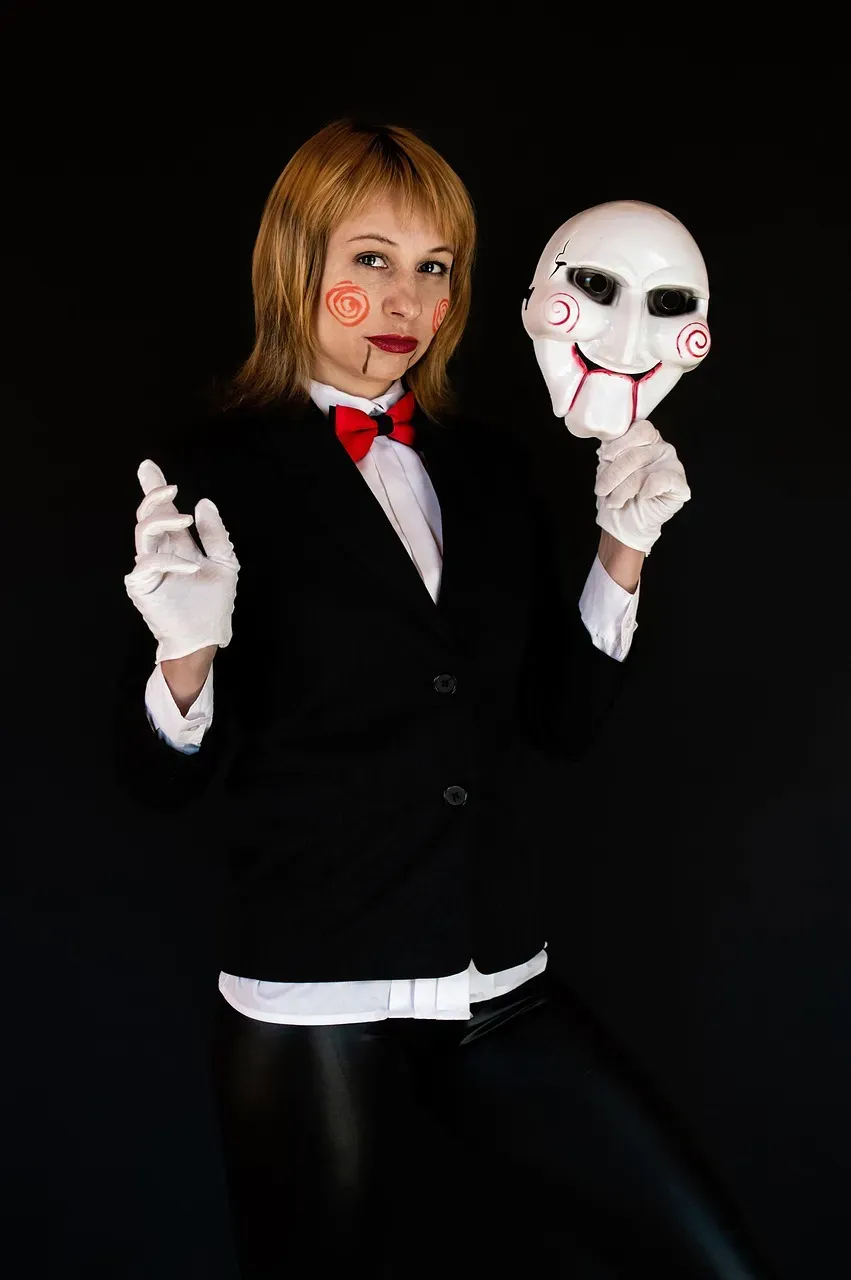
The villain of the Saw movies is Jigsaw, a mysterious killer who takes people who don’t appreciate their lives and places them in elaborate, deadly traps. When presenting his victims with their traps, people think that Jigsaw invites them into his games, except this isn’t actually the case.
The famously misquoted line is “Do you wanna play a game?” but the actual line in the films is “I want to play a game.” The quote shifts from a statement to a question. If you know the context of the Saw series, though, the quote formatted as a question actually brings more of the ominous and scary personality the films are famous for. Jigsaw’s real line is far more chilling precisely because it is not an invitation. It is a declaration. He is not asking permission. He is telling you what is about to happen.
15. “Mrs. Robinson, Are You Trying to Seduce Me?” – The Graduate (1967)
The most famous line delivered by Dustin Hoffman in 1967’s The Graduate is one that people get mostly right. Hoffman, as Ben Braddock, actually says “Mrs. Robinson, you’re trying to seduce me. Aren’t you?” That trailing question tag at the end completely changes the character’s personality in the scene.
The film’s common misquote takes away most of what makes the line so great: Ben’s befuddlement and total lack of contextual awareness, which gives the scene its comedic dimension. The way movie fans have reimagined the line actually changes the meaning slightly. The misquote is a direct question, but what Ben actually says has much more uncertainty. Turning the line into a straightforward question makes Ben sound confident and knowing. The real version makes him sound completely blindsided, which is exactly the point, and exactly what makes the scene so funny.
Why We Keep Getting These Lines Wrong
The Mandela Effect is the phenomenon of many people misremembering something due to their confidence in their own memories, often to the point that the misremembered version starts replacing the truth in collective memory. Details in cinema have long been subjected to this effect. The element of movies most commonly affected by it is dialogue.
If one film journalist marginally misquotes a classic movie line, and then that article spawns another piece from a different publication, suddenly a domino effect is underway, and slowly but surely, the misquoted line supersedes the original. There might be a thousand articles that quote the falsehood, and there is obviously only one film. The internet has made this process faster than ever before.
Quotes may be changed for a number of reasons. Long ones, such as Apocalypse Now’s “I love the smell of napalm…” or Gold Hat’s rant about badges in The Treasure of the Sierra Madre, may be shortened. Other times, the brain simply prefers a more rhythmic, quotable version. We are not remembering movies. We are editing them in real time, unconsciously and collectively, to make them more memorable. Which, if you think about it, says something rather poetic about why we love films in the first place.
So, which one surprised you the most? Drop your answer in the comments and let’s find out just how confidently wrong we have all been.


