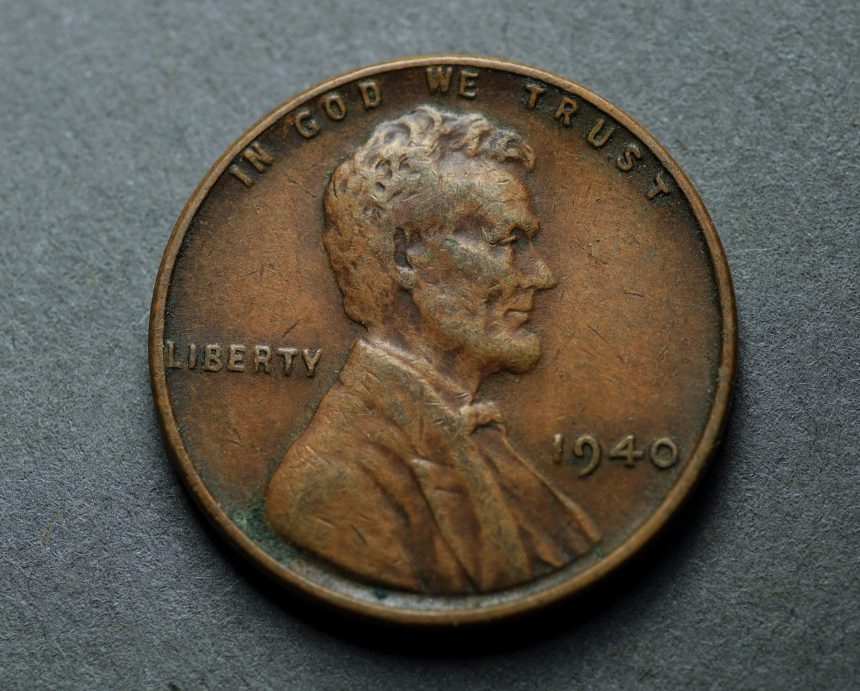
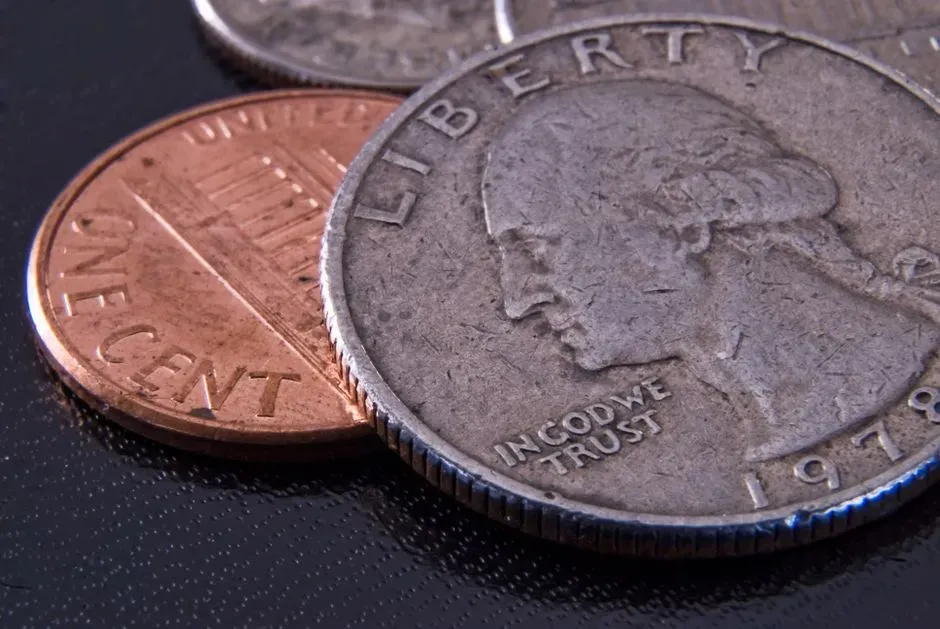
Most people treat pennies as a nuisance. They collect in cup holders, jars and couch cushions, and few ever get a second look. Yet a small group of Lincoln cents have changed hands for amounts that would surprise anyone who has ignored a dull brown coin.
The hobby has also had a fresh jolt lately. The United States stopped striking new pennies for circulation in late 2025, and that has pushed more people to look at what they already own. Here are nine cents worth checking for, starting with the most famous.
The 1955 Doubled Die Obverse
This is the headline coin, and it’s easy to see why. On the front, the date and the lettering of “LIBERTY” and “IN GOD WE TRUST” show strong, obvious doubling, as if the coin were printed twice slightly out of line. It happened because the die was impressed twice with the hub at slightly different angles.
The error was made at the Philadelphia Mint, and an estimated twenty thousand or so reached the public. Many were found in the northeastern United States, which is part of why the story has lasted so long. Look for doubling you can spot without a loupe, because the faint “shelf” doubling seen on many ordinary cents is a different thing and worth very little.
The 1909-S VDB
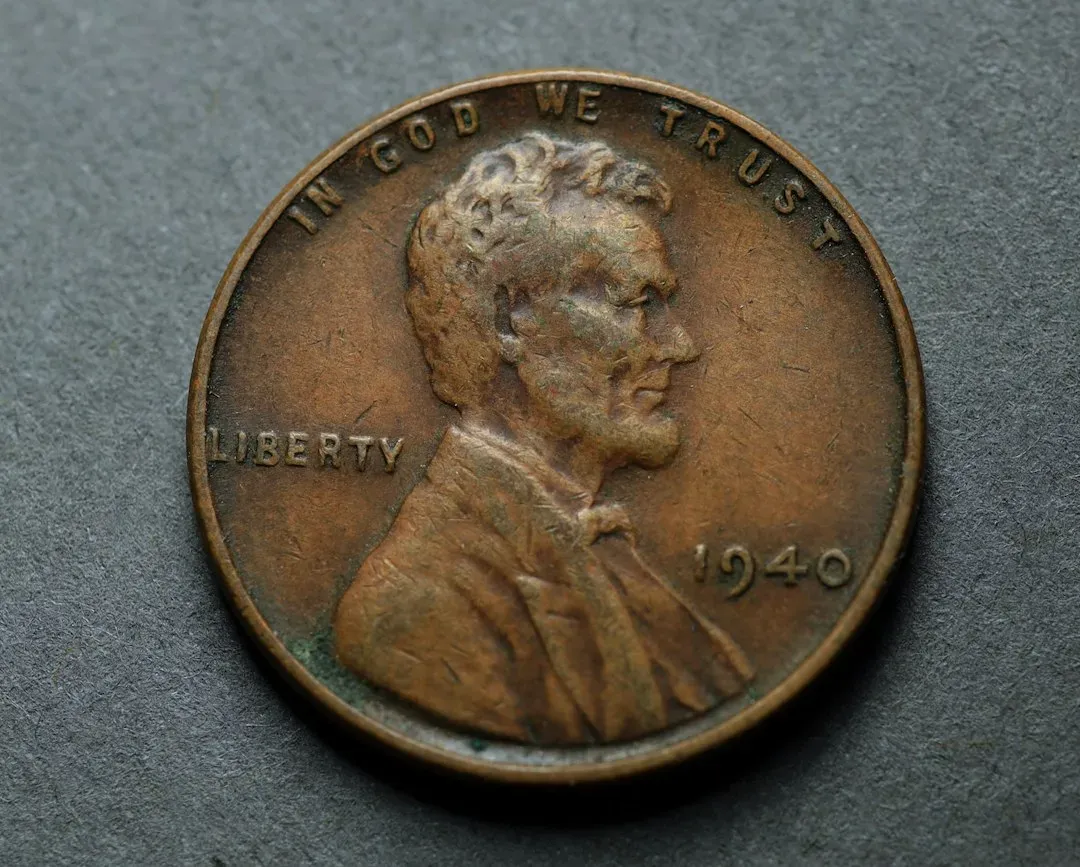
The first Lincoln cent was designed by Victor David Brenner, and his initials, VDB, appeared at the bottom of the reverse. Critics complained that the initials were too prominent, so the Mint pulled them early in production. By then the San Francisco Mint had struck only 484,000 of this version.
That low mintage made it the classic key date of the series. Collectors check the bottom edge of the reverse between the wheat stalks for the tiny letters, and a mint mark S under the date. Fakes are common, so serious buyers lean on certification from a grading service.
The 1909-S Without VDB
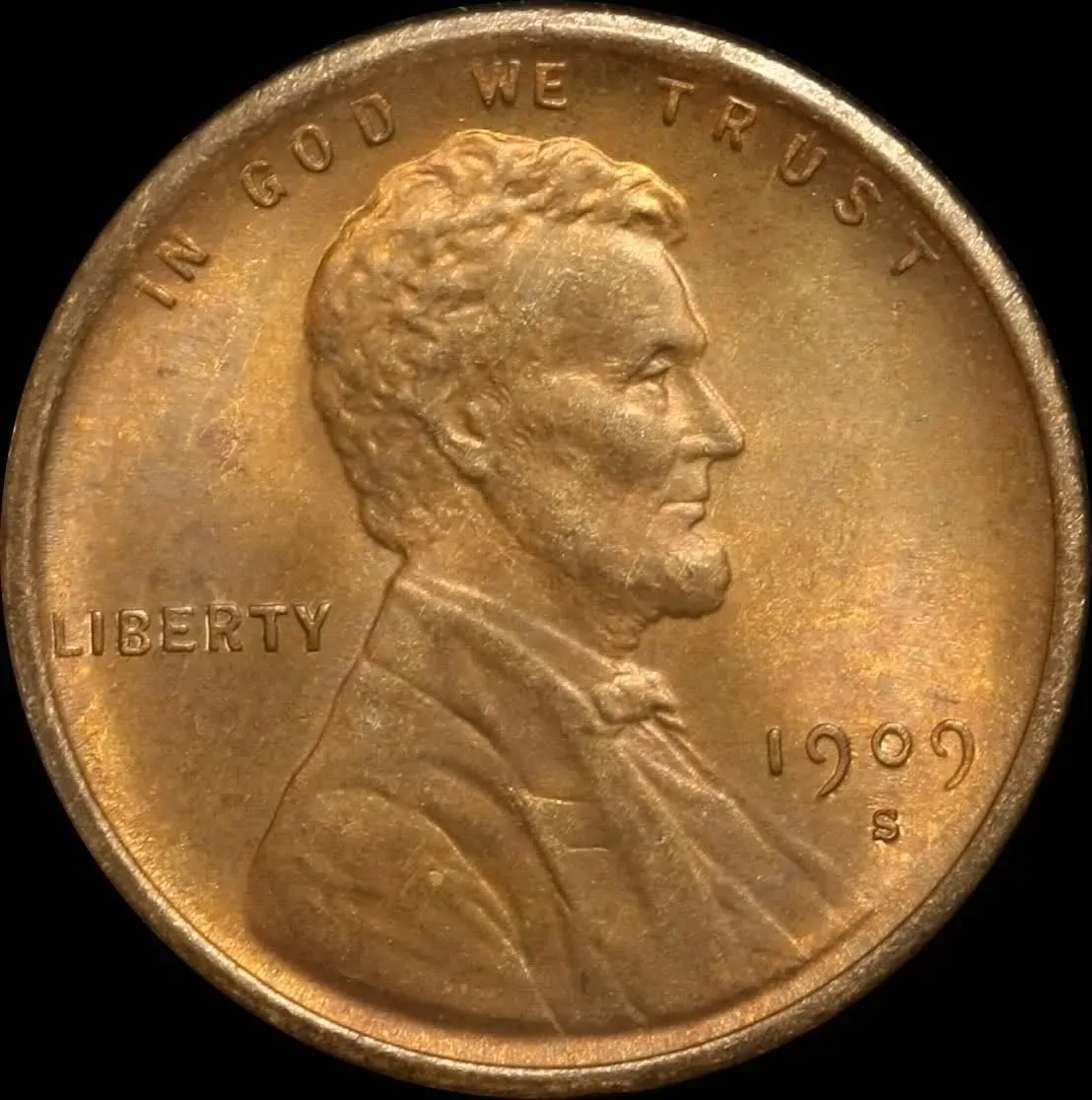
After the initials were removed, San Francisco kept making cents that year, but without VDB. About one million eight hundred thousand were produced, which is far more than the VDB version, yet still a small number for a Lincoln cent. That makes it the second scarcest of the early dates.
It’s often a more realistic goal for a new collector. You’ll want a clean S mint mark below the date and no initials on the reverse. Altered coins exist here too, with added mint marks, so a magnifier and a trustworthy dealer help.
The 1914-D
The Denver Mint produced just over one million cents in 1914, a very low figure for a year when most dates ran in the tens of millions. It became one of the true keys of the wheat cent series, and one of the most counterfeited too. Many fakes were made by adding a D to a common 1944 or 1911 cent, though the details often look off.
Check that the D looks like it belongs, with the same wear and style as other Denver coins of the period. Authentic examples in circulated condition are still valuable. Because of the forgery problem, a certified coin is the safer way to buy one.
The 1922 No D
In 1922 only the Denver Mint made pennies, so every genuine cent from that year should carry a D. Yet some do not show it. A worn and clogged die filled in the mint mark, leaving a coin that looks as though it came from Philadelphia.
Partner offer
This is where collectors pay attention to details. The true “plain” version has a weak, mushy reverse and a strongly struck obverse, and that combination is part of what proves it’s real. Simply a coin with a worn off D from circulation does not count.
The 1943 Copper Cent
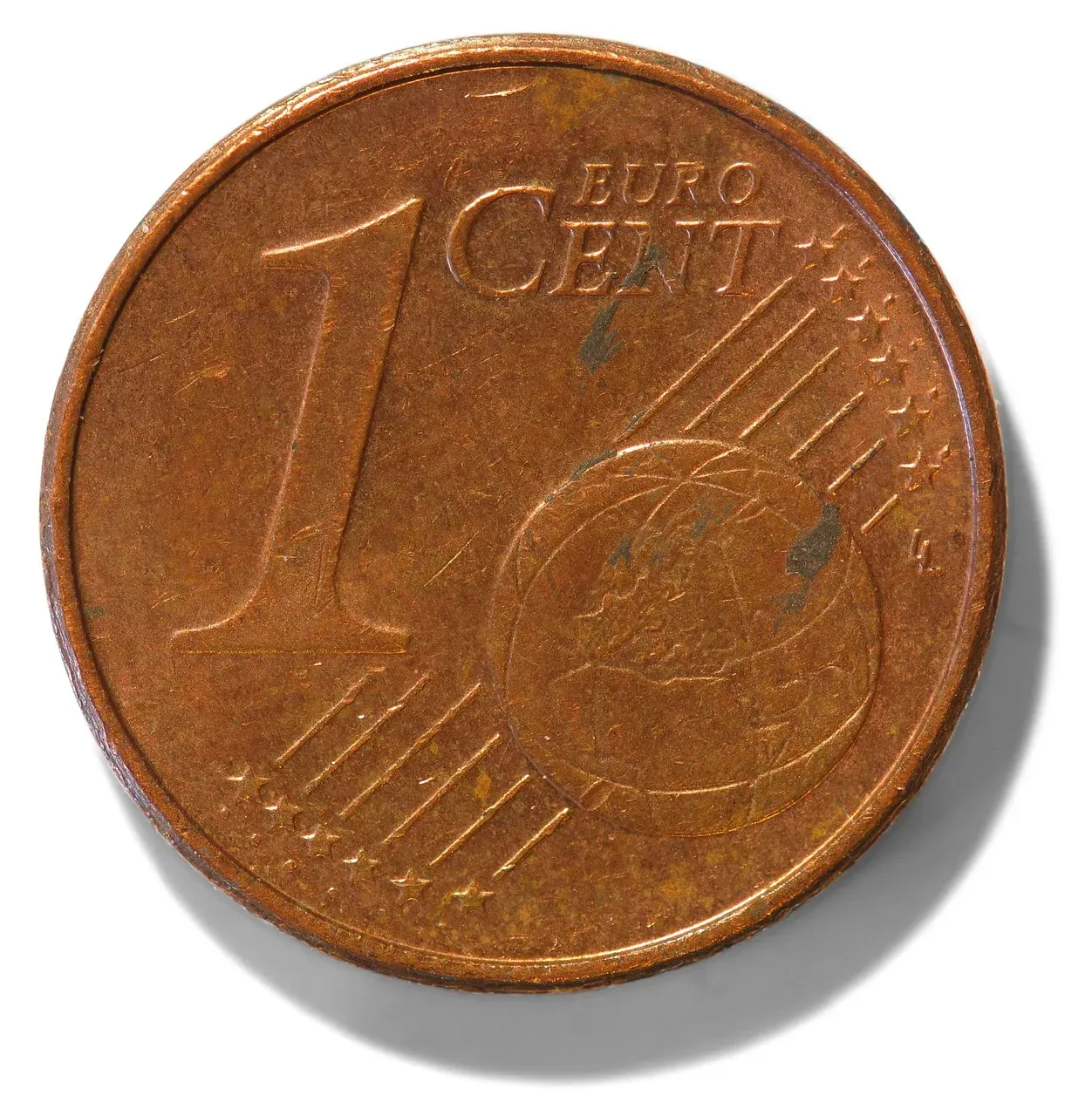
During World War Two, the Mint switched cents to zinc coated steel in 1943 to save copper for the war effort. A few bronze blanks were left in the presses by accident, and a small number of copper cents were struck that year. Only a handful are known to exist, and they’ve sold for sums in the six figures and beyond.
The simple test is a magnet. A normal 1943 cent is steel and sticks to a magnet, while a copper one won’t. Many brown looking 1943 coins turn out to be plated steel or altered 1948 cents, so a non magnetic result is only the first step before expert authentication.
The 1944 Steel Cent
This one is the mirror image of the 1943 copper coin. In 1944 the Mint went back to copper, using recycled shell casings, but a few steel blanks from the year before were still in the hoppers. As a result, a small number of 1944 cents were struck on steel.
Here the magnet works the other way around. A 1944 cent that sticks to a magnet deserves a closer look, since steel examples are extremely rare. Silvery colored coins that are only zinc plated or damaged are far more common, so authentication matters.
The 1972 Doubled Die Obverse
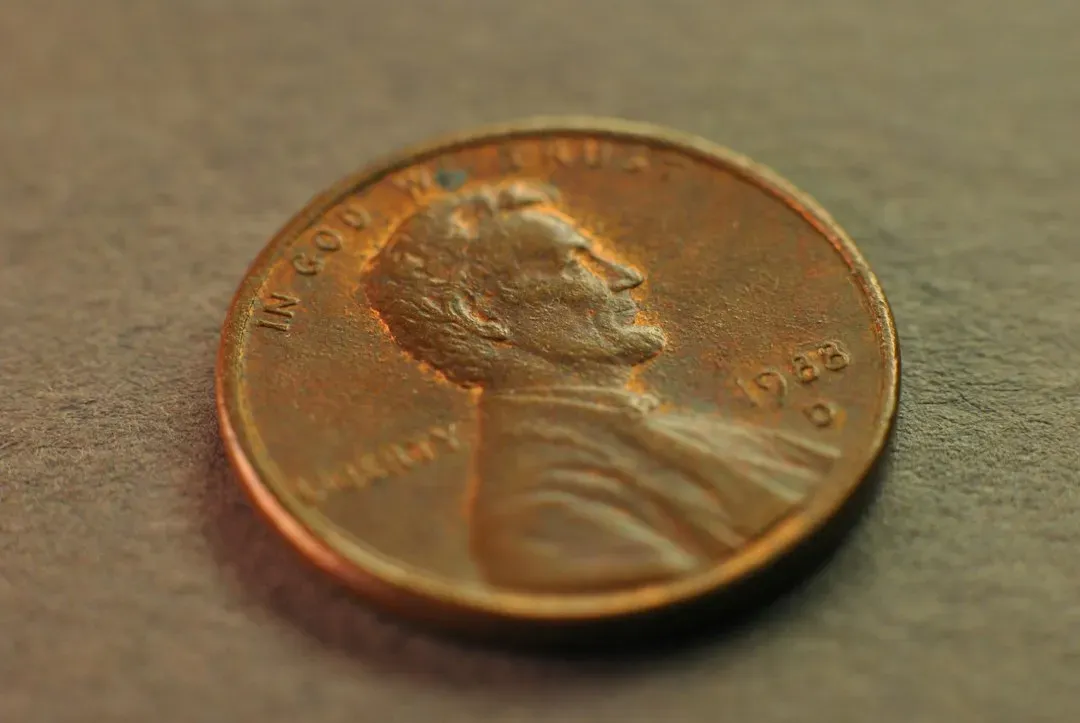
Out of the many doubled die cents, the 1972 is one of the most popular after the 1955. The doubling is clear in the date and in the words “LIBERTY” and “IN GOD WE TRUST,” and it can often be seen with modest magnification. It was struck at Philadelphia and is much easier to find than its 1955 cousin.
That makes it a realistic find in pocket change, at least in theory. Values depend heavily on condition and on how strong the doubling is. It’s a good example of an error that rewards anyone who checks coins from the early 1970s.
The 1969-S Doubled Die Obverse
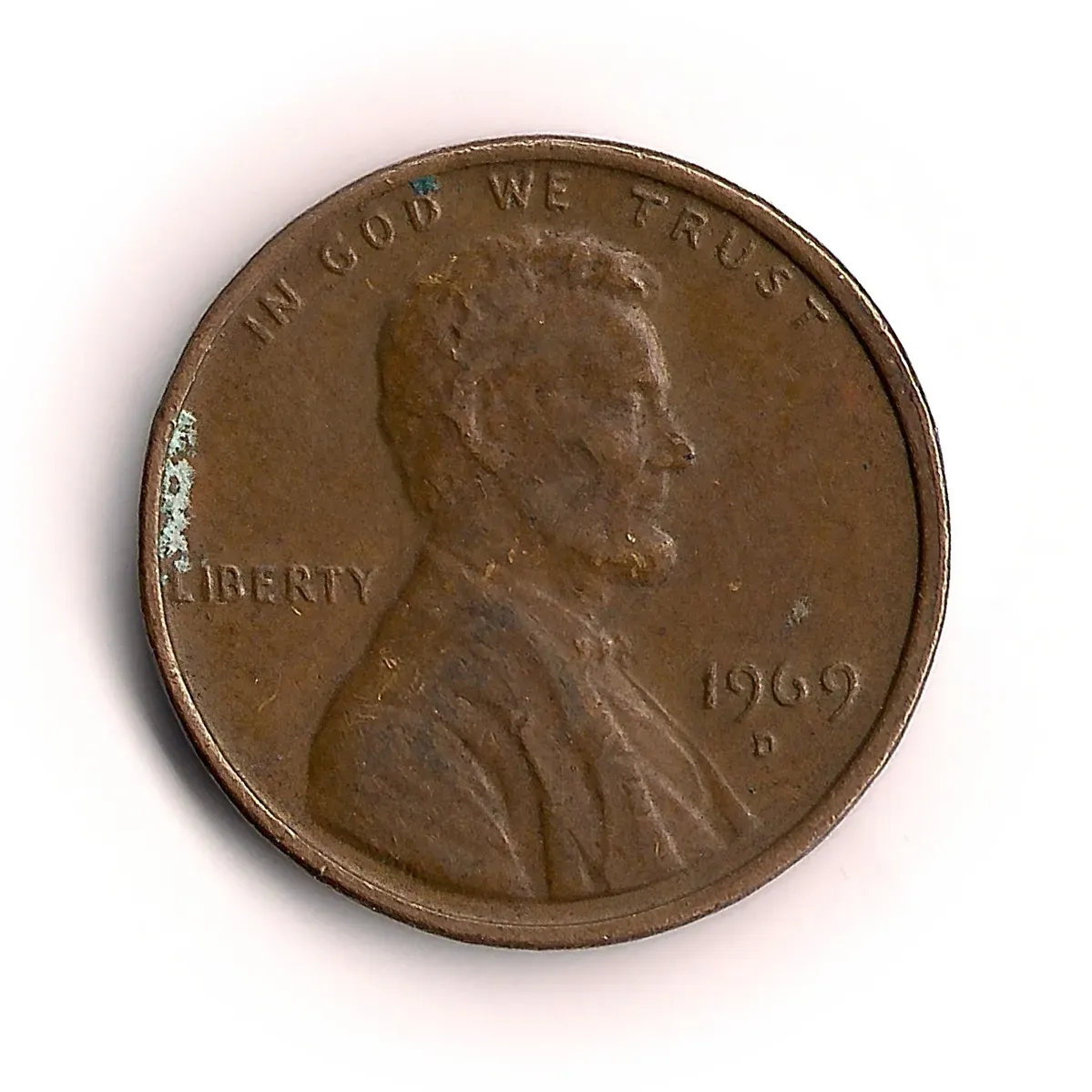
Few people expect a valuable error on a cent from the late sixties, but the 1969-S has one. The doubling on the date and the lettering is dramatic, and only a small number of genuine examples are known. San Francisco made it, and the S mint mark is part of the identification.
Because the price is high, fakes and misidentified coins show up often. Collectors compare the doubling to known photographs and usually send a candidate to a grading service. If you think you have one, don’t clean it, since cleaning lowers value for any collectible coin.
How to Check the Pennies You Already Have
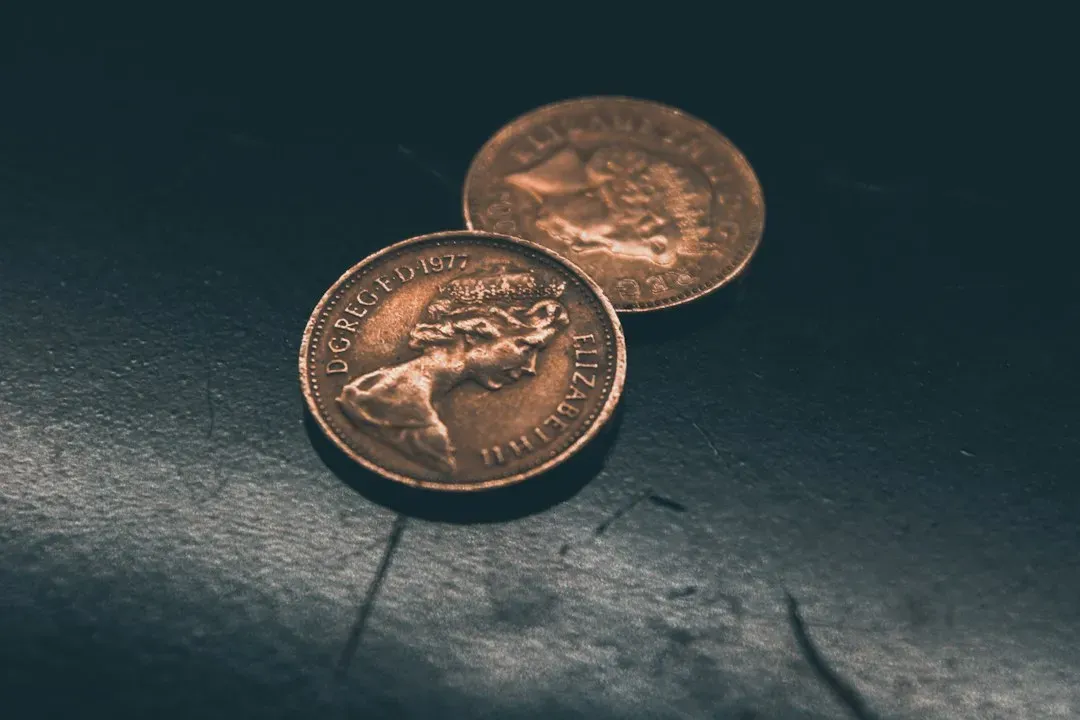
Start with the date and mint mark, which sit just below the date on the front. Then use a magnifier of about five to ten times power under good light. A magnet is a cheap tool for spotting the steel and copper oddities from 1943 and 1944.
Do not clean any coin, and handle it by the edges. If something looks promising, services such as PCGS and NGC authenticate and grade coins for a fee. Those certifications are the standard way to confirm a rare penny before it’s sold.
Partner offer
Planning a trip to Vegas?
Compare hotel rates and show tickets on VEGAS.com.