Some songs feel so tied to one voice that it’s hard to imagine anyone else singing them first. Yet a surprising number of the tracks we consider defining hits of their eras actually started life somewhere else entirely, often quietly, sometimes as a flop, before another artist reshaped them into something unforgettable. The stories behind these reinventions say as much about timing and arrangement as they do about talent, and they’re worth knowing the next time one of these songs comes on the radio.
I Love Rock ‘n’ Roll – Joan Jett & the Blackhearts
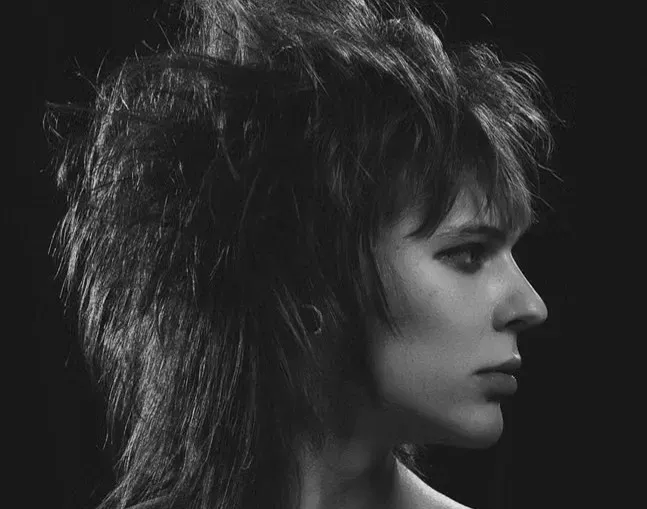
Long before Joan Jett turned it into a leather-jacketed anthem, “I Love Rock ‘n’ Roll” was originally recorded by a British group called The Arrows in 1975, written by their lead singer Alan Merrill and guitarist Jake Hooker. The Arrows version barely made a dent commercially. In fact, the song didn’t chart and was banished to obscurity after suffering a poor run of luck, including being released as a B-side, coming out during an English newspaper strike, and a feud between the band and their record label.
Jett only discovered the song because of a lucky break for The Arrows themselves. Joan Jett saw the Arrows perform “I Love Rock ‘n’ Roll” on their weekly UK television series Arrows while she was touring England with the Runaways in 1976. She tried to get her own band to record it, but the Runaways ultimately passed on the song since they had previously covered another rock and roll track. It took Jett two attempts and several years, but once she cut it with the Blackhearts in 1981, the song became one of the signature rock anthems of the decade.
Nothing Compares 2 U – Sinéad O’Connor
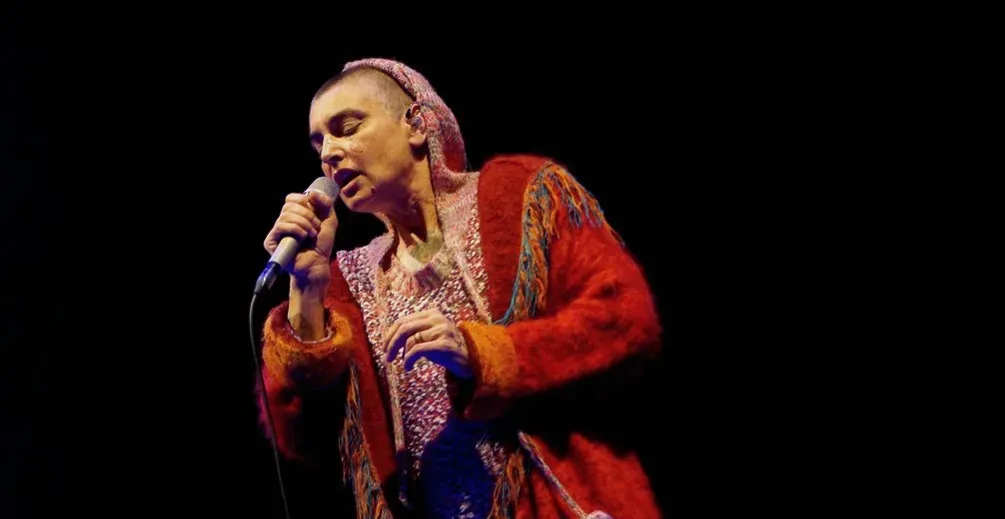
Sinéad O’Connor’s devastating 1990 ballad is often assumed to be entirely her own, but the song came from Prince, who never intended to keep it for himself. “Nothing Compares 2 U” is a 1985 song by Prince, written for his project The Family and released on their 1985 debut album. The original barely registered, since it was included on The Family’s sole studio album but was not released as a single and received little recognition.
Prince wrote the song remarkably fast, and its path to O’Connor was almost accidental. Prince felt the piece did not align with his sound at the time, so he gave it to The Family, a short-lived funk band, who included it on their self-titled 1985 record. Years later, in 1989, O’Connor was recording a new album, and her manager suggested she include a cover of a track that had flopped a few years earlier. Her stripped down, emotionally raw take turned a forgotten album cut into one of the most recognizable ballads of the 1990s.
Respect – Aretha Franklin
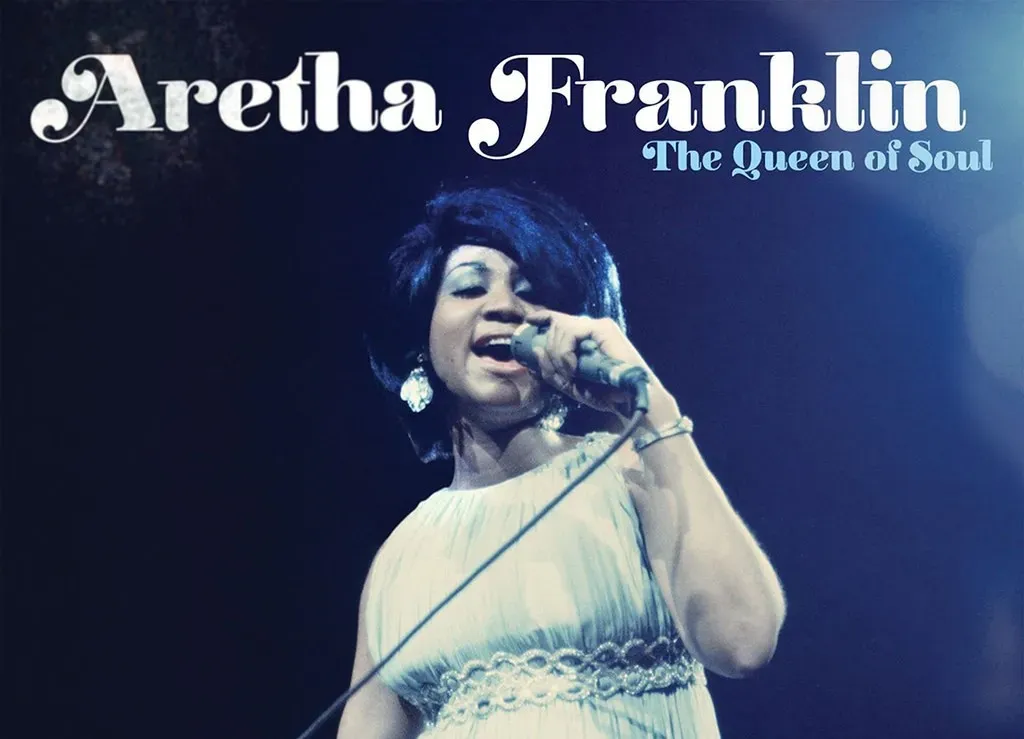
Aretha Franklin’s “Respect” is so closely tied to female empowerment that many listeners assume it was written for her. It wasn’t. The song is a cover of one originally written and recorded by Otis Redding, which Franklin rearranged and reshaped to give the perspective of a woman as opposed to Redding’s male perspective. Redding’s 1965 original told a very different story, one where a man pleads with his woman to show him respect for bringing home the bacon, seemingly unbothered if she wrongs him as long as he gets his due.
Franklin didn’t just cover the track, she rebuilt it from the ground up with help from her sisters. Franklin had decided to flip the gender of the lyrics, with help from her sisters Erma and Carolyn, adding the now iconic spelled-out chorus that never appeared in Redding’s version. Redding reportedly wasn’t thrilled at first, joking at a festival appearance that “this next song is a song that a girl took away from me” before performing it anyway. Franklin’s version went on to become a Grammy-winning anthem for both the civil rights and women’s movements, eclipsing the song it came from entirely.
Hound Dog – Elvis Presley
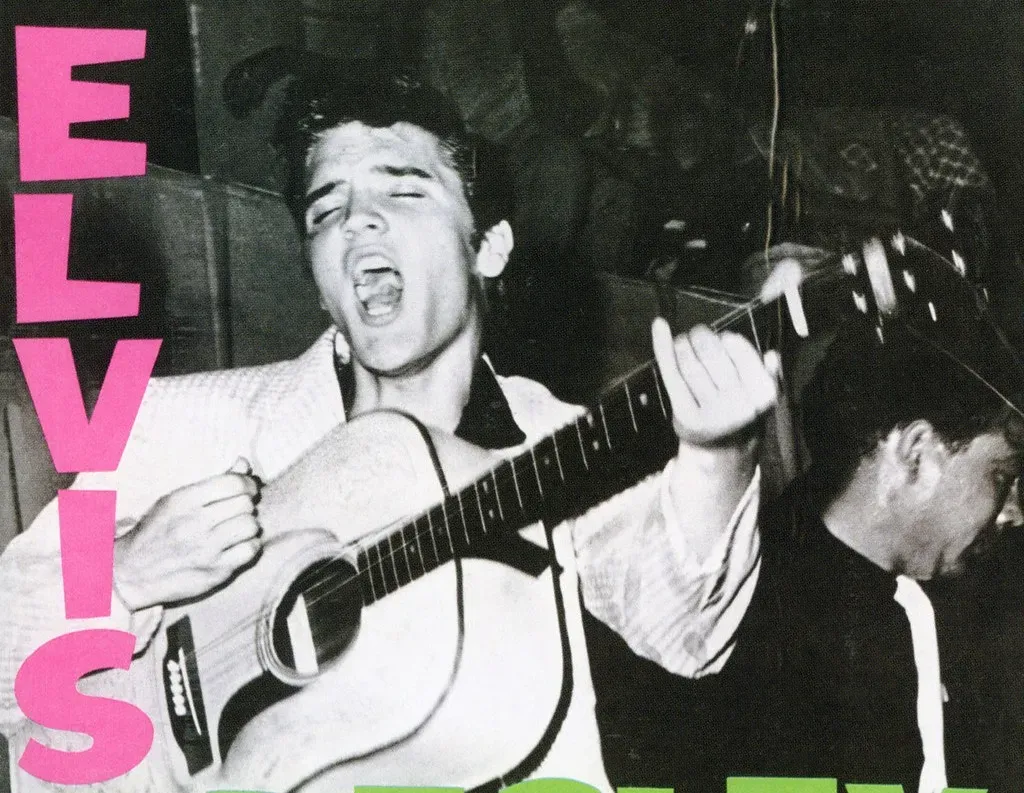
Elvis Presley’s version of “Hound Dog” ran so long atop the charts that most people assumed he originated it. He didn’t come close. “Hound Dog” was written by Jerry Leiber and Mike Stoller and recorded originally by Big Mama Thornton on August 13, 1952, selling over 500,000 copies and spending seven weeks at number one on the R&B charts. Leiber himself later called Thornton’s take his personal favorite recording of the song.
Elvis wasn’t even working from Thornton’s version when he learned the tune. Presley’s inspiration came from a rewrite by singer Freddie Bell, who changed the original lyrics to include the now-familiar lines about crying and never catching a rabbit, which Elvis heard performed live in Las Vegas in the spring of 1956. The rewritten lyrics and Presley’s rockabilly delivery turned a blues number written for a 350-pound R&B belter into a rock and roll standard, though Thornton spent much of her later career noting how little credit or money reached her for it.
Twist and Shout – The Beatles
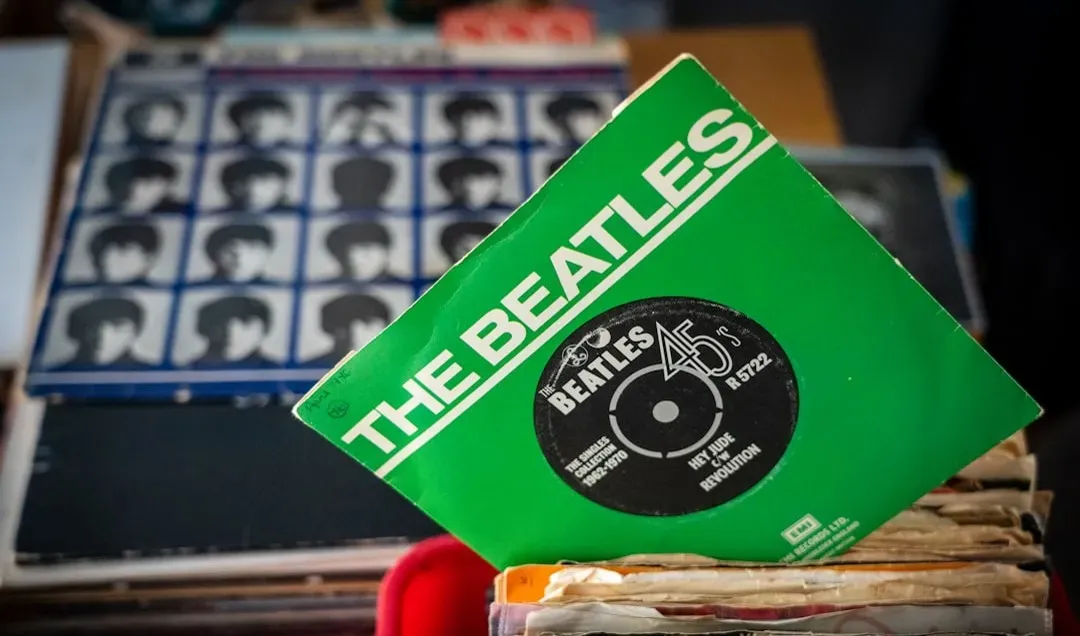
The Beatles’ raucous closing track on their debut UK album feels like pure Merseybeat, but the song had already passed through two other acts before they touched it. Songwriters Phil Medley and Bert Berns first placed the tune with a doo-wop group called The Top Notes in 1961, a version that went largely unnoticed. The song found its real footing a year later when the Isley Brothers recorded a punchier, gospel-tinged rendition that became a hit and set the template everyone remembers.
By the time the Beatles recorded their cover in 1963, John Lennon reportedly tracked his vocal in a single take at the very end of a long recording session, his voice already shredded from a cold. That raw, almost desperate delivery became part of the song’s appeal, and few listeners at the time realized they were hearing a third generation of the same tune. It remains one of the clearest examples of a cover outshining not one but two earlier versions.
Partner offer
Torn – Natalie Imbruglia
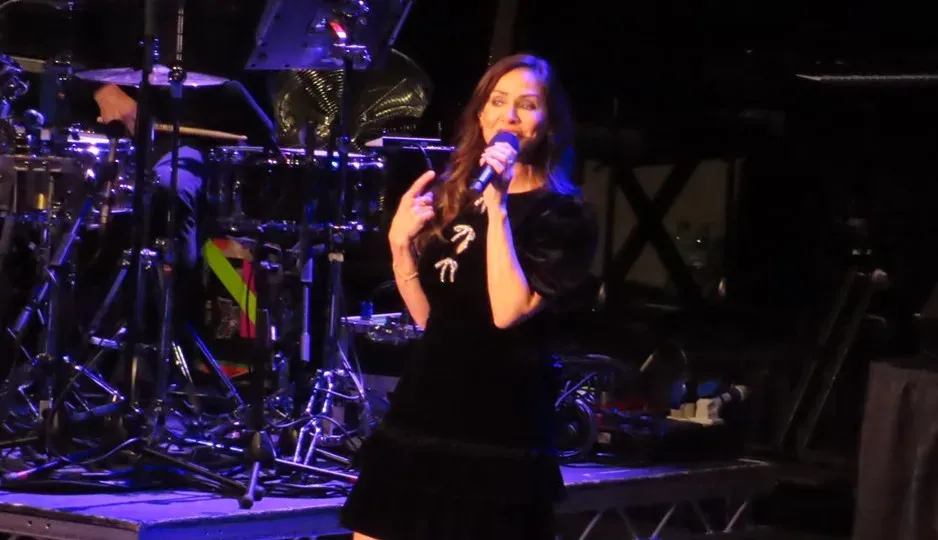
Natalie Imbruglia’s breakup anthem from 1997 sounds so personal that it’s easy to forget she didn’t write a word of it. The song was originally written by Scott Cutler, Anne Preven, and Phil Thornalley in 1991, and released by the alternative rock band Ednaswap in 1995. Ednaswap’s version wasn’t even the first recording of the song either.
Before Ednaswap got to it, the track had already traveled overseas. Its first release was by a Danish singer called Lis Sørensen, in which the song had been translated and retitled to mean “burnt” in Danish. Imbruglia’s producer connection came through one of the original songwriters, and her version transformed the alt-rock original into the polished pop hit that dominated radio in 1997, later racking up over a billion streams and inspiring its own generation of covers from younger pop stars.
Take Me to the River – Talking Heads
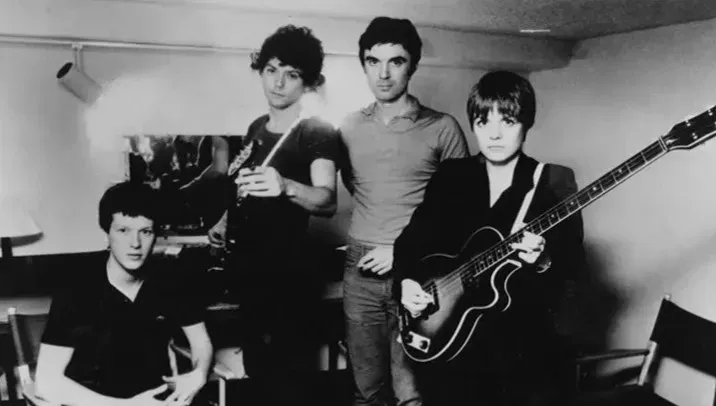
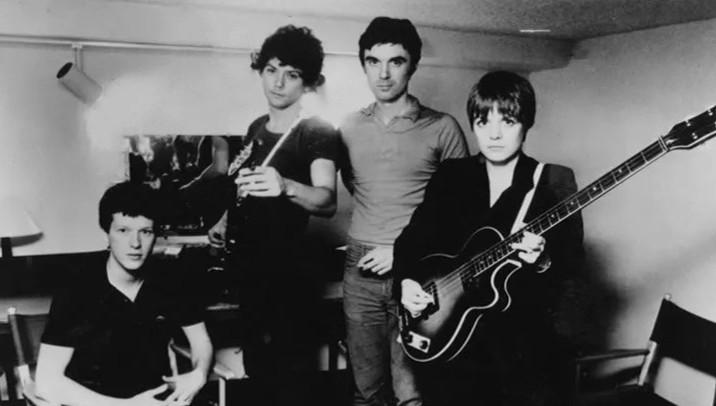
Talking Heads’ twitchy, funk-inflected version of “Take Me to the River” became one of the band’s biggest hits, appearing on their 1978 album “More Songs About Buildings and Food.” Few casual listeners realize the song was written and originally recorded by soul legend Al Green in 1974, released on his album “Al Green Explores Your Mind.” Green’s original is a slow-burning, gospel-soaked ballad, a far cry from the nervous, angular rhythm David Byrne and his bandmates gave it.
What’s notable is that Talking Heads’ cover actually outperformed Green’s original on the Billboard Hot 100, introducing the song to an entirely new rock audience. The band trimmed and rearranged the lyrics, stripping away some of the song’s original churchy phrasing, but kept its core plea intact. It’s a rare case where a new wave band’s cover became more culturally dominant than a soul classic from one of the genre’s defining voices.
Girls Just Want to Have Fun – Cyndi Lauper

Cyndi Lauper’s breakthrough single is often cited as an early feminist pop anthem, but the song wasn’t written by a woman at all. It was written and first recorded by singer-songwriter Robert Hazard, released on his own EP in 1982 with lyrics sung from a male perspective about wanting women to have fun with him. Lauper’s label pushed her to record it for her debut album, and she reportedly wasn’t thrilled with the song at first.
Lauper reworked the lyrics and phrasing to flip the perspective, turning a somewhat leering original into a lighthearted celebration of female independence and joy. Her version, released in 1983, became her signature hit and one of the defining pop songs of the era, while Hazard’s original faded into relative obscurity outside of music trivia circles. The transformation shows how much a shift in perspective and delivery can change what a song actually means to listeners.
These eight songs share a common thread: each one needed a second act to become the version we now consider definitive. Whether it was a shift in gender perspective, a different genre entirely, or simply the right voice finding the right moment, the covers didn’t just repeat the originals, they reinvented them. That’s often the quiet magic behind a great cover song, taking something overlooked and giving it the life it was always capable of having.Partner offer
Planning a trip to Vegas?
Compare hotel rates and show tickets on VEGAS.com.