Some of history’s most powerful words have been quietly rewritten over time. Not through any deliberate deception, but through the way human memory works: we smooth out the awkward edges, trim the extra syllables, and unconsciously replace the complex with something punchier. The result is a collective historical memory full of confident misquotations that feel more true than the truth itself.
What’s striking isn’t that these misquotes exist. It’s how thoroughly they’ve displaced the originals. Politicians cite them in speeches, teachers write them on blackboards, and they appear on motivational posters the world over. Here are twenty of the most famous cases, with the record finally set straight.
1. Neil Armstrong – The Moon Landing (1969)

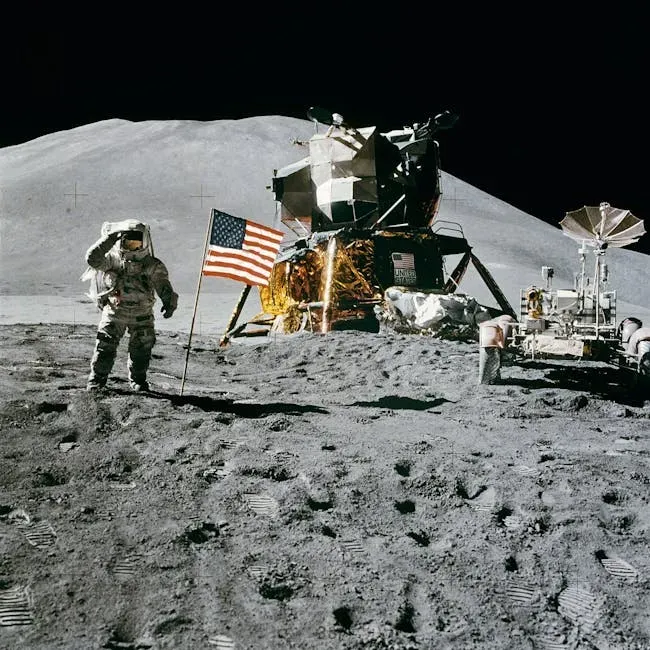
We all quote “that’s one small step for man, one giant leap for mankind,” but it doesn’t actually make sense. It’s tautological since “man” and “mankind” are synonyms. Armstrong himself insisted he said the “a,” though radio static made it hard to hear, and NASA audio analysis decades later suggested he probably did.
The missing “a” is not a trivial error. Without it, the quote loses its intended poetry entirely. Armstrong’s contrast between one man’s single step and humanity’s collective leap was the whole point. That single article, swallowed by static, changed the meaning of the most quoted moment in space exploration history.
2. Winston Churchill – “We Shall Fight on the Beaches” (1940)

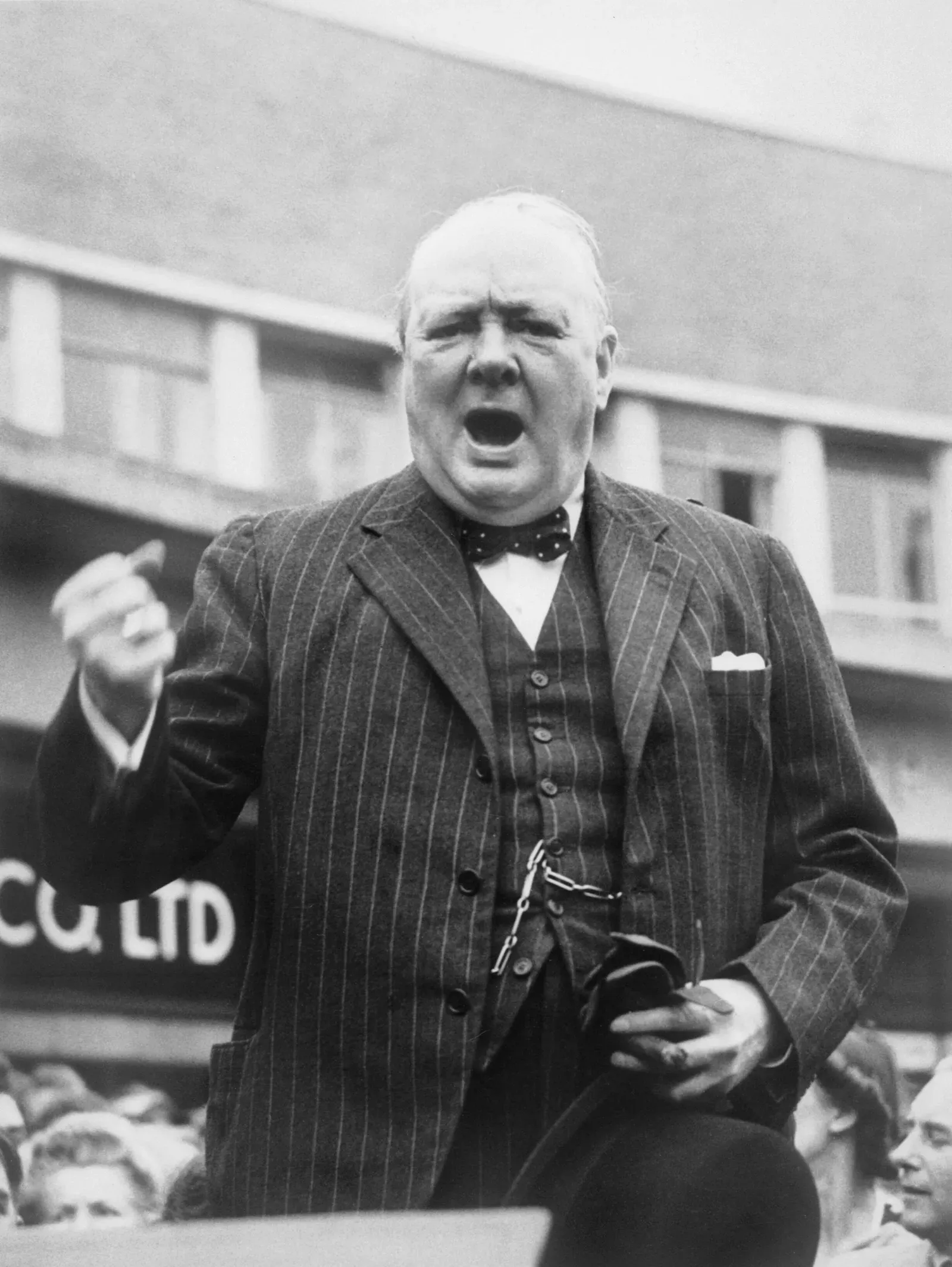
Churchill’s rallying cry is often quoted as “We shall fight them on the beaches,” but his actual words were “We shall fight on the beaches.” Adding “them” narrows the enemy to a specific group, while Churchill’s original line conveys a universal defiance. His speech was meant to inspire a nation under siege, promising resistance wherever needed.
This misquote is so common it appears in movies, books, and documentaries, sometimes overshadowing the raw resolve of the original. Churchill’s actual words in his 1940 speech were “I have nothing to offer but blood, toil, tears, and sweat.” Over time, people simplified even that, reducing it to “blood, sweat, and tears” and dropping two whole words in the process.
3. Marie Antoinette – “Let Them Eat Cake”

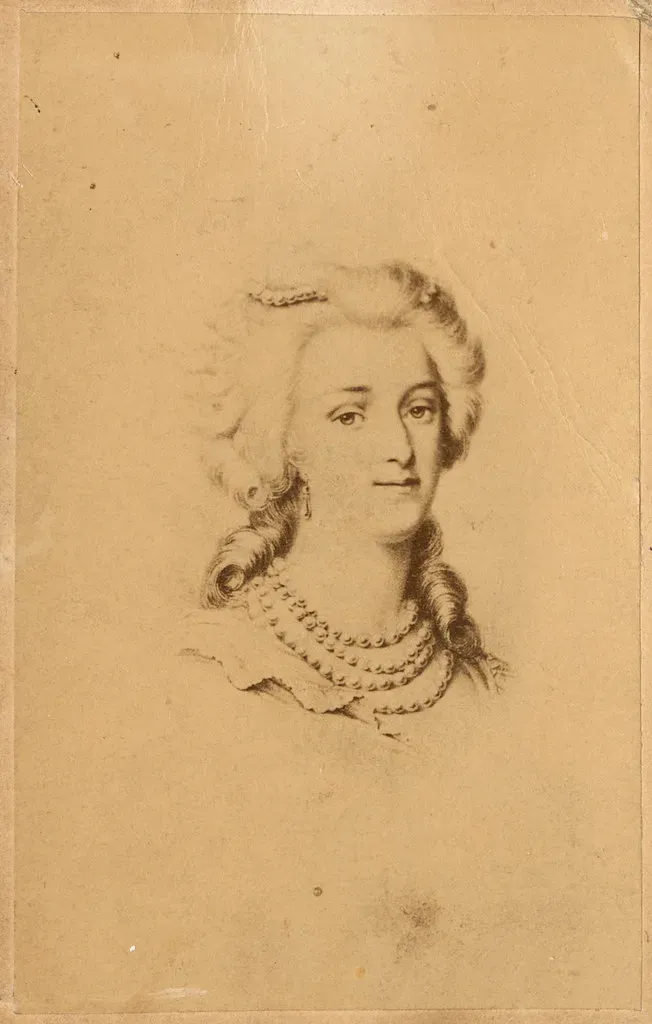
Marie Antoinette never actually said this. It came from a book titled Confessions by Jean-Jacques Rousseau, which was published in 1782, eleven years before Marie Antoinette was executed. Also, the line was “let them eat brioche,” a kind of heavy, bread-like French pastry.
The quote first appeared in Rousseau’s “Confessions” when Marie Antoinette was only nine years old. It’s likely the attribution to Marie Antoinette occurred because the people of France were highly incensed with the royals, and the belief simply fueled the flames of revolution. Propaganda and historical memory make uncomfortable bedfellows.
4. Julius Caesar – His Final Words (44 BC)

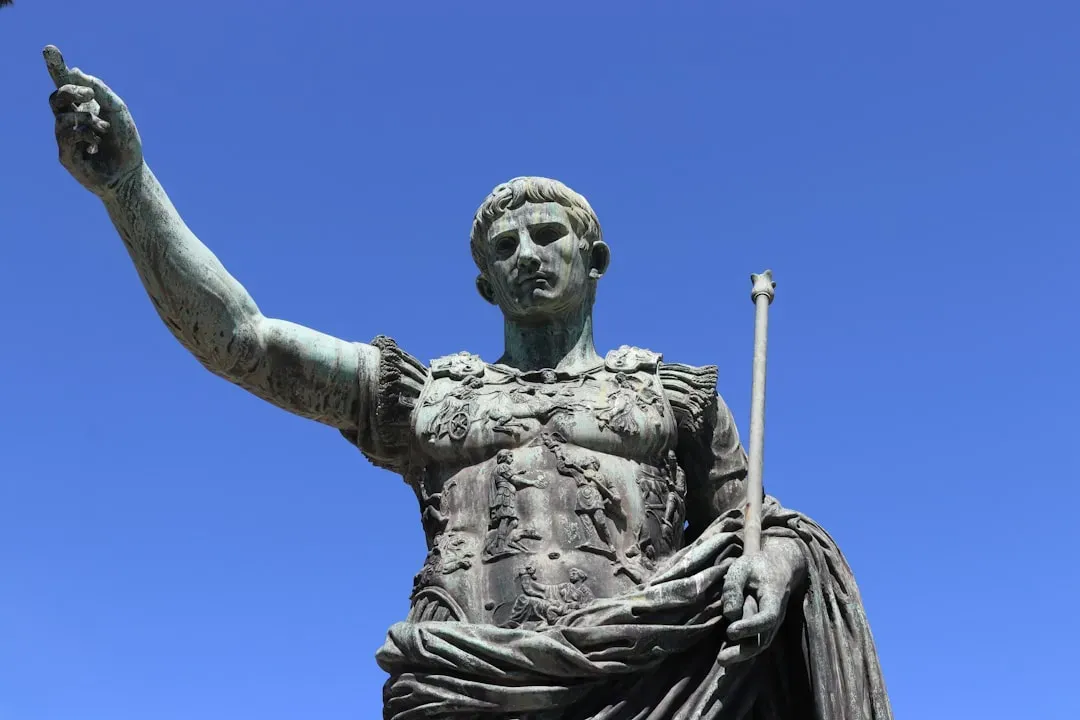
Ancient Roman historians Plutarch and Suetonius recorded that Caesar said nothing as he was stabbed 23 times, merely pulling his toga over his face. Other accounts claim Caesar’s actual last words were the Greek phrase “Kai su, teknon?” meaning “You too, my child?” The poetic “Et tu Brute” was dreamed up by Shakespeare 16 centuries later for dramatic effect.
The play written by William Shakespeare popularized Julius Caesar saying “Et tu, Brute?” in his final moments. However, historians are torn between him saying nothing or “You too, young man.” It’s a reminder that the most vivid version of history often comes from a playwright, not a historian.
5. Patrick Henry – “Give Me Liberty or Give Me Death” (1775)

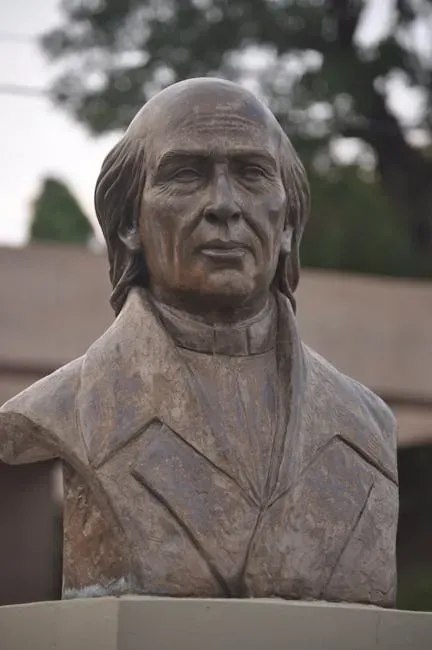
Patrick Henry’s speech has been often repeated and memorialized, but it was not recorded at the time of the convention or during his lifetime. Instead, William Wirt reconstructed the speech in his 1817 biography of Henry. Over forty years after Patrick Henry delivered his speech and eighteen years after his death, biographer William Wirt published a posthumous reconstruction of the speech, and this is the version widely known today, reconstructed based on the recollections of elderly witnesses many decades later.
Some recent scholars have begun to question how much artistic liberty Wirt took in reconstructing Henry’s words, with some even doubting whether Henry actually said the famous “give me liberty or give me death” line. Wirt admitted to embellishing the speech as there was no extant written copy. The most celebrated cry for freedom in American history may be partly the work of a biographer.
6. Paul Revere – “The British Are Coming!” (1775)

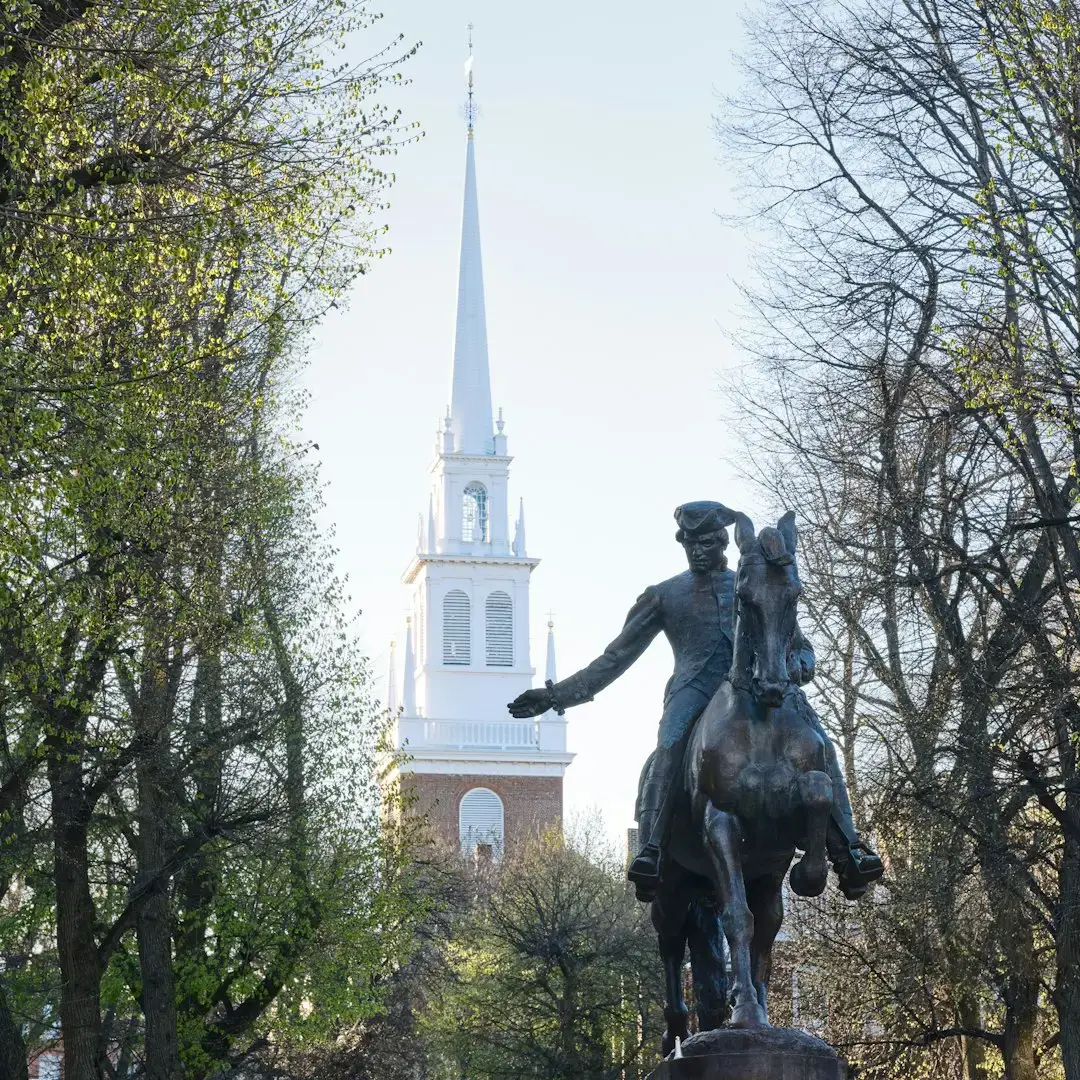
Revere never actually uttered the phrase famously attributed to him: “The British are coming!” Instead, after being chided for noisily sounding the alarm, Revere warned that Britain’s professional soldiers, known as regulars, would soon cause a much greater disturbance. Historians believe he delivered messages similar to “The Regulars are coming out,” referring to British regular army troops, with the goal being to alert specific individuals and militia leaders so they could spread the warning themselves.
The phrase “the British are coming” would have been confusing to locals, who still considered themselves British. The famous phrase most Americans associate with the event actually comes from literature, not eyewitness accounts. In 1860, eighty-five years after Revere set off on his famous ride, poet Henry Wadsworth Longfellow published the poem “Paul Revere’s Ride,” which dramatically describes a lone hero racing through the countryside. Longfellow wrote his poem to stir patriotic feelings on the verge of the American Civil War, rather than to provide a precise historical record.
7. Voltaire – Free Speech and Defense of Rights

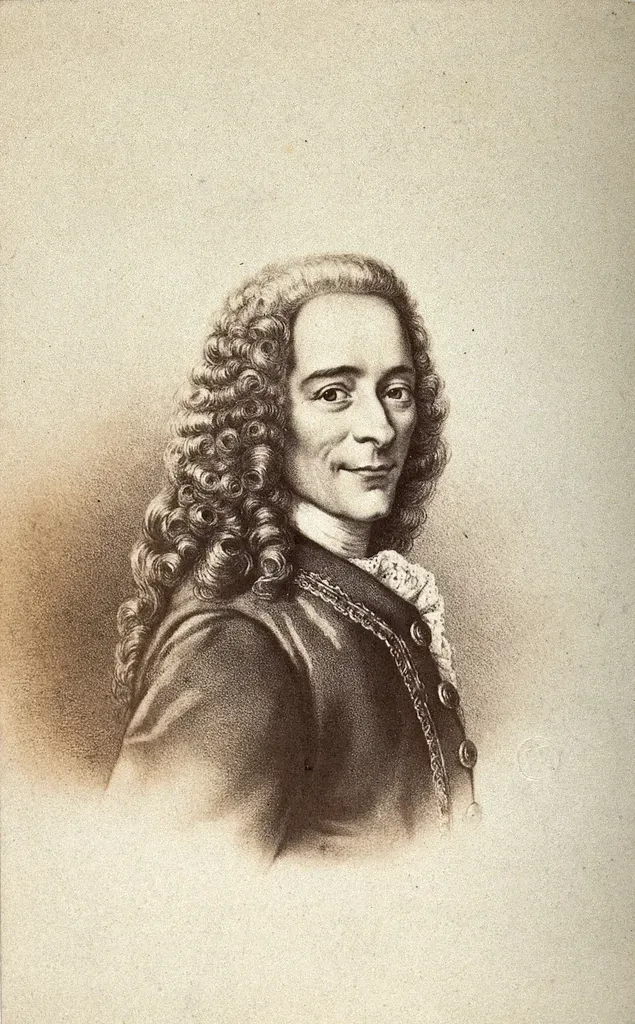
The stirring defense of free speech “I disapprove of what you say, but I will defend to the death your right to say it” is often attributed to Voltaire, but it was actually written by his biographer, Evelyn Beatrice Hall, to summarize his beliefs. Hall’s paraphrasing captured the spirit of Voltaire’s advocacy for freedom of expression, but the words themselves never crossed his lips. This misattribution has become so widespread that it’s now almost inseparable from Voltaire’s legacy.
This justly famous line in defence of freedom of speech was supposedly written or said by the famous French philosopher Voltaire, but it actually appeared in an article about him, written by the author S.G. Tallentyre in 1907. The irony is considerable: a summary of someone’s philosophy, intended to explain their views, ended up permanently replacing their actual voice.
8. Machiavelli – “The Ends Justify the Means”

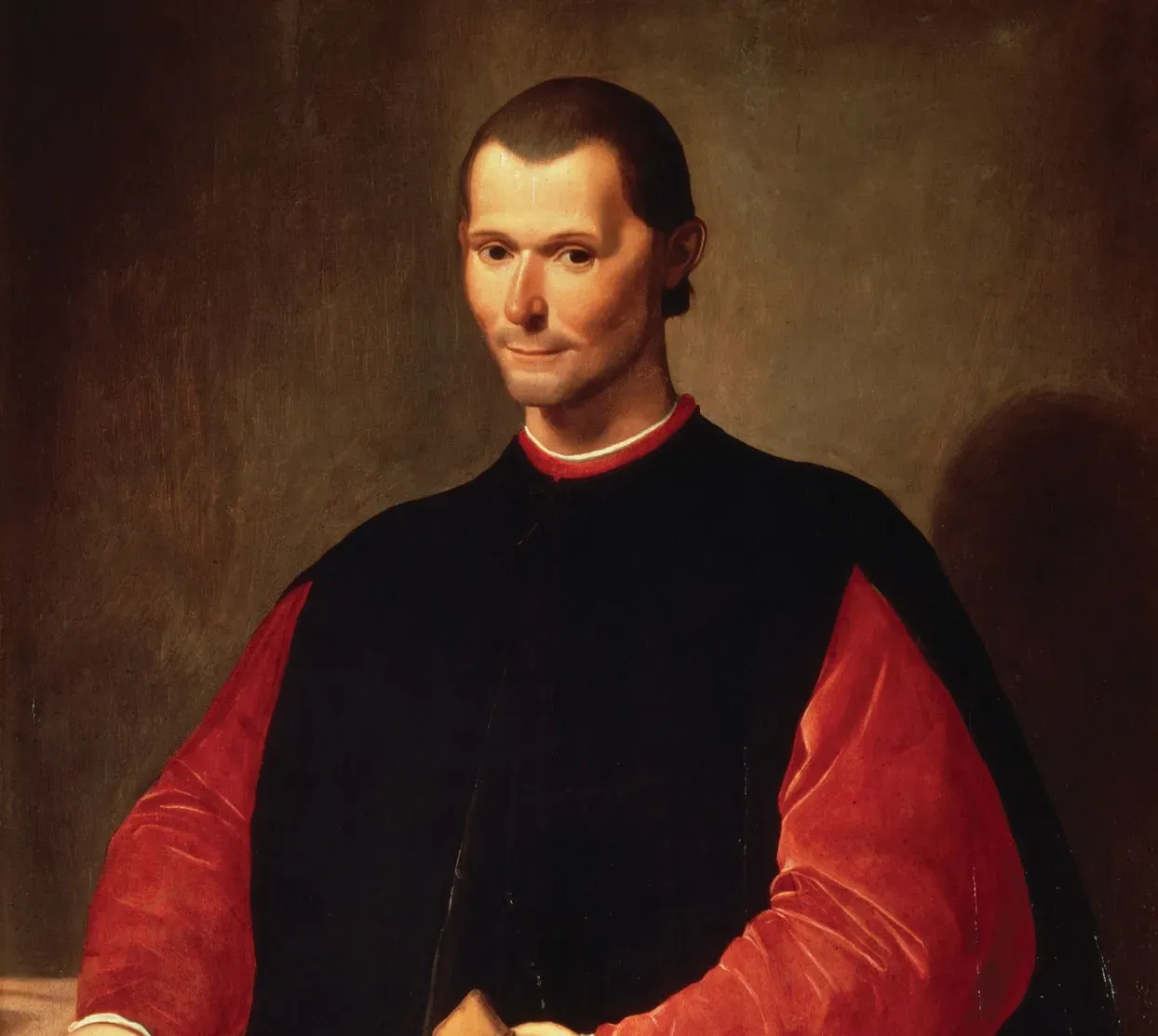
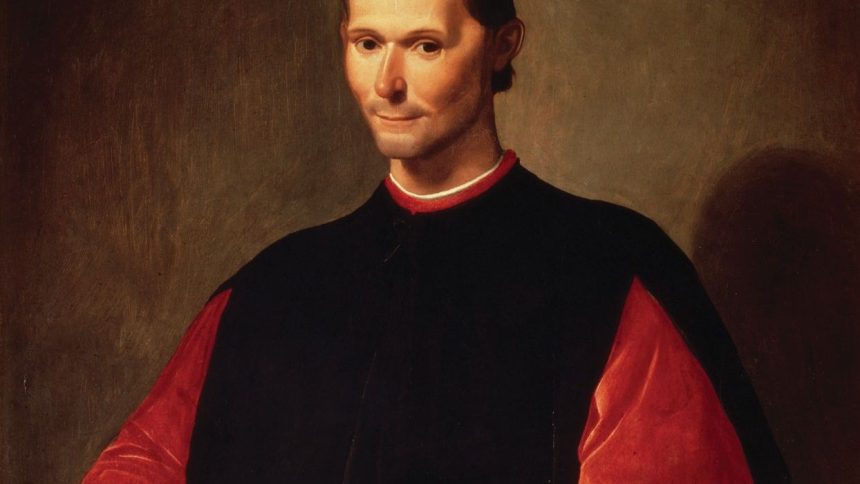
Machiavelli is famously quoted as having said “The ends justify the means,” but this is false. Instead, he stated “One must consider the final result.” Interestingly, the poet Ovid said “The result justifies the deeds.” The clean, ruthless phrasing we associate with Machiavelli was never actually his.
The closest quote we have attributed to Machiavelli is less ruthless: “One must consider the final result.” Another, almost identical quote can be attributed to the poet Ovid who wrote in Heroides: “The result justifies the deeds.” Somehow, across centuries of retelling, these two separate ideas merged into one phrase pinned entirely to one man’s name.
9. Gandhi – “Be the Change You Wish to See”

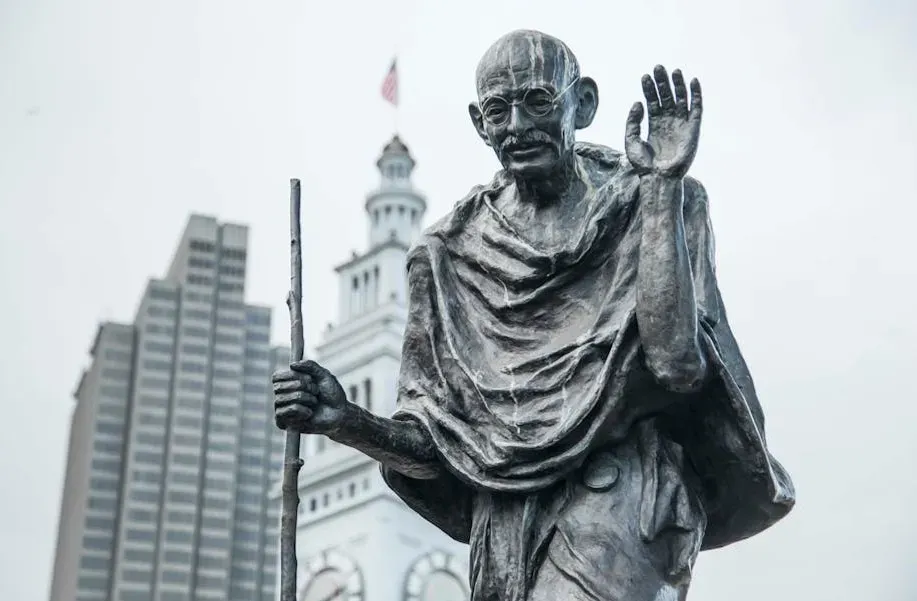
Gandhi never said this exact line. What he said was: “If we could change ourselves, the tendencies in the world would also change.” That is the exact saying, but it has been shortened and encapsulated to make it catchier. The transformation from a nuanced observation into a motivational bumper sticker stripped away most of the meaning.
This short, pithy quote has long been attributed to Gandhi, and although the message sounds right, the words don’t exactly sound like his. The New York Times states that the closest quote attributed to Gandhi is “If we could change ourselves, the tendencies in the world would also change. We need not wait to see what others do.” It’s a longer, more demanding idea. Condensing it to six words made it shareable but fundamentally altered the point.
10. Mark Twain – “Death and Taxes”

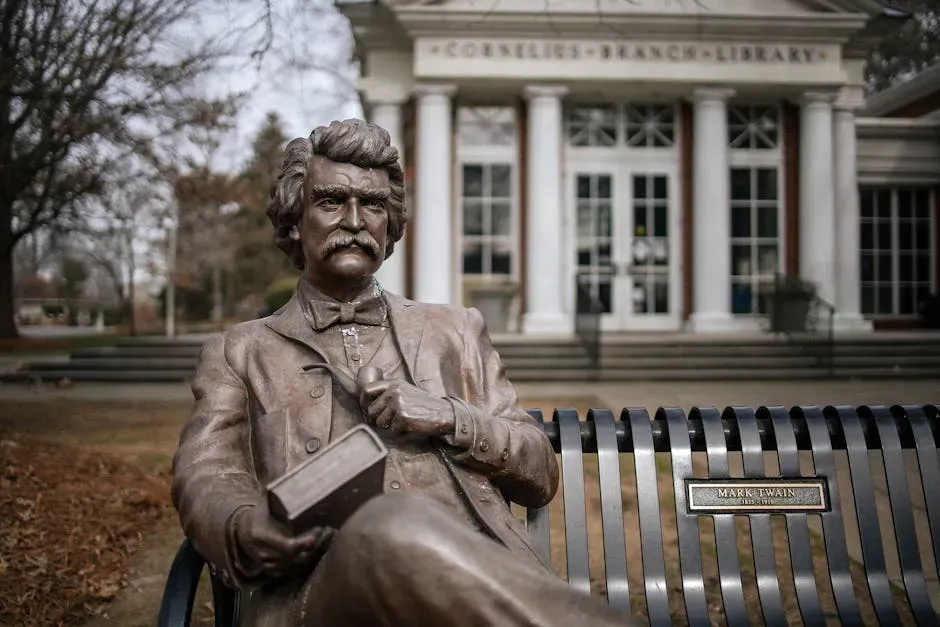
Mark Twain gets credit for saying “The only two certainties in life are death and taxes,” but that was in fact either Edward Ward or Christopher Bullock. Two far less famous writers in the 18th century said something similar. Christopher Bullock, for example, wrote in 1716 “tis impossible to be sure of anything but death and taxes,” while Edward Ward wrote in 1724 “death and taxes, they are certain.”
Partner offer

Twain’s wit was so legendary that countless sayings migrated to his name simply because they felt like something he would say. When Twain wrote a response to his rumored death in the New York Journal in 1897, he did not say what is most often quoted. He simply said “The report of my death was an exaggeration.” Even his most famous self-referential line gets slightly wrong on a regular basis.
11. George Washington – “I Cannot Tell a Lie”

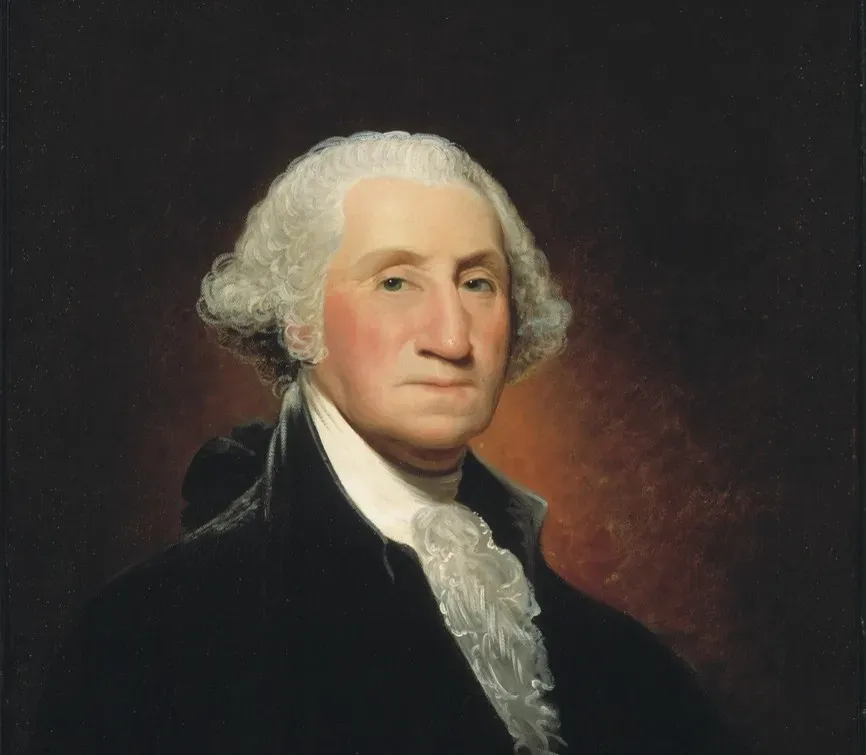
George Washington and his cherry tree scandal are actually fabrications of a 19th-century biographer. This biographer also added in Washington saying “I cannot tell a lie,” but this too was never said. This line was actually invented by biographer Parson Weems for his book “A History of the Life and Death, Virtues and Exploits of General George Washington.”
This is often treated as young George Washington’s wholesome confession, but it comes from a later biographer’s famous cherry-tree story. Historians note there’s no evidence the episode actually happened as described. The story did exactly what Weems intended: it turned a founding father into a moral icon. The fact that it was invented barely mattered to a young nation hungry for heroes.
12. Sherlock Holmes – “Elementary, My Dear Watson”

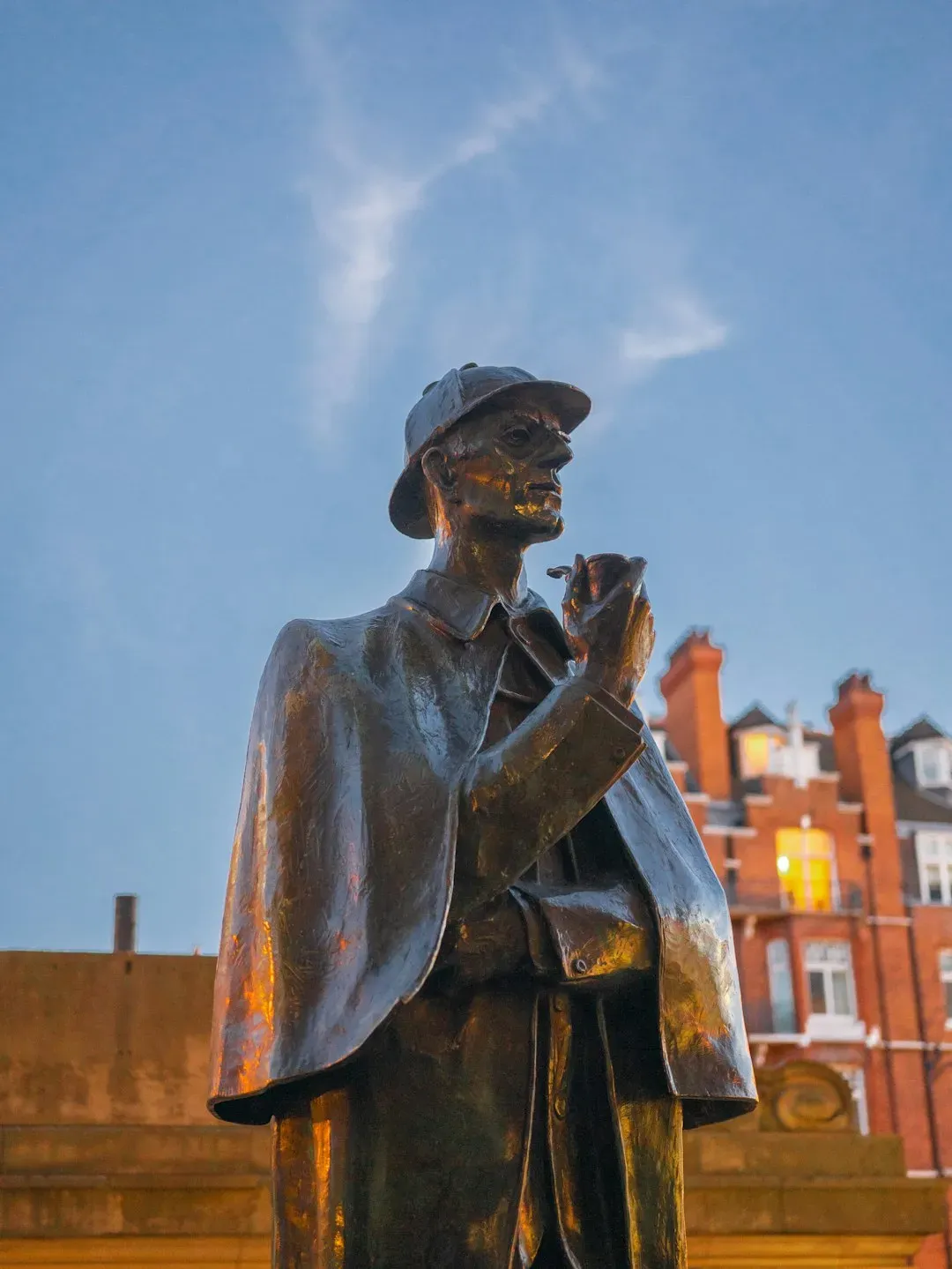
The famous line “Elementary, my dear Watson” was never said by the famous fictional detective. The line has never appeared in any of the novels and short stories of Sherlock Holmes written by Sir Arthur Conan Doyle. This iconic phrase never actually appears in any of Sir Arthur Conan Doyle’s works. It was first used in the 1929 film “The Return of Sherlock Holmes.”
Sherlock Holmes often said “elementary” and referred to Dr. Watson, but Sir Arthur Conan Doyle never wrote that exact phrase. It became popular through movie adaptations and pop culture over time. This is one of the clearest examples of how film and stage adaptations can permanently overwrite an author’s original intent, leaving the invented version as the definitive one.
13. Laurel Thatcher Ulrich Misattributed to Marilyn Monroe

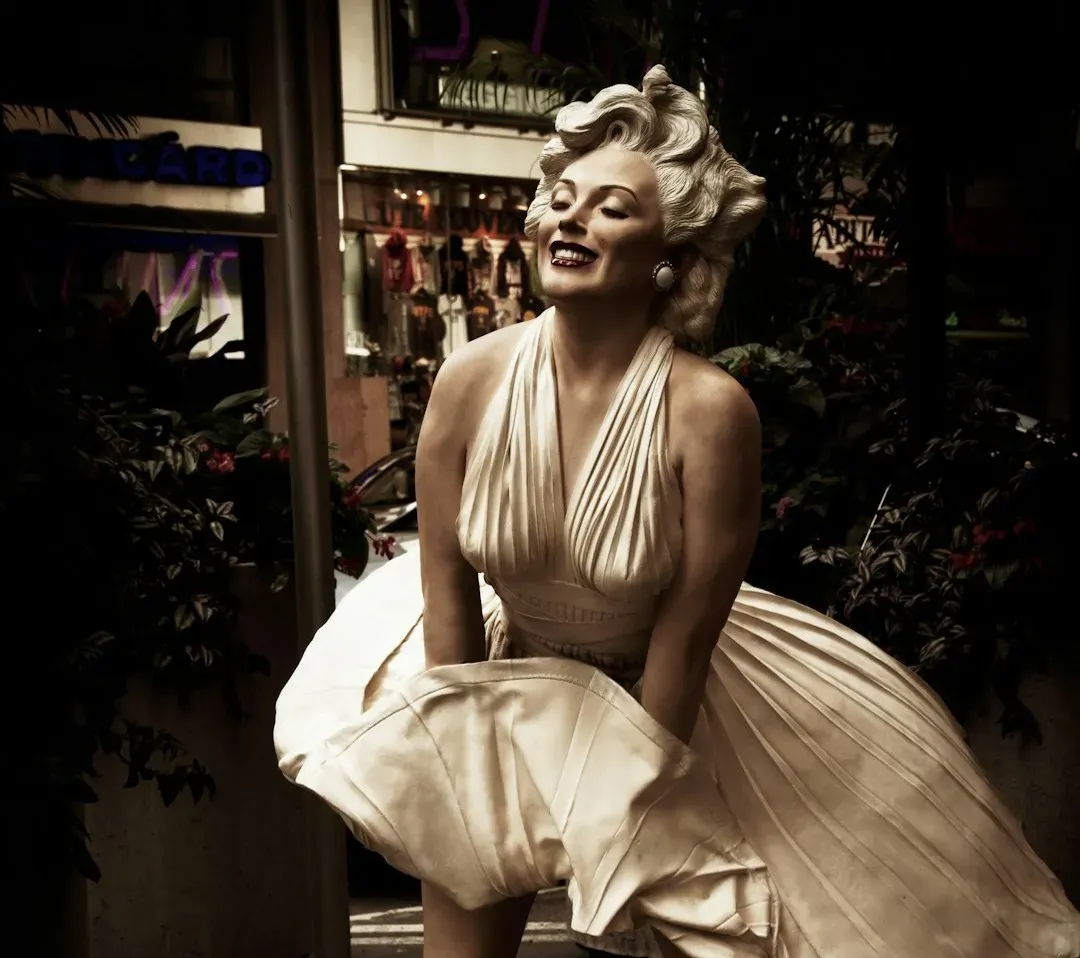
Marilyn Monroe never said “Well-behaved women seldom make history.” Instead, it was a quote from writer and Harvard professor Laurel Thatcher Ulrich. Ulrich penned the quote in 1976 and wrote a book with the same title in 2007. The words actually come from a 1976 journal article about Puritan women. Out of context, the quote seems to be an encouragement for women to misbehave, but in Ulrich’s article, the rest of the sentence reads “against Antinomians and witches, these pious matrons have had little chance at all.”
Monroe had been misquoted and misattributed to for decades before the internet supercharged the problem. Monroe can actually be credited with saying “If I’d observed all the rules, I’d never have got anywhere,” a quote with a pretty similar meaning to Ulrich’s. The real Monroe quote exists. It’s just less quotable on a coffee mug.
14. Nelson Mandela – “Our Deepest Fear”

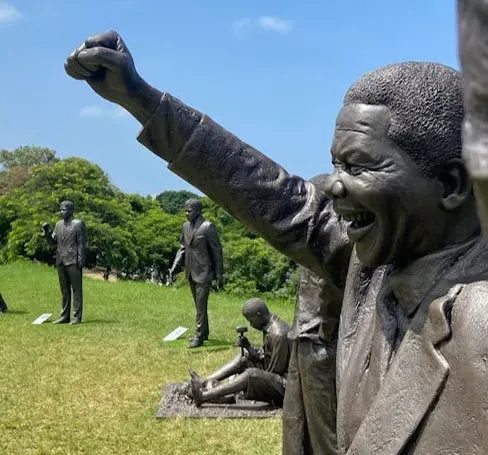
Nelson Mandela was a South African anti-apartheid revolutionary who was jailed for a time before becoming the country’s first Black president. People believe he said “Our deepest fear is not that we are inadequate. Our deepest fear is that we are powerful beyond measure.” However, he did not say this, and it was actually a quote from Marianne Williamson.
The misattribution has stuck with remarkable tenacity, appearing even in well-produced documentaries. The words come from Williamson’s 1992 book “A Return to Love,” and Mandela never quoted them in any verified speech. That the sentiment feels so aligned with Mandela’s spirit is precisely why the error has been so hard to correct.
15. Lao Tzu vs. Confucius – The Journey of a Thousand Miles

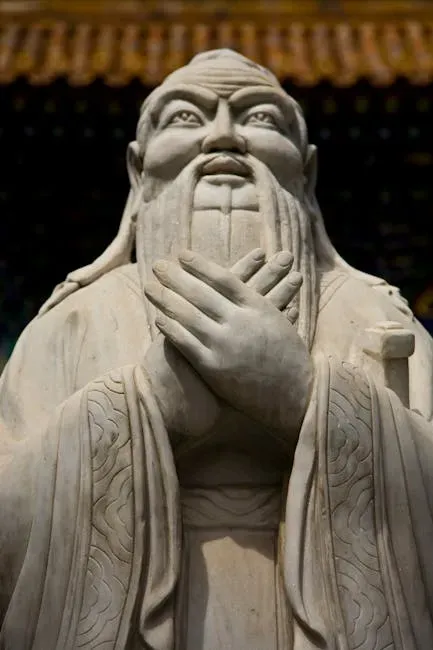
Confucius was an influential Eastern philosopher who said many great things. However “A journey of a thousand miles begins with a single step” is not one of his phrases. In fact, it was Lao Tzu who said “A journey of 400 miles begins beneath one’s feet.” Two separate thinkers, two different ideas, collapsed into one universally misattributed line.
The actual quote “A journey of 400 miles begins beneath one’s feet” was Lao Tzu, not Confucius. The distance changed, the attribution changed, and even the meaning shifted slightly. “Begins with a single step” implies a conscious decision to start. “Begins beneath one’s feet” suggests something more immediate and inevitable. The original is arguably the richer thought.
16. Queen Victoria – “We Are Not Amused”

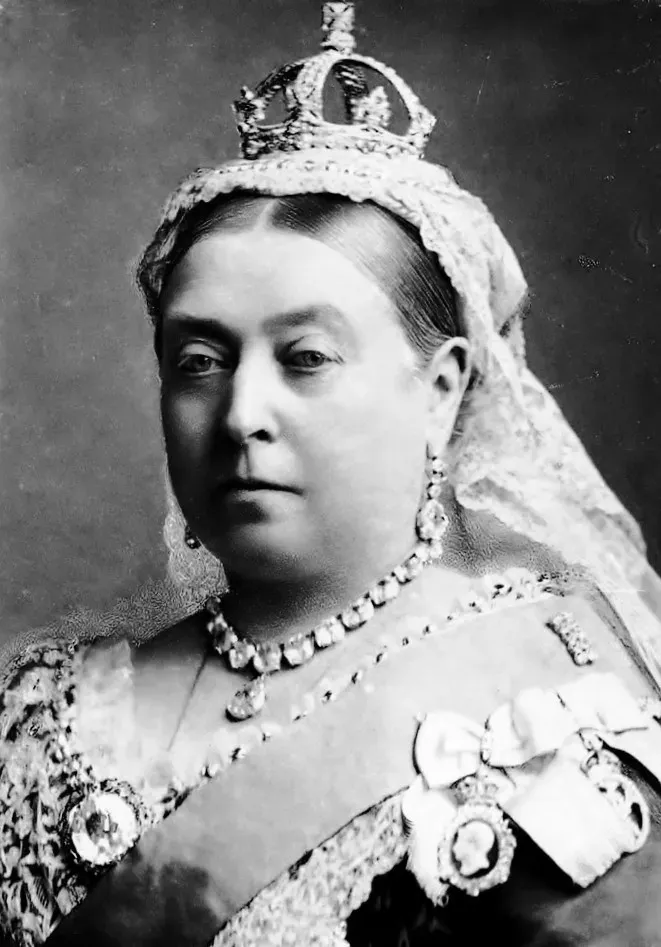
It has been a longstanding rumor that Queen Victoria said “We are not amused,” in response to a dirty joke she heard from an aide. As it turns out, the rumor was anything but true and was allegedly made up by someone at court. The queen’s granddaughter confirmed this in a 1976 interview.
Misquotes often reinforce the popular image and stereotypes about a historical figure. The “We are not amused” quip fits with Queen Victoria’s reputation as a stern, prudish monarch. That’s exactly the problem with convenient misquotes: they feel too right to question. Victoria’s actual sense of humor, which those close to her described as genuine and warm, has been buried under a single invented phrase.
17. H.M. Stanley – “Dr. Livingstone, I Presume?”

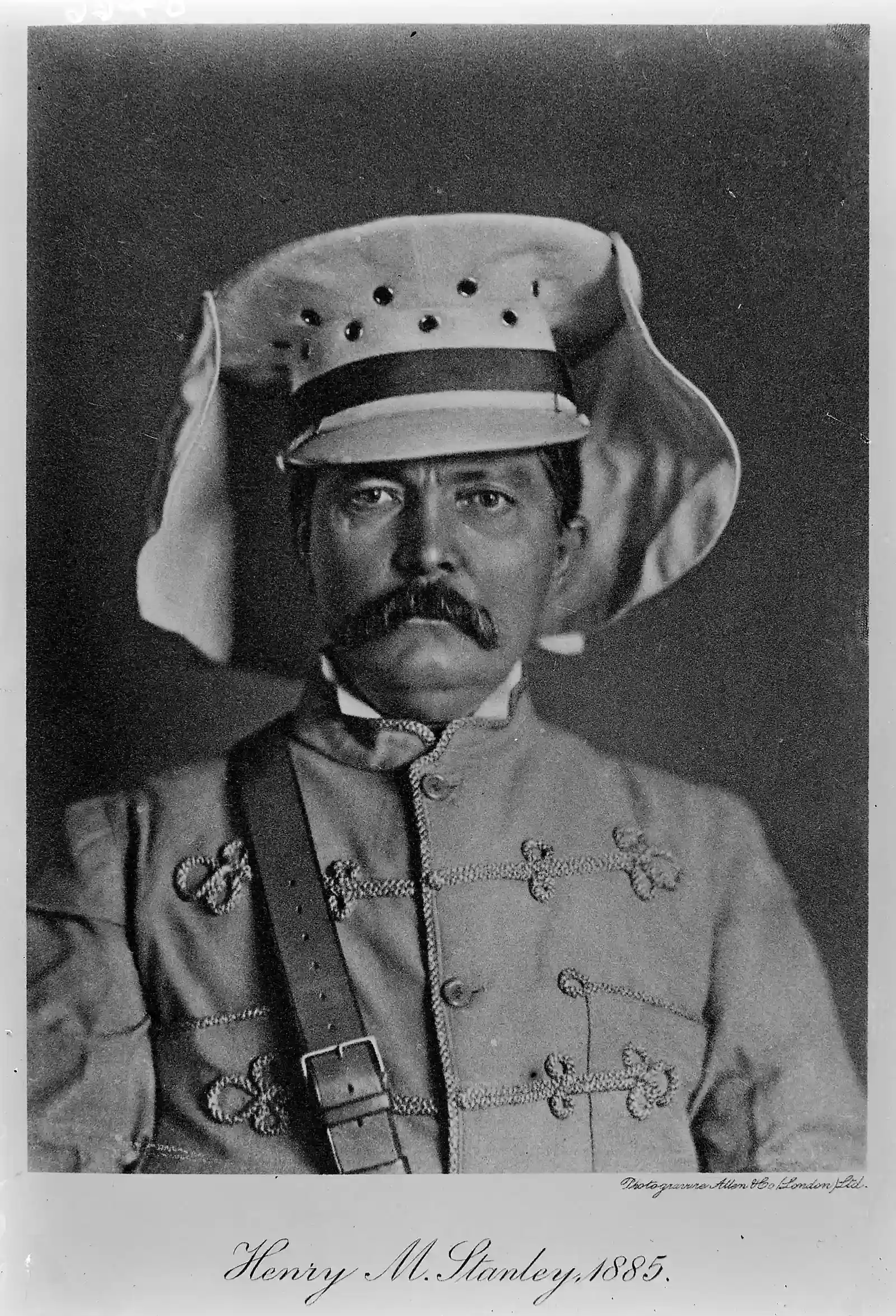
After a terrible 700-mile trek in which many of his porters were killed by tropical diseases, Stanley found Livingstone living in Ujiji, near Lake Tanganyika, in modern Tanzania. Stanley later claimed that he held out his hand and said, in an appropriately clipped, detached Victorian manner, “Dr. Livingstone, I presume?” Neither of the men mentions it in accounts at the time, and Stanley probably made it up later to make himself sound cool.
Stanley was a Welsh-American journalist who led expeditions into Africa to find Dr. David Livingstone after his disappearance. When he happened upon him, Stanley supposedly said “Dr. Livingstone, I presume?” But apparently, this is entirely made up. What’s particularly telling is that the pages of Stanley’s diary covering that specific day were torn out. The self-invented quote has outlasted the evidence either way.
18. “Houston, We Have a Problem” – Apollo 13 (1970)
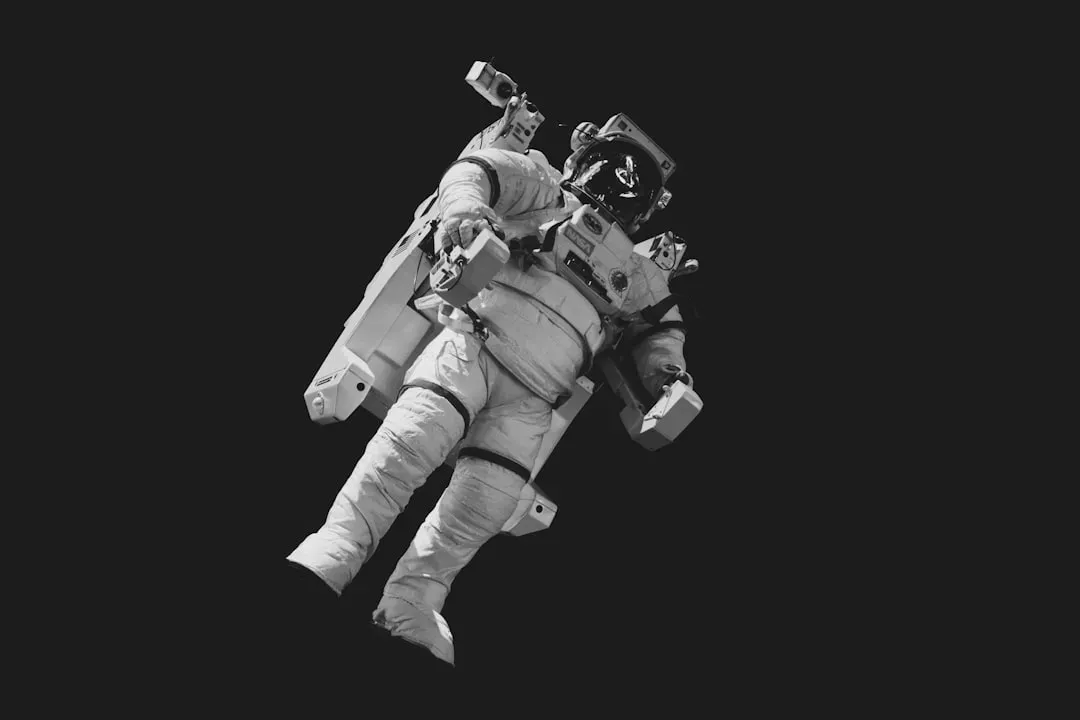
There isn’t a huge difference between “Houston, we have a problem” and the words that were actually said aboard Apollo 13: “Houston, we’ve had a problem.” It’s a small grammatical shift from past tense to present, but the past tense version is actually more accurate to the situation as it unfolded. The crew had already experienced the explosion before making the call.
The 1995 Ron Howard film “Apollo 13” used the present-tense version for dramatic effect, and it stuck. Few misquotes illustrate more clearly how a single movie line can quietly replace a historical record. The real transmission, archived and publicly available, says “we’ve had,” not “we have,” but decades of pop culture have made that distinction almost invisible.
19. “Play It Again, Sam” – Casablanca (1942)

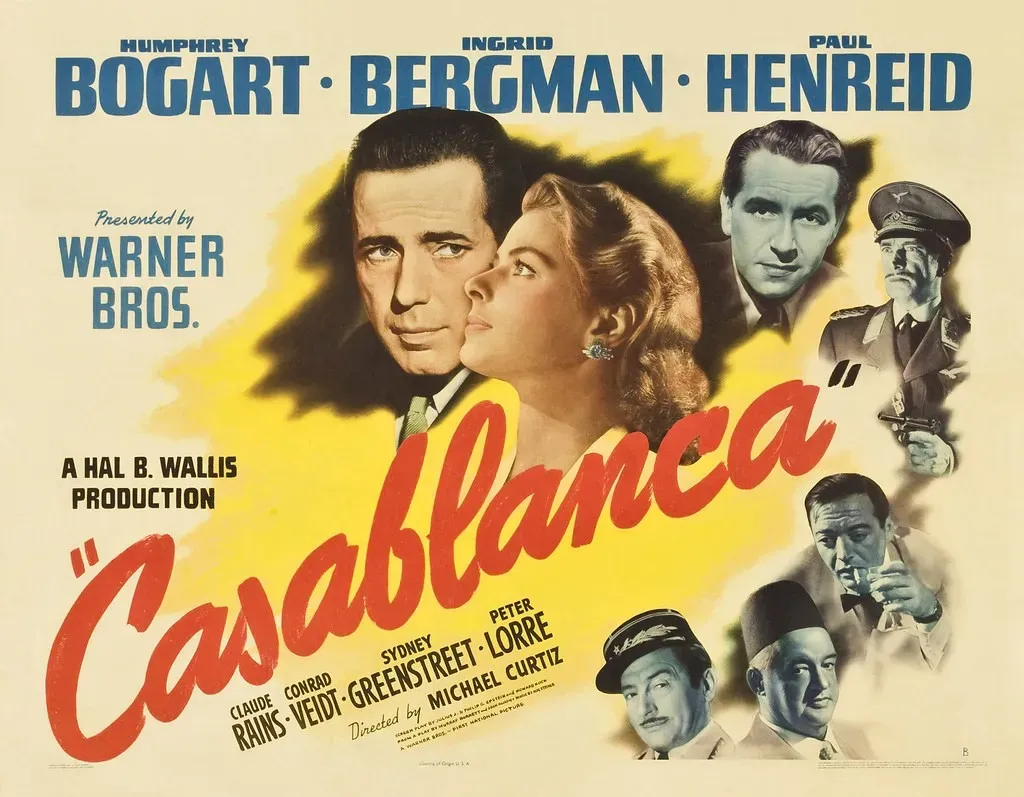
Another famous movie line that’s often uttered incorrectly is “Play it again, Sam” from the classic film Casablanca. This exact phrase is never said in the movie. The closest quote is when Ilsa says “Play it, Sam. Play ‘As Time Goes By'” and later Rick says “You played it for her, you can play it for me. If she can stand it, I can! Play it!”
She actually says “Play it Sam.” The “again” was added in popular retelling, possibly because audiences remembered the emotional weight of the scene more than the exact dialogue. It’s a good example of how even widely watched films get misquoted, not through carelessness but through the natural compression of memory into something more memorable.
20. Thomas Jefferson – The Right to Bear Arms Quote

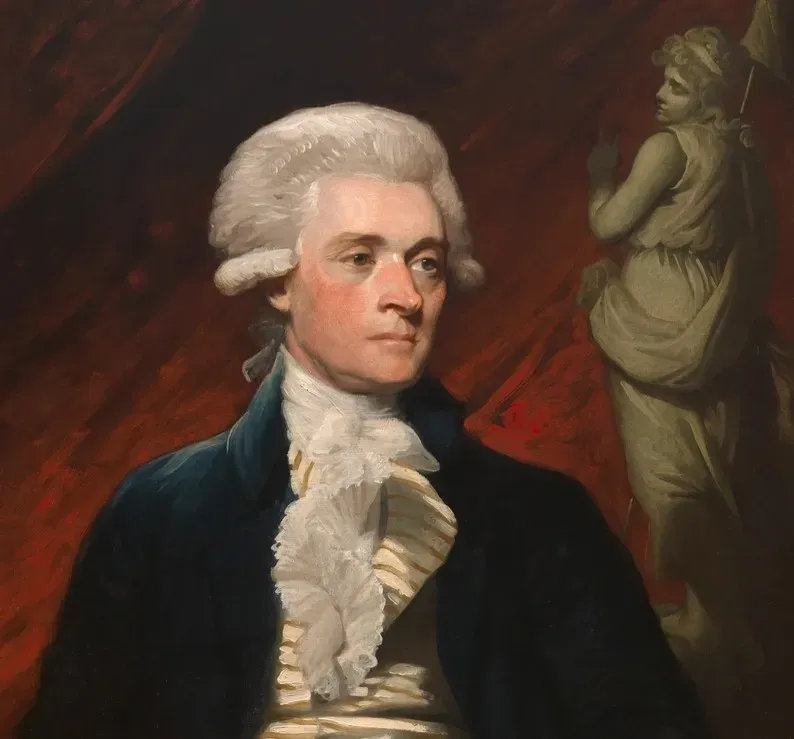
Pro-gun activists often claim that Thomas Jefferson said “The strongest reason for the people to retain the right to keep and bear arms is, as a last resort, to protect themselves against tyranny in government.” However, this quote does not appear in any of Jefferson’s writings. It’s a modern fabrication.
It can be difficult to deduce or verify the true origins of a quote when the false version is repeated enough times, especially if it’s just a little bit snappier than the real thing. The Jefferson misquote is a particularly pointed reminder that invented words, when attached to a trusted historical name, carry enormous political weight. Fabricated or not, they shape real policy debates. That is perhaps the most consequential form of misquotation there is.
Partner offer
Planning a trip to Vegas?
Compare hotel rates and show tickets on VEGAS.com.