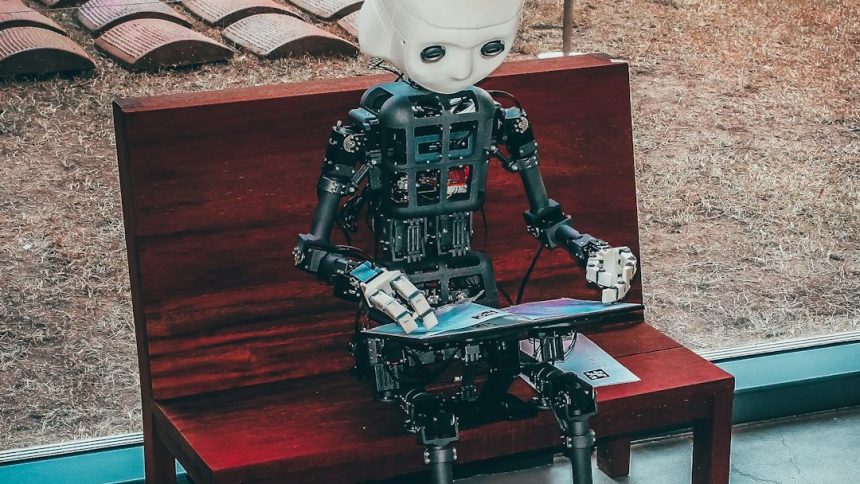
Technology doesn’t wait for anyone. As we settle into 2026, the pace of innovation feels relentless, almost dizzying. Some of these developments have been years in the making, quietly evolving in research labs and pilot programs. Others are arriving faster than anticipated, catching even industry experts off guard.
What’s particularly striking this year isn’t just the sophistication of individual technologies. It’s how they’re converging, feeding into one another, reshaping the fabric of daily life in ways that would have sounded like science fiction just a couple of years ago. From intelligent machines that plan their own workflows to displays that redefine visual fidelity, 2026 is turning out to be a year when the promise of technology meets reality. So let’s dive in.
Agentic AI Systems: Machines That Think and Act Independently


Gartner predicts that 40% of enterprise applications will embed AI agents by the end of 2026, up from less than 5% in 2025. That’s a staggering leap in just one year. The agentic AI field is moving from experimental prototypes to production-ready autonomous systems, fundamentally shifting how businesses operate.
Unlike the chatbots you’re used to, these systems don’t just respond to commands. AI that doesn’t just respond to commands but actively thinks, plans, and executes complex tasks autonomously is now a reality. The sentiment among government technology leaders has shifted from ‘what is possible’ to ‘what can we operationalize’, according to industry observers.
The market will surge from $7.8 billion today to over $52 billion by 2030. Organizations deploying these systems report solving business problems that previously demanded constant human judgment, from DevOps incident response to procurement negotiations. The shift isn’t about replacing people entirely, though. It’s about letting AI handle the repetitive execution while humans focus on strategy and exceptions.
Multi-Agent Systems: Teams of AI Working Together


Here’s where things get fascinating. If 2025 was the year of AI agents, 2026 will be the year of multi-agent systems. Think of it as moving from a solo freelancer to a synchronized team where each member has specialized expertise.
Gartner reported a staggering 1,445% surge in multi-agent system inquiries from Q1 2024 to Q2 2025, signaling massive enterprise interest. Instead of one large AI trying to do everything, coordinated networks of AI agents that communicate, share context, and adapt in real time are becoming the norm. While one agent qualifies leads, another analyzes customer sentiment, and a third handles competitive research, all simultaneously.
Organizations report 30% cost reductions and 35% productivity gains after implementation. The challenge? Building these systems requires careful orchestration and clear governance frameworks. Yet only 2% of organisations have deployed agents at full scale, despite the obvious promise. The gap between experimentation and production remains wide, but those who bridge it first will define the competitive landscape.
AI-Native Software Development Platforms


Software engineering is undergoing its most dramatic transformation in decades. AI-native engineering platforms are automating 50–60% of SDLC effort and turning fragmented workflows into an orchestrated system. We’re not talking about simple code completion anymore.
AI-native intelligent development environments feature AI intelligence for such things as complex debugging, performance profiling, and application modernization. Platforms now write, test, and deploy code with minimal human intervention. Teams see ACE shift engineering from manual to autonomous, often revealing 2× faster development cycles and more than 40% faster time-to-market once these workflows are adopted.
Honestly, the speed is both exciting and unsettling. Small teams can now accomplish what previously required entire engineering departments. The playing field is flattening in unprecedented ways, making creativity and vision more valuable than sheer coding ability.
Next-Generation Home Robotics


Robotics descended upon CES 2026 as “physical AI,” turning breakthroughs in artificial intelligence into adaptable machines capable of delivering complex real-world outcomes. From emotional support companions to practical cleaning assistants, the robot invasion of 2026 is very real.
With the power of LiDAR technology, the best robot lawnmowers at CES 2026 really impressed. LiDAR-equipped robotic lawn mowers map yards in 3D using light beams instead of relying on satellites, ensuring precise navigation in cluttered spaces. Brands like Segway, Roborock and Yarbo showcased models that promise easy setup and intelligent navigation.
The new CLOiD robot helps with chores around the home, and robots will be able to sense, decide and create the best environment on their own. AI pets wowed CES attendees with lifelike responses, voice recognition, and mood awareness, providing comfort, companionship, and interactive engagement. Still, the reality check comes when you watch demos. Some household tasks still take significant time, and fully autonomous household robots remain years away from true practicality.
Revolutionary Display Technology: RGB MiniLED and Micro RGB


Television technology just made a quantum leap. No less than five makers of the world’s best TVs have declared that they’re going to be releasing full TV series in 2026 that use variants of RGB mini-LED technology. This isn’t incremental improvement; it’s a fundamental reimagining of how displays produce color.
With Micro RGB, you’ve got microscopic individual LEDs – measuring just tens of microns in size – that each shine in primary colors. The RGBY architecture adds a yellow sub-pixel to the traditional RGB structure to fill the critical spectral gap between 500-600nm, dramatically enhancing color fidelity and delivering a level of color expression no MicroLED has achieved before.
It offers the most accurate color of any display technology out there. The early models are massive and expensive, true. Samsung’s 130-inch model and Hisense’s 116-inch flagship aren’t exactly living room staples. 2026 RGB mini-LED TVs are not only going to be available in much more mainstream screen sizes and at much lower prices than the duo we’ve seen to date, making this technology accessible to everyday consumers sooner than expected.
Smart Home Appliances with Advanced Integration

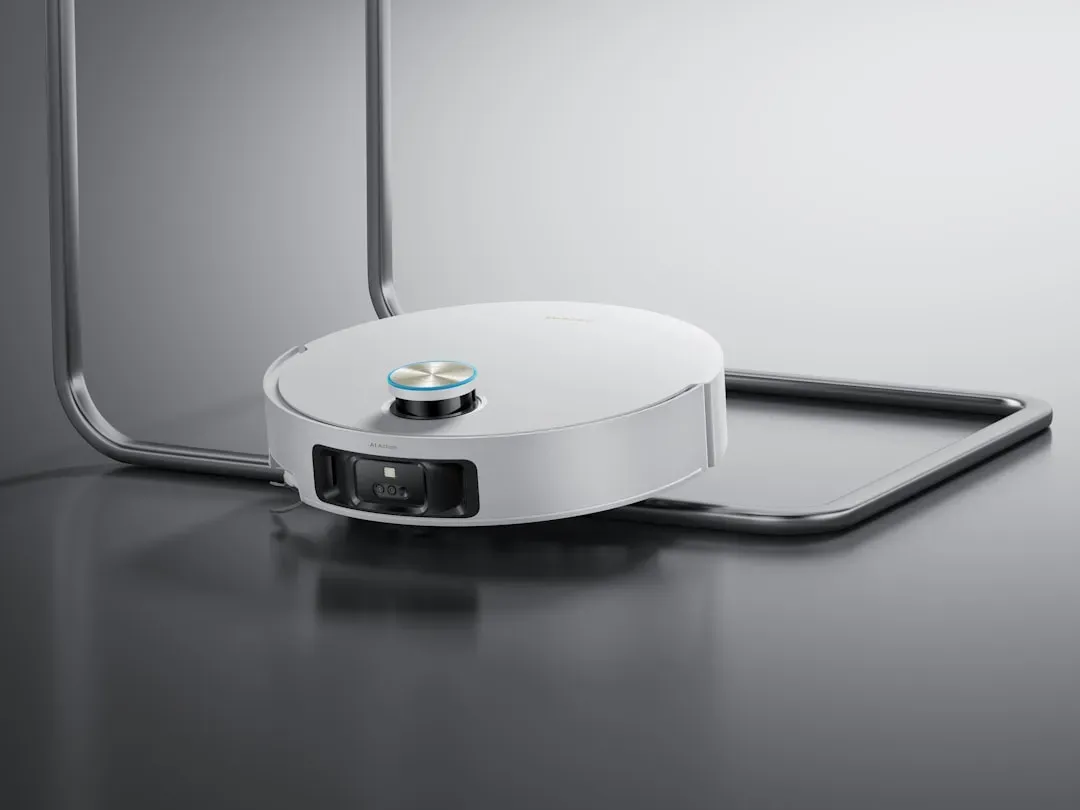
The smart home ecosystem now covers appliances, assistants, energy management, entertainment, robots, and security with solutions focused on consumer control, convenience, and sustainability, with AI-driven personalization and predictive automation becoming standard. Your refrigerator is getting smarter, and it’s about time.
Smart refrigerators integrated with barcode scanning and shopping tools are redefining kitchen convenience. Edge AI where intelligence moves closer to the user, powering responsive, private and personalized experiences on everyday devices means these appliances process information locally, responding faster and protecting privacy better. Devices adapt on the fly, learning your routines and anticipating needs.
The integration goes beyond individual gadgets. Entire ecosystems from companies like SwitchBot and LG are creating holistic smart home experiences where each device chips in to assist, from AI assistants to smart deadbolts with facial recognition abilities. The internet of things finally feels less like a gimmick and more like genuine utility.
Post-Quantum Cryptography and Confidential Computing


While robots and displays grab headlines, a quieter revolution is securing our digital future. Innovations in post-quantum cryptography and confidential computing are becoming essential as organizations prepare for quantum computing risks by 2026. Let’s be real, most people don’t think about cryptography until something goes horribly wrong.
Quantum computers threaten to break current encryption methods, making data protection a critical concern. Organizations are implementing security measures now to protect against threats that don’t even fully exist yet. Confidential computing processes sensitive data in protected enclaves, ensuring information stays secure even during active use.
Compliance and security will shift from background concerns to central pillars of AI adoption, with the EU AI Act, NIS2 and DORA creating a more unified framework for governance and compliance. Forward-looking companies are adopting automated policy enforcement and comprehensive audit capabilities to stay ahead of regulatory demands.
Edge Computing and Intelligent Infrastructure


Edge AI where intelligence moves closer to the user, powering responsive, private and personalized experiences on everyday devices is expanding rapidly in 2026. Processing data locally on devices instead of in centralized clouds enables real-time decisions in retail, manufacturing, and autonomous systems.
Why does this matter? Speed and privacy. When your device processes information locally, responses happen instantly without round-trip delays to distant servers. Your data stays on your device, reducing exposure to breaches. Smart TVs, wearables, and home systems now handle AI workloads directly on the device.
New Arm-powered endpoint platforms will hint at how ambient AI workloads will soon run on ultra-low-power nodes at the very edge. The implications stretch across industries, from responsive manufacturing systems that adjust in milliseconds to retail environments that personalize experiences on the spot. Intelligence is moving to where it’s needed most.
Advanced AI Wearables and Smart Glasses
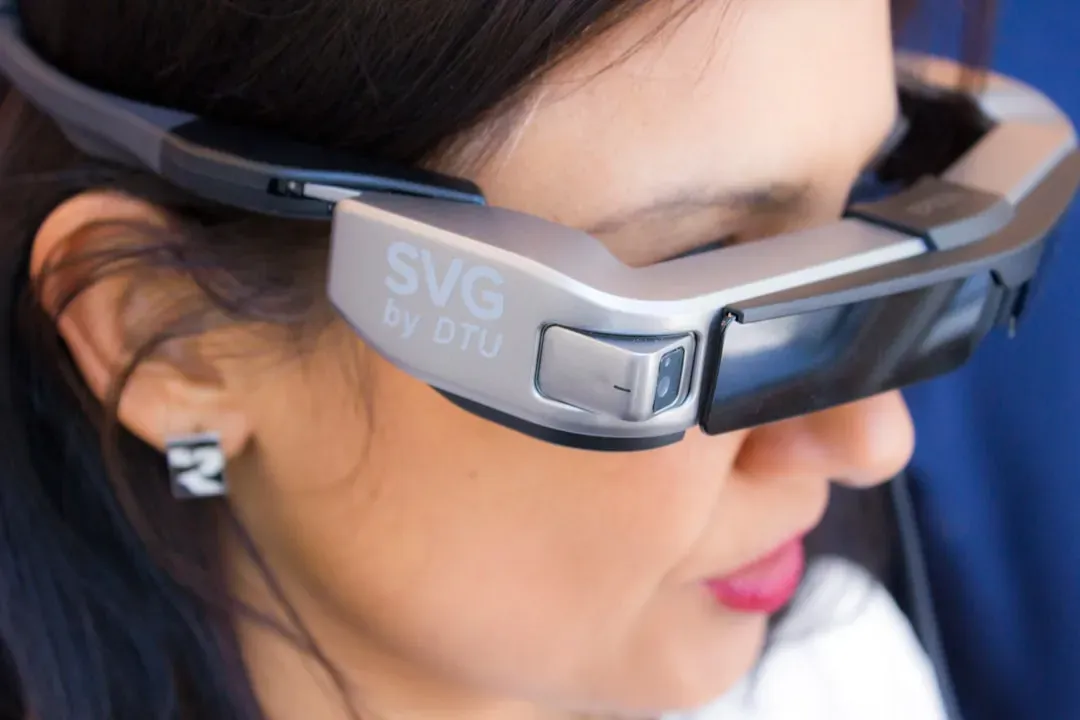
Smart glasses and wearable AI assistants have graduated from CES novelty to credible, consumer-ready products. The latest smart glasses evolved with generative AI voice interfaces for hands-free daily use, plus features like real-time translation, recording, and even QR payments.
The 18-gram AI MindClip records all of your conversations and sends them to the cloud to transcribe and summarize, acting as a “second brain” for users. Pendants such as Lenovo’s Qira and Anker’s Soundcore Work hint at a future where wearable AI serves as a “second brain,” helping users manage tasks, reminders, and communications instantly.
The privacy implications are enormous, I’ll admit. Recording everything raises serious questions about consent and surveillance. Yet the utility is undeniable for professionals who need to recall meetings, conversations, and ideas without manual note-taking. Health wearables are evolving from step counters to daily companions that can interpret patterns and offer timely guidance, with devices that analyze sleep, stress and recovery while lasting several nights without charge.
Domain-Specific AI Models


Public and private sector customers will be looking more for domain-specific models that can handle particular tasks. The era of one-size-fits-all AI is ending. Specialized models trained for specific industries and workflows deliver far higher accuracy than generic tools.
Think about it: a medical AI needs different training than a financial AI, which differs from a legal AI. Domain-specific models understand industry jargon, regulatory requirements, and specialized workflows in ways general models simply can’t match. Hospitals, law firms, and manufacturing plants are all deploying AI tuned precisely to their needs.
Partner offer

This trend accelerates the move from experimentation to operational value. Generic AI might impress in demos, but domain-specific models solve real problems. Organizations observed a pivot away from chatbot capabilities and a drive towards more actionable investments in AI systems. Businesses want measurable outcomes, not flashy features.
Advanced Health Monitoring Devices


Health-focused wearables are gaining traction, ranging from earbuds pursuing FDA approval for over-the-counter hearing aid capabilities to advanced ECG smartwatches and increasingly capable smart rings, with doctors beginning to recommend them for tracking meaningful wellness data.
Health tech is focusing on longevity, with devices monitoring metabolic and hormonal health – sometimes through blood or urine analysis, building on trends from established players. The Oura Ring and similar devices have moved beyond fitness tracking into genuine health monitoring that physicians actually trust.
Digital health solutions are expanding access to care and empowering consumers to take control of their wellness. From wearables and FDA-approved over-the-counter monitoring devices to telehealth and agentic AI, these innovations support both patients and clinicians. Early detection capabilities are improving dramatically as sensors get more sophisticated and AI analysis gets more accurate.
Autonomous Vehicle Advancements
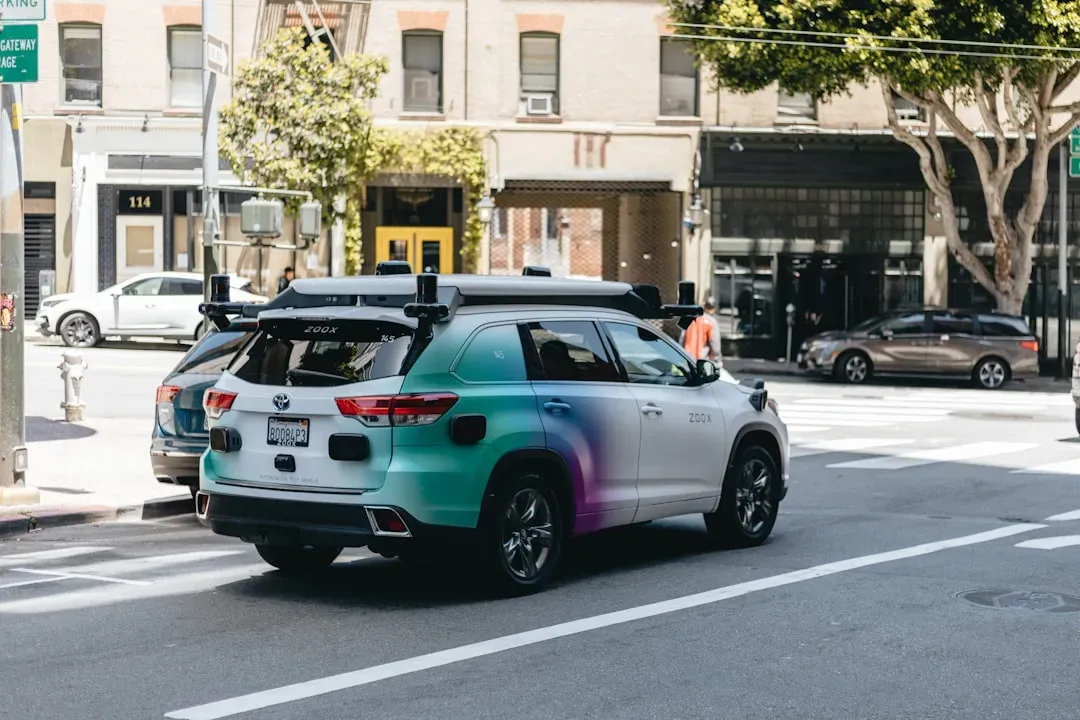
Waymo now handles over 450,000 weekly paid rides nearly double what it reported just months ago. The company operates fully driverless vehicles across multiple cities including Miami, Dallas, Houston, and Orlando with no safety drivers and complete autonomy.
Meanwhile, Baidu’s Apollo Go service offers driverless robotaxi operations in more than 20 cities across China, with international expansion into Dubai and Switzerland. The competition between US and Chinese companies is intensifying, driving both sides toward faster deployment and better technology.
Honestly, it’s hard to say for sure whether we’ll see Level 4 autonomy become truly widespread by year’s end. Technical capabilities are advancing rapidly, but regulatory frameworks and public acceptance lag behind. Still, the fact that thousands of people ride in genuinely driverless vehicles every week marks a milestone we shouldn’t overlook.
Energy Storage and Management Innovations
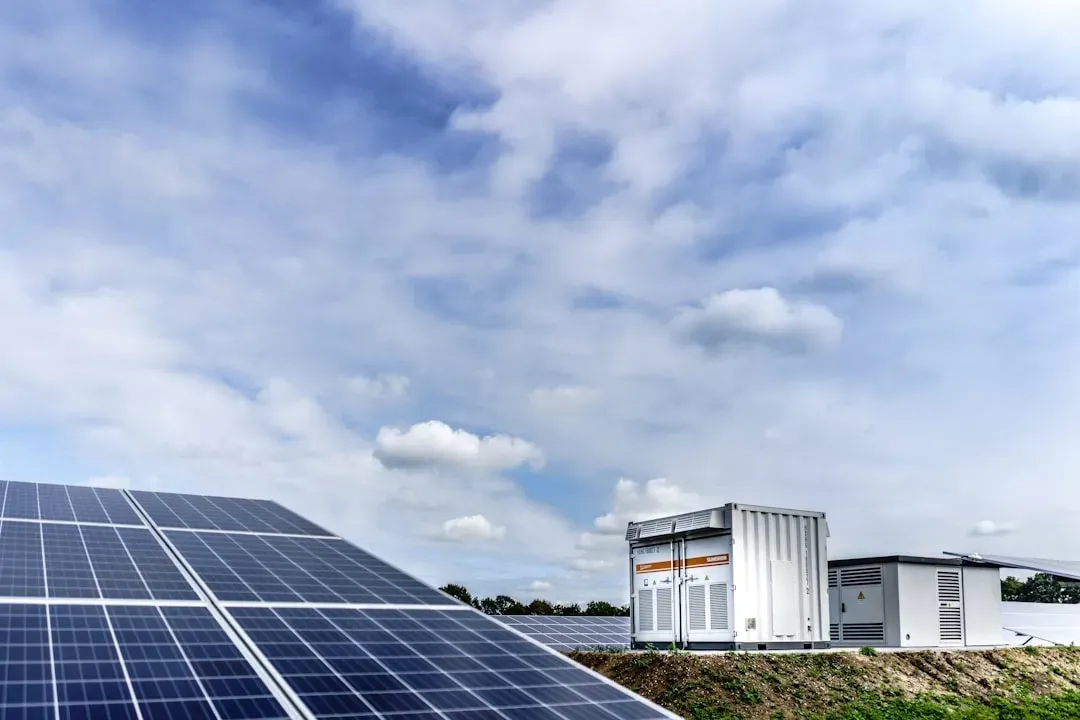
Next-gen energy solutions showcased at CES 2026 feature battery-electric, hydrogen fuel cells, plug-in hybrids, and extended-range EVs across everything from e-bikes to heavy-duty construction and agricultural vehicles, with breakthroughs in large-scale and residential battery energy storage, smart home energy management devices, and portable power systems strengthening grid reliability.
The energy transition isn’t just about transportation anymore. Home battery systems let homeowners store solar power and use it during peak hours or outages. Smart energy management devices optimize consumption, reducing costs and environmental impact. Portable power systems are becoming powerful enough to run serious equipment off-grid.
There is also an expansion in solar, small modular nuclear reactors, and nuclear fusion. These technologies promise to transform how we generate and distribute power, though practical deployment timelines remain uncertain. What’s clear is that energy innovation is accelerating across every sector.
Low-Code and No-Code AI Development Platforms

Low-code and no-code tools are transforming software creation in 2026, with platforms allowing enterprises to build complex applications quickly with minimal coding, focusing on rapid app development with strong integration support, helping businesses create internal tools using simple visual workflows, and enabling cross-platform app creation, reducing development time, empowering non-developers, and speeding up digital transformation.
Low-code platforms are democratizing AI agent development, allowing non-technical users to create sophisticated agents without coding. This democratization is massive. Product managers, business analysts, and domain experts can now build functional applications without waiting for engineering resources.
The implications extend beyond speed. When the people closest to business problems can build solutions directly, innovation accelerates. Ideas get tested faster. Iterations happen in days instead of months. However, governance becomes critical. Without proper oversight, these tools can create technical debt and security vulnerabilities.
Advanced Networking and 5G Evolution


While 6G is not fully commercialized in 2026, leading research and early standardization efforts indicate that next-generation wireless connectivity will start setting the foundation for terabit-class networking and ubiquitous intelligence by the late 2020s. Network infrastructure is evolving to support the massive data demands of AI, IoT, and autonomous systems.
Enterprise technology now depends on foundational capabilities such as 5G, cloud, cybersecurity, robotics, and AI, which have become essential for competing in the modern economy. The connectivity layer enables everything else, from real-time multi-agent coordination to edge computing applications.
5G networks are maturing, delivering on promises of low latency and high bandwidth. Industrial applications like remote surgery, autonomous manufacturing, and real-time logistics tracking depend on these capabilities. The infrastructure being built today will support innovations we haven’t even imagined yet.
AI Governance and Ethical Frameworks

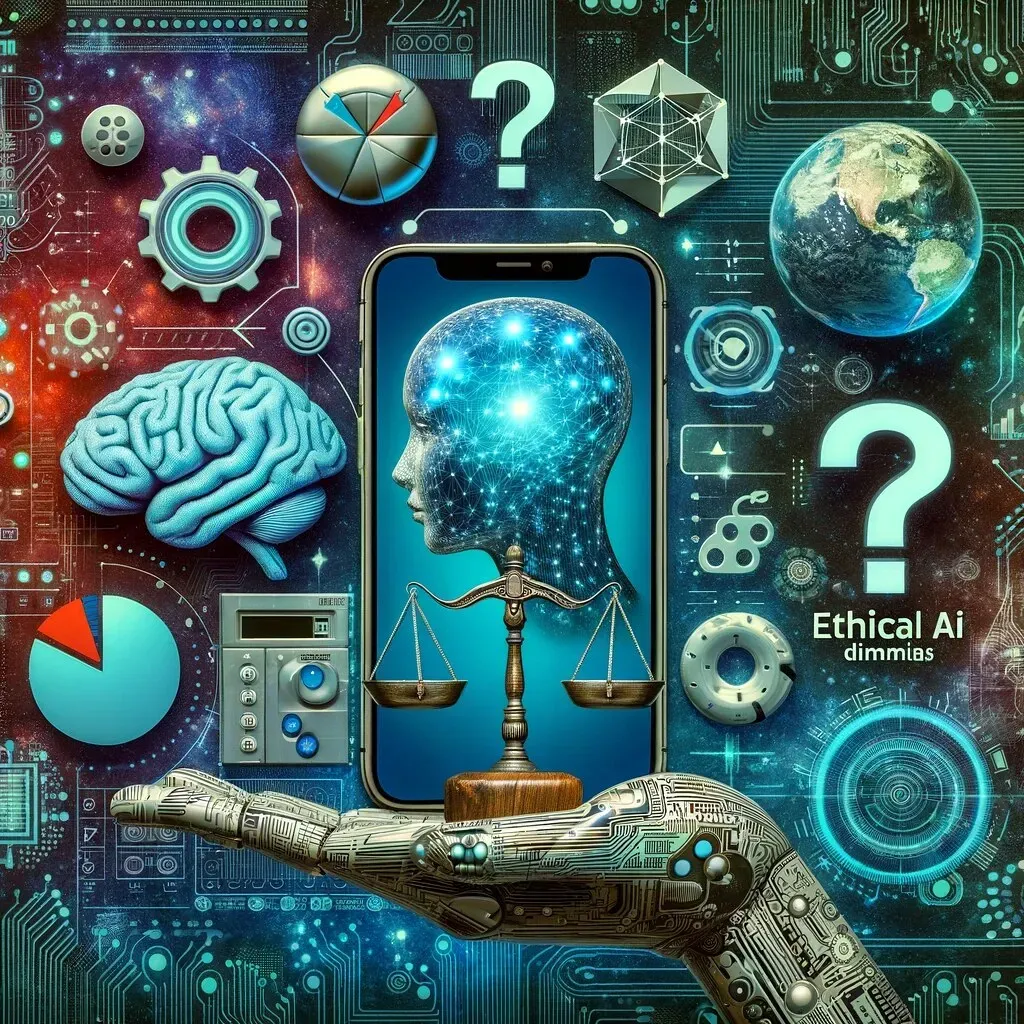
96% of IT and security leaders view AI agents as a rising risk that must be addressed, yet fewer than half have formal policies in place. The governance gap is creating serious challenges as organizations deploy AI faster than they can secure it.
Leading organizations are implementing “bounded autonomy” architectures with clear operational limits, escalation paths to humans for high-stakes decisions, and comprehensive audit trails of agent actions. More sophisticated approaches include deploying governance agents that monitor other AI systems for policy violations.
The regulatory landscape is tightening. The EU AI Act, NIS2 and DORA are creating a more unified framework for governance and compliance, demanding more transparency, risk assessments, and algorithmic accountability. Organizations that embed governance into AI design from the start will navigate this landscape far more smoothly than those treating it as an afterthought.
Simulation-Based AI Training


Innovation is accelerating through analytical AI, which enables robots to process more data and make smarter decisions, and generative AI, which powers simulation-based training so robots learn through virtual experience rather than rigid programming. This approach is transforming how AI systems learn.
Instead of requiring thousands of real-world trials, AI can train in simulated environments that safely test edge cases and failure scenarios. Robots learn to navigate complex spaces, manipulate objects, and respond to unexpected situations through countless virtual iterations. The learning happens exponentially faster than real-world training would allow.
Digital twins of factories, cities, and supply chains let AI systems practice and optimize before deployment. The risk is minimal, the iteration speed is phenomenal, and the results transfer surprisingly well to physical environments. It’s like the difference between learning to fly in a simulator versus learning in an actual plane.
Personalized AI Experiences

Retailers in 2026 are transitioning from reactive personalization strategies to predictive engines that analyze real-time data – weather patterns, local events, inventory levels – to forecast customer intent before consumers even recognize their needs. The shift from responsive to predictive AI is subtle but profound.
Your AI assistant doesn’t just respond to requests anymore. It anticipates them. Based on your habits, schedule, location, and context, it suggests actions before you ask. Morning routine? Your coffee maker starts brewing as your alarm goes off. Commute route? Navigation updates based on real-time traffic and your calendar.
Customer AI agents will make brand-independent purchase decisions based on materials, durability, and sizing rather than traditional brand loyalty. This represents a fundamental shift in commerce. AI agents acting on your behalf will evaluate products against your true preferences, not marketing messages. Brand loyalty may matter less than objective product quality.
Collaborative Human-AI Workflows

The success of the agentic era will hinge not only on advances in AI, but also on the human culture that surrounds it, and as organizations accelerate toward increasingly autonomous systems, technology alone isn’t the differentiator, people are, with companies that thrive being those that invest in teams as much as in tools, fostering cultures of experimentation, curiosity and resilience.
The most successful AI deployments aren’t replacing humans. They’re augmenting them. AWS and Cisco both see this as supplementing human labor. AI handles routine execution, data processing, and repetitive tasks while humans focus on strategy, creativity, and judgment calls.
In 2026, the workplace agents that gain the most traction will be the ones that can work alongside multiple people as a team, as most AI tools today are single-player, and collaborative workflows remain underdeveloped. The future isn’t AI versus humans. It’s AI and humans working together, each contributing what they do best.
Conclusion


The technological landscape of 2026 isn’t defined by any single breakthrough. It’s the convergence that matters. Agentic AI systems orchestrating workflows, powered by edge computing infrastructure, secured by post-quantum cryptography, displayed on revolutionary screens, and integrated into smart homes and wearables. Each innovation amplifies the others.
As we progress through 2026, the gap between AI’s promise and reality is narrowing, moving from abstract possibilities to concrete business value, from experimental pilots to production systems that genuinely transform operations. The question isn’t whether these technologies will reshape our world. They already are.
What strikes me most is the acceleration. Technologies that seemed years away are arriving now. The organizations and individuals who adapt quickly, who embrace change while maintaining proper governance and realistic expectations, will define the competitive landscape ahead. Did you expect technology to move this fast? What innovations are you most excited or concerned about?
Partner offer
Planning a trip to Vegas?
Compare hotel rates and show tickets on VEGAS.com.