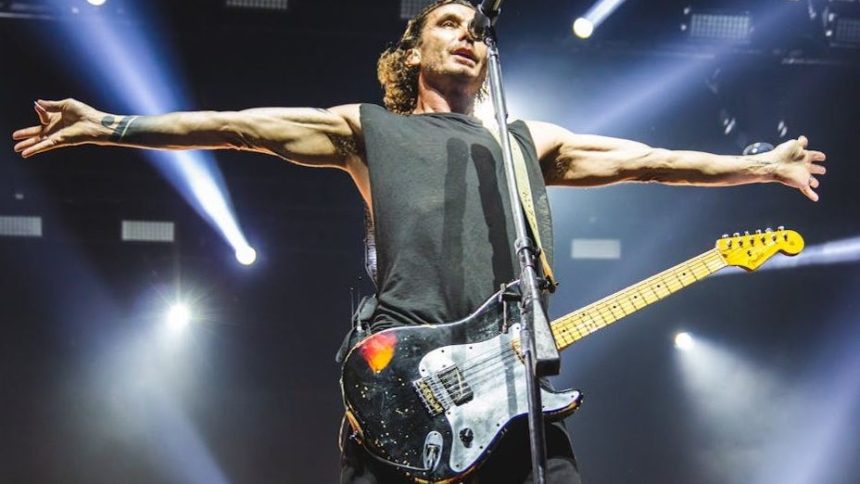
Most people spend their lives chasing the spotlight. In music, that chase is practically the whole point – the record deal, the chart position, the arena tour, the legacy. So it’s genuinely strange, maybe even a little disorienting, when someone who has all of that simply decides it isn’t for them. Not because they failed, but because they chose something else.
Some of the most fascinating figures in music history are the ones who quietly, firmly, or dramatically walked away from what the industry promised them. Their reasons vary wildly – mental health, spirituality, ethics, exhaustion, principle, or just a stubborn preference for being left alone. What connects them is the same quiet defiance: the decision to say no when everyone else would have said yes.
1. Lauryn Hill

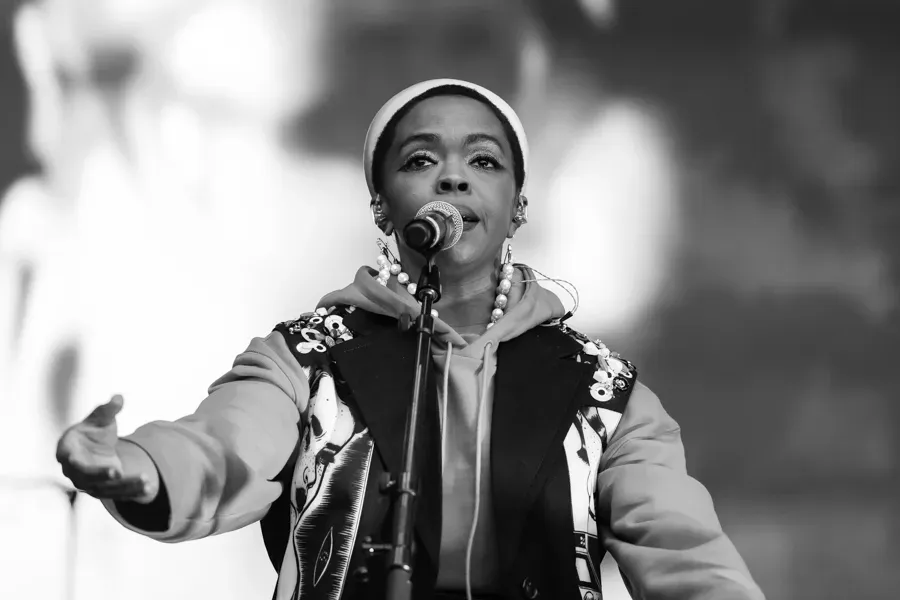
At the height of her fame, after the monumental success of “The Miseducation of Lauryn Hill” in 1998, Lauryn Hill stunned the world by retreating almost entirely from music. Critics hailed her as a genius, fans adored her, and her influence stretched across hip-hop, R&B, and soul. The album broke sales records, won five Grammy Awards, and has since sold nearly twenty million copies – widely regarded as one of the greatest records of the 1990s.
Hill cited immense pressure, exhaustion, and a sense of being exploited by the music industry. The constant demands of fame, touring, and recording left her feeling creatively and spiritually drained. In interviews, she framed her retreat as a need for personal and artistic authenticity, choosing her family, faith, and inner peace over commercial success.
2. Syd Barrett

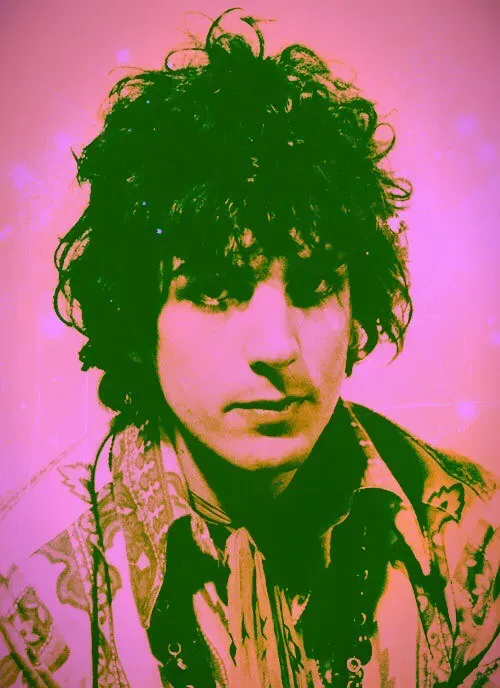
Roger Keith “Syd” Barrett co-founded Pink Floyd in 1965 and served as the band’s frontman and primary songwriter, known for his whimsical style of psychedelia and stream-of-consciousness writing. As a guitarist, he was influential for his free-form playing and for employing effects such as dissonance, distortion, echo, and feedback. By 1968, his behavior became increasingly erratic, reportedly due to heavy use of psychedelic drugs and possible underlying mental health issues, which led to his departure from the band.
In 1974, Barrett left the music industry, retired from public life, and guarded his privacy until his death. He continued painting and dedicated himself to gardening. The songs he wrote drew up a blueprint that shaped Pink Floyd for three decades – the band never really emerged from his shadow. His death certificate listed his occupation simply as “retired musician.”
3. Cat Stevens

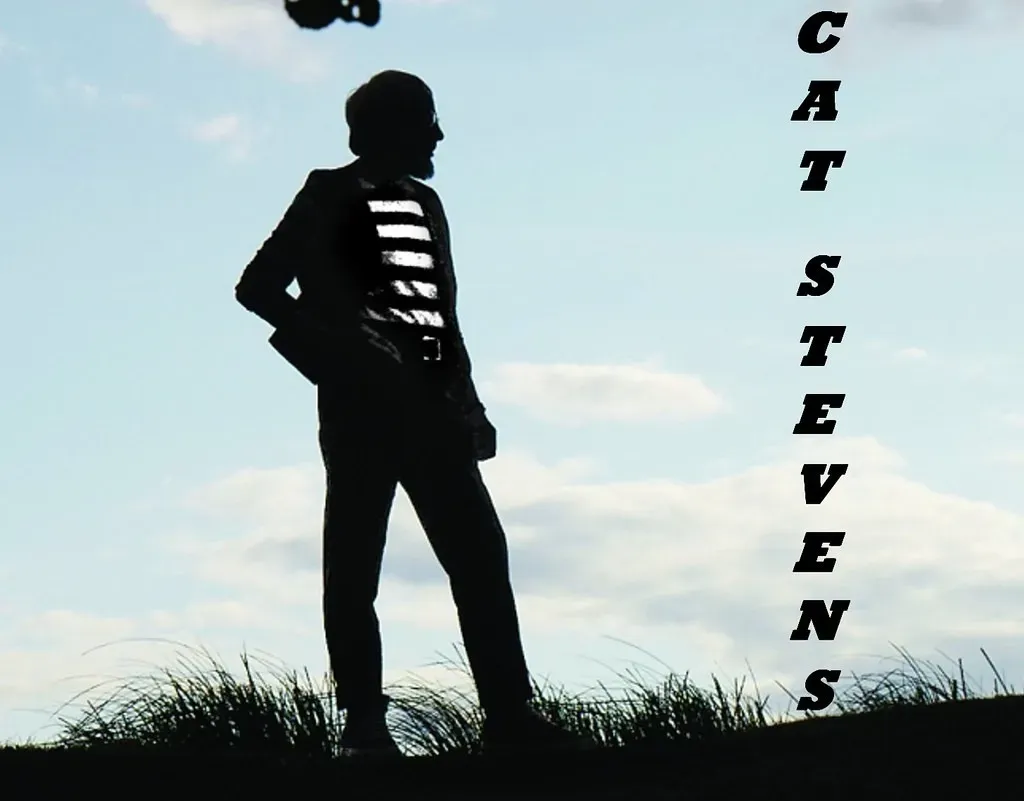
After achieving international fame with hits like “Father and Son” and “Peace Train,” Stevens experienced a series of life-changing events, including a near-drowning incident in 1976, which led to a profound spiritual awakening. In 1977, he converted to Islam, changed his name to Yusuf Islam, and retired from the music industry, focusing instead on religious and philanthropic endeavors. This sudden departure puzzled fans and the media, as Stevens not only stopped performing but also distanced himself from his past musical work.
His hiatus lasted nearly three decades, during which he dedicated himself to education and humanitarian causes. In 2006, Stevens returned to music with the album “An Other Cup,” marking a significant shift in his artistic and personal journey. Few exits in rock history carry the same sense of genuine conviction.
4. Bill Withers

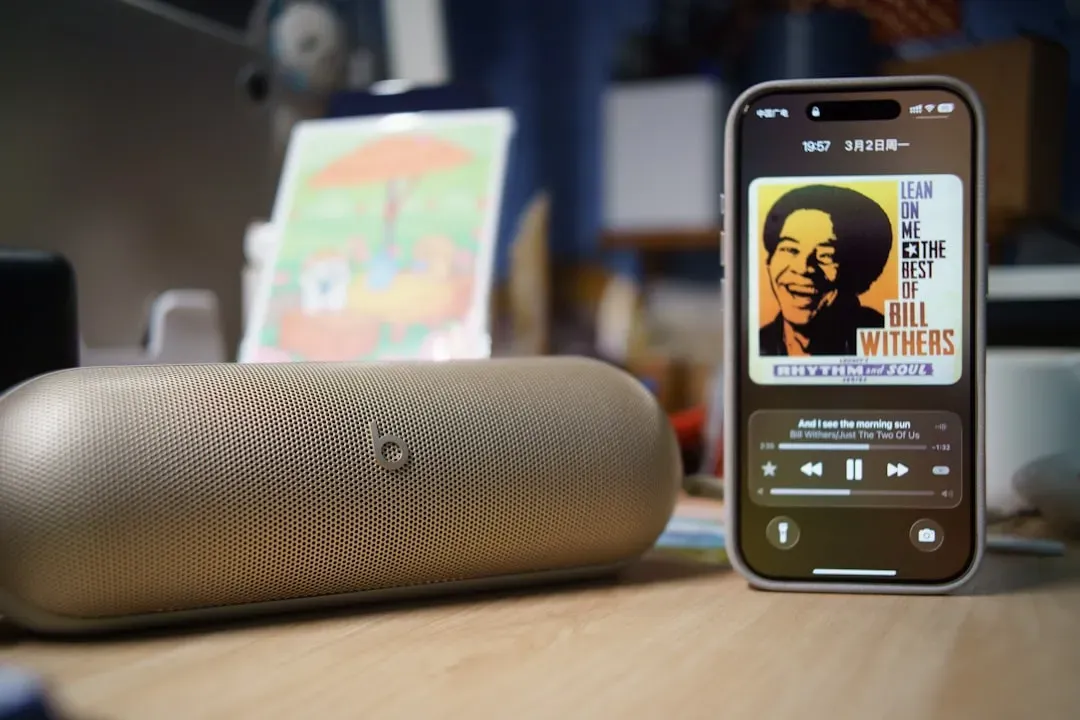
By the mid-1970s, Bill Withers had become a soul and R&B icon, penning timeless classics such as “Ain’t No Sunshine,” “Lean on Me,” and “Use Me.” Yet at the peak of his career, he quietly stepped away from the industry, frustrated by the music business’s demands and politics. He often clashed with Columbia executives, who wished to control his sound to sell more records. Feeling disillusioned with the industry, Withers left music behind in 1985 and reportedly never missed it.
Withers recorded only a handful of albums after the late 1970s, rarely touring or promoting new material, and largely vanished from public life. The emotional directness, warmth, and humanity of his songs continue to resonate, proving that even a relatively brief recording career can leave an enduring, transformative mark on popular music.
5. Glenn Gould

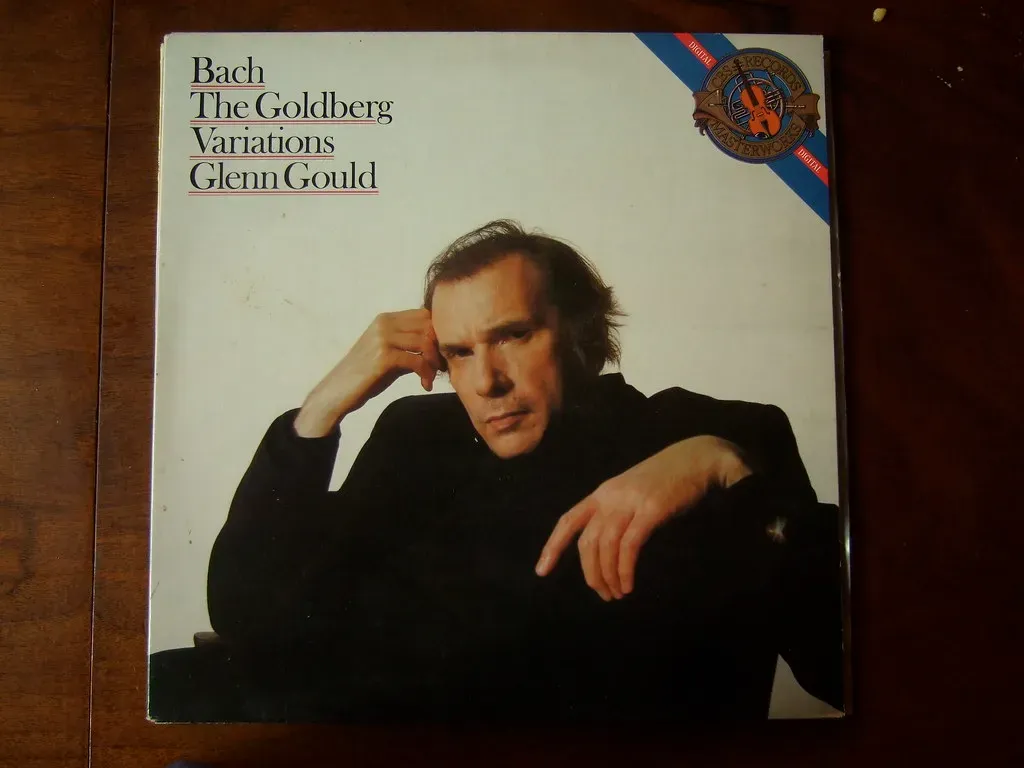
In 1964, aged just 31, Canadian classical pianist Glenn Gould walked away from the concert stage, despite being celebrated worldwide for his extraordinary interpretations of Bach, Mozart, Beethoven, and other repertoire. He cited the physical and emotional toll of touring and the constraints of live performance, choosing instead to focus on recording, broadcasting, and writing.
Gould’s retreat from public performance was radical, leaving audiences stunned, yet it allowed him to explore studio techniques, experiment with editing, and produce some of the most influential recordings of the 20th century, reshaping how piano music – and classical performance more broadly – could be experienced. His choice to abandon the stage at the height of his powers remains one of the most deliberate artistic decisions in concert history.
6. Gotye
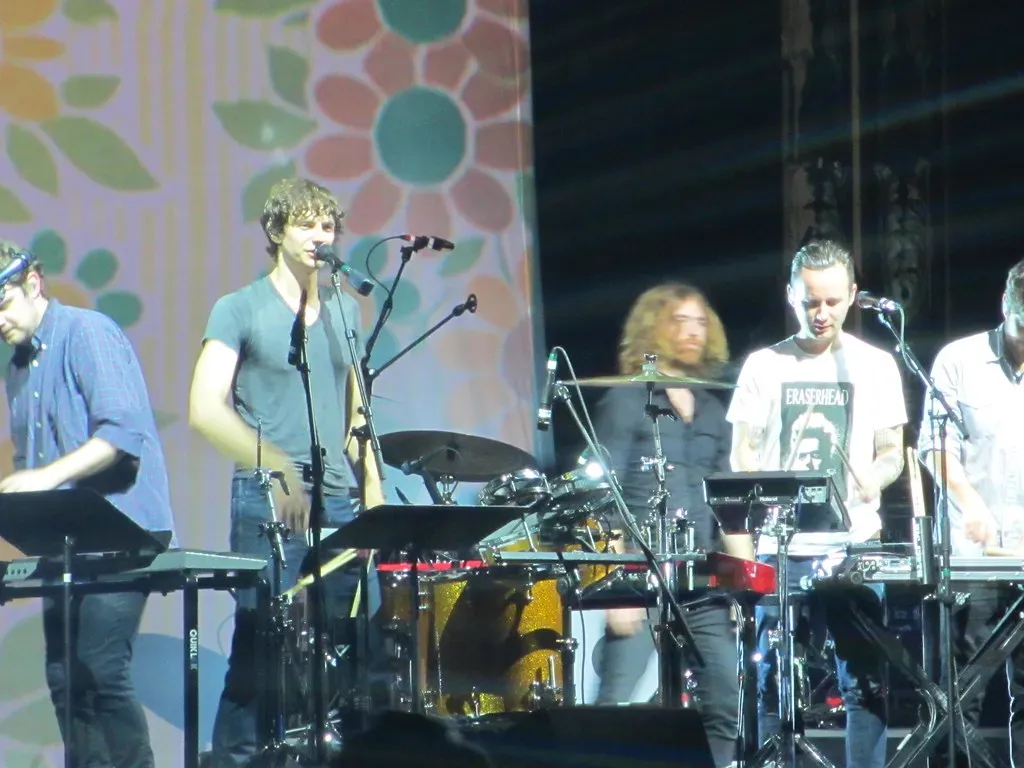
“Somebody That I Used to Know” was a worldwide sensation and became one of the best-selling digital singles ever, with more than twenty million copies sold. The song was inescapable in 2011. Gotye, born Wally De Backer, had the kind of crossover moment that most musicians spend careers chasing – and then he essentially walked away from it.
He released a few more singles and remained somewhat active with another band called The Basics, and later started his own group called Ondioline Orchestra. It sounds like he’s doing what he wants rather than capitalizing on his mainstream success – a rare and quietly admirable choice in an era where viral moments are milked for everything they’re worth.
7. Ian MacKaye and Fugazi

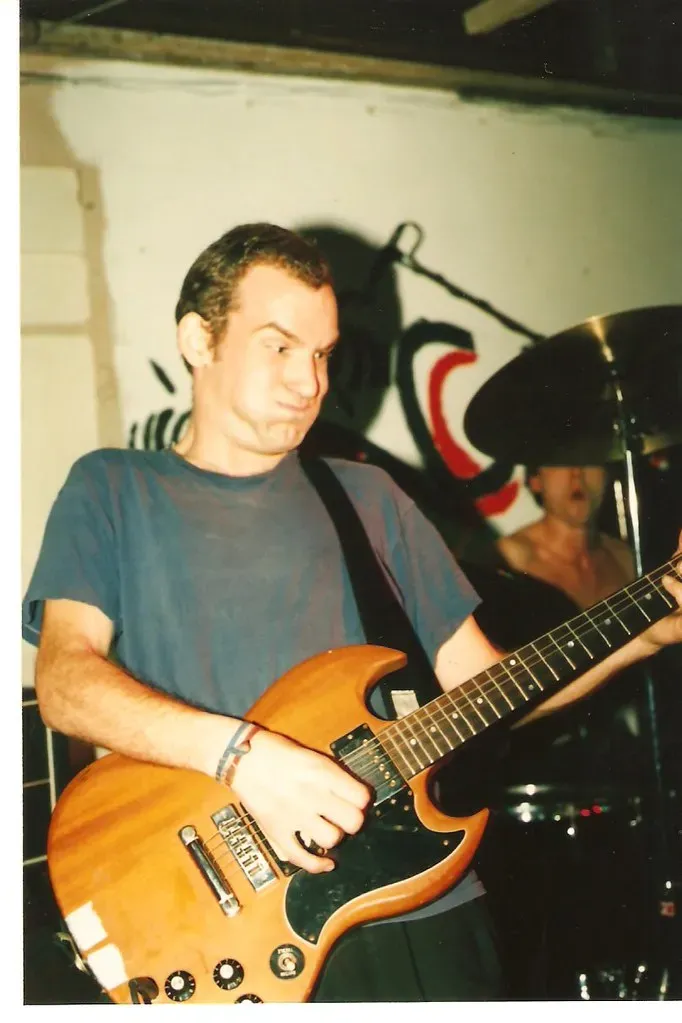
Fugazi were noted for their style-transcending music, DIY ethical stance, manner of business practice, and contempt for the music industry. They performed numerous worldwide tours and produced six studio albums, a film, and a comprehensive live series, gaining critical acclaim and success around the world. The band set itself apart by never playing a show with high-priced tickets, often turning down venue options over this rule, and famously turned down at least one offer to headline Lollapalooza because festival organizers refused to price tickets cheaply.
MacKaye has never conducted an interview with Rolling Stone magazine or any other similar publication, stating he would only do so if the magazine agreed to not advertise cigarettes or alcohol. Fugazi is self-managed and maintains a policy of affordable access to their work through low record and ticket prices, with all concerts all-ages. That level of principle, sustained for decades, is almost impossible to overstate.
8. John Frusciante

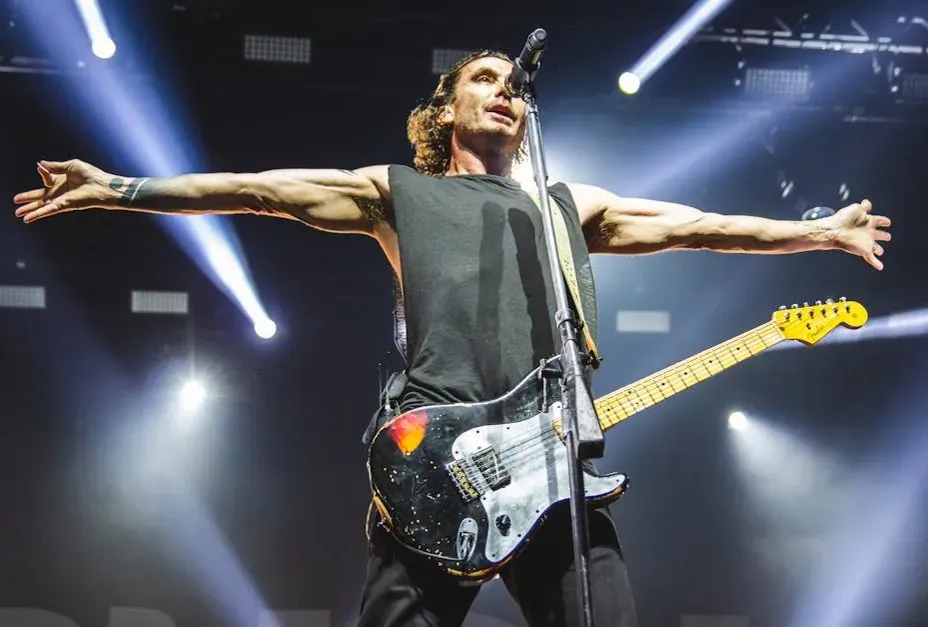
Frusciante is well known as the on-again, off-again lead guitarist of the Red Hot Chili Peppers. He was always a musician first and a celebrity second. When the band hit it big with “Blood Sugar Sex Magik” in 1991, Frusciante struggled with his newfound fame and quit the band. His departure was followed by years of personal struggles and near-total withdrawal from public life.
He rejoined the Chili Peppers for some of their most celebrated records, then left again in 2009 to pursue solo and electronic music entirely on his own terms. The pattern repeated once more when he returned for a stretch before stepping back again. Fame, for Frusciante, has always been something to navigate around rather than chase.
9. Meg White
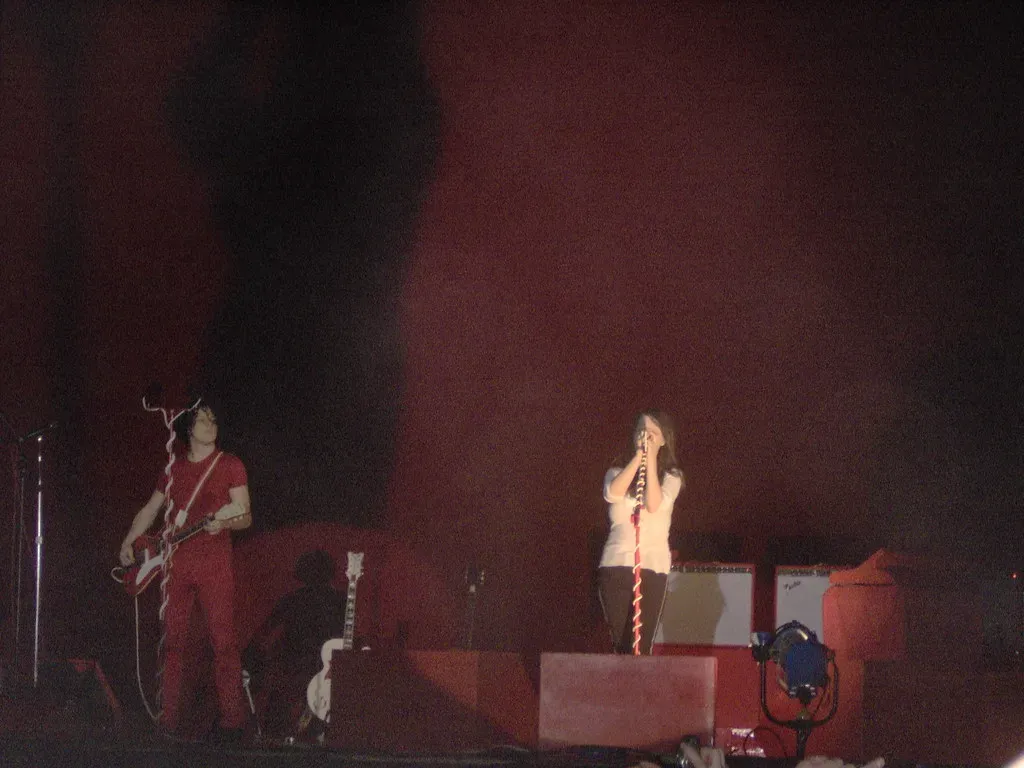
The White Stripes started performing in Michigan’s underground rock scene before striking it big with albums like “White Blood Cells” and “Elephant.” However, Meg White was always shy and reserved, and she suffered from anxiety attacks over the band’s hectic touring schedule. The White Stripes officially disbanded in 2011 after two years without releasing anything new, and White left fame and music behind her to live a quiet life in Detroit.
Unlike many artists who step back only to resurface with a comeback album or documentary, Meg White has maintained one of the most complete withdrawals from public life in modern rock. She’s given virtually no interviews since the band’s split and has made no public statements about a return. The silence itself has become part of the legend.
10. Michael Stipe

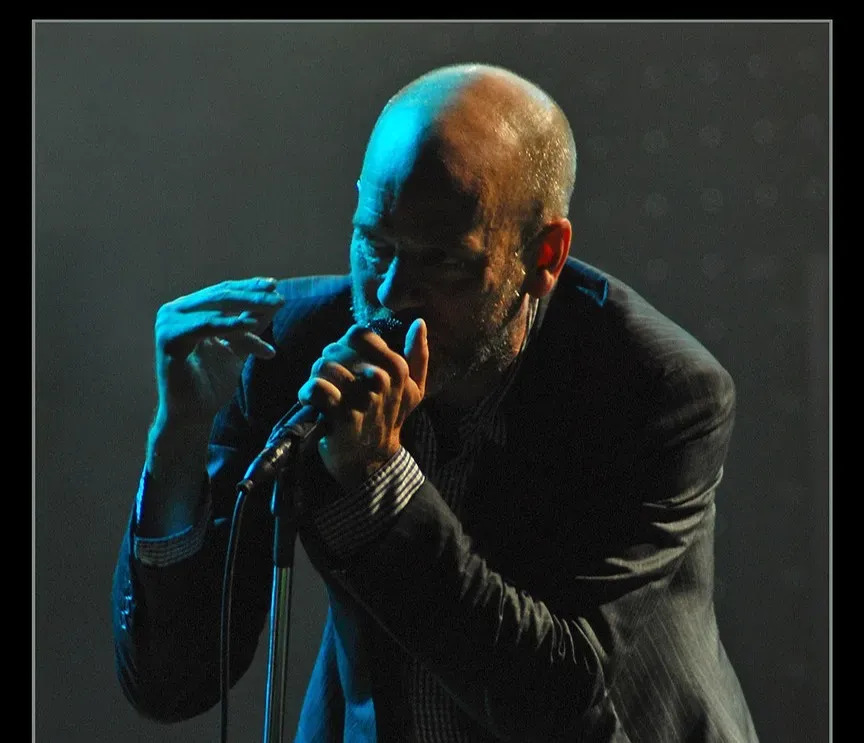
Michael Stipe’s band R.E.M. would eventually become one of the world’s most famous rock groups. Just as Stipe was losing his religion, so too did he lose his interest in music. The band announced in 2011 that they were breaking up, although no official reason was given. Stipe had reportedly told bandmate Peter Buck during the making of their final album that he needed to be away from music for a long time.
Since R.E.M.’s disbandment, Stipe has pursued visual art, activism, and writing. He has been open about the fact that stepping away was a conscious choice rather than a circumstance forced on him. For someone who spent decades at the center of American alternative rock, the ease of that transition says a great deal about his relationship with the spotlight.
Partner offer

11. Captain Beefheart

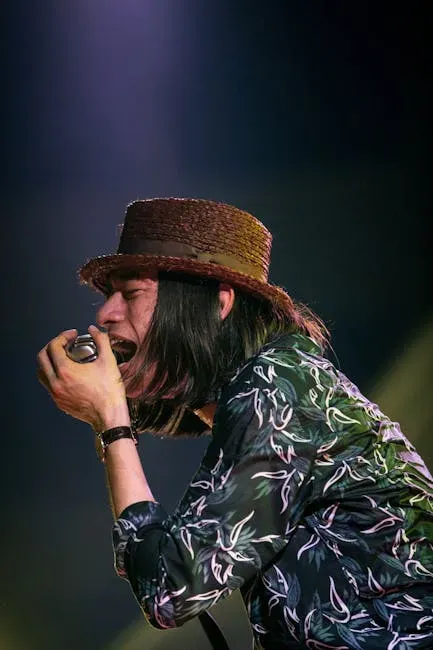
Following “Ice Cream for Crow” in 1982, Beefheart retired from music, became a recluse, and dedicated himself to painting. His abstract expressionist paintings were actually well received – some sold for nearly $25,000, and his artwork has become the subject of academic essays. Don Van Vliet, as he was known offstage, had spent more than two decades making some of the most uncompromising and genuinely strange music ever committed to record.
His retirement was total. He moved to the Mojave Desert, declined nearly all interviews, and never returned to music. His refusal to explain or justify the decision added to the mystique that had surrounded him throughout his career. The art world, to its credit, took him seriously on his own terms.
12. Steve Perry

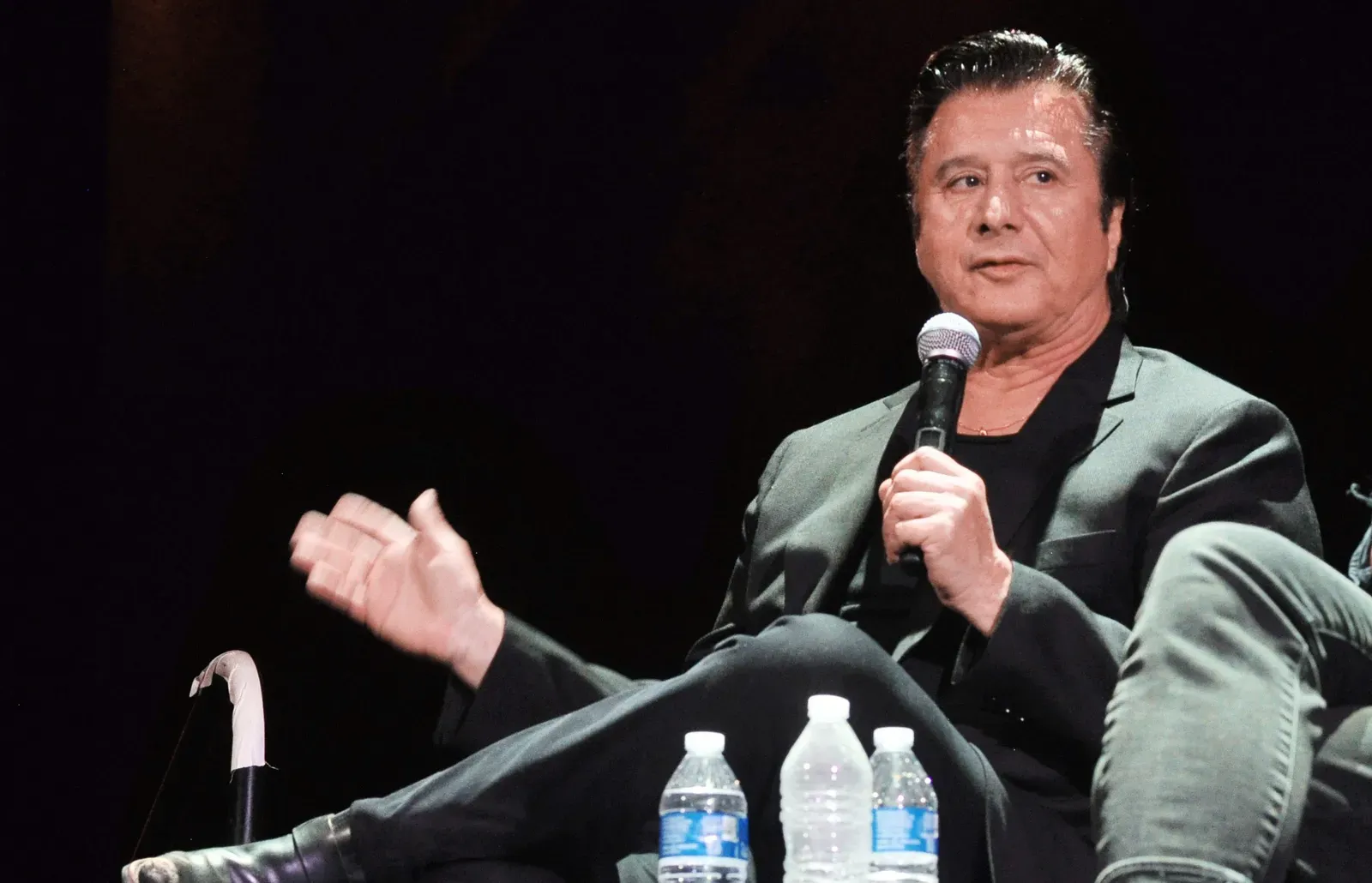
With one of the most distinctive voices in rock, Steve Perry is often considered one of rock’s greatest singers. He found great success with Journey, and the band scored six top ten singles in the United States. The group went on hiatus in 1987, and Perry left the public eye for several years. Journey reunited in the 1990s, but Perry left the band for good after injuring his hip. Most of his recent work has been Christmas material, and he remains intensely private.
Perry disappeared from music for more than two decades before a solo album arrived in 2018. Former Journey singer Steve Perry disappeared from music for more than 20 years, and it took a tragedy to bring him back. Even his eventual return was measured and quiet, nothing like the full-scale comeback the industry was expecting from someone with his track record.
13. John Deacon

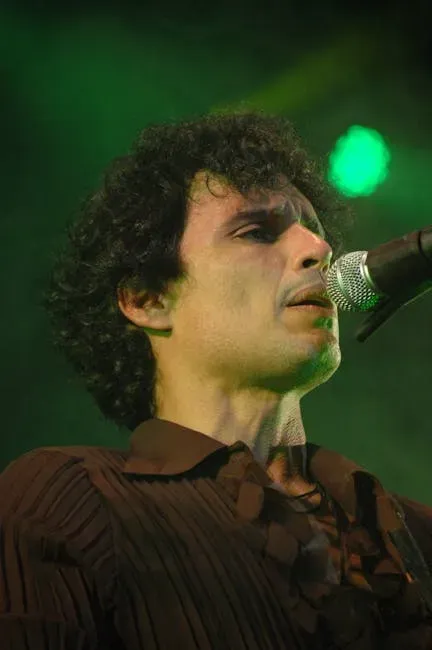
Freddie Mercury gets all the attention, but John Deacon was an integral part of Queen. Serving as the band’s bassist and managing the group’s finances, Deacon also composed such popular songs as “Another One Bites the Dust,” “You’re My Best Friend,” and “I Want to Break Free.” Deacon was hit hard by Mercury’s tragic death and subsequently lost interest in continuing to perform with Queen.
After a handful of memorial appearances in the mid-1990s, Deacon withdrew from public life entirely and has remained there ever since. He has not attended Queen reunion events or major tribute shows, and he has given no interviews for decades. His silence stands in sharp contrast to the enormous machine that Queen has become in the years since Mercury’s death.
14. Sandy Denny

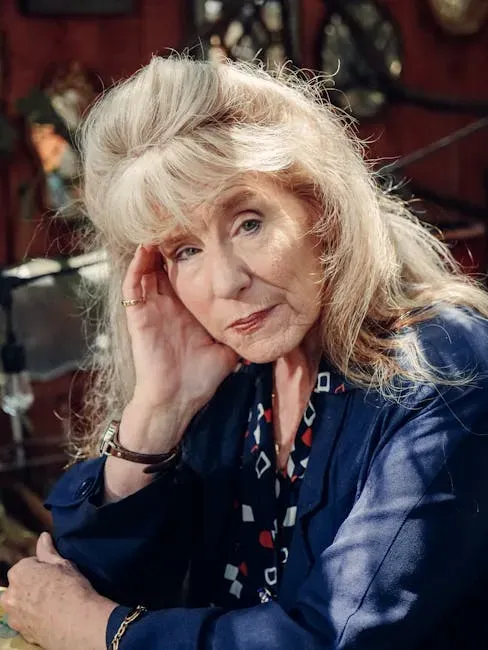
Sandy Denny, one of Britain’s finest folk voices, seemed destined for a towering career with Fairport Convention and as a solo artist. Yet her life was marked by turbulence, including struggles with addiction and personal upheaval. By the mid-1970s, she began retreating from public performance, recording sporadically and vanishing from the spotlight at the height of her powers.
Her haunting, expressive voice remained a benchmark for folk singers, but the music world was left wanting. Denny’s early withdrawal from the stage and studio turned her legacy into something bittersweet – a reminder of immense talent interrupted. She died in 1978 at the age of 31, leaving behind a body of work far smaller than her talent deserved.
15. Paul Simonon

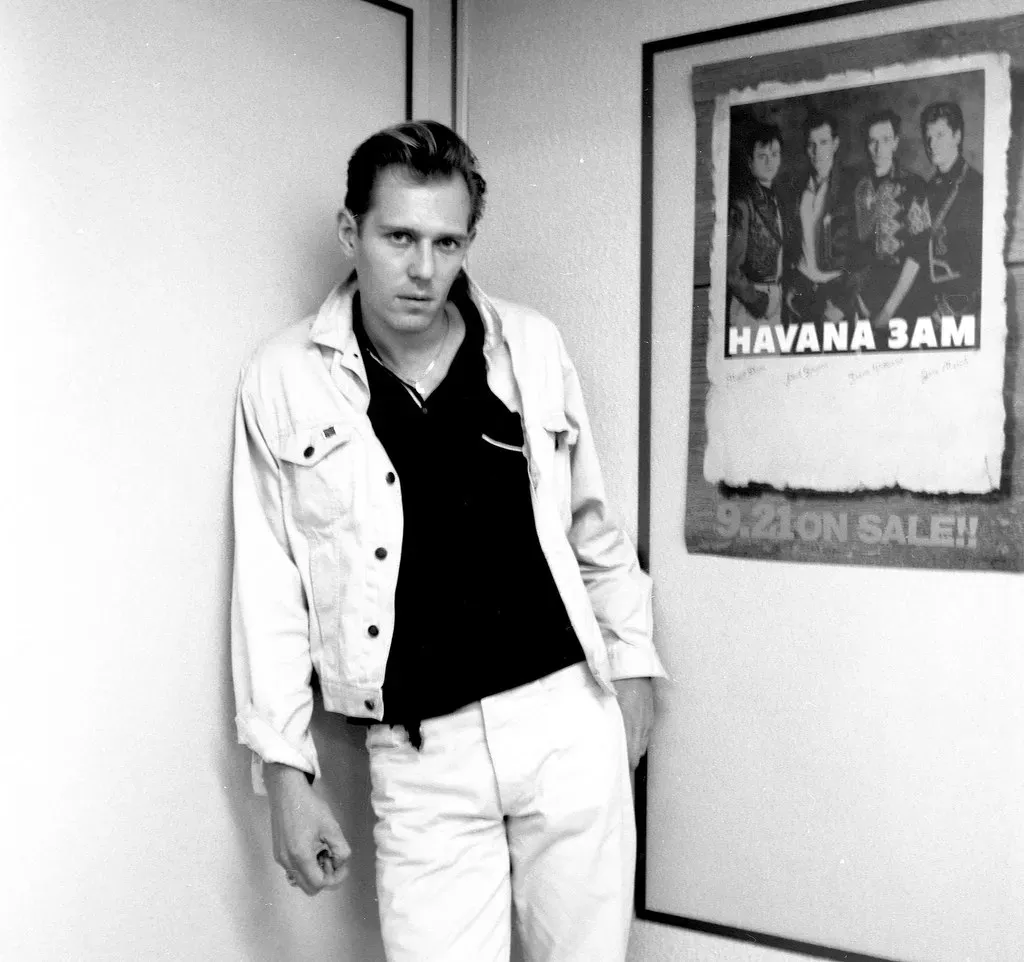
After The Clash’s breakup in the early 1980s, bassist Paul Simonon largely withdrew from performing, focusing instead on his visual art. This was no small thing. The Clash were one of the most politically charged and culturally significant bands of the punk era, and Simonon had been at the center of it – visually, rhythmically, and symbolically.
Rather than trade on the Clash’s reputation with solo albums or reunion tours, Simonon quietly became a painter. His work has been exhibited seriously and reviewed on its own merits, completely separate from his rock history. He made occasional musical appearances over the years, including time with the supergroup The Good, the Bad & the Queen, but the center of gravity shifted away from the stage for good.
16. Krist Novoselic

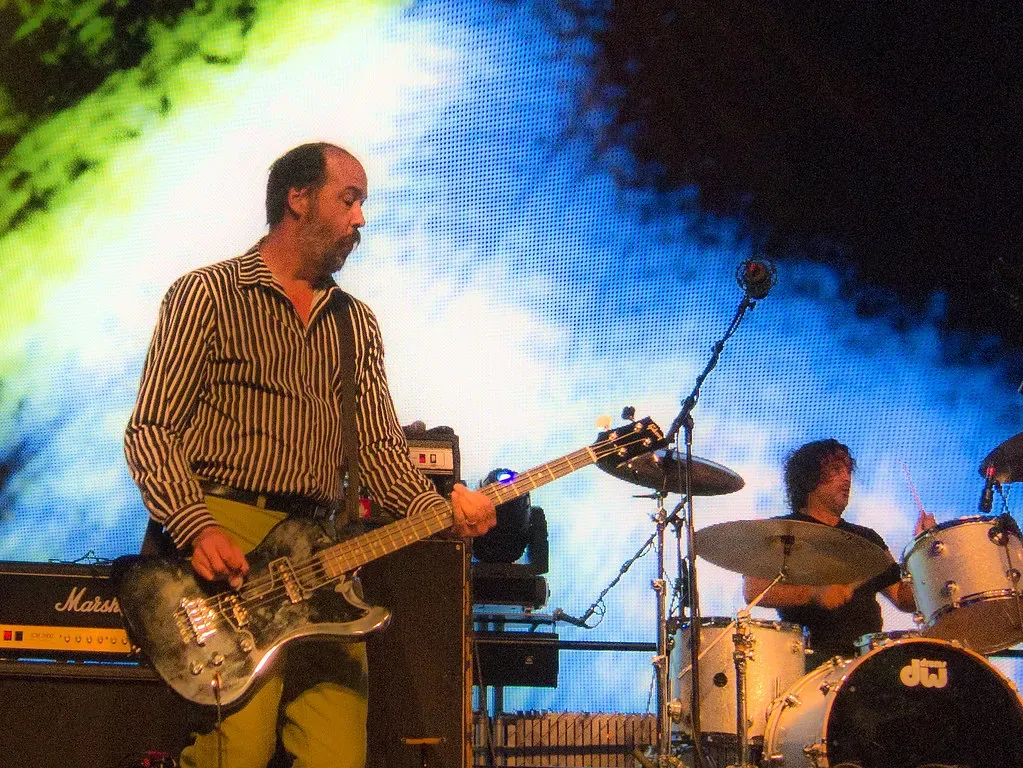
Looking at Nirvana’s posthumous appearances in 1994, Novoselic appears as a vacant shell of his usual self, as if every feeling of fun had been blown away after their last show. He did have his moments, appearing on the odd Foo Fighters song or making a record with Seattle friends, but after going into the political sphere, he has kept fond memories of his band.
He had been vocal about wanting to see change in the world, and if he couldn’t be heard with a bass in his hands, he could at least do what he could from the congressional floor. Novoselic became a genuine political activist, even running for office in Washington State. The transition from grunge icon to civic participant is one of rock’s more unusual second acts.
17. Radiohead
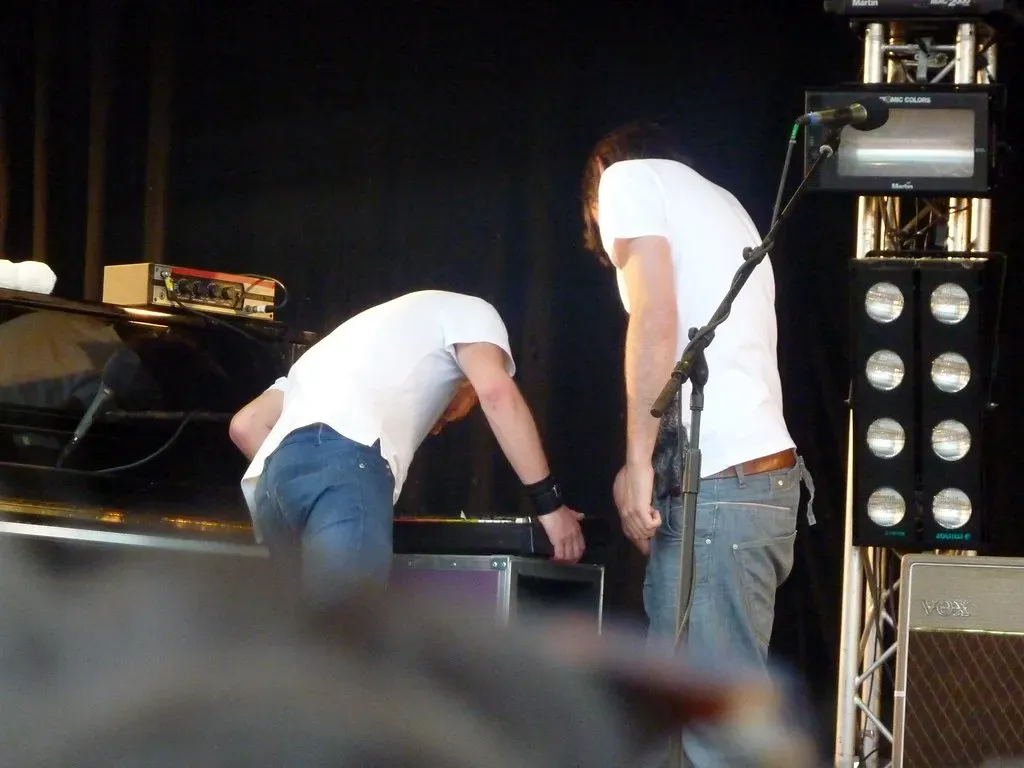
Radiohead’s journey from alternative rock beginnings to avant-garde explorations stands as one of rock’s boldest refusals to sell out. After “OK Computer,” they turned away from traditional songcraft into unfamiliar territory with “Kid A” and “Amnesiac,” blending electronic, jazz, and ambient influences. They’ve often challenged expectations rather than met them. The move baffled radio programmers and confused a significant chunk of their fanbase – deliberately so.
Beyond the music itself, the band made economic history in 2007 by releasing “In Rainbows” on a pay-what-you-want basis, rejecting the conventional label distribution model entirely. They were one of the biggest rock bands in the world at the time, and they used that position to challenge the system rather than benefit from it. That kind of leverage used for disruption rather than personal profit is genuinely rare.
18. Mary Margaret O’Hara

Mary Margaret O’Hara’s 1988 debut “Miss America” remains one of the most singular and acclaimed Canadian albums of the late 20th century. Her voice – wildly expressive, fragile one moment and astonishingly powerful the next – established her as an artist of immense originality. Yet instead of capitalizing on its success with a conventional solo career, O’Hara retreated from the mainstream music industry. She released a handful of contributions to other projects and occasional recordings, but largely avoided the spotlight, shunning tours and major-label demands.
In doing so, she became a cult figure: an artist who seemed to operate entirely on her own terms, quitting the high-profile path just as she demonstrated the extraordinary range and vision that would have made her a superstar. Her name circulates mostly among musicians and critics who consider her one of the most underheard voices in North American music.
19. Pearl Jam
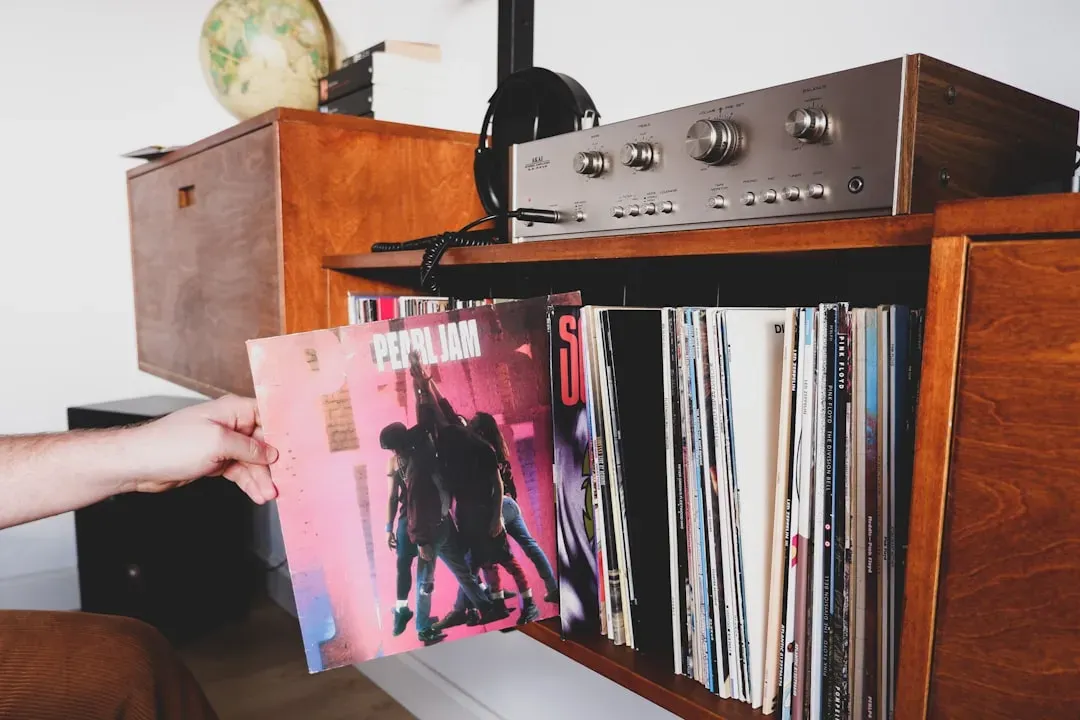
While plenty of bands are happy to perform anywhere so long as they get paid, Pearl Jam refused to play nice. At the height of their fame in the mid-1990s, the grunge giants discovered that Ticketmaster charged a service fee at a charity gig, gouging fans for their good-natured attendance. In response, the band boycotted Ticketmaster’s venues, instead erecting their own arenas in rural areas to play shows for fans.
They also filed a monopoly lawsuit against the company, and while it unfortunately fell apart, the statement was important. It’s heartwarming to see a band this huge take a hit in the name of what’s right. The Ticketmaster battle cost them real money and real audience access at a time when they were arguably the biggest band on the planet. They did it anyway.
20. Chance the Rapper

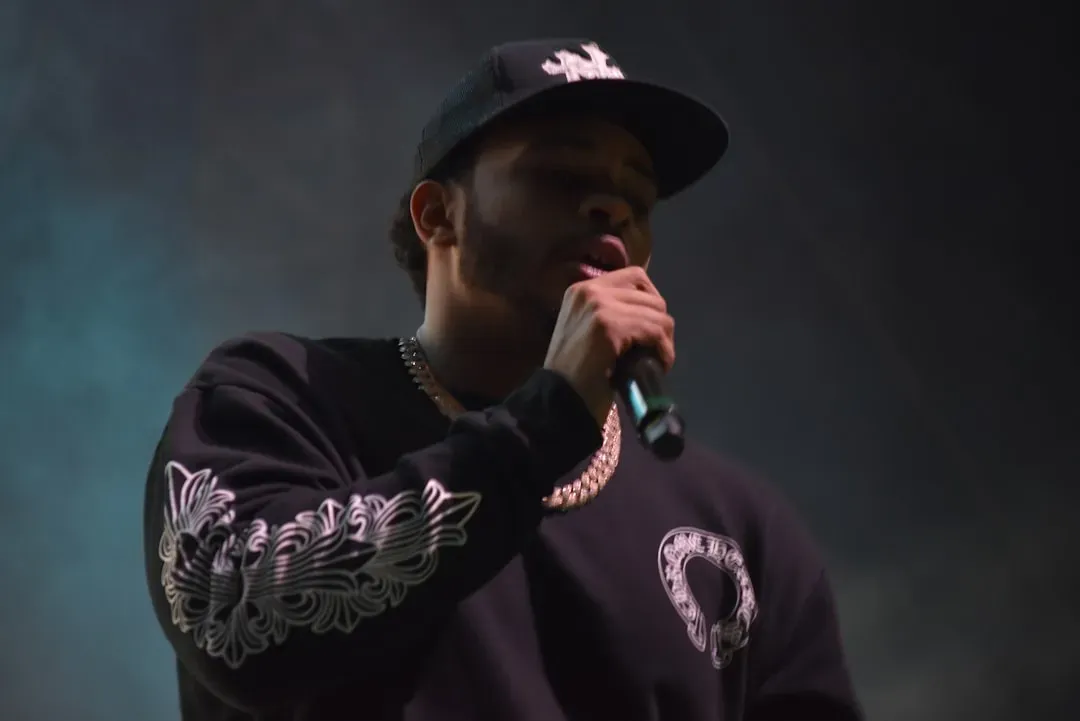
When Chance the Rapper made Grammy history in 2018 by becoming the first artist to win one of the coveted awards without selling physical copies of his music, the win resonated well beyond his own résumé. He shouted onstage: “This is for every indie artist!” – his album “Coloring Book” having beaten out several massive, label-backed releases. His refusal to sign a traditional record deal was not a positioning strategy but a genuine statement of principle.
In the wake of such a high-profile, seemingly DIY success, more new artists began considering going the indie route: signing with non-traditional record labels, testing novel release strategies, and otherwise trying to forge a path alone. Chance didn’t just opt out of the system for himself – his choices opened a conversation that reshaped how a generation of musicians thought about what signing a deal actually means.
What ties these twenty musicians together isn’t a shared set of circumstances. Some left at the peak of everything, others refused the climb altogether. Some found peace, others found something harder to name. But each of them, in their own way, decided that the terms being offered weren’t the only terms available.
That’s a quieter kind of courage than most people notice – the kind that doesn’t come with applause.
Partner offer
Planning a trip to Vegas?
Compare hotel rates and show tickets on VEGAS.com.