
Every few years, a show comes along that critics love, a small and devoted audience cherishes, and the broader public simply never finds. Sometimes the timing is off. Sometimes the network buries it in a bad time slot. Sometimes it gets canceled before it can build the kind of cultural momentum that turns a good show into a permanent reference point.
The nine series below all earned serious critical respect, launched notable careers, or broke genuine new ground. They belong in conversations about the best American television ever made. Most of them aren’t there yet.
Freaks and Geeks (1999–2000)


Freaks and Geeks is an American teen comedy-drama created by Paul Feig and executive-produced by Judd Apatow, which aired on NBC during the 1999–2000 television season. Eighteen episodes were completed, but the series was canceled after only 12 had aired. The show’s crime was being too honest. Judd Apatow and the writers had multiple arguments with the network over the “lack of victories” in the script, while the network wanted to produce something that would make high school seem cool.
At Metacritic, the show holds a score of 88 out of 100, and on Rotten Tomatoes it sits at a perfect 100%, with an average rating of 9.7 out of 10. The series has appeared on numerous lists of the greatest television shows of all time, and it launched several young actors’ careers, including James Franco, Seth Rogen, Jason Segel, and Busy Philipps. Despite that, it never made the leap from cult status to genuine classic.
My So-Called Life (1994–1995)

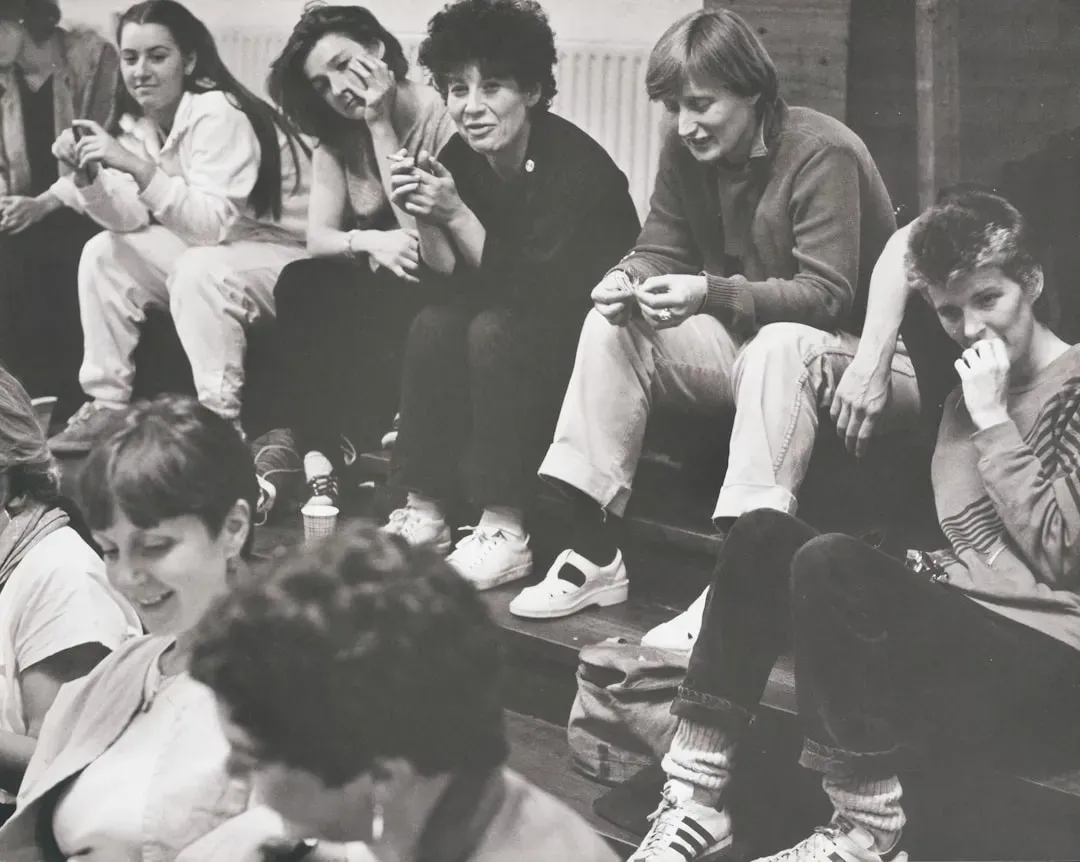
The critically acclaimed and award-winning teen drama My So-Called Life is an underrated and forgotten show from the 1990s, following high school student Angela Chase, played by Claire Danes, as she deals with her family, relationship troubles, and school. Unlike other teen dramas, My So-Called Life explored major social issues through multi-episode arcs rather than focusing on issues for a single episode. That structural ambition made it feel more like a novel than a network show.
The show stood out for its depiction of teenage life as turbulent and confusing rather than hilarious, and despite only lasting a season, it won over audiences and critics and cemented itself as a cult classic. Still, cult status and true classic status aren’t the same thing. Most people born after 1990 have never heard of it, which is a genuine loss.
Carnivàle (2003–2005)

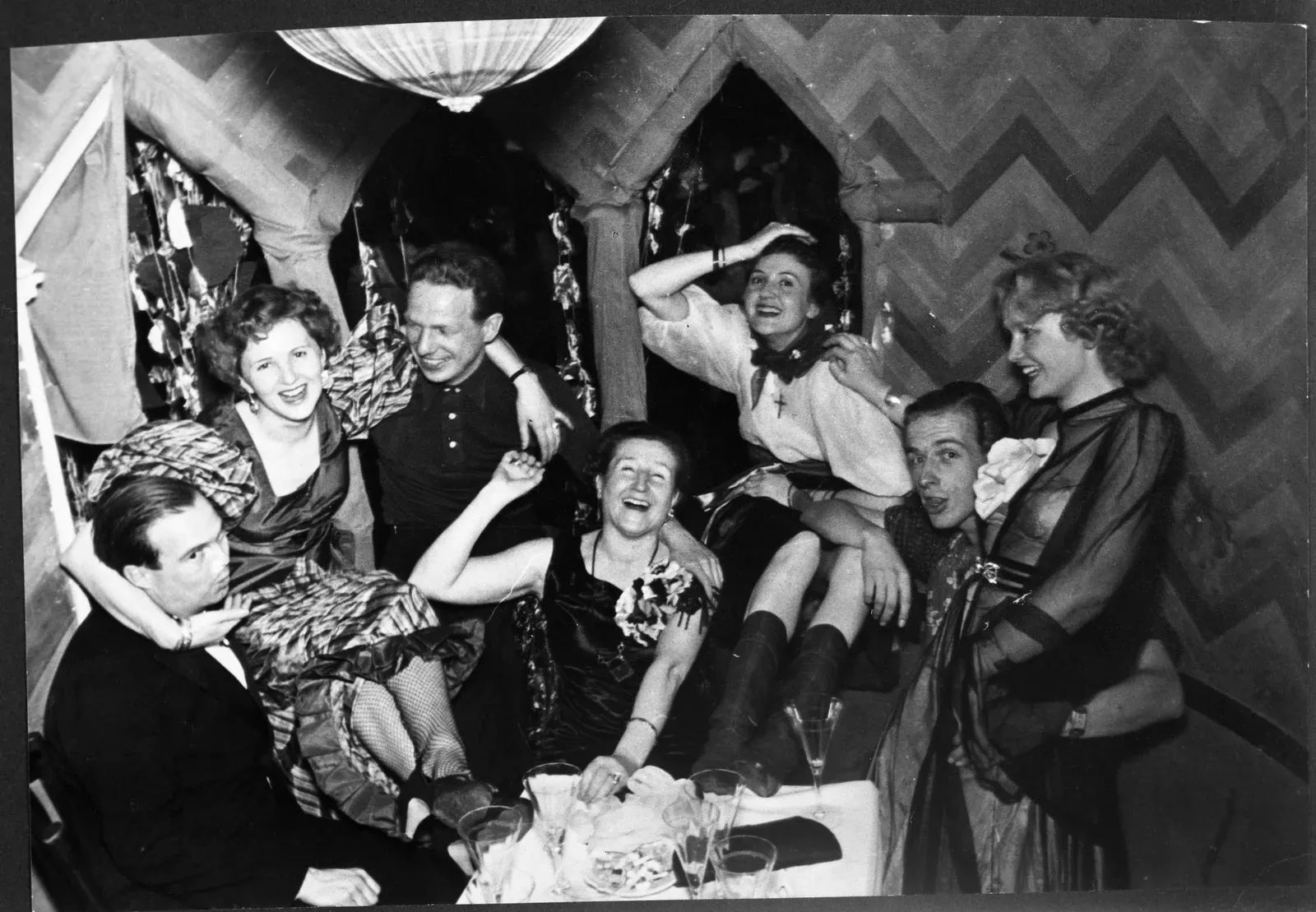
Airing between 2003 and 2005, Carnivàle was created by Daniel Knauf and had 24 episodes across two twelve-episode seasons. Each episode had its own plot, but there was an overarching story that Knauf slowly built, set between 1934 and 1935 in the Great Depression-era Dust Bowl. Long before HBO invested in the future of Game of Thrones and its impact on the fantasy landscape, it dedicated significant time and resources to Carnivàle.
HBO cut the show after season two in 2005, even though the writers had structured events to unfold across six planned “books,” leaving the cancellation to stop the payoff and turn season two into a mid-series cliffhanger. Despite the awards and critical acclaim, Carnivàle’s running cost of around two million dollars per episode was deemed too expensive and the show was eventually cancelled. The mythology it built in those two seasons has still never been equaled on American television.
Living Single (1993–1998)


The underrated sitcom Living Single was overshadowed by the popularity of Friends, despite premiering a year earlier. Similarly to Friends, it followed a group of friends in their twenties in New York as they navigated single life in the city, starring Queen Latifah, Kim Coles, Erika Alexander, Kim Fields, John Henton, and T.C. Carson. The show ran for five seasons and performed well in the ratings, particularly among Black audiences, yet it has consistently been left out of the “golden age of the sitcom” conversation.
The struggles of young professionals looking for love made Living Single a relatable and hilarious classic, and while it did not become as popular as other sitcoms, its portrayal of Black people on television and its handling of important issues made the show beloved among its fans. Twenty-six years later, the argument for its proper recognition only gets stronger.
The Americans (2013–2018)


The Americans was set at the height of the Cold War and followed married KGB spies posing as Americans in Washington, D.C., created by Joseph Weisberg and starring Keri Russell and Matthew Rhys. It ran for six complete seasons and won Emmy Awards for acting and writing. Critics frequently named it one of the best shows on television across its entire run, yet it never attracted the mainstream audience its quality demanded.
Partner offer

Part of the reason is simple: a spy drama built on slow, psychological tension rather than action set-pieces is a harder sell than it should be. The show’s final season in 2018 is widely considered one of the finest closing runs in TV history, ranking alongside the endings of Breaking Bad and The Wire. That’s not an opinion held at the fringes. It’s the considered view of serious television critics. The show just never became part of the general conversation in the way it deserved.
Party Down (2009–2010, 2023)

Party Down followed a group of aspiring actors, writers, and others working for a Los Angeles-based catering company. The group worked small-time catering gigs while hoping for their break or some positive change in their lives, with each episode finding the team working a new event and getting tangled up with colorful, affluent guests. It was brought to life by a remarkable cast featuring Adam Scott, Ken Marino, Jane Lynch, and Lizzy Caplan.
After two seasons, Starz canceled Party Down in 2010, even though the show was warmly received by critics, because its Nielsen ratings were very low. Entertainment Weekly later listed the show at number 22 in their “26 Best Cult TV Shows Ever,” calling it a “smart, drily funny series.” A revival was eventually ordered in 2021, with the third season premiering in February 2023. The fact that it needed a 13-year gap to come back says everything about how it was treated the first time around.
Carnivàle aside, Hannibal (2013–2015)

Hannibal was praised among horror enthusiasts for its eerily beautiful visuals, comprehensive character development, and atmospheric storytelling. The characters were complex and thoroughly explored, with the series’ aesthetics alternating between captivating allure and stark horror. The show merged refined sophistication with absolute terror. Created by Bryan Fuller and airing on NBC, it earned a passionate following and strong critical reviews across all three seasons.
The show’s visual language, much of it borrowed from fine art and operatic staging, was unlike anything else on American network television at the time. It was quietly one of the most formally ambitious series of the 2010s. These elements collectively elevate the series to the status of an overlooked television show worth exploring, and there are more than enough reasons Hannibal should return, even if just for one more season.
Better Off Ted (2009–2010)

Better Off Ted was a workplace comedy that offered a satirical take on corporate culture. Created by Victor Fresco, the show was known for its sharp wit and absurd scenarios. Despite its clever writing and unique premise, it was canceled after two seasons. It has since gained a cult following, with fans appreciating its humorous yet thought-provoking commentary on modern work environments.
The show aired on ABC at a time when the network was still riding the wave of Lost and Desperate Housewives, making an eccentric satirical comedy an awkward fit for its lineup. Its comedy landed somewhere between The Office and Arrested Development, skewering corporate doublespeak years before most other shows caught up to that particular cultural target. It never found enough viewers, but it found the right ones.
Broad City (2014–2019)

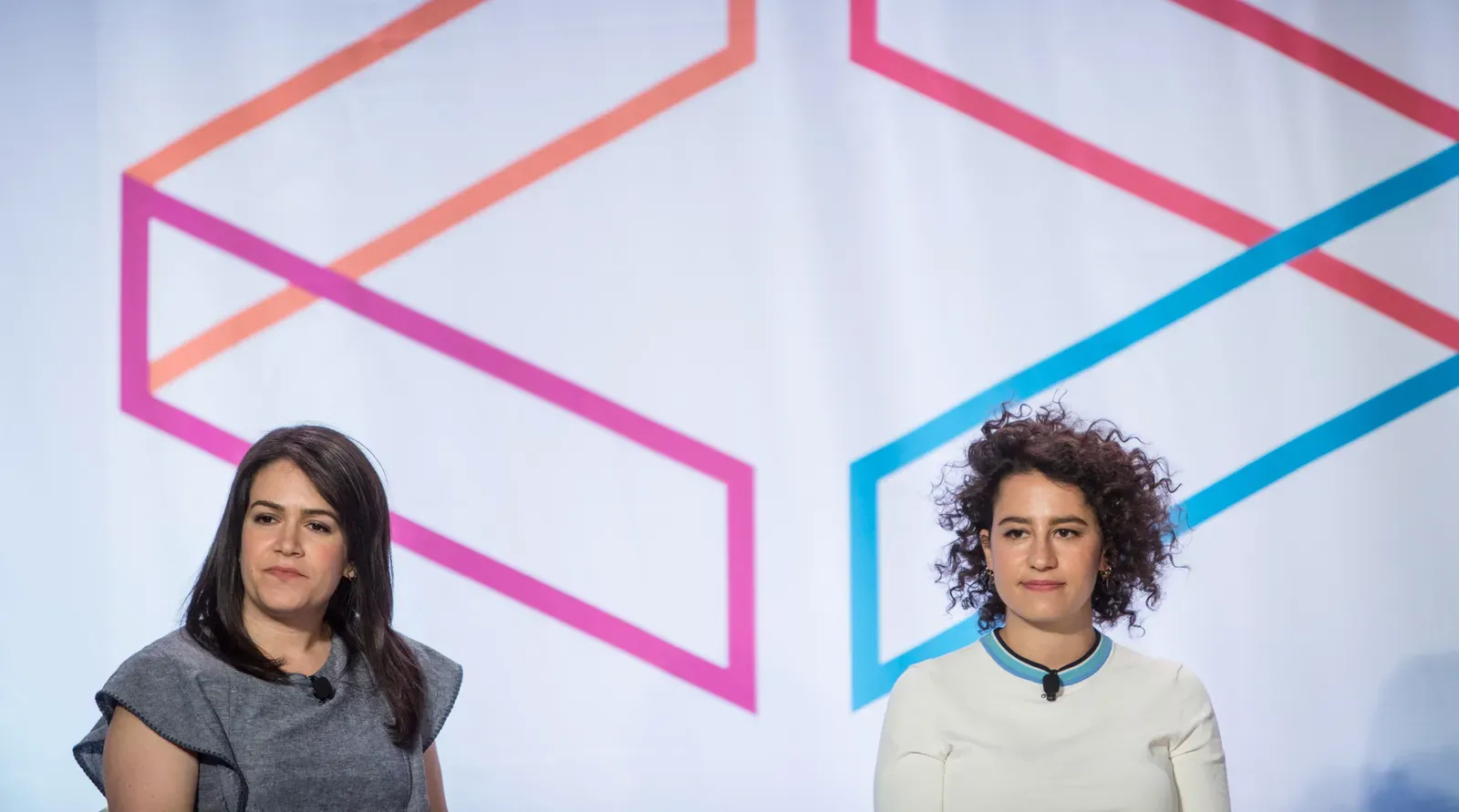
Broad City is quite an underrated series on female friendship, exploring the impending adulthood struggles of aging millennials. This American sitcom defies many conventional norms set up for female protagonists. The show makes smart commentary on gender norms, work culture ethics, Jewish ethnic stereotypes, adulthood, and relationships. Created by and starring Abbi Jacobson and Ilana Glazer, it ran for five seasons on Comedy Central.
The show grew from a web series and maintained an indie spirit even as its production budget expanded. It sits comfortably alongside Seinfeld and It’s Always Sunny in Philadelphia as pure New York comedy, yet it rarely gets named in that company. Ilana and Abbi’s contrasting personalities and their shenanigans make Broad City a fresh, witty, and enlightening take on the woman-child trope, and the show’s colorful style and New York energy continue to earn it loyal viewers who revisit it years later.
The pattern running through all nine of these shows is worth noting. Critical love alone doesn’t build a classic. It takes cultural staying power, repeat reference by later creators, and a kind of generational ownership. These shows earned the praise but missed the permanence, largely because of bad timing, poor placement, or simply the chaotic unpredictability of the television marketplace. They’re still there waiting to be found, which in its own quiet way is a reason to feel good about the state of the archive.
Partner offer
Planning a trip to Vegas?
Compare hotel rates and show tickets on VEGAS.com.