


While flashy headlines grab attention, some of the most profound changes in women’s sports have happened without the roar of packed stadiums or prime-time coverage. These shifts have been gradual, deliberate, and often overlooked by mainstream media. Yet they’ve reshaped the landscape entirely.
From contract negotiations behind closed doors to training facilities quietly upgraded, the real story isn’t always the one making noise. It’s the consistent, unglamorous work that’s building something lasting. Let’s dive in.
Equal Pay Negotiations Happening in Boardrooms


Contract talks don’t make for exciting television, but they’ve been transforming women’s sports more than any championship game. Athletes and their representatives have been grinding through negotiations, pushing for fairness one clause at a time. The progress isn’t instant or dramatic.
These discussions happen in windowless conference rooms, not on social media. Legal teams review documents. Numbers get crunched. Compromises get made. It’s tedious work that rarely gets celebrated, but it’s fundamentally changing what female athletes can earn and how they’re valued.
The result? More women can actually make a living from their sport without needing three side hustles. That’s not a small thing.
Youth Programs Expanding in Rural Areas

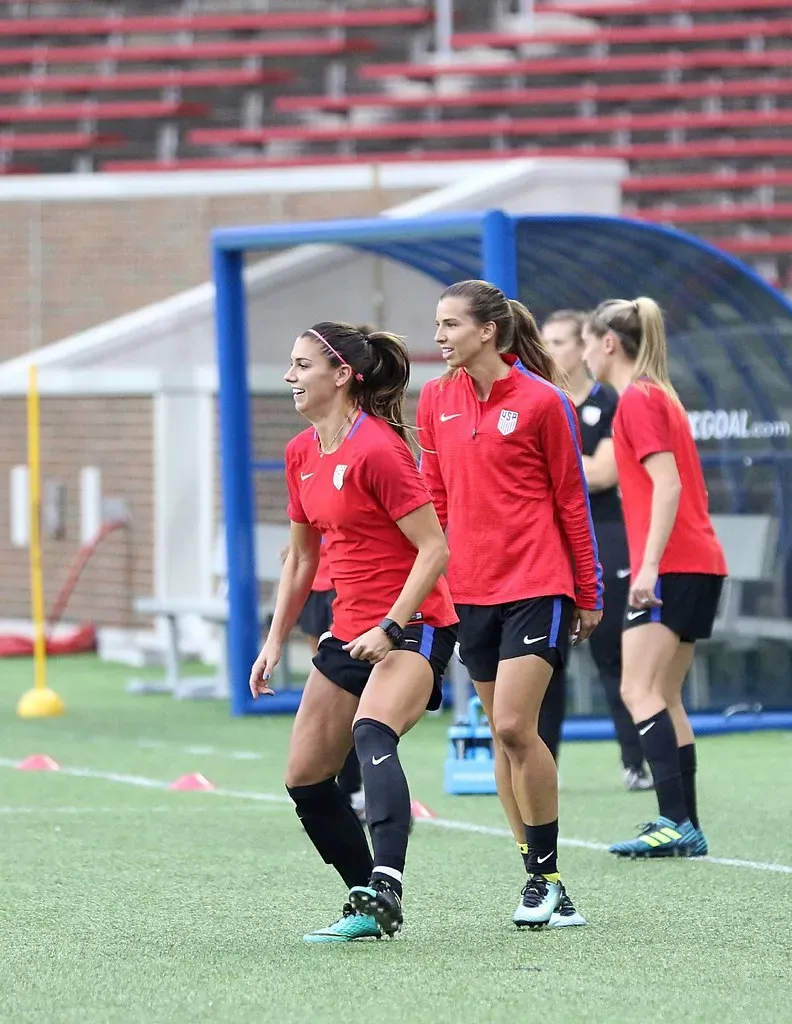
Drive through small-town America and you’ll notice something different. Girls’ soccer leagues where there used to be none. Basketball camps that didn’t exist five years ago. These programs don’t get ESPN coverage, but they’re creating opportunities for kids who previously had limited options.
Local coaches and volunteers have been putting in the hours, often using their own money for equipment. They’re not doing it for recognition. They’re doing it because they see potential in young athletes who deserve a chance.
These grassroots efforts are building the next generation of competitors, one practice at a time.
Medical Research Finally Including Female Athletes

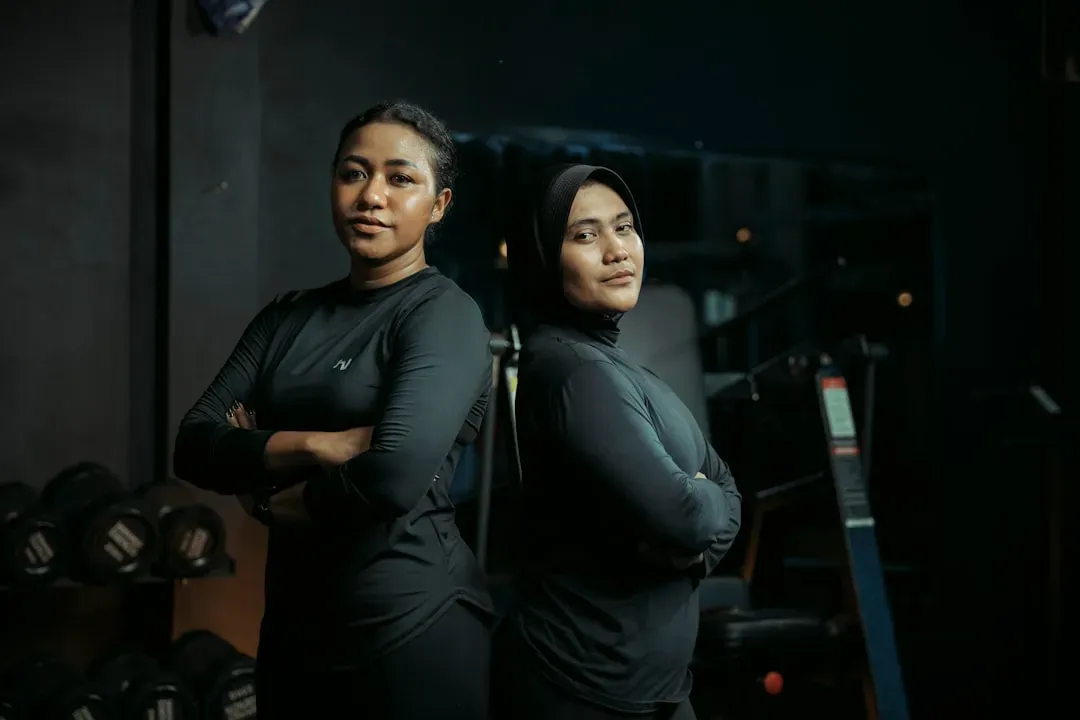
For decades, sports medicine research focused almost exclusively on men. That’s been changing quietly in labs and research facilities. Scientists are now studying how female bodies respond to training, recover from injuries, and perform under different conditions.
This might sound boring compared to game-winning goals, but it’s crucial. Better research means better training programs, fewer injuries, and longer careers. Female athletes are getting information tailored to their physiology rather than just adapting male-focused studies.
The impact won’t be obvious for years, but it’s foundational work that matters deeply.
Broadcasting Infrastructure Getting Upgraded
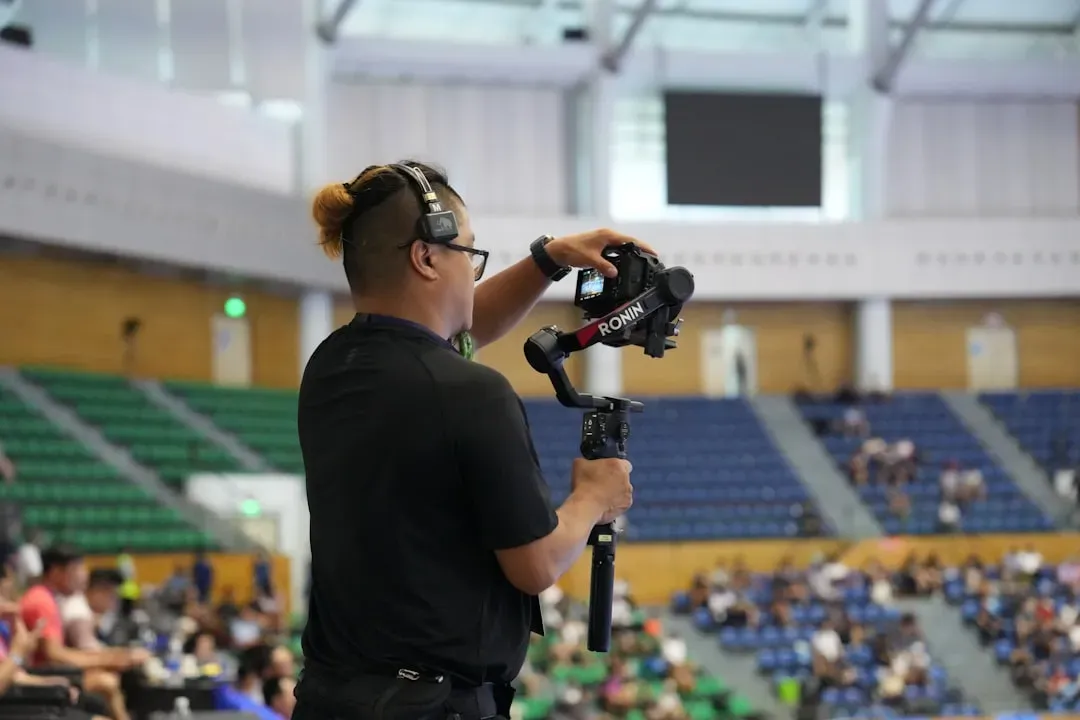
Production crews have been steadily improving how women’s games are filmed and broadcast. Better camera angles. More sophisticated graphics. Professional commentary teams who actually know the athletes and their stories.
This isn’t about one viral moment or a celebrity showing up courtside. It’s about consistent investment in making broadcasts feel as polished and professional as their male counterparts. Viewers might not consciously notice these improvements, but they make a difference in how seriously the sports are taken.
Quality production tells viewers this matters. That subtle message adds up over time.
Sponsorship Deals Becoming More Strategic

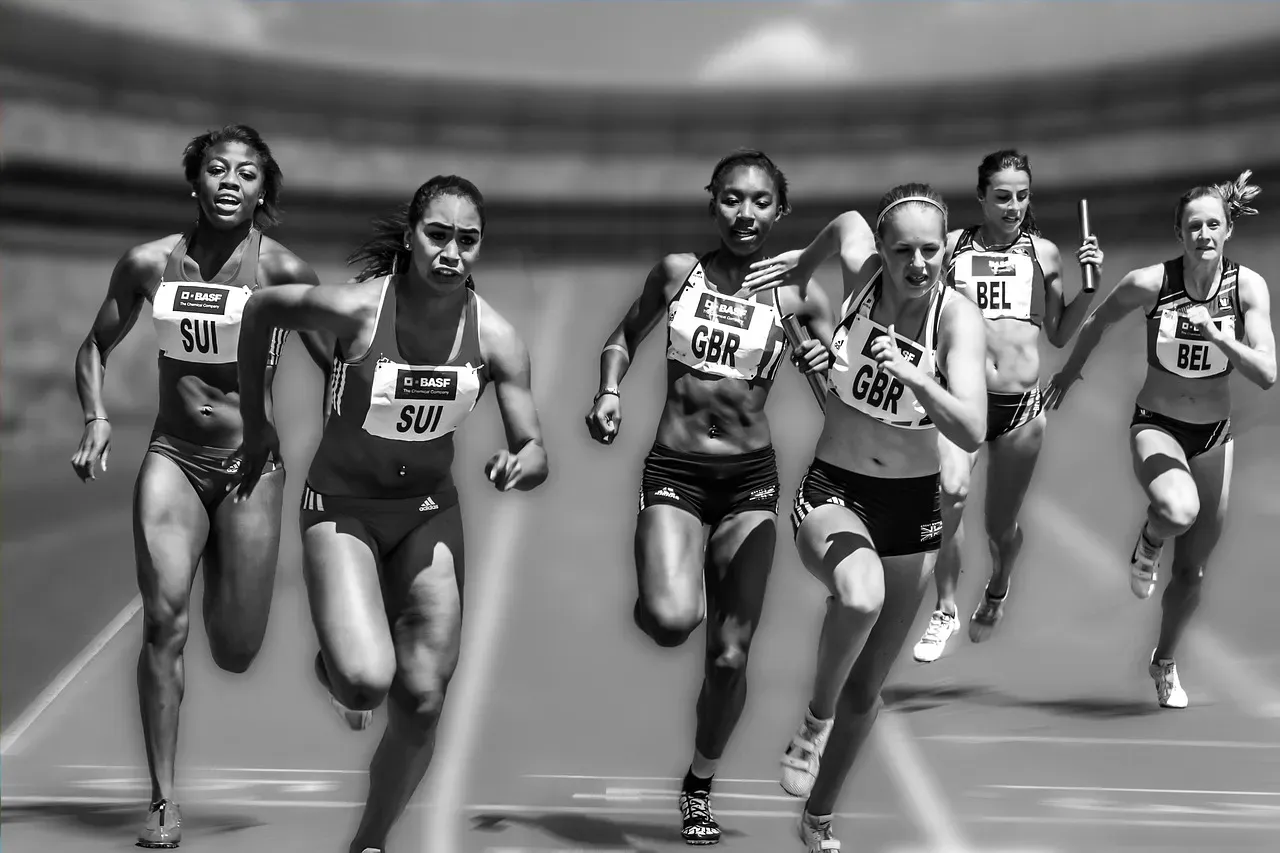
Companies are approaching women’s sports differently now. Instead of throwing money at the biggest names for quick publicity, brands are building long-term partnerships. They’re investing in athletes early in their careers and sticking with them.
These deals often include mentorship programs, business development opportunities, and pathways beyond athletic careers. It’s a more thoughtful approach that benefits both parties. Athletes get stability and support, while brands build authentic relationships with audiences.
The shift represents a maturation in how women’s sports are marketed and valued.
Training Facilities Getting Necessary Updates
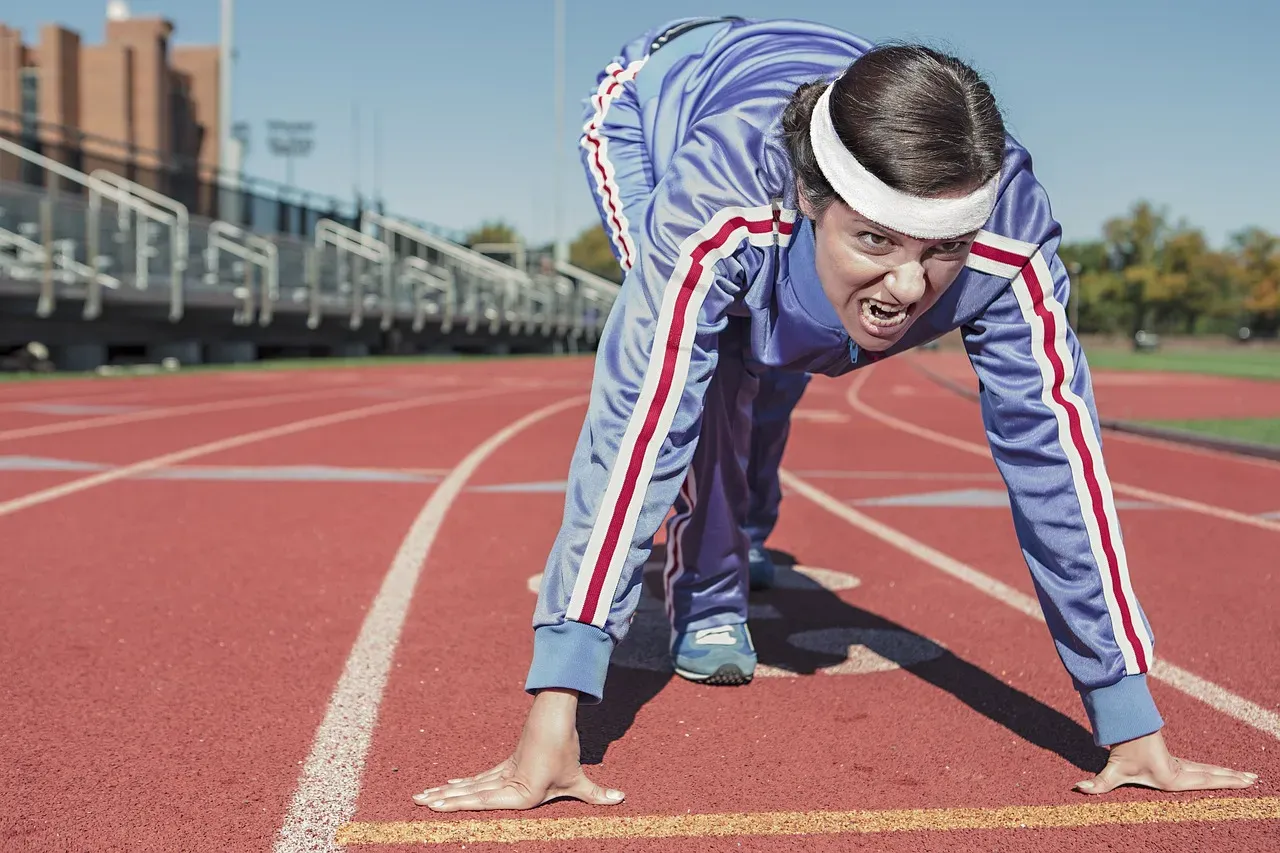
Locker rooms that don’t smell like mildew. Weight rooms with equipment that actually fits female athletes. Recovery centers with proper ice baths and massage tables. These might seem like basic necessities, but many women’s programs went without them for years.
Schools and organizations have been quietly upgrading these spaces, often after pressure from athletes and coaches. It’s not glamorous work, and ribbon-cutting ceremonies for a renovated locker room don’t go viral. But these improvements signal that female athletes deserve the same resources as their male counterparts.
Proper facilities aren’t a luxury. They’re a requirement for serious competition.
Coaching Staffs Expanding and Diversifying
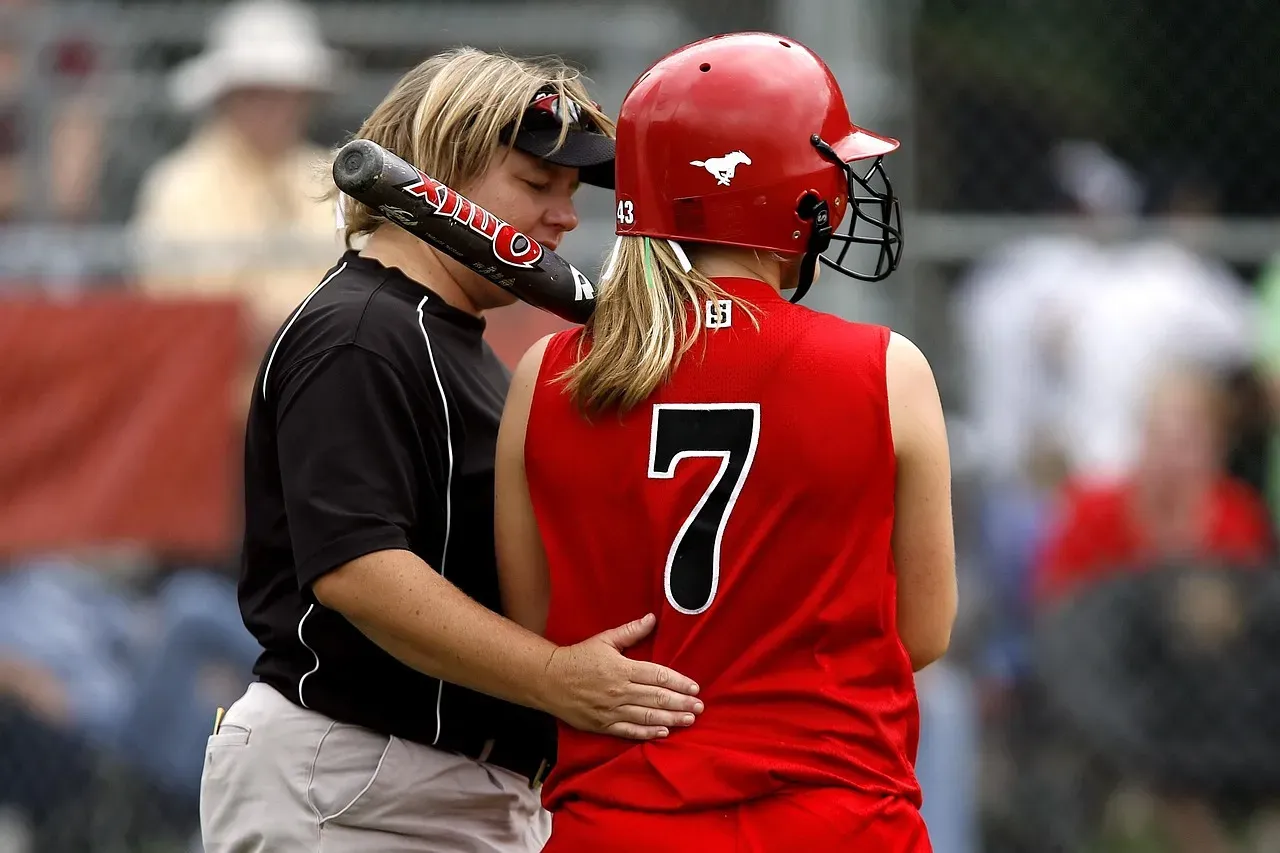
Women’s teams are hiring more specialized coaches rather than expecting one person to handle everything. Strength and conditioning coaches. Mental performance consultants. Nutritionists. Sports psychologists.
This expansion means athletes get expert guidance in every aspect of their development. It also creates more jobs in women’s sports, building a larger ecosystem of professionals invested in the field’s success.
Bigger coaching staffs demonstrate institutional commitment that goes beyond just fielding a team.
Injury Prevention Protocols Being Taken Seriously
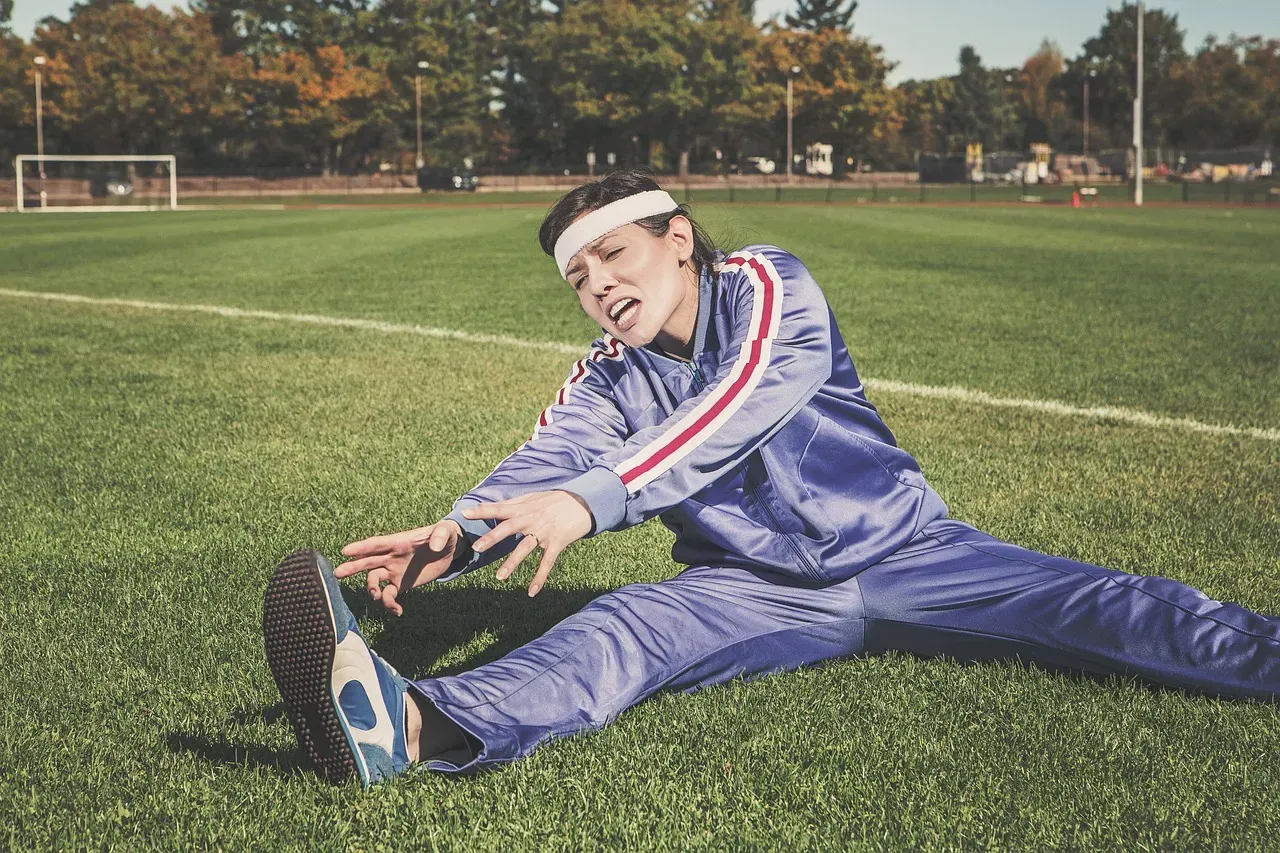
Prevention might be less exciting than comeback stories, but it’s far more valuable. Teams have implemented sophisticated monitoring systems to track athletes’ physical conditions and catch potential injuries before they become serious.
Wearable technology provides data on workload and recovery. Training schedules get adjusted based on individual needs rather than one-size-fits-all approaches. This proactive stance keeps athletes healthier and extends careers.
It’s the kind of behind-the-scenes work that doesn’t make headlines but makes all the difference.
Scholarship Opportunities Multiplying

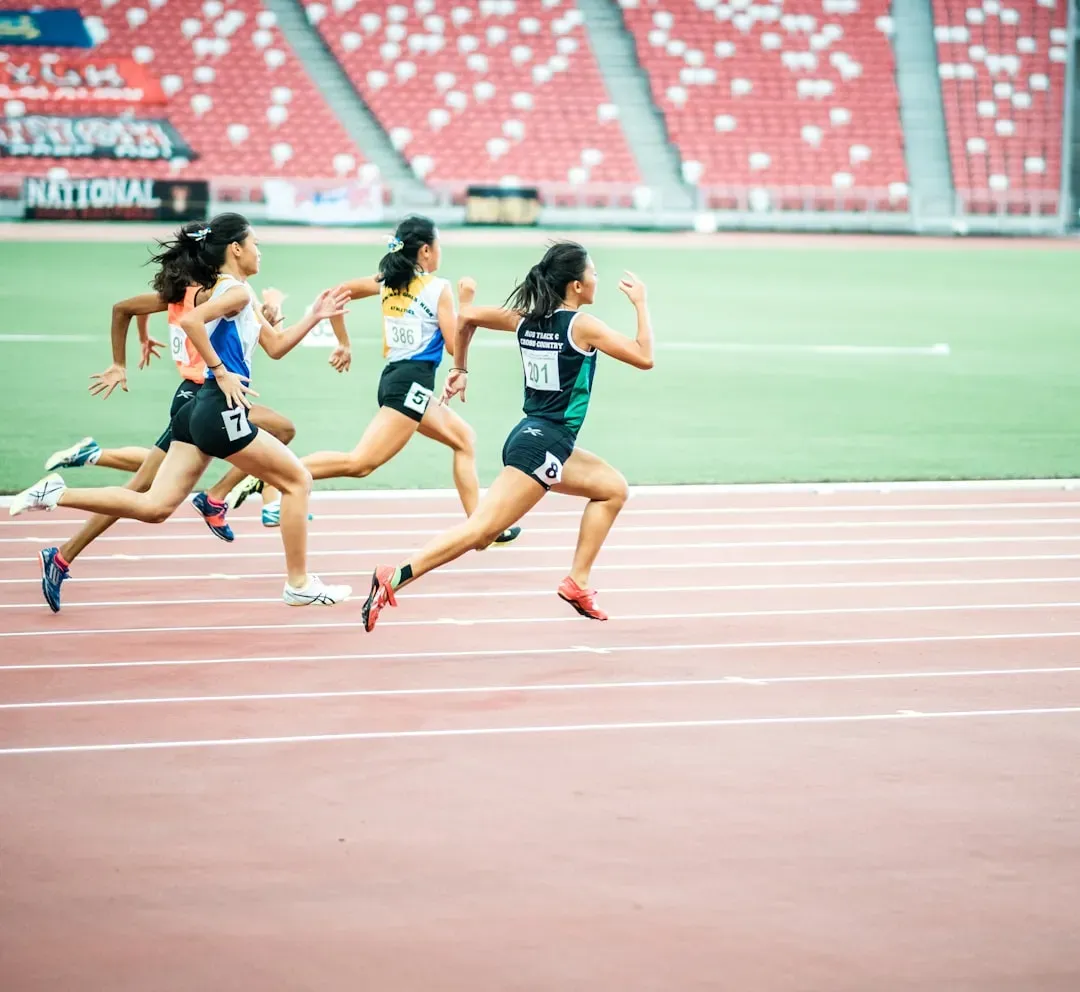
More colleges are fully funding their women’s sports programs. That means more scholarships and more young athletes getting educational opportunities through sports. These aren’t always announced with press conferences or social media campaigns.
Athletic departments are quietly allocating more resources to women’s programs, often in response to Title IX compliance but also because they recognize the value. Each new scholarship represents a life potentially changed, a student who can attend college without crushing debt.
The ripple effects extend far beyond sports.
Professional Leagues Achieving Financial Stability
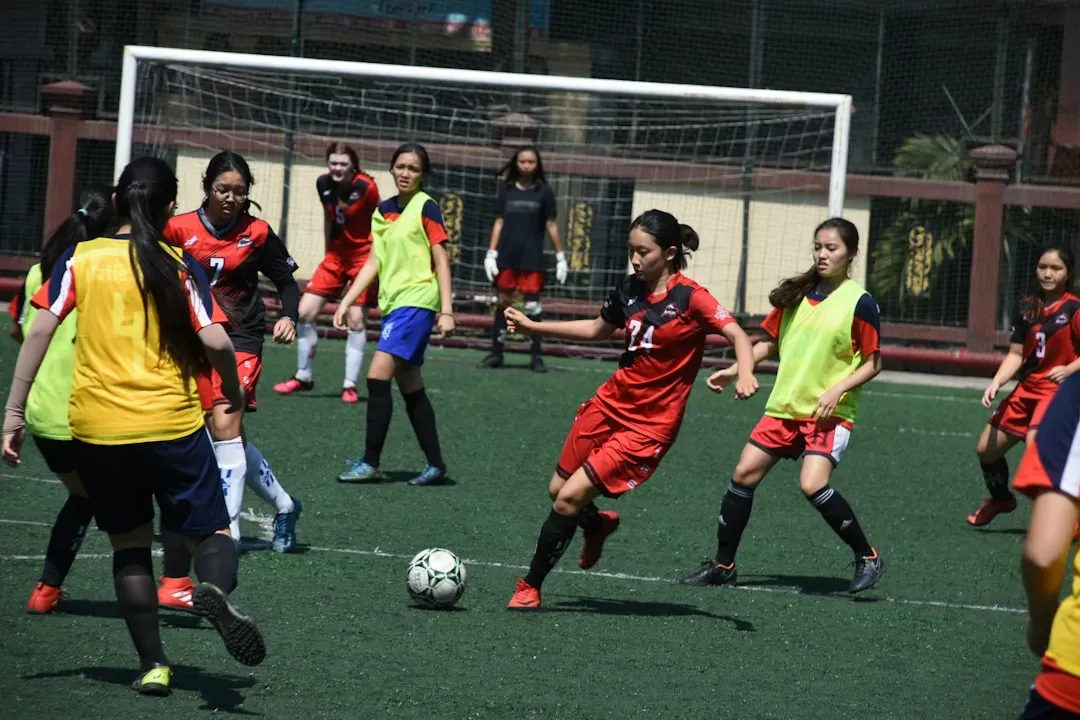
Several women’s professional leagues have moved from precarious survival mode to actual sustainability. They’re not necessarily profitable yet, but they’re building solid foundations with realistic business models.
This stability might not generate excitement, but it’s essential. Leagues that can pay their bills and plan for the future create security for athletes. Players can focus on performance rather than wondering if the league will exist next season.
Boring financial health is actually the most exciting development possible.
Media Coverage Becoming More Consistent
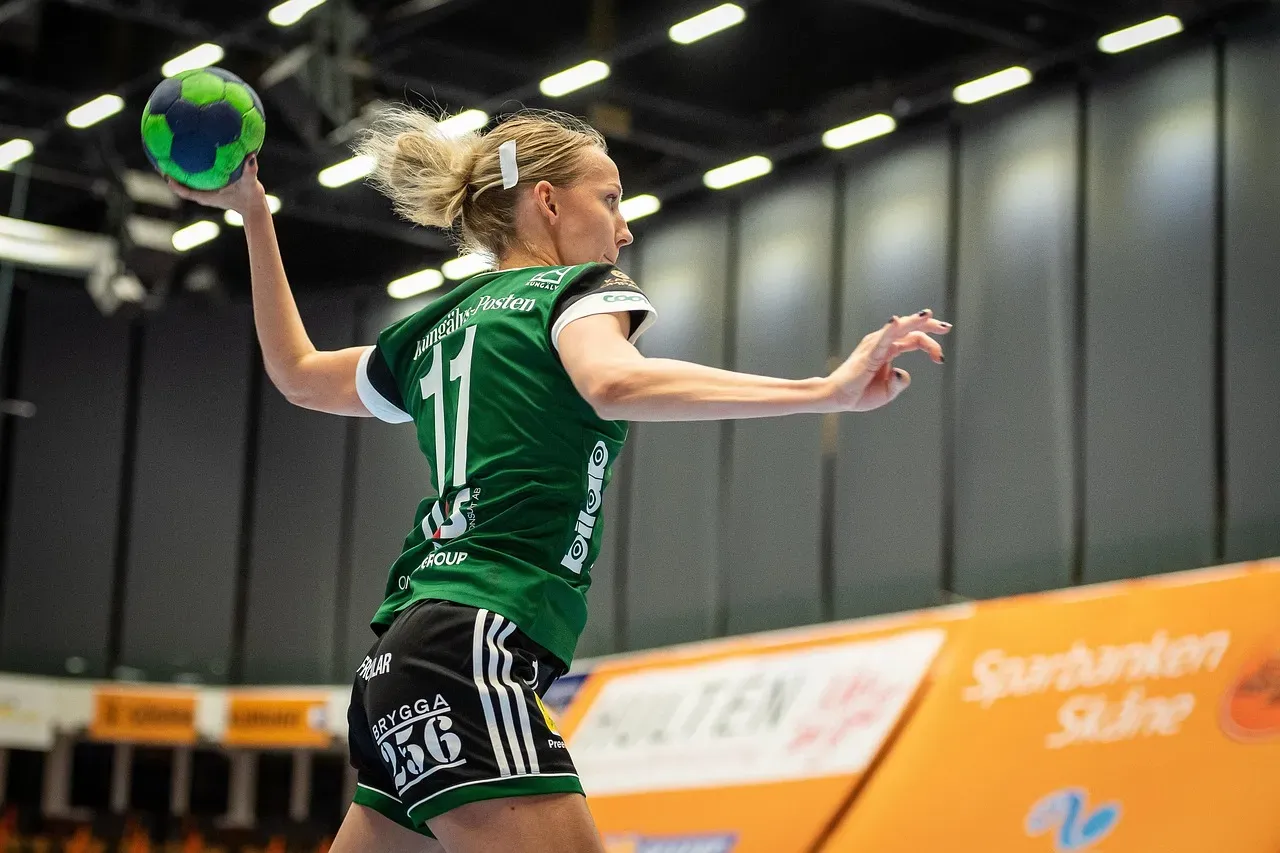
Women’s sports are getting covered throughout the season, not just during championships. Local newspapers are assigning dedicated beat reporters. Sports websites are creating regular content rather than occasional features.
This consistency matters more than occasional viral moments. Regular coverage keeps fans engaged and builds storylines throughout seasons. It treats women’s sports as ongoing narratives rather than one-off events.
Steady attention builds sustainable audiences.
Retirement Planning and Career Transition Support

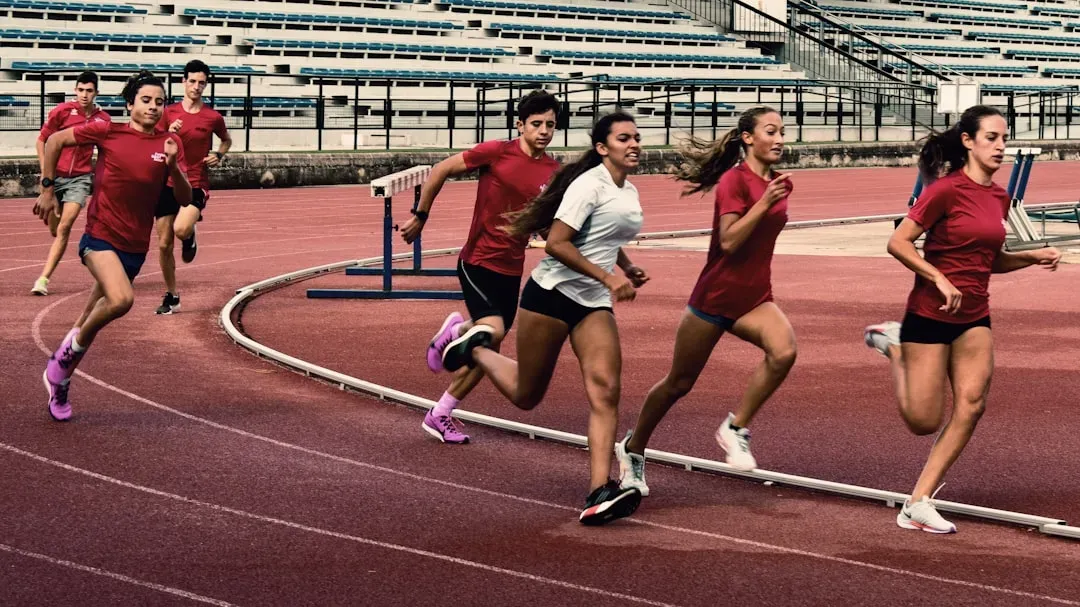
Leagues and organizations are developing programs to help athletes transition out of sports. Financial literacy workshops. Career counseling. Networking opportunities. This support didn’t exist for previous generations.
Athletic careers end for everyone eventually. Providing resources for what comes next shows respect for athletes as whole people, not just performers. It acknowledges that their value extends beyond their playing days.
These programs won’t make SportsCenter, but they change lives.
Equipment Technology Finally Being Designed for Women

Sports equipment companies are developing products specifically for female athletes rather than just making everything smaller and pink. Shoes designed for women’s biomechanics. Protective gear that actually fits properly. Apparel engineered for female body types.
This might seem obvious, but it’s a relatively recent development. For years, women made do with equipment designed for men. Now they’re getting tools that work with their bodies, not against them.
Better equipment means better performance and fewer injuries.
Mental Health Resources Becoming Standard

Teams are hiring licensed therapists and creating confidential channels for athletes to seek help. Mental health is being treated as seriously as physical health, with regular check-ins and proactive support.
The pressure on athletes is immense, and ignoring mental wellness creates problems that compound over time. These resources help athletes handle stress, navigate challenges, and maintain balance.
Taking mental health seriously isn’t weakness. It’s smart management.
International Competition Getting More Organized

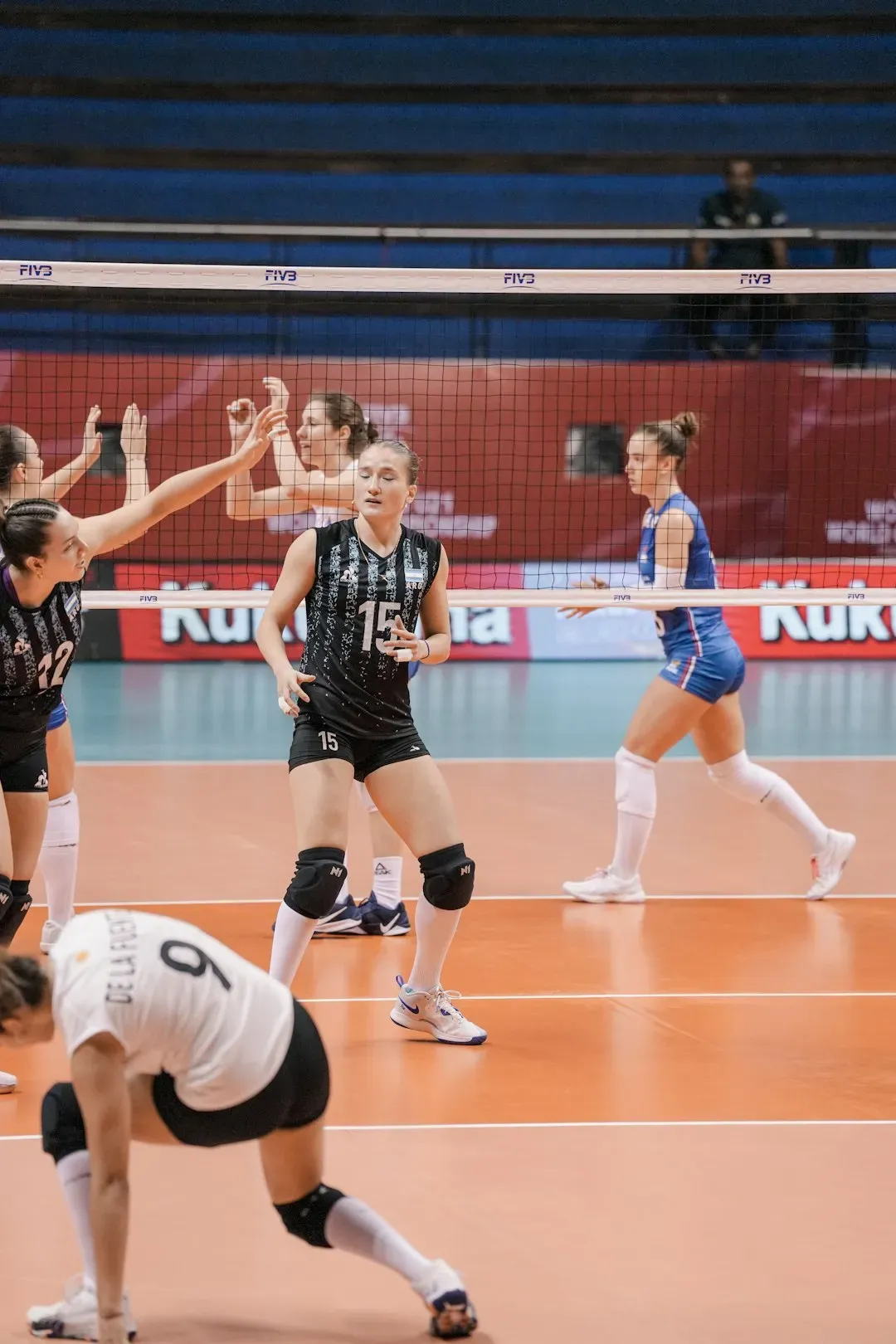
Global women’s sports are developing more structured international schedules and standardized competitions. This organization creates clearer pathways for athletes and makes it easier for fans to follow international play.
Better organization also means more opportunities for athletes from smaller countries who previously had limited access to high-level competition. It’s raising the overall quality of play worldwide.
A more connected global system benefits everyone involved.
Analytics and Data Science Being Applied

Women’s teams are using the same sophisticated analytics that revolutionized men’s sports. Performance data, opponent scouting, strategic analysis – all getting applied with the same rigor.
This levels the playing field intellectually. Teams with smaller budgets can compete more effectively through smart analysis. Athletes can optimize their training based on objective data rather than guesswork.
Data-driven approaches demonstrate that women’s sports deserve the same analytical investment as men’s.
Officiating Standards Being Elevated
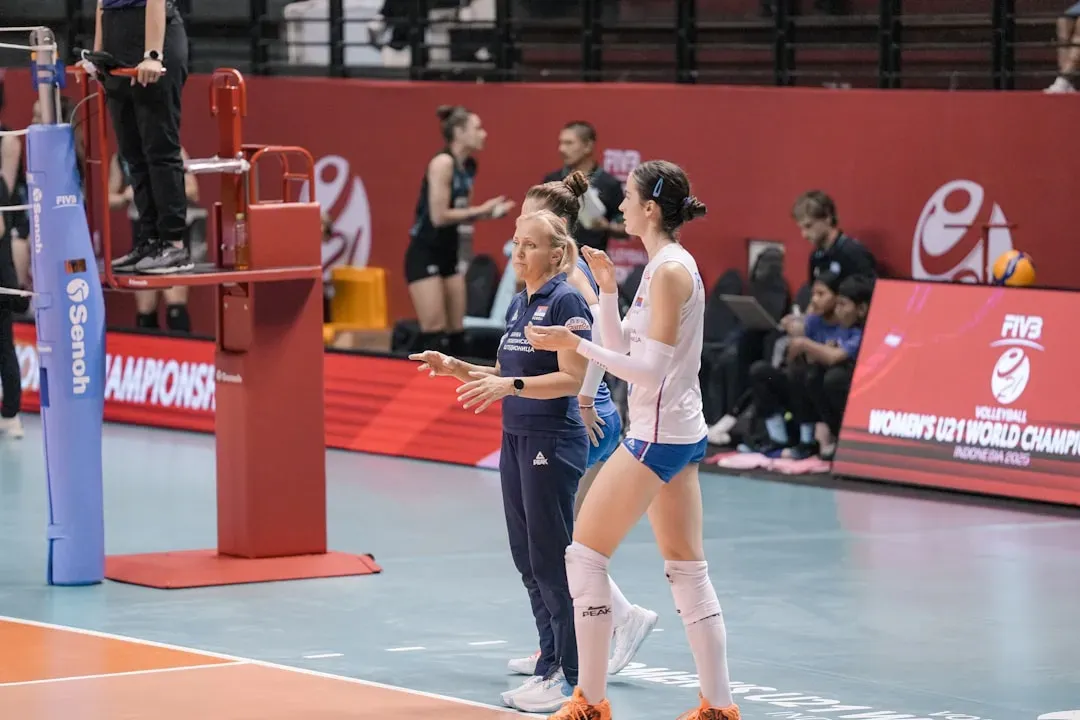
Referee training programs for women’s sports are becoming more rigorous and professional. Officials are getting paid better and receiving more respect. This attracts better talent to officiating, which improves game quality.
Good officiating is invisible when done right, but poor officiating ruins games. The quiet improvement in this area has made competitions fairer and more enjoyable to watch.
Investing in officials is investing in the sport itself.
Fan Engagement Strategies Becoming More Sophisticated

Teams are developing creative ways to build and maintain fan bases. Not just social media gimmicks, but genuine community engagement. Youth clinics. Community events. Accessible player interactions.
These efforts create loyal fans who stick around for years rather than casual observers who watch once and forget. Building community takes time and consistent effort, but it creates sustainable support.
Engaged fans become advocates who spread the word organically.
Educational Programs in Schools Expanding

Physical education programs are giving equal time and resources to teaching girls’ sports. Schools are introducing young students to a wider variety of sports and encouraging participation across genders.
Early exposure matters enormously. Kids who grow up seeing women’s sports as normal and accessible are more likely to participate and support them later. These educational changes are shaping the next generation’s attitudes.
What kids learn now will define the landscape in twenty years.
Corporate Culture Within Sports Organizations Changing
The internal cultures of sports organizations are evolving. More women in leadership positions. Better workplace policies. Professional development opportunities. These changes affect everyone working in women’s sports, not just the athletes.
Healthier organizational cultures attract better talent and create more innovative environments. When people feel valued and supported, they do better work.
Cultural shifts happen slowly but they’re foundational to lasting change.
Women’s Sports Carving Their Own Identity
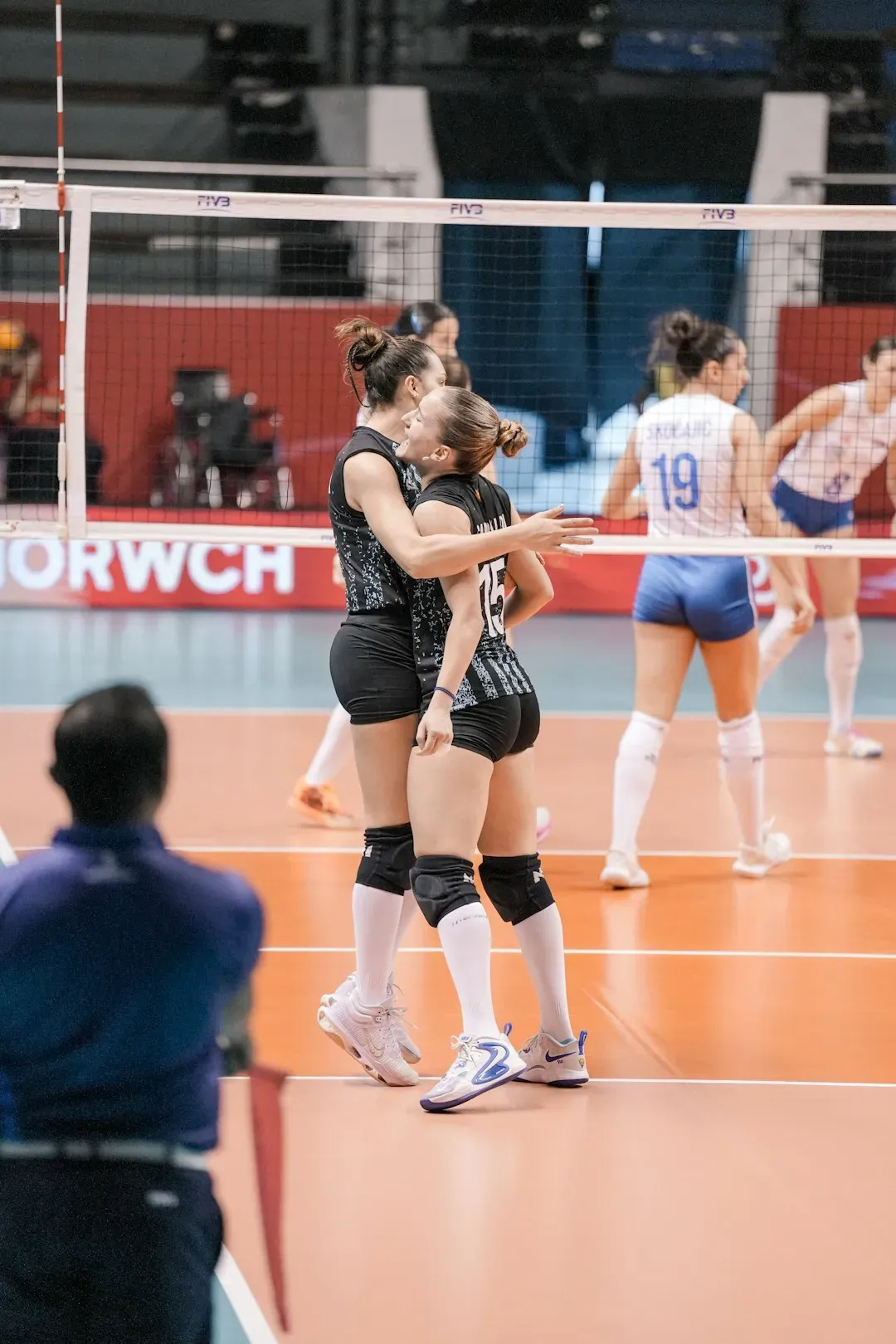
Perhaps the quietest evolution is the most significant: women’s sports are being recognized as their own entity rather than just a lesser version of men’s sports. They’re developing distinct styles, cultures, and fan experiences.
This independence means not constantly comparing everything to the male equivalent. Women’s sports can be appreciated on their own merits, with their own aesthetics and appeal. That shift in perception changes everything.
It’s about respect, not parity. Recognition, not comparison.
The transformation of women’s sports isn’t happening in one dramatic moment. It’s happening in countless small decisions, investments, and commitments made by people who believe in the cause. These quiet evolutions might not make headlines, but they’re building something that will last.
The next generation will inherit a landscape that previous athletes could only dream about. Not because of any single breakthrough, but because of thousands of people doing unglamorous work with dedication and patience. What changes do you think will matter most looking back from 2046?


