We live in an age where artificial intelligence seems almost magical. Voice assistants understand our requests, recommendation algorithms predict what we’ll want to watch next, and chatbots answer our questions with surprising accuracy. But here’s what most people don’t realize: behind every “intelligent” system stands an army of human workers, often invisible, clicking, labeling, and correcting data for hours on end.
These aren’t software engineers in Silicon Valley office parks. They’re gig workers scattered across the globe, many earning just a few dollars per hour to teach machines how to think. Their labor is the foundation of AI, yet their stories rarely make headlines. Let’s pull back the curtain on this hidden workforce and explore what it really takes to train the technology we’ve come to depend on.
The Ghost Workers of the AI Economy


In warehouses, home offices, and internet cafes from Kenya to the Philippines, millions of people perform what’s called “data annotation” work. They label images so self-driving cars can recognize pedestrians. They transcribe audio clips so voice assistants can understand different accents. They rate search results, moderate content, and tag emotions in text samples.
This work is tedious, repetitive, and often mind-numbing. A single worker might label thousands of images in a day, clicking on countless photos to identify cats, cars, or traffic signs. The pay is frequently below minimum wage in developed countries, though it may represent decent income in places with lower costs of living. Yet without these workers, AI systems would be essentially useless.
Companies rarely discuss this workforce publicly. The narrative around AI emphasizes automation and machine learning, not the very manual, very human labor that makes it possible. It’s uncomfortable to admit that “artificial intelligence” depends so heavily on actual human intelligence doing boring work for little pay.
How Data Labeling Actually Works


Training an AI model requires massive amounts of labeled data. If you want a system to identify dogs in photos, you need to show it thousands or millions of images with dogs correctly labeled as dogs. That’s where human annotators come in.
These workers receive tasks through platforms like Amazon Mechanical Turk, Scale AI, or Appen. A typical task might be: “Draw a box around every vehicle in this image” or “Listen to this audio clip and type what you hear.” The pay per task is often measured in cents, not dollars. Speed matters more than anything else.
The work can be surprisingly complex. Annotators must make judgment calls about edge cases. Is that a motorcycle or a bicycle? Does this comment count as hate speech or just heated disagreement? Their decisions directly shape how AI systems will behave in the real world. Yet they receive minimal training and almost no context about how their work will be used.
The Psychological Toll of Training AI


Some data annotation work involves exposure to deeply disturbing content. Content moderators for social media platforms must review graphic violence, child exploitation material, and other traumatic images to train AI systems that will eventually automate some of this work. The psychological impact can be severe.
Workers in Kenya, India, and the Philippines have reported symptoms of PTSD, anxiety, and depression after months of reviewing harmful content. They’re often given little mental health support and face pressure to process content quickly regardless of how disturbing it is. The companies hiring them sometimes provide minimal counseling resources, if any.
Even less extreme annotation work takes a toll. The repetitive nature of clicking and categorizing for hours creates physical strain. Workers report eye fatigue, carpal tunnel symptoms, and the mental exhaustion that comes from performing monotonous tasks at high speed for low pay. The dream of AI replacing human drudgery seems ironic when so much human drudgery is required to create that AI.
The Economics of Invisible Labor


Why does this work pay so little? The gig economy model treats data annotation as micro-tasks that anyone can do. Platforms argue that the work requires no special skills, so market rates naturally stay low. Workers compete globally, driving wages down to whatever people in the poorest countries will accept.
A data annotator in Venezuela might earn three dollars per hour and consider it good money given local economic conditions. That same rate would be exploitative in the United States, but companies can route work to wherever labor is cheapest. There’s no union, no collective bargaining, and often no clear employer to hold accountable.
Tech companies spend billions developing AI models but a tiny fraction of that on the humans who make those models possible. The workforce remains deliberately precarious. Workers are contractors, not employees. They have no benefits, no job security, and no path to advancement. When a project ends, they simply stop receiving tasks. The work could disappear tomorrow with zero notice.
Who Really Benefits from AI Progress?

The companies building AI systems reap enormous value from this cheap labor. A tech giant can train a model worth millions or billions while paying annotators a few thousand dollars total for months of work. The profit margin is staggering.
Partner offer

Investors and executives celebrate AI breakthroughs without acknowledging the labor force that made them possible. When a company announces a new language model or computer vision system, press releases focus on the clever algorithms and computing power. The thousands of workers who prepared the training data remain invisible.
This isn’t unique to AI. Throughout history, technological progress has relied on hidden labor. What makes the AI case particularly striking is the disconnect between the narrative and the reality. We talk about machines learning on their own when they’re actually learning from intensive human instruction. It’s like calling a book “self-written” because someone typed the words into a computer.
The Quality Problem Nobody Wants to Discuss

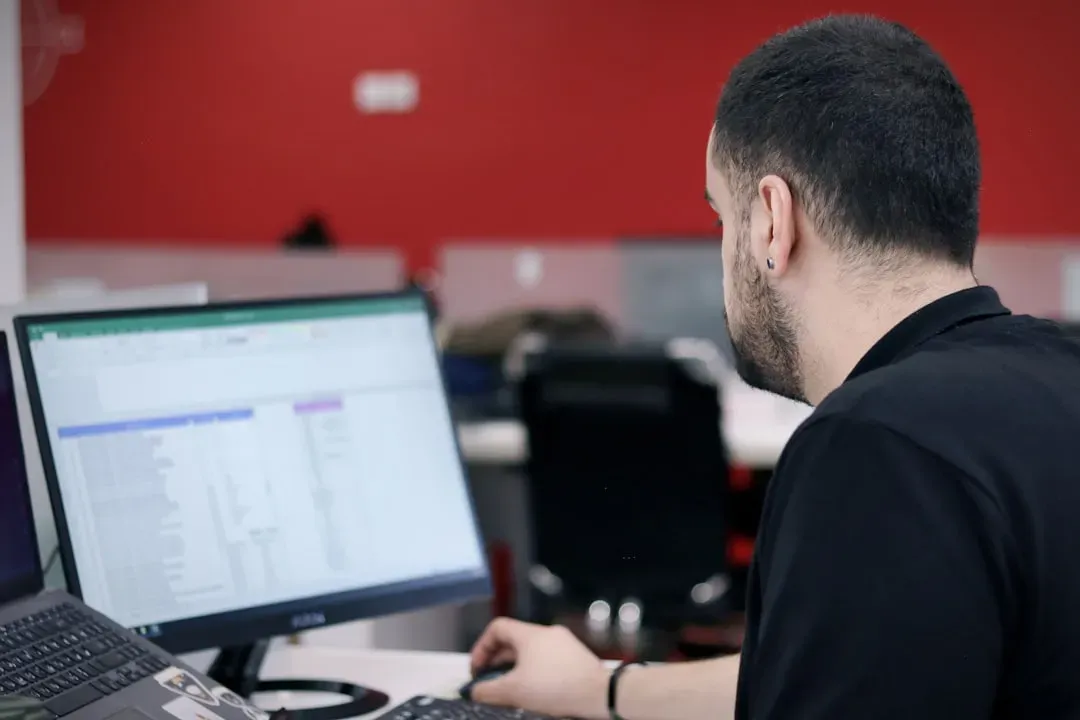
Cheap, rushed data annotation creates problems for AI systems themselves. When workers are pressured to complete tasks as quickly as possible for minimal pay, quality suffers. Labels get applied incorrectly. Nuance gets lost. Biases creep in.
An exhausted worker clicking through their thousandth image of the day is more likely to make mistakes. Someone earning two cents per audio transcription can’t afford to spend time on difficult clips with background noise or unclear speech. They’ll take their best guess and move on. Those guesses become the ground truth that trains the AI.
The consequences show up in real-world AI failures. Facial recognition systems that can’t recognize darker skin tones. Voice assistants that struggle with non-American accents. Content moderation that misses harmful posts or flags innocent ones. Many of these problems trace back to inadequate training data created by an overworked, underpaid workforce with little oversight.
Attempts at Reform and Resistance

Some data workers have begun organizing for better conditions. In Kenya, workers have formed groups to share information about platforms and advocate for higher pay. Labor organizers in several countries are trying to unionize gig workers, though the scattered, international nature of the workforce makes this difficult.
A few companies have committed to paying data annotators living wages and providing better working conditions. These are exceptions rather than the rule. The economic incentives push toward cheaper labor, not better treatment. Without regulation or pressure from consumers, most companies will continue using the cheapest workers they can find.
Researchers have proposed various solutions. Some suggest that data workers should be credited as contributors to AI systems, similar to how research papers credit all authors. Others argue for mandatory minimum wages for data annotation work regardless of where workers live. Whether any of these ideas gain traction remains to be seen.
The Future of Human-AI Collaboration

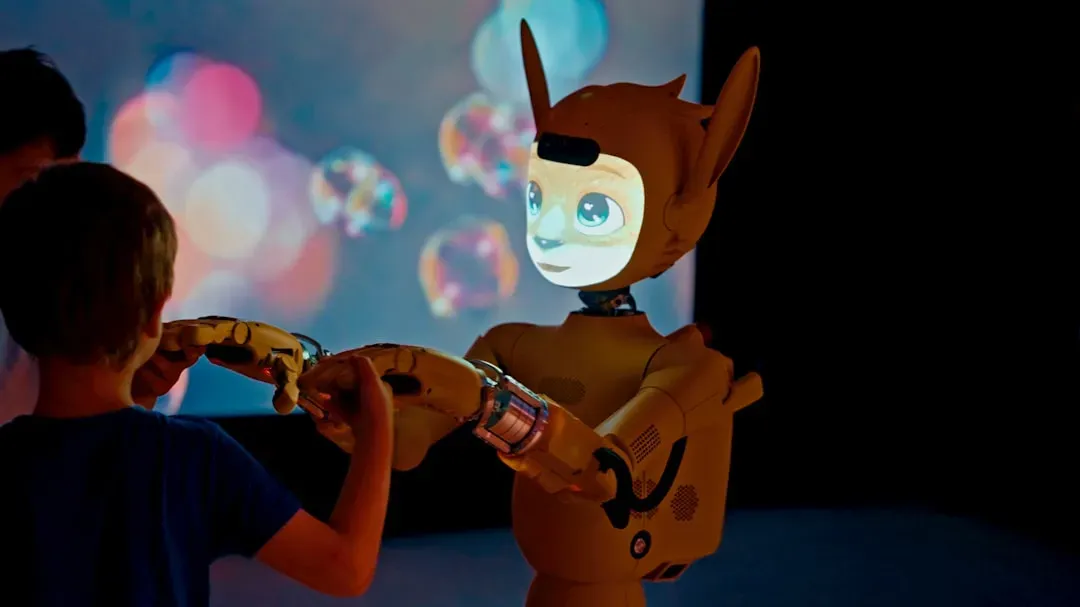
Here’s the paradox: we need human labor to train AI that might eventually replace human labor. Data annotators are teaching machines to do the work of recognizing images, understanding speech, and moderating content. Once the machines learn well enough, the human trainers become unnecessary.
Some argue this is the natural progression of technology. The workers building the machines that replace them is an old story in industrialization. Others see something more troubling in using precarious global labor to build systems that primarily benefit wealthy countries and corporations.
What seems clear is that the current model is unsustainable ethically if not economically. As AI becomes more central to our economy and society, the labor force training these systems deserves recognition and fair compensation. The question is whether that will happen through voluntary industry changes, government regulation, or continued worker organizing.
Conclusion: Recognizing the Humans in the Machine

Artificial intelligence is not as artificial as we’ve been led to believe. Behind the screens and algorithms are real people doing unglamorous work for little recognition and less money. They’re teaching machines to see, hear, and understand by performing millions of repetitive tasks that would bore most of us to tears.
These workers are not some temporary stage in AI development. They remain crucial even as the technology advances. The more sophisticated AI becomes, the more nuanced the training data needs to be, and the more human judgment is required to create that data. The ghost workers aren’t going away.
Next time you marvel at what AI can do, remember the hidden workforce that made it possible. They deserve better than to remain invisible. What do you think about the ethics of this hidden labor force? Tell us in the comments.
Partner offer
Planning a trip to Vegas?
Compare hotel rates and show tickets on VEGAS.com.