Most readers flip past the dedication page without a second thought. A name, a date, sometimes a cryptic phrase. Two seconds, then on to chapter one. But here’s the thing – those few words sitting alone on an otherwise blank page are often the most emotionally charged sentences in the entire book. They are confessions, coded farewells, political statements, and private apologies all at once.
Literary observers have described dedications as “a secret message hidden in plain sight,” with the dedication functioning almost as a two-way mirror, where the reader can only perceive a certain amount of the true story. Knowing who a book is for – and why – can completely change how you read every page that follows. Let’s dive in.
1. The Great Gatsby by F. Scott Fitzgerald – “Once Again to Zelda”

Two words and a name. That’s all. But the story behind this dedication is one of the most layered in American literary history. Fitzgerald dedicated his masterpiece to his wife Zelda Sayre, the woman whose dazzling, chaotic spirit arguably breathed life into Daisy Buchanan herself. The phrase “once again” is quietly devastating – it implies repetition, loyalty, and perhaps even guilt.
In conversations about literary dedications, some observers note that authors have even confessed to regretting certain dedications, like those to ex-wives or false friends. Zelda and Scott’s relationship was famously turbulent, marked by mutual creative rivalry and emotional destruction. Scholars widely regard the dedication as Fitzgerald’s attempt to claim Zelda as his muse while simultaneously acknowledging that the glamorous world of the novel was, in large part, built on her personality, her stories, and her pain.
2. Shakespeare’s Sonnets – “To the Only Begetter, Mr. W. H.”
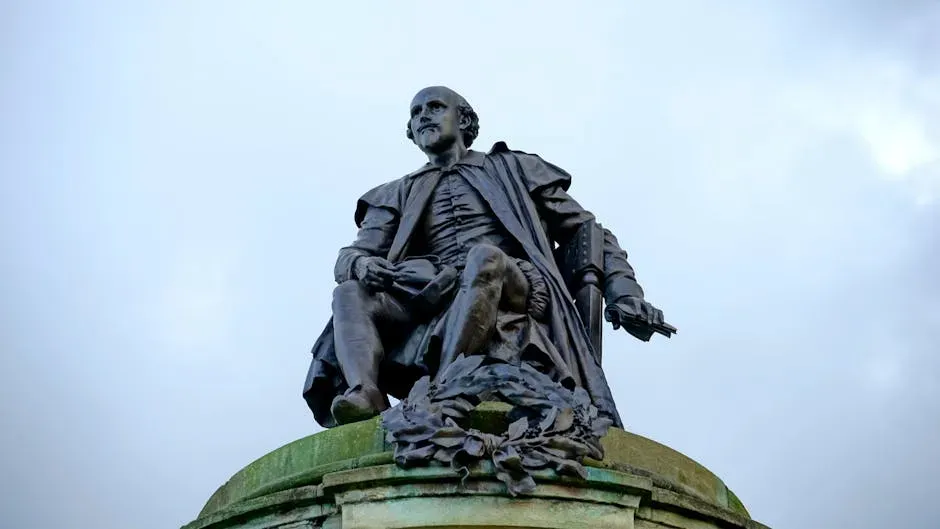
The dedication to the 1609 edition of Shakespeare’s Sonnets is what must surely be the most baffling and elusive piece of prefatory material to a book that has ever been printed. You would be hard pushed to find another single page of text that has generated so much commentary yet without yielding a convincing solution. Critics and biographers remain divided. The identity of “Mr. W. H.” has consumed scholars for over four centuries.
Among the names offered for consideration are those of Henry Wriothesley, 3rd Earl of Southampton, who was a noted patron of several writers, and William Herbert, 3rd Earl of Pembroke, with whom Shakespeare is believed to have had some connection. For all that, what is perhaps the most enigmatic dedication in all of English literature may be nothing more than a publisher addressing the author of the poems that follow, attempting to flatter him, and then getting his initials wrong. The mystery, brilliantly, may have no answer at all.
3. Beloved by Toni Morrison – “Sixty Million and More”

The sixty million to whom Morrison dedicates Beloved refers to the estimated number of black people who died during the Atlantic slave trade. Three words and a number. No names, no individual tribute. Just a staggering figure that lands like a blow to the chest before the reader turns a single page of the novel. Honestly, it is one of the most powerful dedications ever written in the English language.
Book dedications have been used to make political statements, such as the condemnation of war and inequality. Morrison dedicated Beloved, her 1987 Pulitzer Prize-winning novel, to “Sixty Million and more.” The invisible ink of history lies in the words history refused to write: the lives of enslaved Africans in the holds of a ship crossing the Atlantic, the impossible choice of a mother who murdered her own child to save her from atrocity, and the untold experiences of the “Sixty Million and more,” to whom Morrison dedicates the novel.
4. Lolita by Vladimir Nabokov – “To Véra”
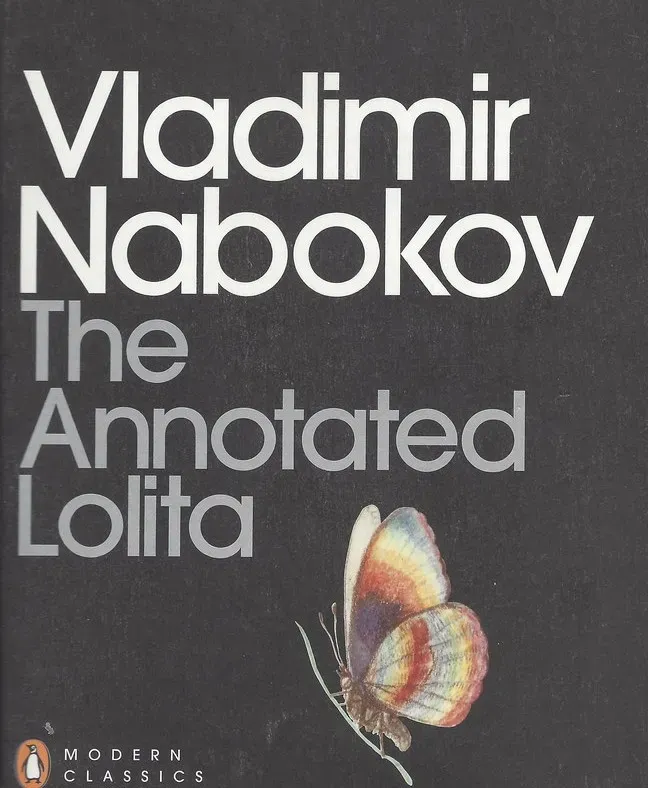
Consider the challenge here for a moment. A novel narrated by a pedophile, dripping with moral complexity, and Nabokov dedicates it with a single name: his wife’s. Vladimir Nabokov writes the dedication is “To Véra,” the woman many credit with polishing her husband’s writing, but who often disappeared in the dark of her famous husband’s shadow during their 52 years of marriage. The dedication is, in a way, an act of love and defiance simultaneously.
Dedications often reflect an author’s life at the time of writing. They might honor a friend who helped them through a difficult chapter or mark a turning point in the author’s personal journey. Véra Nabokov typed Vladimir’s manuscripts, managed his correspondence, and – perhaps most famously – rescued the first draft of Lolita from a trash barrel outside their home when her husband considered burning it. Without Véra, the novel may never have existed. Two letters carry an entire marriage.
5. George Orwell’s 1984 – “To Sonia”
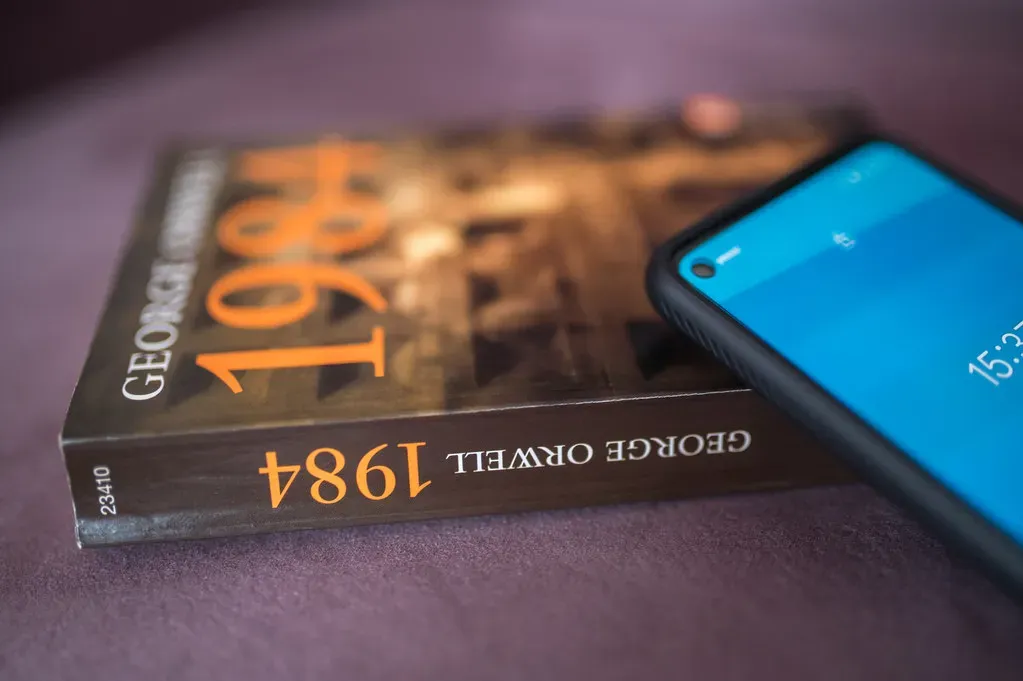
George Orwell’s “1984” was originally published without a dedication, but later editions added a poignant note: “To Sonia.” Sonia Brownell, Orwell’s second wife, married him just months before his death. The addition of her name in subsequent printings reflects both personal loss and posthumous recognition. Sonia played a vital role in Orwell’s final months, providing companionship and support as he battled illness.
Critics have observed that the late dedication softens the novel’s bleak vision, hinting at the possibility of love and connection even in dystopian despair. The delayed acknowledgment also speaks to the complicated process of literary legacy, as those closest to authors sometimes gain recognition only after the fact. For readers, the dedication offers a bittersweet counterpoint to the book’s themes of alienation and control. It is, essentially, a love letter slipped into the back pocket of the bleakest novel ever written.
6. The Sun Also Rises by Ernest Hemingway – “To Hadley and John”
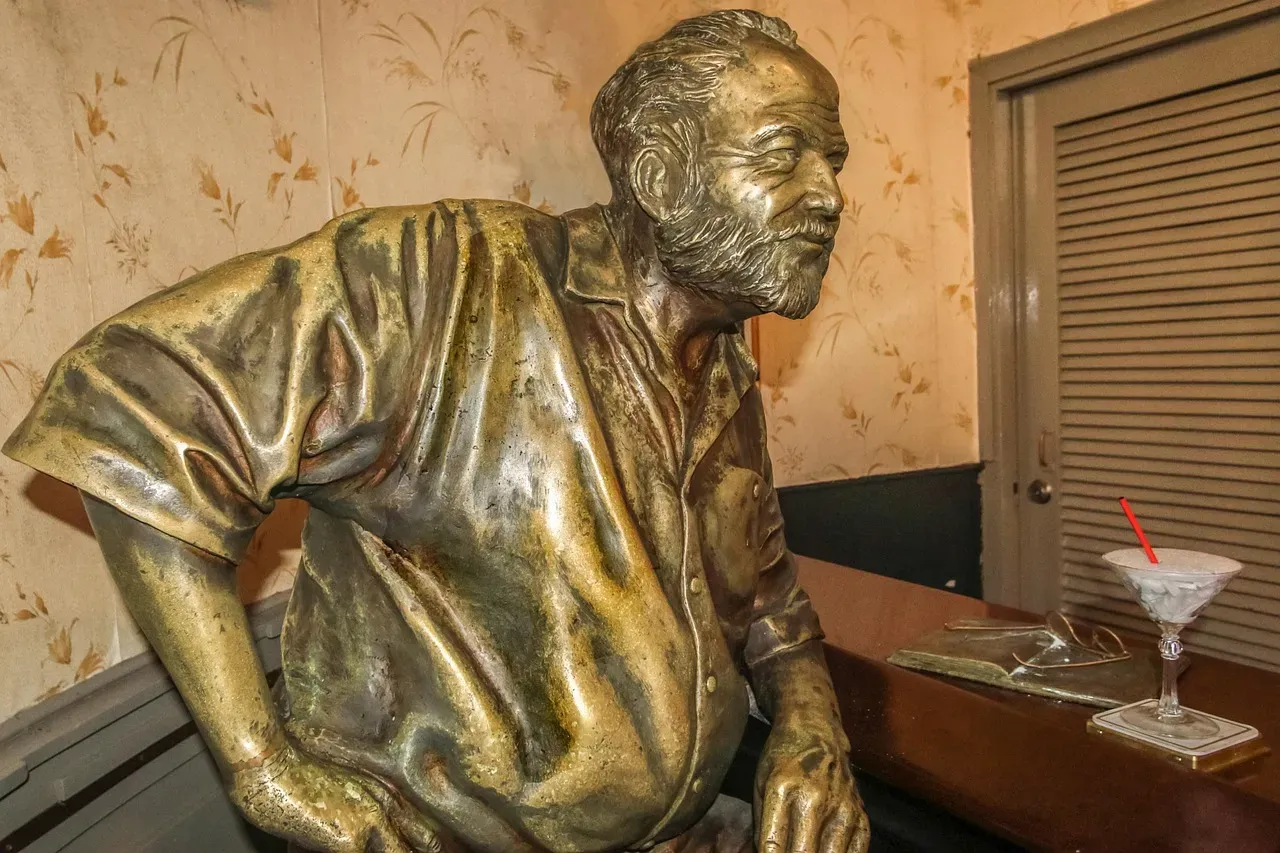
Ernest Hemingway’s dedication, “To Hadley and John,” is disarmingly tender for an author known for his stoic prose and rough persona. Hadley Richardson, Hemingway’s first wife, was his companion during his years as an unknown writer in Paris, and their son John was born in 1923. The dedication freezes a moment in time before Hemingway’s fame and personal struggles began eroding his relationships.
Scholars have noted that after the couple’s divorce, Hemingway rarely spoke of Hadley, and the dedication was dropped from later editions, reflecting his shifting loyalties. The original gesture, however, reveals the foundational role both played in his creative life. For readers, the dedication is a rare glimpse of Hemingway’s vulnerability and the cost of ambition on family ties. It is the most human thing about a man who spent a lifetime hiding it.
7. The Lion, the Witch and the Wardrobe by C.S. Lewis – “My Dear Lucy”
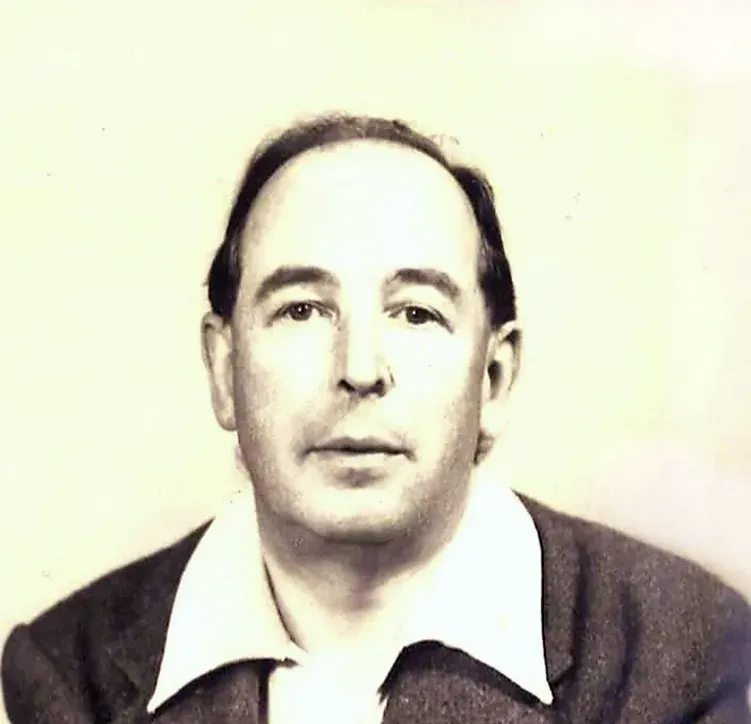
C.S. Lewis wrote an affectionate message to his god-daughter Lucy in The Lion, the Witch and the Wardrobe, and what he chose to say there is genuinely moving. Lewis dedicates the book to his goddaughter, Lucy Barfield, expressing his deep affection and personal connection to her. It also touches on the timeless nature of fairy tales and the idea that one can rediscover the magic of childhood stories at any age. He acknowledges that she might have outgrown fairy tales by the time the book is published.
The dedication reads almost like a gentle apology – Lewis admits the book he wrote for her arrived too late, that she has already grown past the age for fairy tales. Yet there is enormous warmth in his assurance that she will one day be old enough to read them again. Authors will sometimes sneak in heartfelt notes to a family member, friend, or mentor. Sometimes, this may be the only part of the book where the writer will let their true personality shine through. Lewis certainly does that here.
8. Wuthering Heights by Emily Brontë – No Dedication
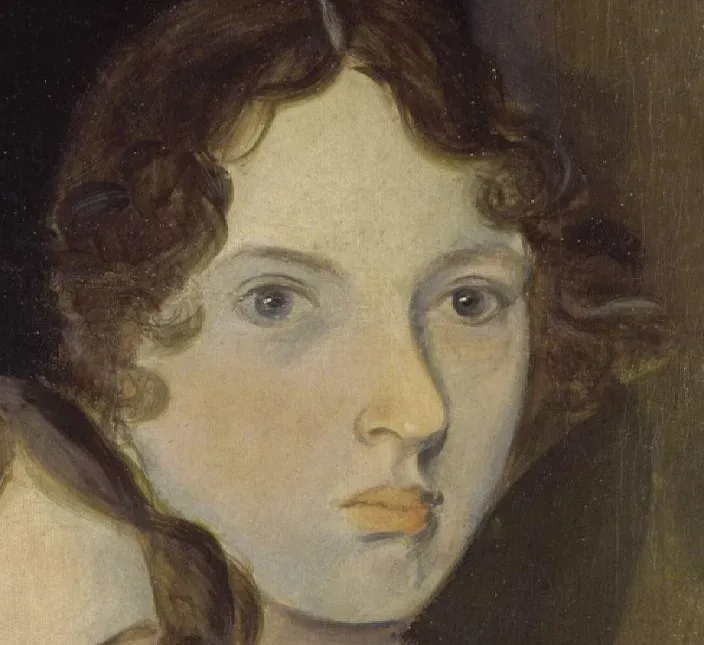
The absence of a dedication in “Wuthering Heights” is itself a declaration. Emily Brontë published one of the most emotionally savage novels in the English language and left the dedication page entirely blank. That silence speaks volumes. Where other authors rush to place a name or phrase on that page, Brontë refused – and the refusal feels consistent with the novel’s themes of isolation, passion without outlet, and love that exists outside social convention.
Think of it like a painting with no title. The blankness forces the reader to supply their own meaning. Book dedications are more than polite thank-yous. They are tiny windows into an author’s life. They can tell you who was there through the writing process, who inspired the book, or who the author wants to remember. Brontë’s absence of a dedication suggests the book belongs to no one person – or perhaps to everyone who has ever loved in the dark.
9. Dracula by Bram Stoker – “To Hall Caine”
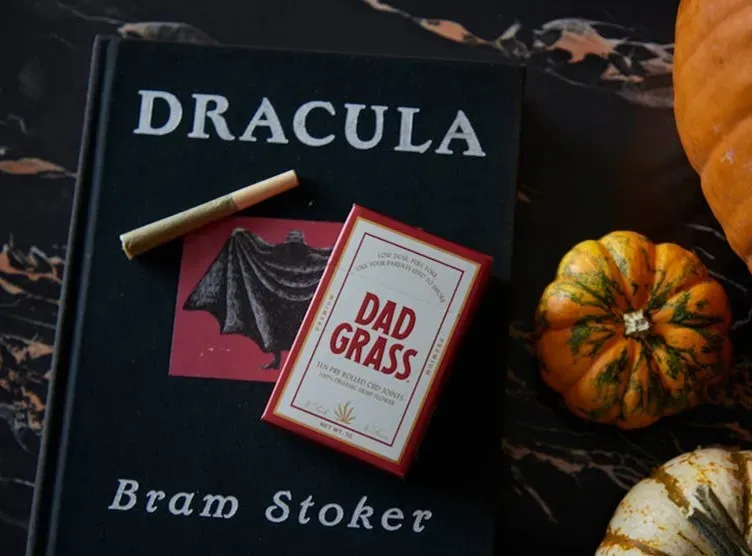
Bram Stoker’s cryptic dedication of “Dracula” to Hall Caine, a celebrated Victorian novelist and close friend, raised many eyebrows. Hall Caine – whose full name was Thomas Henry Hall Caine – was a bestselling writer in his own time, now largely forgotten. Stoker addressed him by the nickname “Hommy-Beg,” a Manx term of endearment from Hall Caine’s own heritage, meaning “little Tommy.”
The intimacy of the dedication contrasts beautifully with the Gothic horror of the novel it precedes. It suggests that even the creator of the undead’s most terrifying figure had deep personal friendships and warm emotional connections that found their way onto that otherwise blood-soaked front matter. Some dedications are personal and raw. Others are playful or cryptic. But nearly all of them hold more meaning than what’s printed on the page.
10. East of Eden by John Steinbeck – “Dear Pat”
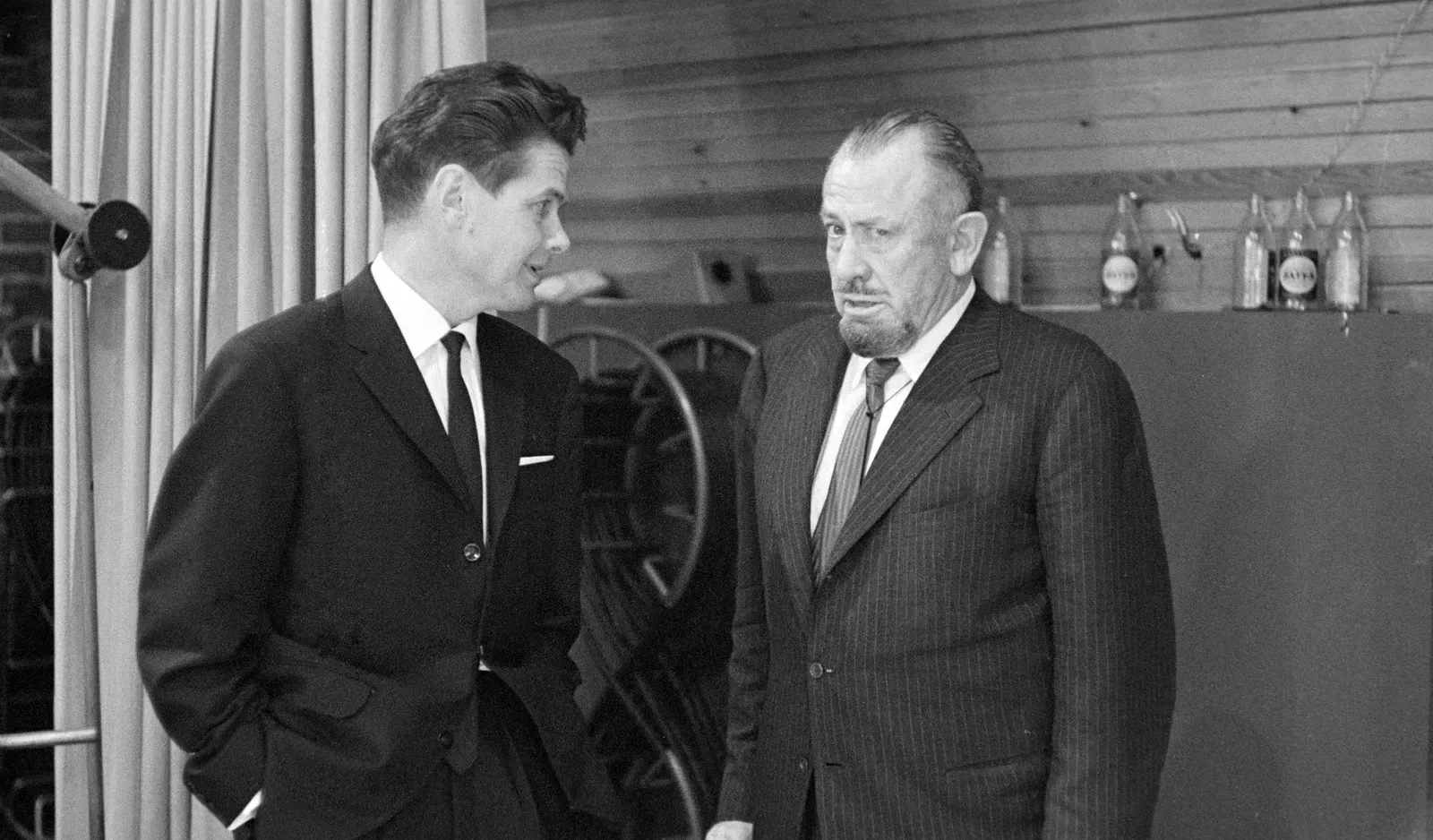
John Steinbeck’s touching dedication for East of Eden was to a friend who was also his editor. That friend was Pascal Covici, Steinbeck’s longtime editor and literary champion at Viking Press. The dedication stretches across several pages in the form of a personal letter – one of the longest and most unusual dedication letters in American fiction. Steinbeck addresses Covici directly, explaining that he had been carrying this book with him for his whole life and that it was finally time to give it away.
The gesture reframes the entire creative process. It suggests a novel is not just a finished product handed to readers, but a living thing given from one person to another. Author dedications are one of the most personal and human-seeming parts of a published book. The acknowledgments give an insight into the who behind the bound book, but the dedication is so very personal that one cannot help but infer what is meant in the white space around the handful of words.
11. The Secret Adversary by Agatha Christie – “To All Those Who Lead Monotonous Lives”
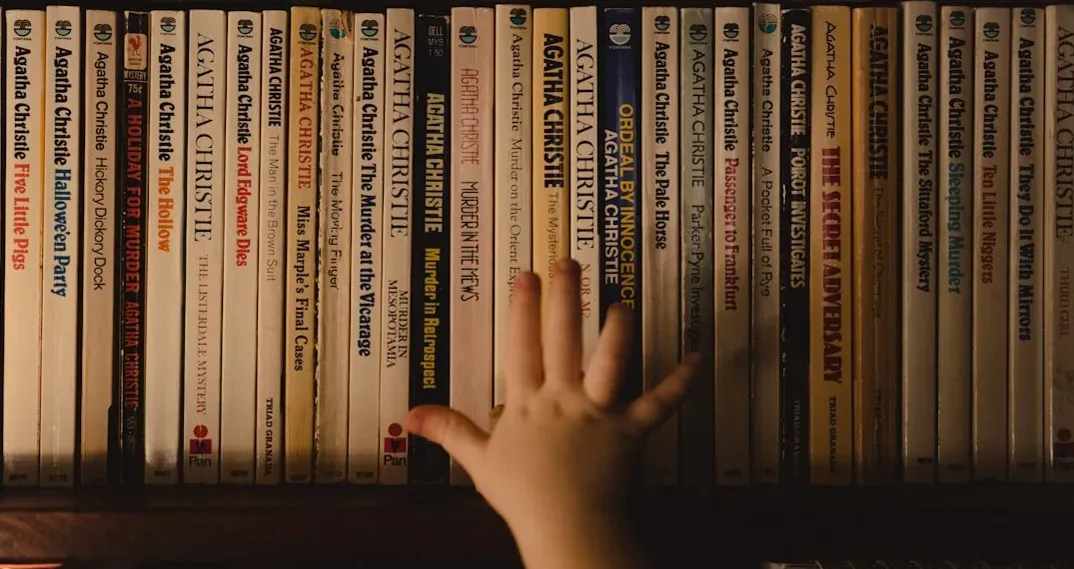
Christie’s dedication reads: “To all those who lead monotonous lives, in the hope that they may experience at second hand the delights and dangers of adventure.” This was only Agatha Christie’s second novel, but she already knew the power of a good detective mystery. Perhaps it was also an oblique reference to her own life in the early 1920s, as a housewife prone to depression with an unfaithful husband and a small child in tow.
Read through that lens, the dedication transforms. It is no longer just a cheerful invitation to armchair adventurers. It becomes a confession – Christie writing to herself as much as to her readers, whispering that escape into story was the only relief she knew. Agatha Christie wrote a tongue-in-cheek dedication of The Secret Adversary to “all those who lead monotonous lives.” The irony that she became one of the most widely read authors in history makes that early dedication feel even more poignant in hindsight.
12. Don Juan by Lord Byron – The Savage Mock Dedication
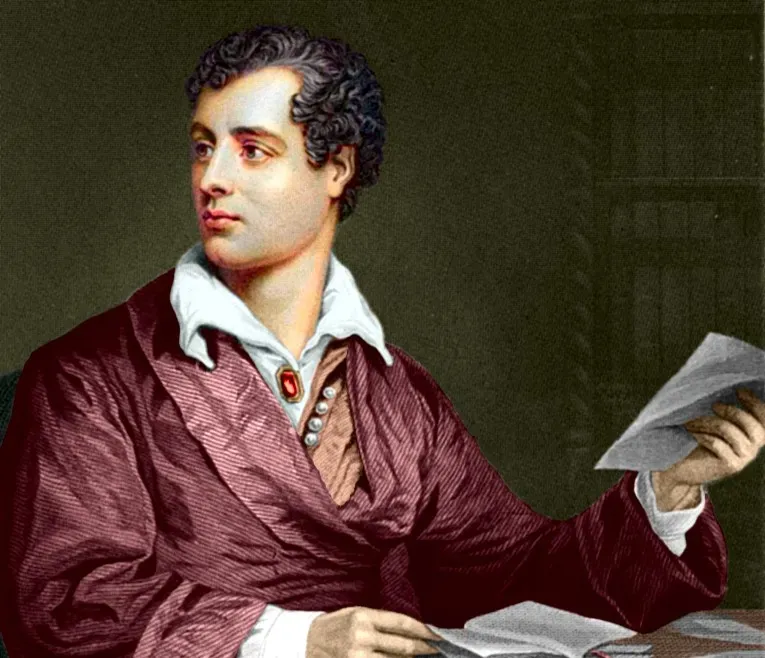
A book dedication can provide a fascinating glimpse into the life and times of the author. Lord Byron engaged in a famous feud with Robert Southey, who was then England’s Poet Laureate. Byron wrote a mocking 17-verse dedication to his epic poem Don Juan in which he savagely pilloried Southey as a dull, reactionary “warbler” who had abandoned his political principles for favor and financial reward.
Byron’s publisher actually suppressed the dedication out of fear of a libel lawsuit, and it was not widely published until after the poet’s death. So here is a dedication so dangerous it had to be hidden for years. That alone should tell you how charged those few lines can be. Book dedications can reflect the tastes and mores of society. Whereas many Elizabethan dedications were erudite and witty, some modern authors have abandoned literary pretense, sometimes using profanity to shock or amuse their audiences.
13. The Adventures of Huckleberry Finn by Mark Twain – The Anti-Dedication
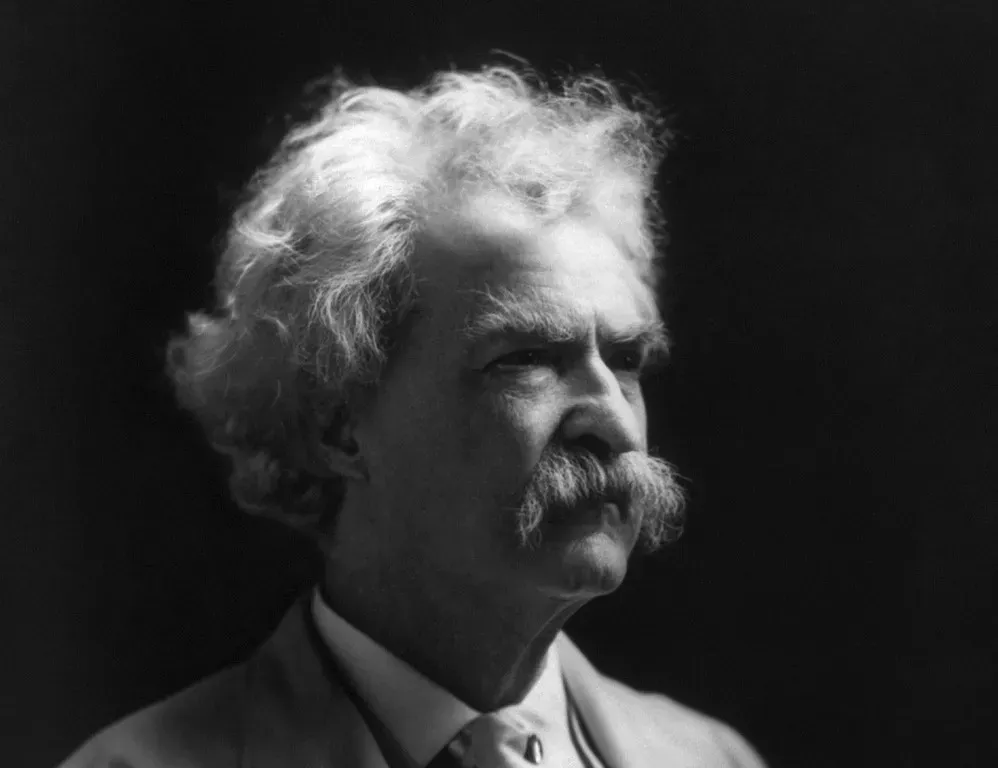
Mark Twain may have outdone himself with the one that appears at the beginning of his classic 1884 children’s novel The Adventures of Huckleberry Finn. While it is usually referred to as a dedication, the message is really more of a humorous note: “Persons attempting to find a motive in this narrative will be prosecuted; persons attempting to find a moral in it will be banished; persons attempting to find a plot in it will be shot.” This satirical and curmudgeonly statement oozes with Twain’s unique brand of wit.
It’s genius, really. Twain pre-emptively mocked the very critics and moralists he knew would come for his novel – and they did, in force. The book was banned almost immediately after publication in various American libraries. Titles and dedications may seem small compared to the body of a literary work, but they provide essential clues about theme, tone, and purpose. By examining how these elements frame the narrative, readers can uncover subtle layers of meaning. Twain weaponized his dedication page before anyone else even thought to try.
14. Cosmos by Carl Sagan – “An Epoch with Annie”
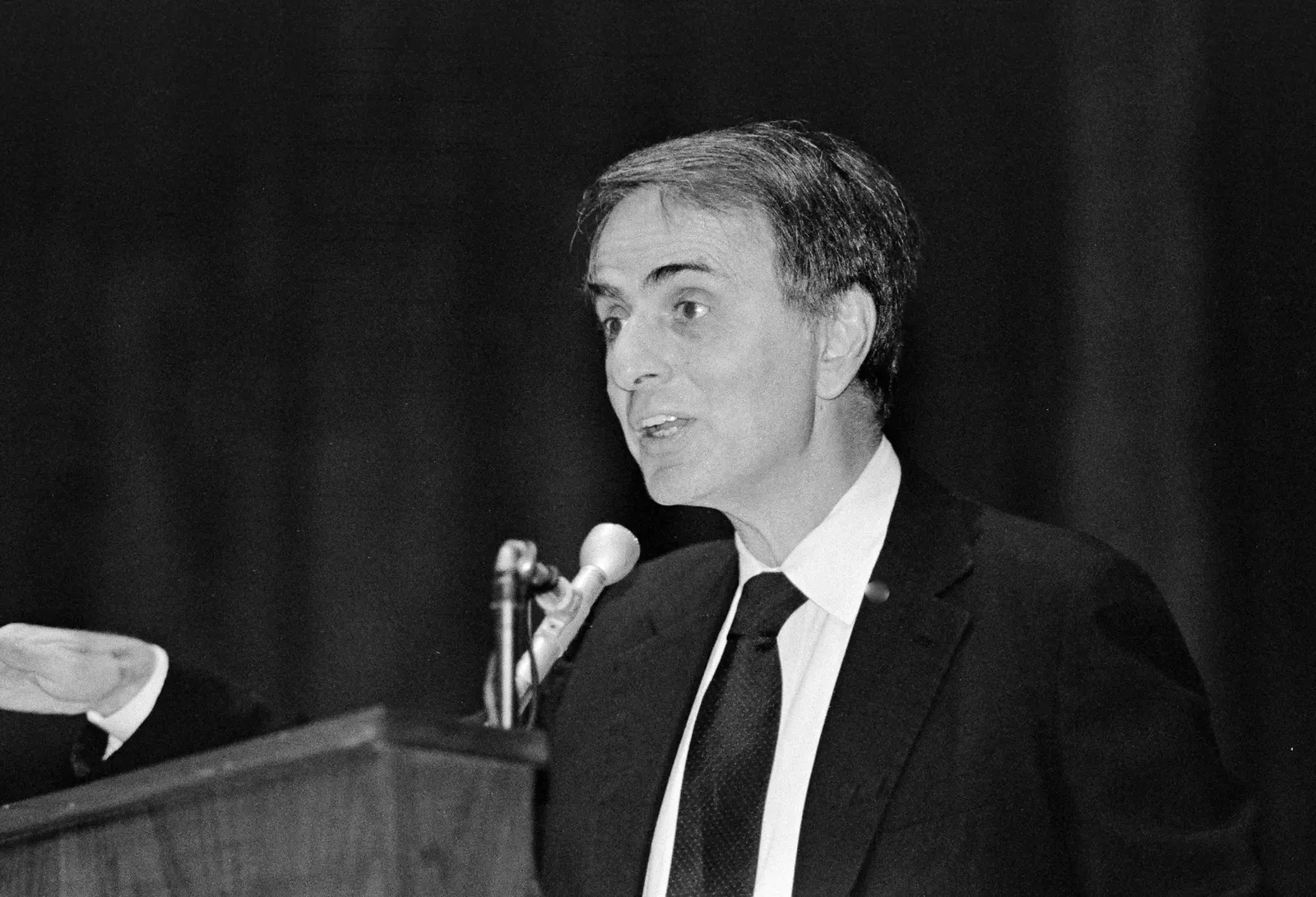
In Cosmos, Carl Sagan wrote: “In the vastness of space and immensity of time, it is my joy to spend a planet and an epoch with Annie.” Annie refers to Ann Druyan, his collaborator and wife. The dedication is breathtaking in its scale – Sagan, the man who mapped the universe for popular audiences, uses the language of astronomy to express something as intimate and earthbound as love.
It is one of those rare dedications that actually makes you stop and feel something physical. Carl Sagan’s dedication is more surprising in form, a lovely, poetic tribute to his wife Annie. The comparison is almost absurd in the best possible way: the vastness of creation, framed as the setting for one human relationship. I think this single sentence contains more romantic depth than most love poems written in the same decade.
15. Franny and Zooey by J.D. Salinger – A Letter to His Editor
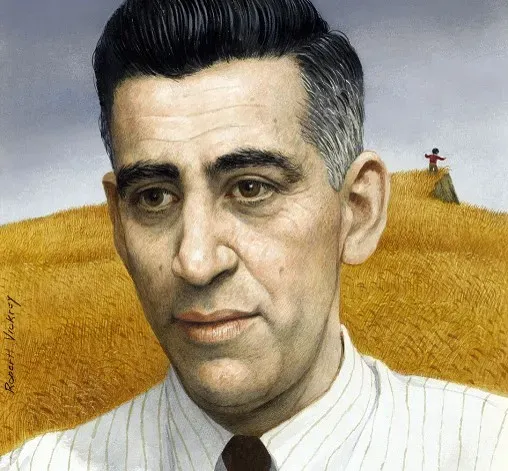
J.D. Salinger wrote: “As nearly as possible in the spirit of Matthew Salinger, age one, urging a luncheon companion to accept a cool lima bean, I urge my editor, mentor and (heaven help him) closest friend, William Shawn, genius domus of The New Yorker, lover of the long shot, protector of the unprolific, defender of the hopelessly flamboyant, most unreasonably modest of born great artist-editors to accept this pretty skimpy-looking book.”
The visual of a one-year-old insisting someone accept a lima bean as the metaphor for an author pleading with his editor to accept a book is just wonderfully strange. Salinger gives us a whole character portrait of William Shawn in a single sentence, full of affection and playful exaggeration. Hidden in the first pages of many books are flashes of blink-and-you-will-miss-it brilliance. Knowing that readers won’t always see the dedication pages, authors will sometimes sneak in heartfelt notes to a family member, friend, or mentor.
16. A Series of Unfortunate Events by Lemony Snicket – “Darling, Dearest, Dead”

Another well-known dedication comes from Lemony Snicket, the pen name of Daniel Handler, in A Series of Unfortunate Events. He frequently dedicated his books to a mysterious woman named Beatrice with gloomy and poetic messages like: “To Beatrice – darling, dearest, dead.” Over time, these dedications became their own mini-story, intriguing readers and adding an extra layer to the books.
What Handler understood is that a dedication, across multiple volumes of a series, can function as its own ongoing narrative. Each book brought a new heartbreaking line addressed to the mysterious Beatrice, deepening the fictional mythology of the series outside the actual text. Dedications are more poetical, sometimes amorphous, and often subtle in why or to whom a book is being dedicated. They are, in a way, a secret message between the author and that special recipient, and in the act of sharing it with all readers, it gains more weight.
17. Atlas Shrugged by Ayn Rand – The Dedication She Tried to Erase
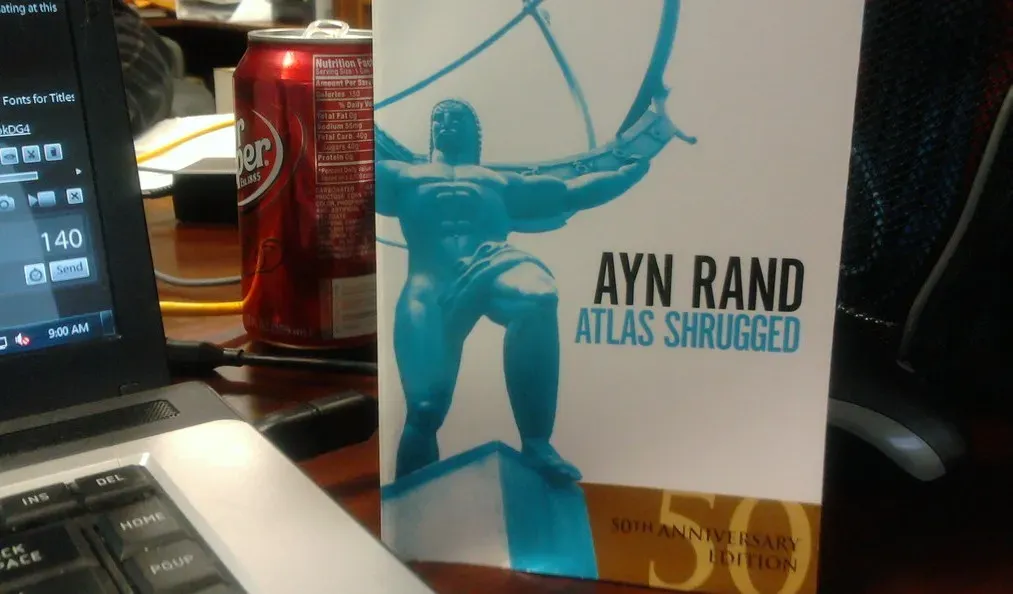
In the very first editions of Atlas Shrugged, Rand dedicated the book to two people: her then-husband and her lover. Following the relationship’s demise, she ordered the lover’s name expunged from future editions. It is one of the most dramatic acts of post-publication editorial erasure in American letters. Marlene Wagman-Geller, who wrote extensively about famous literary dedications, noted that only Ayn Rand would have had the audacity to dedicate a single book to both a spouse and a lover simultaneously.
The attempted erasure, of course, had the opposite effect. Literary historians documented both versions, making the original dedication all the more famous for its controversy. In conversations about dedications, observers note that authors have confessed to regretting certain dedications, like those to ex-wives or false friends. It can be like a bad tattoo. Rand’s revised dedication is perhaps the most famous literary tattoo removal attempt of the 20th century.
18. Leaves of Grass by Walt Whitman – “To You”
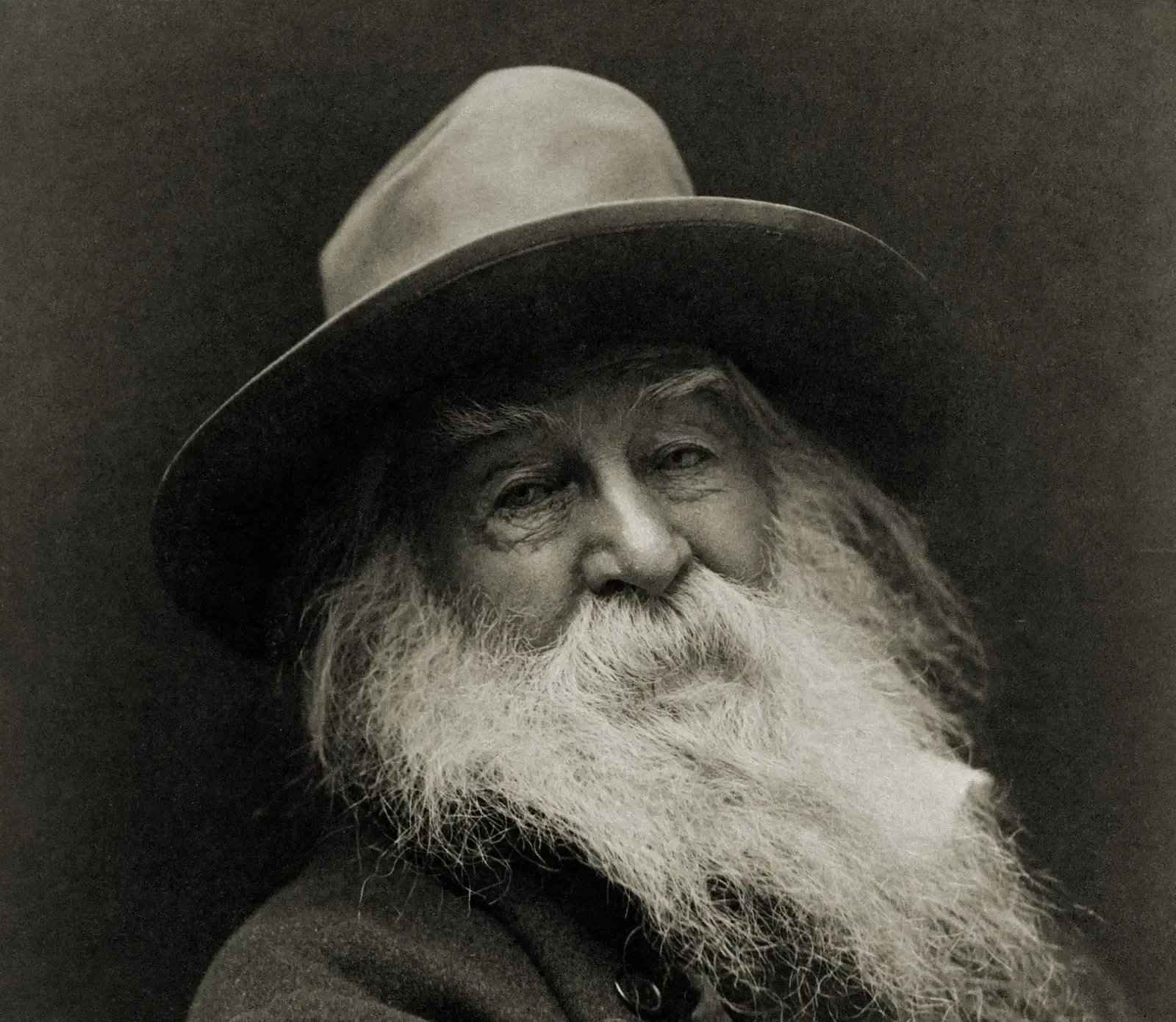
Walt Whitman’s Leaves of Grass breaks conventions with its inferred dedication “To You,” addressing readers directly through the preface and opening poems. Whitman saw his poetry as a conversation with the public, erasing the boundary between author and audience. The inclusive tone invites every reader into the book’s radical vision of democracy and self-expression.
Literary critics have praised this approach as revolutionary, making each reader feel uniquely acknowledged. The dedication, though unstated, is as universal as the poetry itself. Where most authors dedicate their work to one beloved person, Whitman essentially dedicated his to all of humanity. It is arrogant and magnificent at the same time, which is exactly what Whitman always was.
19. Harry Potter and the Deathly Hallows by J.K. Rowling – Split Seven Ways
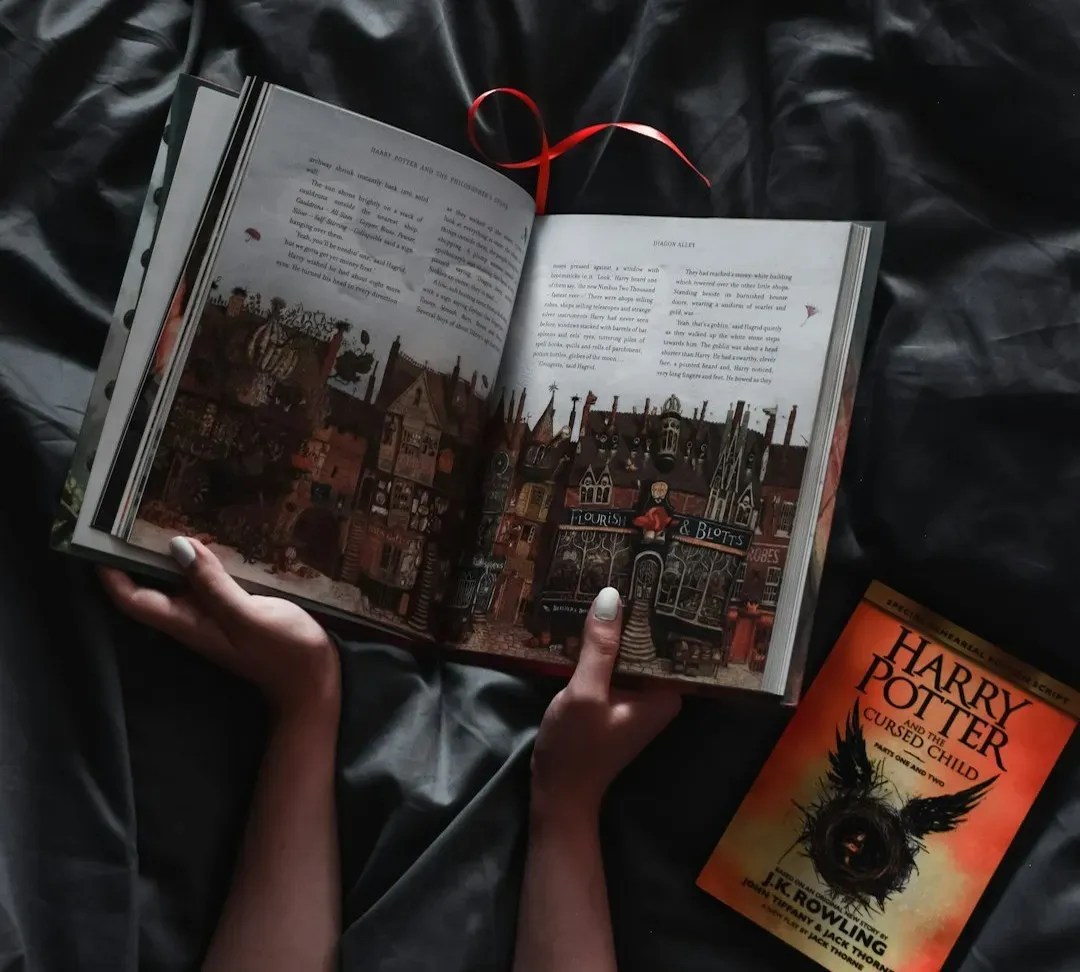
The dedication reads: “The dedication of this book is split in seven ways: to Jessica, to David, to Kenzie, to Di, to Anne, and to you, if you have stuck with Harry until the very end.” This was the book that brought the most successful book series in history to an end, ten years after Rowling changed the world. The series has sold more than 500 million copies, been translated into 80 languages, and inspired blockbuster movies and a theme park.
The brilliance of that dedication is the number seven – mirroring the seven Horcruxes, the seven books, the magical number at the core of the entire series. Rowling’s dedication becomes a piece of the fiction itself, seamlessly woven into the mythology she spent a decade building. A dedication, while more personal, can signal relationships, motivations, or historical context that inform the reading experience. Both elements illuminate the writer’s priorities and hint at underlying tensions or emotional layers within the work.
20. The History of the Decline and Fall of the Roman Empire by Edward Gibbon – A Political Calculation
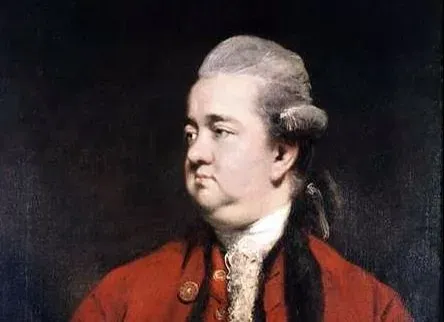
Book dedications have existed since antiquity. For a long time, they were mostly written to flatter patrons who helped support the authors, since it was almost impossible to earn a living through book sales. Now, this page is mainly devoted to expressions of affection or gratitude to loved ones. Gibbon’s monumental work reflects the older tradition at its most calculated. His dedication to a powerful patron was less a gesture of affection than a survival strategy, designed to secure both protection and funds.
Well into the 18th century, it was not usual for publishers to remunerate authors; authors tended to be paid as one element of a patron-client relationship, in which the author-client paid tribute, in the dedication, to his or her patron. A typical writer dedicated their book to a high-standing personality and tried to gain some money through this practice. In many cases the petitioner was lucky and received a gift from the patron. Gibbon’s dedication reminds us that the literary tradition we now consider personal and emotional once had the hard pragmatic logic of a business transaction underneath it.
There you have it – twenty dedication pages, each one a keyhole into a world the author never quite opened in the book itself. Some hide grief, some hide love, some hide outright fury. The next time you open a classic novel and find yourself about to skip past that first page, consider pausing for just a moment. That single name, that strange phrase, that deliberate blank – it might tell you more about what you are about to read than anything else inside the cover. What would you have guessed was hiding there all along?