Most readers flip straight past the dedication page. Two, maybe three seconds of vague curiosity, then gone. Yet those few words sitting alone on a white page are sometimes the most charged, most deliberately crafted lines in the entire book. Think of them as the iceberg tip of an author’s private world.
A dedication has been described as “a secret message hidden in plain sight.” It functions almost like a two-way mirror, where the reader can only perceive a certain amount of the true story. What lies behind the glass is often far more surprising than you’d ever expect. Get ready, because some of these revelations are genuinely stunning.
1. Shakespeare’s Sonnets (1609) – “To the Only Begetter, Mr. W.H.”
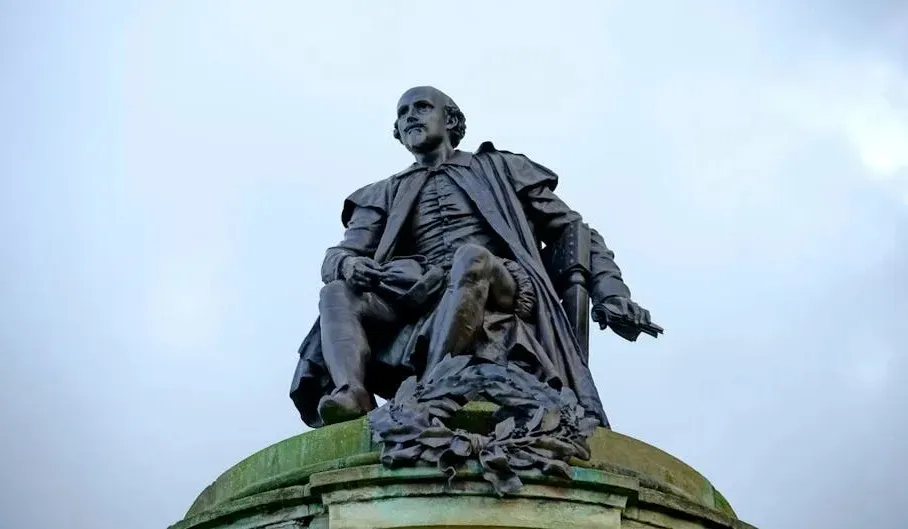
Honestly, this might be the most debated dedication in literary history. This is the dedication to the 1609 edition of Shakespeare’s Sonnets, what must surely be the most baffling and elusive piece of prefatory material ever printed. You’d be hard-pushed to find another single page that has generated so much commentary yet without yielding a convincing solution. Critics and biographers remain divided.
The mystery of “Mr. W.H.’s” identity has tantalized generations of biographers and critics, who have generally argued either that W.H. was also the “fair youth” to whom many of the sonnets are addressed, or that he was a friend or patron who earned gratitude by procuring Shakespeare’s manuscript for the printer, Thomas Thorpe. Among the names offered for consideration are those of Henry Wriothesley, 3rd Earl of Southampton, and William Herbert, 3rd Earl of Pembroke, both of whom Shakespeare is believed to have had some connection with.
Using clues from the text and historical documents, researcher Geoffrey Caveney has presented a theory that “Mr. WH” could have been a friend and fellow publisher of Thorpe’s named William Holme. When the Sonnets hit the presses in 1609, Holme was recently dead, “which would explain the dedication’s strangely funereal form.” What is perhaps the most enigmatic dedication in all of English literature may ultimately be nothing more than a publisher addressing the author, and the mystery is likely to continue to exercise its power over readers for years to come.
2. The Great Gatsby by F. Scott Fitzgerald – “Once Again to Zelda”

Three words. That’s all Fitzgerald wrote. But those three words carry an extraordinary emotional weight that most readers entirely miss in their rush to get to the green light and the parties. The phrase “once again” signals something deeply personal – this was not the first time, and it would not be the last.
Marlene Wagman-Geller, author of Once Again to Zelda: The Stories Behind Literature’s Most Intriguing Dedications, has explored the loaded nature of such dedications in depth. Zelda Fitzgerald was not simply Scott’s wife. She was his muse, his competitor, his critic, and in many scholars’ view, a co-architect of his creative voice. The dedication essentially acknowledged that even while writing about the impossibility of recapturing the past, Fitzgerald was reaching toward Zelda – repeatedly, compulsively, again.
3. Toni Morrison’s Beloved (1987) – “Sixty Million and More”

The sixty million to whom Morrison dedicates Beloved refers to the estimated number of black people who died during the Atlantic slave trade. That is not a typo. It is not a metaphor. It is a deliberate, devastating act of historical reckoning compressed into four words.
Author Toni Morrison dedicated Beloved, her 1987 Pulitzer Prize-winning novel, to “Sixty Million and more,” with the dedication located on its own page as part of the front matter of the book. In accepting an award in 1988, Morrison said that “there is no suitable memorial or plaque or wreath or wall or park or skyscraper lobby” honoring the memory of the human beings forced into slavery. “There’s no small bench by the road,” she continued. “And because such a place doesn’t exist, the book had to.”
The novel won the Pulitzer Prize for Fiction a year after its publication, and a survey of writers and literary critics compiled by The New York Times ranked it as the best work of American fiction from 1981 to 2006. The dedication alone holds enough weight to fill a monument.
4. Lolita by Vladimir Nabokov – “To Véra”
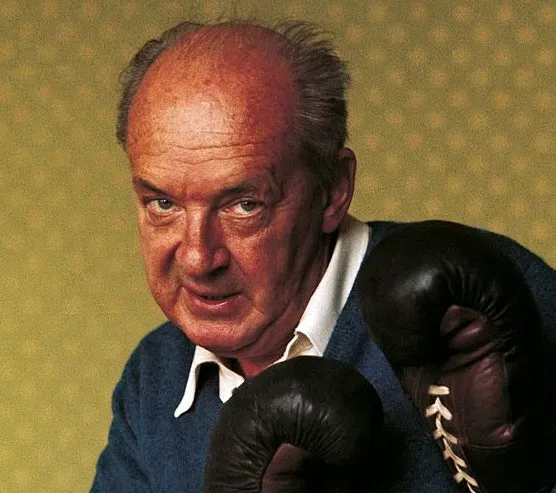
Here’s the thing. Of all the books Nabokov could have dedicated to anyone, it was Lolita – a novel about a predator’s obsession with a child – that he chose to dedicate to his wife. That contrast is no accident.
Vladimir Nabokov wrote Lolita “To Véra,” the woman many credit with polishing her husband’s writing, but who often disappeared in the dark of her famous husband’s shadow during their 52 years of marriage. Véra was Nabokov’s first reader, his typist, his literary conscience, and his protector. Some scholars suggest the dedication was also a quiet signal of distance between the author and his narrator – an insistence that love, real love, looks nothing like what Humbert Humbert describes. The dedication was the moral anchor of an otherwise morally unmoored novel.
5. 1984 by George Orwell – “To Sonia”
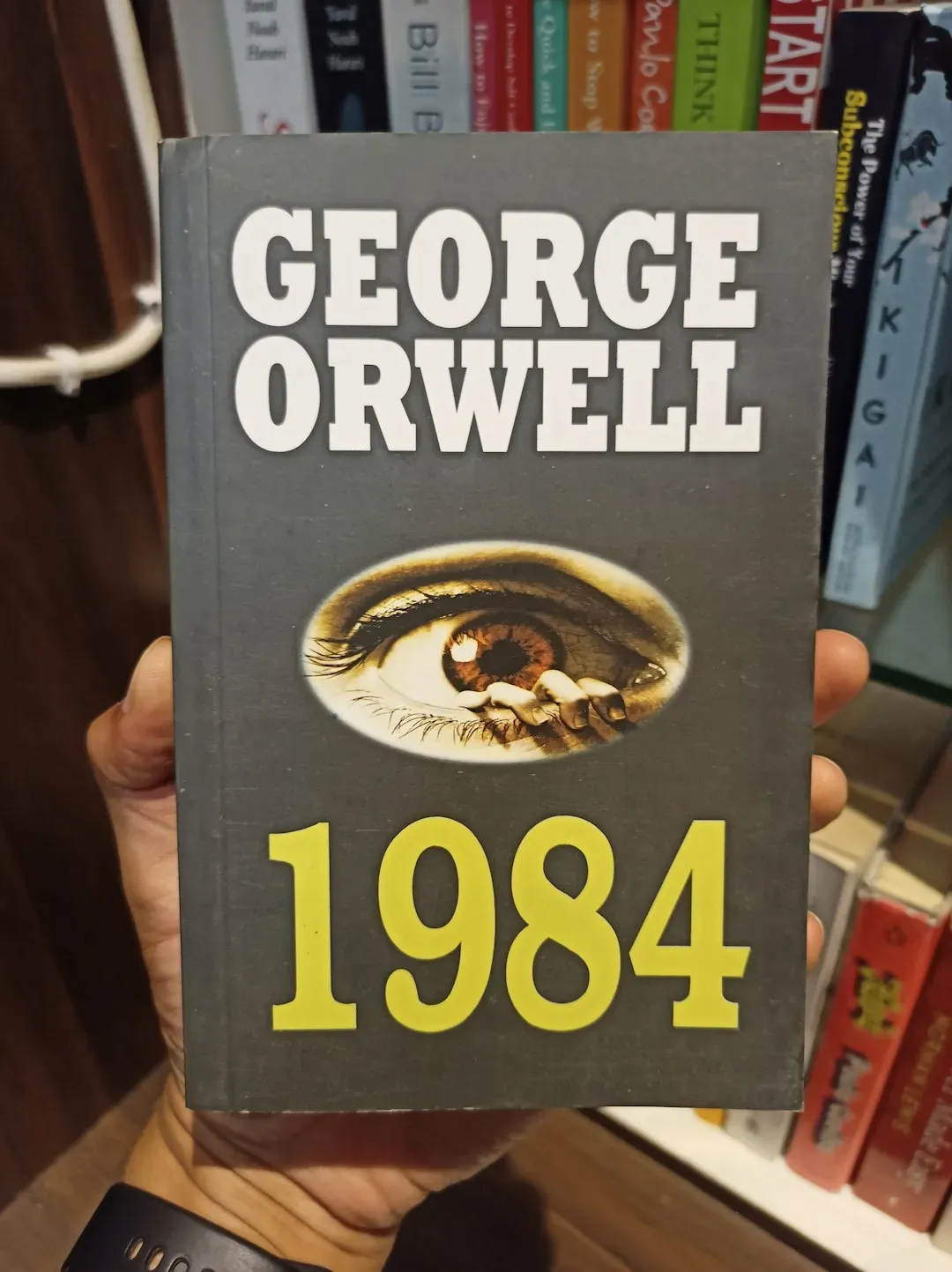
George Orwell’s 1984 was originally published without a dedication, but later editions added a poignant note: “To Sonia.” Sonia Brownell, Orwell’s second wife, married him just months before his death. The addition of her name in subsequent printings reflects both personal loss and posthumous recognition. Sonia played a vital role in Orwell’s final months, providing companionship and support as he battled illness.
Critics have observed that the late dedication softens the novel’s bleak vision, hinting at the possibility of love and connection even in dystopian despair. The delayed acknowledgment also speaks to the complicated process of literary legacy, as those closest to authors sometimes gain recognition only after the fact. For readers, the dedication offers a bittersweet counterpoint to the book’s themes of alienation and control.
6. The Sun Also Rises by Ernest Hemingway – “To Hadley and John”
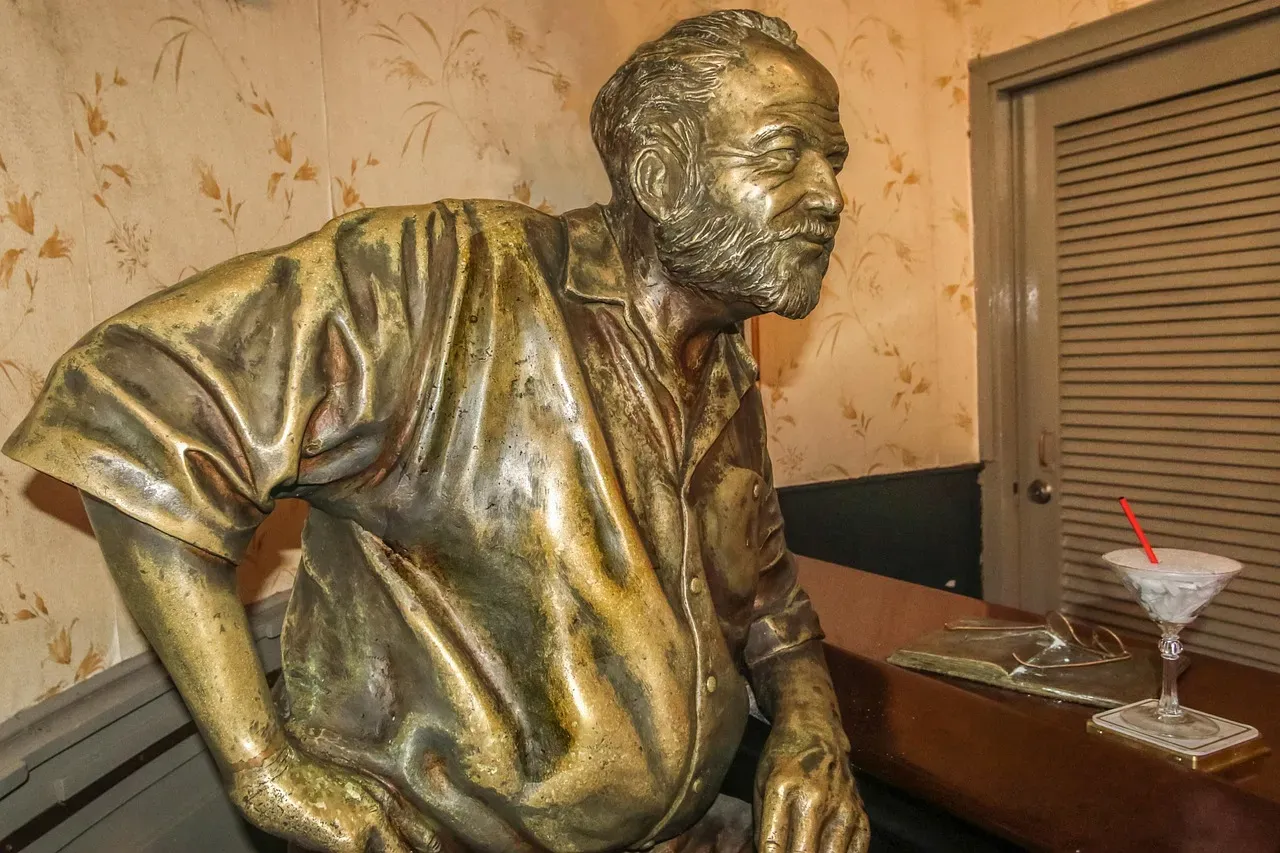
Ernest Hemingway’s dedication, “To Hadley and John,” is disarmingly tender for an author known for his stoic prose and rough persona. Hadley Richardson, Hemingway’s first wife, was his companion during his years as an unknown writer in Paris, and their son John was born in 1923. The dedication freezes a moment in time before Hemingway’s fame and personal struggles began eroding his relationships.
Scholars have noted that after the couple’s divorce, Hemingway rarely spoke of Hadley, and the dedication was dropped from later editions, reflecting his shifting loyalties. The original gesture, however, reveals the foundational role both played in his creative life. For readers, the dedication is a rare glimpse of Hemingway’s vulnerability and the cost of ambition on family ties.
7. Dracula by Bram Stoker – “To Hall Caine”
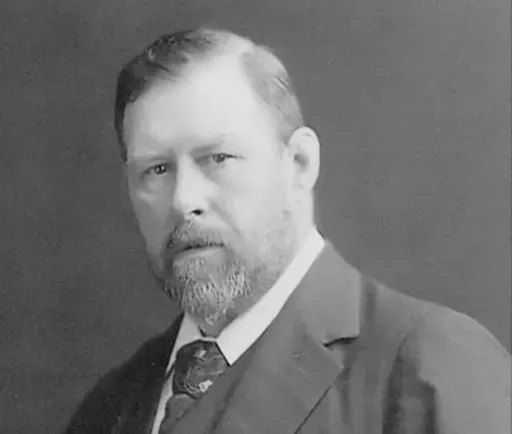
Bram Stoker’s cryptic dedication of Dracula to Hall Caine, a celebrated Victorian novelist and close friend, raised many eyebrows. Most readers have never heard of Hall Caine, which makes the dedication feel like an inside joke delivered at a black-tie dinner to someone standing at the back of the room.
The two men were close companions, and Hall Caine was known in Victorian literary circles as “Hommy-Beg,” a Manx nickname meaning “little Tommy.” Stoker used that private nickname as a kind of code in the dedication, transforming the front page of the most famous horror novel in history into a warm private greeting between friends. It is, in a wonderful way, the least Dracula-like thing Stoker ever wrote.
8. Wuthering Heights by Emily Brontë – No Dedication
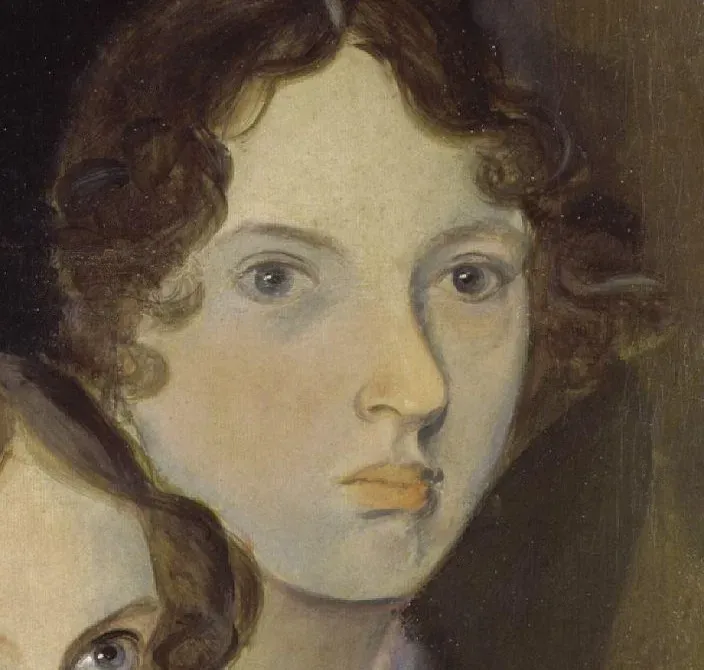
The absence of a dedication in Wuthering Heights is itself a declaration. Emily Brontë offered the novel to no one. No patron, no beloved figure, no reader. Just the story, standing alone like Heathcliff on the moor.
Scholars have long interpreted this silence as deeply consistent with Brontë’s entire artistic personality. She was famously private, protective of her work, and resistant to the social conventions of Victorian literary life. Book dedications are more than polite thank-yous – they’re tiny windows into an author’s life, telling you who was there through the writing process, who inspired the book, or who the author wants to remember. Brontë’s blank page tells you that she allowed no such window to exist.
9. Leaves of Grass by Walt Whitman – The Invisible Dedication “To You”
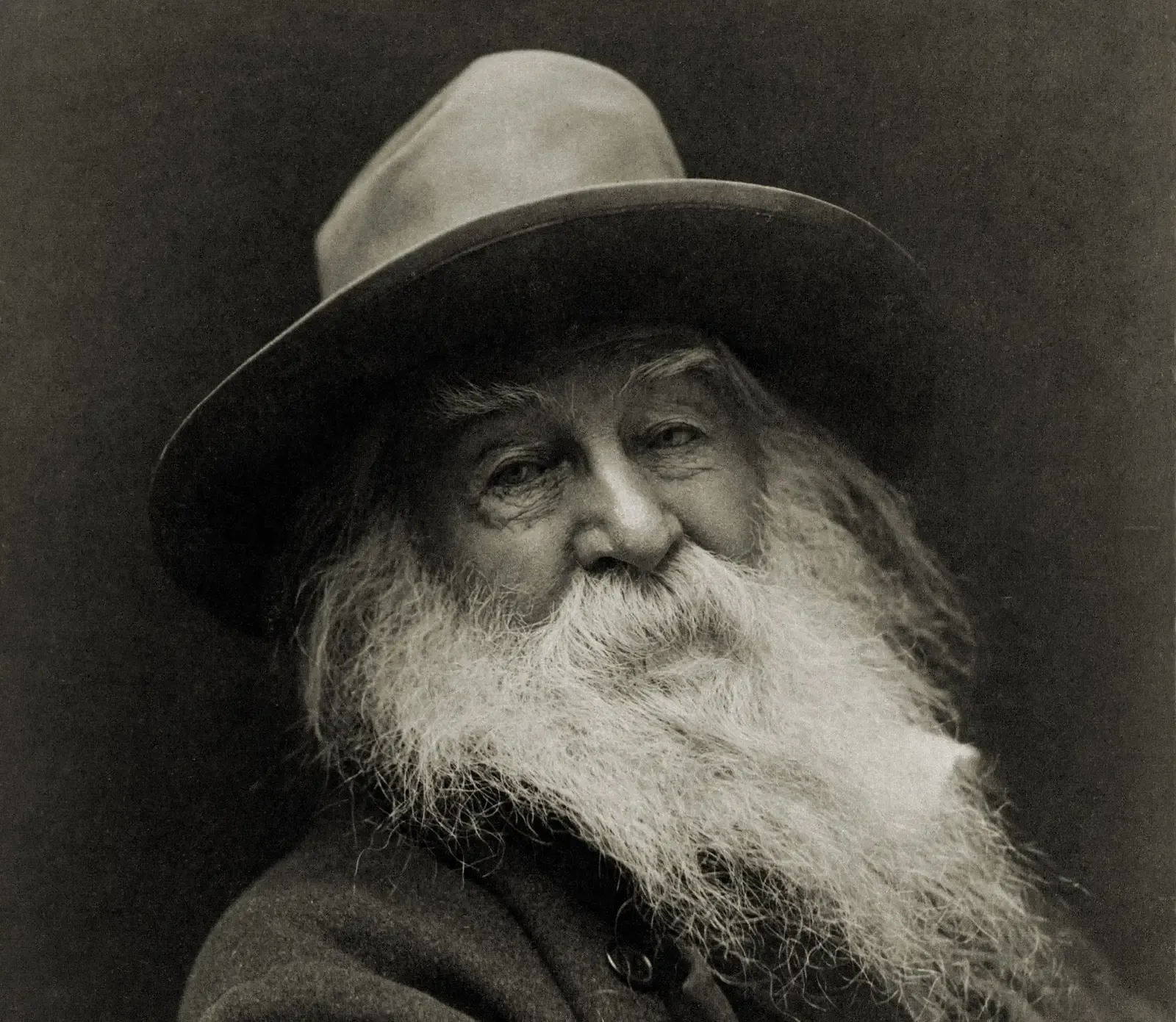
Walt Whitman’s Leaves of Grass breaks conventions with its inferred dedication “To You,” addressing readers directly through the preface and opening poems. Whitman saw his poetry as a conversation with the public, erasing the boundary between author and audience. The inclusive tone invites every reader into the book’s radical vision of democracy and self-expression.
Literary critics have praised this approach as revolutionary, making each reader feel uniquely acknowledged. The dedication, though unstated, is as universal as the poetry itself. Think about what that means structurally: Whitman chose radical inclusion over individual tribute. In a literary era when dedications to powerful patrons were still standard, he dedicated his work to everyone. That is not a small idea.
10. The Lion, the Witch and the Wardrobe by C.S. Lewis – “My Dear Lucy”
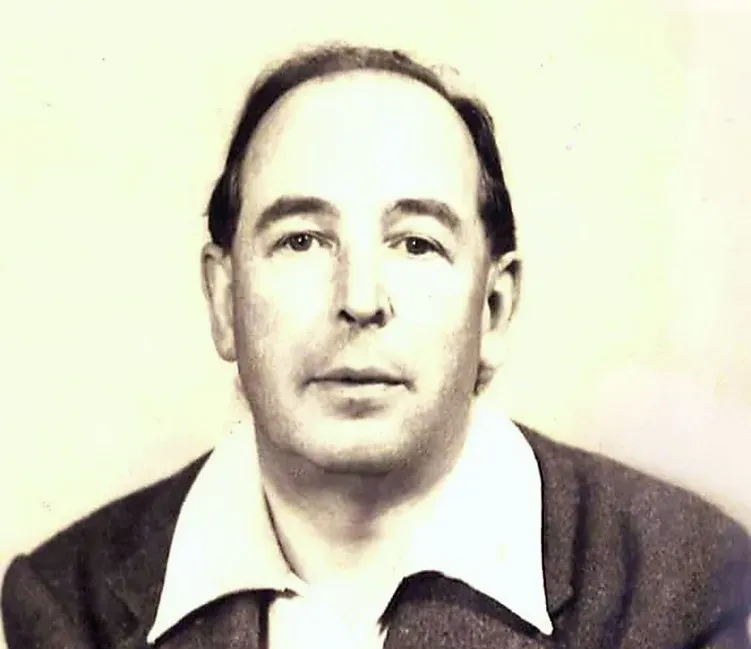
C.S. Lewis wrote an affectionate message to his goddaughter Lucy in The Lion, the Witch and the Wardrobe, essentially crafting a mini-letter to a family member or friend. Lewis dedicated this to his goddaughter, Lucy Barfield, expressing his deep affection and personal connection to her. It also touches on the timeless nature of fairy tales and the idea that one can rediscover the magic of childhood stories at any age. He acknowledges that she might have outgrown fairy tales by the time the book was published.
What is quietly heartbreaking about this dedication is that Lucy Barfield later developed multiple sclerosis. Lewis’s playful suggestion that she would one day be old enough to read fairy tales again takes on an additional, more poignant resonance when you know her story. The dedication became something more than a charming note – it became a kind of prophecy about time and return.
11. Harry Potter and the Deathly Hallows by J.K. Rowling – The Seven-Way Dedication
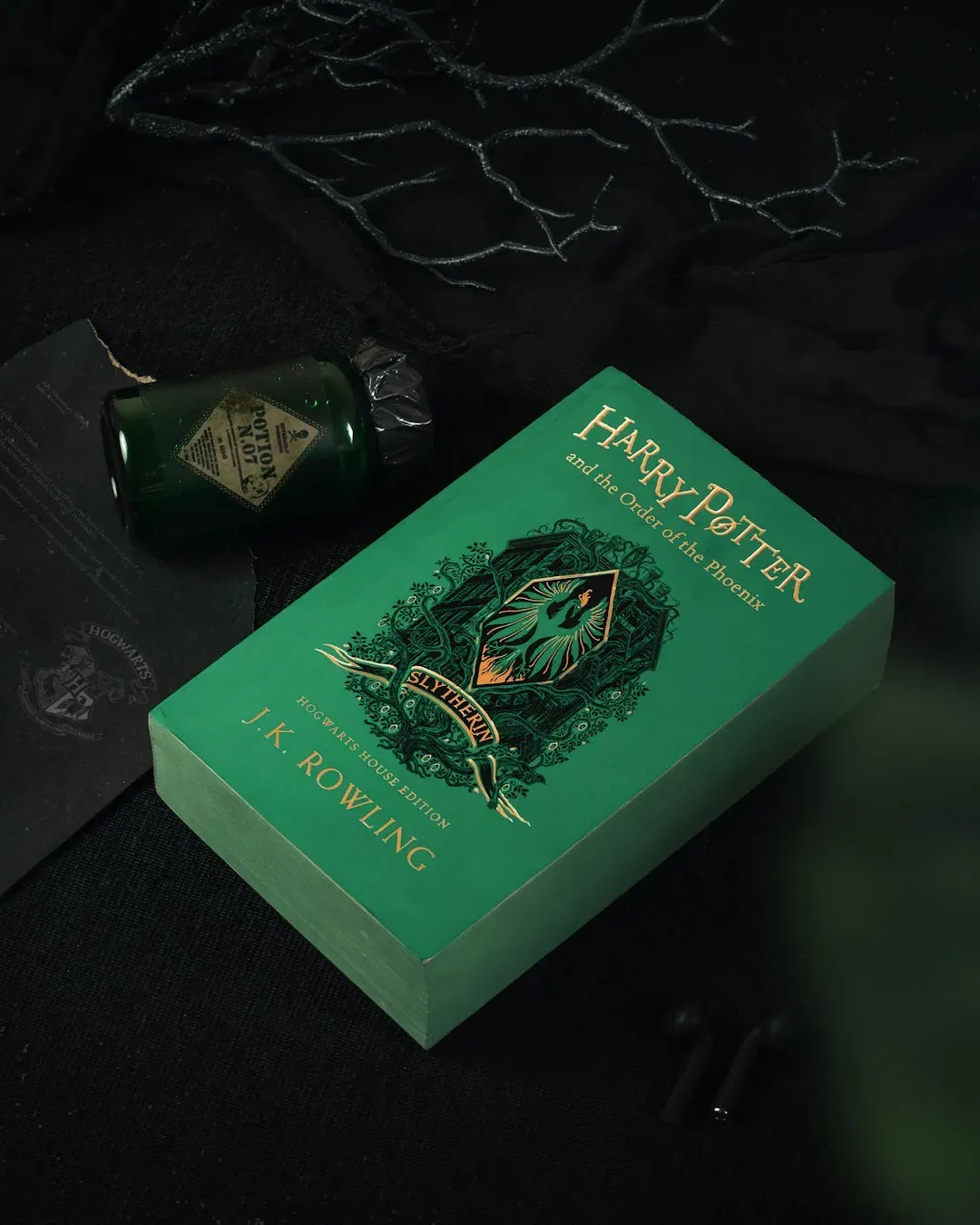
The dedication of this book is split in seven ways, ending with a tribute to readers who “stuck with Harry until the very end.” This was the book that brought the most successful book series in history to an end, ten years after Rowling changed the world with the first Potter novel.
The series has sold more than 500 million copies, been translated into 80 languages, inspired blockbuster movies, launched a theme park, and turned Rowling from a single mother on benefits to the world’s first billionaire author by Forbes. So it makes sense that she’d want to pay tribute to the legion of readers who hung upon her every word. The number seven was not accidental either – in the wizarding world, seven is the most powerfully magical number. The dedication was its own final spell.
12. Adventures of Huckleberry Finn by Mark Twain – The Anti-Dedication
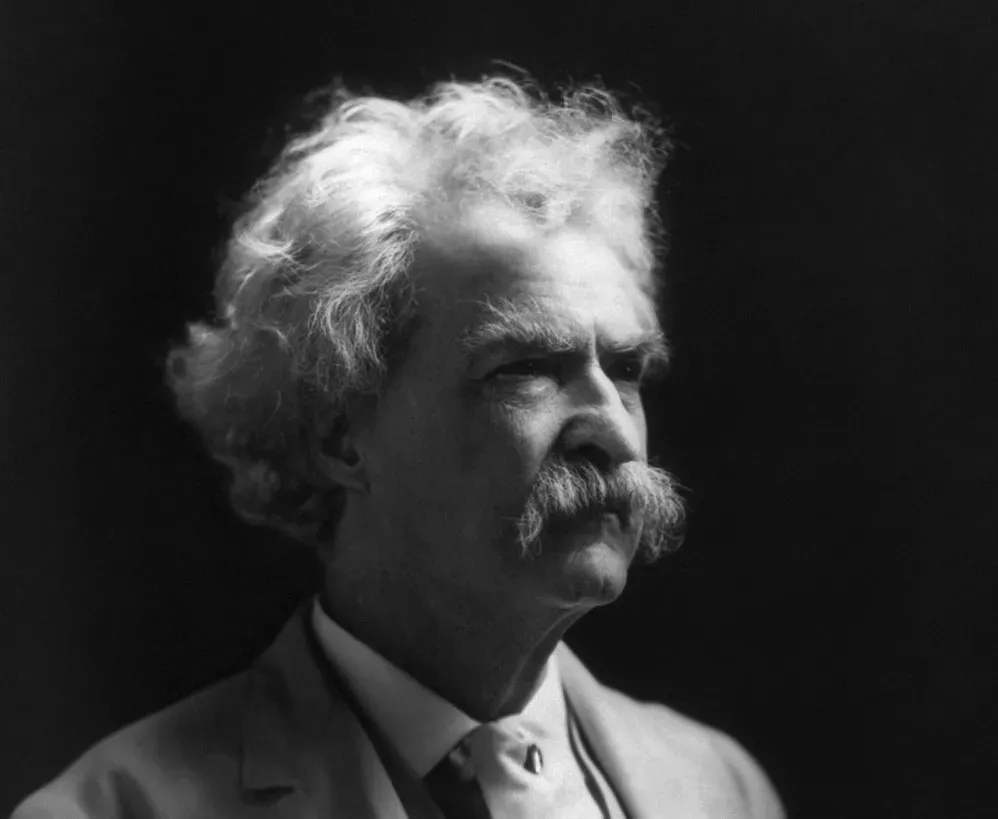
Mark Twain may have outdone himself with the message that appears at the beginning of his classic 1884 novel. While it is usually referred to as a dedication, the message is really more of a humorous note: “Persons attempting to find a motive in this narrative will be prosecuted; persons attempting to find a moral in it will be banished; persons attempting to find a plot in it will be shot.”
Let’s be real: this is one of the most subversive dedication pages in American literary history. Twain was pre-emptively silencing his critics by making the act of literary analysis itself a punishable offense. Knowing that readers won’t always see the dedication pages, authors sometimes sneak in heartfelt notes or playful messages aimed at readers or critics. Sometimes this may be the only part of the book where the writer lets their true personality shine through. With Twain, the personality hit like a freight train.
13. Agatha Christie’s The Secret Adversary – “For the Monotonous Lives”
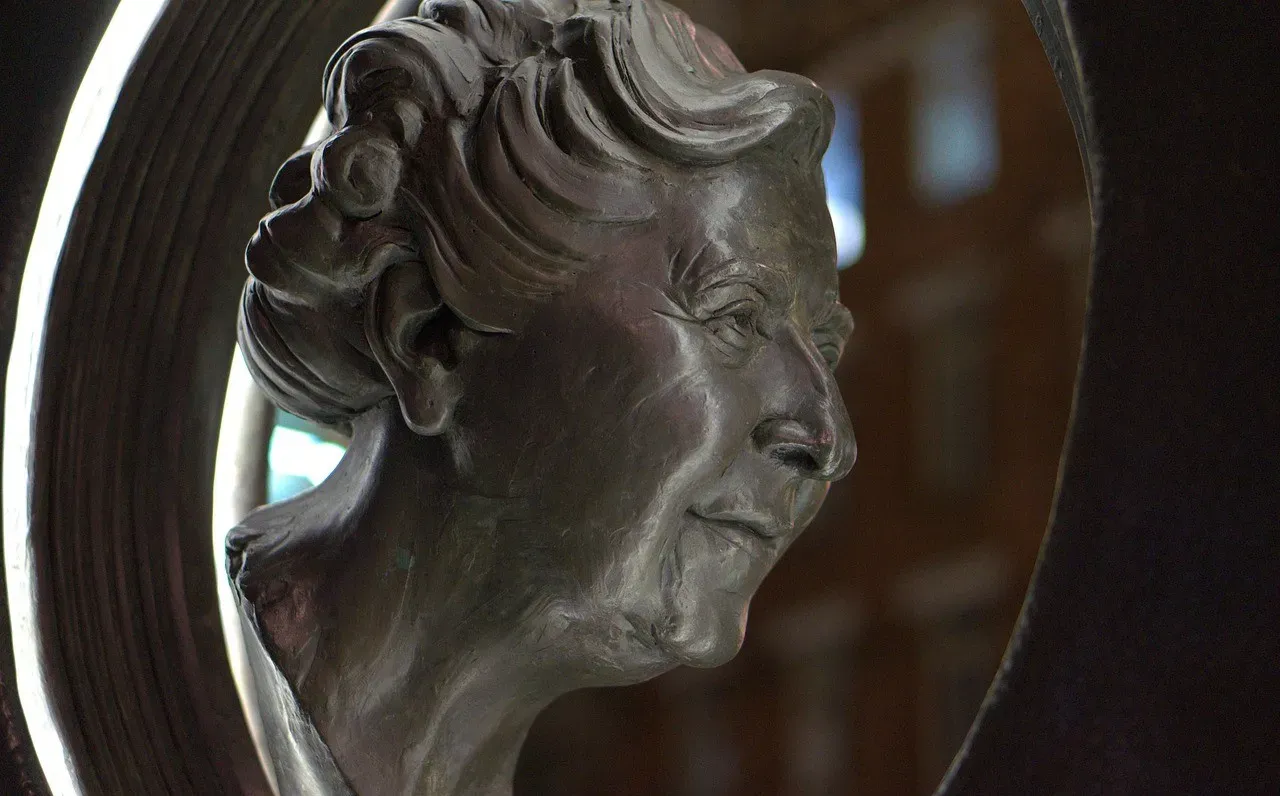
Christie dedicated her second novel to “all those who lead monotonous lives, in the hope that they may experience at second hand the delights and dangers of adventure.” Perhaps it was also an oblique reference to her own life in the early 1920s, as a housewife prone to depression with an unfaithful husband and a small child in tow.
Agatha Christie wrote a tongue-in-cheek dedication of The Secret Adversary to “all those who lead monotonous lives.” Read that back in the context of her own life. Christie was essentially writing to herself, or to every woman of her era who was suffocating quietly inside a domestically respectable existence. A detective novel dedicating itself to the bored and overlooked – that’s both marketing genius and personal confession rolled into one sentence.
14. Lord Byron’s Don Juan – The Mocking Dedication to Robert Southey
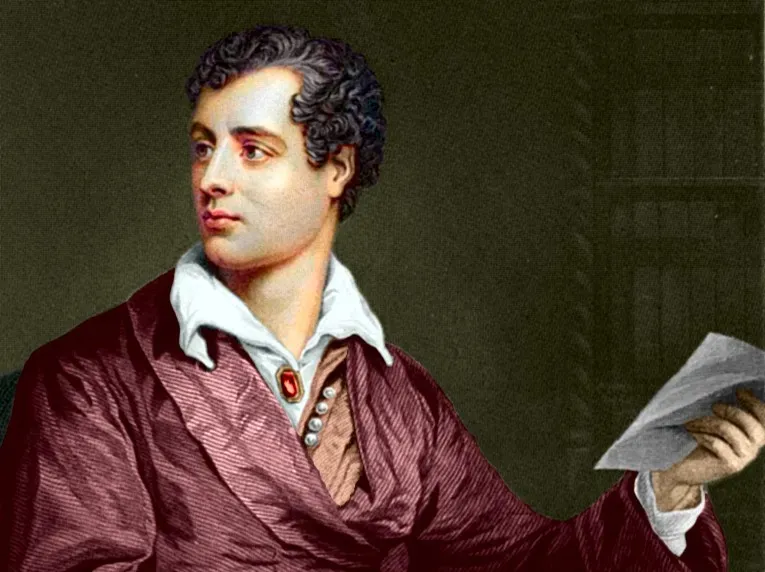
A book dedication can provide a fascinating glimpse into the life and times of the author. Lord Byron engaged in a famous feud with Robert Southey, who was then England’s Poet Laureate. Byron wrote a mocking 17-verse dedication to his epic poem Don Juan in which he savagely attacked Southey as a dull, reactionary “warbler” who had abandoned his political principles for favor and financial reward.
Byron’s dedication was so vicious that it was actually suppressed from early publications – the publisher refused to print it. Book dedications can reflect the tastes and mores of society. Whereas many Elizabethan dedications were erudite and witty, some authors have used this space to shock or amuse their audiences in ways that push against convention. Byron’s wasn’t just pushing against convention. He was trying to burn it down entirely.
15. Atlas Shrugged by Ayn Rand – The Dedication That Was Rewritten
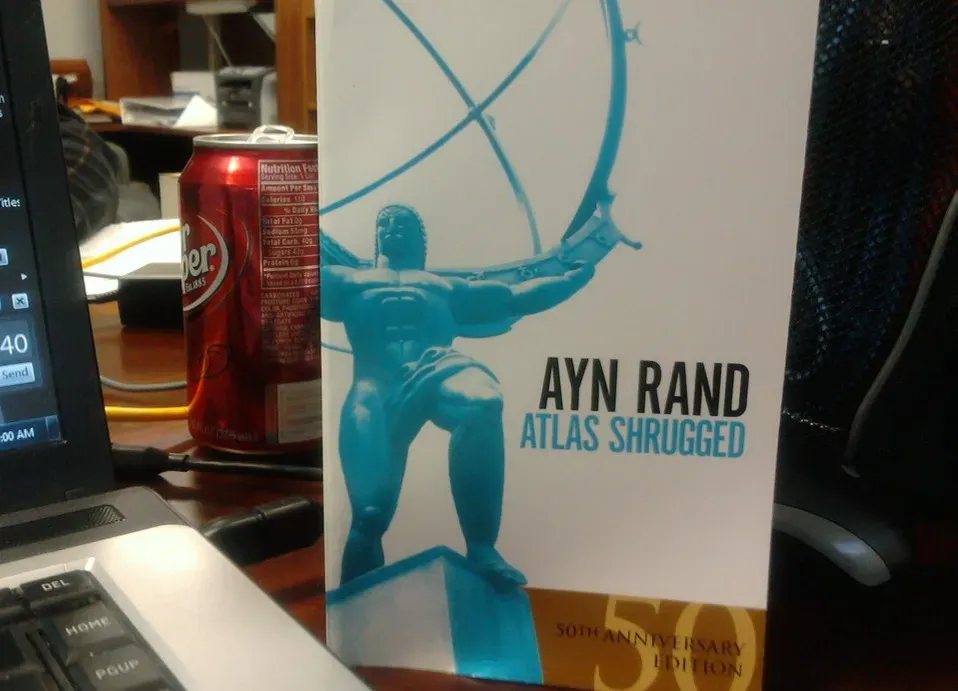
In the very first editions of Atlas Shrugged, Rand dedicated the book to two people: her then-husband and her lover. Following the relationship’s demise, she ordered the lover’s name expunged from future editions. It’s the kind of literary airbrushing that would be almost comical if it weren’t so revealing about Rand’s character.
Some authors confess to regretting certain dedications, like those to ex-wives or false friends. As one literary commentator put it, “It can be like a bad tattoo.” Rand’s dedication revision is perhaps the most dramatic example of this in all of classic literature. She built an entire philosophical system around radical individualism, then scrambled to erase evidence of the most human of complications: a love affair gone wrong.
16. No Thanks by E.E. Cummings – Dedicated to the Rejection Letters
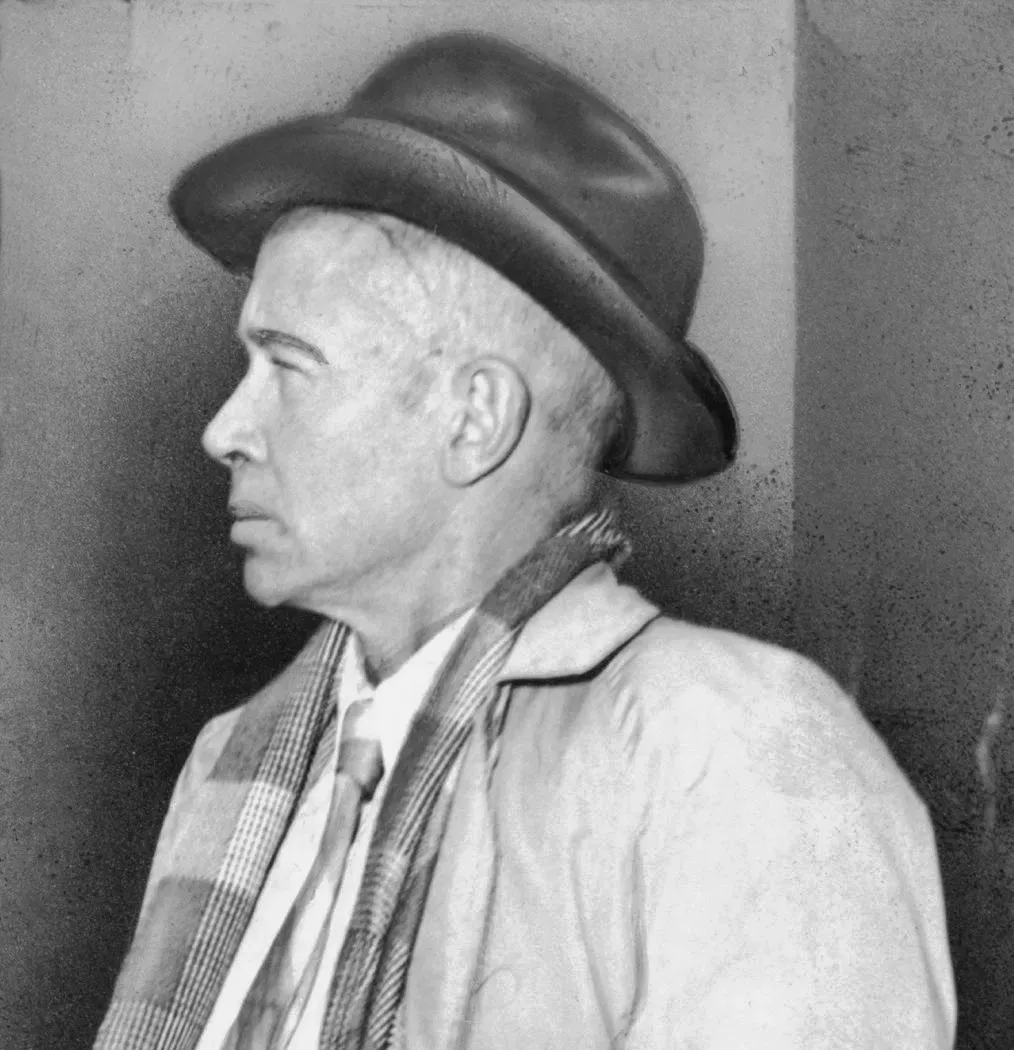
After being rejected by 14 different publishers, Cummings eventually self-published the poetry collection with the help of his mother – but couldn’t resist a jab in the dedication of the volume. Specifically, he dedicated the book to those 14 publishers – listing them in the shape of a funeral urn on the page.
E.E. Cummings’ No Thanks dedication to multiple publishers exemplifies a more creative or unconventional route. Such dedications might be humorous, cryptic, or even poetic. They can also employ playfulness or irony. What Cummings did was transform rejection into art – the very act of being turned away became the subject of the book’s first statement. Honestly, it’s one of the most defiant gestures in 20th-century poetry.
17. East of Eden by John Steinbeck – A Letter to His Editor
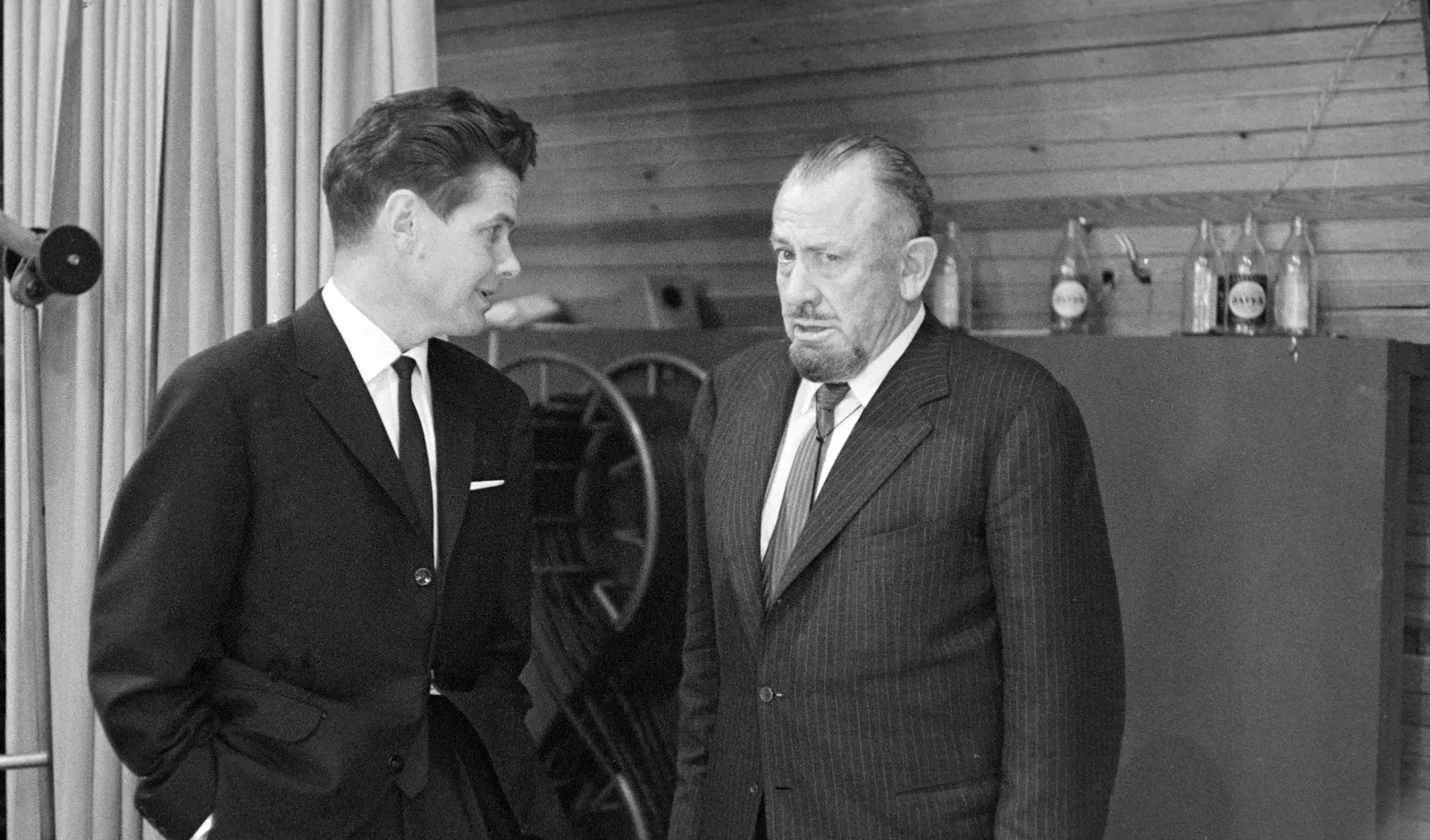
John Steinbeck wrote a touching letter in the dedication of East of Eden to a friend who was also his editor. The dedication is unusually long for the period – essentially a personal essay addressed to editor and close friend Pascal Covici, tracing the emotional history of their friendship and the writing of the novel itself.
Steinbeck described writing the book as the greatest effort of his creative life. The dedication reflected that enormity by refusing to be brief. It was confessional, warm, specific. Dedications often reflect an author’s life at the time of writing. They might honor a friend who helped them through a difficult chapter or mark a turning point in the author’s personal journey. For Steinbeck, East of Eden was all of those things at once, and the dedication named exactly who helped him survive it.
18. John Capgrave’s Chronicle of England (1462) – The Political Survival Dedication
Scholastic theologian John Capgrave, a fifteenth-century friar, used the dedication for his book on English history to switch political camps during the War of the Roses. He had previously dedicated his book Liber de Illustribus Henricis to Henry VI, praising the king and his Lancastrian predecessors. He declared that his reign was divinely sanctioned. However, after the king was deposed by Edward IV, Capgrave used the dedication page of his Chronicle of England to endorse the new king.
While many vilified this flip-flopping, it’s more suggestive of the political nature of the network of literary patronage that authors of the time had to negotiate. According to researcher Ivan Doig, by Elizabethan times this “patron-wooing” had become so standard that dedications were seen as “bills of lading” and sometimes “political insurance.” Capgrave’s case shows how early dedication pages were weapons of survival, not sentiment.
19. A Series of Unfortunate Events by Lemony Snicket – The Mysterious Beatrice

Lemony Snicket, the pen name of Daniel Handler, frequently dedicated his books to a mysterious woman named Beatrice with gloomy and poetic messages. Over time, these dedications became their own mini-story, intriguing readers and adding an extra layer to the books. Each volume added another fragment, another clue, another elegiac line about a woman readers never fully meet.
The dedications read like chapters from a ghost story running parallel to the main narrative. Dedications can be more poetical, sometimes amorphous, and often subtle in why or to whom a book is being dedicated. They are, in a way, a secret message between the author and that special recipient, and in the act of sharing it with all readers, it gains more weight. Snicket weaponized this intimacy masterfully, turning grief into serial suspense.
20. Stephen King’s Carrie – The Rescued Dedication
![20. Stephen King's Carrie - The Rescued Dedication (Gary Hart and Stephen King [presidential campaign], Public domain)](https://nvmwebsites-budwg5g9avh3epea.z03.azurefd.net/lasvegasnews/55fccba303f21477444540248c4342a7.webp)
Stephen King has dedicated several of his books to his wife, Tabitha, acknowledging her unwavering support throughout his career. In fact, she’s credited with rescuing his manuscript for Carrie from the trash and encouraging him to keep going. Without that act, the novel that launched King’s career would not exist.
When King dedicated Carrie to Tabitha, he was acknowledging something most dedication pages never quite capture: that a book’s creation is often not a solitary act but a collaboration of will, faith, and someone else’s belief in you. A book dedication is a note in the front matter that expresses the author’s gratitude or affection. They’re often unremarkable, but hidden in the first pages of many books are flashes of brilliance. Knowing that readers won’t always see the dedication pages, authors will sometimes sneak in heartfelt notes to a family member, friend, or mentor. King’s quiet tribute to Tabitha is perhaps the most honest version of that.
The Hidden Language of Dedication Pages

What strikes me most, having looked at all twenty of these, is how much is compressed into so few words. When you open a book and glance at the dedication page, you might find a short, touching message or a sentence that makes no sense at all – something like “For M, because you know why.” It’s easy to skip past these lines when you’re eager to dive into the story. These small notes, however, can be packed with emotion, gratitude, humor, or hidden meanings.
Book dedications have existed since antiquity. For a long time, they were mostly written to flatter patrons who helped support authors, since it was almost impossible to earn a living through book sales. Now, this page is mainly devoted to expressions of affection or gratitude to loved ones. The form changed, but the coded language never did.
Next time you open a classic, pause on that first page. Read the two or three words that sit alone on all that white space. Ask yourself who they were, why this person and not another, and what the author was really trying to say in that last private moment before the public took over. The answer might change the way you read everything that follows. What dedication has surprised you most?