There’s a moment in certain songs where the verse-chorus cycle steps aside and something entirely different takes over. The tempo shifts, the melody pivots, or the lyrics suddenly bare their teeth. It happens fast, and before you know it, you’re singing louder than you intended. That’s the bridge doing its job.
A proper bridge has to occur after at least one chorus, must introduce new musical or thematic elements to the song, and has to be followed by some kind of return of the song’s main refrain. It’s a deceptively demanding structure. A bridge can add variety by altering the key, tempo, or chord progression, it can drive home the meaning of the song by tying together the lyrics, or it can build tension right before that explosive final chorus. The five bridges below do all of the above, and some of them manage to do it in under a minute.
Queen – “Bohemian Rhapsody” (1975): The Operatic Leap Nobody Saw Coming

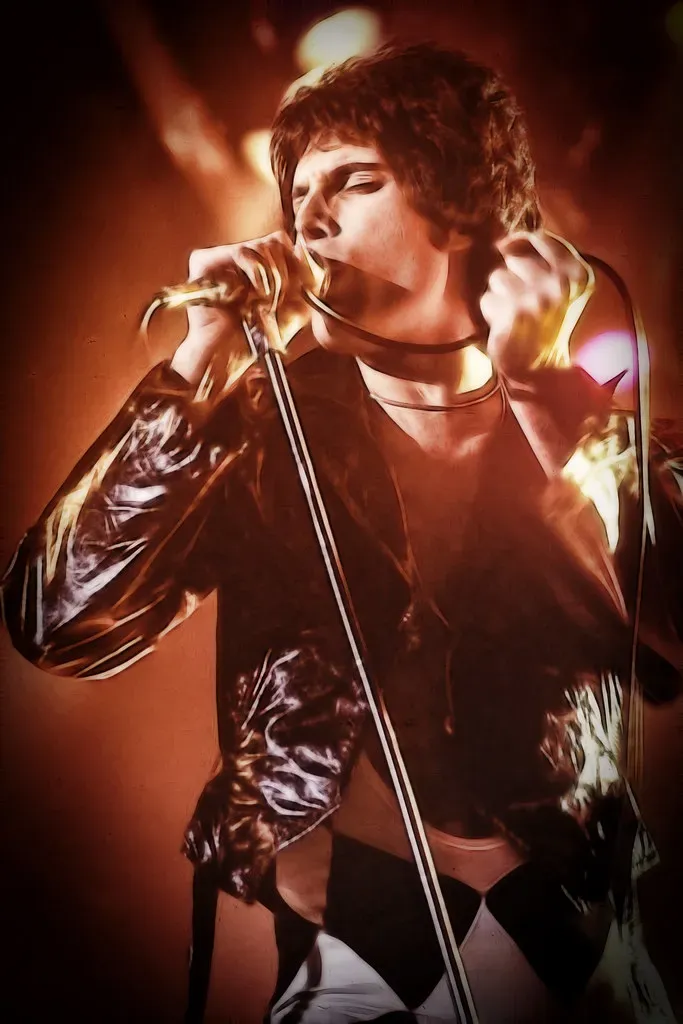
When “Bohemian Rhapsody” was released in 1975, it broke every rule in popular music. Too long, too theatrical, too unpredictable, and yet it became a global phenomenon. Its power lies not only in its spectacle, but in the underlying architecture Freddie Mercury crafted: a narrative in six acts, a vocal cathedral built on analogue tape, and an emotional journey that feels more like theatre than rock.
It was the first time an opera section had been included in a pop or rock song. The operatic section involves key changes from A major to E major, with the tempo increasing dramatically while maintaining the underlying beat, and a mixture of homophonic and antiphonal singing styles. In the opera section, Brian May intentionally stays silent, letting the vocals dominate. When the rock explosion arrives, the guitar becomes the emotional release the song has been building toward. May’s solo is not virtuosic for its own sake; it’s a cathartic scream, the moment where the narrator stops negotiating with guilt and finally fights back. The song has appeared in numerous polls of the greatest songs in popular music, including a ranking at number 17 on Rolling Stone’s 2021 list of the 500 Greatest Songs of All Time.
Bon Jovi – “Livin’ on a Prayer” (1986): A Crowd Singalong Built Into the DNA

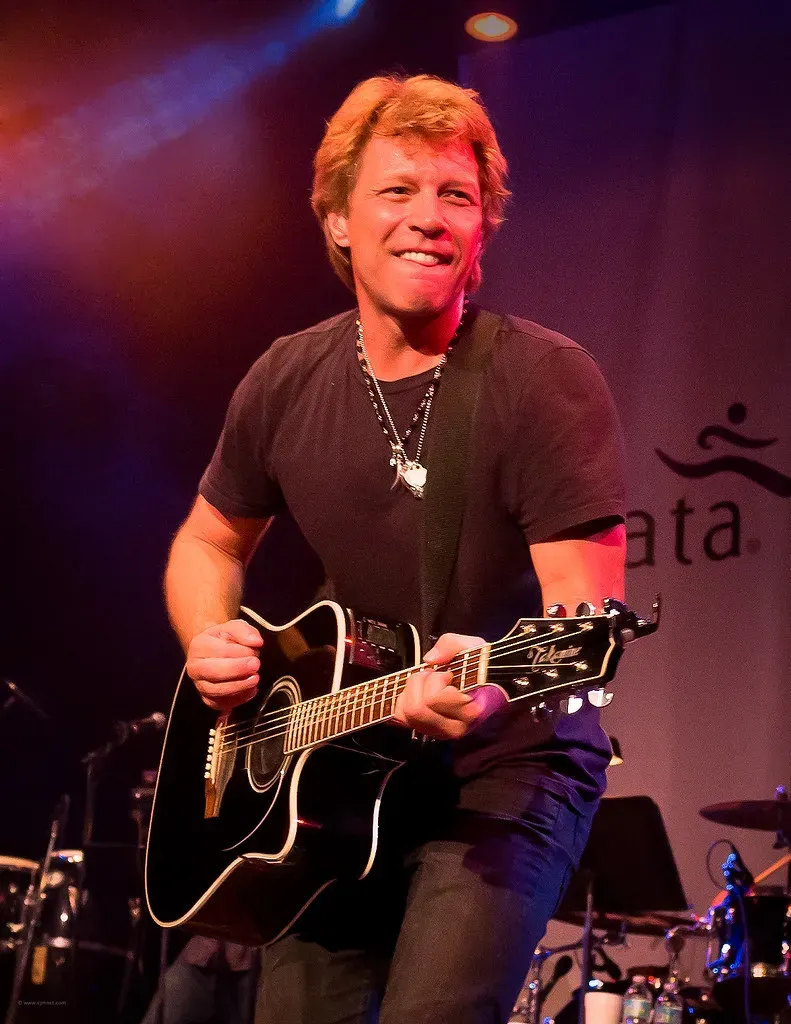
The bridge in “Livin’ on a Prayer” is nothing short of legendary. This moment unites listeners, transforming concerts and karaoke nights into singalong events. The bridge acts as a rallying cry, bringing hope and determination to the forefront, with Bon Jovi’s energetic performance ensuring this section stands out as a staple of classic rock radio.
Co-written with songwriter and producer Desmond Child and bandmate Richie Sambora, the song almost didn’t have a prayer. Jon Bon Jovi himself didn’t think it was going to be right for the direction the band was heading. It worked, and in 1987 the blue-collar anthem of resilience blew up, spending four weeks on top of the Billboard Hot 100 Singles chart. The bridge arrives on a key change that lifts the song physically upward, as though the music itself is trying to escape its own circumstances. The bridge’s popularity is reflected in its use at sporting events and public gatherings where everyone seems to know the words. Fans often say it’s impossible not to sing this part louder, no matter where you are.
Whitney Houston – “I Will Always Love You” (1992): The Silent Bar That Changes Everything

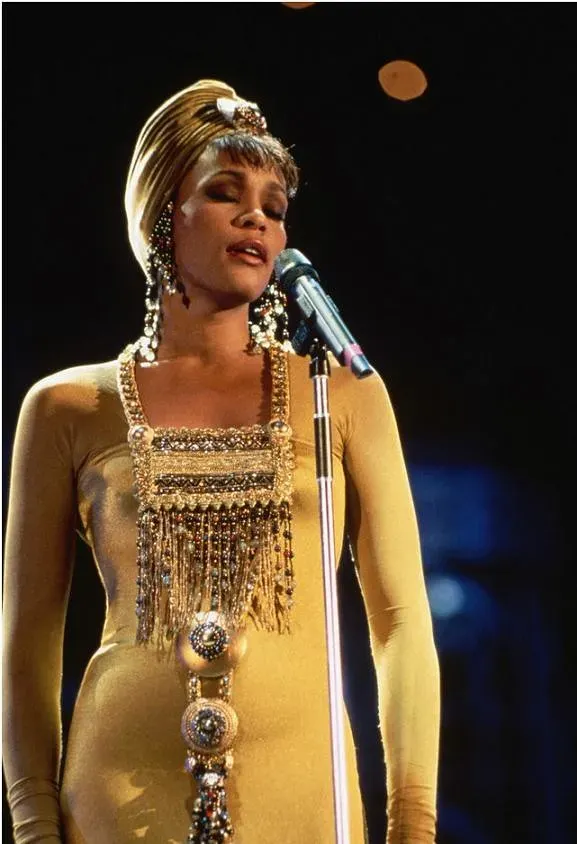
Whitney Houston’s “I Will Always Love You” is one of the most iconic and popular songs of all time. It was originally written and recorded by Dolly Parton in 1973 as a farewell to her mentor and partner Porter Wagoner. Houston recorded a soulful ballad version of the song for the 1992 film The Bodyguard, in which she starred as a singer who falls in love with her bodyguard, played by Kevin Costner.
Partner offer

The bridge of the song is built around one of the most daring structural choices in pop music: a moment of near-complete silence before Houston launches into the climactic final chorus. No one could vocally build a song quite like Whitney. After she sang the second verses, listeners knew something epic would be right ahead, during the bridge and climax of the song. Whitney Houston’s soul-ballad arrangement of “I Will Always Love You” would become the best-selling single of all time by a female solo artist, selling over 20 million copies worldwide. That bridge is the precise moment people instinctively lean into the speakers, hold their breath, then sing as loudly as they ever have.
Taylor Swift – “All Too Well” (2012 / 2021): Rage and Grief, Fully Unlocked


All Too Well is not so much a breakup song as it is an in-depth postmortem on a past relationship. In cutting specificities, Swift holds to the light the seemingly small, everyday moments that come from sharing a life with someone else, revealing how much love can be derived there. While much of the song focuses on these little flashes of memory, the bridge takes stock of the damage that’s been inflicted in the aftermath.
The song starts with a soft, acoustic guitar, setting a gentle mood. As the story progresses, the band kicks in and the energy rises. By the time the bridge arrives, the music is loud and frantic, matching the panic and anger in her voice. It then drops back down for the outro, leaving listeners in the quiet aftermath of the storm. Taylor Swift’s bridges stand out for their ability to add depth and complexity to her songs, and in “All Too Well,” when she dives into her past relationship, the bridge becomes a powerful moment of vulnerability. The track became the emotional centerpiece of her album Red. It wasn’t a radio single initially, but it became a cult classic because it captures the universal pain of looking back.
Queen / Radiohead – “Paranoid Android” (1997): From Chaos to Calm in Thirty Seconds


The bridge in “Paranoid Android” is one of those rare moments in music that feels like a deep breath after a storm. When Thom Yorke sings the haunting lines, everything suddenly shifts from chaos to calm. This serene contrast has become iconic, giving listeners a moment to reflect amidst the song’s wild energy.
Critics and fans alike have pointed to this bridge as a defining aspect of Radiohead’s innovative style. The emotional impact is immediate, with many listeners saying it gives them chills every single time. Even years after its release, “Paranoid Android” continues to appear on lists of the greatest songs ever, and the bridge is almost always singled out for praise. The song itself runs well past six minutes and shifts through wildly different moods, which makes the quiet, choirlike quality of its bridge section all the more jarring and unforgettable. It’s the kind of moment that turns casual listeners into devoted fans, precisely because it does something no one anticipated.
What ties all five of these bridges together is something harder to name than musical technique. The bridge holds a special place in the hearts of music fans. Great bridges lift songs from catchy to unforgettable. They arrive at the moment when a good song stops being background noise and becomes something personal. You don’t plan to sing louder. You just do.
Partner offer
Planning a trip to Vegas?
Compare hotel rates and show tickets on VEGAS.com.