There’s something magnetic about historical novels that blur the line between fact and fiction. You get the drama, the characters, the storytelling – but underneath it all, there’s real history. Real events that actually shaped our world. For readers who crave that authenticity but still want a compelling narrative, historical fiction hits differently than a straight textbook ever could.
The best historical novels don’t just entertain. They transport you to another time while keeping one foot firmly planted in documented reality. Whether it’s World War II resistance movements, ancient Rome’s political intrigue, or America’s tumultuous Civil Rights era, these books make history feel alive. Let’s dive into six standout novels that nail this balance perfectly.
All the Light We Cannot See by Anthony Doerr
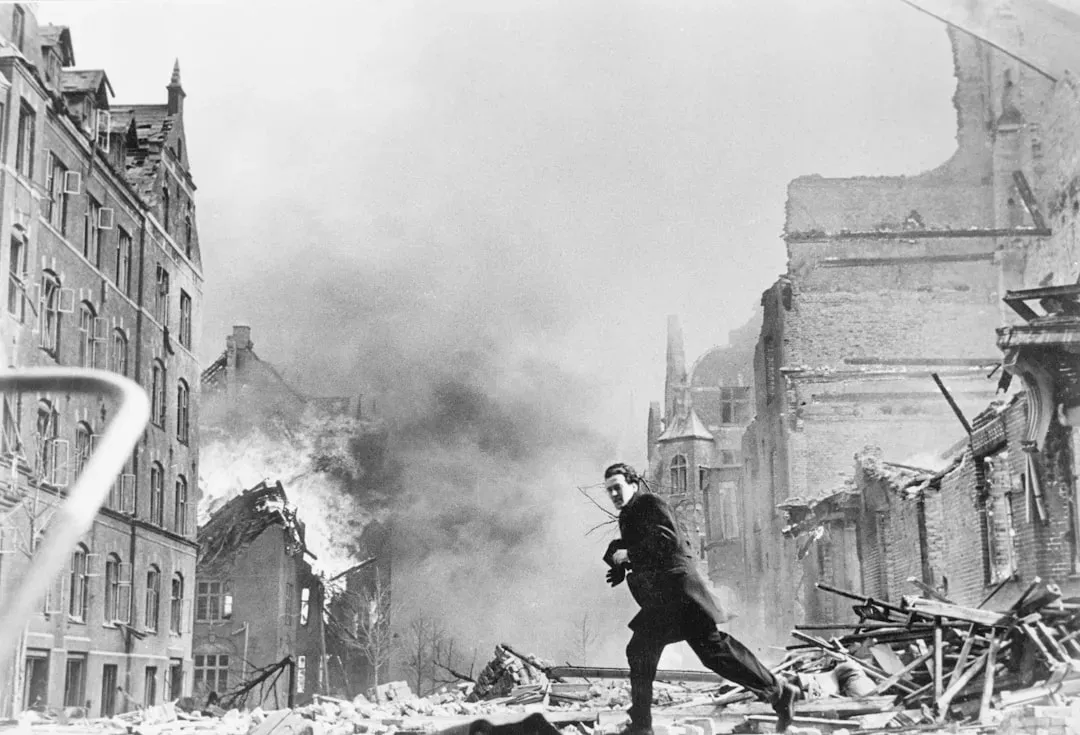
Set during World War II, this Pulitzer Prize winner follows two parallel stories. A blind French girl named Marie-Laure flees occupied Paris with her father. Meanwhile, Werner, a German orphan with a gift for electronics, gets pulled into Hitler’s war machine. Their paths eventually cross in the walled city of Saint-Malo during the Allied bombardment.
What makes this novel exceptional is how Doerr weaves meticulous historical detail into an intimate human story. The siege of Saint-Malo actually happened – the city was nearly destroyed in August 1944. Marie-Laure’s father works at the Museum of Natural History, which really did evacuate its treasures. Werner’s technical training at the brutal Nazi school Schulpforta reflects genuine Hitler Youth indoctrination programs.
The radio plays a central role in the story, and that’s historically spot-on. Resistance networks across occupied France used clandestine broadcasts to coordinate efforts and maintain hope. Doerr captures the atmosphere of that era – the fear, the small acts of rebellion, the impossible choices ordinary people faced. It’s a reminder that history isn’t just dates and battles. It’s individual lives colliding with massive forces beyond their control.
The Book Thief by Markus Zusak
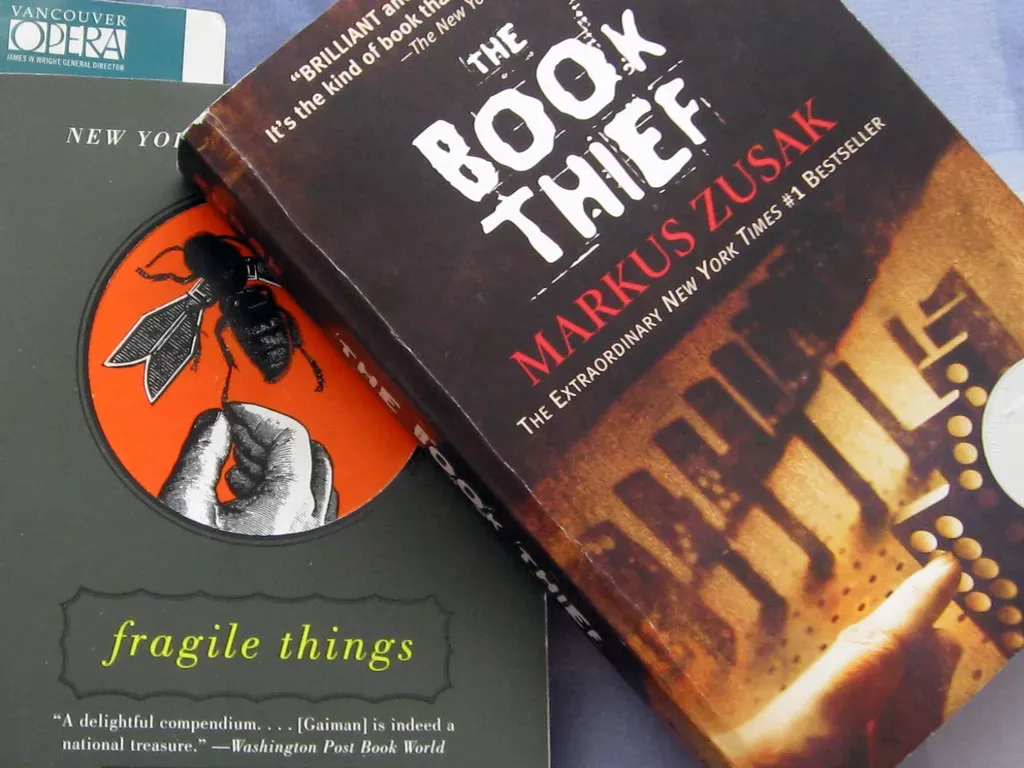
Here’s something you don’t see every day: Death himself narrates this story. Set in Nazi Germany, it follows Liesel Meminger, a foster girl living outside Munich who steals books and shares them with others, including the Jewish man hiding in her basement. It sounds like pure fiction, but Zusak built this story on his parents’ real experiences growing up in wartime Austria and Germany.
The book burnings were absolutely real. The Nazis destroyed an estimated 100 million books between 1933 and 1945, targeting works by Jewish authors, political dissidents, and anyone deemed un-German. Liesel’s act of stealing a book from one of these bonfires captures something profoundly human – the refusal to let knowledge die, even when your world is burning.
What’s fascinating is how Zusak portrays everyday Germans during the war. Not everyone was a zealot. Many were scared, complicit, or quietly resistant in small ways. The character of Hans Hubermann, who hides Max Vandenburg despite enormous risk, represents those ordinary people who chose decency over safety. Those people existed. Some paid for it with their lives. The novel doesn’t excuse the broader atrocities, but it complicates our understanding of that dark period.
Wolf Hall by Hilary Mantel
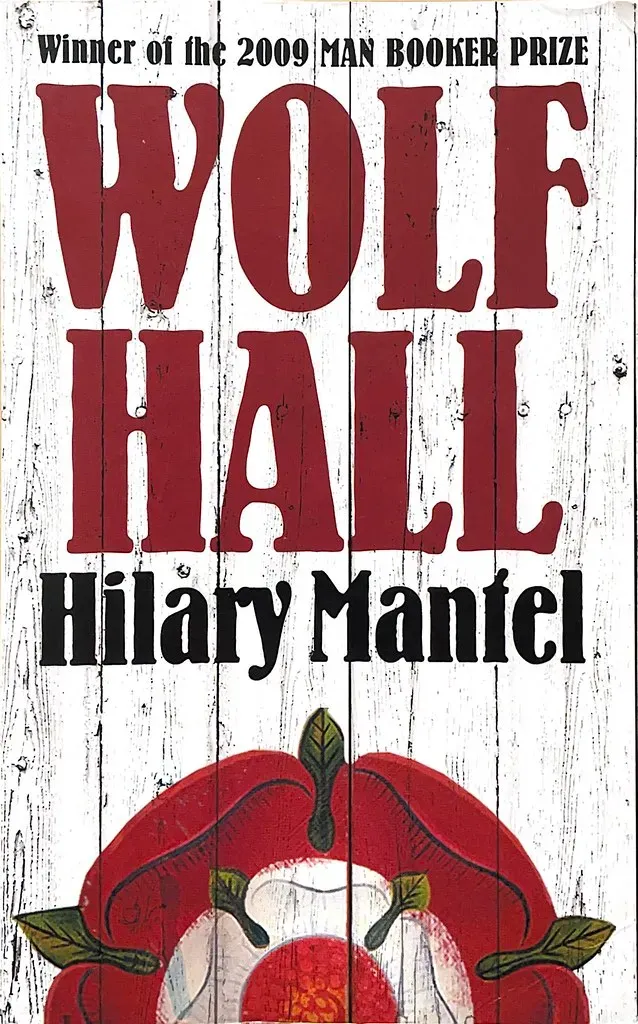
Thomas Cromwell usually gets portrayed as the villain in Tudor history – the ruthless enforcer who helped Henry VIII break from Rome and execute his enemies. Mantel flips that script entirely. Her Cromwell is brilliant, pragmatic, surprisingly compassionate, and utterly fascinating. This isn’t revisionist fantasy though. Mantel spent years researching the actual historical record.
The political intrigue surrounding Henry VIII’s divorce from Catherine of Aragon really was that complex. The religious upheaval wasn’t just about the king wanting a new wife – it fundamentally reshaped England’s relationship with Europe and created the Anglican Church. Mantel captures the backroom negotiations, the theological arguments, the personal vendettas that drove monumental change.
She includes documented conversations and events but imagines what happened in the gaps. We know Cromwell rose from blacksmith’s son to the king’s chief minister. We know he orchestrated Anne Boleyn’s downfall. What we don’t know are his private thoughts, his motivations, his humanity. Mantel gives us a plausible, meticulously researched version of those unknowables. Reading this feels like watching history unfold from the inside rather than studying it from centuries away.
The Underground Railroad by Colson Whitehead
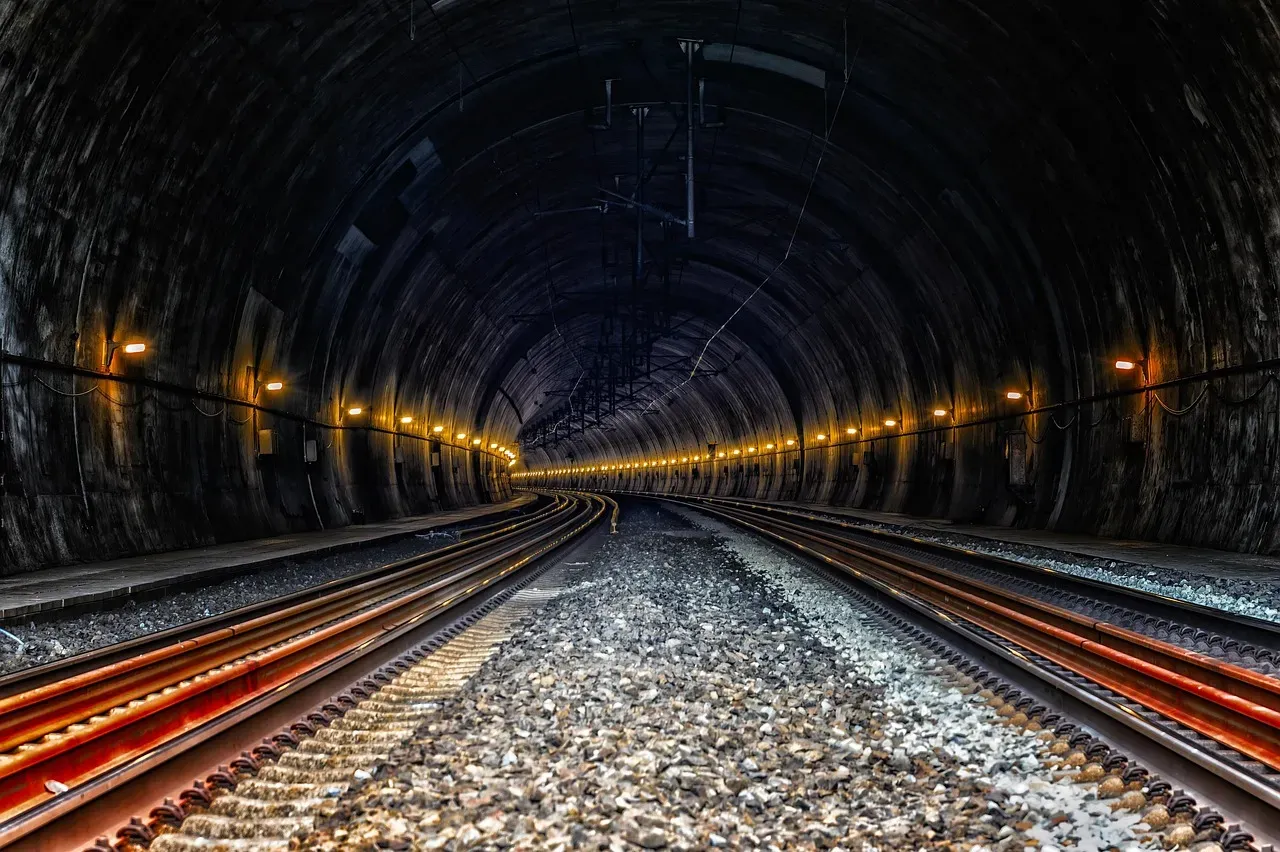
Whitehead takes the metaphorical Underground Railroad – the network of safe houses that helped enslaved people escape north – and makes it literal. In his novel, it’s an actual railroad system running beneath the Southern states. That’s the fictional element. Everything else? Disturbingly, painfully real.
The protagonist, Cora, experiences horrors drawn directly from historical accounts. Forced medical experiments on enslaved people happened. The Tuskegee syphilis study, which ran until 1972, echoes in Whitehead’s fictional North Carolina. Slave catchers, bounty systems, the constant threat of violence – all documented realities. Even the supposed “free” states often proved hostile or exploitative to Black Americans who reached them.
What’s powerful here is how Whitehead uses his speculative device to explore different historical realities across states. Each stop on Cora’s journey represents actual policies and attitudes from various periods of American history. South Carolina’s seemingly benign paternalism masks eugenics programs. North Carolina has outlawed Black people entirely. Indiana appears progressive until white supremacist violence erupts. It’s American history compressed and amplified, forcing readers to confront what was done and what continues to echo through our present.
The Nightingale by Kristin Hannah
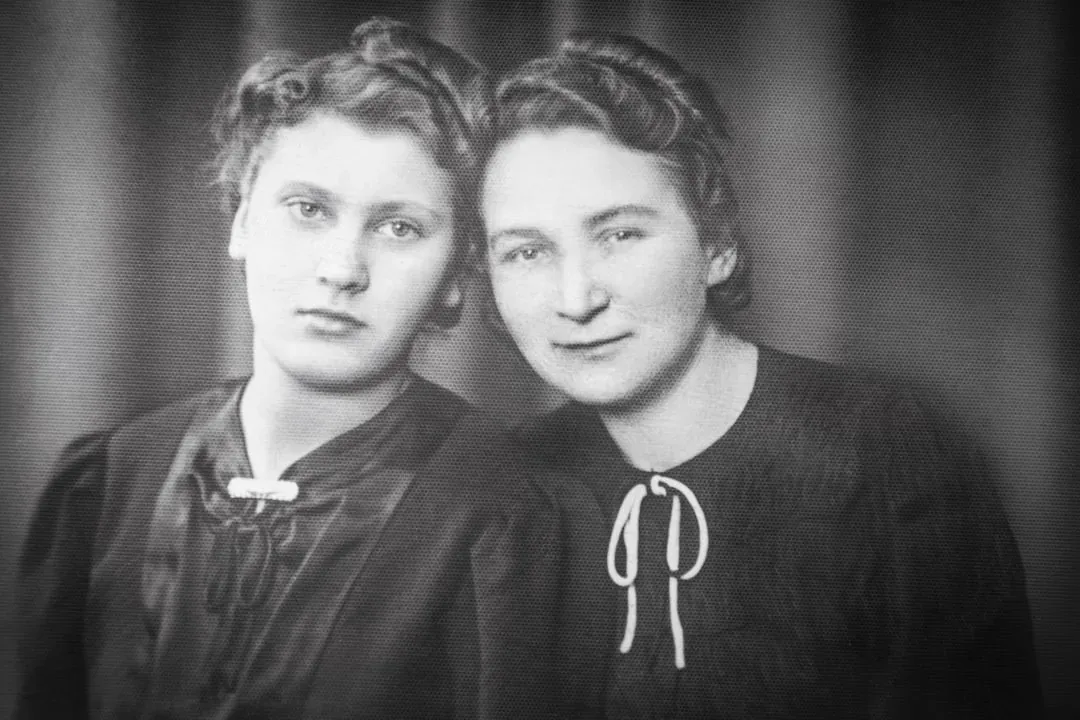
Two French sisters navigate occupied France during World War II in vastly different ways. Vianne struggles to protect her daughter and survive in a village where a German officer commandeers her home. Her sister Isabelle joins the resistance, helping downed Allied pilots escape over the Pyrenees mountains. The resistance work that Isabelle performs mirrors real escape routes that existed.
The Comet Line was an actual network that helped Allied servicemen evade capture and return to Britain. Young women – teenagers sometimes – guided soldiers through treacherous mountain passes into Spain. Roughly 800 airmen successfully escaped this way. Many of the guides were captured and executed. Hannah didn’t invent that bravery. She just gave it names and faces and a story that makes you feel the stakes.
The novel also portrays the moral complexities of occupation. Vianne isn’t a hero in the traditional sense. She makes compromises to survive. She develops an unexpected relationship with the German officer living in her house. That’s messy and uncomfortable, which is exactly what life under occupation was. Not everyone could be a resistance fighter. Most people just tried to survive. Hannah respects that reality while still celebrating those who risked everything to fight back.
I, Claudius by Robert Graves
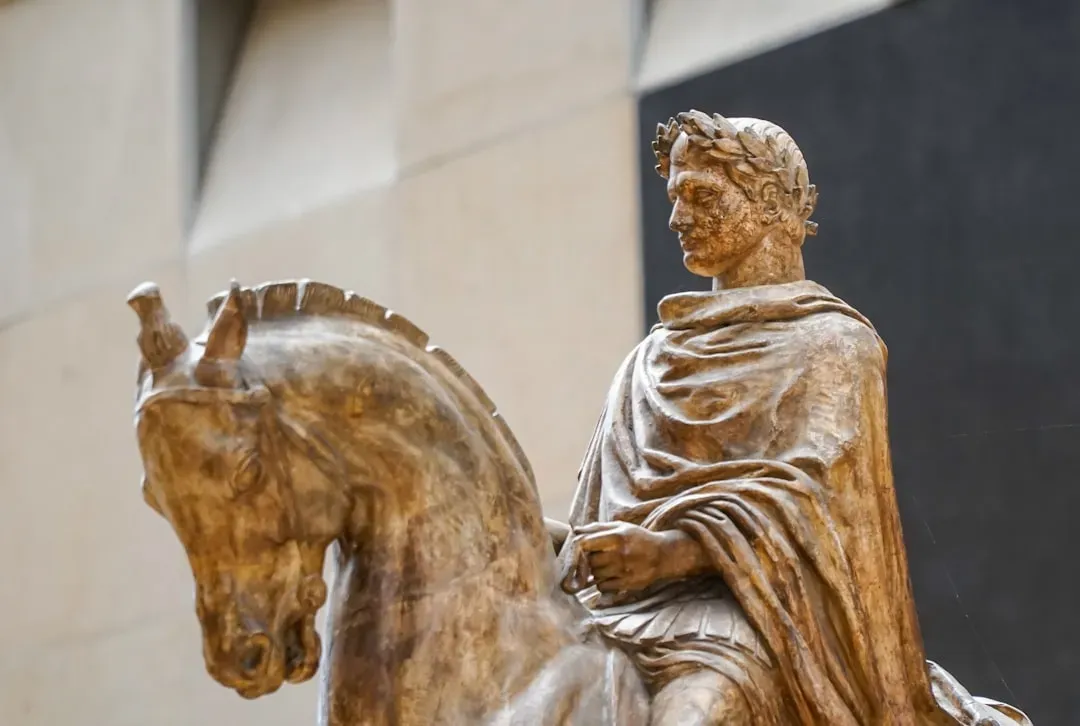
Written in 1934, this novel presents itself as the autobiography of the Roman Emperor Claudius, covering the Julio-Claudian dynasty from Augustus through Claudius’s own reign. Graves based his narrative on actual Roman historians – Suetonius, Tacitus, and others who documented this period with plenty of scandal, intrigue, and political murder.
The poisonings, the conspiracies, the dysfunction – scholars debate details, but the broad strokes are supported by historical sources. Livia, Augustus’s wife, probably was as manipulative as Graves portrays her. Caligula’s madness is documented (though possibly exaggerated by hostile historians). Claudius himself was dismissed as an idiot by his family before unexpectedly becoming emperor after Caligula’s assassination.
What makes this novel remarkable is how Graves imagines the private motivations behind public events. Ancient sources tell us what happened. Graves suggests why it might have happened, creating a coherent narrative from fragmented historical records. He doesn’t contradict known facts. He fills in the psychological landscape. The result reads like gossipy historical biography, which honestly might be closer to how history actually unfolds – through personal ambitions, family grudges, and individuals making choices that ripple through centuries.
Why These Stories Matter
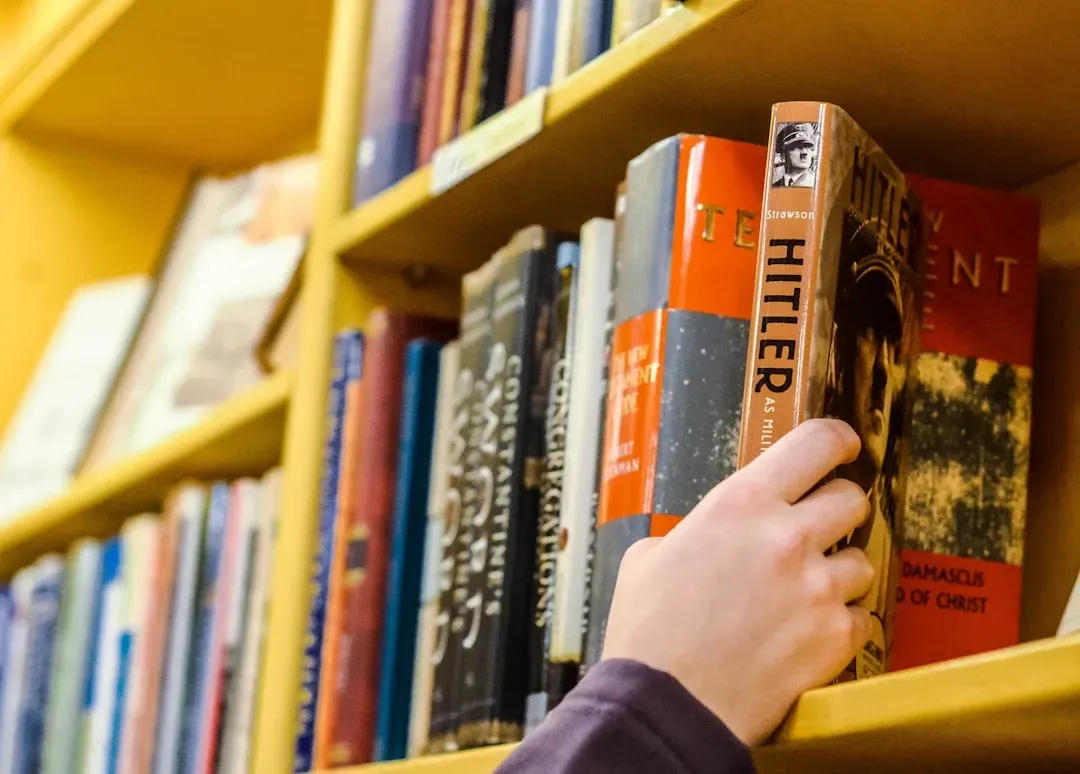
Historical novels do something textbooks struggle with. They make history personal. You’re not memorizing dates or analyzing trends. You’re walking beside characters through events that actually shaped our world. These six novels prove you don’t need to choose between entertainment and education. The best historical fiction offers both.
What’s your relationship with historical novels? Do you prefer strict accuracy, or do you appreciate when authors take creative liberties to tell a better story? Tell us in the comments.