


Making a film is already a logistical marathon. There are budgets to stretch, schedules to hold, and dozens of creative egos to manage. Most of the time, directors and actors find a way to make it work. The only thing an audience loves more than a good movie is a good bit of behind-the-scenes drama, which tends to happen no matter how good actors and directors are at playing well with others.
Every so often, though, the behind-the-scenes story becomes more memorable than the film itself. The six actors below earned that distinction the hard way, leaving directors frustrated, exhausted, or openly furious by the time the cameras stopped rolling.
1. Marlon Brando – The Method Genius Who Refused to Learn His Lines

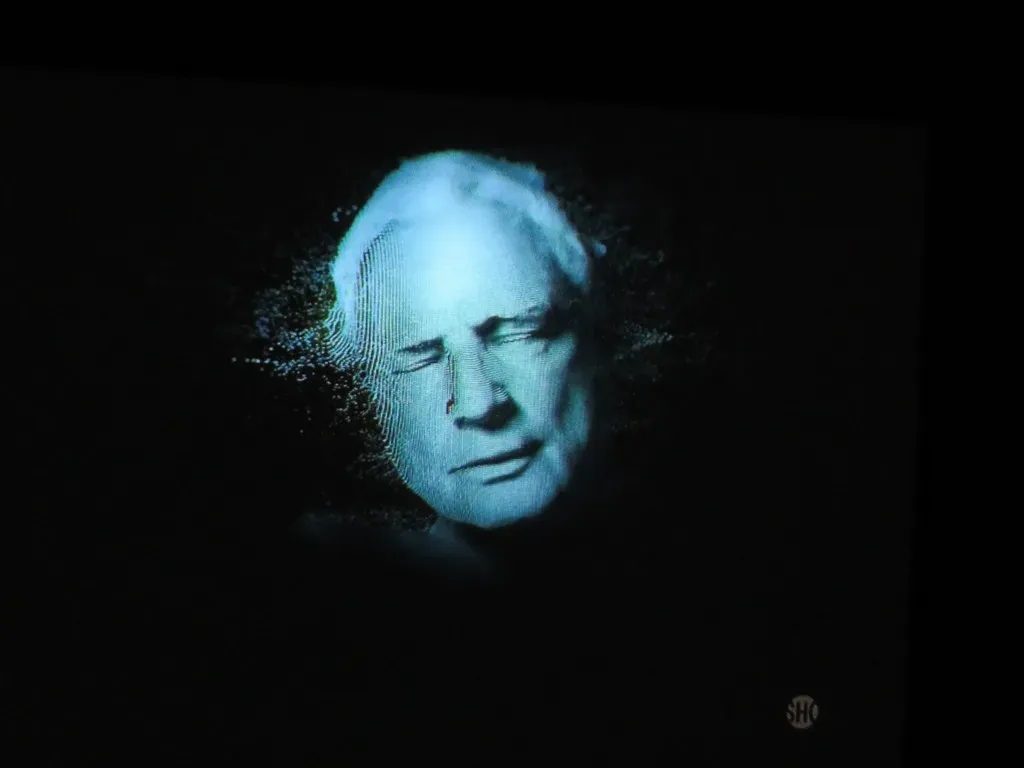
Brando was notorious for ignoring direction, and he wouldn’t even memorize his lines, preferring instead to just wing it during filming, write cue cards to leave somewhere off camera, or wear an earpiece. That pattern repeated itself on more than one set over several decades. It became less a quirk and more a defining feature of how he approached the craft.
Francis Ford Coppola’s Apocalypse Now is a true Vietnam war epic in which production lasted over a year and went wildly over budget. The problems ranged from such expensive sets being destroyed by severe weather, to lead actor Martin Sheen having a near-fatal heart attack. Perhaps the film’s largest obstacle was the erratic behaviour of central actor Marlon Brando once production began in 1976. The actor arrived on location in Manila extremely overweight, forcing Coppola to edit around the character and change his initial plan. Coppola downplayed Brando’s weight by dressing him in black, photographing only his face, and having another, taller actor double for him to portray him as an almost mythical character.
Brando refused to learn his lines. He weighed in excess of 300 lbs and there weren’t any uniforms to fit him. Even though Coppola stopped production and spent a week talking to Brando, reading the script lines out loud for him to learn, Brando still insisted on just saying what he wanted to say while filming – words that were never in the script. It was an extraordinary disruption on a production that could barely afford any more of them.
2. Klaus Kinski – The Actor Who Made Directors Fear for Their Lives


Equally renowned for his intense performance style and his notoriously eccentric and volatile personality, Kinski appeared in over 130 film roles in a career that spanned 40 years, from 1948 to 1988. Despite that volume of work, his reputation preceded him so thoroughly that most directors who tried him once never tried again. Despite that extensive list, Kinski only ever worked with one director on multiple occasions. All the others refused to deal with him again.
Werner Herzog and Kinski pushed each other to extremes over a 15-year working relationship, which finally ended after filming Cobra Verde in 1987, a production plagued by volcanic clashes between the star and director, involving, among other things, violent physical altercations and mutual death threats. The tension was not abstract. Late in the filming of Fitzcarraldo in Peru, the chief of the Machiguenga tribe offered to kill Kinski for Herzog, but the director declined.
Director David Schmoeller released a short film titled Please Kill Mr. Kinski, which examined Kinski’s erratic and disruptive behavior on the set of Schmoeller’s 1986 film Crawlspace. The film features behind-the-scenes footage of Kinski’s various confrontations with the director and crew, along with Schmoeller’s account of the events, in which he claims a producer offered to murder Kinski for his life insurance money. That a documentary about working with an actor needed to be made at all says something about how singular the experience was.
3. Val Kilmer – The Star Who Sent Two Directors Packing

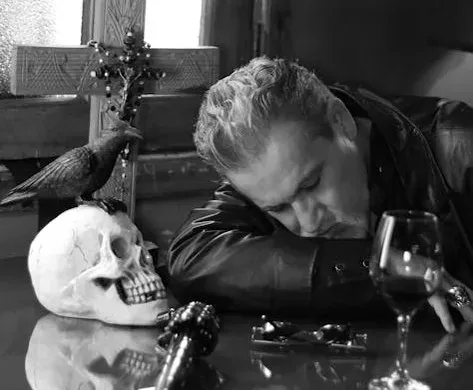
Val Kilmer was one of the biggest movie stars of the 1990s, but his career was also marked by controversy and accusations of on-set difficulty, nowhere more so than on the notorious flop The Island of Dr. Moreau. The 1996 movie had a difficult shoot marked by the director and several actors being replaced and heated feuds between Kilmer, co-star Marlon Brando, and directors Richard Stanley and John Frankenheimer.
Moreau was director Richard Stanley’s passion project, but New Line fired him after just three days of shooting. They blamed Stanley for not being able to control Kilmer and production running behind. The only way that Kilmer was going to work on the project was by committing to only 60% of the time that Bruce Willis had originally agreed upon, a decision which made things difficult for director John Frankenheimer who had only been brought on a few days before shooting began.
Frankenheimer expected strict adherence to his direction, but Kilmer resisted, leading to frequent clashes over creative control. The rift between them was deep enough to become a matter of public record. Frankenheimer and Kilmer had an argument on-set which reportedly got so heated that Frankenheimer stated afterwards, “I don’t like Val Kilmer, I don’t like his work ethic, and I don’t want to be associated with him ever again.” Upon completion of Kilmer’s final scene, Frankenheimer is reported to have said to the crew, “Now get that bastard off my set.”
4. Dustin Hoffman – The Perfectionist Who Crossed Lines

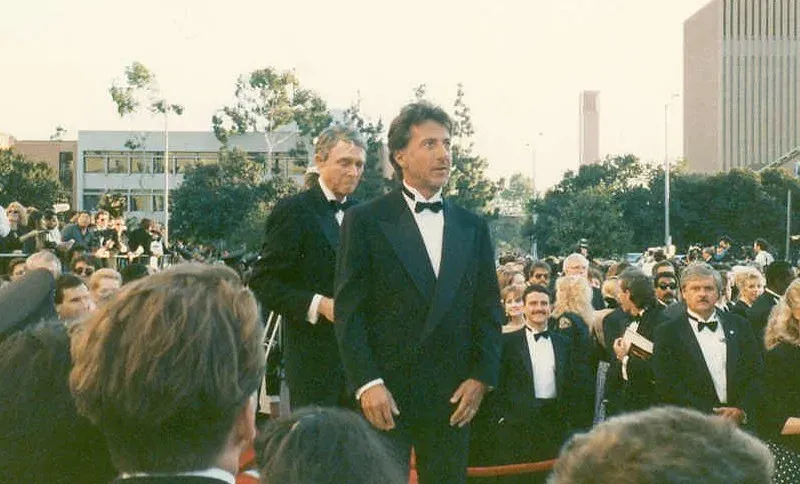
There’s no denying that Dustin Hoffman has been in some great films and is one of the greatest actors of his generation, with a whole bunch of awards and nominations to prove it. However, his dedication to his craft has often come at the expense of a favorable work environment for those on set with him. He’s been known to argue with directors and demand extra takes to get it perfect.
Then there’s Meryl Streep. Hoffman starred opposite Streep in Kramer vs. Kramer and on one of the first takes he slapped her without warning. Hoffman has since discussed his performance on set as possibly acting out “stuff that I was feeling toward the wife that I was divorcing in real life.” That admission, offered years later, says more about the blurred line between method and misconduct than any director could have at the time.
The pattern shows up elsewhere too. Director David Fincher addressed tensions between him and Jake Gyllenhaal while filming, sharing that the actor had been “very distracted” at the time in his career and that he later apologized. Hoffman’s case, though, stands apart because of the sheer number of collaborators who found themselves on the wrong end of his creative intensity.
5. Edward Norton – The Actor Who Wanted to Direct

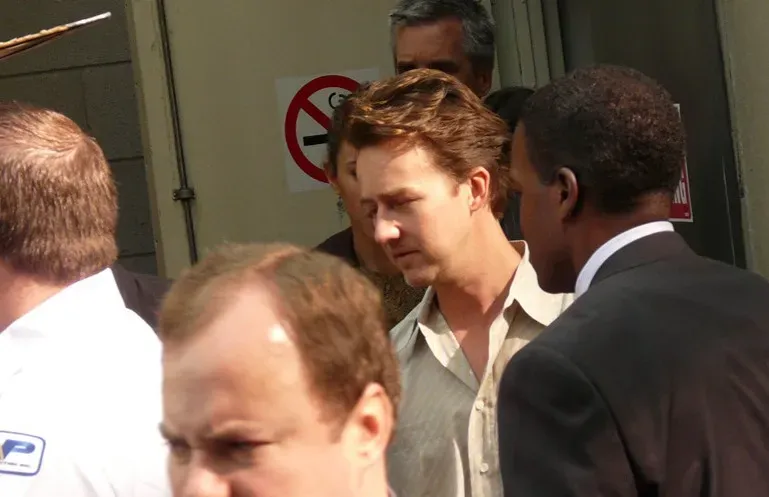
Norton has a reputation for “shadow directing.” He sat in on the editing for American History X because he didn’t trust Tony Kaye and often clashed with the studio during The Incredible Hulk over creative differences. While the people behind the film said the dispute was blown out of proportion in the media and a promo tour was planned for the movie, Norton didn’t do any promotion following its release.
The problem, as directors have framed it, isn’t that Norton is untalented. He’s clearly formidable on screen. The issue is that his involvement rarely stops at acting. He’s been known to argue with directors and demand extra takes to get it perfect. For Tony Kaye on American History X, the experience was severe enough to damage the film’s release and leave a lasting mark on Kaye’s career. Norton’s insistence on shaping the final cut created a conflict that the two men never fully resolved publicly.
Norton’s case is interesting because it sits at the intersection of ambition and control. He isn’t disruptive in a chaotic sense. He’s disruptive in a systematic, persistent one. Directors who’ve worked with him describe the experience less as turbulence and more as a slow, steady renegotiation of who is actually in charge.
6. Charlie Sheen – The Chaos That Couldn’t Be Contained
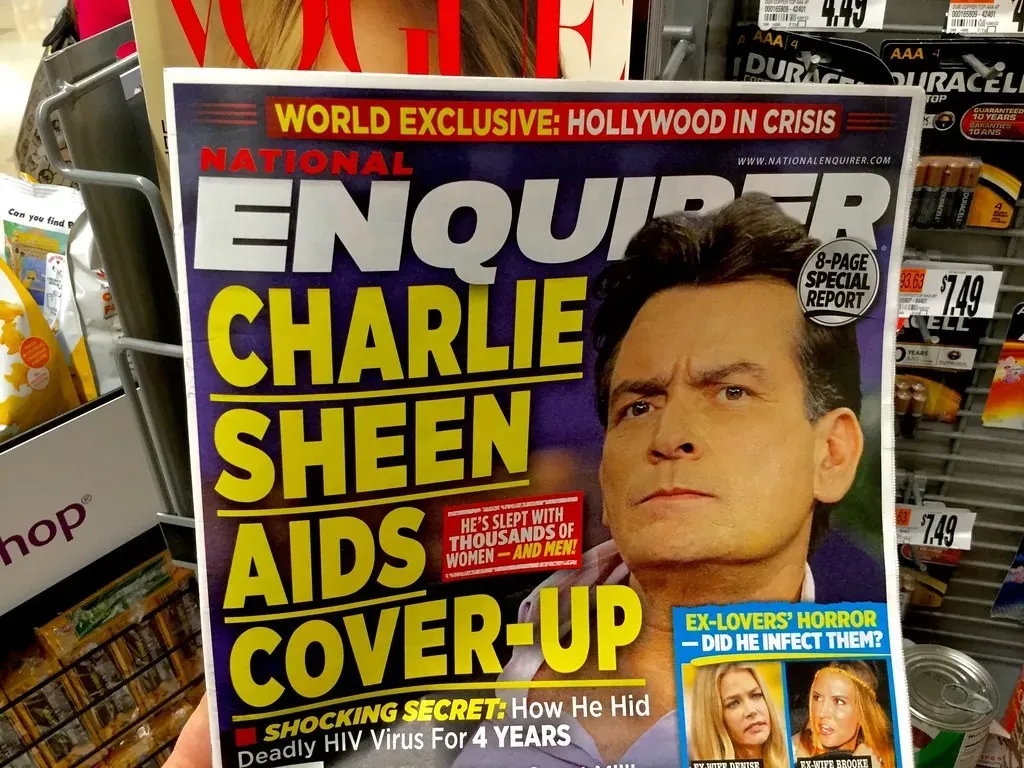
Charlie Sheen’s personal life was the subject of controversy for years, including domestic issues and his infamous addiction. It’s not too much of a stretch to imagine just how difficult it would be to work with him. His substance abuse and disparaging comments about Chuck Lorre are apparently what got him fired from his career-rejuvenating role on Two and a Half Men.
On the film side, Sheen’s on-set tensions surfaced early. On the 1987 film Wall Street, co-star Sean Young came into conflict with director Oliver Stone. Young was petitioning for Stone to give her Daryl Hannah’s role, but it also didn’t help that Young and lead Charlie Sheen did not get along and Young would show up late and unprepared. The set was fractious from multiple directions, and Sheen remained at the center of the friction.
What makes Sheen’s case distinct is the sheer durability of the problem. Directors, producers, and studio executives across different decades and different formats all encountered the same pattern. What began as the volatility of a young actor gradually calcified into something more institutional – a reputation so thoroughly established that insuring productions around him became a genuine financial calculation.


