


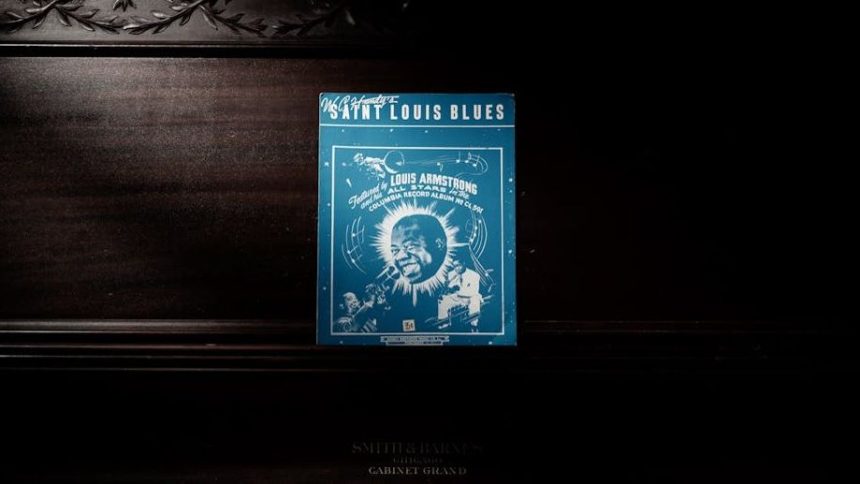
Finding a signed concert poster feels almost accidental. Maybe it was tucked inside a box in a relative’s attic, left behind at an estate sale, or sitting in a stack of old paper at a flea market. The ink looks faded, the edges are worn, and it’s easy to assume the thing is worth a modest amount, maybe enough to grab a decent dinner. That assumption, in most cases, would cost you dearly.
The market for signed concert posters has quietly transformed into one of the most dynamic corners of the entire collectibles world. What was once niche territory for obsessive fans is now drawing serious attention from auction houses, alternative investment funds, and new generations of collectors. Before you photograph it and post it online, there are things you really need to understand.
The Market Has Gone Mainstream in a Way Most People Haven’t Noticed

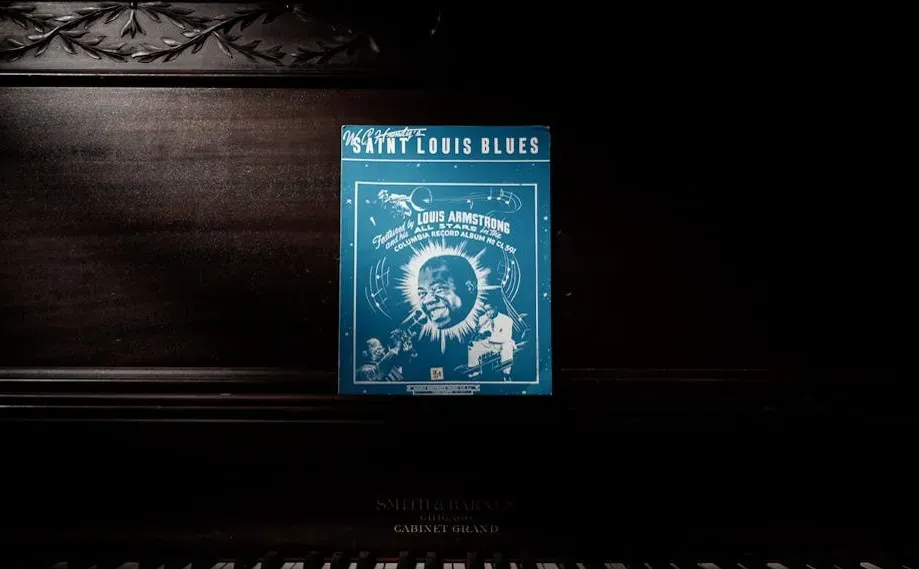
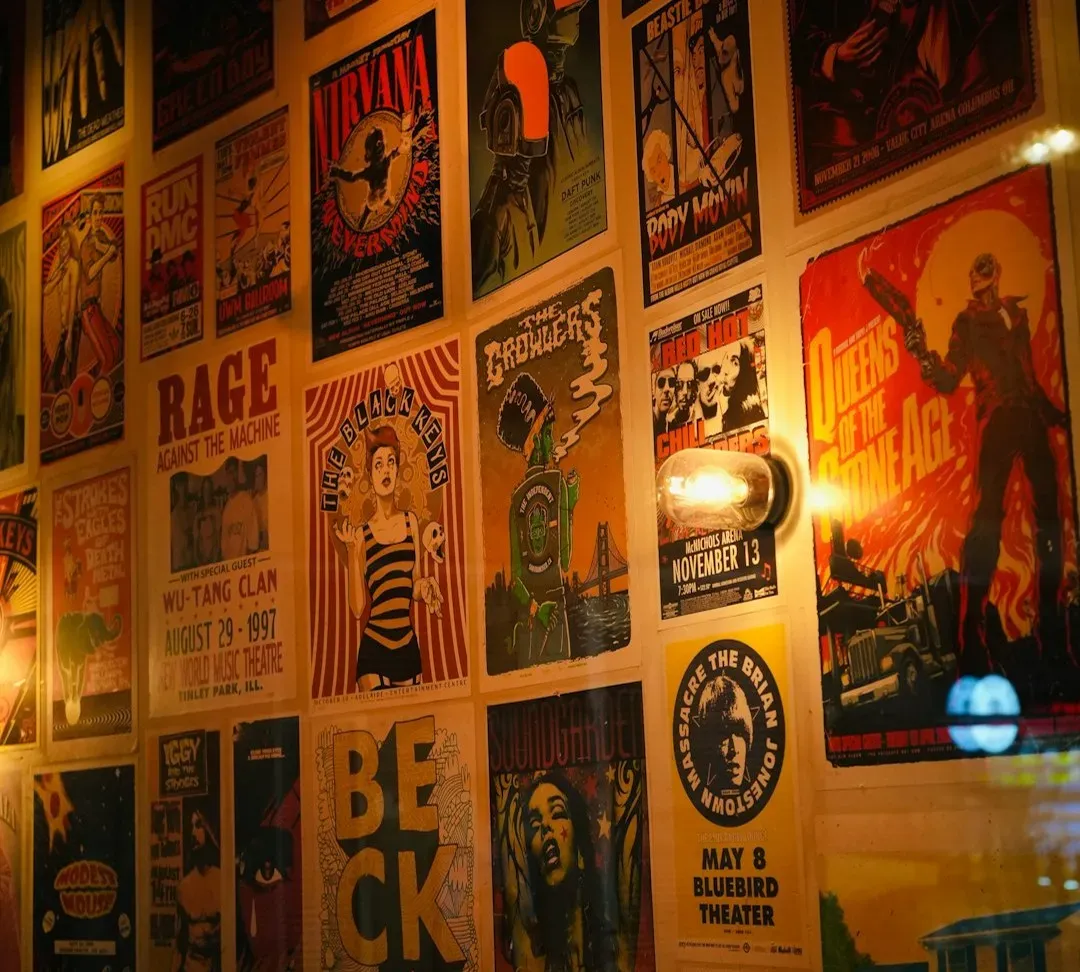
The collectibles market for original concert posters has matured significantly. According to auction data tracked through 2025 and into 2026, top-tier examples regularly appear at Christie’s, Heritage Auctions, and Sotheby’s alongside paintings and sculptures. This is no longer a niche hobby – it’s a legitimate art market. That’s a meaningful shift, because it means the buyer pool is far larger and wealthier than it used to be.
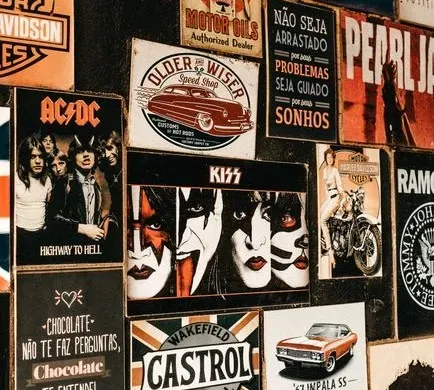
Iconic posters featuring punk, metal, and hip-hop from the birth of rock in the 1950s to the psychedelic 1960s and beyond are hot collectibles, with Generation X being the leading demographic that has spiked values for event posters. Auction houses are now dedicating sales to these posters, and it’s easy to chart a steady multi-year increase in values. Selling too early means stepping off a moving escalator.
A Signature Isn’t Just a Decoration – It’s a Value Multiplier

Artist signatures can significantly enhance a concert poster’s value and authenticity. When evaluating one, look for signatures that are consistent with the artist’s known handwriting and style, and if possible, compare them against verified examples from other works. The signature isn’t merely decorative. It’s a direct physical link to a specific person at a specific moment in history.
A verified signature can significantly enhance value and desirability. Signed works often command stronger market interest than unsigned examples. Collectors should be aware that authentic limited edition posters can sell for thousands of dollars, especially if they are signed by the band members. It’s essential to verify signatures and obtain provenance to ensure the investment is sound.
The Rarity of These Objects Is Nearly Impossible to Overstate

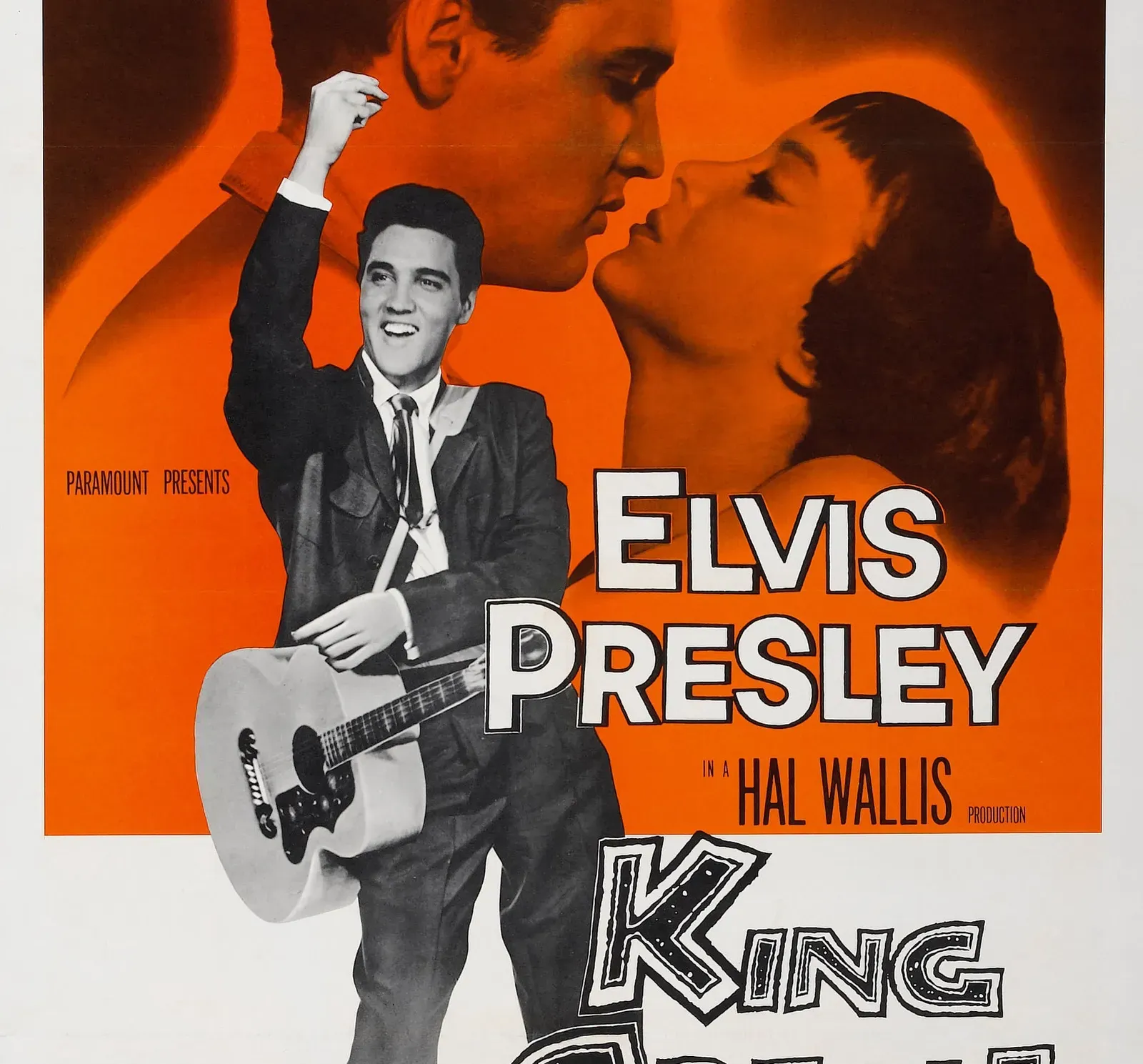
Print runs during the 1960s were often very low – usually fewer than 100 were ever printed. Think about that for a moment. We’re not talking about limited edition sneakers or a numbered print run of thousands. These were functional promotional tools made in tiny batches, not preserved with any future collector in mind.
Of those original print runs, probably only ten to twenty percent exist in any condition today. Of those surviving pieces, no more than five to ten percent have somehow miraculously survived in mint condition. A signed example from that shrinking pool is genuinely rare in a way that very few collectibles can claim. Parting with one hastily is nearly impossible to undo.
Prices at Auction Tell a Story Most Sellers Underestimate


The Beatles’ 1966 Shea Stadium concert poster is considered the holy grail of posters. Authenticated examples have sold for over $60,000 at major auction houses. Given the Beatles’ global legacy and the historic nature of the show, which drew over 55,000 fans, it’s no surprise collectors go to great lengths to own this piece.
Jimi Hendrix posters from the Fillmore era are among the most prized original music posters in existence. A 1968 Fillmore West poster featuring Hendrix sold for approximately $35,000. Heritage Auctions achieved $84,375 for a signed Grateful Dead Skeleton and Roses poster graded CGC 9.6. These aren’t outliers. They’re benchmarks for what the informed market is actually willing to pay.
Partner offer

Selling Without Authentication Is Leaving Money on the Table


Selling unauthenticated items significantly reduces value, typically by sixty to seventy percent, and limits auction house options. Major houses like Heritage require authentication or will reject items entirely. Investment in professional authentication, which typically costs between $150 and $500, often provides a return on that investment many times over for high-value pieces.
When it comes to a poster’s condition, small differences often lead to considerable differences in prices realized. It is critical to understand that ungraded items cannot be fairly compared to items independently authenticated and graded by CGC. Like every other major collectible such as rare coins, comic books, baseball cards, and postage stamps, collectors are willing to pay enormous premiums for authenticated and graded material. CGC provides an unbiased opinion on quality and condition, free from conflicts of interest. Rushing a sale before this step is one of the costliest mistakes in memorabilia collecting.
The Collectibles Market Itself Is Expanding Fast

The collectibles market was valued at over $321 billion in 2025 and is expected to reach approximately $467 billion by 2032, growing at a compound annual rate of around five and a half percent. That rising tide lifts the values of rare, authenticated pieces disproportionately, especially those tied to cultural icons.
Vintage collectibles led the broader collectibles market with the largest revenue share in 2024, driven by sentimental nostalgia. Investment in the collectibles market is gaining strong momentum as alternative assets become more mainstream, with over sixty percent of global collectors now viewing collectibles as long-term investments. A signed concert poster isn’t just memorabilia anymore. It increasingly functions as a tangible asset.
Cultural Anniversaries Are Actively Driving Up Demand


The 60th anniversary of the formation of the Grateful Dead occurred in 2025, the 60th anniversary of the Bill Graham and Family Dog shows falls in 2026, and the Monterey Pop Festival’s 60th arrives in 2027. These anniversaries will likely drive renewed attention to the music, the bands, and the art that defined an era. Just as Beatles milestones brought new waves of fanfare and merchandise, these landmark years are poised to reignite nostalgia and collectibility.
Museums, cultural institutions, and auction houses are already preparing retrospectives. Expect surges in demand and visibility, particularly for museum-quality prints tied to the biggest acts and venues. Selling a signed poster right now, in the middle of this momentum, is a bit like exiting a trade just as the fundamentals finally turn in your favor.
Provenance and Documentation Protect Future Value


Signatures, inscriptions, and gallery stamps add credibility to collectibles when properly documented. Provenance, including sales slips and collection records, provides assurance, especially for high-value pieces. Proper documentation is crucial for establishing the legitimacy and value of signed items.
Establishing the origin, history, and context of an item by tracing its ownership, exhibition, and documentation strengthens its value considerably. Certificates of Authenticity and relevant paperwork are essential for confirming an item’s legitimacy. The more documented the chain of ownership, the stronger your position whenever you do eventually decide the time is right to sell – or pass it along to someone who will genuinely treasure it.
The Long-Term Case for Holding Is Exceptionally Strong


Based on auction trends leading into 2026, original concert posters have shown consistent appreciation in value, particularly for iconic artists. Top-tier examples from historically significant shows have proven to be solid long-term holds for many collectors. This is a category where patience is almost always rewarded.
It’s important to understand that concert posters are long-term investments. Unless something extraordinary takes place, concert posters don’t just triple in value after a single concert. As digital culture becomes increasingly dominant, there’s growing appreciation for tactile, analog artifacts of the past. Vintage posters, with their hand-drawn designs and screen-printed textures, offer a physical connection to history. Investors who understand the crossover between art and music memorabilia stand to benefit not only from financial returns but cultural relevance. The signed poster you found is far more than a curiosity. Treat it accordingly.
Partner offer
Planning a trip to Vegas?
Compare hotel rates and show tickets on VEGAS.com.


