There’s something almost counterintuitive about the way music history’s most lasting songs sometimes arrived the fastest. While some artists spent months painstakingly refining every chord, a handful of legendary tracks materialized in a single rush of inspiration – finished before the feeling could fade.
The songs below weren’t labored over. They weren’t the result of careful revision or weeks in the studio. They simply appeared, more or less complete, in the space of a quarter-hour or less. What they share is not laziness, but a kind of instinctive clarity that longer creative processes rarely produce.
“Yesterday” by The Beatles – The Dream That Became a Classic
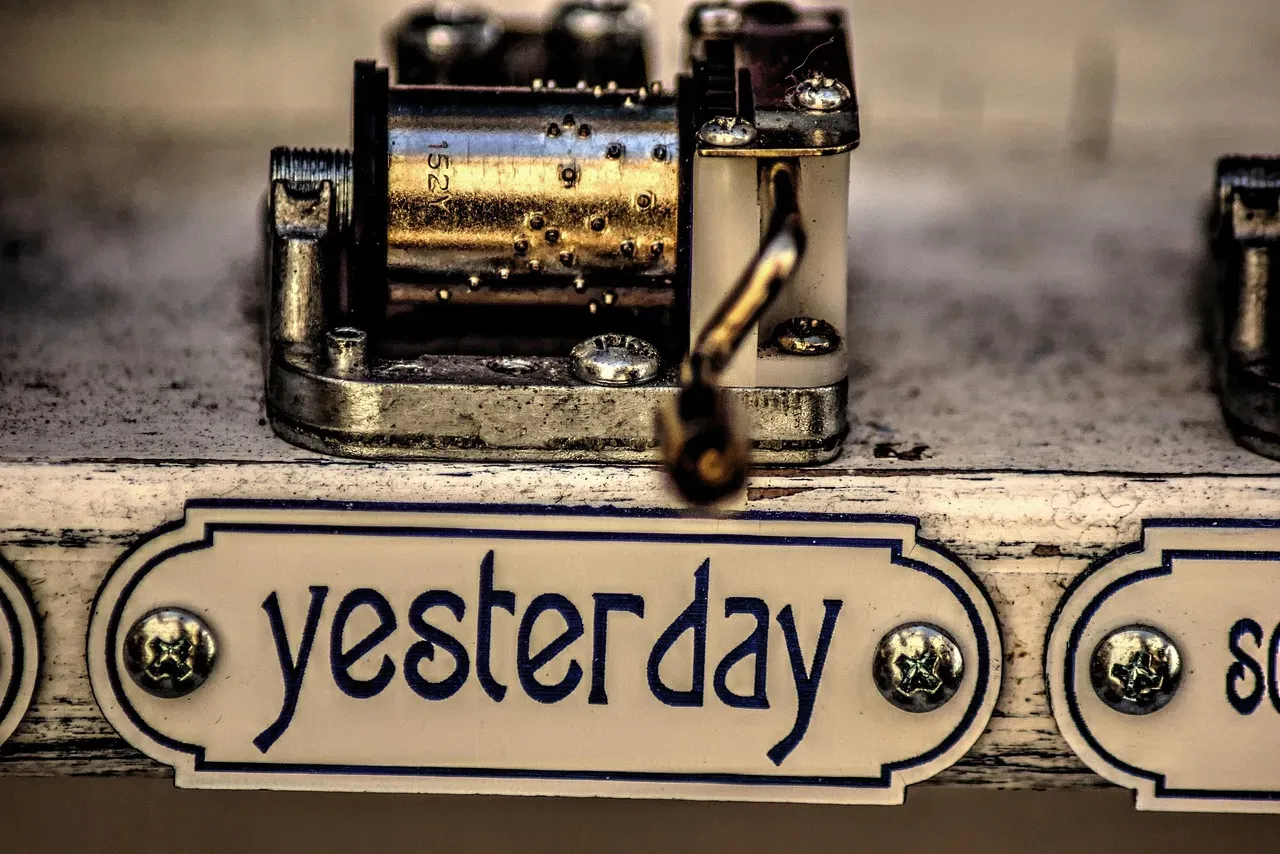
According to biographers of Paul McCartney and the Beatles, the entire melody came to McCartney in a dream one night in his room at the Wimpole Street home of his then-girlfriend Jane Asher and her family. He woke up and immediately played the tune on a nearby piano, convinced he had unconsciously recalled someone else’s song. The melody didn’t come to him completed. It took eighteen months before it was ready to be recorded, and he had to verify that it was in fact an original song.
The initial melodic burst, however, arrived in moments. A substitute working lyric titled “Scrambled Eggs” was used for the song until something more suitable was written. Once the words finally locked in, the result was extraordinary. The song remains popular today and, with 2,200 cover versions, is one of the most covered songs in the history of recorded music. It was voted the best song of the 20th century in a 1999 BBC Radio 2 poll of music experts and listeners, and was also voted the number one pop song of all time by MTV and Rolling Stone magazine the following year.
“Rock and Roll” by Led Zeppelin – Written While Recording Something Else

During a break, John Bonham began playing the drum intro to the 1957 song “Keep A-Knockin'” by Little Richard, to which Page added a Chuck Berry-style guitar riff. The rest of the band members reportedly joined in “one by one.” Realizing the potential in the new idea, the band immediately put “Four Sticks” on the back burner, and after improvising the first section of the song, the basis of the rest was completed in around fifteen minutes.
Page later told Disc magazine, “Within 15 minutes, the whole framework for the rest had been written and recorded. That’s quite raw and those sorts of things are happening all the time. Whenever we get together, we come up with something.” The track became the second song on Led Zeppelin IV. In 2019, Rolling Stone ranked the song number 9 on its list of the 40 greatest Led Zeppelin songs. A classic born from a moment of frustration with a completely different track.
“Like a Rolling Stone” by Bob Dylan – Pages of Verse Distilled Into Minutes
Released on July 20, 1965, the song’s confrontational lyrics originated in an extended piece of verse Dylan wrote in June 1965, when he returned exhausted from a grueling tour of England. Dylan distilled this draft into four verses and a chorus, then recorded it as the opening track of his sixth studio album, Highway 61 Revisited. The core lyrical idea arrived rapidly, even if the surrounding pages of writing took longer to trim down.
Partner offer
Dylan’s “Like a Rolling Stone” is often cited as one of the greatest songs ever written, and its creation was a whirlwind. Dylan wrote the core lyrics in under fifteen minutes, in a single, feverish burst of creativity. Rolling Stone picked it as the number two single of the past 25 years in 1989, then in 2004 placed the song at number one on its list of the “500 Greatest Songs of All Time.” In 2010, Rolling Stone again placed it at the top of their list, before re-ranking it at number four in their 2021 edition.
“(I Can’t Get No) Satisfaction” by The Rolling Stones – Written in a Half-Awake Haze
Keith Richards actually came up with the unforgettable riff in his sleep, waking up long enough to record it on a cassette before drifting off again. The rest of the song came together in minutes, a flurry of creativity that would launch the track into rock history. Mick Jagger added the lyrics quickly, and what started as a sleepy idea became one of the most recognizable songs ever.
Keith Richards has stated this quintessential Stones riff gained its origin in two minutes of Richards fooling about on an acoustic guitar before passing out in a hotel room in Florida. The finished track was recorded within roughly 40 minutes of that initial session. The song’s raw energy, born from such a spontaneous moment, went on to become one of the defining anthems of the 1960s rock movement.
“Chandelier” by Sia – Four Minutes of Chords, Fifteen Minutes of Lyrics

Sia explained in an interview that “Chandelier” took “like, four minutes to write the chords, then, like, 12-15 minutes to write the lyrics,” followed by roughly 10 or 15 minutes to cut the vocals. That’s an almost implausible amount of creative output compressed into barely any time at all. Originally, the massive hit was written for Rihanna or Beyoncé, but Sia eventually decided to release it herself, which garnered a great deal of attention.
Sia became something of an unlikely pop star in 2014 when “Chandelier” caught radio play all over the English-speaking world and became one of the biggest singles of the year. Even now, a decade later, it is still a staple when it comes to pop music. The song earned Sia Grammy nominations and proved that rawness, written fast without overthinking, can carry an emotional weight that more polished work sometimes can’t touch.
“My Sharona” by The Knack – A Fifteen-Minute Debut That Defined a Genre
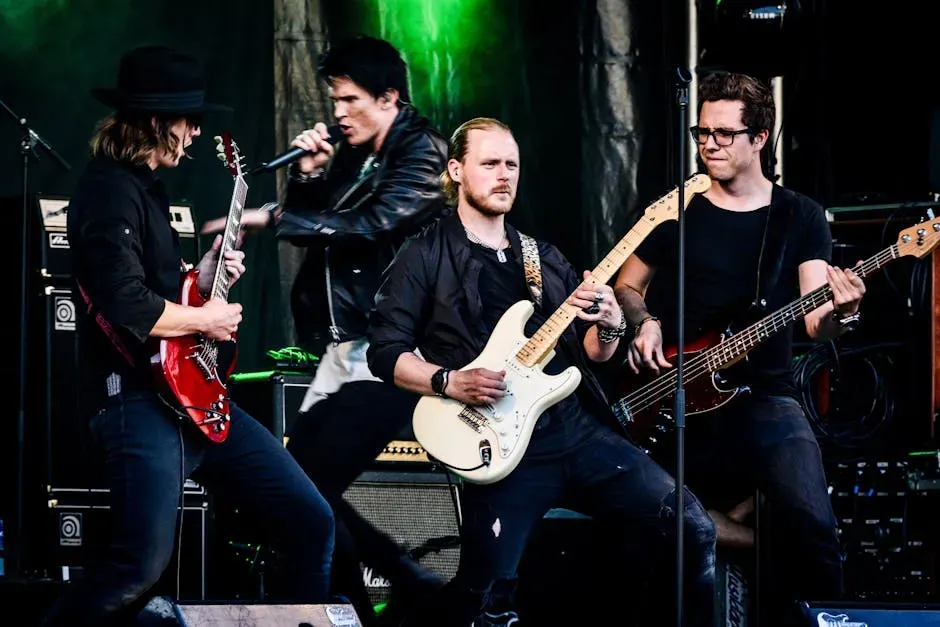
Released in 1979, “My Sharona” was the debut single by California rock band The Knack – and probably their most famous song. It reached number one on the Billboard Hot 100, quickly became a gold record, and helped set the tone for the entire new wave genre. According to Doug Fieger, lead vocalist and guitarist for The Knack, the whole song was written in 15 minutes.
It’s featured in a number of films, television shows, and even video games over the years, and has, over its long life, become something of a cultural landmark for the American music scene. The song was polished off in 15 minutes, and was written from the perspective of a teenage boy, hence the famously tongue-tied lines in the chorus. Few debut singles have had such an immediate and lasting cultural imprint, especially for one that arrived so quickly.
Partner offer
Planning a trip to Vegas?
Compare hotel rates and show tickets on VEGAS.com.