
Music history has a habit of collapsing time. We talk endlessly about the Summer of Love, the birth of hip-hop, or the grunge explosion as if those were the only moments worth remembering. Meanwhile, entire decades quietly shaped the sounds we love, without ever getting the credit they deserved.
The truth is, focusing so tightly on the obvious peaks means we keep walking past eras where some years were overlooked not because the music was thin, but because the competition was too stiff, the timing was off, or the cultural conversation simply moved in a different direction. These are the decades that built the bridge, even if nobody bothers to photograph it.
The 1950s: The Decade That Built Everything, Then Got Ignored


The 1950s was a time of profound change in American popular music. As the pre-war big band era faded, niche genres like Rhythm and Blues, Country, Latin, vocal quartets, and the folk music revival began thriving, giving rise to sub-genres like Bluegrass, Doo Wop, Be Bop, and Jump Blues. That’s an extraordinary amount of innovation packed into a single decade, yet the era rarely earns the deep retrospective love it deserves.
Rock and Roll helped the electric guitar become the dominant instrument in popular music starting in the 1950s, and the decade saw the release of the Fender Stratocaster and Gibson Les Paul. Stars like Sister Rosetta Tharpe, often called the “Godmother of Rock and Roll,” pioneered guitar techniques and blended gospel with R&B in ways that prefigured rock itself. Ruth Brown, known as the “Queen of R&B,” helped establish Atlantic Records with hits like “(Mama) He Treats Your Daughter Mean.” These groundbreaking figures shaped an era that most listeners only remember through the lens of Elvis Presley.
The 1970s: Too Rich for Its Own Good

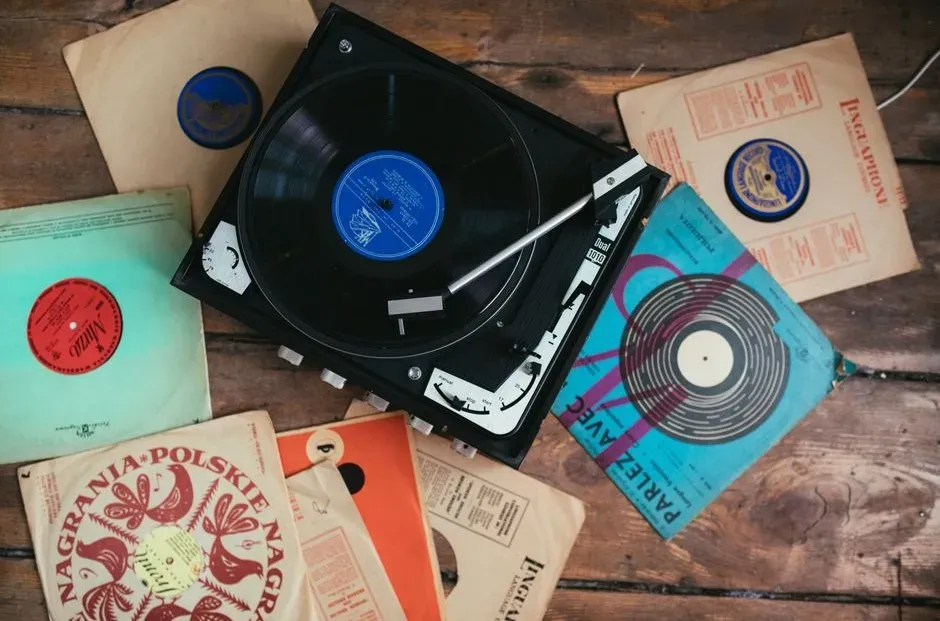
The 1970s was the golden age of the album, a decade when musicians embraced the LP not just as a collection of songs, but as a canvas for vision, storytelling, and sonic experimentation. It was the era of Rumours, Dark Side of the Moon, Exile on Main St., and What’s Going On. For every platinum-selling blockbuster, there were dozens of albums that slipped through the cracks: bold, beautiful, and boundary-pushing records that never quite found their audience at the time.
Disco, punk, metal, prog-rock, and even hip-hop were all born in this decade. The 1970s were an era of sonic experimentation, a lawless frontier nestled between the psychedelic hangover of the Sixties and the synthesized sheen of the Eighties. It was a time when record labels, flush with cash and desperate to find the next big thing, threw massive budgets at anything that sounded remotely original. The decade gets reduced to a disco punchline or a classic rock museum piece, when in reality it was one of the most restlessly creative periods in recorded music.
The Early 1980s: Synthetic and Seriously Undervalued

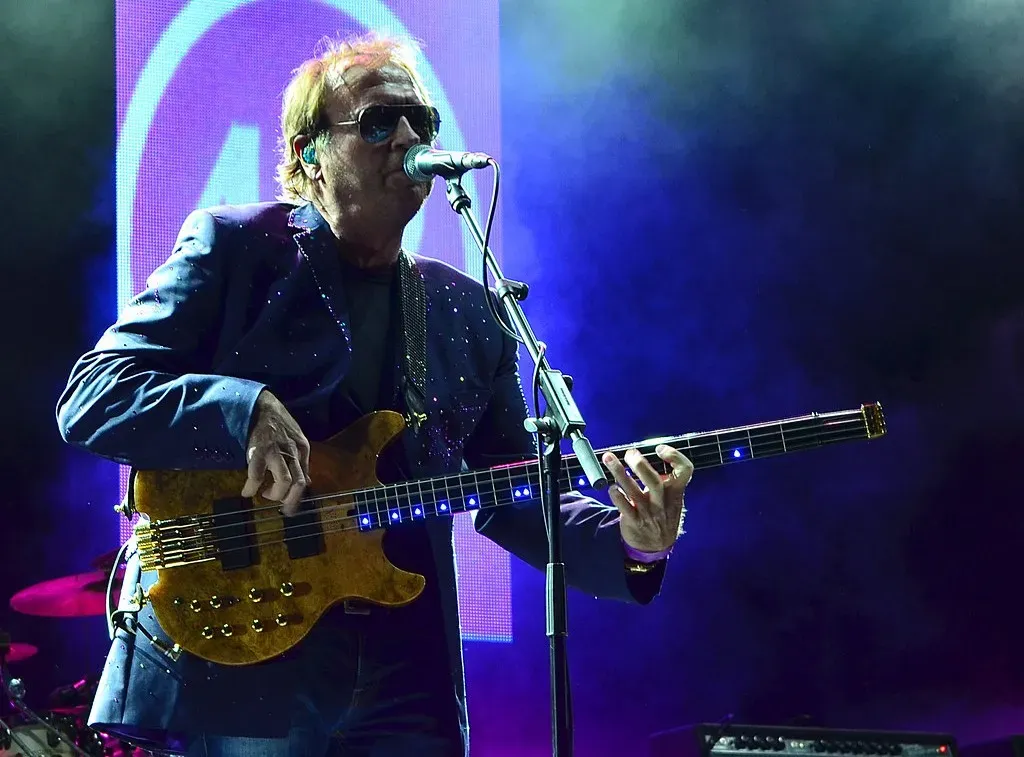
In the 1980s, music was characterized by the emergence of digital recording and the rise of MTV, which popularized artists through music videos. The era saw the dominance of genres like pop, rock, and hip-hop, with iconic figures such as Michael Jackson and Madonna leading the charts. But the conversation almost always stops there, at the blockbusters and the shoulder pads, rarely venturing into the stranger and more inventive corners of the decade.
If you dig deeper into the 1980s, you find synthpop, one of the best pop sub-genres alongside indie-pop, art-pop, and dance-pop. When it comes to rock, the decade produced some of the finest metal ever recorded. The New Wave of British Heavy Metal brought bands that were genuinely innovative both lyrically and musically. It was something truly new for rock, very different from traditional hard rock. The early 1980s deserves far more than being remembered as a fashion experiment with a good soundtrack.
The Early 1990s: A Creative Gold Rush Hiding in Plain Sight

A Tribe Called Quest’s Low End Theory blended jazz with hip-hop, setting a new standard for lyrical and musical sophistication. My Bloody Valentine’s Loveless created a swirling, noisy masterpiece that still inspires shoegaze bands today. Slint’s Spiderland laid the groundwork for post-rock, influencing everyone from Mogwai to Explosions in the Sky. Red Hot Chili Peppers’ Blood Sugar Sex Magik and Massive Attack’s Blue Lines brought funk and trip-hop to the mainstream.
Sales of alternative albums doubled from the year before, signaling a seismic shift. The early 1990s was a time where boundaries fell and every genre seemed to be inventing itself anew. Even now, critics and musicians point to this era as a creative gold rush that’s rarely been matched. The problem is that whenever people talk about the 1990s, they jump straight to Nevermind and the Notorious B.I.G., skipping over the extraordinary experimental terrain that existed just below the surface.
The 2000s: A Decade Written Off Too Quickly


The 2000s get a bad rap as not putting out as much great music as previous decades. That reputation is mostly undeserved. Some subsets of the indie scene have been studied to no end. The indie sleaze era of New York City was a phenomenon in itself, birthing major acts like The Strokes, Interpol, and LCD Soundsystem. Under the exciting buzz of new noise, though, some great tracks slipped through the cracks as underrated treasures.
Artists like The Strokes, The White Stripes, and Arctic Monkeys kept rock alive, while Beyonce, Britney Spears, Shakira, and Justin Timberlake ruled the pop charts. At that point there were so many different offshoots of genres that listeners got lost trying to figure out what “Post-Rock,” “Dubstep,” “Vaporwave,” and “Nu-Metal” even meant. That structural confusion is part of why the decade still doesn’t get its full due. The forgotten music of the 2000s is gaining renewed attention as streaming and on-demand platforms allow consumers to explore the past, with vinyl now accounting for more than half of all album purchases.
The Early 2010s: Streaming’s First Wave and Nobody Noticed

The 2010s were marked by the dominance of streaming services, which facilitated the rise of EDM, indie music, and the continued popularity of pop and hip-hop. Most people remember the decade’s biggest names, but the early part of the 2010s quietly produced some of the most inventive music of the modern era. Two of the greatest albums ever came from Kendrick Lamar, along with absolute post-rock classics from Swans and We Lost the Sea. There were also other insanely underrated works from Nails, Radiohead, Beach House, Death Grips, Kanye West, and Alvvays.
The early 2010s suffers from a peculiar kind of cultural amnesia. Because streaming made music so immediately accessible, it also made it disposable at a faster rate than ever before. Albums that would have spent years building cult followings instead peaked, faded, and were replaced within months. The evolution of music over the decades is not just a history of sounds and songs but a mirror reflecting societal changes, technological advancements, and cultural shifts. Each decade from the 1950s onward brought its unique flair to the music industry, influencing both the types of music that dominate the charts and the ways we consume it. In the early 2010s, that consumption accelerated dramatically, and a great deal of genuinely remarkable music got lost in the current.
Every era leaves something behind. The decades that get the documentaries and the anniversary box sets earned that attention. Still, the ones that never quite made it onto the commemorative poster often contain some of the most honest, strange, and quietly transformative music ever recorded. Worth revisiting, every one of them.