



There’s something almost paradoxical about the modern talk show landscape. Audiences complain loudly, fan bases fracture, social media piles on, and yet the ratings keep rolling in. Hate-watching is a real phenomenon, and in the world of late-night and daytime television, it has practically become a genre of its own.
The hosts on this list aren’t just controversial in a passing way. Each one has, at some point, become a genuine lightning rod. Some inspire political rage. Others carry personal scandals that never quite faded. A few managed to alienate the very audiences who once championed them. Still, people tune in. Every night. Every week. Without fail.
Stephen Colbert: Too Political for Half the Country


Stephen Colbert built his late-night reputation on sharp political satire, and for a significant portion of American viewers, that became the problem. Colbert made the jump from his satirical work on Comedy Central to the prestigious Late Show gig in 2015, and it took a bit of time for audiences to come around to the new format, which saw him taking a less comedic, more politically driven tone. His willingness to hammer one side of the political spectrum consistently turned off viewers who wanted a more balanced or purely entertainment-focused show.
CBS announced in 2025 that Colbert’s show would be taken off the air, and the decision came amid criticism by Colbert of a settlement paid by CBS to Trump, who had sued the broadcaster over interview editing of his then-opponent Kamala Harris. The cancellation itself became a flashpoint, with competing camps debating whether it was a financial decision or a politically motivated one. After CBS abruptly canceled The Late Show, viewership actually spiked in the weeks immediately following the announcement, climbing from roughly 2.56 million to over 3 million viewers.
Jimmy Kimmel: Suspended, Scrutinized, Still Watched

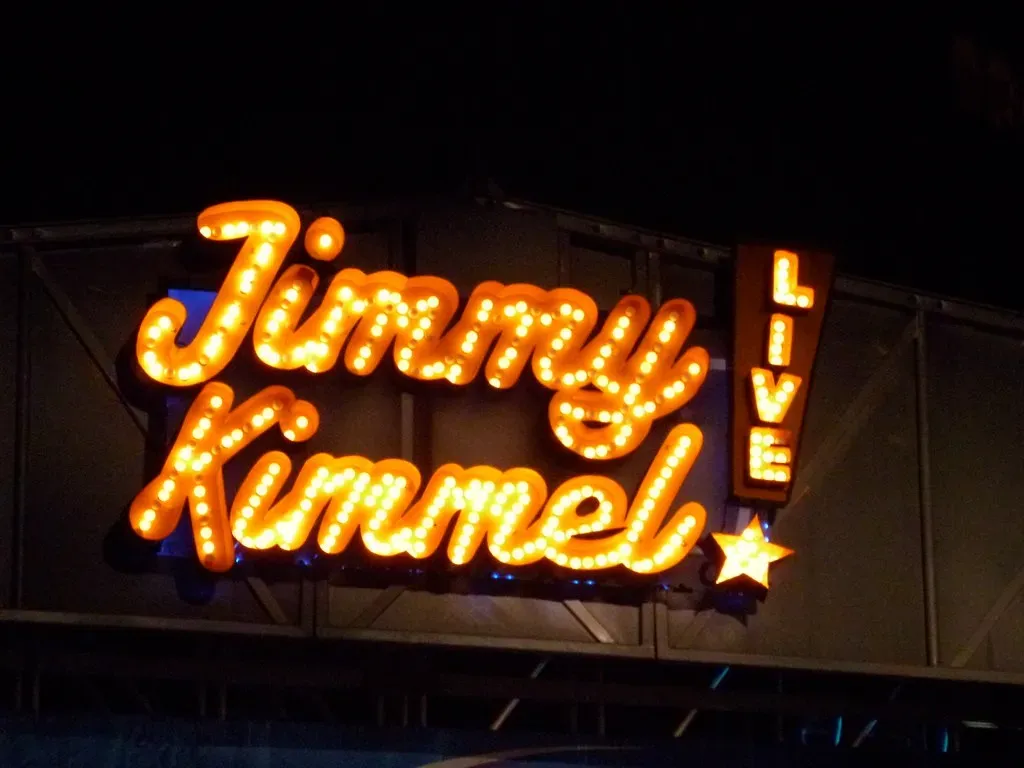
Jimmy Kimmel has never been a host who plays it safe, and that approach has consistently earned him enemies on both sides of the culture war. Kimmel became headline news in late 2025 when ABC temporarily suspended him following comments he made on-air about the fatal shooting of conservative activist Charlie Kirk. He returned less than a week later and saw an immediate increase in viewership. The pattern was striking. Suspension followed by a ratings boost is not exactly what most network executives would predict.
According to LateNighter, citing Nielsen Live+7 data for 2025, Jimmy Kimmel Live was the only 11:35 p.m. show to post gains in both total viewers and the key adults 18-49 demographic. That detail is worth sitting with for a moment. The most controversially suspended host of the year ended up being the one network late-night show that actually grew. LateNighter reported that Kimmel’s show, alongside The Late Show and Late Night with Seth Meyers, had seen viewership declines of roughly seventy to eighty percent since 2015. Yet compared to his peers, he’s currently in the strongest position among the traditional broadcast hosts.
Greg Gutfeld: The Ratings King Nobody in Hollywood Admits They Watch


Greg Gutfeld occupies a strange position in the talk show world. His numbers are undeniable, and his critics are equally loud. The New York Times described his rhetoric and style as “insult conservatism,” noting that it allowed Gutfeld to frame any serious argument as a joke and any joke as a serious argument, leaving viewers to figure out the difference. That deliberate blurring has drawn both devoted fans and fierce detractors who argue it gives him cover for content that wouldn’t survive scrutiny on its own terms.
Partner offer

In 2025, The Independent opined that his content was increasingly “sycophantic” towards Trump and described his rhetoric as becoming “increasingly extreme and unhinged.” Gutfeld has also faced more specific backlash for comments that critics labeled as flirting with normalizing extreme ideological language. Fox News’ Gutfeld was the big winner in 2025, averaging well over three million viewers, up substantially on 2024, and was one of only two major late-night adjacent shows to post gains in both total viewers and the key demographic. His audience keeps showing up regardless of what critics write.
Bill Maher: Alienating Everyone, One Side at a Time

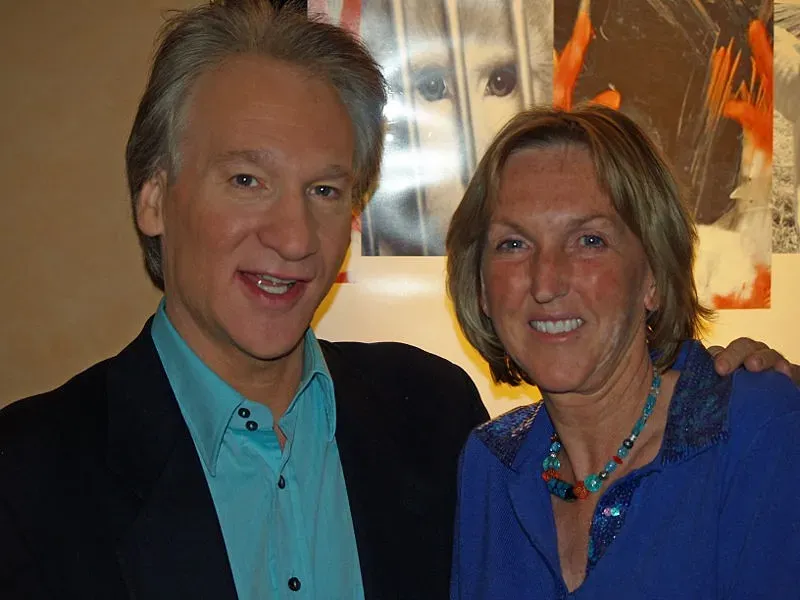
Bill Maher has a rare talent. He manages to make progressives and conservatives furious in equal measure, sometimes within the same episode. Maher had dinner with President Trump in April 2025 and caught serious flak from liberals for the meeting, while Trump simultaneously raged at Maher in a Truth Social post calling the dinner a “total waste of time.” Being attacked from both directions would end most careers. For Maher, it seems to fuel the engine.
Some praise Maher’s willingness to engage in difficult conversations, while others criticize him for his controversial takes on sensitive topics. He has been vocal about issues such as wokeness and political correctness, often igniting debates about freedom of speech and the limits of comedy. Real Time with Bill Maher moved to CNN, and as of mid-2026, it remains the most popular show on that network, watched by roughly 892,000 viewers per week. That’s a devoted, if divided, audience that clearly hasn’t found a reason to leave yet.
Ellen DeGeneres: The “Be Kind” Brand That Crumbled


Ellen DeGeneres built one of the most successful daytime franchises in television history on a persona that became almost entirely synonymous with warmth and positivity. The collapse of that image was striking in its completeness. In July 2020, BuzzFeed News spoke with current and former employees of The Ellen DeGeneres Show who shared allegations of racism and workplace bullying, and staffers also claimed that executive producers fostered an environment where sexual harassment and inappropriate touching were pervasive.
Fresh accusations surfaced again in 2025, with a former cameraman accusing the television host of fostering a hostile workplace where staffers lived in fear, and former employees claiming DeGeneres disliked male employees and allegedly turned cold when they interacted with her wife. The latest allegations revived the backlash that hit DeGeneres in 2020, and despite her on-air apology at the time, The Ellen DeGeneres Show ultimately ended after 19 seasons in 2022. Even after the show’s end, the story refuses to go away, with the internet returning to it repeatedly as a case study in the distance between a public persona and private reality.
Jimmy Fallon: Nice Guy Image, Nasty Reputation Behind the Curtain


Jimmy Fallon’s appeal has always rested on a certain affable goofiness, a host who seems genuinely delighted to be in the room. That image took real damage when a 2022 Rolling Stone report compiled accounts from former and current staff describing erratic behavior and a volatile on-set atmosphere that left employees walking on eggshells. The report described a culture of fear tied to Fallon’s mood swings, and it stuck. Fallon publicly apologized to his staff, but the sense that something had shifted in public perception lingered well past the apology cycle.
Fallon’s show has taken the biggest hit among traditional late-night programs in the ratings, down roughly sixteen percent among total viewers and nearly thirty percent among eighteen to forty-nine year olds compared to the second quarter of 2024, according to Nielsen data. The audience erosion is real and measurable. While traditional Nielsen ratings show a decline, late-night hosts including Fallon are still finding audiences online. His YouTube clips still rack up millions of views, which suggests viewers are happy to consume Fallon in smaller doses without necessarily committing to the full live broadcast anymore. It’s a complicated loyalty, but loyalty nonetheless.
Partner offer
Planning a trip to Vegas?
Compare hotel rates and show tickets on VEGAS.com.


