Hollywood has always had a complicated relationship with its own history. A beloved franchise sits dormant for a few years, someone in a boardroom decides it’s time to bring it back, and the whole machine spins up again – new cast, fresh budget, bold promises. Sometimes it works. More often than not, it doesn’t.
What’s striking isn’t just how badly some of these reboots failed, but how thoroughly they poisoned the well. These aren’t films that simply underperformed and were quietly forgotten. These are the ones that made studios reconsider entire franchises, erase continuities, and start over from scratch – or worse, give up entirely.
Ghostbusters (2016): The Reboot That Got Erased from Canon
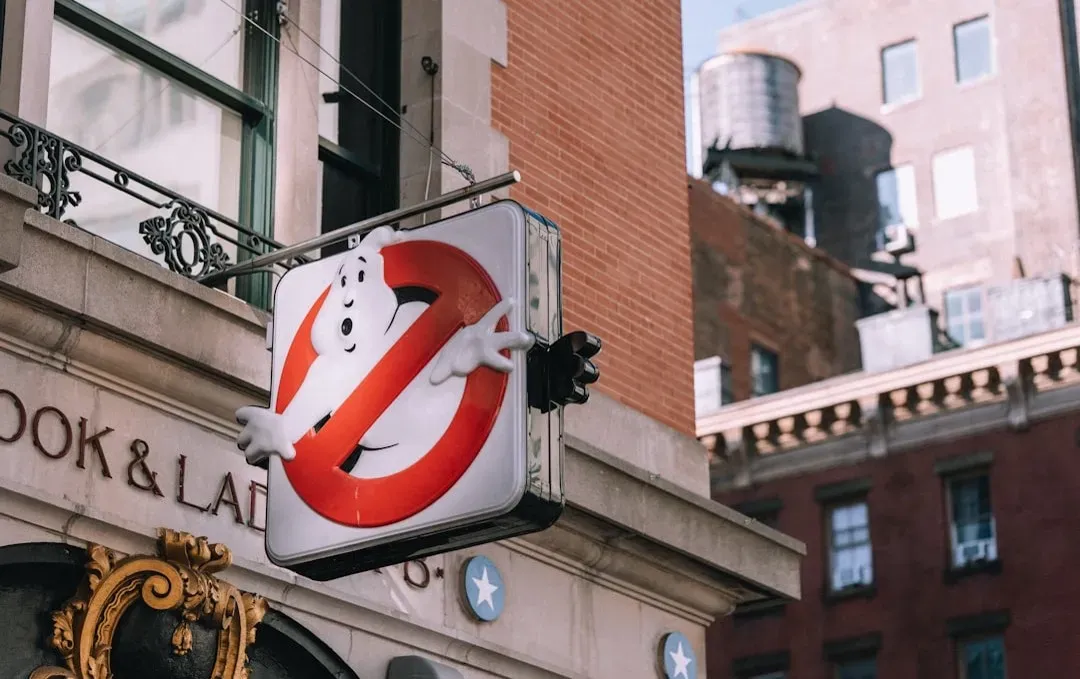
In 2016, Paul Feig and Sony attempted to reboot the dormant Ghostbusters series about four scientists fighting ghosts in New York City with a cast of hilarious actresses. The casting was genuinely strong on paper. The decision was immediately polarizing, and even with multiple laugh-out-loud scenes, callbacks to the original films, and appearances from original cast members, it still fell below expectations for a big-budget reboot of a beloved franchise.
The film only made roughly $229 million worldwide, when, according to director Paul Feig, it needed at least $500 million to succeed. So instead of launching its own franchise, Ghostbusters was dead in the water, and the studio ultimately decided to go back to the drawing board and do something in the world of the 1984 movie instead. The failure was so harsh that Sony quickly canceled the two proposed sequels and instead moved forward with Ghostbusters: Afterlife, a film that sidesteps Feig’s movie in order to act as a soft reboot that includes the original films in its canon.
Fantastic Four (2015): A Production Nightmare That Sealed the Franchise’s Fate
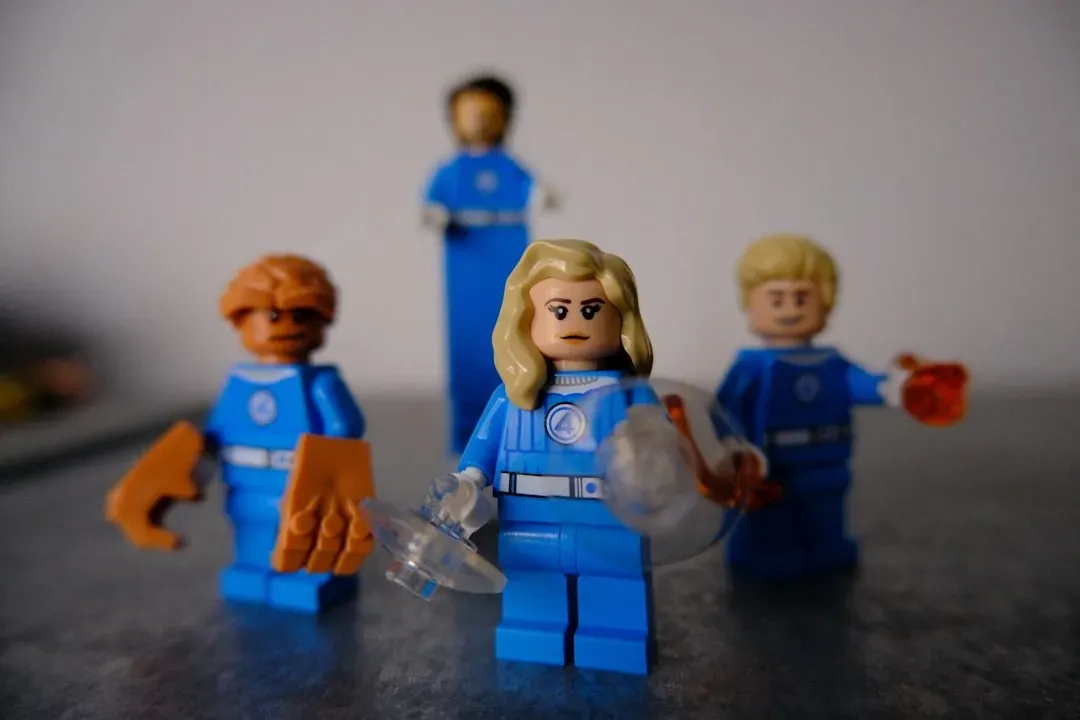
The 2015 Fantastic Four is often maligned as one of the most notorious box office flops of all time. Making only around $167.8 million against a budget of $120 million, plus marketing expenses, the film not only didn’t make its money back, it got horrible reviews from critics, notching only a 9% on Rotten Tomatoes. It also received five nominations at the Razzies, winning for worst director, worst picture, and worst remake – with many citing director Josh Trank’s darker, grittier vision as fundamentally incompatible with the source material.
Fox’s 2015 reboot of Fantastic Four was an unmitigated disaster from start to finish, and the well-worn story of Marvel’s superhero quartet was given a gritty makeover, but the lackluster storytelling and bland color palette was in stark contrast to what the MCU was producing at the time. The movie lost an estimated $80 to $100 million, and Fox put the kibosh on plans for a sequel almost immediately. The rights eventually reverted to Marvel, which speaks volumes about how completely the 2015 version had exhausted everyone’s patience.
The Mummy (2017): The Film That Killed an Entire Shared Universe

It’s one thing for a movie to kill a planned sequel, but something else entirely to kill a planned shared universe. In 2017, Universal rebooted its Mummy series, which had found success during the reign of classic movie monsters as well as the Brendan Fraser-led franchise – and the Dark Universe was announced prior to the premiere, which would have rebooted other monsters and tied them all together. Everything about the movie was terrible, from the non-existent story to the dull and gloomy tone that lacked the bombastic fun that made Brendan Fraser’s Mummy duology so successful – and audiences could see it from a mile away, avoiding it like the plague.
Though the movie made $409 million worldwide against a budget of $125 million, it only earned $80 million domestically – and more importantly, critics and audiences alike despised the movie, and that was in spite of the presence of Tom Cruise as the lead character. Criticism aimed at its acting and poor plot, which was partially used to haphazardly set up the Dark Universe, were rough, to say the least. The movie also didn’t make nearly as much money as it needed to, and thus, the Dark Universe perished before it even had a chance to begin.
Partner offer
Terminator Genisys (2015): Three Planned Sequels, Zero Follow-Through
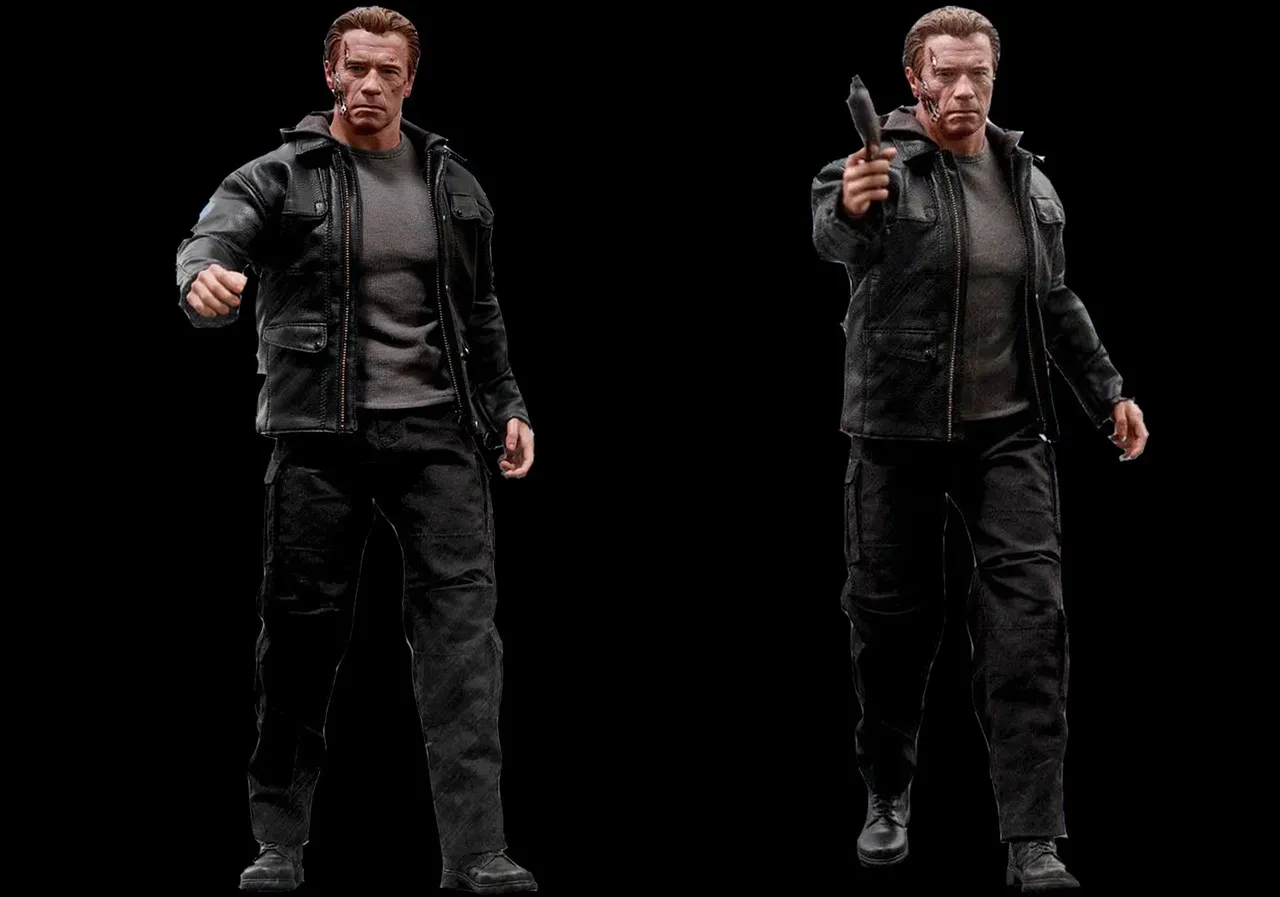
Alan Taylor’s Terminator Genisys premiered in 2015, promising a new beginning for the Terminator franchise with the endorsement of James Cameron – but despite Cameron having some level of input in the film and the return of Arnold Schwarzenegger as the T-800, Genisys also failed in reigniting the franchise. The film earned a 27% positive score on Rotten Tomatoes, with critics pointing to a narrative mess that did little with its time-hopping scenario.
Terminator Genisys grossed over $440 million worldwide, making it the second-highest-grossing film of the series behind Terminator 2: Judgment Day – however, its commercial performance was lower than anticipated, resulting in the cancellation of two planned sequels and a spin-off television series. Ultimately, the film rights to the Terminator franchise reverted to co-creator James Cameron, who produced a new film, Terminator: Dark Fate – intended to be the first in a new trilogy of planned Terminator films, though those were later cancelled due to the film’s poor box office returns. The franchise had now burned through three separate trilogy attempts without completing a single one.
Hellboy (2019): When the Director Disowns His Own Film
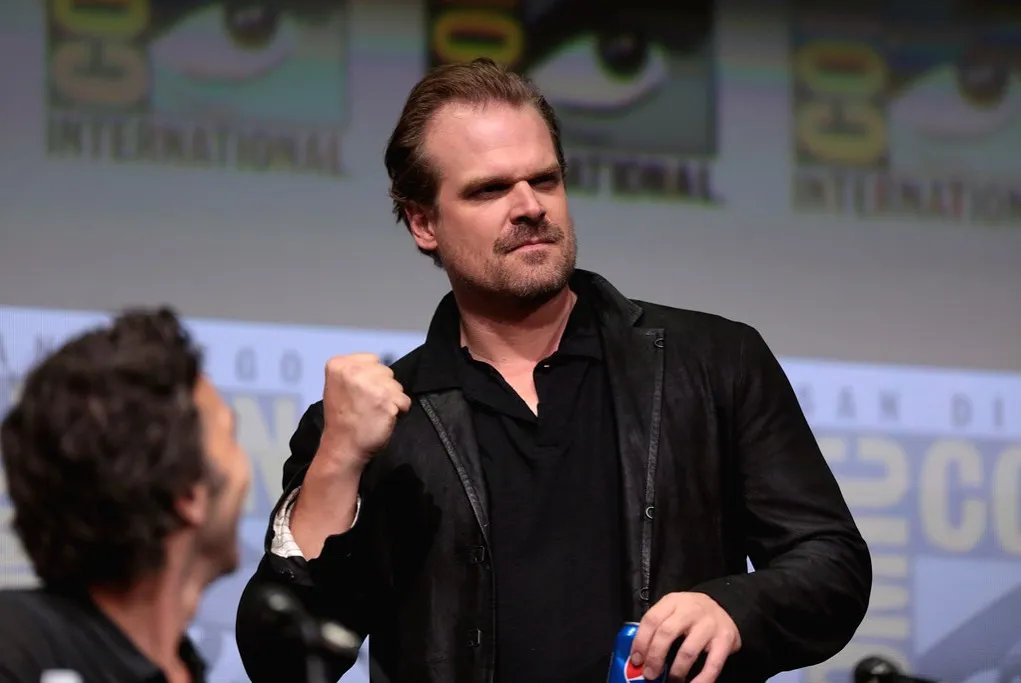
2019’s superhero film Hellboy promised a fresh return to Mike Mignola’s titular paranormal detective hero, and as the talented David Harbour was following Ron Perlman’s masterful job as Hellboy, fans were willing to give the movie a shot – what they got was a disappointment. The behind-the-scenes situation was arguably more chaotic than the film itself. After Guillermo del Toro wasn’t given full writer-director powers, and Ron Perlman refused to return to the role without him, what was supposed to be a sequel became a reboot – and it also became a big flop.
The film only earned $55 million on a $50 million budget, and it also earned a measly 17% on Rotten Tomatoes, landing second place on Digital Spy’s list of the biggest movie flops of 2019. Director Neil Marshall even disowned it, claiming producer interference during shooting and editing made it the worst professional experience of his life. The reboot lacked the appeal of the original and was too dark and serious for what fans had in mind, ultimately stranding a character with real potential in a film nobody wanted to revisit.
A Nightmare on Elm Street (2010): Technically Profitable, Completely Damaging

A Nightmare on Elm Street is a 2010 American supernatural horror film directed by Samuel Bayer, serving as a remake of Wes Craven’s 1984 film of the same name, reimagining the story of Freddy Krueger, a disfigured child murderer who was burned alive by vengeful parents and now stalks their teenage children in their dreams. The film had a credible concept for a darker reimagining, but the execution stripped away everything that made the original memorable. On Rotten Tomatoes, the film garnered a 14% approval rating based on 184 reviews, with the critical consensus highlighting its visual fidelity to the source material but criticizing its absence of the original’s depth and subversive elements.
The film was intended as a reboot to the franchise, but plans for a sequel never came to fruition after the film received mostly negative reviews despite being a financial success. By 2013, New Line Cinema had officially shelved any immediate sequel plans for the remake, redirecting resources to other horror franchises – and as of late 2025, there are no active plans to revive a direct sequel to the 2010 film, with the project remaining in development hell due to complex rights issues between Warner Bros./New Line Cinema and Wes Craven’s estate. Freddy Krueger has been absent from screens ever since, a rare case where a film made its money back and still managed to close the door on everything that might have followed.
What connects all six of these films isn’t simply bad filmmaking. It’s the combination of misreading the audience, prioritizing franchise scaffolding over storytelling, and, in several cases, overriding the creative instincts that made the originals worth revisiting in the first place. A reboot that gets it right tends to feel inevitable in hindsight. The ones that fail tend to feel like they were made by committee – and audiences, even casually, can usually tell the difference.
Partner offer
Planning a trip to Vegas?
Compare hotel rates and show tickets on VEGAS.com.