Every film set is a controlled environment – lights, marks, call sheets, rehearsals. Directors spend months planning exactly what ends up on screen. Still, some of the most memorable moments in cinema history had absolutely nothing to do with planning. They were accidents, stumbles, sneezes, or split-second decisions that nobody saw coming.
What’s remarkable isn’t just that these bloopers survived the editing room. It’s that they often made the final film better than the scripted version ever could have been. Here are seven of the most famous ones.
Leonardo DiCaprio’s Real Blood in Django Unchained

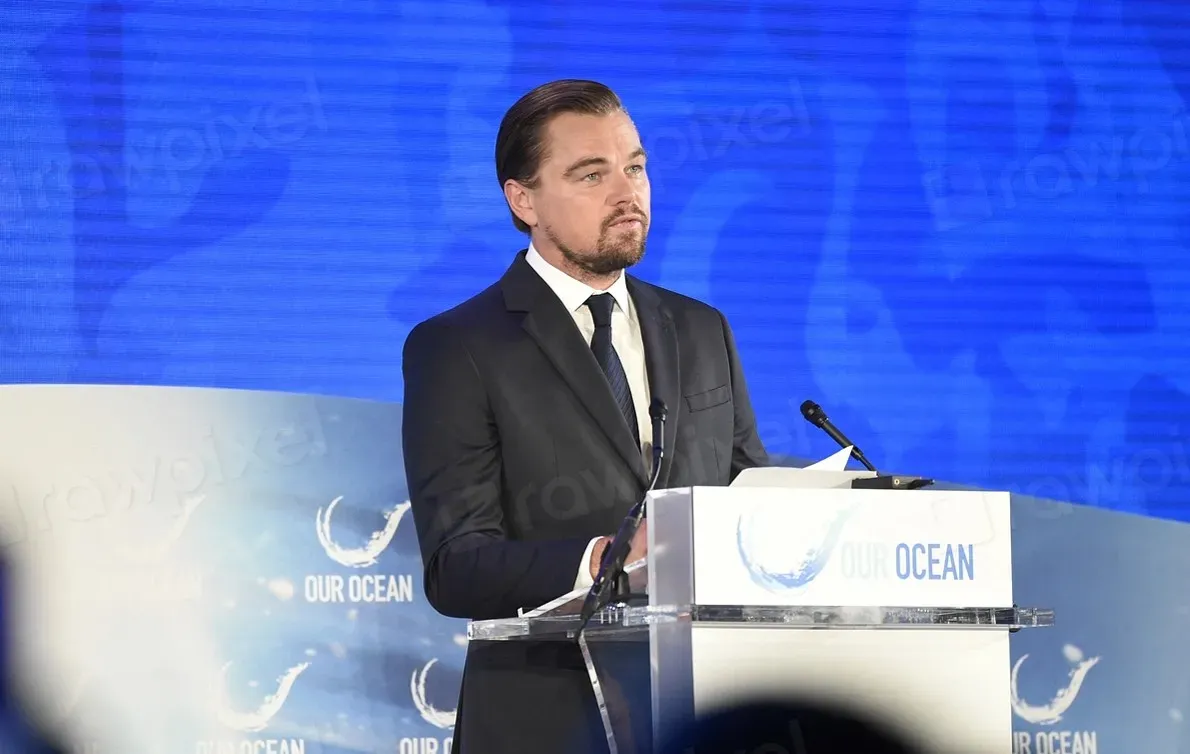
During a scene in Quentin Tarantino’s “Django Unchained,” DiCaprio’s deranged slave owner Calvin Candie slams his hand on a table and cuts it on a glass. DiCaprio really did cut his hand, but kept the scene moving. The character’s intensity in that moment was already at a fever pitch, and the blood made everything feel more visceral than any prop department could have staged.
DiCaprio accidentally smashed a glass and sliced his hand open. Instead of stopping, he stayed in character and continued the monologue while visibly wounded. Tarantino kept much of the take, and the blood you see is real. It’s hard to imagine that scene landing as hard without that accidental detail. DiCaprio’s refusal to break character turned a mishap into one of the most discussed performances of his career.
The Stormtrooper Who Bumped His Head in Star Wars

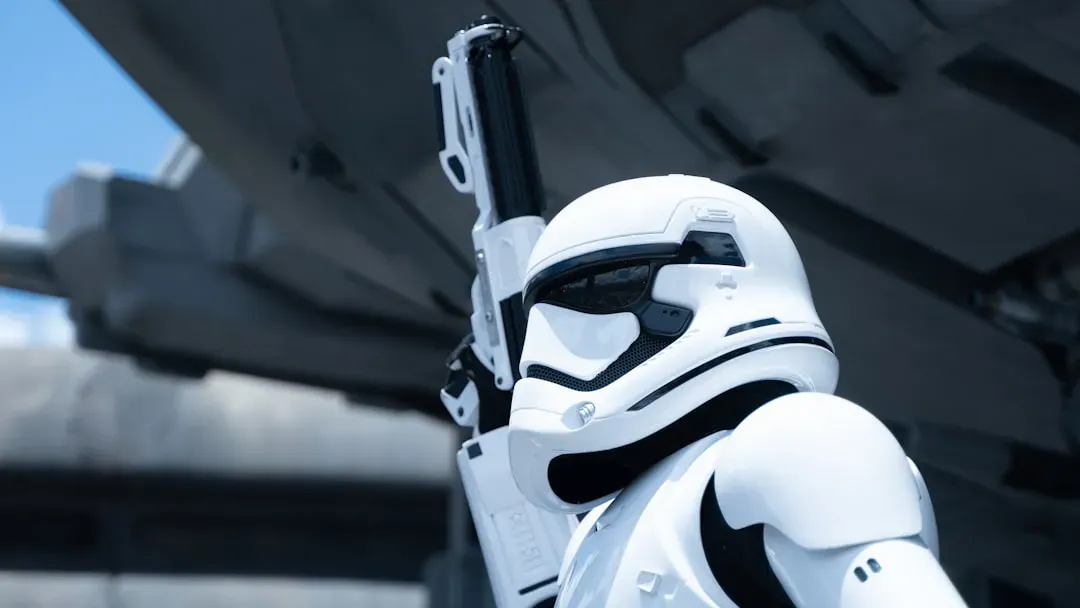
In “A New Hope,” there’s a scene where a group of stormtroopers enters a control room. One of them isn’t quite as smooth as the others and audibly hits his head onto the doorway with a loud bonk. The incident has been confirmed to be an accident, with many actors claiming fault for the head bang over the years. It’s a blink-and-miss-it moment, but once you see it, it’s impossible to unsee.
In that shot, you can see a Stormtrooper hitting his head on the top of the door frame, and it somehow made its way into the final cut. George Lucas went with the joke and even enhanced the sound of the bonk in a later edition of the film. That deliberate audio enhancement says everything about how much Lucas appreciated the accident. What started as a clumsy extra became a beloved Easter egg that fans still celebrate decades later.
Viggo Mortensen’s Broken Toes in The Lord of the Rings

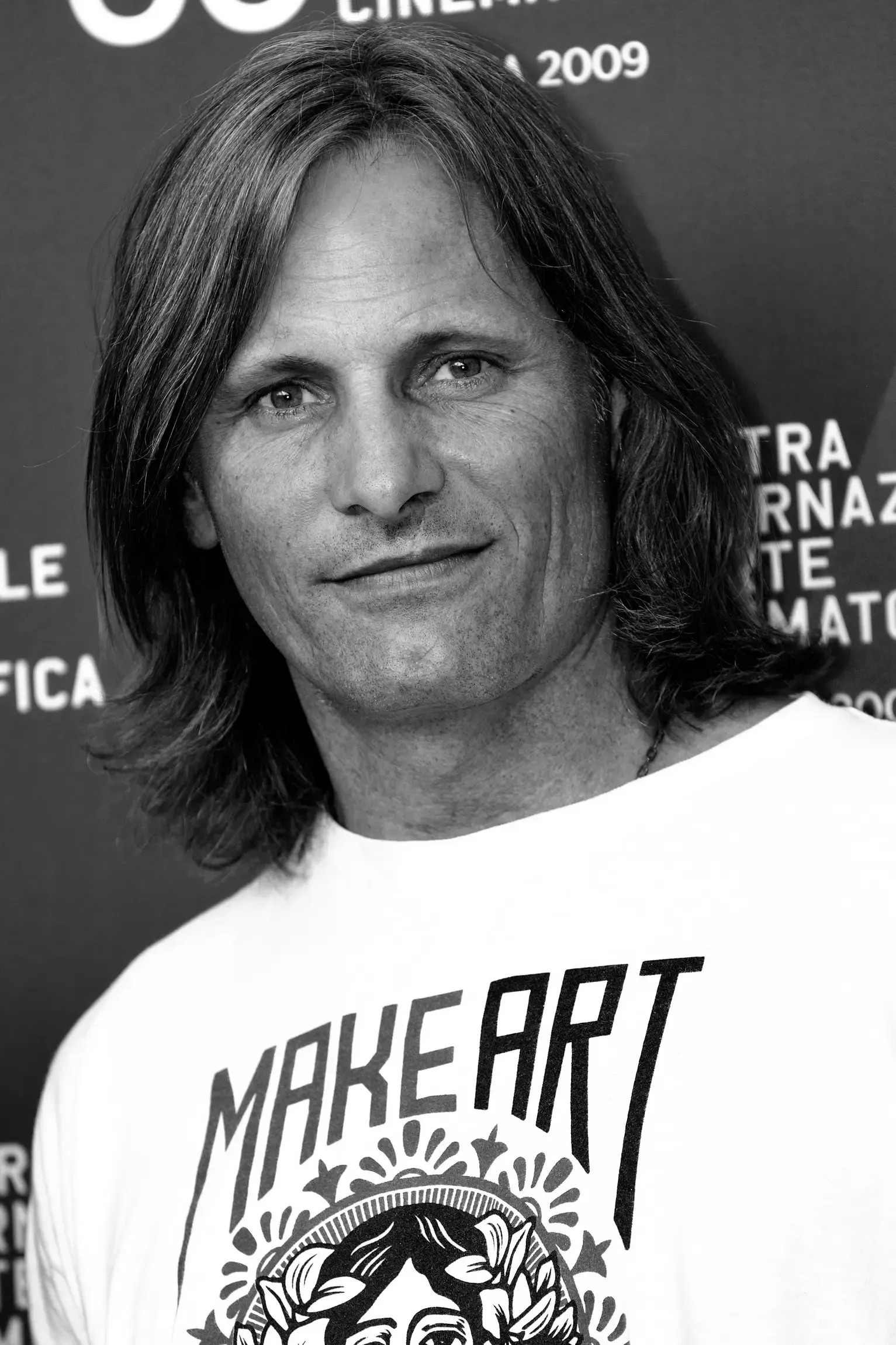
When Aragorn believes Merry and Pippin have been killed, he kicks a helmet in anguish and screams. That scream is real; Viggo Mortensen broke two toes kicking the prop. The pain was genuine, and Peter Jackson kept the take because it was emotionally perfect. There’s something quietly extraordinary about that. An actor breaks bones on camera and the director’s response is essentially: that’s the one.
Peter Jackson included it in the final film; the anguish Mortensen exhibits makes the scene hit that little bit harder. The injury and Mortensen’s resilience solidified his performances in the fantasy trilogy as some of the greatest work of his career. No performance coach, no retake, no acting exercise would have produced that exact sound. Only the real thing could.
The Godfather’s Accidental Cat

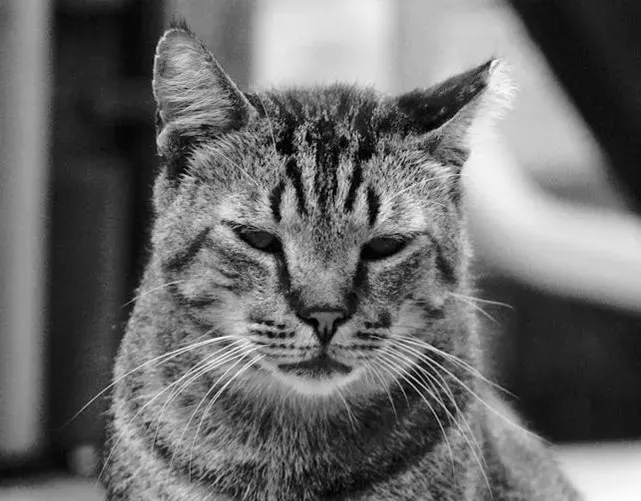
The cat in Vito Corleone’s opening scene was not in the script. Director Francis Ford Coppola reportedly found a stray cat wandering around the Paramount lot and handed it to Marlon Brando moments before filming. Brando, being Brando, simply incorporated the animal without missing a beat. The cat purred loudly throughout the take, nearly covering some of the dialogue.
The cat’s loud purring almost ruined the scene, but it made the final cut. That purring – soft, incongruously domestic against the scene’s menace – ended up doing something no script note ever could. It gave Vito Corleone a strange, unsettling calm that has been analyzed by film scholars ever since. The image of a mob boss stroking a stray cat is now one of cinema’s most iconic visual shorthand for quiet power.
Dustin Hoffman’s Taxi Moment in Midnight Cowboy

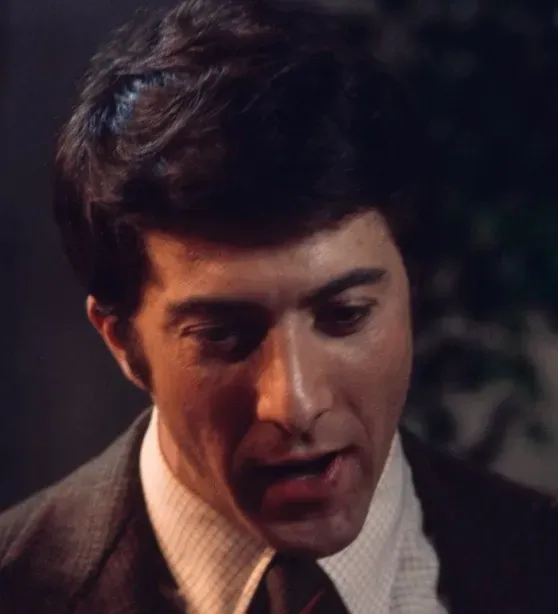
Dustin Hoffman and Jon Voight were filming on a real New York street when a taxi nearly hit them. Hoffman slammed his hand on the cab and yelled, “I’m walkin’ here!” The camera kept rolling, and the moment became one of the most famous improvised lines in film history. The production had not closed the street, which meant actual traffic was flowing through the shot the entire time.
When Joe and Ratso are walking down the streets of the city, a taxi nearly hits them. The truth behind this scene was that filmmakers never blocked off the street for filming, so the cab was never meant to roll in like that, and Ratso’s reaction was completely improvised. That one line has become so culturally embedded that most people who quote it have no idea it came from a near-accident on a real Manhattan street in 1969.
Heath Ledger’s Joker Clap in The Dark Knight

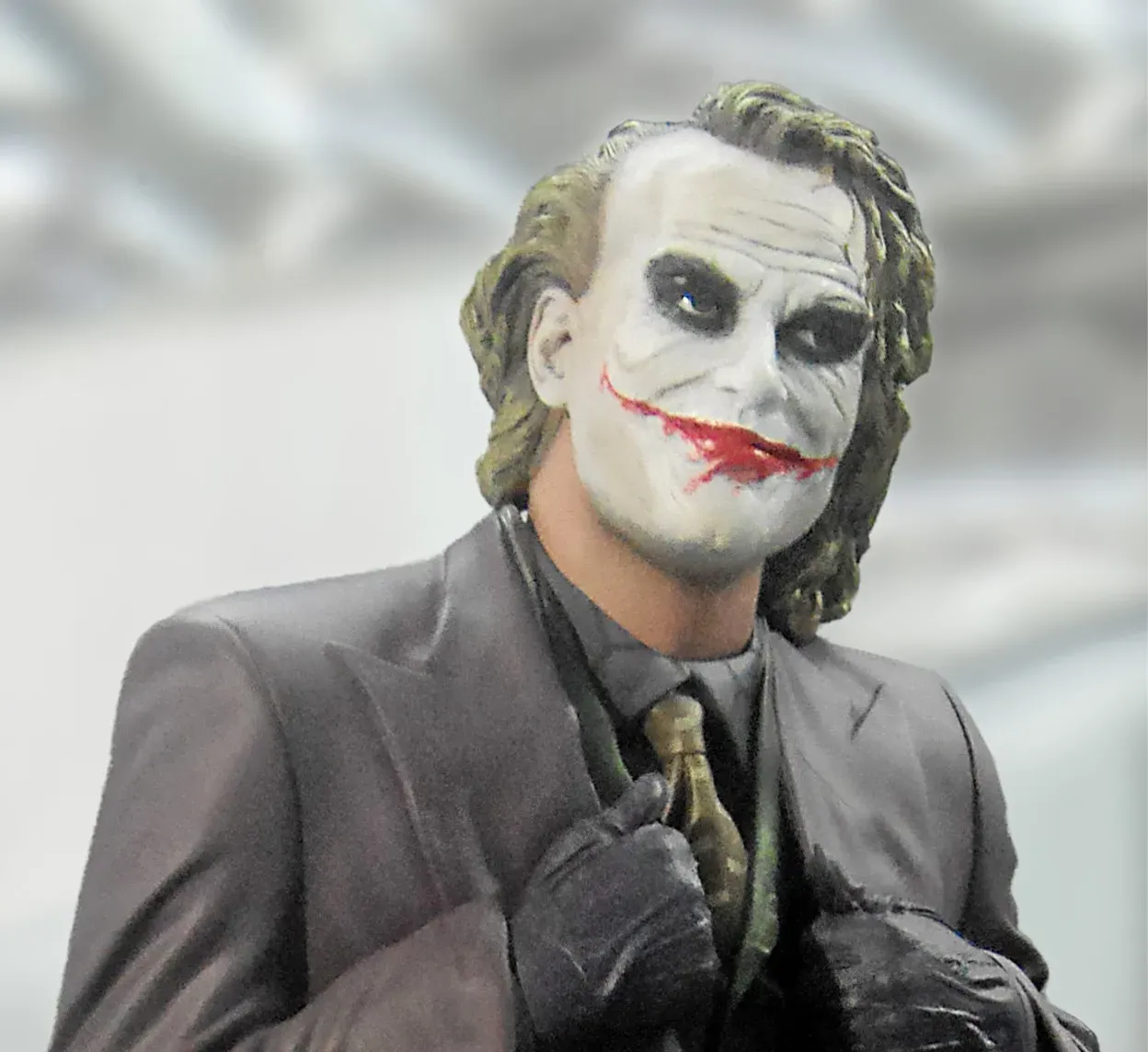
In the scene where the Joker is sitting in a cell arrested, and Gordon is promoted for capturing him, everyone pats Gordon on the back for a good job done. That was the script. Then Heath Ledger, out of the blue, started to clap sarcastically. Nolan was surprised but kept the camera rolling because that’s what Ledger’s chaotic Joker would have done. It was a choice born entirely in the moment, with no direction and no rehearsal behind it.
The Joker’s iconic clap during Jim Gordon’s promotion wasn’t scripted – it was the result of Heath Ledger’s genius improvisation skills. The slow, deliberate, almost mocking applause conveyed something the written scene never quite captured: a villain who finds everything faintly ridiculous. Ledger ended up winning the Oscar for Best Actor for his work in “The Dark Knight,” and his one-of-a-kind talent continues to inspire up-and-coming actors even today.
Anthony Hopkins’ Hiss in The Silence of the Lambs

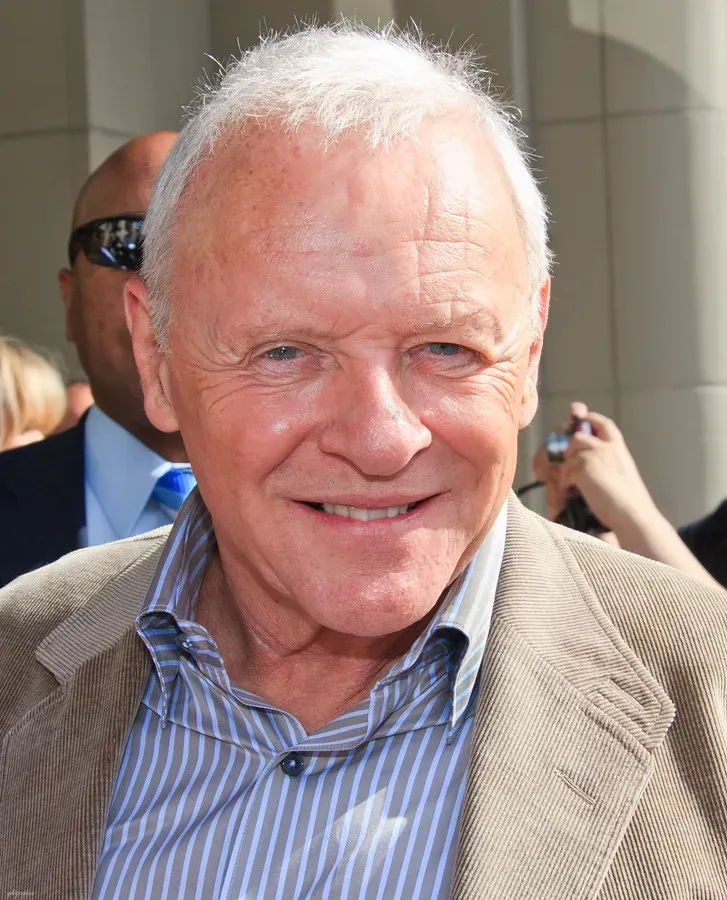
Anthony Hopkins’ performance as Hannibal in this film is incredibly chilling. One of the iconic scenes of Hannibal Lecter was actually an improvisation by the legendary actor. While Hannibal Lecter spoke about his crimes with the FBI agent, he suddenly decided to hiss. This move was very eerie, and Jodie Foster’s reaction was genuine. That split-second improvisation added a dimension of animalistic threat that no scripted line could have replicated.
Anthony Hopkins only had 25 minutes of screen time, however, it was enough time for him to create one of the most chilling performances of all time. One of the most iconic scenes was when Dr. Hannibal Lecter is talking about his crimes with an FBI agent and starts to hiss. It was completely improvised and the reaction on Foster’s face is genuine. Foster’s unscripted flinch became part of what made the scene work. Two actors, one unplanned sound, and a moment that has lived in audiences’ memory ever since.