There’s a particular kind of episode that you don’t just remember, you return to. Not to fill time, not out of habit, but because something about it pulls you back. Maybe it’s a scene you keep wanting to re-examine, a line that lands differently every time, or simply the way the whole thing holds together so precisely that it feels more like a controlled detonation than a television episode.
What separates a rewatched episode from a merely beloved one is harder to pin down than it seems. Plenty of great TV gets watched once, appreciated, and moved on from. These seven are different. They get queued up again at midnight on a Tuesday, shared with friends who haven’t seen the show, and dissected in comment sections years after they aired. Here’s what makes each of them genuinely impossible to skip.
Breaking Bad – “Ozymandias” (Season 5, Episode 14)
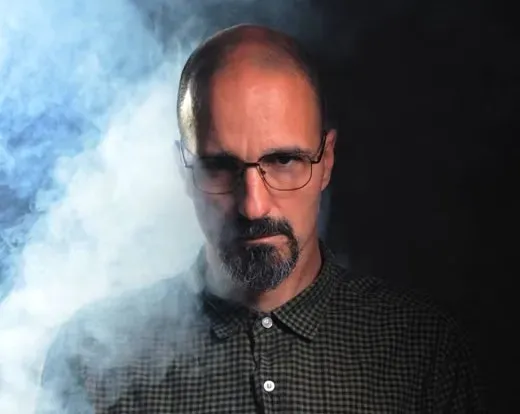
“Ozymandias” received universal critical acclaim, and is widely considered not only the show’s best episode but also one of the best episodes in the history of television. TV Guide picked it as the best television episode of the 21st century, while Rolling Stone listed it as the best television episode of all time. That’s a remarkably consistent verdict across outlets that rarely agree on anything.
The episode was watched by 6.4 million viewers, the then-most for the show, and achieved a perfect 10.0 out of 10 rating on IMDb with over 200,000 votes, putting it at the number one spot for its Best TV Episodes ranking. The episode is a rollercoaster from start to finish: Hank is murdered, Jesse is enslaved, Walt Jr. learns his father’s secret, Skyler attacks Walt with a knife, and Walt kidnaps Holly. It’s the kind of episode that rewards a second watch almost more than a first, because knowing what’s coming makes every quiet moment beforehand feel unbearable.
Game of Thrones – “The Rains of Castamere” (Season 3, Episode 9)
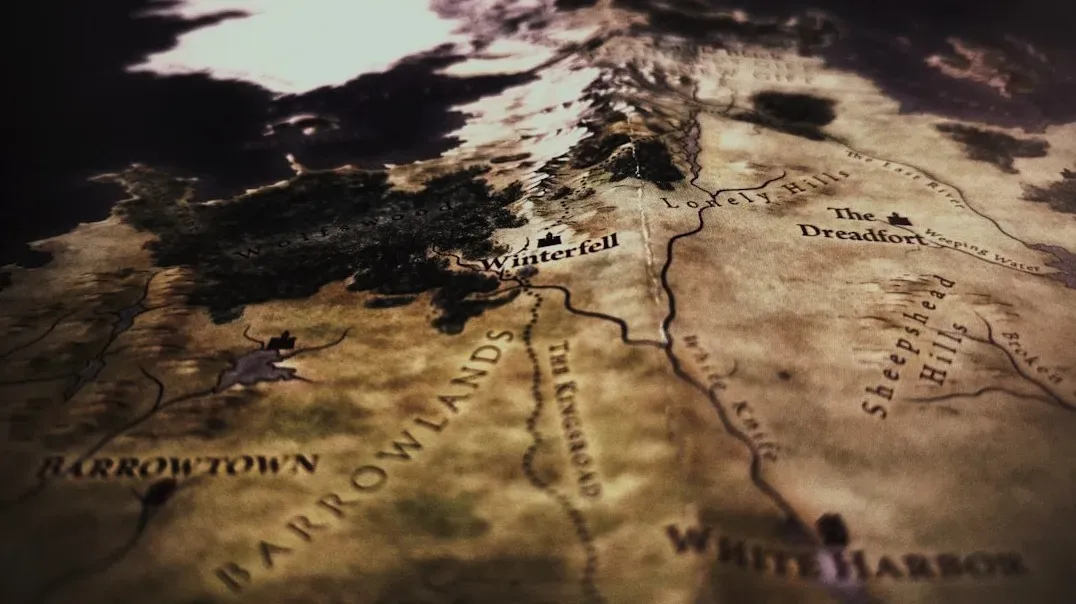
This shocking moment, known colloquially as “The Red Wedding,” is one of the most iconic plot twists in TV history, which is known by many who haven’t even seen the show. On review aggregator Rotten Tomatoes, it holds an approval rating of 100% with an average score of 9.94 out of 10. Few hours of television have ever landed that cleanly across critics and general audiences at the same time.
As an audience, we wonder how we could’ve been so swept up in the Stark storyline as to miss all the clues of what was to come. Although some may avoid rewatching the episode because of how devastating it is, it’s a rewarding rewatch in that it becomes easier to admire how carefully the show built up to the Red Wedding. The episode killed off most of the show’s most unambiguously heroic characters in a massacre dubbed the Red Wedding, and this pitiless sequence proved the show wasn’t messing around and made Game of Thrones the full-blown pop culture phenomenon the series was always destined to become.
Friends – “The One Where Everybody Finds Out” (Season 5, Episode 14)

According to IMDb, the best episode of Friends is “The One Where Everybody Finds Out.” The episode sees the rest of the group discover Monica and Chandler’s secret relationship. Instead of outright telling them that they know, they decide to play a trick on them, and try to have Phoebe seduce Chandler until he cracks and admits he’s in love with Monica. It’s filled with so many great moments, from Phoebe and Rachel distracting Ross, to the iconic “They don’t know that we know they know we know.”
The best thing the show ever did was hook Monica and Chandler up and have them date in secret, and that all culminated in this episode, which pits Monica and Chandler against Phoebe and Rachel in a battle for who can hold out on the secret the longest. It’s a perfect 20 minutes of escalation, and Chandler’s “I love you” is the cherry on top. For thirty years, the show has remained a cornerstone in the cultural zeitgeist thanks to its zippy humor, thoughtful writing, and group camaraderie. The likelihood is that someone you know is either in a rewatch of it now or will be soon.
Partner offer
The Sopranos – “Pine Barrens” (Season 3, Episode 11)

Part of what makes “Pine Barrens” so rewatchable is that it ends with one very loose thread. Part of the episode’s plot finds Paulie and Christopher dealing with a Russian named Valery, who escapes into the woods, after the pair presume he’s doomed, and the audience never gets an answer as to Valery’s fate. That unresolved thread became one of the most discussed loose ends in TV history, precisely because the show never addressed it.
In addition to being refreshingly funny for a drama series, people couldn’t stop talking about this episode after it aired due to the lingering mystery. Fans have speculated wildly about what happened to the Russian, although creator David Chase claims a boy scout troop found him after he suffered brain damage. Thanks to Gandolfini, the supporting cast, and creator David Chase’s team of writers, this mob masterpiece is as rewatchable as any other revered saga, with just about every moment from therapy sessions to idiotic conversations at Bada Bing worth revisiting.
The Office – “Dinner Party” (Season 4, Episode 9)

The Office is possibly the most rewatchable TV series ever created. Not only does it take a simple premise and turn it on its head, but it features characters and gags that never seem to get old. Within that roster, “Dinner Party” stands in a category of its own. Michael and Jan’s excruciating house party strips away all the workplace buffer and confines the cringe to a single, suffocating apartment, making it both unwatchable and completely impossible to turn off.
In 2023, records indicated that American audiences had viewed a total of 57.1 billion minutes of NBC’s era-defining workplace sitcom, making it the second-most-watched show at that point. The Office is funny over and over again because the audience tends to pick up on more jokes every time they watch it. “Dinner Party” in particular is built on layers of discomfort that only reveal themselves on a second or third pass, when you’re no longer bracing for the worst and can actually appreciate how surgically the writers constructed the whole disaster.
Seinfeld – “The Contest” (Season 4, Episode 11)
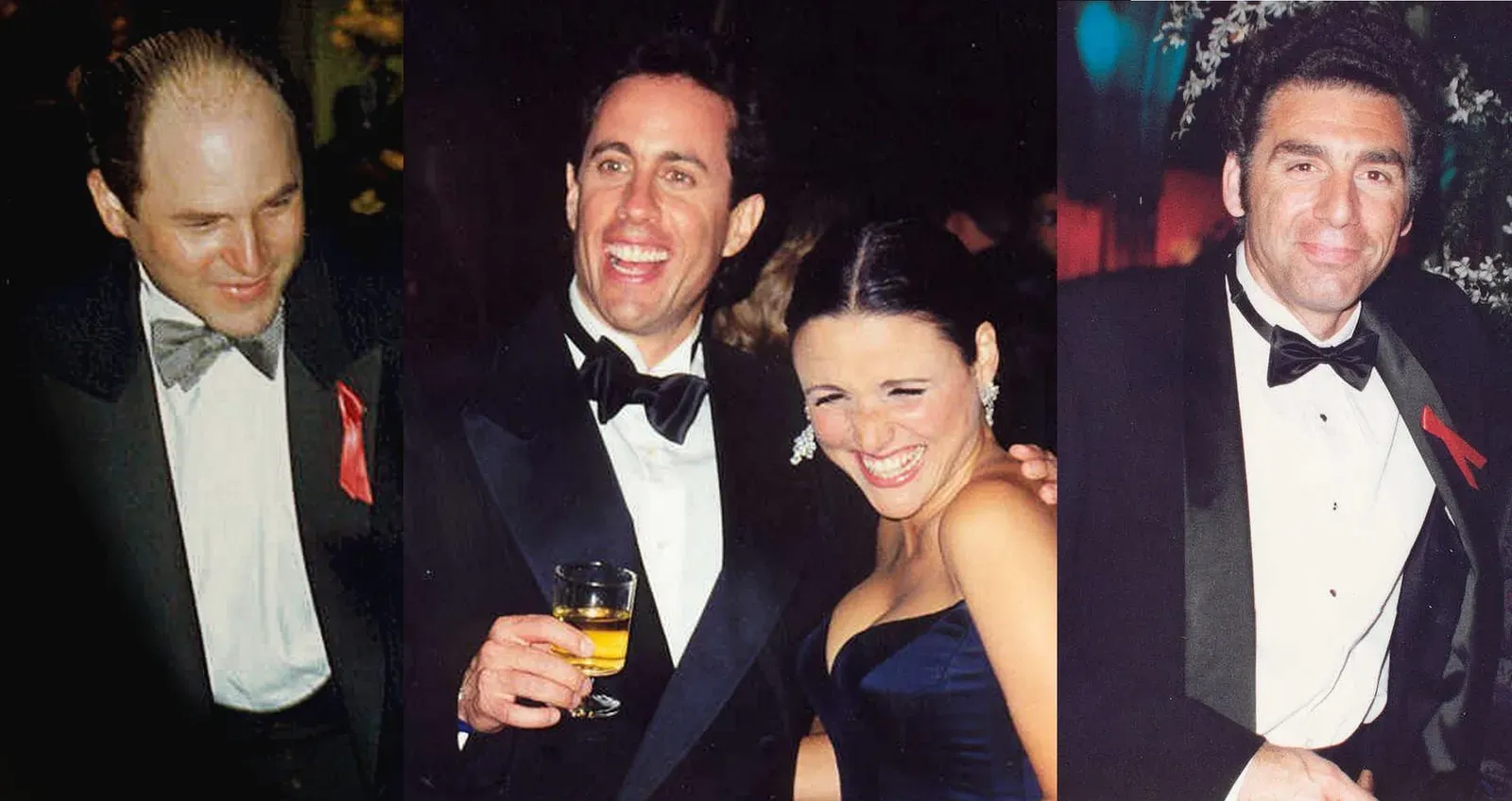
It would be easy to just say that every episode of Seinfeld is rewatchable, but for a single entry, “The Contest” stands as one of the best examples of how this “show about nothing” made something genuinely remarkable. Written entirely by Larry David, the episode revolves around a bet among the four main characters over who can go the longest without a particular activity that is never once directly named. The whole thing works precisely because of what it refuses to say out loud.
The writing relies entirely on implication and the audience’s willingness to fill in the gaps, which is still a remarkable achievement for network television in 1992. The episode won the Emmy Award for Outstanding Writing in a Comedy Series and is routinely cited among the finest individual episodes ever produced in the genre. Rewatching it means watching a roomful of writers thread an almost impossible needle, and they hit it clean every time.
Six Feet Under – “Everyone’s Waiting” (Season 5, Episode 12)

The Six Feet Under finale doesn’t just end a show; it ends your emotional stability. Instead of the usual death-of-the-week, the finale kicks off with a birth, immediately reminding us that this show has always been about the entire ride. It’s a piece of television that functions almost as a short film, and the final sequence, depicting the deaths of every major character across a single long montage set to music, has been described by critics as the single most emotionally complete ending in the medium’s history.
What drives the rewatch instinct here is grief, strangely. Viewers return not to be surprised but to feel the weight of it again, knowing exactly what’s coming and choosing to sit in it anyway. Episodes like this are the reason people binge entire seasons in a weekend or rewatch them just to feel the same thrill again. They’ve earned their high scores not through hype, but because they truly delivered. “Everyone’s Waiting” earns its reputation because it doesn’t try to comfort the audience at the end. It simply tells the truth about time passing, and somehow that’s exactly what keeps drawing people back.
Partner offer
Planning a trip to Vegas?
Compare hotel rates and show tickets on VEGAS.com.