


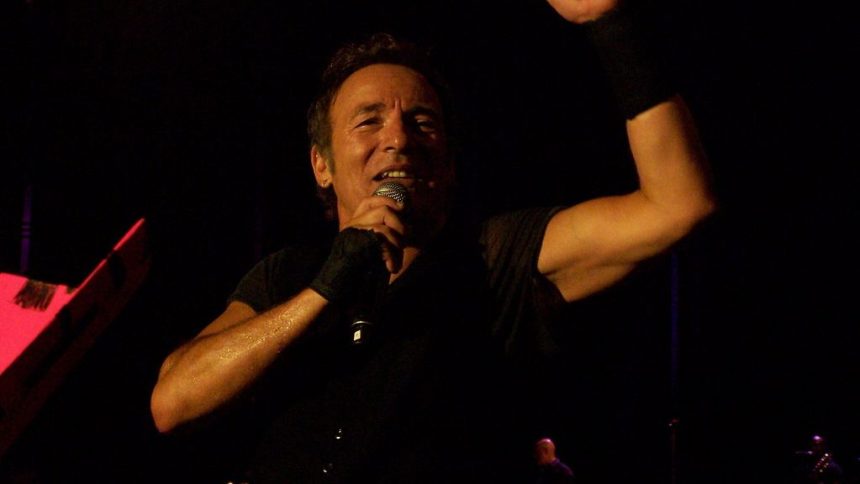
When you think about live music, what comes to mind first? Maybe it’s the roar of the crowd, the feeling of bass pulsing through your chest, or the way a single voice can command thousands of people to move as one. There’s something almost otherworldly about witnessing a true master at work on stage. These artists didn’t just show up and sing. They transformed venues into cathedrals of sound, turned concerts into cultural moments, and made you believe that for those few hours, nothing else in the world mattered.
Elvis Presley: The Original Rock and Roll Revolutionary


Elvis Presley was one of the first true live music icons, with his charismatic stage presence, signature dance moves, and powerful voice captivating audiences like no one before him. During the 1950s, his hip gyrations caused such controversy that television cameras were famously instructed to film him only from the waist up. Yet that only added to his mystique. Elvis understood something fundamental about performance that many artists take years to learn: the audience wants to feel something primal and real. His concerts weren’t polished Broadway productions. They were raw exhibitions of energy that made teenagers scream and parents clutch their pearls.
James Brown: The Godfather Who Never Stopped Moving

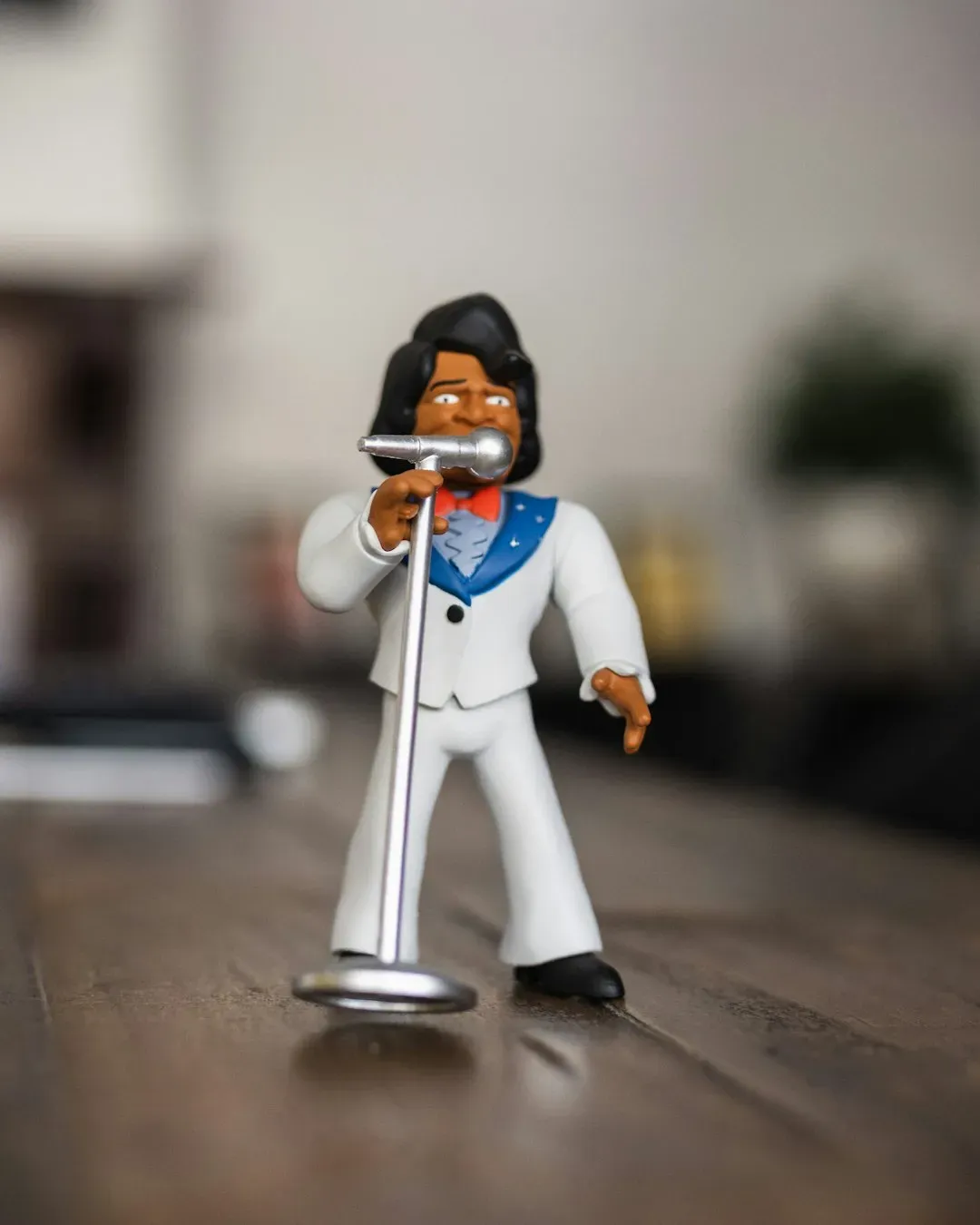
James Brown was the original live beast, with his cape routine, onstage breakdowns and relentless dance moves paving the way for generations, and nobody worked harder on stage. Watching footage of Brown perform is like witnessing an athlete at peak condition. His sense of timing and discipline influenced artists from Prince to MJ to Bruno Mars. Think about that for a second. Three generations of performers, all tracing their DNA back to one man who refused to stand still. On April 5, 1968, the day after Martin Luther King Jr.’s assassination, James Brown took control of the devastated crowd at Boston Garden, using his music that had once ignited rebellion to create a moment that brought people together.
Bruce Springsteen: The Marathon Man of Rock

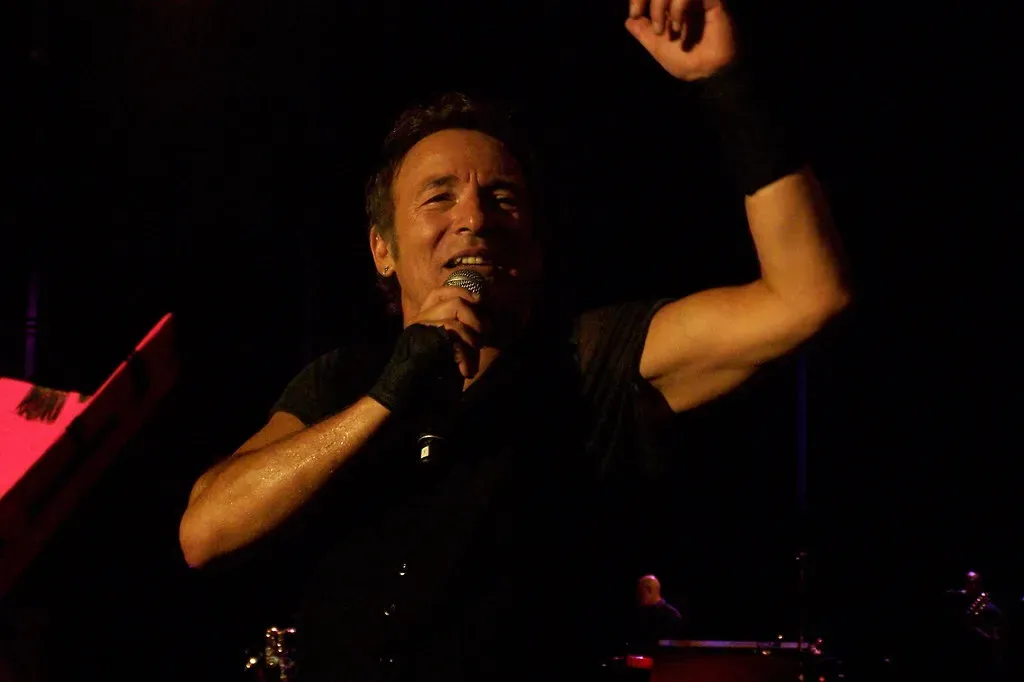
Bruce Springsteen has performed 3,513 different shows across 20 global tours with 50 Grammy nominations and 20 wins, and at age 73, performed two three-hour shows before 117,000 people in Barcelona. Let that sink in. Three-hour shows in his seventies. Bruce Springsteen earned a total of $365.9 million from 2,265,292 tickets sold in 63 shows played as part of the 2023-24 Tour, making him the highest-grossing male artist of the year. His concerts average at a staggering three to four hours long, starting with a fixed setlist but also incorporating requests from the audience and stories from his life. There’s a reason they call him The Boss, and it has everything to do with the fact that he works harder than anyone else in the room.
Prince: The Purple Reign That Defied Categories

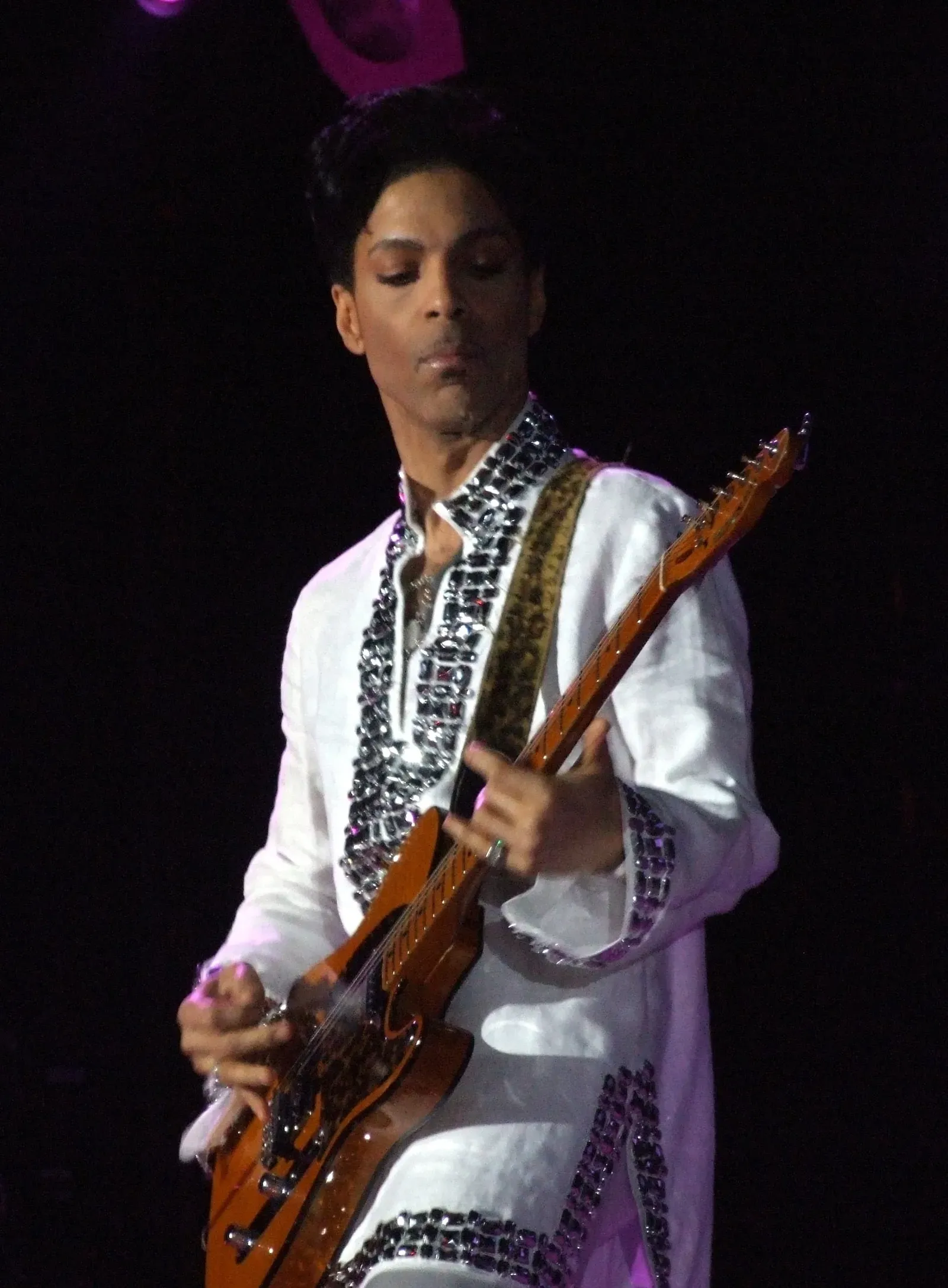
Prince was a musical genius who owned every stage he stepped on, with his mastery of guitar, piano, and vocals effortlessly transitioning between rock, funk, and soul, and his Super Bowl Halftime Show where he played “Purple Rain” in the pouring rain is considered one of the greatest live performances ever. That 2007 halftime show remains legendary because Prince didn’t just perform in the rain. He made the rain part of the show. He transformed what could have been a disaster into the most iconic Super Bowl performance in history. Prince could play nearly every instrument on stage, wore heels better than most runway models, and had a stage presence that was equal parts sensuality and sheer musical dominance.
Partner offer

Michael Jackson: The King Who Invented Modern Spectacle

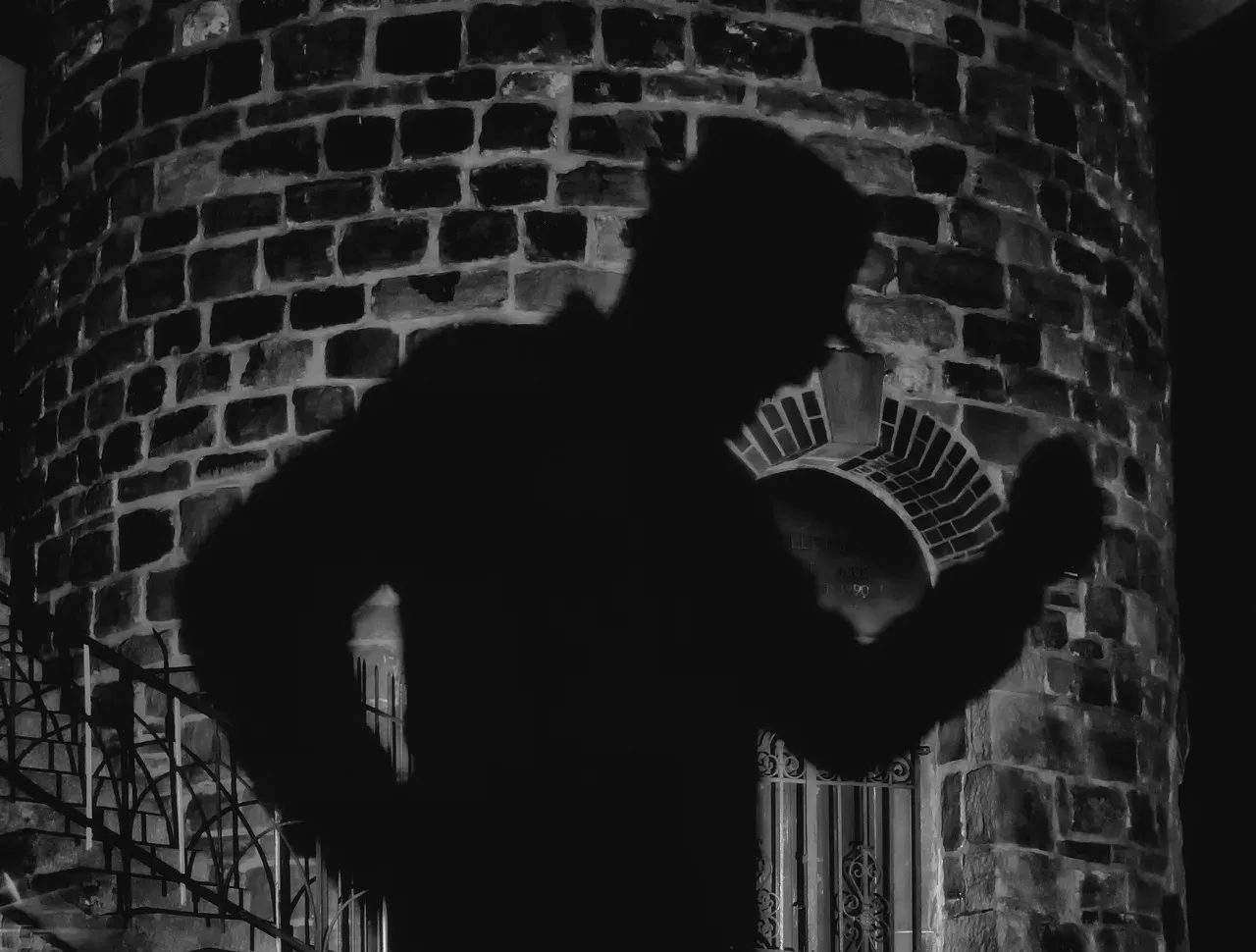
Jackson’s 1983 performance of “Billie Jean” introduced the world to the moonwalk, and his Super Bowl Halftime Show in 1993 set a new standard for live entertainment, with his Bad and Dangerous tours attracting millions of fans worldwide. Michael’s ability to transform a stage into a world of its own was unmatched, creating a spectacle that was both visually and audibly stunning, with his attention to detail and relentless pursuit of perfection making every performance a masterpiece. His level of choreography combined with live vocals was something audiences had never witnessed before. The military precision, the pyrotechnics, the sheer scale of it all changed what fans expected from a concert forever.
Madonna: The Queen Who Kept Reinventing the Wheel

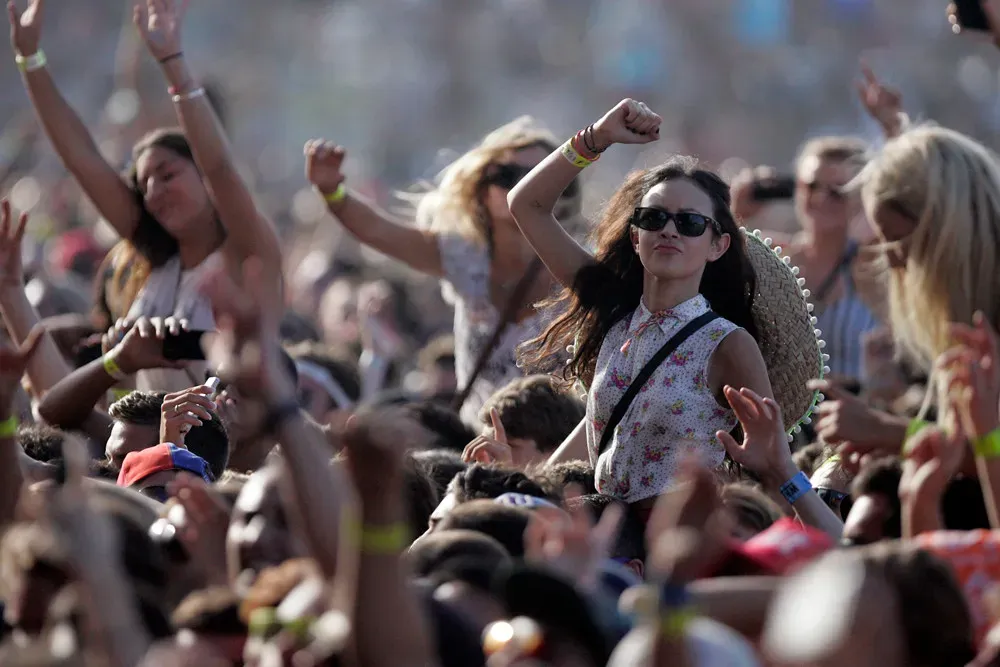
Madonna has consistently pushed the boundaries of live performance throughout her career, known for her theatrical performances and elaborate stage setups, with her 1990 Blond Ambition World Tour often cited as a groundbreaking moment in live entertainment featuring innovative choreography and provocative themes. With over 300 million records sold, Madonna’s influence on the music industry and live performance is unparalleled. She understood that pop concerts could be art installations, that controversy could be currency, and that constantly reinventing yourself kept audiences hungry for more. Every tour brought a new persona, a new statement, a new reason to pay attention.
Beyoncé: The Modern Standard of Excellence

Renaissance Tour by Beyoncé grossed a total of $579.8 million from 2,776,855 tickets sold in 56 shows. Beyoncé continued her reign into the 2010s with her The Mrs. Carter Show and The Formation World Tours praised for her choreography and live vocal chops, and her biggest performance of the decade came with 2018’s “Beychella,” her headlining Coachella gig that was documented by Netflix and earned her a Grammy for Best Music Film. The 32-time Grammy Award winner surpassed Madonna’s “Sticky & Sweet Tour” that reigned for 14 years as the highest-grossing concert tour ever by a female artist. Beyoncé represents the culmination of everything that came before her: the vocals, the dancing, the production value, the cultural relevance. She’s a perfectionist who somehow makes perfection look effortless.
Taylor Swift: The Billion-Dollar Phenomenon

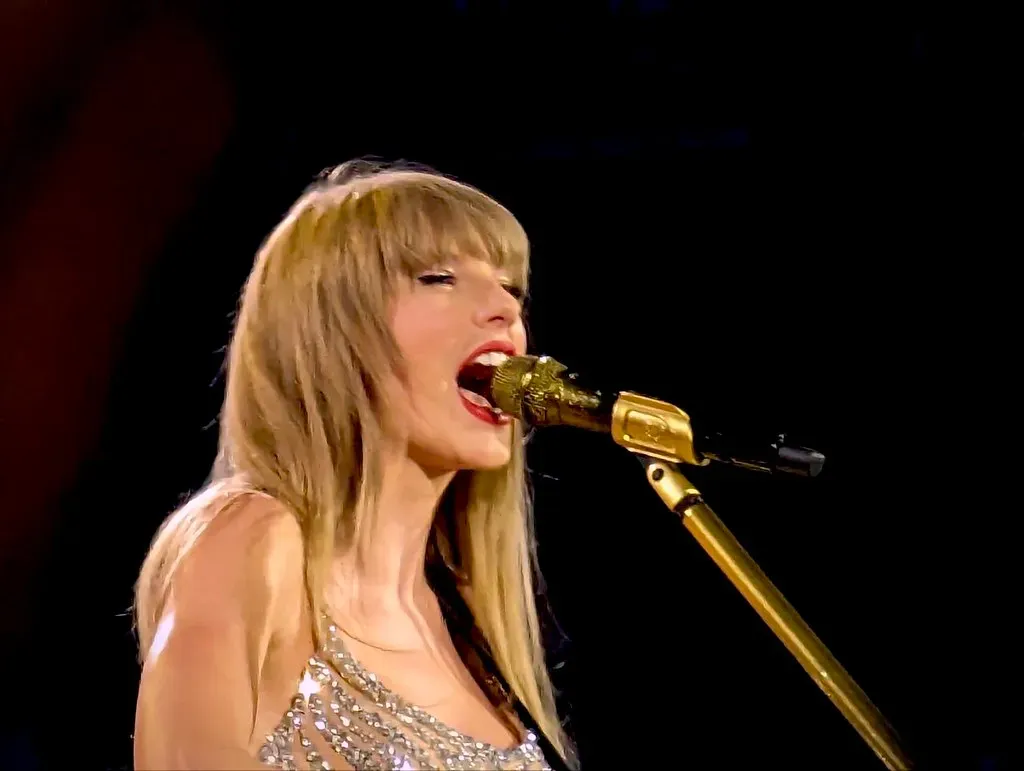
Taylor Swift’s The Eras Tour grossed $2,077,618,725 from 149 shows across 51 stadiums, 19 countries and five continents between 17 March 2023 and 8 December 2024. The Eras Tour concluded in December 2024 with $2.07 billion, becoming the first tour to reach $2 billion. Let’s be real here: those numbers are almost incomprehensible. The official tally for the 21-month run in stadiums had a total sold-out attendance of 10,168,008. Taylor created a cultural movement where fans made friendship bracelets, dressed in elaborate era-specific costumes, and treated each show like a pilgrimage. Following the inaugural U.S. leg of Eras, the U.S. Travel Association estimated that the tour’s total economic impact likely exceeded $10 billion.
Partner offer
Planning a trip to Vegas?
Compare hotel rates and show tickets on VEGAS.com.


