Awards shows are built on the promise of controlled chaos: rehearsed speeches, scripted banter, and performances polished within an inch of their lives. Every so often, though, something breaks through the polish and the room turns on the person at the microphone in real time. Boos at a televised awards ceremony are rare enough that when they happen, they tend to define the moment far more than any trophy handed out that night. What follows is a look back at eight moments when a live audience made its displeasure known instantly and audibly, moments that still get replayed, argued over, and referenced whenever award shows go slightly off the rails.
Kanye West interrupts Taylor Swift at the 2009 MTV VMAs

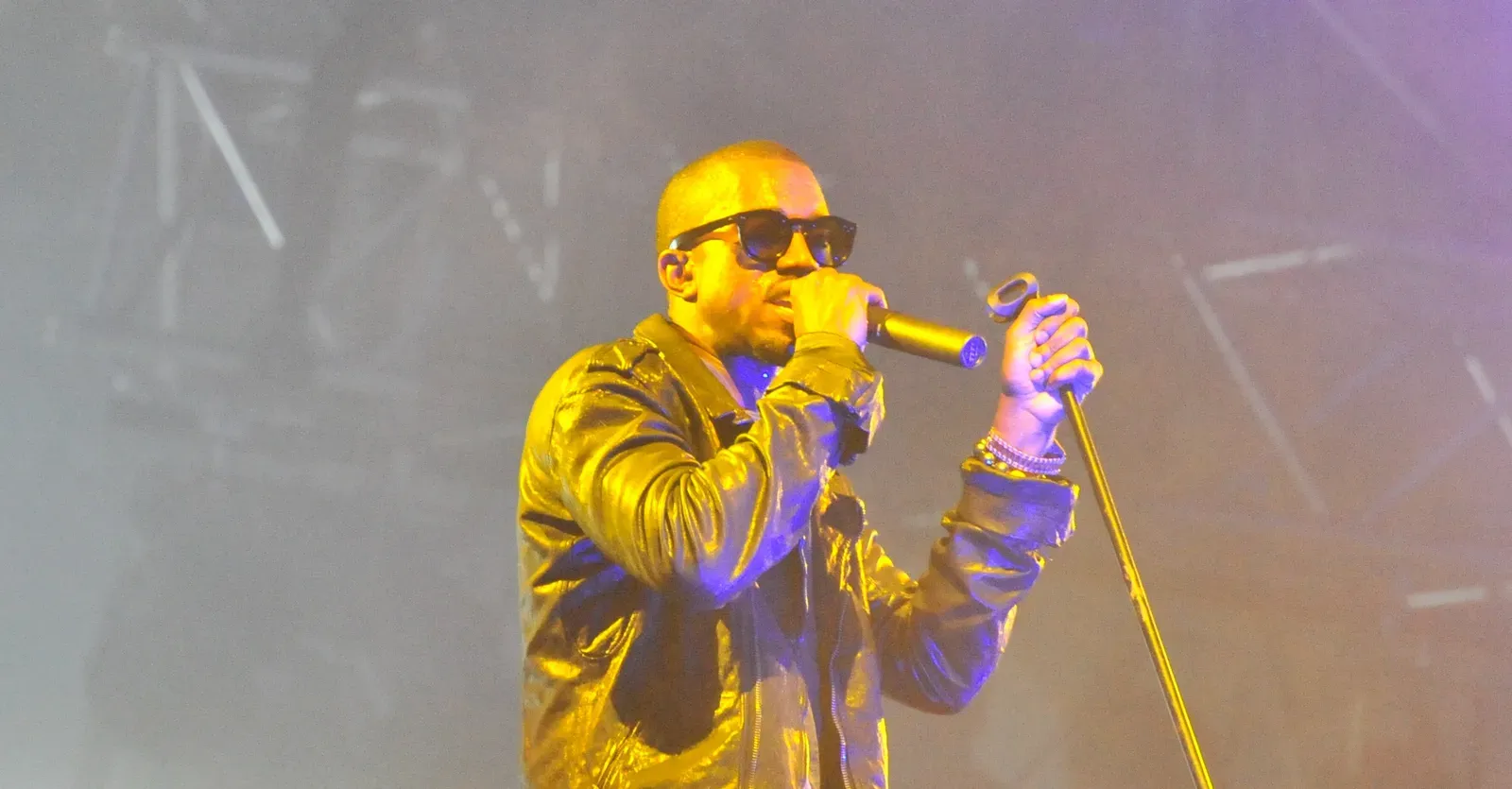
The single most cited example of an awards show crowd turning on a performer in an instant came when Kanye West took the microphone from Taylor Swift during her acceptance speech for Best Female Video. While Taylor Swift was making her acceptance speech, Kanye West got on stage, interrupted her, took her microphone, and said Beyoncé had one of the best videos of all time, after which West was booed by the audience. He responded to the crowd’s reaction by flipping them off, which only deepened the tension in the room.
The booing did not stop once he left the stage. During the commercial break, Pink walked up to him and got in his face, and every time Kanye’s name was mentioned later in the show there would be more boos from the audience. Even the show’s own host, Wale, was booed by the Radio City Music Hall crowd after telling them they could not fault a man for speaking his mind. Watching the broadcast today, the audio track alone tells the story, a mix of gasps, silence, and sustained booing that made it clear the room had turned decisively against him.
Fiona Apple’s “this world is bullshit” speech at the 1997 MTV VMAs

Long before Kanye’s outburst became the VMAs’ defining controversy, a nineteen-year-old Fiona Apple delivered an acceptance speech that split the room. After winning Best New Artist for “Sleep to Dream,” she used her time on stage to criticize the values of the entertainment industry rather than thank collaborators. Her stern tone prompted host Chris Rock to try to lighten the mood by joking about her on stage.
The audience response in the room was not uniformly warm. A section of commentators did not love her sentiment at first, taking it as bratty and ungrateful, and listeners can hear some people beginning to boo her in the background of the broadcast. The speech was not well received in the short or long term, with publications in the days afterward painting her as a diva suffering for her art. It remains one of the earliest and most talked about instances of an awards show crowd souring on a young artist in real time.
Kanye West’s mock stage rush at the 2015 Grammy Awards

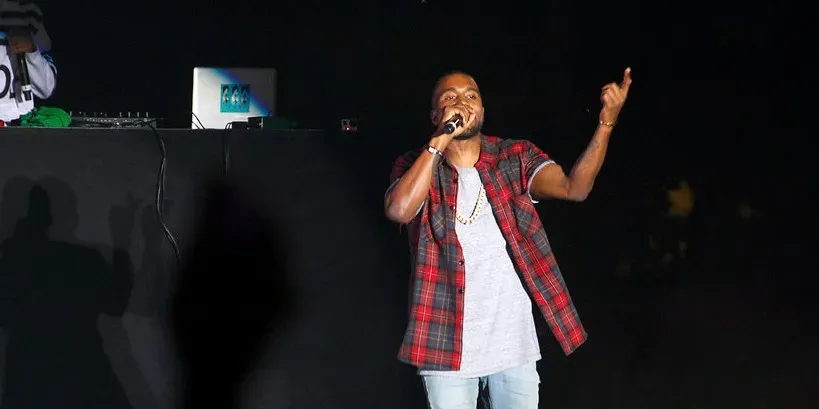
Six years after the Taylor Swift incident, Kanye West found himself at the center of another awards show controversy involving a shocked room. When Beck won Album of the Year over Beyoncé, West briefly stood and began walking toward the stage before returning to his seat, a moment widely covered by entertainment press at the time as an echo of his 2009 outburst. The room’s reaction was a jumble of nervous laughter, groans, and scattered booing as viewers tried to figure out whether he was serious.
West later explained his intentions in television interviews, saying the gesture was meant as commentary on how artistry gets judged at award shows, not as a slight against Beck personally. Regardless of his explanation, the instant reaction inside the venue, somewhere between disbelief and irritation, made it clear the crowd was in no mood for a repeat performance of his earlier stunt. It remains one of the more debated entries on any list of awards show flashpoints precisely because so much of the drama played out on people’s faces rather than through anything he actually said.
The “Soy Bomb” stage invasion during Bob Dylan’s 1998 Grammy performance

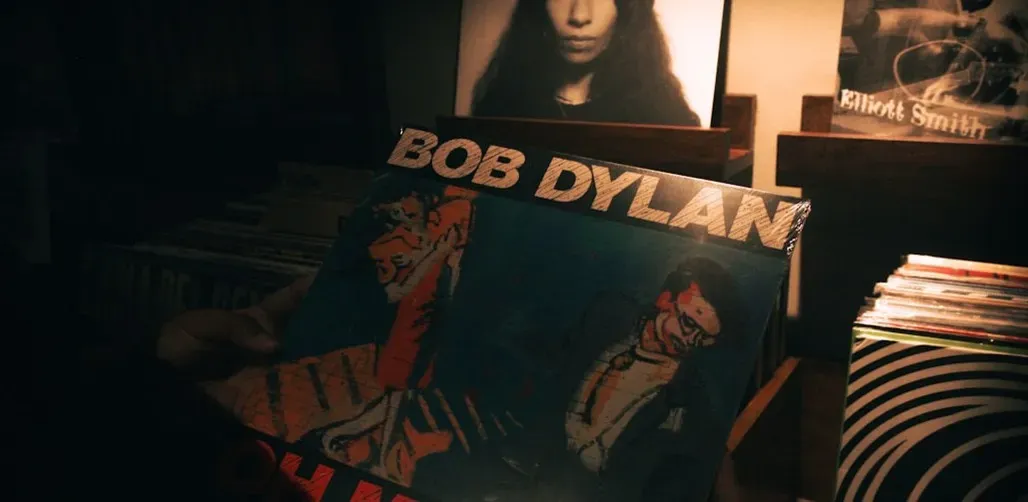
Not every booed moment involves the actual nominee losing his composure. During Bob Dylan’s performance of “Love Sick” at the 1998 Grammy Awards, a background dancer named Michael Portnoy tore off his shirt to reveal the words “Soy Bomb” written across his chest and began an erratic, flailing dance right next to Dylan. Portnoy was onstage at Radio City for about 35 seconds before being removed by security.
Producer Ken Ehrlich later said there was a moment when he thought it was part of the show, but then he looked at Dylan and could see it obviously threw him, though Dylan just kept playing. The stunt happened in front of an estimated television audience of 25 million people, most of whom were left as confused as the people in the control booth. The confusion in the room quickly curdled into visible irritation as security dragged Portnoy off, and the moment has been replayed for decades as one of the strangest disruptions in Grammy history.
Partner offer

Britney Spears’ “Gimme More” at the 2007 MTV VMAs

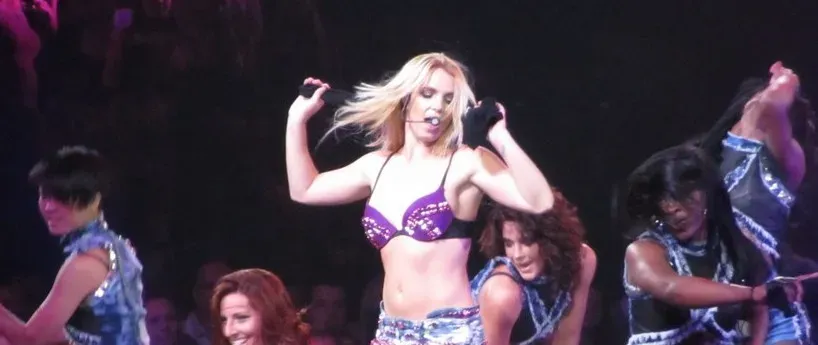
Britney Spears’ opening performance at the 2007 VMAs was billed as a comeback, but it quickly became one of the most heavily criticized live performances in the show’s history. Audiences found the performance of “Gimme More” to be tepid, rushed, and lip-synched. The performance was widely criticized for its lackluster choreography, apparent lip-syncing, and overall disconnection from the material.
The reaction from professional critics afterward was blunt. Viewers and professional critics were far from impressed, with the BBC’s David Willis saying her performance would go down in the history books as being one of the worst to grace the MTV Awards. The performance has since been reassessed by some fans as a cultural artifact of a difficult period in Spears’ life, but at the time, the disappointment in the room and among viewers at home was immediate and widely reported.
Ol’ Dirty Bastard rushes the stage at the 1998 Grammy Awards

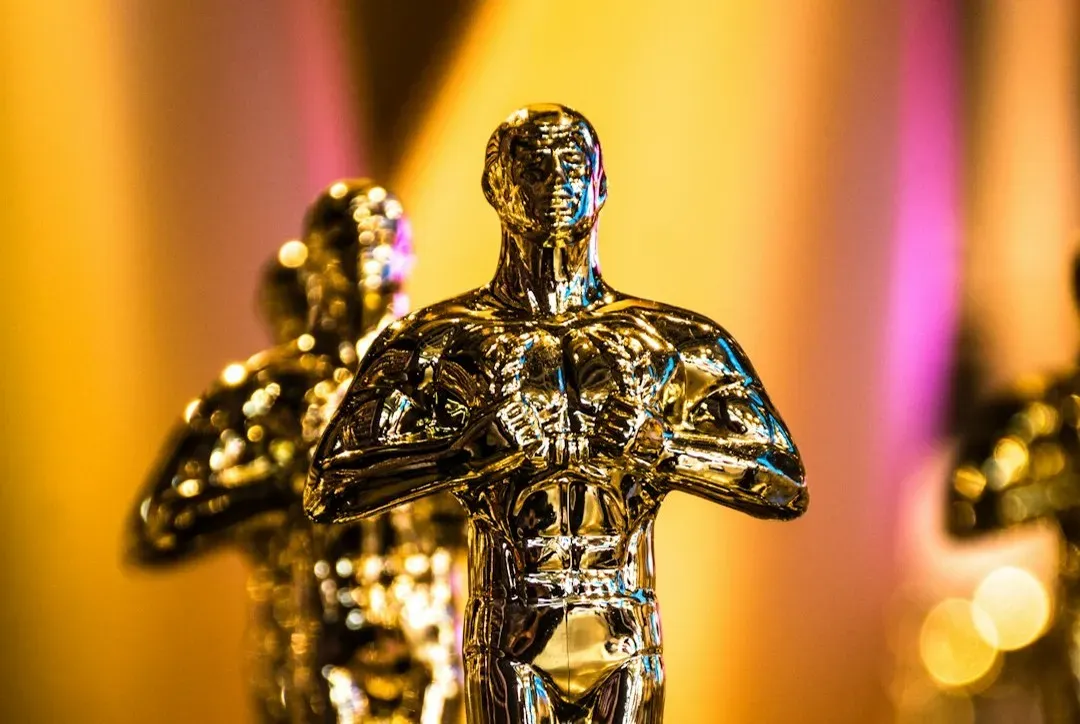
The same 1998 Grammy telecast that gave the world “Soy Bomb” also produced another jaw-dropping interruption when Ol’ Dirty Bastard of the Wu-Tang Clan rushed the stage during the Song of the Year presentation. When Shawn Colvin won Song of the Year for “Sunny Came Home,” Ol’ Dirty Bastard commandeered the microphone and argued that his group should have won the Best Rap Album award instead of Puff Daddy, declaring that Wu-Tang is for the children.
The stunt caught producers and the audience completely off guard, turning what should have been a straightforward acceptance speech into a chaotic standoff between security and an unscripted guest. Coverage of the night has grouped it alongside the Soy Bomb incident as one of two back-to-back disruptions that made the 1998 Grammys one of the most chaotic broadcasts in the show’s history. It stands as an early example of how quickly an awards show crowd can turn from polite applause to open frustration when the script falls apart.
Chris Brown’s comeback performance at the 2012 Grammy Awards

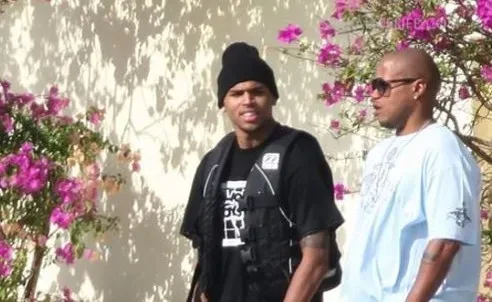
Chris Brown’s return to the Grammy stage in 2012, three years after his highly publicized assault of Rihanna, drew significant controversy before he even opened his mouth to sing. The Recording Academy faced criticism from advocacy groups and members of the public for giving him a performance slot, and that unease carried directly into the room and onto social media as the show aired. Reaction split sharply between fans eager to see him back and viewers who felt his presence sent the wrong message just years after the incident.
The backlash extended well beyond the venue itself, with entertainment outlets covering the mixed and often hostile public response for days afterward. The controversy highlighted a recurring tension in awards show culture, the gap between an academy’s willingness to celebrate an artist’s talent and an audience’s discomfort with looking past personal controversy. It remains one of the clearer examples of a performance being judged as much by its context as by anything that happened on stage.
Jo Koy’s opening monologue at the 2024 Golden Globe Awards

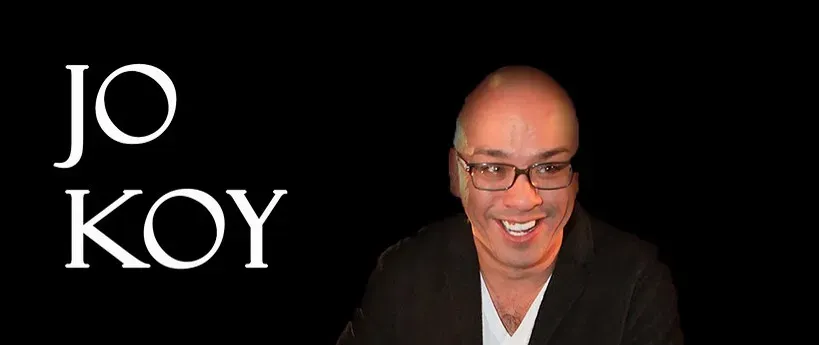
Not every entry on a list like this involves a musical act. When comedian Jo Koy took the stage to host the 2024 Golden Globes, his opening monologue was meant to set a confident, comedic tone for the ceremony. Instead, several jokes, including bits about the “Barbie” movie and other nominees, landed awkwardly and were met with visible discomfort and audible groans from the audience in the room.
Clips of the tense moments circulated widely online in the days following the broadcast, with entertainment writers dissecting exactly which jokes had failed and why. Koy later addressed the rocky reception in interviews, acknowledging that parts of his material had not connected the way he hoped. The episode became a modern reminder that hosting monologues, much like musical performances, can turn an audience against a performer within seconds if the material misses its mark.
Final thoughts

Partner offer
Planning a trip to Vegas?
Compare hotel rates and show tickets on VEGAS.com.