The Academy Awards have never been a straightforward measure of cinematic greatness. They reflect the industry’s tastes, its politics, its blind spots, and occasionally, its courage. Every year, millions of people worldwide watch with genuine suspense, knowing the result could confound every prediction and precursor award leading up to it.
Some upsets have aged well. Others feel worse with every passing decade. Looking back across nearly a century of ceremonies, a handful of moments stand above the rest – nights when the envelope was opened and the room went quiet for all the wrong reasons.
Citizen Kane Loses to How Green Was My Valley (1942)

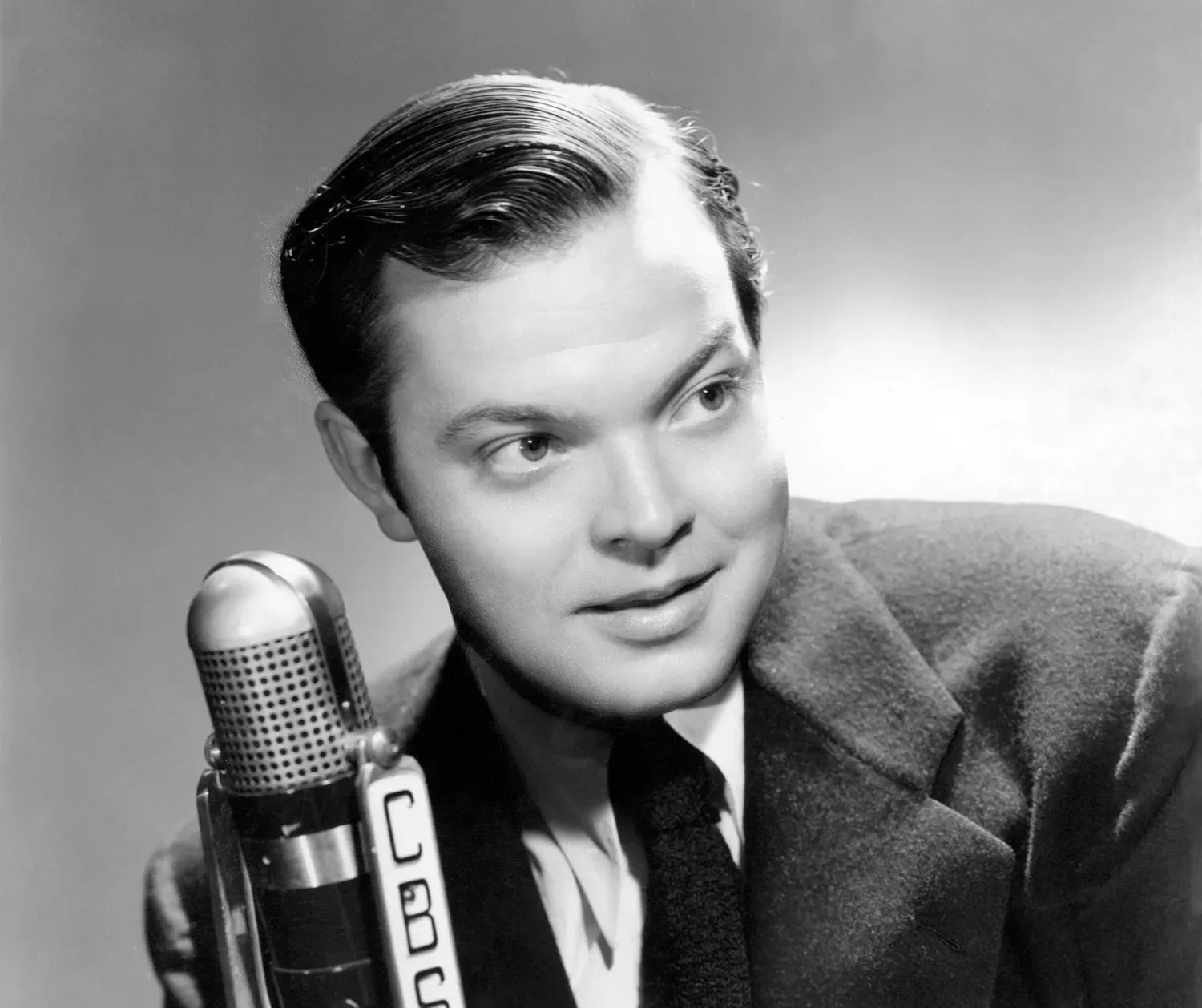
Citizen Kane wasn’t always regarded as a cinematic classic. The revolutionary 1941 film used William Randolph Hearst’s life story as the basis for an epic about a powerful man who is ultimately unknowable, and it was subjected to a campaign of near-total suppression by Hearst from the moment of its release. Despite Orson Welles’s efforts to use the David and Goliath story in his bid for public sympathy, his peers booed him and his film at the 14th Academy Awards.
Kane lost every single prize except one, for its screenplay. John Ford’s How Green Was My Valley, a wistful tale of life in a Welsh mining town, won Best Picture. To this day, Citizen Kane missing out is near-universally regarded as one of the worst cases of the Oscars getting their top prize wrong. How Green Was My Valley is genuinely a finely drawn and often searing film that would be a worthy winner in nearly any other year. It just had the misfortune of winning against one of the most revolutionary films ever made.
Shakespeare in Love Beats Saving Private Ryan (1999)

Many expected Steven Spielberg’s epic war drama Saving Private Ryan, with an all-star cast led by Tom Hanks, to take home the top prize. Spielberg winning Best Director seemed to confirm it. Instead, the romantic dramedy Shakespeare in Love pulled off a major upset. Many agree that Saving Private Ryan was unquestionably the superior film, but Shakespeare in Love had the upper hand thanks to Harvey Weinstein’s forceful campaigning strategies.
Shakespeare in Love winning Best Picture changed Oscars campaigns forever, arguably for the worse. Like most of the widest-reaching stories in the entertainment industry, it can be traced back to Harvey Weinstein. The race became a cautionary tale about how aggressive grassroots lobbying could override critical consensus, a lesson the industry absorbed a little too well in the years that followed.
Crash Defeats Brokeback Mountain (2006)

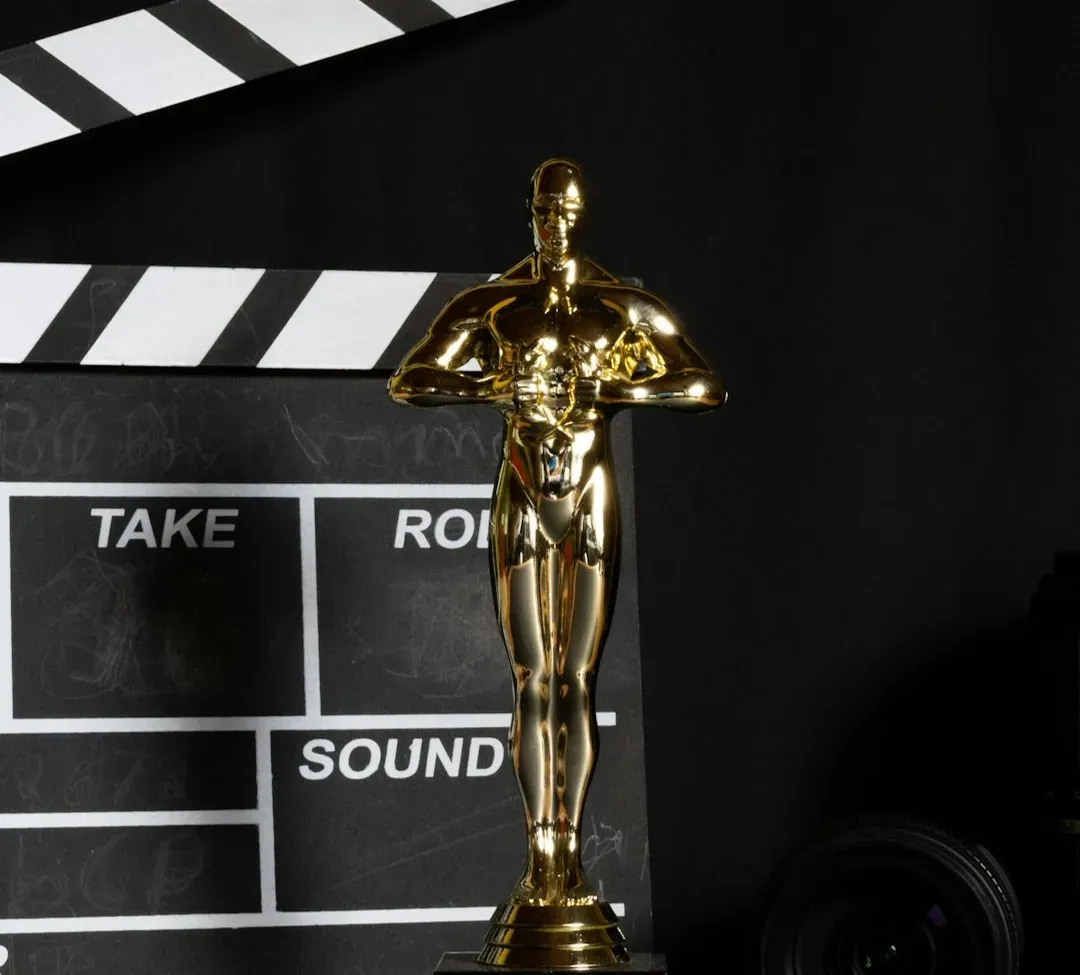
Brokeback Mountain was considered the Best Picture frontrunner going into the 2006 Oscars, having earned eight nominations, the most of any film. It had already won at the Golden Globes, the Critics’ Choice Awards, the Producers Guild of America Awards, and the British Academy Film Awards. Crash came out of nowhere for the win. Presenter Jack Nicholson mouthed “whoa” after reading the result, quickly sparking accusations that homophobia prevented voters from backing the acclaimed gay romance. The studio’s strategy of sending a DVD of Crash to every single member of SAG also may help explain it.
The question of what the worst Best Picture winner of modern times is usually only gets one answer: Crash. The film tackles racism with about as much subtlety as a rhino browsing a jewelry store, and for this, its Best Picture victory has aged like milk. One would be hard-pressed to find anyone willing to say it’s a genuinely great film, and even harder to find anyone who would disagree that Brokeback Mountain was a more deserving nominee.
Moonlight Wins Best Picture – After La La Land Was Announced (2017)

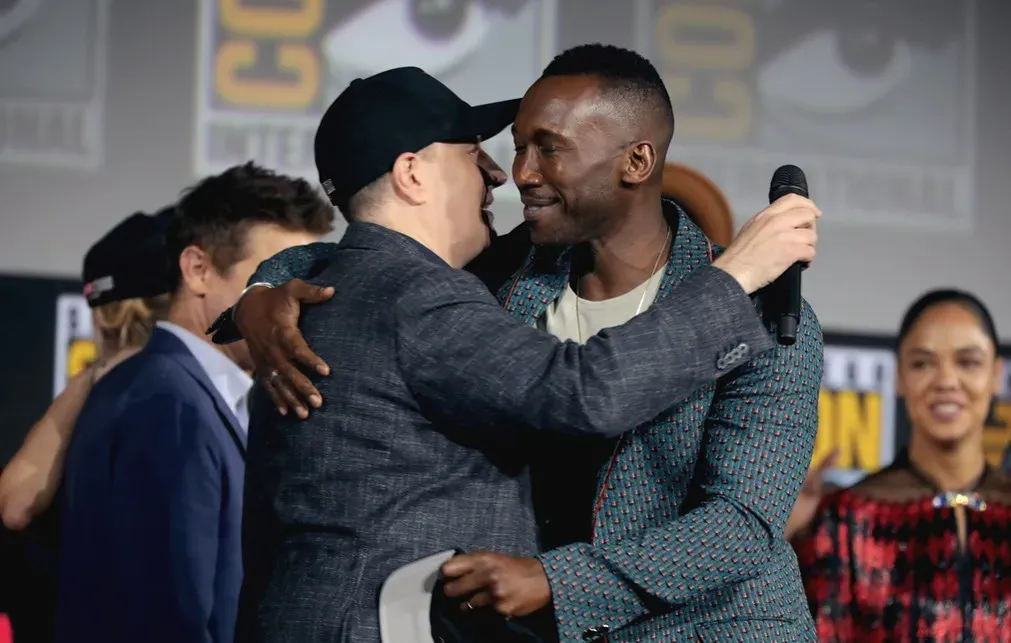
In 2017, Warren Beatty and Faye Dunaway came together to present the award for Best Picture. The prevailing expectation was that Damien Chazelle’s enchanting musical La La Land would claim the prize, particularly following its earlier wins for directing and actress for Emma Stone. A live television blunder occurred when La La Land was mistakenly announced as Best Picture. Moments later, the error was corrected, revealing that the actual winner was the independent coming-of-age drama Moonlight.
Partner offer

The cast and crew of La La Land had already assembled on stage and delivered emotional acceptance speeches before crew members cut them off to learn that the real winner was Moonlight. The cast and crew of La La Land graciously forfeited their win, inviting the Moonlight team to the stage. Whether you believe the right film ultimately won depends heavily on which story you feel cinema should reward: the dazzling Hollywood musical or the quietly devastating portrait of a Black gay man’s coming of age in Miami.
Adrien Brody Stuns Everyone in the Best Actor Race (2003)

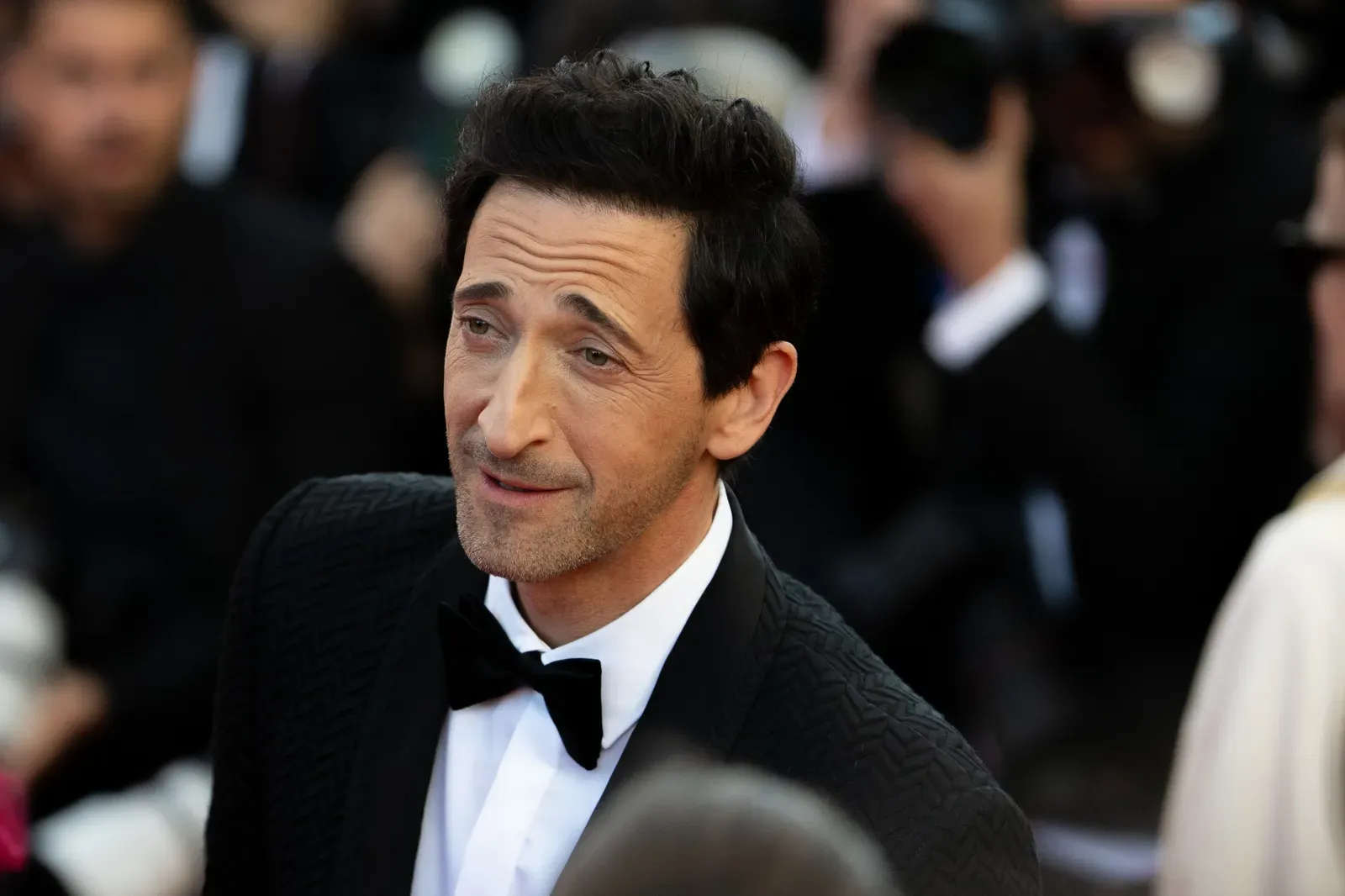
Adrien Brody’s Best Actor triumph over previous Oscar winners Jack Nicholson, Michael Caine, Nicolas Cage, and the heavily favored Daniel Day-Lewis stunned audiences. He became, and as of 2024 still is, the youngest actor to win at age 29. Day-Lewis had already won at the British Academy Film Awards and the Screen Actors Guild Awards, and had tied with Nicholson at the Critics’ Choice Awards. Nicholson won at the Golden Globes, so he seemed like the only person who could defeat Day-Lewis.
Brody’s performance in The Pianist is considered by many critics to be one of the best Oscar-winning performances of all time. Even so, he was definitely not the favorite. The vast majority of precursor awards that season went to Daniel Day-Lewis and Jack Nicholson. Looking back honestly, Brody’s win is one of the few genuine upsets where time has been kind to the Academy’s choice.
Art Carney Beats Al Pacino and Jack Nicholson (1975)

Al Pacino delivers arguably one of the greatest performances of all time in The Godfather Part II, yet neither he nor fellow nominee Jack Nicholson in Chinatown won in 1975. Art Carney took home Best Actor for Harry and Tonto, a film that has been largely forgotten by comparison. This is despite Harry and Tonto having only two nominations, while The Godfather Part II had eleven nods and won Best Picture.
The Pacino snub was so shocking that his 1993 win for Scent of a Woman is widely seen as the Academy’s attempt to make up for that loss and many others, even though few would argue he ultimately won for his best work. Carney’s heartfelt portrayal of an elderly man on a cross-country journey with his pet cat was unexpected, as nearly everyone anticipated either Pacino or Nicholson to take home the award. This win remains one of the most surprising upsets in Oscar history.
Driving Miss Daisy Takes Best Picture Without a Director Nomination (1990)

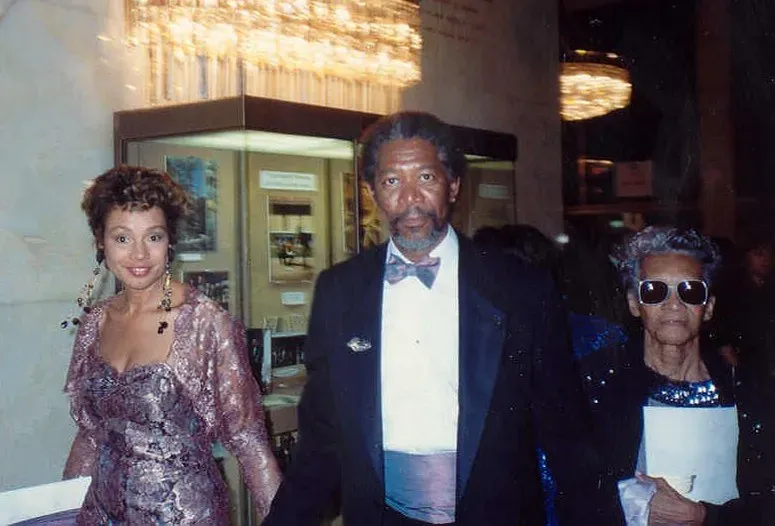
A comedy film snubbed in the Best Director category claimed the coveted Best Picture award over a slate of formidable contenders, including a Vietnam War drama, a coming-of-age period story, a feel-good sports flick, and a biopic based on an acclaimed memoir. Such was the case with Bruce Beresford’s Driving Miss Daisy, a tale chronicling a woman’s journey being chauffeured over a 25-year span. The 62nd Academy Awards in 1990 is often held up as a prime example of all that is wrong with the Oscars. Driving Miss Daisy won Best Picture in a strong category that included Born on the Fourth of July, My Left Foot, Field of Dreams, and Dead Poets Society.
In a 2015 recount conducted by the Hollywood Reporter, many members of the Academy said they would switch their vote to My Left Foot if given another chance. The main snub of that entire year, however, was the complete absence of Spike Lee’s masterpiece Do the Right Thing. Do the Right Thing is widely considered one of the best pieces of American filmmaking of all time, yet it wasn’t even awarded a Best Picture or Best Director nomination at the 62nd Academy Awards.
Parasite Makes History – and It Actually Deserved It (2020)

In 2020, South Korean film Parasite broke records and made Oscar history by becoming the first foreign-language film to win Best Picture. Director Bong Joon-ho’s class warfare satire transcended language barriers and connected to audiences all over the world, becoming one of the most acclaimed films of the century. It beat massive films like The Irishman, Once Upon a Time in Hollywood, and Joker. Bong Joon-ho also won Best Director.
From How Green Was My Valley topping Citizen Kane to Parasite managing to best the major guild sweeper 1917, there have been many surprising moments enshrined in history. Unlike most upsets on this list, the Parasite win is the rare case where history has immediately validated the Academy’s choice. The year 2019 was exceptional for movies, one of the best of the 21st century, and it would be hard to pick one film that was clearly the best. There is one answer that’s never out of the conversation, though, and that’s Parasite – a class satire that some might call one of the most important international films of the last 50 years.
Partner offer
Planning a trip to Vegas?
Compare hotel rates and show tickets on VEGAS.com.