
There’s a particular kind of song that doesn’t announce itself. It doesn’t open with a crash of drums or a soaring hook designed to grab you before you can look away. It arrives softly, almost apologetically, and then refuses to leave. These are the songs that find you in the quiet corners of your day and settle there permanently.
Volume is easy. Restraint is something else entirely. The eight songs below each chose silence over noise and intimacy over spectacle. What they left behind is, in most cases, far more durable than anything a wall of sound could have built.
1. Billie Holiday – “Strange Fruit” (1939)

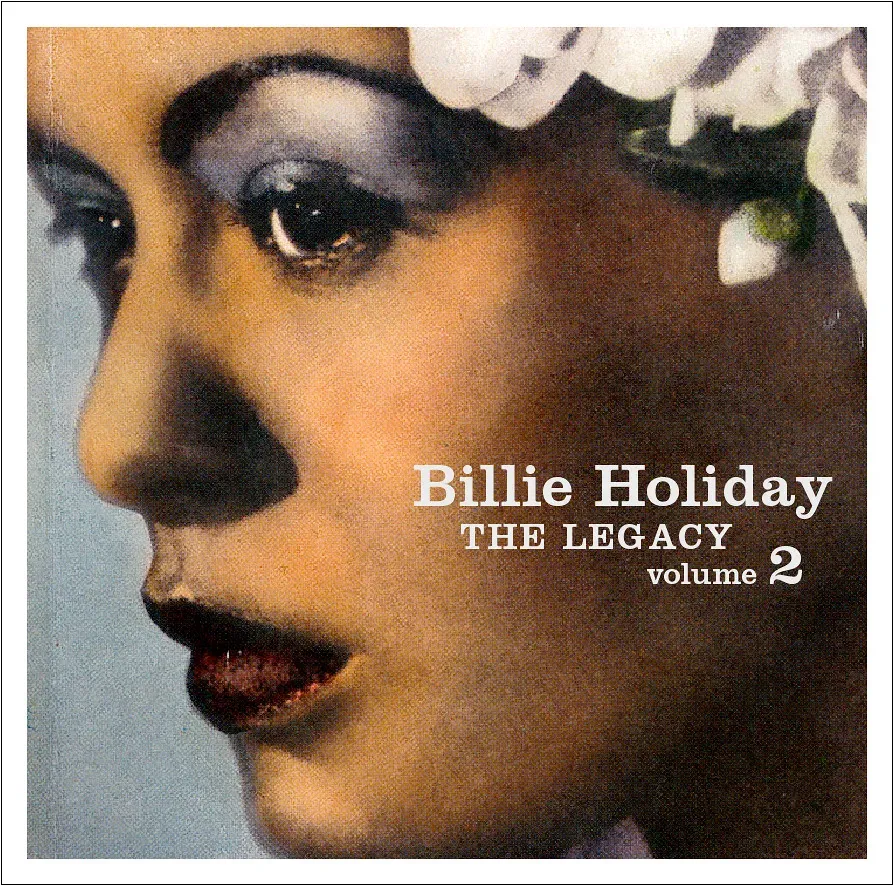
Because of the song’s heartbreaking content and effect on the audience, Holiday sang it last, in a darkened room, with a spotlight on her face. The nightclub staff stopped serving during the song, and the room was silent except for Holiday’s voice and her accompaniment. She did not perform an encore. That was the ritual. The song demanded it.
“Strange Fruit” was inducted into the Grammy Hall of Fame in 1978, and Time magazine named it the song of the century in 1999. Written by a white, Jewish high school teacher from the Bronx, Abel Meeropol wrote it as a protest poem exposing American racism, particularly the lynching of African Americans. It remains one of the most devastating three minutes ever committed to tape, not because it shouts, but because it doesn’t need to.
2. Nick Drake – “Pink Moon” (1972)


Sessions for “Pink Moon” took place over two nights, with only Drake and his engineer in the studio. The bleak songs on the album are short, and the eleven-track album lasts only 28 minutes. Drake appears on the record accompanied only by his own carefully recorded guitar, save for a piano overdub on the title track. Nothing else. Just a man, a guitar, and a kind of dark clarity that’s almost unbearable to sit with.
Of the three albums he released in his lifetime, all were met with a shrug of apathy. Critics gave polite nods but never craved more. Listeners rifled right by his LP sleeves, so sales were dismal at best. Drake never had anything resembling a hit in America, but “Pink Moon” has become his most popular song in that country, due in no small part to its use in a 1999 commercial for the Volkswagen Cabriolet convertible, which shows four young people driving under the moonlight. The song’s posthumous life is almost as haunting as the song itself.
3. Simon & Garfunkel – “The Sound of Silence” (1964)

Paul Simon’s lyrics, delivered in hushed tones, touch on themes of alienation and miscommunication, echoing the unrest of the 1960s. The song’s haunting harmonies and gentle acoustic guitar carry a message that feels just as relevant today. When it was released in 1964, radio DJs were so captivated by its somber beauty that it quickly climbed the charts, eventually reaching number one.
In 2020, it was named one of Rolling Stone’s 500 Greatest Songs of All Time, a reminder of its lasting cultural impact. It’s worth pausing on that: a song built around whispers and fingerpicked guitar, written about people unable to truly connect with one another, became one of the most universally recognized pieces of music ever recorded. The quiet, in this case, was the whole point.
4. Tracy Chapman – “Fast Car” (1988)


Tracy Chapman’s “Fast Car” is a softly spoken story of hope and hardship, driven by her gentle guitar work and emotive vocals. Released in 1988, the song narrates the journey of a young woman seeking escape from difficult circumstances, and the lyrics paint a vivid picture of dreams and aspirations juxtaposed with the harsh realities of life. It never raises its voice. It doesn’t have to.
The song has been covered by artists worldwide, each bringing their interpretation to its simple yet profound message, and it is often cited in moments of tragedy or reflection as a balm for collective wounds. Few songs in any era have managed to hold so much economic and emotional reality inside such a spare, understated arrangement. It is, in its quietness, a remarkably honest piece of social observation.
5. Sufjan Stevens – “Casimir Pulaski Day” (2005)

In the song, the narrator grapples with the loss of his romantic partner, who dies of bone cancer on the titular holiday, deals with the grief that follows, and questions his faith in God. The song is musically simpler than other songs on the album, with relatively minimalist instrumentation, most of the track consisting only of vocals, guitar, and banjo. The same four chords are strummed on guitar throughout.
A modern and touching example of music as a medium for expressing grief, “Casimir Pulaski Day” explores complex narratives of grief and loss. An upbeat instrumental mix of banjo and trumpet contrasts with the sobering reality of the lyrics, which narrate the illness and death of Stevens’s young friend, spurring a crisis of faith. A review of the album Illinois in the Chicago Reader called the song “painfully poignant.” That phrase, understated as it is, may be the most accurate two words ever applied to it.
6. Billie Eilish – “When the Party’s Over” (2018)


Billie Eilish’s “When the Party’s Over” is a study in vulnerability, stripped down to little more than her whisper-soft vocals and minimal piano. The song’s stark arrangement leaves nowhere to hide, making every word and sigh feel excruciatingly real. According to Spotify, it ranks among her most-streamed songs, with over a billion plays since its release in 2018.
Critics have praised Eilish for redefining what pop music can sound like, embracing silence and subtlety instead of bombast. The impact is undeniable: listeners often report feeling both comforted and devastated by the song’s delicate honesty. The song arrived at a cultural moment when pop production was getting louder and more processed. Eilish went the other direction entirely, and the response was staggering.
7. Damien Rice – “The Blower’s Daughter” (2001)


Damien Rice’s “The Blower’s Daughter” is a whisper of heartbreak, each note carried on a gentle breeze of acoustic guitar. Rice’s voice trembles with emotion, making the pain of unrequited love feel almost tangible. Since its release in 2001, the song has become a staple for film soundtracks and emotional moments, recognized for its raw honesty.
It gained widespread attention after being featured in the film “Closer,” where its raw emotion underscored scenes of heartbreak. The simplicity of the arrangement, just Rice and his guitar with faint backing vocals, makes it even more powerful, as if he’s singing only to you. The BBC has praised Rice’s songwriting for its “devastating clarity,” and this song is a perfect example. There’s an almost reckless intimacy to the performance that few artists have matched before or since.
8. Bon Iver – “Skinny Love” (2007)

Bon Iver’s “Skinny Love” is the product of heartbreak and isolation, recorded in a remote Wisconsin cabin. The song’s minimalist production, just a haunting vocal and sparse guitar, gives it a raw, confessional atmosphere. Recorded in a remote Wisconsin cabin during a period of isolation, the raw and intimate acoustic track showcases Vernon’s distinctive falsetto against sparse guitar accompaniment. The song’s vulnerability and emotional authenticity create an immediate connection with listeners seeking genuine expression. Its minimalist production allows every vocal nuance and guitar string resonance to shine through, creating an atmosphere of profound intimacy.
Since its 2007 release, “Skinny Love” has been covered by artists like Birdy, whose version became a hit in its own right. The song’s lyrics hint at a relationship unraveling, and listeners often find their own stories reflected in its aching simplicity. In 2022, the song re-entered public consciousness after being featured in a popular television show, introducing it to a new generation. Streamed hundreds of millions of times, it is proof that its quiet intensity connects with people worldwide. A song recorded alone in the Wisconsin cold has never really stopped traveling.