Every so often, a movie fades from ticket sales while its music keeps racking up its own numbers for decades. It happens more often than you’d think, especially with films built around a specific sound or a star with serious vocal chops. Some of these movies made money at the box office too, but the album attached to them turned out to be the real long term investment. What follows are nine cases where the soundtrack became a commercial force in its own right, sometimes eclipsing what the film earned in theaters, sometimes just quietly outlasting it in cultural memory and sales tallies.
Saturday Night Fever (1977): the disco album that redefined the charts

Saturday Night Fever had a budget of $3.5 million and a box office take of $237.1 million, numbers that already made it a hit before anyone talks about the music. Yet the double album attached to it turned into something else entirely. So far, it has sold over 40 million copies. At its commercial peak, it was selling 200,000 copies a day in an America with a hundred million fewer inhabitants than today.
The album’s dominance wasn’t a brief spike either. It dominated the UK charts for 18 consecutive weeks, and a groovy 24 weeks in the US, a run that few movie soundtracks before or since have matched. It also became a massive commercial success and won the Grammy Award for Album of the Year in 1979, a rare honor for a movie tie in record. Decades later, it still gets cited as the moment disco went from niche to unavoidable.
Grease (1978): second place at the box office, first place on the turntable

Grease was already a financial juggernaut on its own terms. According to Wikipedia’s film data, Grease is a 1978 American film with a budget of $6 million and a box office of $396.3 million, numbers most studios would frame and hang on the wall. The soundtrack, though, told a slightly different story about what people actually wanted to take home with them.
The soundtrack album sold more than 38 million copies worldwide and topped the Billboard 200 for 12 weeks in 1978, producing four top five Hot 100 singles. Even with those numbers, it couldn’t quite match its cousin from the year before. Its soundtrack album ended 1978 as the second best selling album of the year in the United States, only behind the soundtrack of the 1977 film Saturday Night Fever. That’s a strange kind of runner up status, being outsold only by another film’s soundtrack rather than by any conventional studio album.
The Bodyguard (1992): Whitney Houston’s voice became its own blockbuster

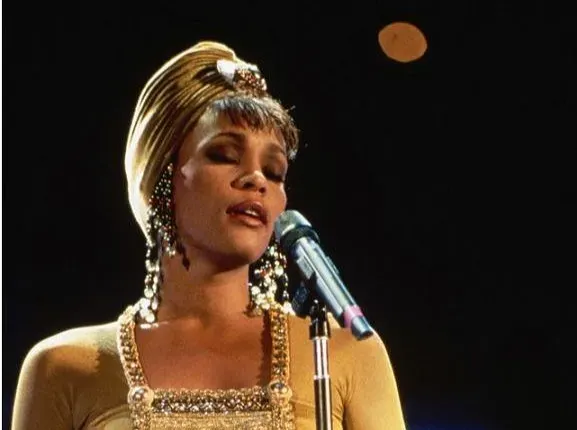
The Bodyguard is the clearest example on this list of a soundtrack genuinely eclipsing its film financially. The film grossed an impressive $411 million, which made it one of the bigger hits of 1992. The album attached to it, though, operated on an entirely different scale of success.
The Grammy winning soundtrack to The Bodyguard is the best selling movie soundtrack of all time with more than 44 million copies sold worldwide, a figure recognized by Guinness World Records. The commercial fallout from that success was almost as notable as the sales themselves. It garnered Houston the distinguished title as the best selling female musician in history, a standing she held until the release of Adele’s 21 in 2011. When people talk about a soundtrack outselling a film, this is usually the example they mean first.
Flashdance (1983): one song, six million copies, and a cultural reset

Flashdance was a modest theatrical success rather than a runaway blockbuster. Box office records show the film pulled in $92,921,203 in lifetime gross, respectable for its era but hardly staggering. What made it stick around in pop culture had far more to do with what came out of the speakers than what happened on screen.
The standout track from this musical romance was Michael Sembello’s “Maniac,” and it inspired over 6 million copies sold in the US alone. That single song, built around a workout montage that became instantly quotable, turned an otherwise mid tier drama into a soundtrack people kept buying long after the film left theaters. The leg warmers and torn sweatshirts faded from fashion eventually, but the music kept circulating on its own terms.
Footloose (1984): a modest hit movie with an immortal soundtrack

Footloose never pretended to be prestige cinema, and its box office reflected that scale. It closed out its run with a lifetime gross of $80,035,402, a solid but unremarkable number for a mid budget studio release. The soundtrack, however, kept dancing well past the film’s theatrical window.
Much of that staying power traces back to one voice. Kenny Loggins delivered the movie’s title track, Footloose, best known for its iconic dance routine, memorable chorus, and energetic tempo. That single song became more recognizable over time than most of the plot details, showing up at weddings, gyms, and karaoke nights decades after the movie itself had mostly slipped from casual conversation.
Purple Rain (1984): Prince turned a small film into a multiplatinum empire

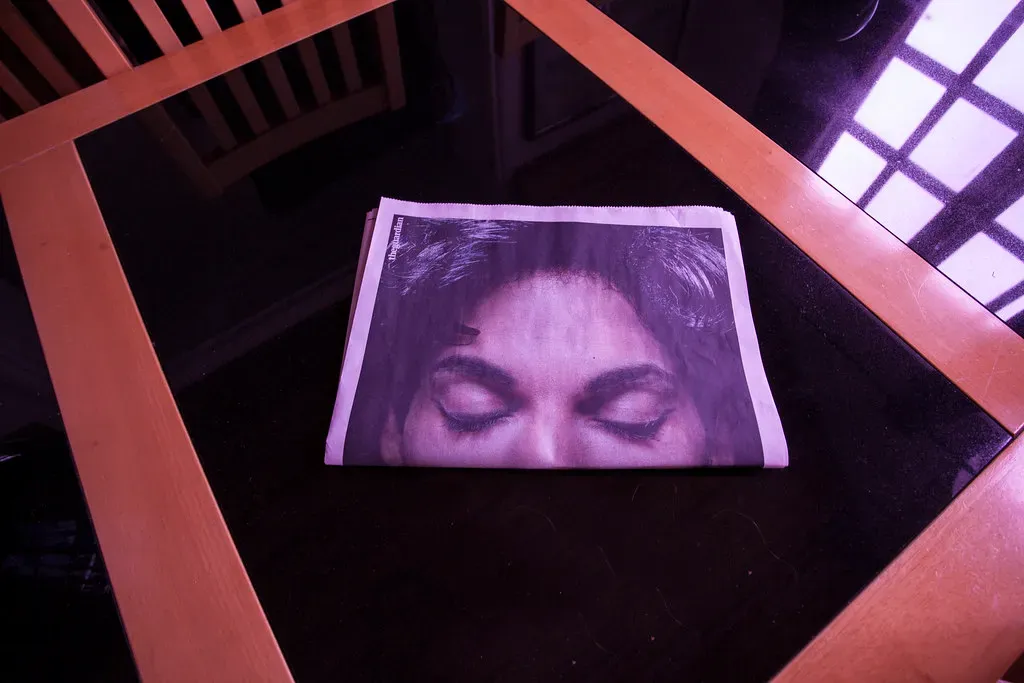
Purple Rain operated on a tight budget by studio standards, and its box office performance, while solid, never suggested the cultural weight the project would eventually carry. According to Wikipedia’s film data, Purple Rain had a budget of $7.2 million and grossed $70.3 million worldwide. The soundtrack, on the other hand, became one of the defining albums of the decade.
Prince’s soundtrack sold over 20 million copies, a number that dwarfs the film’s theatrical earnings several times over. It also picked up serious institutional recognition along the way, with the record going 13 times platinum as certified by the RIAA. Two of its biggest singles, “When Doves Cry” and “Let’s Go Crazy,” both hit number one, cementing the album’s independence from the movie that introduced it.
Dirty Dancing (1987): the sleeper hit that became a global jukebox

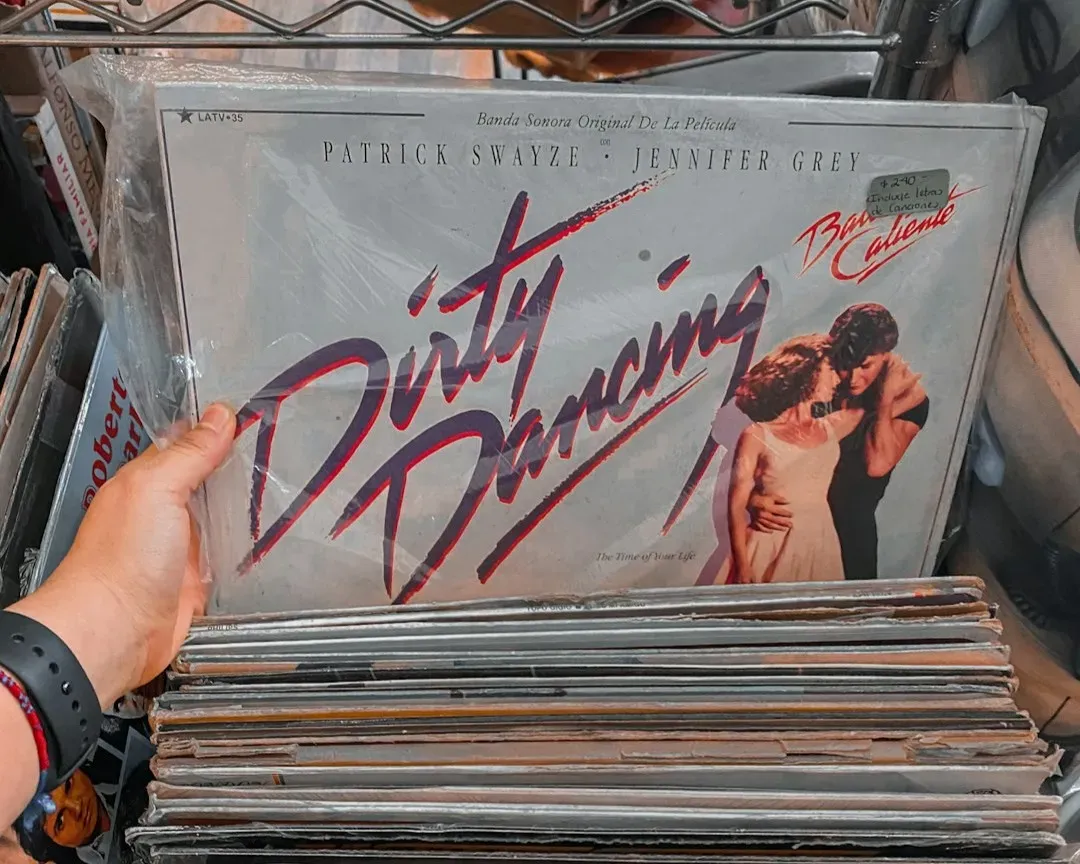
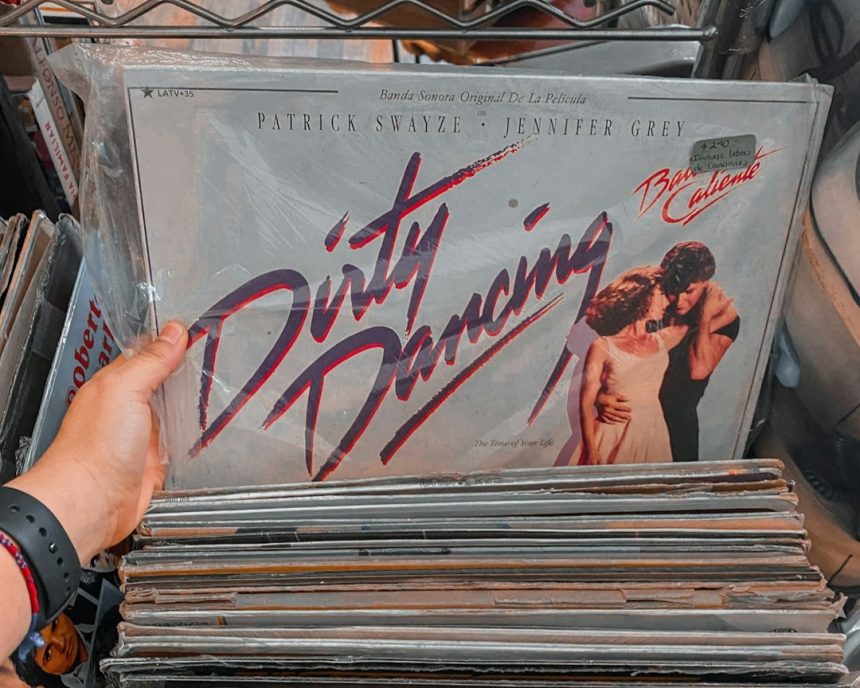
Dirty Dancing arrived with modest expectations and turned into one of the surprise hits of its year, largely on the strength of its music rather than any big budget spectacle. The soundtrack quickly took on a life independent of the film’s plot about a summer romance at a Catskills resort. It became the best selling movie soundtrack in the UK, a distinction that speaks to just how far its reach extended beyond American audiences.
Domestically, its impact was just as significant. It was the best selling soundtrack of the 1980s, featuring hit songs like “(I’ve Had) The Time of My Life” by Bill Medley and Jennifer Warnes. That single track, built around one unforgettable dance lift, became so tied to the album’s identity that it’s now credited as the theme tune for Dirty Dancing itself, referring to Medley and Warnes’s performance. Few soundtracks have managed to become shorthand for an entire film the way this one did.
Waiting to Exhale (1995): Whitney Houston strikes again, off screen this time

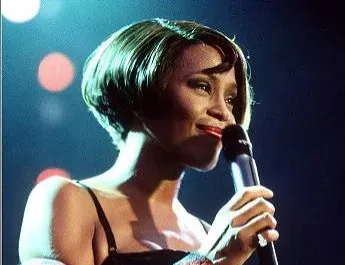
Waiting to Exhale was a solid commercial performer without being a massive blockbuster. According to Wikipedia’s data on the film, it had a budget of $16 million and a box office gross of $82 million, a healthy return but not the kind of number that generates headlines on its own. The soundtrack, composed largely by Kenneth “Babyface” Edmonds, ended up telling a much bigger story.
It sold 7 million copies and also received eleven Grammy nominations, winning Best R&B Song for “Exhale (Shoop Shoop).” That level of recognition from the recording academy is unusual for a soundtrack tied to a romantic drama rather than a splashy musical. It also reinforced something that was already becoming clear by the mid nineties, that Whitney Houston’s name attached to a soundtrack functioned almost like its own separate marketing engine.
Space Jam (1996): a basketball movie that became a music phenomenon

Space Jam performed well for a film built around Michael Jordan and the Looney Tunes, though nobody would call it a critical darling. Per Wikipedia’s film summary, it grossed $250.2 million worldwide against an $80 million budget, becoming the highest grossing basketball film of its era. The soundtrack, though, carved out its own identity almost immediately after release.
The soundtrack featured the worldwide hit “I Believe I Can Fly” by R. Kelly, and six million copies were sold. That single track outlived most memories of the film’s plot, showing up at graduations and sports broadcasts for years afterward. It’s a good example of how one song, if it lands at the right cultural moment, can carry an entire album’s commercial weight almost by itself.
Final thoughts